Last Updated: March 12, 2026 | Originally Published: April 29, 2025
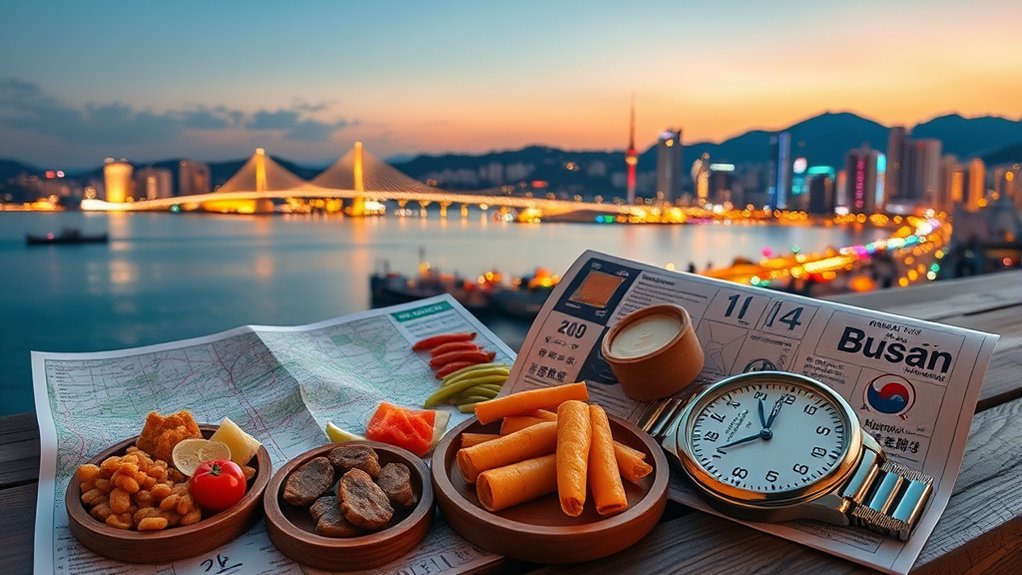
Read our full South Korea Travel Guide 2026 for everything you need to plan your Korea trip.
Only have 24 hours in Busan? Let’s make every minute count with this vibrant, sea-kissed itinerary through Korea’s second-largest city. (Source: Korea Tourism Organization)
Begin your day in the colorful hillside community of Gamcheon Culture Village. Known as the “Machu Picchu of Busan,” this area boasts pastel-painted houses, whimsical murals, and panoramic views of the city and sea. Don’t miss the iconic Little Prince statue and the charming cafes like Avant Garde, offering scenic terrace views.
Next, head to Jagalchi Fish Market, Korea’s largest seafood market. Experience the bustling atmosphere as you explore stalls brimming with fresh catches. Select your seafood and have it prepared on-site for a truly authentic Busan culinary experience.
By midday, head to Haeundae Beach for sun, sand, and a taste of Busan’s coastal magic. Whether you’re lounging on the soft sands, strolling the boardwalk, or catching a fountain show, this iconic beach is a crowd-pleaser for all ages.
As evening falls, make your way to Biff Square for a street food feast-think hotteok, skewers, and all the tasty treats Busan is famous for. If you’re up for more, Seomyeon’s nightlife is buzzing with energy and local flavor
Explorer Insights
Start at Gamcheon Culture Village for colorful art, unique shops, and a traditional breakfast.
Visit Jagalchi Fish Market around midday for fresh seafood and local culture.
Spend your afternoon at Haeundae Beach, enjoying the sea and family-friendly activities.
Savor street food at Biff Square in the evening, then explore Seomyeon’s vibrant nightlife scene.
Use the Busan subway or a T-money card for easy, affordable travel-single rides start at 1,300 KRW, or grab a 24-hour pass for unlimited rides.
Download a Busan travel app or subway map for real-time navigation and tips.
Busan moves fast-so should you. Ready to discover the best of Korea’s seaside city in just one day?
Best Time to Visit Busan
Busan is a year-round destination, but the best times to visit are spring (April–June) and autumn (September–November), when the weather is mild, skies are clear, and the city’s natural beauty is at its peak.
Spring (April–June):
Cherry blossoms and vibrant flowers bloom across the city, especially in late March and early April.
Comfortable temperatures (average 14–18°C) are ideal for outdoor activities and sightseeing.
Major spring festivals and fewer crowds compared to summer.
Summer (July–August):
Peak beach season at Haeundae and Gwangalli with lively festivals and nightlife.
Hot, humid, and rainy (monsoon season), with temperatures often above 25°C.
Expect large crowds and higher prices.
Autumn (September–November):
Crisp air, clear skies, and stunning autumn foliage make this the most popular time to visit.
Major events like the Busan International Film Festival in October.
Comfortable temperatures (17–21°C) and excellent hiking conditions.
Winter (December–February):
Cold, dry, and windy, but milder than other Korean cities.
Fewer tourists and a quieter atmosphere, with festive events like the New Year’s Sunrise Festival.
Not ideal for beach activities, but great for hot springs and seafood markets.
Quick Tips:
Avoid Chuseok and Seollal (major Korean holidays), when travel congestion and prices spike.
Bring an umbrella year-round, as rain is possible in any season.
Book early for festivals and cherry blossom season.
Would you like recommendations for specific festivals or seasonal events in Busan?
How to Get to Busan
Busan is easily accessible from major cities in South Korea and abroad:
From Seoul:
High-Speed Train (KTX/SRT): The fastest and most popular option. Trains from Seoul to Busan take about 2 hours 28 minutes, with frequent departures from Seoul Station and Suseo SRT Station. Tickets range from ₩21,000 to ₩80,000 depending on class and time.
Express Bus: Buses depart every 30 minutes from Seoul Express Bus Terminal to Busan Central Bus Terminal. The journey takes about 4 hours and costs ₩26,000–₩50,000.
Flights: Direct flights from Seoul’s Gimpo International Airport to Busan’s Gimhae International Airport take around 1 hour, but total travel time (including transfers) is typically longer than the train.
By Ferry: Busan is a major seaport with regular international ferry services, including routes from Osaka and other Japanese cities.
Getting Around Busan
Busan offers a comprehensive and user-friendly public transportation network:
Subway:
Five lines (Lines 1–4 and the Busan-Gimhae Light Rail Transit) connect major attractions, bus terminals, and neighborhoods. Subway signage and announcements are available in Korean, English, Chinese, and Japanese, making it easy for visitors.
One-day subway passes are available, or use a transport card for convenience.
Buses:
The city’s bus network is extensive, with routes covering most tourist destinations. Bus information is displayed in multiple languages, but route maps may not always be in English, so plan ahead.
Transport Cards:
Cashbee Card: The most widely used in Busan, available at convenience stores and subway stations. Also usable in many shops and for taxis.
T-money Card: If you already have one from Seoul, you can use it in Busan as well.
Visit Busan Pass: This physical card acts as both a tourist attraction pass and a rechargeable transportation card, offering free or discounted entry to attractions and use on subways and buses.
Taxis:
Readily available and convenient for short trips, though more expensive than public transport.
Tips:
Busan is too large to explore entirely on foot, but walking is pleasant within neighborhoods.
Using a transport card saves money and time, and allows for free transfers within 30 minutes on buses
Busan’s high-energy vibe can feel overwhelming, but with this streamlined 48-hour itinerary, you’ll experience the city’s highlights without missing a beat.
🏖️ 24-Hour Busan Itinerary: Discover Korea’s Coastal Gem
Experience the vibrant blend of tradition, culture, and seaside charm in Busan with this easy-to-follow, SEO-friendly itinerary. Perfect for first-time visitors or those on a tight schedule.
🌅 Morning: Sunrise & Coastal Serenity
1. Haedong Yonggungsa Temple
What: A 14th-century Buddhist temple perched on coastal cliffs.
Why Visit: Offers one of Korea’s most breathtaking sunrise views over the sea.
Tip: Arrive 20–30 minutes before sunrise for the best experience.
2. Haeundae Beach & Blueline Park Sky Capsule
What: Busan’s most famous beach paired with a scenic coastal ride.
Why Visit: Enjoy a leisurely walk along the beach and ride the colorful Sky Capsule for panoramic ocean views.
Tip: Book tickets in advance to secure your preferred time slot.
🎨 Midday: Art, Culture & Local Flavors
3. Gamcheon Culture Village
What: A hillside village known for its vibrant murals and artistic installations.
Why Visit: Explore maze-like alleys filled with colorful houses, art galleries, and quaint cafes.
Tip: Wear comfortable shoes to navigate the steep and narrow pathways.
4. Lunch at Jagalchi Fish Market
What: Korea’s largest seafood market offering fresh catches.
Why Visit: Select live seafood downstairs and have it prepared in the upstairs restaurants.
Tip: Try “hoe” (raw fish) for an authentic Busan culinary experience.
🏙️ Afternoon: Urban Exploration & Panoramic Views
5. Nampo-dong & BIFF Square
What: A bustling district known for shopping and street food.
Why Visit: Sample local delicacies like ssiat hotteok and explore the birthplace of the Busan International Film Festival.
Tip: Visit in the late afternoon to enjoy street performances and vibrant nightlife.
6. Busan Tower or Lotte Mall Rooftop Observatory
Busan Tower:
What: A 120-meter-high tower offering panoramic city views.
Why Visit: Experience a 360° view of Busan, including the port and surrounding mountains.
Lotte Mall Rooftop Observatory:
What: A free observation deck atop Lotte Department Store.
Why Visit: Enjoy serene views of the city and sea without the crowds.
🌇 Evening: Sunset & Night Lights
7. Gwangalli Beach & Gwangan Bridge
What: A popular beach offering stunning views of the illuminated Gwangan Bridge.
Why Visit: Relax at beachfront cafes and watch the bridge light up the night sky.
Tip: Stay for the evening light shows and enjoy local seafood dishes.
📝 Additional Tips
Transportation: Utilize Busan’s efficient subway system and taxis for longer distances.
Footwear: Wear comfortable shoes suitable for both urban and coastal walks.
Local Delicacies: Don’t miss out on dwaeji gukbap (pork soup with rice) and milmyeon (cold wheat noodles).
Extra Time: Consider visiting the Busan Museum of Art or relaxing in a jjimjilbang (Korean sauna) like Spa Land Centum City
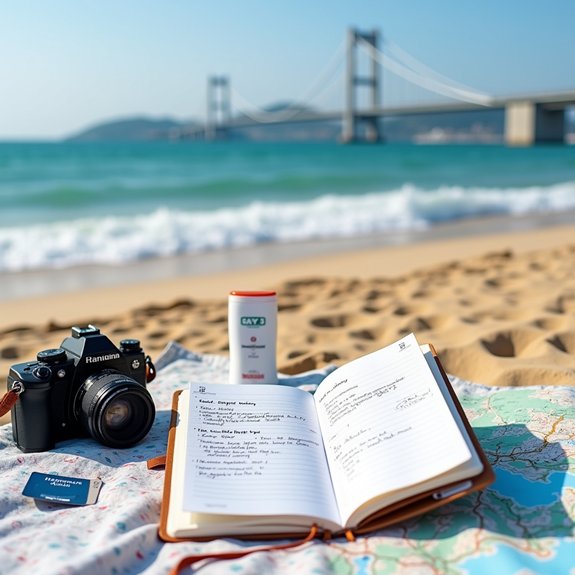
Busan’s Beach Essentials
🐟 Jagalchi Market: Busan’s Seafood Epicenter
Jagalchi Market, Korea’s largest seafood market, has been a cornerstone of Busan’s fishing industry since the 1920s. Officially established after Korea’s liberation in 1945, it played a key role in rebuilding the nation’s seafood trade post-war and remains a symbol of Busan’s resilience.
Vibrant Atmosphere: Experience rows of stalls brimming with fresh fish, crabs, squid, and shellfish. Vendors, especially the iconic “Jagalchi Ajummas,” call out their freshest catches, creating an energetic and authentic vibe.
Seafood Auctions: Witness lively seafood auctions from 5–8 AM, where the day’s freshest catches are sold in a bustling environment. Arrive early for the full experience.
Dine On-Site: Select your seafood from the market stalls and have it cooked to order in the upstairs restaurants. Enjoy a feast of fish, crab, and shellfish, all served with classic Korean side dishes.
Practical Tips:
Hours: Open daily from 5:00 AM to 9:00 or 10:00 PM. Mornings offer the freshest catches and most activity.
Location: Nampo-dong, accessible via Busan Subway Line 1 (Jagalchi Station, Exit 10).
What to Bring: Comfortable shoes (the market is extensive and floors can be slippery), some cash for vendors, and a light jacket for the breezy waterfront.
🍲 Seafood Delights Across Busan
Haeundae Beach Restaurants
Gaemijip: Known for its spicy seafood stews brimming with octopus, shrimp, and beef tripe, offering a true taste of Busan’s culinary spirit.
Heundae Number_1 Seafood: Praised for its ultra-fresh selections and attentive service, providing a premium dining experience.
Cheongsapo’s Grilled Specialties
Suminine: Famous for grilled clams and eel platters, where seafood is expertly grilled over charcoal and enjoyed with sea views.
JJ Scallop: Offers a lively atmosphere with a variety of shellfish grilled to perfection, complemented by the proximity to the Cheongsapo lighthouse.
Gijang Crab Market
For crab enthusiasts, Gijang Crab Market is a must-visit. This bustling coastal market is famed for its daily catch of live crabs. Select your preferred crab and have it cooked on-site for a flavorful feast.
Pro Tips:
Most seafood spots in Busan allow you to pick your catch and have it cooked to order, ensuring freshness.
Prices are generally reasonable, but it’s advisable to check the menu or ask for recommendations if unsure.
Markets and restaurants are busiest on weekends; arriving early can help you get the best selection and avoid long waits.
Whether you’re craving charcoal-grilled eel, spicy seafood stews, or freshly steamed crab, Busan’s seafood scene offers a delightful adventure at every turn.
🌟 Discover More of Busan: Hidden Gems & Wellness Escapes
Looking to explore beyond Busan’s popular spots? Dive into these unique experiences that showcase the city’s diverse offerings.
🏖️ Tranquil Beaches & Scenic Trails
Songdo Beach & Skywalk: As Korea’s first public beach, Songdo offers a serene atmosphere complemented by the Songdo Skywalk—a glass-bottomed walkway extending over the sea. For panoramic coastal views, take a ride on the Songdo Marine Cable Car, connecting Songdo Bay Station to Amnam Park.
Ilgwang Beach: Located in Gijang-gun, Ilgwang Beach is a peaceful retreat with soft sands and calm waters, ideal for families and picnics. The nearby Gangsongjeong Pine Tree Forest adds to its natural charm.
- Nakdonggang Riverside Trail: Enjoy a leisurely walk or bike ride along the Nakdong River’s estuary. This trail offers cool breezes, picnic spots, and scenic river views, making it a favorite among locals.
🆕 Recent Travel Enhancements
Busan Pay: Launched in 2026, Busan Pay is Korea’s first mobile payment system exclusively for foreign tourists. Register for a prepaid card via the app, available at Gimhae Airport, Busan Station, and tourist centers, to conveniently pay for shopping, transport, and attractions.
Visit Busan Pass: Available in 24 or 48-hour options, this pass grants free access to over 30 attractions, including the Songdo Marine Cable Car and Lotte World Adventure Busan, as well as unlimited rides on city tour buses and coastal trains.
💆 Wellness & Relaxation
Spa Land Centum City: Located within the world’s largest department store, Shinsegae Centum City, Spa Land is one of Korea’s top jjimjilbangs (Korean spas). It offers themed saunas, hot spring baths, wellness treatments, and tranquil relaxation zones in a modern, architecturally stunning setting.
Best for Festivals
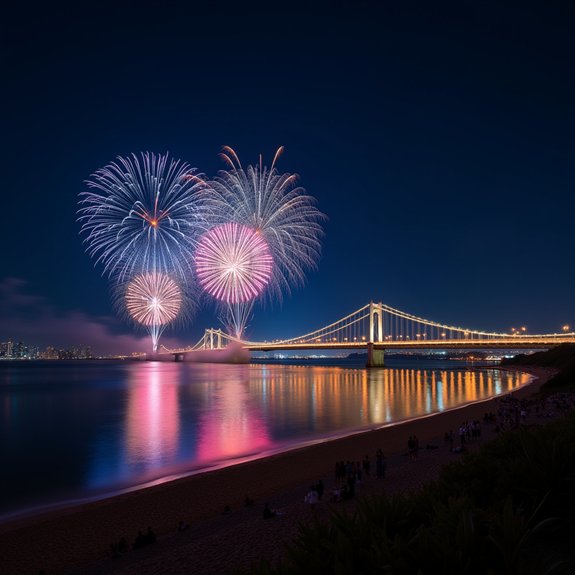
You’ve got to check out Busan’s cherry blossom events in spring, where the Lotus Lantern Festival lights up the city with colorful lanterns and Buddhist vibes. For an extra burst of spring color, don’t miss the Jeju Island canola flower fields—these golden landscapes make for epic photo ops and unique festival treats. Typhoon season in summer can crash the party, like during the Busan Sea Festival on the beaches, so it’s a wild ride if you’re not prepared.
Oh, and don’t miss how these festivals mix art and culture into one heck of a show.
In the fall, make sure to visit the Seomyeon Light Festival for its impressive light sculptures and cultural events.
Cherry Blossom Events
Busan’s cherry blossom events are lighting up the scene in 2026, starting with the Nakdonggang River Garden Festival from March 28 to 30.
You’ll wander the Nakdonggang Riverside Samnak Cherry Blossom Walkway and Myeongpumgaro Park, where a blooming ceremony and street performances kick things off—talk about a petal-packed party!
Oh, and Cherry Blossom Photography? Those special photo zones at Daejeo Ecological Park will have you snapping selfies like a wannabe pro, with scenic river views stealing the show. With 2,500 cherry blossom trees forming a stunning tunnel along the river, it’s an iconic spot for breathtaking views. Similar to Japan’s famous sakura viewing spots, Busan offers a vibrant and festive atmosphere during its cherry blossom events.
Don’t miss Cherry Blossom Cuisine at the food markets; they’re dishing out local treats until April 6, free admission and all. It’s a community vibe that screams “join in or miss out,” weather willing.
Yeah, blossoms wait for no one—peak around March 30, and it’s pure magic, folks.
Typhoon Season Tips
As typhoon season rolls into Busan from July to September, you might face hot, humid days with sudden downpours that wreck the vibe.
But hey, don’t let that dampen your adventure—dive into typhoon preparedness tips first. Keep tabs on weather forecasts; it’s a no-brainer to avoid getting caught in the storm’s fury.
If you need help understanding local alerts, knowing essential phrases for emergencies can make a real difference in communicating with locals.
Know your emergency evacuation plans, seriously, because Busan’s winds don’t mess around. Festivals? They’re a blast in spring or autumn, not when typhoons crash the party.
Imagine this: you’re all set for outdoor fun, then bam, everything’s postponed. Stay indoors during the worst, secure your stuff—those flying umbrellas aren’t funny.
Be smart, stay safe; Busan’s magic waits for clear skies. Yeah, Mother Nature’s got a twisted sense of humor. In autumn, you can enjoy low rainfall while exploring the milder weather.
Busan Family Routes
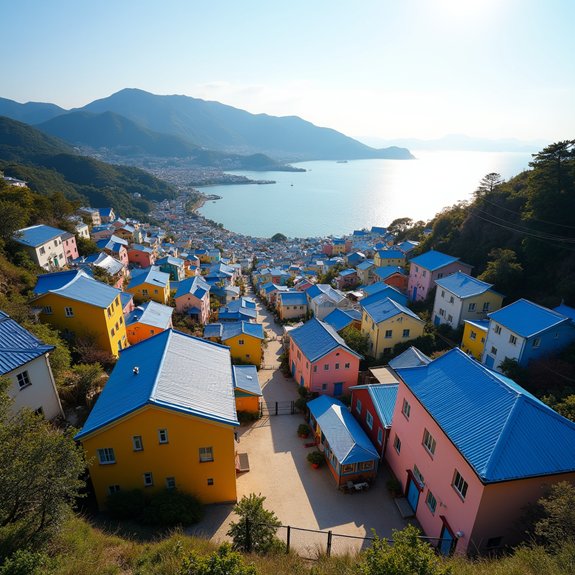
👨👩👧👦 Family-Friendly Attractions
Lotte World Adventure Busan: Opened in 2026, this theme park offers thrilling rides like Giant Digger and Giant Splash, family zones, magical parades, and photo spots. It’s a highlight for families and included in the Visit Busan Pass.
Sea Life Busan Aquarium: Situated at Haeundae Beach, this aquarium features over 35,000 marine animals, an 80-meter underwater tunnel, penguins, otters, and interactive touch tanks, making it perfect for all ages.
Taejongdae Resort Park: Ride the Danubi Train through dramatic coastal cliffs, lighthouse views, and lush forests. This scenic journey is a favorite with kids and offers a great way to experience Busan’s natural beauty.
Family routes in Busan mix beaches, culture, and outdoor thrills for your crew.
You’ll hit family friendly attractions like Haeundae Beach, with its sandy shores and fountain shows that kids go nuts for—seriously, who doesn’t love a water spectacle? The beach boasts a 1.5 kilometers stretch of golden sand perfect for building sandcastles and enjoying water sports.
Gwangalli Beach offers killer city views, perfect for snapping selfies. The ease of reaching major cities like Busan is enhanced by Korea’s world-class KTX high-speed train, which consistently delivers fast, comfortable, and reliable journeys across the country.
Immerse yourself in cultural experiences at Haedong Yonggungsa Temple, where the seaside vibes make history feel alive, or Gamcheon Culture Village’s colorful chaos that’ll have you grinning like a tourist trap survivor.
Immerse in cultural vibes at Haedong Yonggungsa Temple’s seaside history or Gamcheon Village’s colorful chaos that’ll leave you grinning.
Ferry Navigation Options

You know, while you’re cruising on a Busan ferry, it’s wild how they use LORAN and GPS to pin down your location without a hitch—talk about not getting lost at sea.
Oh, and radar‘s there to spot other ships like a hawk, because who wants a surprise collision ruining your view?
Sure, satellite comms keep everyone chatting with port folks, but let’s be real, it’s all about that safety net when the waves get feisty. For a smoother ride in varying conditions, the JR Queen Beetle relies on its hydrofoil design.
Even ferry terminals are well-signposted in English, making navigation as clear as it is in Korea’s major train stations.
Busan Coastal Driving Tips
Coastal drives in Busan deliver epic views, like the scenic stretch from Gwangalli to Haeundae, but here’s the straight talk on traversing it.
You’ll hit amazing driving routes, such as Taejongdae to Dadaepo, soaking in that breathtaking coastal scenery—think beaches and parks that make you stop and stare. Along the way, make sure to visit Songdo Skywalk for its renowned panoramic views and Korea’s longest cloud trail. If you’re looking for a place to unwind after your drive, consider staying at one of Busan’s beachfront hotels, which offer direct access to the sand and ocean views.
Stick to the right-hand traffic, keep speeds at 60 km/h in the city or 120 on highways; speed cameras are lurking, so don’t get cocky.
Parking’s a nightmare in tourist spots—seriously, plan ahead. Use Naver Maps; it’s your best buddy for navigation.
If roads frustrate you, ditch the car and catch a ferry from Busan Port to islands like Yeongdo—faster than fighting traffic, right?
Enjoy the ride, but stay sharp.
Busan Riverside Trails
These riverside trails in Busan, like the Suyeonggang and Oncheoncheon paths, deliver easy, scenic escapes right in the city chaos—think gentle walks with river breezes and surprise wildlife sightings.
You’ll stroll Suyeonggang’s 4.6-mile stretch, dodging high-rises for autumn vibes that scream scenic photography gold. Over on Oncheoncheon, urban wildlife like otters and herons pop up—yeah, real deal in the concrete jungle. Alongside these natural escapes, Busan’s Haeundae Beach is a must-see for its iconic 1.5km stretch of white sand, vibrant atmosphere, and annual festivals that draw millions of visitors.
Hop a ferry for a twist; it connects you to Oryukdo’s coastline views, making your adventure seamless. Don’t bother with tough hikes; these trails are a breeze, perfect for snapping those Insta-worthy shots.
Ferry routes? They’re straightforward, linking land to islands with zero fuss. Who knew mixing rivers and ferries could be this fun—Busan’s sneaky charm at work.
For a different experience, explore the Nakdonggang Riverside Trail, where golden reed fields offer a stunning fall spectacle ideal for picnics and relaxation.
Busan SIM Tips
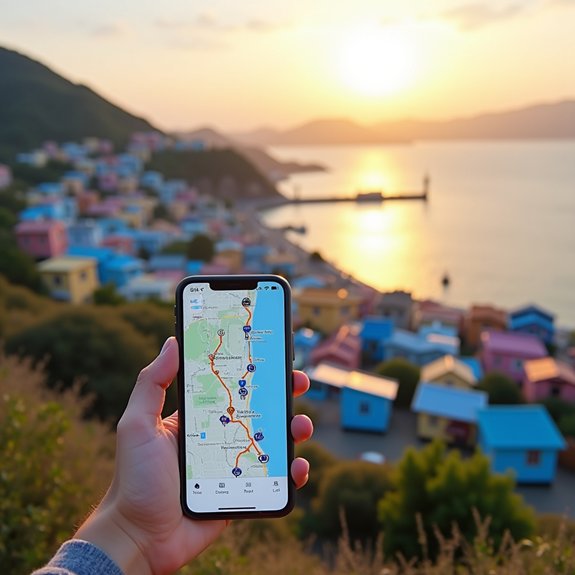
Getting a SIM card in Busan is straightforward if you know where to look and what to bring. Here’s how to stay connected from the moment you land:
Where to Buy Your SIM Card
Busan Gimhae Airport
The easiest place to pick up a SIM card is right at Gimhae Airport. Major carriers like KT (Olleh), SK Telecom (T Roaming), and LG U+ all have counters in the arrivals hall (between Gates 2 and 3). Staff are friendly and will help with installation and activation on the spot.LG U+ stands out for offering both physical SIMs and eSIMs. If your phone supports eSIM, you can activate service instantly with a QR code-no more fumbling with tiny cards..
Convenience Stores & Carrier Shops
If you miss the airport counters, you can also get SIMs at GS25, CU, or 7-Eleven stores, or at the official carrier shops across Busan. However, airport pickup is the fastest and most tourist-friendly option.
How to Skip the Lines
Pre-book Online
Reserve your SIM card in advance through platforms like Trazy, GetYourGuide, or directly from KT/LG U+. This lets you skip the queue-just show your confirmation, pick up your SIM, and go.Walk-ins are possible, but expect longer waits, especially during peak arrival times.
Plan Options & Pricing
Basic plans start at around 6,600 KRW for a few days of data.
Popular option: 7-day unlimited data for 35,000 KRW, with 21GB at high speed (4G/LTE) before throttling. Plans range from 3 to 60 days, so you can tailor your choice to your trip length.
Combo SIM + T-money Card: Some SIMs double as a public transportation card, making travel around Busan even easier.
What You Need
Passport: Required for all SIM card purchases-no exceptions.
Unlocked Phone: Make sure your device is unlocked and supports Korean network bands (most modern phones do).
Purchase Limit: You can buy up to 3 SIM cards per passport.
Network & Data Tips
Nationwide 4G/LTE coverage ensures you stay connected throughout Busan and beyond.
Unused data resets daily for most unlimited plans, so use your daily allowance before midnight.
Hotspot/tethering is supported on most SIMs and eSIMs, perfect for sharing data with your travel companions.
eSIM Options
LG U+ eSIM: Activate instantly at the airport with staff assistance. Great for iPhones and Samsung devices, but not all brands are supported-check compatibility before purchase4.
Korea eSIM Red: A top pick for unlimited 4G LTE data, ideal for travelers who want fast, hassle-free activation and no physical SIM swapping.
Power Up: Adapter Essentials
Korea uses Type C and Type F plugs (the “pig nose” two-round-pin style) at 220V, 60Hz.
Bring a universal travel adapter if your plugs are different-most hotels and electronics shops sell them, but it’s easier to pack your own.
Most modern devices (phones, laptops, cameras) are dual voltage, but always check your charger label before plugging in.
Quick Recap:
Buy your SIM at Gimhae Airport from KT, SKT, or LG U+ (physical or eSIM).
Pre-book online to skip lines and secure the best plan for your stay.
Bring your passport and an unlocked phone.
Consider a SIM + T-money combo for seamless transit.
Pack a Type C/F adapter for all your charging needs.
With these tips, you’ll stay connected and powered up throughout your Busan adventure-no hassle, no surprises.
Busan Bowing Etiquette
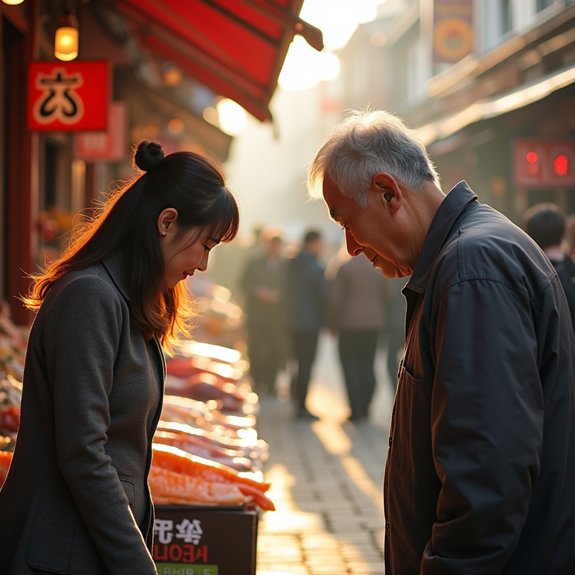
When you’re wandering through Busan, bowing isn’t just a polite wave—it’s a full-on cultural ritual, deeply tied to Korea’s Confucian roots. This practice aligns with the cultural emphasis on respecting elders, ensuring you maintain harmony in social settings.
In Busan, bowing’s no mere wave—it’s a full-on ritual, steeped in Korea’s Confucian essence!
You’ll immerse yourself in bowing traditions that scream respect for hierarchy, from casual nods to deep bends that make you feel like you’re in a historical drama. These respectful gestures aren’t just polite; they’re essential for blending in, and hey, botch one and you’ll get those awkward stares—talk about a cultural facepalm! For travelers looking to better understand greeting etiquette, dedicated guides like Etiquette Guide to Korea provide practical tips on bowing and social protocols.
- Grasp bowing traditions: Start with a casual 15-degree bow for everyday greetings; it’s quick, easy, and avoids looking clueless.
- Master respectful gestures: Amp it up to a 30-45-degree bow for elders or formal events—shows you’re tuned into that Confucian respect vibe, no sarcasm needed.
- Integrate into interactions: Use deep bows for thanking or apologizing; it’s not overkill, it’s your ticket to social harmony without the drama.
Tsunami Safety in Busan
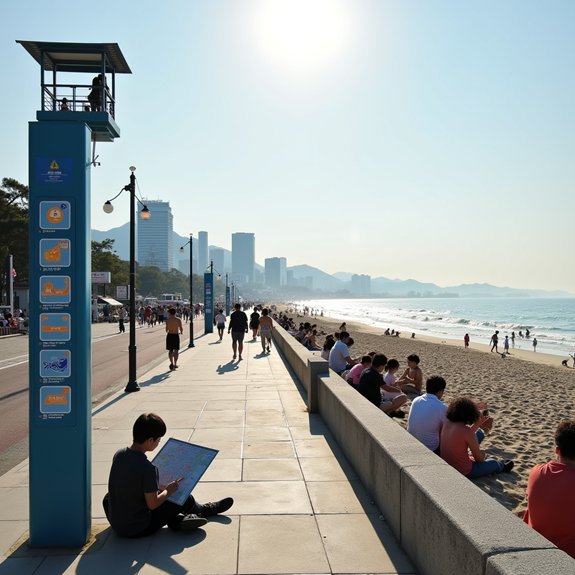
Busan’s coastline packs a punch with tsunami risks, so you can’t just bow your way out of trouble.
Seriously, don’t wait for the sea to throw a tantrum—spot early signs like sudden water retreats or tremors, and tune into local alerts via radio or sirens.
Much like China’s subway network, evacuation routes in Busan are clearly marked and easy to follow, making navigation straightforward even for visitors.
For tsunami preparedness tips, stock a lightweight emergency kit with food and first-aid, and join those annual drills; it’s not a game, folks.
Evacuation routes are your lifeline—follow the marked arrows to high ground over 30 meters, prioritizing kids and the elderly.
Skip lowlands like the plague, and if you’re stuck, bolt to upper floors.
Authorities blast real-time updates, so stay put until it’s safe. Remember that tsunamis can strike multiple times, making it essential to remain on higher ground until authorities give the all-clear.
Busan Expense Guide 2026: How to Make Your Won Go Further

Busan is a vibrant, bustling city-but it’s not always gentle on your wallet. With daily costs averaging around $99 per person for food, accommodation, transport, and sightseeing, it’s about 11% pricier than the South Korean average. Still, with a little planning, you can experience the best of Busan without breaking the bank.
Average Costs in Busan
Single traveler monthly cost: ₩1,739,193 (about $1,270
Average daily budget: $99 per person (mid-range), but can go as low as $41 for thrifty travelers
Budget accommodation: Hostels and guesthouses from $10–$30 per night; hotels start around $20, especially if you stay near metro stations for transport savings
Food: Expect to spend about ₩9,000 ($6.60) per meal at local restaurants; daily food costs average $43 per person for three meals
Rent: A single room averages ₩476,000 per month
Groceries: Prices are about 12.5% higher than the national average; for example, a 500g loaf of white bread is around 5,000 KRW ($3.70)
Transportation: T-Money cards make buses and subways affordable, with one-way fares around $1.10; a monthly pass is about ₩60,000 ($44)
For two travelers: Budget ranges from $81 to $467 per day, depending on accommodation and dining choices
Busan Budget Hacks
Eat like a local:
Grab street food at Jagalchi Market or snack on tteokbokki and kimbap from vendors for a cheap, filling meal. Convenience stores often have 1+1 promotions for snacks and drinks.Stay smart:
Book guesthouses or hostels in quieter districts for lower rates and kitchen access-perfect for saving on meals. Look for properties near subway stations to cut down on daily transport costs.Maximize your transport:
Use a T-Money or City Pass Card for seamless, discounted rides on public transit. Avoid taxis unless necessary-they can quickly inflate your daily expenses.Shop savvy:
Hunt for bargains at Gukje Market and don’t be shy about negotiating. Track your spending to avoid surprises.Student savings:
If you’re a student, university cafeterias offer meals at a fraction of restaurant prices, similar to budget dining options in China.Free and cheap activities:
Many temples, parks, and city beaches are free to visit. Look for free cultural events or discounted museum days to stretch your budget further.
Sample Daily Budgets
| Budget Level | Daily Cost (per person) | Accommodation Example | Food Example | Transport Example |
|---|---|---|---|---|
| Shoestring | $41 | Hostel dorm bed | Street food, snacks | Subway/bus with T-Money |
| Mid-range | $99 | Budget hotel/guesthouse | Mix of restaurants | Subway/bus |
| Comfortable | $233 | 3-star hotel | Restaurant/fine dining | Occasional taxi |
Final Tips
Plan ahead: Prices spike during high season (Dec–Feb), so book early for the best deals.
Track your expenses: Use apps or a simple spreadsheet to keep your budget in check.
Don’t let costs cramp your style: With smart planning, Busan’s energy and experiences are accessible at any budget.
Busan may play hard with your wallet, but with these tips, you’ll play smarter-and enjoy every won spent.
Frequently Asked Questions: Busan Travel 2026
Do I Need a Visa for Busan?
Visa requirements for Busan (and South Korea in general) depend on your nationality and the purpose of your visit:
Visa-Exempt Countries:
Citizens of many countries-including the US, UK, Australia, much of the EU, and others-can enter South Korea visa-free for up to 90 days for tourism. However, most travelers must apply for a K-ETA (Korea Electronic Travel Authorization) at least 24 hours before departure. Some countries are temporarily exempt from K-ETA requirements until the end of 2026, but always check the latest updates before your trip.If You Need a Visa:
Travelers from non-exempt countries must apply for a short-term tourist visa (C-3-9). This generally allows a single entry for up to 90 days.Don’t Overstay:
Overstaying your visa can result in heavy fines (up to 30 million KRW), deportation, and bans on future entry.
Tip: Always check the latest requirements for your nationality on the official Korean immigration website or with your local Korean embassy before you travel.
What’s the Best Season to Visit Busan?
Spring (April–June) and Autumn (September–November) are the best times to visit Busan. Expect mild temperatures, low rainfall, and beautiful cherry blossoms in spring or colorful foliage in fall.
Summer (July–August): Hot, humid, and crowded-best for beach lovers but expect higher prices and more tourists.
Winter (December–February): Fewer crowds and lower prices, but it can be cold and windy.
For the best weather and vibrant city life, plan your trip for May, June, September, or October.
How Do I Get from Busan Airport to the City?
Gimhae International Airport is well-connected to Busan’s city center:
Subway:
Fast and affordable. Take the Busan-Gimhae Light Rail Transit (BGL) to Sasang Station, then transfer to Line 2 or 3. Total time: 21–46 minutes. Cost: ₩1,400–1,800.Bus:
City bus 307 and several airport limousine buses connect the airport to major districts. Journey time: 40–90 minutes. Cost: ₩1,550–2,100.Taxi:
Direct and convenient, especially with luggage. Journey: 23–45 minutes. Cost: ₩18,000–30,000 (standard taxi), more for deluxe/jumbo taxis.Private Transfer:
Pre-booked rides are available, with English-speaking drivers and door-to-door service. Cost: from US$50+.
Tip: Have your destination address written in Korean for taxi drivers.
Are English Tours Available in Busan?
Yes, English-language tours are widely available in Busan:
Group and Private Tours:
Book through platforms like Klook, Viator, or GetYourGuide for guided experiences at top attractions such as Haedong Yonggungsa Temple, Gamcheon Culture Village, and Jagalchi Fish Market.Customizable Options:
Many tours offer hotel pickup, small-group settings, and flexible itineraries.Solo and Family-Friendly:
There are tours for every traveler, from solo adventurers to families.
What Currency Is Used in Busan?
Currency:
The official currency is the Korean Won (KRW), symbol ₩.Banknotes: ₩50,000, ₩10,000, ₩5,000, ₩1,000
Coins: ₩500, ₩100, ₩50, ₩10
Currency Exchange:
Best rates are found in Nampo-dong, Seomyeon, or at dedicated money exchanges like Busan Money Exchange, Youngjin Exchange, and Woori Money Exchange.Cashless Payments:
Credit cards are widely accepted, but keep some cash for small vendors and markets.New for 2026:
BUSAN Pay is a foreigner-friendly local currency available via app and prepaid card, usable for transport, shopping, and more.
Conclusion
Busan offers a vibrant mix of beaches, festivals, and city life. Whether you’re sorting out visas, catching cherry blossoms, or navigating the city from the airport, a little planning goes a long way. With English tours, easy transit, and a welcoming vibe, Busan is ready to show you its magic. Safe travels!
More on Transportation:

Written by East Asia Explorer Team
With years spent living, working, and exploring across Korea, Japan, and China, I share firsthand insights into East Asia's rich cultures, hidden gems, and everyday life. My journey also includes studying in Malaysia and traveling through Southeast Asia, experiences that have deepened my appreciation for the region's diversity. Through practical tips, local stories, and travel guides, I aim to help fellow explorers discover both the celebrated highlights and the lesser-known corners of East Asia.