Last Updated: July 24, 2026 | Originally Published: February 20, 2026
As an Amazon Associate I earn from qualifying purchases. This post contains affiliate links; if you buy through them we may earn a commission at no extra cost to you.
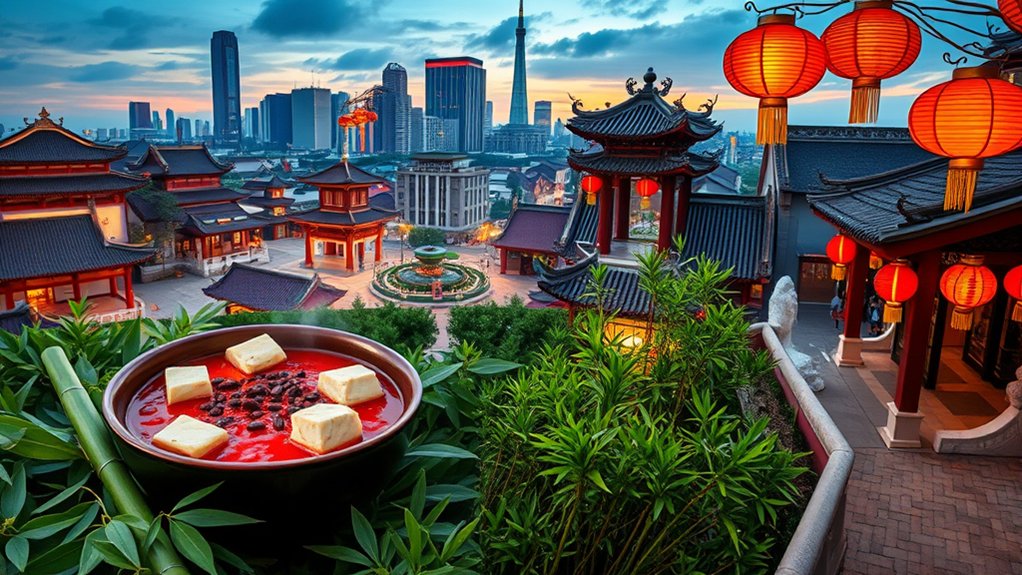
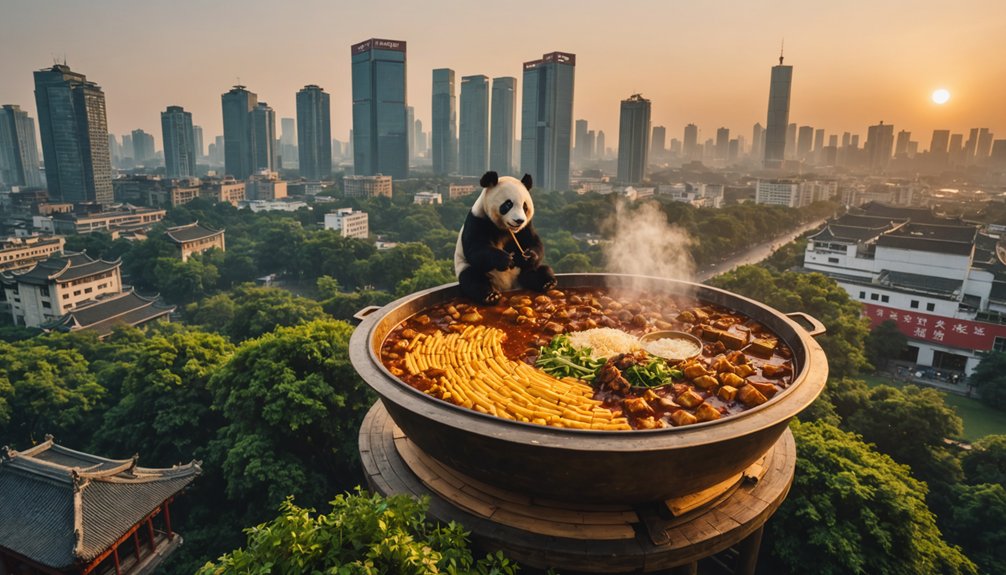
Chengdu delivers the ultimate China trifecta: adorable pandas (visit before 9am when they’re active), mind-blowing Sichuan hotpot, and ancient cultural gems. You’ll find 1,900 wild pandas in China, with the Chengdu Base boasting 90%+ survival rates. Budget around ¥350 daily, including panda-themed metro rides for just ¥6. Pack N95 masks for unpredictable air quality and basic Mandarin phrases. The locals’ 10,000 teahouses await your exploration beyond the tourist circuit.
Explorer Insights
- Visit Chengdu Research Base before 9AM to see pandas at their most active, with survival rates now exceeding 90%.
- Experience authentic Sichuan hotpot at Shu JiuXiang or Long Sen Yuan, part of Chengdu’s rich culinary tradition.
- Explore the UNESCO-listed 71-meter Leshan Giant Buddha, a masterpiece carved between 713-803 CE.
- Navigate using the affordable panda-themed metro (¥6) or rent electric panda cars for eco-friendly transportation.
- Budget around ¥350 daily for expenses, with hostels near Tianfu Square starting at just ¥50 per night.
Panda Capital’s Vibrant Soul
While many cities claim a signature animal, none owns their mascot quite like Chengdu. This is panda central. Period.
With 1,900 wild pandas roaming China’s mountains and 757 in captivity globally, Chengdu’s research facilities stand at the conservation forefront. The city is situated in Sichuan province, where most wild pandas naturally inhabit mountainous regions. The Chengdu Research Base isn’t just a tourist trap—it’s where the magic happens. Scientists here have boosted captive panda survival rates above 90%. Not bad for a species once on the brink.
Panda symbolism runs deep here. They’re on everything. Seriously, everything. Visitors can also experience the ancient art of shadow puppetry, which uses colorful silhouette figures made from animal hides to perform traditional stories against a back-lit cloth screen.
But it’s not just cute and cuddly stuff. Real conservation efforts sprawl across 2.58 million hectares of protected land, connecting habitats throughout Sichuan. The city hosts global conservation conferences, turning panda protection into diplomatic currency. That’s soft power with a fuzzy face.
Panda Paradise and Teahouses

When you’ve had your fill of cuddly pandas and tranquil teahouses, the towering Leshan Giant Buddha offers a mind-blowing trek just two hours from the city center.
You’ll find authentic hotpot joints tucked away in every neighborhood, where locals don’t water down the chilies for tourists—yeah, your taste buds might actually scream. With approximately 10,000 tea houses scattered throughout the city, Chengdu offers endless opportunities to experience this integral part of local culture.
Beyond the Instagram-famous tea spots, Chengdu’s hidden teahouse gems deliver the real cultural experience, often nestled in forgotten courtyards where elderly locals will absolutely judge your tea-sipping technique. For a truly unique dining adventure, try a Korean Hanjeongsik meal with its ceremonial etiquette and impressive array of banchan dishes that showcase diverse flavors and textures.
Leshan Giant Buddha Trek
Towering 71 meters above the churning waters where three mighty rivers converge, the Leshan Giant Buddha isn’t just big—it’s mind-blowing.
Carved between 713-803 CE by a monk who wanted to calm dangerous waters, this UNESCO wonder features toenails large enough to seat adults. Not kidding.
- Stone stairways lead you past multiple viewing platforms—from massive toes to serene face
- Original 13-story wooden shelter? Gone. The Ming Dynasty wasn’t impressed.
- Those 1,021 spiral curls on Buddha’s head weren’t just for style points
- “The mountain is a Buddha and the Buddha is a mountain”—locals nailed it
- Witness theatrical tea pouring that’ll make your barista look amateur
- Try ear cleaning (yes, really) while sipping jasmine tea
- See local matchmakers arranging blind dates near your table
- Sample authentic Sichuan snacks that complement your brew
- Catch impromptu Chinese music performances on lucky days
- Arrive before 9 AM—pandas aren’t lazy slackers in the morning
- Hit the specialized nursery enclosures for maximum cuteness overload
- Join volunteer programs for closer (but not too close) encounters
- Spring’s mild weather means comfortable viewing for you and active pandas
- Morning feeding sessions showcase their bizarre bamboo obsession up close
- Hit the base early—pandas are morning creatures
- Don’t miss the red panda villas—they’re less crowded
- Schedule around feeding times (9:30 AM and 3:30 PM)
- Budget ¥55 for tickets, more if you want panda petting
- Grab an English-speaking guide—panda conservation details matter
- AI-crafted paper art installations that merge tech with tradition
- Cultural displays showcasing Sichuan opera masks and bamboo forests
- Multi-sensory branding with visual artwork and tactile custom textiles
- Dining tables that double as cultural exhibit spaces
- Promotional materials for The World Games 2026
- Bike rental hubs with panda-shaped directional markers
- Routes ranging from quick 3km temple trips to the ambitious 180km panda-shaped circuit
- Repair stations every 5km (thank god)
- Solar-powered lighting for evening rides
- AR-guided tours via the official cycling app
- Red envelopes only—white screams funeral, not wedding
- Present everything with both hands (one-handed? Seriously rude)
- Parents receive gifts first, then grandparents, followed by extended family
- Bride and groom must kneel properly—him right, her left
- Avoid sharp objects as gifts unless you’re subtly suggesting divorce
- Ride shared bikes from hostels to connect with Jinli Street – cheaper than taxis, faster than your jet-lagged feet
- Follow the locals to Yulin for sub-$1 breakfast dumplings
- Grab 10-15¢ skewers on Jinli Street (yes, that’s cents, not dollars)
- Use mobile payments to dodge those nasty foreign card fees
- Visit November-February for 30% accommodation discounts
- Consider staying outside city centers or choosing hostels with shared bathrooms to stretch your budget even further.
The statue sits at the junction of the Minjiang, Qingyi, and Dadu rivers, creating a spectacular backdrop for your photos.
After your visit, consider exploring a few hidden tea houses where Chengdu’s tea culture thrives in tranquil, centuries-old courtyards and back alleys.
Complete your trek with zhuyeqing tea at a riverside teahouse—because climbing 233 feet of Buddha deserves a reward.
Authentic Hotpot Havens
Despite its cuddly panda reputation, Chengdu’s true fire burns in bubbling cauldrons of crimson broth that’ll make your face melt.
Hotpot history here runs centuries deep, transforming from humble beginnings to social institution. Not optional—essential. For travelers seeking a break from the spice, the city is also home to Buddhist vegetarian dining at serene temple restaurants.
At Shu JiuXiang or Long Sen Yuan, you’ll find locals huddled around steaming pots. The dining etiquette? Grab what you want, dunk it in, wait. Simple.
Tripe and meatballs at Lao MaTou are life-changing. Seriously.
Family gatherings revolve around these spicy communal feasts. Cramped tables. Loud laughter. Sweat-induced heat.
Near Kuanzhai Alley, Yuanpangzi Old Hot Pot delivers their signature Fat Hammer Beef that’ll haunt your dreams.
Don’t miss Bashu Dazhaimen’s crispy pork—worth the inevitable wait and chile-induced tears. Vegetarians can indulge at Chongqing XiaoTianE Hotpot which is famed for its great vegetarian options.
Hidden Teahouse Gems
While Chengdu’s hotpot sets your mouth ablaze, its teahouses cool your soul.
You’ll find centuries of traditional customs preserved in these havens of tranquility. Heming Teahouse in Renmin Park isn’t just old—it’s ancient. The teahouse architecture blends historic charm with practical function. Perfect for people-watching. Seriously. The newly established Renmen Park Teahouse offers a cozy atmosphere with scenic views of the surrounding park.
After your tea ritual, head to the nearby Panda Research Base. For seamless travel between Chinese cities, the KTX high-speed network in Korea sets a world-class benchmark, connecting destinations with impressive speed and comfort.
Nothing says Chengdu like bamboo-munching bears and centuries-old tea traditions within a single day.
Panda Viewing Seasons{context}

You’ll find spring delivers the double win of active pandas and adorable cubs, making it arguably the best time to witness these famous black-and-white icons in all their bamboo-munching glory.
For optimal panda viewing, consider visiting during the cooler months from April to October when pandas are more active.
Winter brings challenges with Chengdu’s notorious fog, often obscuring your view and making photography a frustrating exercise in patience.
Don’t worry though – even in winter’s gloom, the morning feeding times still guarantee you’ll see pandas, just perhaps not with that Instagram-perfect clarity you’d hoped for.
After your panda adventures, consider joining one of Seoul’s kimchi making workshops where you can learn traditional Korean preservation techniques while dressed in colorful hanboks.
Spring Cub Viewing Magic
The enchantment of tiny panda cubs tumbling through bamboo forests transforms Chengdu’s spring season into a wildlife spectacle unlike any other.
March to May isn’t just breeding season—it’s your front-row ticket to cub interaction and seasonal activities when these black-and-white fluffballs actually do something besides sleep.
The refreshing spring colors and lower tourist numbers create the perfect atmosphere for an intimate panda viewing experience.
After your panda adventure, consider exploring more of China via the country’s extensive high-speed rail network that connects Chengdu to other major destinations across the country.
Let’s be real—there’s nothing like watching a baby panda face-plant while attempting to climb.
Worth every yuan of that ¥55 ticket.
Winter Fog Challenges
Maneuvering through Chengdu’s notorious winter fog demands patience and strategy when panda-watching is on your agenda. With 250-300 foggy, cloudy, or rainy days annually, your winter visit faces real visibility challenges. But don’t panic! Pandas actually thrive in winter’s chill, prancing around in their natural fur coats while you’re bundled up shivering. During these cooler months, you’ll experience significantly fewer tourists compared to the peak seasons of May and October. After your panda viewing, you can enjoy traditional Peking duck prepared through a meticulous 3-4 day process that ensures crispy skin and tender meat.
| Winter Element | Challenge | Visitor Strategy |
|---|---|---|
| Fog visibility | Limited panda viewing | Visit early (7:30-10AM) |
| Temperature | 3-8°C range | Layer clothing |
| Tourist crowds | Fewer visitors | More tranquil experience |
| Winter activities | Indoor options limited | Focus on cuisine & culture |
The fog might obscure your perfect panda photo, but frankly, winter’s lower tourist numbers make the experience better anyway. No jostling for viewing positions. No crowds. Just you and the bears.
-Day Panda-Culinary Journey

While planning your Chengdu adventure, combining pandas and food creates the perfect day itinerary.
Start before 9 AM at the Chengdu Panda Base to catch these conservation icons at their most active. You’ll thank me later. Seriously.
After watching the 9:30 AM feeding, you’re perfectly positioned to immerse yourself in Sichuan’s legendary culinary traditions. For travelers on a budget, Chengdu offers a range of affordable hostels and hotels close to the city’s major attractions for convenient access and restful nights.
The journey from base to bowl takes just 20 minutes by car. With over 200 pandas residing at this world-renowned conservation base, you’ll have plenty to see before heading to lunch.
Perfect timing for lunch—your taste buds won’t know what hit them.
Metro’s Panda-Themed Carriages
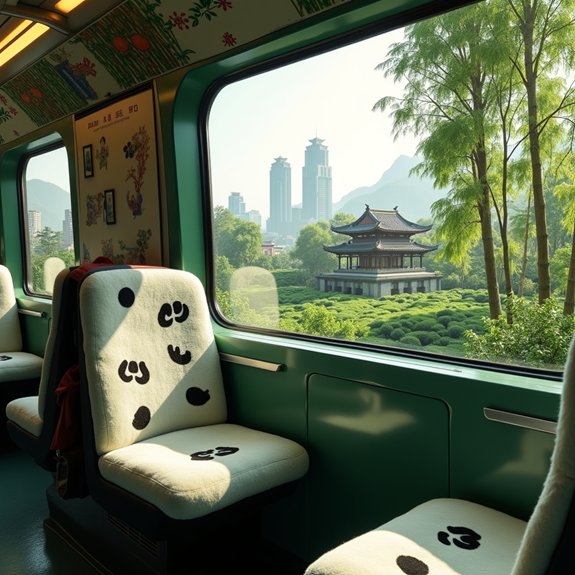
You’ll love Chengdu’s metro system, where panda-themed carriages on the M-TR Tourist Line give you that quintessential “Panda City” experience without the hassle of actual bears.
Rent electric panda cars near major stations to explore downtown, or grab a bike and hit the new Panda-to-Temple cycling path that connects major attractions. For a luxury train experience, consider the third generation Panda Train · Chengdu offering boutique tourism routes through scenic Sichuan landscapes.
If you’re inspired by urban adventures, don’t miss exploring Osaka Castle Park, a sprawling green space surrounding the city’s iconic castle that offers seasonal blossoms, street performers, and picnic spots—all for free.
The entire transportation network screams “panda obsession” – but hey, that’s exactly what you came for.
Panda-Themed Metro Cars
Three distinct panda-themed carriages have transformed Chengdu’s public transit into a moving attraction.
You’ll spot these adorable black-and-white icons everywhere—from headrests to table settings—blending panda decor with cultural integration that’ll make even the grumpiest commuter smile.
The carriages aren’t just cute; they’re smart.
Features include:
For travelers navigating to these themed metro lines, offline navigation apps like Google Maps and Maps.me can help you find your way even without an internet connection.
Part of Chengdu’s tourism push, these metro cars connect perfectly with the new Shenzhen-Chengdu bullet train route.
They’re basically museums on wheels. Honestly, you’ll take the long way just to enjoy the ride.
Similar to the popular Panda Special Train that follows the CR-Chengdu Railway model, these themed carriages have become a highlight of Chengdu’s public transportation system.
Electric Panda Car Rentals
Chengdu’s electric panda car rental scene has exploded in popularity among tourists seeking eco-friendly transportation with local flair.
You’ll find popular models ready for booking throughout the city. Perfect for zipping between the Panda Base and downtown hot pot spots.
The charging infrastructure in Chengdu is surprisingly robust. Most vehicles use 220V systems, with fast charging options available. No waiting around forever.
The electric vehicle benefits are obvious: lower emissions while exploring the city, government subsidies that slash rental prices, and tech features that’ll make your trip smoother. Visitors can enjoy flexible itineraries with customizable routes when renting these environmentally-friendly vehicles.
Want navigation systems? Entertainment options? These EVs have it all.
Environmentally conscious and practical. Who says you can’t save the planet while chasing pandas around Sichuan?
Panda-to-Temple Cycling Path
Panda fever has officially infected Chengdu’s metro system. The carriages are decked out with giant panda motifs and bamboo graphics that’ll make you feel like you’re riding with China’s national treasure.
It’s not just cute—it’s functional. The metro connects you directly to cycling paths that link major panda conservation sites and ancient temples. Chengdu offers visitors access to the famous panda base where conservation efforts have been successful since 2015.
At stations like Panda Avenue, you’ll find:
Best time? March-April for rapeseed blooms. Worst idea? Forgetting your helmet. They’ll fine you.
For easier navigation, download Chinese transit apps that provide real-time bus information and schedules to help you explore beyond the cycling paths.
Mandarin Phrase Essentials
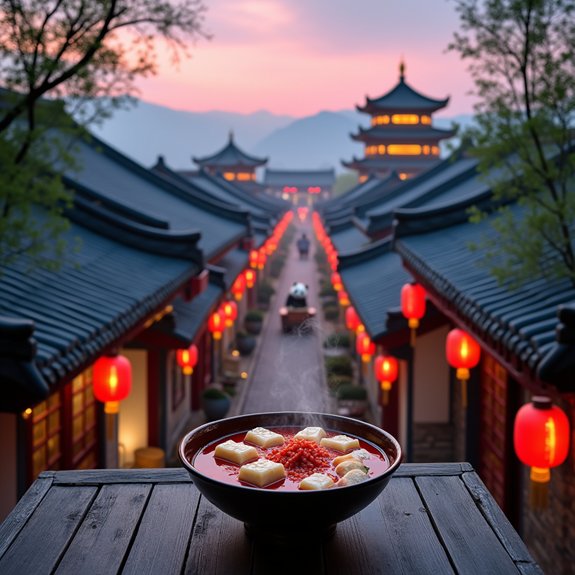
Why stumble through Chengdu like a clueless tourist when a few key phrases can transform your experience? Master these Mandarin basics to navigate like a semi-local.
Start with “Nǐhǎo” (hello) and “Xièxie” (thanks) – seriously, these two alone work wonders. For dining etiquette, “Wǒ yào zhège” lets you point-and-order while “Búyào là” might save your taste buds from Sichuan’s infamous heat. Lost? “Wǒ mílù le” admits defeat, while “Métǐzhàn zài nǎlǐ?” finds your subway salvation. Remember to start polite questions with Qǐng wèn to show respect.
Emergency vocabulary matters. “Wǒ xūyào bāngzhù” (I need help) could be essential. For shopping, “Tài guì le” starts the haggling dance. Feeling fancy? Drop a “Hěn hǎochī” after meals – locals appreciate the effort. Even broken Mandarin beats awkward pointing. Try it. When you don’t understand something, simply say “Wǒ bù dǒng” and locals will likely try to help or find another way to communicate.
Tea Ceremony Gift Protocol
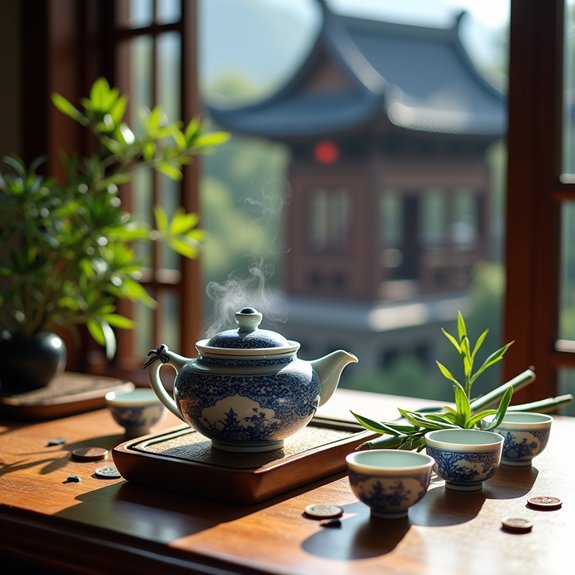
Three essential rules govern tea ceremony gift-giving in Chengdu, and you’ll embarrass yourself royally by ignoring them.
Tea ceremony etiquette demands precision—hierarchy matters, presentation is everything, and symbolism rules. Honestly, mess this up and you’ll be the talk of the family WeChat group. In destinations like Kyoto, Seoul, or Beijing, budget-friendly accommodation options such as hostels or guesthouses can also offer an immersive cultural experience at a lower cost.
When participating in these gifting traditions, remember:
After the ceremony, brides typically wear their new gold jewelry immediately. Traditionally, elders present these gifts after sipping the tea as a blessing for the couple’s future together.
Perfect photo op! The jewelry’s dragon-phoenix motifs aren’t just pretty—they symbolize marital harmony. No pressure.
Air Quality Masks Necessary
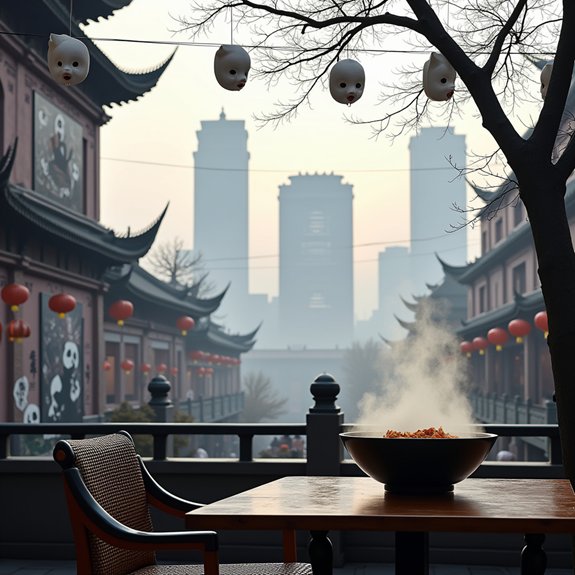
Let’s face it—masks aren’t optional in Chengdu, they’re survival gear. The city’s air quality fluctuates wildly, with winter being particularly nasty thanks to coal burning and temperature inversions. Not exactly postcard material.
Welcome to Chengdu, where your face filter isn’t fashion—it’s the difference between breathing and choking on industrial progress.
You’ll need proper mask types for real protection. Those flimsy surgical masks? Useless against PM2.5 particles. Go for N95, N99, or N100 ratings. They actually work.
Smart masks are trending now. Fancy tech, multiple filters, reusable options. Worth every yuan when you’re gasping less than everyone else.
The pollution mask market is booming—no surprise when breathing kills millions annually. Today’s readings show Chengdu’s air quality at 117 AQI, which falls in the unhealthy range for sensitive groups. China’s government is finally taking action, but until the air clears, your face needs a filter. Simple as that. In addition to air quality concerns, summer travelers should pack effective mosquito repellents to enjoy China’s outdoor attractions comfortably.
Affordable Panda City

Backpackers can stretch their yuans in Chengdu with daily expenses hovering around ¥350, including panda viewing and basic accommodations.
You’ll find metro Line 3 takes you straight to the bears for just ¥6, while hostels near Tianfu Square offer panda-themed dorms starting at ¥50 per night.
Don’t miss Wenshu Yuan Monastery’s vegetarian lunch buffet — it’s possibly the best-value meal in the city and you’ll leave stuffed for under ¥20.
For the best panda experience, arrive at the China Conservation and Research Center before 9-10 AM to see the animals during their active feeding time.
Consider taking a day trip to Guilin for the breathtaking Li River Cruise that showcases China’s iconic karst landscapes.
350 Backpacker Budget
While most Chinese cities drain your wallet faster than a leaky bathtub, Chengdu stands proud as the budget traveler’s unlikely savior.
Dorms at Chengdu Mix Hostel start at an absurd $2.31 per night – that’s cheaper than a decent coffee back home. The city’s budget accommodations won’t win design awards, but they’ll keep you sheltered without emptying your bank account. Sonderia Hostel offers reasonable pricing for those wanting private rooms with clean facilities.
Travel tips you won’t find in glossy brochures:
Wenshu Yuan’s Lunch Buffet
Three thousand years of Buddhist tradition meets a $5 lunch buffet at Wenshu Yuan Monastery. No joke.
This ancient temple offers more than spiritual enlightenment—it delivers incredible vegetarian dining for just 30-35 RMB.
Get there by 1:15 PM. Service ends at 2 PM sharp. They don’t care about your tourist schedule.
The spread features authentic Sichuan dishes, including vegetarian mapo tofu. Surprisingly good. Who knew monks could cook?
After eating, wander the peaceful grounds. Free admission. Yes, free. Many visitors enjoy watching monks play ping pong during their downtime, adding a surprising modern touch to the ancient setting. The tea garden’s nice but pricey.
Similar to Beijing’s affordable street food scene, you’ll find plenty of plant-based options available that are customized upon request.
Want the ultimate budget hack? Visit on the first or fifteenth of the lunar month for completely free meals. Broke backpackers, rejoice!
Frequently Asked Questions
Can Foreign Tourists Adopt or Sponsor Pandas in Chengdu?
Yes, you can! Foreign tourists can join panda sponsorship programs in Chengdu.
The adoption process is simple—it’s symbolic, not taking home a 300-pound bamboo-munching machine. You’ll support conservation efforts, get updates on your panda, and maybe a certificate.
No physical custody, just bragging rights. Programs are available through the Chengdu Research Base and other panda centers.
Pretty cool way to help save these black-and-white endangered furballs.
Are There Vegetarian/Vegan Options Within Traditional Sichuan Cuisine?
While many assume Sichuan cuisine centers on meat, vegetarianism thrives through its bold flavors.
You’ll find plenty of veggie options in traditional Sichuan food. Mapo tofu can skip the pork. Kung Pao dishes work great with tofu instead of chicken.
Vegan adaptations are everywhere—using mushrooms, tofu, and vegetables to create those same numbing, spicy sensations.
The cuisine’s strength? Those incredible Sichuan peppercorns and chili bean pastes don’t need meat to shine.
What Emergency Medical Services Are Available for International Visitors?
You’ll find several medical facilities in Chengdu equipped for foreigners. The Integrated TCM & Western Medicine Hospital’s International Department is your best bet—35 beds and multilingual staff.
Need help fast? Dial 120 for ambulances. Emergency contacts are essential—save the hospital hotline (+86 28 8531 3615).
Major hospitals accept international insurance, but verify first. The 24/7 ERs provide translation assistance. Not glamorous, but they’ll patch you up when things go sideways.
How Accessible Is Chengdu for Travelers With Mobility Limitations?
Chengdu’s wheelchair accessibility? Honestly, it’s a mixed bag. You’ll face challenges. Most metro stations have elevators, but public transport can be hit-or-miss.
Buses? Not always equipped for wheelchairs. Major attractions like the Panda Base have improved accessibility, but older sites remain difficult.
Sidewalks are inconsistent—smooth in new areas, terrible in others. Hotels? International chains offer accessible rooms. Local guesthouses? Good luck.
Plan carefully. The city’s trying, but there’s work to do.
What Are the Visa Requirements for Extended Stays in Chengdu?
For extended Chengdu stays, you’ll need the right visa type.
Tourist visas work for short visits, but business, work, student, or residence visas are necessary for longer periods.
The application process isn’t a walk in the park. You’ll submit forms, photos, passport (with six months’ validity), and specific documentation to Chinese embassies abroad.
No shortcuts here.
Transit visa-free options? Great for quick visits, useless for extended stays.
Plan ahead – bureaucracy waits for no one.
Conclusion
You’ll leave Chengdu changed. The pandas, those bamboo-munching celebrities, are just the beginning. Ancient teahouses whisper stories while spicy Sichuan dishes dance on your tongue. The metro’s panda carriages? Adorably practical. Bring your Mandarin basics and maybe an air quality mask. Worth every yuan. Chengdu isn’t just a destination—it’s a feast for your senses. Raw, authentic, unforgettable. Your next obsession awaits.
More on Food & Dining:

Written by East Asia Explorer Editorial Team
Sam Konneh is an AI strategist and digital marketer based in Seoul, South Korea. With years spent living, working, and exploring across Korea, Japan, and China, he shares firsthand insights into East Asia's cultures, hidden gems, and everyday life. A graduate of Inha University and KDI Graduate School, Sam combines data-driven expertise with on-the-ground experience. His journey also includes studying in Malaysia and traveling through Southeast Asia. Through practical tips, local stories, and travel guides, he helps fellow explorers discover both the celebrated highlights and the lesser-known corners of East Asia.