Last Updated: July 24, 2026 | Originally Published: February 20, 2026
As an Amazon Associate I earn from qualifying purchases. This post contains affiliate links; if you buy through them we may earn a commission at no extra cost to you.
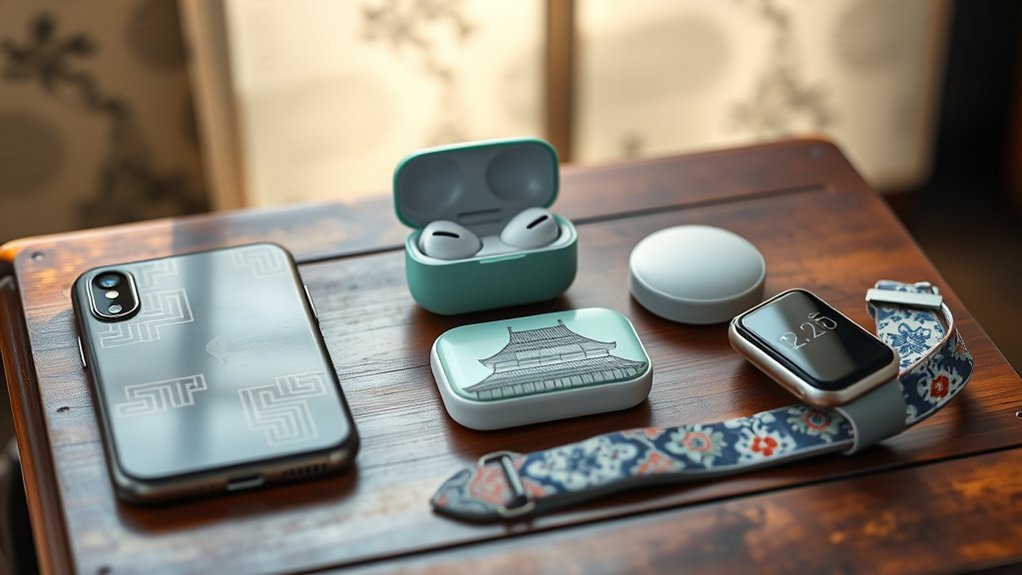
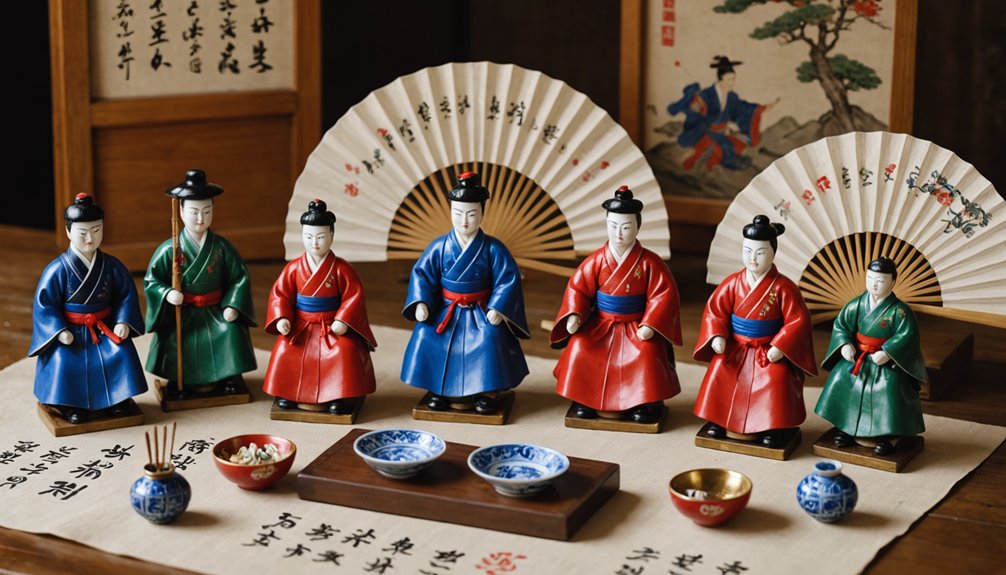
You’ll find Korea’s royal heritage alive in unique palace souvenirs that blend ancient craftsmanship with modern style. From dragon-adorned ceramics and traditional lucky pouches at Changdeokgung Palace to sleek AirPods cases featuring Irworobongdo designs, these treasures pack centuries of Joseon Dynasty artistry into take-home pieces. Hit up the Cheongwadae Sarangchae shop for handcrafted royal items or explore traditional markets for authentic maedeup knots and white porcelain replicas. There’s more royal magic waiting in every corner of Korea’s palace shops. (Source: UNESCO Korea Heritage Sites)
Explorer Insights
Skincare sets and glass-skin essentials are among the most-loved souvenirs — shippable worldwide. Shop authentic K-beauty at K-Beauty Content, shipped direct from Korea.
- Replicated royal seals and dragon-adorned ceramics showcase Joseon Dynasty craftsmanship in modern collectible souvenirs.
- Traditional lucky pouches (bokjumeoni) and Norigae pendants serve as authentic royal accessories believed to bring prosperity.
- Palace-themed items include miniature puzzles, AirPods cases with Irworobongdo designs, and USB drives styled as royal documents.
- White porcelain museum replicas and intricate Maedeup knots represent distinguished royal craftsmanship from Korea’s imperial past.
- Jogakbo patchwork and mother-of-pearl inlay tableware blend historical palace aesthetics with practical, contemporary home decor items.
Royal Korean Souvenir Guide
When you’re hunting for the perfect royal Korean souvenir, you’ll find centuries of Joseon Dynasty craftsmanship packed into modern treasures. (Source: K-ETA official portal)
Palace gift shops are basically time machines, offering everything from replicated royal seals to dragon-adorned ceramics that’ll make your friends think you’ve robbed a king’s treasury. Traditional Korean lucky pouches, or bokjumeoni, are popular items believed to bring prosperity to their owners. Changdeokgung Palace, a UNESCO Heritage site since 1997, offers exclusive souvenirs that capture its unique harmony with nature.
Trust us, nothing says “I visited Korea” quite like a miniature palace puzzle or an AirPods case sporting that classic Irworobongdo sun-and-moon design.
- The Irworobongdo pencil case and Royal Robe cup sets aren’t just pretty – they’re literally wearing the same patterns Korean royalty used to flex their power.
- Traditional Maedeup knotting techniques turn ordinary items like teaspoons into conversation pieces that’d make a Joseon queen jealous.
- Those Jakseolcha tea sets and Goryeo celadon replicas? Yeah, they’re basically drinking vessels with a PhD in Korean history.
- Modern takes on royal designs prove ancient patterns look just as cool on your AirPods case as they did in Gyeongbokgung Palace.
Royal Palace Gift Treasures
As you explore South Korea’s majestic royal palaces, you’ll discover a treasure trove of unique souvenirs that capture centuries of royal heritage.
The Cheongwadae Sarangchae Souvenir Shop’s handcrafted items showcase exquisite royal craftsmanship, while Gyeongbokgung Palace offers historical replicas that’ll make your friends back home jealous.
Want something truly special? Check out the K-Heritage Store‘s spiral notebooks featuring “Palaces Viewed from a Unique Perspective.” They’re not your typical tourist trap finds.
From metal prints capturing Gyeonghoeru Pavilion’s grandeur to palace-inspired home decor, these pieces blend palace traditions with modern flair. The Hanbok-inspired tote bags? Absolutely fabulous. Founded in 1395 by Yi Seong-gye, the palace’s rich history inspires many of these remarkable souvenirs.
Much like the Seto Inland Sea ferries connecting Japan’s artistic islands, these royal souvenirs create a bridge between ancient traditions and contemporary design.
Traditional Korean motifs meet contemporary design in everything from kitchenware to furniture replicas. Trust us, these aren’t your average fridge magnets.
Joseon Dynasty Inspired Crafts
The Joseon Dynasty didn’t mess around when it came to crafts. You’ll find their artisans were absolute perfectionists, especially with Joseon ceramics and Korean knotting. They started by copying Chinese styles but quickly developed their own swagger – because why not?
| Craft Type | Royal Status | Modern Availability |
|---|---|---|
| Maedeup Knots | Ultra Fancy | Cultural Centers |
| White Porcelain | Royal Favorite | Museum Replicas |
| Jogakbo Patchwork | Daily Palace Use | Local Markets |
Let’s be real – these weren’t your average DIY projects. We’re talking intricate knots that screamed “I’m important,” ceramics that made other dynasties jealous, and patchwork that turned everyday items into masterpieces. Palace craftsmen used bamboo, jade, and precious materials like they were going out of style. Spoiler alert: They never did. Traditional Norigae pendants were especially popular as royal accessories that brought good fortune to their wearers. Korean craftsmanship from this era also reflected Confucian principles, emphasizing harmony and meticulous attention to detail in every piece.
Royal Korean Palace Souvenirs
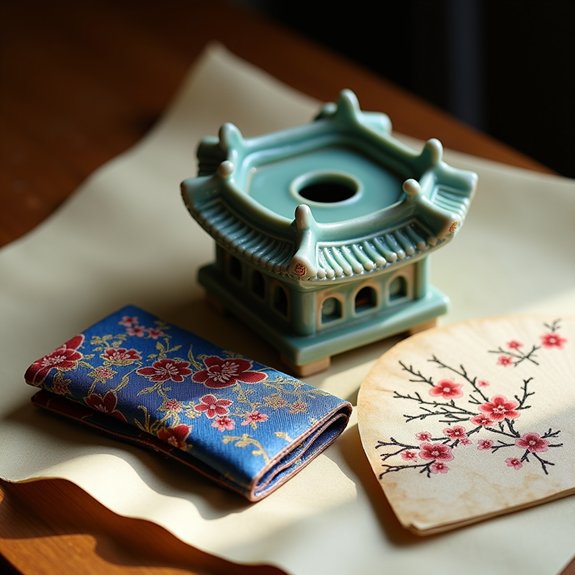
Modern-day palace souvenirs have come a long way from tacky tourist trinkets.
You’ll find exquisite Joseon pottery tea sets with traditional patterns that wouldn’t look out of place in a royal banquet. Seriously, these aren’t your grandmother’s china.
From mother-of-pearl inlay tableware to royal textiles featuring dragon motifs, today’s palace-inspired merchandise packs serious cultural punch. These items can be found in abundance at traditional markets like Gwangjang, Namdaemun, and Insadong.
Palace craftsmanship meets modern luxury with delicate mother-of-pearl designs and majestic dragons adorning contemporary takes on royal decor.
The detail’s incredible – think miniature roof tile coasters that perfectly capture those iconic blue palace tiles, or USB drives shaped like ancient royal documents (because who doesn’t want their spreadsheets stored in Joseon style?).
For an authentic experience, consider staying at Hanok guesthouses in Jeonju where you can immerse yourself in traditional Korean architecture while enjoying modern amenities.
Want something really unique?
Grab those guardian animal figurines – tiny replicas of the fierce creatures that once protected palace gates.
They’re perfect for scaring away evil spirits. Or desktop clutter. Whatever works.
Traditional Royal Gift Shopping
You’ll find that royal seals and stamps make impressive statement pieces for your home or office, capturing the authority once wielded by Korean monarchs. Many travelers also discover temple stay programs as a meaningful way to engage with Korea’s living heritage, deepening their appreciation for royal court traditions and Buddhist culture during their journey.
Palace-inspired decor items let you bring home a slice of that majestic royal life you’ve been daydreaming about (minus the political drama, of course).
Whether you’re shopping for yourself or searching for gifts that’ll make your friends say “wow,” these traditional items pack serious historical punch. Many of these pieces incorporate noble accessories like the royal jamdu hairpins that were exclusively worn by members of the royal court.
- Modern reproductions of royal seals feature traditional motifs like dragons and phoenixes, crafted in materials ranging from wood to precious metals.
- Palace-themed decorative items often incorporate the iconic dancheong color patterns and symbolic motifs found in royal architecture.
- Authentic reproductions of royal stamps are created using historical techniques preserved by master craftsmen.
- Contemporary home accessories blend traditional royal designs with practical modern functions, making history actually usable.
Royal Seals and Stamps
Symbols of power don’t get much fancier than Korean royal seals. These aren’t your average rubber stamps – we’re talking pure gold and jade masterpieces that screamed “I’m kind of a big deal” in ancient Korea.
When Emperor Gojong wanted to show off Korea’s independence in 1897, he didn’t send a strongly worded letter – he commissioned new imperial seals.
You’ll find these beauties in museums now, teaching visitors about Korea’s royal past. These treasured artifacts were once illegally taken from Deoksugung Palace during the Korean War.
The preservation of cultural heritage is also seen in how traditional festivals like the Andong Mask Dance Festival maintain Korea’s ancient customs for new generations.
They’re massive compared to personal seals, and their craftsmanship is mind-blowing. Every intricate carving tells a story of power and legitimacy. The cultural significance? Huge.
When foreign countries return these seals to Korea, it’s like getting a piece of their soul back. That’s how deeply these symbols are woven into Korean identity.
Palace-Inspired Home Decor
While ancient Korean royals lived in jaw-dropping palaces, today’s design enthusiasts can bring that imperial swagger home.
Palace decor’s gone way beyond stuffy traditionalism – we’re talking LED-lit dioramas and minimalist line art that’ll make your Scandinavian friends jealous. Traditional motifs like phoenixes and dragons get a contemporary spin through modern interpretations in everything from brass tableware to silk-screened cushions. With items like the Korean Hanok Window Frame, these authentic architectural elements bring genuine palace charm to modern spaces. For a truly immersive experience, consider staying at Bukchon guesthouses where traditional Korean architecture meets modern comfort.
Cultural significance meets functional art in pieces you’ll actually use: porcelain teacups with royal landscapes, bookends mimicking palace gates, and wall clocks featuring ancient sundial patterns.
Artistic collaborations between heritage preservation experts and contemporary designers keep royal craftsmanship alive and kicking. Sure, your apartment’s no Gyeongbokgung Palace, but these home aesthetics pack serious imperial punch.
Traditional meets modern. Boom.
Royal Symbols on Korean Souvenirs
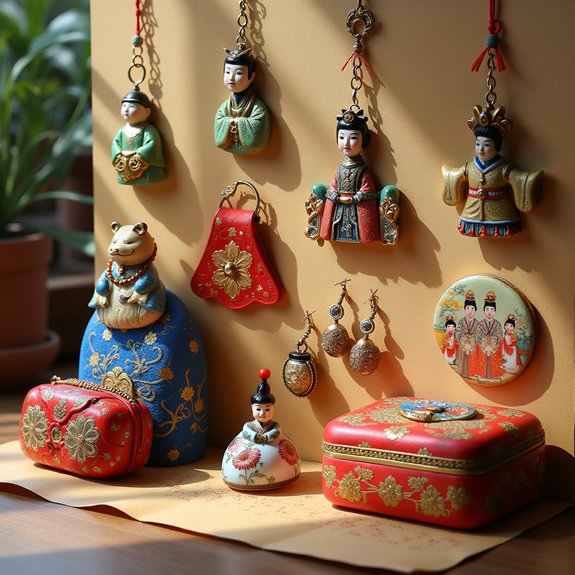
You’ll find dragons and phoenixes everywhere in Korean royal souvenir shops – they’re basically the Joseon dynasty‘s version of a designer logo.
The most popular items blend these traditional royal symbols into modern accessories like embroidered silk pouches and detailed metal jewelry featuring palace seal designs. If you’re exploring places like smaller Korean islands accessible by ferry, you’ll often find local versions of these souvenirs made with island-specific craftsmanship.
Whether you’re into dramatic phoenix motifs for your home décor or subtle dragon patterns on everyday items, these royal symbols pack serious cultural punch without being stuffy or old-fashioned.
- Royal dragon emblems show up on everything from AirPods cases to traditional metal chopsticks.
- Palace seal designs get reimagined as contemporary jewelry and accessories that won’t break the bank.
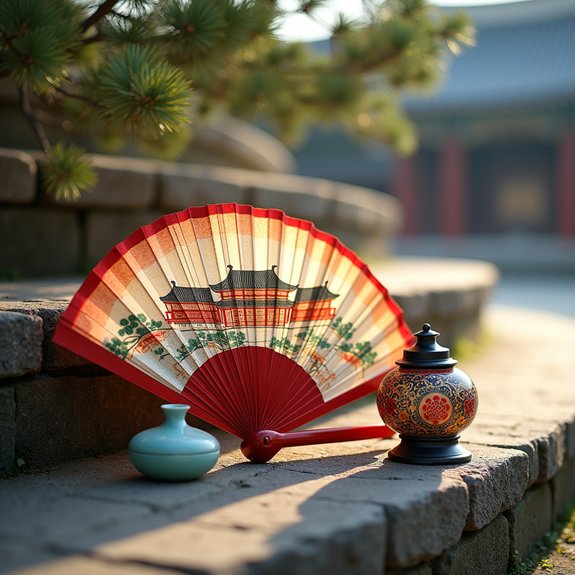
- Phoenix patterns appear on ceramic tableware and traditional-style fans, adding royal flair to practical items.
- Mother-of-pearl lacquerware (Najeon Chilgi) pieces feature intricate court patterns that look surprisingly modern.
All these items can be found in home and accessories departments, offering a perfect blend of tradition and contemporary style.
Dragon Embroidered Silk Accessories
Dragons aren’t just mythical beasts in Korean royal heritage – they’re status symbols that pack serious swagger. And if you’ve got five toes on your dragon embroidery, you’re basically royalty. No joke. Back in the day, kings rocked these majestic creatures on their scarlet silk robes, while princes had to settle for four-toed versions.
Today’s artisans are keeping this elite dragon symbolism alive through luxe silk accessories. They’re using traditional techniques like hand-stitched couching with gold thread and natural dyes. The early Joseon Dynasty favored profile dragon emblems exclusively. In modern Korea, the prominence of spiral-shaped street foods like Tornado Potatoes in places such as Myeongdong highlights how traditional motifs and unique designs continue to captivate both locals and visitors.
The craftsmanship is mind-blowing – multiple layers of stitches create textured scales that practically leap off the fabric. Sure, these dragon-adorned pieces aren’t cheap ($200-2,000), but hey, that’s the price of wearing centuries of royal swagger on your sleeve.
Palace Seal Jewelry Designs
Ever since Korea’s powerful Joseon Dynasty stamped their authority on official documents, royal seals have been the ultimate flex of power and prestige. Now, you’ll find these symbols of royal symbolism transformed into stunning jewelry. Let’s be real – nothing says “I’ve got taste” quite like rocking a dragon-handled pendant. These precious accessories often incorporate the traditional silk wrapping techniques used to package royal seals during the Joseon era. The influence of Korean culture also extends to culinary delights like chimaek, a combination of fried chicken and beer that is deeply ingrained in Korean nightlife.
| Style | Materials | Symbol Meaning |
|---|---|---|
| Classic | Gold/Silver | Power & Authority |
| Modern | Mixed Metals | Cultural Heritage |
| Fusion | Precious Gems | Status & Wealth |
| Minimal | Stone/Crystal | Royal Protection |
Contemporary craftsmanship meets ancient vibes in these pieces. Local artisans are keeping it real, using traditional techniques like Sojeon engraving to create jewelry that’s both old-school and fresh. From intricate metal boxes lined with fish skin to silk-wrapped pendants, these designs aren’t just accessories – they’re literally wearing history around your neck.
Royal Phoenix Home Decorations
While every culture has its mythical creatures, Korea’s royal phoenix isn’t your average magical bird.
Let’s face it – this isn’t some random fantasy flyer. We’re talking about a symbol of supreme authority, straight from Korea’s royal heritage. Every inch means something: benevolent torso, justice-filled wings, and that pristine white neck screaming righteousness.
You’ll spot these majestic birds everywhere in Korean palace decor. From Gyeongbokgung’s grand halls to modern home accessories, phoenix symbolism keeps popping up. The revered creature adorned the Phoenix Throne where seven kings were enthroned between 1399 and 1549.
Think elegant vases, striking wall art, and even furniture with those distinctive motifs. Red phoenixes for prosperity? Yes, please. These aren’t just pretty decorations – they’re pieces of Korean history that you can actually own.
Ancient tomb murals to today’s living rooms – talk about staying power. For those seeking an authentic experience in Seoul, many traditional guesthouses offer phoenix-themed decorations while providing affordable accommodations in vibrant neighborhoods like Insadong.
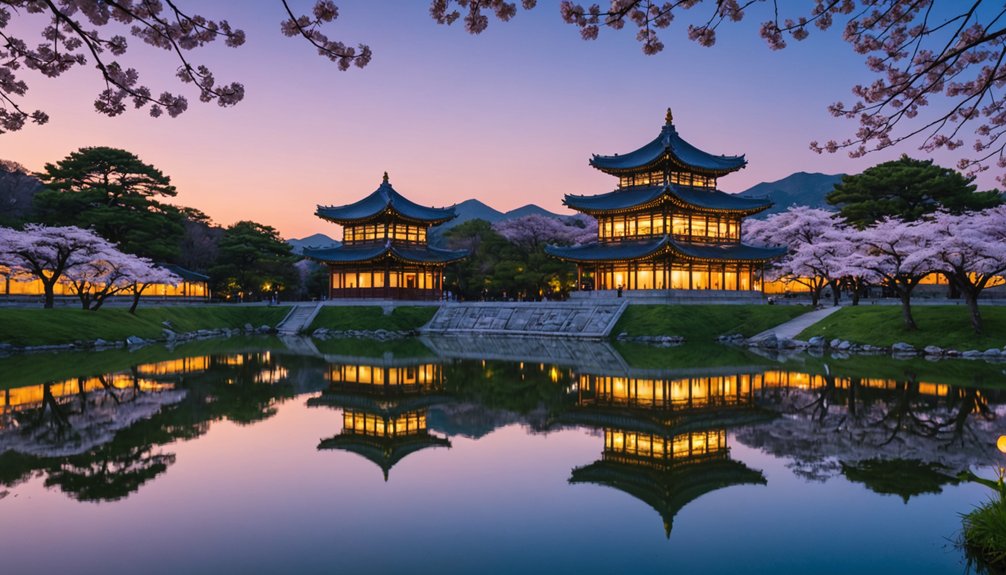
Spring for Cherry Blossoms
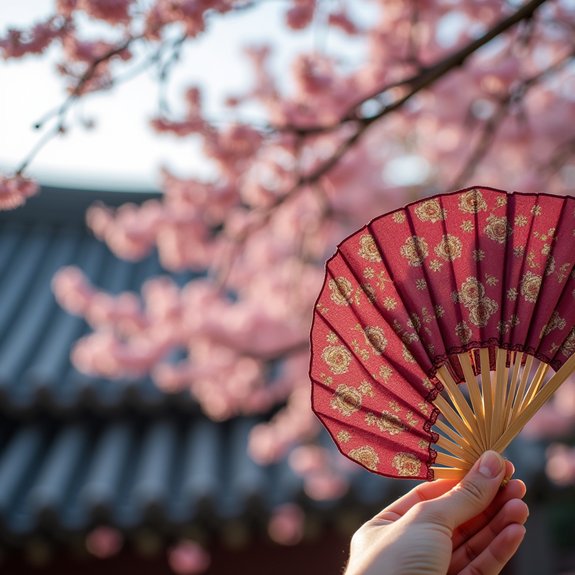
As Korea’s cherry trees burst into spectacular bloom each spring, millions of visitors flock to witness nature’s most stunning pink-and-white show.
They’re not messing around with these seasonal festivals – we’re talking ancient cherry blossom traditions dating back to the Joseon dynasty, complete with royal palace reenactments and military parades that’ll knock your socks off.
You want iconic? Hit up Gyeonghwa Station’s 800-meter cherry blossom tunnel or Yeojwacheon Stream’s illuminated wonderland.
The timing’s pretty specific – late March to mid-April, with Jeju Island’s King Cherry trees leading the parade. The Jinhae Gunhangje Festival stands as South Korea’s largest celebration of these beloved blossoms.
And those palace grounds? They’re not just throwing any old party. The Spring K-Royal Culture Festival turns these petal-strewn spaces into stages where history comes alive.
Perfect for those Instagram-worthy shots you’ve been dreaming about.
For the best experience and to avoid large crowds, consider arriving early or visiting on weekdays when festival attendance is typically lower.
Traditional Korean Paper Festival
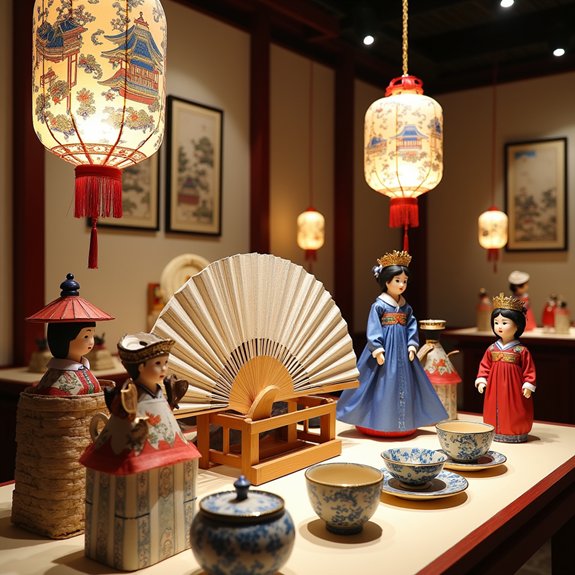
Think paper’s just for taking notes? You haven’t seen hanji, Korea’s legendary handmade paper that’s been around since ancient times.
At the Traditional Korean Paper Festival, you’ll witness mind-blowing hanji crafting techniques that’ll make your standard notebook paper look like child’s play. The artistry and tradition at this festival evoke a similar sense of traditional craftsmanship found in Japanese minshuku, where architecture and décor reflect centuries-old skills.
The traditional paper exhibition showcases everything from delicate fans to massive art installations. It’s not your average craft fair – we’re talking centuries of tradition here.
Artists transform mulberry bark into stunning masterpieces, while live demonstrations show you exactly how it’s done. During the Goryeo period, hanji was so valuable it was used as official currency.
Want to get your hands dirty? Jump into workshops where you’ll learn the ancient art yourself.
Seriously, this stuff’s so durable, even the Mongols used it for their Buddhist texts. Now that’s quality paper.
Winter Packing Essentials in Korea
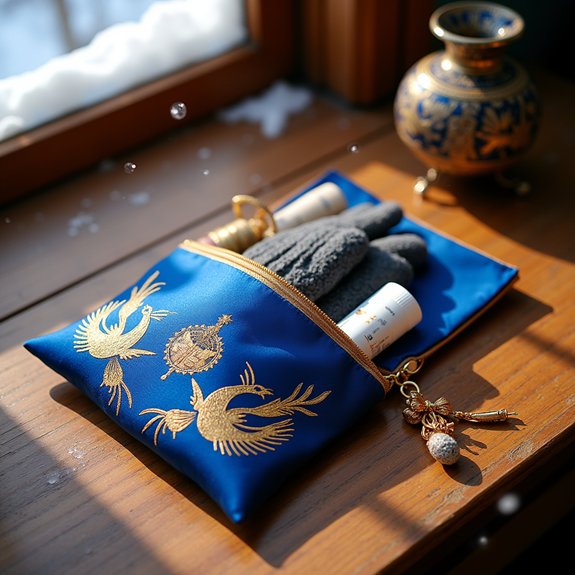
Planning a Korean winter adventure? Let’s talk winter layering techniques – because nobody wants to freeze their butt off in Seoul.
Start with Uniqlo Heattech thermal fabric options (they’re everywhere in Korea), then pile on those woolen sweaters and a hardcore winter coat. Trust me, you’ll need it.
Layer up like a pro: thermal underwear, fleece-lined tights under those jeans or skirts, and don’t forget the wool socks. With temperatures below -15°C, you’ll want every layer you can get. Korean winters don’t mess around.
Head to Myeongdong for your winter fashion fix, or grab some budget-friendly Hot-tandard thermals at Musinsa Standard.
Accessories are non-negotiable. Grab a beanie, some sturdy gloves, and those little heat packs from DAISO – they’re literally lifesavers when you’re exploring frozen palace grounds or hitting the slopes.
For spring hiking in Korea, consider investing in lightweight hiking boots like the Hoka Kaha 3 GTX or Salomon X Ultra models for comfort on challenging terrain.
Experience Royal Court Dance Performances
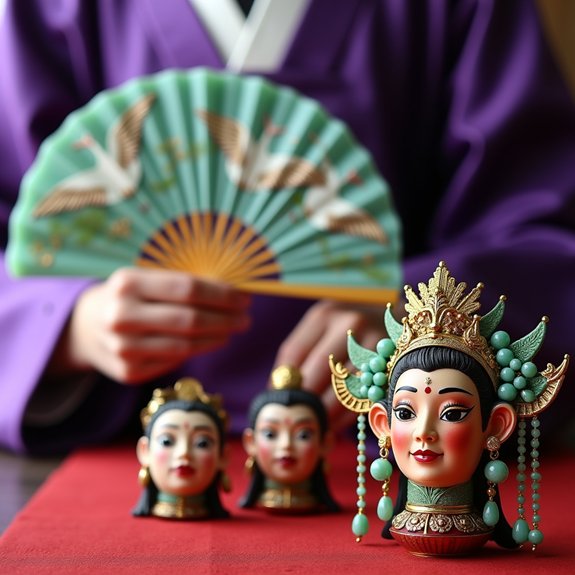
You’ll be blown away by the sacred rituals and elegance of Korean royal court dance, which started as shamanistic ceremonies before evolving into the sophisticated performances you can watch today at places like the National Gugak Center.
The dancers move with incredible precision in their ornate traditional hanbok costumes while traditional Korean instruments provide the haunting soundtrack – yeah, it’s basically a 1,000-year-old K-pop show, minus the light sticks.
If you plan to experience a royal court dance show in Seoul, it’s easy to get there using the comprehensive public transit network, with subways and buses making even cultural sites accessible for travelers.
These mesmerizing performances feature everything from the founding-of-Joseon celebration dance Monggeumcheok to the eight-person Bongraeui spectacle, complete with symbolic red poles and ancient philosophical meanings that’ll make your head spin. The performances are officially known as jee and were historically reserved for royal families and state occasions.
Historical Dance Origins Explained
The raw power of Korean dance stretches back thousands of years to its shamanistic roots. You’ll find it everywhere – from ancient rituals to royal courts, where it’s definitely not your average entertainment. This isn’t just dancing; it’s living, breathing cultural heritage.
What started in shamanistic rituals evolved into something bigger. Way bigger. Think folk traditions meeting royal sophistication. The dance moves you’re watching today? They’re telling stories of ancestral worship and nature rites that have survived centuries. Pretty impressive, right?
The evolution’s been wild – from traditional performances that kept the royal court entertained to contemporary styles that’ll blow your mind. The dancers used spears and pelts to reenact hunting scenes in ancient times.
But here’s the thing: through all the changes, Korean dance hasn’t lost its soul. It’s still raw. Still powerful. Still absolutely unmistakable.
Just like the efficient KTX trains that connect Korea’s cultural landmarks today, these dances have connected generations through their powerful storytelling.
Elegant Royal Costume Elements
Royal court dance costumes aren’t just fancy dress-up – they’re walking, spinning works of art packed with cosmic meaning.
You’ll spot five key colors that map out the universe itself: blue for east, white for west, red for south, black for north, and yellow smack in the center. Talk about costume symbolism!
These outfits mean business. The Cheoyongmu masks, with their tin earrings and peony designs, aren’t just pretty faces – they’re spirit-busting powerhouses.
UNESCO thought they were cool enough to recognize in 2009. And those military-inspired Geom-mu sword dance costumes? They’re rocking traditional Hanbok elements with a warrior twist. During the Joseon dynasty, Neo-Confucianism dictated strict regulations for all court clothing and performances.
Even the swords come with built-in Kukhwa rings that turn every movement into music. Cultural significance? These outfits have it in spades.
Like traditional Hanok architecture, these costumes incorporate natural materials that reflect Korea’s emphasis on harmony with the surrounding environment.
Traditional Music and Movements
Behind those stunning costumes lies an even richer world of movement and music. Traditional dance in Korea’s royal courts wasn’t just fancy footwork – it was pure mathematical precision. Eight dancers here, twelve there, all moving in perfect circles that’d make your geometry teacher proud.
The cultural significance runs deep. Every gesture tells a story, from the red rods of the Bongllaeui dance to the golden sticks of Monggeumcheok. The iconic five-colored costumes represent traditional Korean beliefs about seasons and directions. Learning to recognize key food-related characters is just as vital for appreciating Korean culture as understanding the symbolism in royal performances.
And the music? It’s not your typical palace muzak. We’re talking authentic Hyangak compositions with janggu drums keeping the beat while gayageum strings soar.
These aren’t random moves, folks. Every step follows ancient Yin-Yang principles and those Five Elements. Water flows, fire leaps, metal gleams – it’s basically physics class in dance form. Pure genius, really.
Sacred Court Dance Rituals
Want the real deal? Check out *Bongllaeui* with its eight red rod-wielding dancers, or *Monggeumcheok* where twelve performers honor royal prosperity.
These dances reflect eastern philosophical harmony through carefully choreographed movements and positioning.
Just as in Korean body language, the precise gestures and respectful postures in court dances embody deep cultural values of respect and discipline.
Pure palace magic, preserved for centuries.
Modern Performance Venue Locations
Dance enthusiasts, your royal performance fix awaits at Seoul’s most stunning heritage sites.
You’ll find splendid cultural experiences at Changdeokgung Palace, where spring 2026 brings twice-daily shows of traditional sword dances and bamboo flute duets. Rain? Show’s canceled. Deal with it. Many heritage venues offer improved accessibility with ramps and smooth pathways, though it’s wise to check details for each site and plan your route ahead.
The performance venues are nothing short of spectacular. Gyeongbokgung Palace hosts an extraordinary ballet and court music concert series in 2026.
Catch the Korea Cultural Heritage Foundation‘s pros at Seonjeongjeon Hall’s backyard – they’re blending regional flair with centuries-old moves.
For year-round entertainment, Korea House delivers daily doses of court and folk performances. Yes, they’re closed Mondays. No, they won’t make exceptions.
Want UNESCO-recognized performances? Jongmyo Shrine’s your spot.
But you’d better plan ahead – they only run nine days a year. First come, first served.
Palace Photo Spots Guide
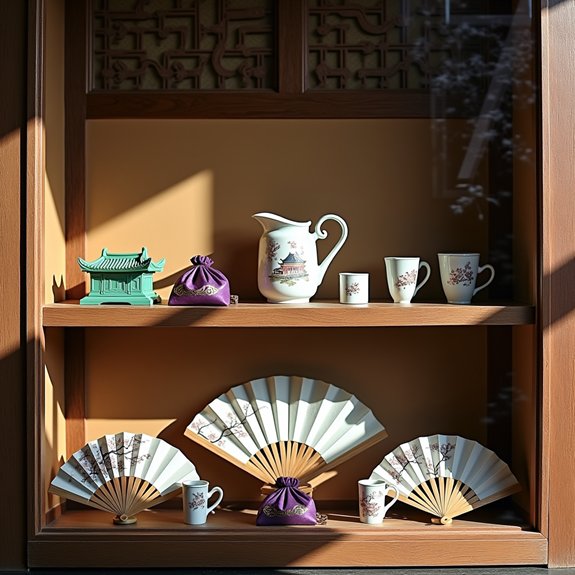
Looking to capture stunning photos at Korea’s most iconic palace? Gyeongbokgung Palace isn’t just any old backdrop – it’s a photographer’s paradise any time of year.
From spring cherry blossoms to winter’s snowy landscapes, the palace transforms with each season. You’ll find perfect lighting during golden hour, when the sun hits those traditional hanok buildings just right. The dark red colonnade creates dramatic shadows perfect for architectural detail shots. For hassle-free navigation to the palace, try using comprehensive mapping and navigation apps trusted by travelers in Japan.
- Hit up Geunjeongjeon Hall first – it’s the money shot everyone wants, with its dignified architecture against mountain views.
- Catch the changing of the guards at 10 AM or 2 PM – their colorful uniforms pop in photos.
- Wander the serene courtyards for those zen garden vibes.
- Stick around for sunset when the palace gets all moody with its night illumination.
Trust me, even a smartphone can’t mess these shots up. The palace does all the heavy lifting.
Royal Palace Hanbok Experience
You’ll want to dress appropriately in your hanbok rental – no running around in mismatched pieces like it’s a costume party gone wrong.
Whether you’re visiting in blazing summer or frigid winter, there’s a perfect seasonal color palette waiting for you, from light pastels to rich jewel tones.
When it’s time for photos, you’ll need to follow some basic rules: no jumping, no lying on the ground, and definitely no climbing on palace structures (yes, people have tried). The free hair styling service includes traditional braids and buns to complete your royal look.
For a deeper understanding of essential Korean travel etiquette, consider exploring resources that guide visitors on customs such as greetings, use of names, and proper behavior in public spaces for a respectful journey.
- Traditional dress codes require proper layering of garments, with women wearing a jeogori (jacket) and chima (skirt), while men sport a jeogori with baji (pants).
- Summer rentals feature breathable cotton and silk blends in cool blues and light pinks, while winter options include thicker fabrics in deep reds and purples.
- Palace photo sessions work best during early morning hours (9-11 AM) when tourist crowds are thinner and lighting is ideal.
- Most rental shops provide basic posing tutorials and recommend specific photo spots within the palace grounds for the best shots.
Traditional Dress Code Rules
While modern hanbok rentals make dressing up for palace visits a breeze, there’s still serious etiquette to contemplate. Your traditional attire needs to maintain its cultural significance – no wild modifications or disrespectful shortcuts. For centuries, these garments consisted of jeogori and chima components.
| Dress Code Do’s | Absolute Don’ts |
|---|---|
| Wear comfortable shoes | Make inappropriate alterations |
| Keep coverage modest | Strike exaggerated poses |
| Use breathable fabrics | Disrespect sensitive areas |
When visiting royal sites, showing proper respect for elders through polite greetings and non-verbal cues is essential. You’ll want to keep things respectful while wandering through these ancient corridors. Sure, there’s no formal dress code enforced, but come on – you’re walking through royal history here. Most rental shops will hook you up with proper styling and accessories. They’ll make sure you’re photo-ready without crossing any cultural lines. And yes, you can totally rock those traditional pendants and ribbons. Just keep it classy.
Seasonal Color Selections Available
As seasons shift across Korea’s ancient palaces, so do the vibrant hues of traditional hanbok. You’ll notice seasonal fabric choices that make total sense – light, breezy silk for summer (because who wants to sweat in velvet?), and cozy wool when winter hits. Smart, right?
The hanbok color symbolism gets pretty serious. Spring and summer? Think bright, bold, and totally Instagram-worthy. Autumn and winter bring those moody, muted tones that perfectly match the changing leaves.
But here’s the fun part – with over 600 styles available at Gyeongbokgung Palace, you’re not exactly limited. Want to dress like ancient royalty? Go for it. Prefer something more modern? They’ve got fusion designs too. Visitors wearing hanbok can enjoy free palace admission as an added perk.
Just remember, some colors were once reserved for royalty only. Pretty exclusive stuff. When visiting, remember to use honorific titles when speaking with locals to show respect and cultural awareness.
Photography Session Guidelines
Ready to snap some epic palace photos? Here’s the deal: timing is everything at Korean palaces. Hit Gyeongbokgung early morning or late afternoon – that’s when the lighting’s pure gold. Trust us on this. For a different cultural angle, consider visiting local bibimbap hotspots near the palaces for an authentic taste of Seoul between photo sessions.
Using zoom lenses helps capture stunning details of the palace architecture from a distance. Your photography techniques need to match the majesty. Get creative with those angles. Low shots, high shots, whatever works. But remember – some spots need special permission for tripods. Don’t be that person who ignores the signs.
Location tips? Scout the quieter corners. Everyone crowds the main courtyard, but those hidden garden spots? Pure magic.
And if you’re rocking a hanbok, make those colors pop against the traditional architecture. Just keep it respectful – no touching the artifacts for that perfect shot. The palace guards aren’t exactly known for their sense of humor.
Kids’ Royal Costume Workshop
You’ll find that royal hanbok workshops aren’t just scaled-down versions of adult classes – they’re specifically designed to get kids excited about traditional Korean clothing.
The instructors break down complex design elements into kid-friendly projects, letting young participants learn about everything from dragon patterns to chrysanthemum motifs. If your kids are passionate about creative crafts, they might also enjoy exploring Korean skincare travel kits that keep skin glowing and healthy during family adventures.
Through specialized instruction with National Heritage Holders, children gain authentic insights into traditional Korean textile artistry.
These hands-on sessions really shine when your child creates their own royal accessories, working with simplified versions of traditional materials and techniques that won’t frustrate small hands.
- Fabric selection stations where kids pick historically-accurate colors and patterns from pre-screened materials
- Step-by-step crafting of mini ceremonial belts and decorative knots using child-safe tools
- Simplified embroidery activities featuring royal symbols like phoenixes and peonies
- Take-home craft kits that let participants continue practicing traditional design techniques
Traditional Hanbok Design Elements
When your kids step into our royal hanbok workshop, they’ll discover the fascinating world of Korea’s most iconic traditional dress.
You’ll be amazed by the meticulous attention to detail – from the selection of luxurious silk fabrics to the vibrant colors that once distinguished royalty from commoners.
Yeah, that crimson shade? Totally reserved for the kings and queens.
The real magic lies in the symbolism. Dragons and phoenixes weren’t just pretty patterns – they screamed “I’m kind of a big deal” in royal circles.
Your little ones will learn how straight and curved lines created that distinctive Korean aesthetic everyone’s talking about. The left-to-right frontal fold became a defining feature during the 6th century.
And those intricate embroidered designs? Each one tells a story about the wearer’s social status.
Not just fancy decoration. Pure power moves, ancient-Korea style.
Making Royal Accessories Today
Now that you understand the royal fashion code, let’s get your kids making their own royal accessories.
Today’s royal accessory trends blend tradition with practicality – think lightweight fabrics and machine stitching. No more sweating in heavy hemp. Sweet relief.
Like bdk | mint shop, these workshops maintain authentic Korean dress-making traditions while adapting to modern needs. Modern craft techniques have made these workshops way more kid-friendly. Your little ones can craft everything from daenggi ribbons to royal robes using pre-cut kits and safety scissors.
They’ll love the hands-on experience, especially when working alongside you. The best part? It’s surprisingly affordable, with most workshops running $20-50.
And here’s a fun twist – some programs are fusing Korean and South African designs. Talk about a cultural mashup.
Plus, they’ll get to show off their creations in mini fashion shows. Not bad for a day’s work.
Royal Palace Restaurant Guide
A diverse culinary scene thrives around Gyeongbokgung Palace, from traditional Korean fare to unexpected fusion spots.
You’ll find everything from centuries-old culinary traditions at Tosokchon Samgyetang to modern twists like Okin Pizza’s pumpkin-topped pies served in a hanok. The dining etiquette? It’s surprisingly relaxed these days. Tosokchon serves their signature ginseng chicken soup from early morning until late evening.
- Hit up Maji for Buddhist temple cuisine – they’re totally vegan and Muslim-friendly
- Brave the wait at Okin Pizza (trust us, that cheese-loaded fusion is worth it)
- Get your garlic fix at Mirak Chicken’s twice-fried feast
- Duck into Ramyeon Jumbbang when you’re broke but hungry
Pro tip: Most spots close for afternoon breaks, so time your meals right. Nothing worse than staring at a closed door when you’re starving.
Royal Market Shopping Guide
You’ll find the richest selection of royal heritage items in Seoul’s palace gift shops and traditional markets, where artisans keep centuries-old crafting techniques alive. Most shoppers love touring these markets with expert guides who offer private day tours to help navigate the best deals and authentic items.
Insadong’s winding alleys are packed with shops selling everything from hand-painted fans to replica royal seals – yeah, you can actually own a piece of palace history.
If you’re into fashion with a royal twist, don’t skip the hanbok accessory boutiques near Gyeongbokgung Palace, where modernized versions of court jewelry and decorative pendants steal the show.
- Royal gift shops stock replica pieces that once graced palace halls, including miniature roof tiles (5,000 KRW) and brass coins used by Joseon nobility.
- Insadong’s traditional paper masters create hanji notebooks and calligraphy sets wrapped in bojagi cloth – perfect for channeling your inner court scholar.
- Traditional markets like Gwangjang offer brass accessories and vintage-style hanbok fabric at prices that won’t bankrupt your modern-day kingdom.
- Palace-adjacent boutiques transform historical designs into contemporary treasures, from gilt-brooch hairpins to norigae pendants with metallic accents.
Royal Palace Gift Shops
Several fascinating gift shops dot the landscape around Seoul’s majestic royal palaces, with Gyeongbokgung Palace leading the pack as the crown jewel of souvenir hunting.
You’ll find yourself immersed in authentic gift shop experiences that’ll make your wallet cry – but hey, cultural heritage isn’t cheap.
SARANG_Gyeongbokgung’s got the good stuff. We’re talking handmade ceramics that’ll make your grandma’s china look basic.
At Hansigil, you’ll discover porcelain tea sets and hand-painted fans that scream “I’m cultured now!”
Jeonbokjang’s abalone products? Pure luxury. Mother-of-pearl decorations and dancheong pattern items that actually look royal.
The best part? These shops aren’t hidden in some maze. They’re right there, strategically placed near the palaces.
The staff’s friendly, the selection’s massive, and the cultural immersion‘s real. No tourist trap nonsense here.
For a truly immersive experience, visit Minsokchon where open-air market vendors showcase traditional masks and intricate woodcarvings.
Insadong Traditional Markets
Nestled in Seoul’s bustling heart, Insadong Traditional Markets stand as living proof that Korea’s royal heritage isn’t just gathering dust in museums.
You’ll find yourself immersed in centuries of Joseon Dynasty culture, where traditional Insadong craftsmanship comes alive through intricate woodcarvings, ceramics, and handwoven textiles.
Let’s be real – this isn’t your average tourist trap. Cultural market experiences here are downright authentic.
Local artisans actually work on-site, crafting everything from delicate ceramics to bold wooden sculptures. Home to 40% of antique shops nationwide, this historic district preserves Korea’s artistic legacy in every storefront.
Sure, you could rush through and grab some quick souvenirs, but why would you?
Take your time. Watch the street performers. Duck into a traditional tea house.
The market’s got that perfect mix of historical swagger and artistic soul, all just steps from Anguk Station.
Hanbok-Inspired Accessories
Speaking of traditional markets, let’s talk about what you’re actually going to buy – those gorgeous hanbok-inspired accessories that’ll make your friends back home seriously jealous. You’ll find intricate norigae pendants with traditional maedup knotting, hand-forged silver binyeo hairpins dripping with royal motifs, and silk daenggi ribbons in every color imaginable. Yeah, the real-deal silver pieces aren’t cheap ($360+), but they’re totally worth it. Modern accessories now blend traditional and stylish elements to appeal to contemporary tastes.
| Accessory | Materials | Style Notes |
|---|---|---|
| Norigae | Dyed cords, jade | Traditional 8-strand knots |
| Binyeo | Pure silver, gold | Status-symbol hairpins |
| Daenggi | Hanbok textiles | Unmarried women’s ribbons |
| Baessi | Silver, fabric | Decorated headbands |
Look, you could grab those mass-produced acrylic versions. But seriously? Nothing beats the handcrafted stuff from Seoul’s master artisans. Trust me on this one.
Royal Palace Night Tours
You’ll feel like Korean royalty yourself as you wander through the moonlit halls of Gyeongbokgung and Changdeokgung palaces during their exclusive night tours, where ancient architecture takes on an ethereal glow.
The Secret Garden at Changdeokgung transforms into a mysterious wonderland after dark, with six nightly time slots available Thursday through Sunday from April to June 2026. Visitors can indulge in traditional snacks while enjoying performances at the historic Yeongyeongdang.
Traditional court music and dance performances at Gyeongbokgung’s night tours make you wonder if you’ve time-traveled back to the Joseon Dynasty – minus the whole political intrigue and assassination plots, thankfully.
Moonlit Historical Architecture Experience
When darkness falls over Seoul’s ancient palaces, something magical happens. You’ll find yourself stepping through moonlit architecture during exclusive night tours of Gyeongbokgung and Changdeokgung palaces. Yeah, they’re actually letting people in after dark – pretty wild, right? Running from September through October, visitors can explore the stunning Gyotaejeon and Sajeongjeon halls in all their nighttime glory.
| Palace | Season | Special Access |
|---|---|---|
| Gyeongbokgung | Spring & Fall | Chwihyanggyo Bridge |
| Changdeokgung | Spring | UNESCO Nakseonjae |
| Both | Year-round | Hanbok photo zones |
Let’s be real – scoring tickets isn’t easy. There’s a new lottery system for 2026 (because apparently everyone and their grandmother wants in). But if you snag one, you’re in for traditional performances, royal snacks, and some seriously Instagram-worthy views. The best part? It’s dirt cheap at ₩3,000, and free if you’re rocking a hanbok. Just don’t expect to wander freely – these historical tours are strictly guided.
Secret Garden Night Walks
Standing in line for Secret Garden night tour tickets feels like trying to score front-row seats at a K-pop concert.
You’ll join the masses scrambling for those precious passes, limited to just four tickets per person online. But hey, if you’re a foreigner, you can snag two tickets right at the palace gates. Pro tip? Wear a Hanbok – you’ll get in free.
These night walks through Korea’s royal grounds are pure magic. The Starlight Night Tours from April to May feature a special fermented sauce exhibition, adding a unique cultural element to your visit.
Think illuminated pavilions, ancient gates glowing under moonlight, and the majestic Gyeonghoeru Pavilion stealing the show. You’ll get 33 magical autumn evenings to explore, with two tours running some nights.
The experience is transforming – traditional architecture meets modern lighting, creating an atmosphere that’s hauntingly beautiful.
It’s history with a dramatic flair, and it’s absolutely worth the ticket-hunting hassle.
Traditional Palace Entertainment Shows
While regular palace tours are neat, the night entertainment shows are where the real magic happens.
You’ll get the royal treatment with traditional performances against the stunning backdrop of illuminated Joseon architecture – all for just 3,000 won. Not bad.
These aren’t your typical tourist traps. Running April through May in 2026, the evening sessions spotlight the cultural significance of spaces like Gyeonghoeru Pavilion with Korean classical music echoing through the grounds. Visitors can experience unique features like Chwihyanggyo bridge access, which is normally restricted from public entry.
The stars? They’re out. The crowds? Limited to 3,000 per day. Want in? Better jump on those Interpark tickets fast – they sell out instantly.
Pro tip: foreigners can snag one of 300 on-site tickets with a passport. Feeling fancy? Rock a hanbok and you’re in for free.
Getting to Gyeongbokgung Palace
Since Gyeongbokgung Palace sits right in Seoul’s bustling heart, you’ve got plenty of ways to get there. The easiest? Hop off at Gyeongbokgung Station (Line 3, Exit 5) and you’re practically at the palace gates – just a three-minute walk.
Or take Line 5 to Gwanghwamun Station if you’re up for a scenic seven-minute stroll.
Not into trains? Several buses stop nearby, including routes 1020, 1711, 7016, and 7022.
The palace is surprisingly accessible, with ramps at the main gates for wheelchairs and strollers. There’s even limited parking on-site, though you’ll probably have better luck with the public lots near Gwanghwamun Square.
Pro tip: the subway’s your best bet – Seoul traffic can be brutal. Trust me on this one.
Once inside, you’ll enter through the impressive Geunjeongmun Gate, which historically remained closed to most officials.
Take Subway Line 3 Downtown
The orange line – that’s what locals call Subway Line 3 – slices right through downtown Seoul’s beating heart.
You’ll spot the multilingual signs right away – Korean, English, and Chinese. No excuses for getting lost here.
Want proper subway etiquette? Keep your voice down and don’t eat on the train. Simple stuff.
The stations are a breeze to navigate, with elevators for when you’re lugging those shopping bags from Apgujeong’s luxury stores.
Modern elevators and clear signage make Seoul’s subway stations surprisingly manageable, even when loaded down with Apgujeong’s finest retail therapy finds.
Travel tip: grab a transportation card. Those single-use tickets? Such a hassle.
Peak hours can be brutal – think sardines in designer suits.
But hey, you’ll zip from Gyeongbokgung Palace to Express Bus Terminal in no time flat.
Real-time updates on those electronic boards keep you posted. No guessing games here.
If you’re into culture, grab one of the free guidebooks that highlight traditional Korean experiences from Jongno 3-ga to Anguk stations.
Fixed-Rate Palace Parking Zones
Nine precious parking spots await you at Gyeongbokgung Palace’s main entrance – if you’re lucky enough to snag one.
The outdoor fixed-rate zone offers standardized pricing, but good luck finding a spot during cherry blossom season. Parking accessibility isn’t perfect, but they’re trying. Ramps? Yes. Smooth surfaces? Not so much.
At least you won’t have to trek far from your car to the palace gates. That’s something. Located at 161 Sajik-ro, the palace’s convenient address makes navigation straightforward.
The parking area’s open from 9 to 6, March through May, but you’ll want to arrive early. Those nine spots disappear faster than royal court gossip.
And while there’s wheelchair rental service and accessible restrooms near Hongbokjeon, those uneven stone surfaces might give your wheels a workout. Summer heat’s brutal too – plan accordingly.
Wheelchair Ramps at Palace Gates
Moving from parking to palace entry, you’ll find wheelchair ramps ready and waiting at Heungnyemun Gate.
The palace entrances aren’t all equipped with ramps – let’s be real – but wheelchair accessibility has come a long way. You’ll encounter smooth clay-like surfaces in the courtyards, perfect for rolling along. Gyeongbokgung covers 100 acres of historic grounds to explore.
Sure, some spots are tricky, but they’ve made an effort.
- Check out the main gates first – they’re your best bet for easy access
- Stick to the side paths when possible – those cobblestones in the center are no joke
- Don’t miss the seven accessible restrooms scattered throughout
- Use the palace maps to plot your route – they show all the wheelchair-friendly spots
The ground’s varied, but you’ll manage. Some historical spots are off-limits, but the views are worth it.
Bow Before Entering Palace
Before stepping into Korea’s grand palaces, you’ll need to master the art of bowing – it’s not optional, folks.
Palace etiquette demands respect, and bowing significance runs deep in Korean culture. It’s a tradition rooted in Confucian practices, and yes, even modern tourists are expected to follow suit. No shortcuts here! Remember to maintain proper eye contact while performing your bow.
- Start with a 45-degree bow – anything less might make you look like you’re just checking your shoelaces.
- Keep those hands at your sides, not in your pockets (this isn’t your living room).
- Hold that bow for a moment – rushing through it’s basically cultural sacrilege.
- Remember: deeper bows show more respect, but don’t go full 90 degrees unless you’re meeting royalty (which, let’s face it, you’re probably not).
This isn’t just some tourist gimmick. It’s real palace protocol, centuries in the making.
Palace Admission Costs 1000 Won
Let’s bust a myth right off the bat – those 1,000 won palace admission rumors you’ve heard? Totally false.
The real admission fee for this incredible cultural experience is 3,000 won for adults and 1,500 won for kids aged 7-18. Not exactly breaking the bank, but definitely more than a thousand.
Here’s the deal: you’re getting access to Korea’s largest palace complex. Seniors and tiny tots under 7? They waltz in for free.
And if you’re planning to hit up all four palaces plus Jongmyo Shrine, there’s a sweet combo ticket for 10,000 won that’s good for three whole months.
Pro tip: show up on Culture Day (that’s the last Wednesday of each month) and everyone gets in free. Period. No strings attached.
Make sure to plan around Tuesdays when closed, as you won’t be able to visit the palace then.
Free Palace Entry in Hanbok
Want to score free entry into Korea’s magnificent palaces? Here’s a money-saving hack: wear a Hanbok. That’s right – slip into Korea’s traditional garment and you’ll strut right past those ticket booths.
Heading to Korea’s royal palaces? Skip the entrance fees by donning a traditional Hanbok – your instant ticket to free admission.
The Hanbok benefits are pretty sweet. You’ll get free access to Gyeongbokgung, Changdeokgung, and Changgyeonggung palaces. Just make sure you’re wearing it properly – both the top (jeogori) and bottom pieces are required, and those ribbons better be tied tight. No sloppy dressing allowed here, folks. Public decorum must be maintained and wearing revealing Hanbok styles will result in denied entry.
Don’t worry about going full traditional – modern Hanbok styles qualify too. You can rent one near any major palace for about 10,000 KRW.
Two hours in traditional Korean clothing beats paying admission fees, plus you’ll look fantastic in your photos. It’s cultural immersion with a side of savings. Not bad for a day at the palace.
Free Palace Morning Meditation Sessions
Seeking mindful tranquility in Seoul’s most stunning setting? You’re in luck. The palace’s free morning meditation sessions combine mindfulness practices with royal Korean heritage. Start your day with traditional tea ceremonies and guided meditation beneath centuries-old pavilions.
| Time | Activity | Benefits |
|---|---|---|
| Dawn | Tea ceremony | Cultural immersion |
| Morning | Guided meditation | Stress reduction |
| Mid-morning | Heritage walk | Historical insight |
These 60-90 minute sessions aren’t your average tourist trap. They’re authentic mindfulness practices set against the backdrop of Gyeongbokgung’s majestic architecture. Traditional gayageum music fills the air while you meditate on hanok-style cushions. Rain or shine, you’ll find peace – they’ll move you inside Jagyeongjeon Hall if the weather turns nasty. Space is limited to 30 people per session, so book early. Trust us, meditation benefits hit different when you’re surrounded by palace guards and ancient wisdom. Just note that sessions are never held on Tuesdays when the palace is closed for routine maintenance.
Pack First-Aid Travel Kit
Before heading out for your peaceful palace meditation, you’ll need something far less zen – a solid first-aid kit.
First Aid Essentials aren’t exactly Instagram-worthy, but they’re vital for Travel Safety. Pack those 25 adhesive bandages – because nothing ruins temple touring like a bleeding toe.
Your compact kit should include the basics: sterile gauze pads, antibiotic ointment packets, and those lovely nonlatex gloves. Remember to check expiration dates on all medical supplies before your trip.
Throw in a one-way valve breathing barrier (because who knows when you’ll need to save someone’s life?), an emergency blanket, and some aspirin.
Don’t forget the tweezers – splinters happen, even in sacred spaces.
Add those anti-mosquito towelettes too. Mosquitoes don’t care about your spiritual journey.
One final touch? An emergency whistle. Because sometimes inner peace needs backup.
Palace Medical Emergency Hotline
Life-or-death moments don’t care about palace etiquette. When medical emergencies strike at Seoul’s historic palaces, you’ve got options – and they’d better be good ones.
Dial 119 first. It’s your lifeline for palace emergencies, connecting you instantly to Seoul’s emergency response system. They’ll dispatch their elite D-Matt teams for serious situations – you know, when five or more people are in critical condition.
And yes, they’ve got interpreters on standby.
Near Gyeongbokgung? You’re in luck. Local hospitals keep extra beds ready, just in case. Jongno-gu’s hospitals have this area covered like palace guards covered their kings. Less urgent cases can visit Sijoong Korean Medicine Clinic near Isaac Toast.
For non-Korean speakers, there’s the Medical Korea Center at 1577-7129. They’ll translate your panic into perfect Korean.
No insurance? Better bring your credit card – foreign patients pay upfront.
Pack Light Palace Layers
Smart packers survive palace tours. You’ll need more than just a map and a dream to conquer Gyeongbokgung’s sprawling grounds.
Let’s talk packing essentials – and yes, layering techniques matter here.
Start with a refillable water bottle. Non-negotiable. Those palace grounds are huge, and dehydration isn’t the souvenir you’re after. Toss in some local snacks – trust me, palace hunger is real. The walk from Gwanghwamun Gate to Geunjeongjeon Hall involves multiple gates and courtyards.
Now, about those layers: pack a light scarf or hat. Korean weather’s got mood swings that’d put a teenager to shame. One minute you’re basking in sunshine, next you’re dodging rain.
Don’t forget your power bank – because your phone will die right when you’re about to snap that perfect shot of Geunjeongjeon Hall. Classic timing.
Maps, guides, guidebook – they’re your palace survival kit.
Visit Local Temple Tea Rooms
Ever wondered where Korean tea culture really began? It’s all about those Buddhist monks who brought tea wisdom during the Three Kingdoms period.
Today’s temple tea rituals aren’t just Instagram-worthy moments – they’re living history dating back to the 6th century. The ancient King Sinmun promoted tea as a means of achieving mental clarity and purification. Seriously, even ancient Hwarang warriors used tea for moral discipline.
You’ll find authentic mindful brewing practices alive in Korea’s temple tea rooms, where silence speaks volumes and tradition rules supreme.
- Experience traditional “dado” ceremonies that’ll make your usual coffee routine feel embarrassingly rushed
- Watch masters heat water to precise temperatures (because 79°C just won’t cut it)
- Sample seasonal teas like spring nokcha in minimalist spaces
- Take home temple-made ceramics that channel serious Baekje dynasty vibes
Korea’s Historic Tea Ceremonies
You’ll be amazed how Korea’s royal tea ceremonies have survived since the 7th century – when royals weren’t just sipping tea, they were making diplomatic statements.
The intricate darye ritual demands precise water temperatures and proper pouring techniques, with guests traditionally taking three careful sips from small handleless cups. Skilled officials known as Tabang officials organized and presided over these elaborate national tea ceremonies.
Those gorgeous celadon teapots weren’t just for show – they’re part of a complex ceremony where every movement carries deep meaning, from warming the vessels to performing multiple infusions of those precious tea leaves.
Ancient Tea Preparation Methods
While today’s coffee shops dot every corner of Seoul, Korea’s traditional tea ceremonies trace their roots back to an astonishing 661 CE – starting with a ritual for King Suro of Geumgwan Gaya.
You’ll find these ancient techniques are surprisingly precise. First, they’d transfer water between vessels to get the perfect temperature. No fancy thermometers needed – just pure skill.
The ceremonial practices demanded specific tools: porcelain or celadon teapots, cups, saucers, a decanter, and tea container. Green tea was the star of the show.
Want to experience it properly? You’ll need both hands to hold your cup – none of that pinky-up nonsense.
Then, you’re expected to take time appreciating the color, aroma, and taste. These weren’t quick coffee runs, folks. This was serious business.
Royal Tea Etiquette Rules
Three key components governed Korea’s historic tea ceremonies: location, manners, and mindfulness. You’d better believe these weren’t casual coffee breaks – they were serious business.
The tea ceremony etiquette demanded specific seating arrangements on floor cushions, and you couldn’t just plop down anywhere. Hierarchy mattered.
The ceremonial flow was incredibly precise. First, formal greetings with traditional bows. Then, the meticulous preparation phase: warming teapots, cleaning cups. No rushing allowed.
The actual serving? Pure theater. Tea was poured in perfect circular motions, because apparently straight lines weren’t fancy enough for royalty. Everything happened on elevated platforms in serene settings, usually traditional Korean houses.
Talk about high-maintenance teatime – but that’s what made it special. Each gesture carried meaning, every movement screamed respect.
Traditional Vessels and Tools
A traditional Korean tea ceremony isn’t complete without its fancy arsenal of vessels and tools. You’ll find exquisite porcelain teapots with side handles, delicate cups, and saucers that scream minimalism. No plastic here, folks. Just pure, natural materials that’d make any Buddhist monk proud.
These aren’t just random pretty objects. Every vessel plays a vital role in the ceremony, from the bowl decanter adjusting water temperature to the white cloth keeping everything spotless.
And don’t even think about placing them randomly – there’s a strict Confucian hierarchy at play. Chinese and Japanese influences? You bet. But Korea’s made it their own.
Today, these traditional tea ceremonies are living history. Artisans still craft these vessels the old-school way, preserving techniques that’ve been around for centuries. Talk about dedication.
How to use
Since these royal heritage souvenirs represent centuries of Korean cultural traditions, you’ll need to know the proper ways to handle and display them.
Take those fancy maedeup knot bracelets – you don’t just throw them on like cheap bangles. There’s cultural significance in how to wear each piece correctly.
Your hanbok accessories should complement modern outfits, not overwhelm them. Position norigae ornaments at your waist, let those silk tassels swing freely.
For ceremonial items like bronze tableware or celadon vessels, treat them with respect. No microwaving that gorgeous bangjja bowl, please! Display your lacquered items away from direct sunlight, and keep those hanji paper products dry.
When using traditional tea sets, follow proper darye preparation methods. Simple rules, profound meaning.
Replace Korea with the palace name in your ZimmWriter bulk or custom outline tool
Beyond proper handling and display, you’ll want to nail down those specific palace references in your content tools.
Let’s get real – “Korea” is way too vague. You’re talking about Gyeongbokgung history here, not some generic cultural footnote.
Stop skating around with broad labels like Korea. This is Gyeongbokgung’s legacy – be precise, be authentic.
When you’re outlining content, swap out “Korea” for “Gyeongbokgung” everywhere. Trust me, it makes a difference.
This isn’t just any palace – it’s a 410,000-square-meter monument to architectural significance, complete with those iconic three-gate layouts and Neo-Confucian design principles straight from the Book of Documents.
The place has survived Japanese invasion, colonial destruction, and a massive 1990s reconstruction effort.
Getting specific matters. Think sammunsamjo, not “some old buildings.” Your content should reflect that level of detail. No shortcuts.
Palace SEO Title Tags
Creating effective title tags for palace-related content requires three key elements: specificity, cultural context, and search intent. Let’s face it – you can’t just slap “Korean Palace” on everything and expect results. You’ll need to highlight historical significance and palace architecture while keeping those character counts tight.
| Palace Name | Optimized Title Tag Example |
|---|---|
| Gyeongbokgung | Joseon Dynasty’s Largest Palace – Royal Architecture Tour Seoul |
| Changdeokgung | UNESCO Heritage Site: Secret Garden & Palace Architecture |
| Deoksugung | Stone-Wall Palace: Where East Meets West in Seoul |
| Changgyeonggung | Joseon Royal Gardens – Historic Palace Architecture Tours |
Think smart with those keywords. Mix traditional elements with modern search patterns. And remember – Naver’s algorithm loves local context, so don’t forget those regional variations. Sure, it’s technical stuff, but somebody’s got to do it!
, , , and create structured subheadings and lists for richer content.
You’ll find Korea’s royal heritage alive and well in modern accessories and home decor items. These aren’t your typical tourist trinkets – they’re carefully crafted replicas that pack centuries of cultural significance into every detail.
From intricate norigae ornaments to celadon moon jars, you’re basically bringing home a piece of Joseon dynasty swagger.
- Norigae pendants and hanbok hair sticks have evolved from nobility-only status symbols to trendy accessories that’ll jazz up any outfit.
- Traditional bangjja yugi bronzeware transforms ordinary dining into a royal feast experience – minus the 500 court officials watching your every move.
- Palace-inspired hanji stationery and jasoojang seals let you channel your inner king or queen during mundane office tasks.
- Miniature versions of royal items, like kimchi onggi jars and hyangwonji pavilion models, pack palace grandeur into apartment-friendly sizes.
Royal Accessories Today
Modern Korean royal accessories have come a long way from their hefty historical counterparts. Gone are the days when queens lugged around pounds of human hair – now you’ll find lightweight replicas that won’t break your neck.
Traditional hairpins, once crafted from pure gold and jade, have morphed into sleek, minimalist designs perfect for everyday wear.
Royal fashion has gotten a serious upgrade. Brands like LEEHWA WEDDING are churning out simplified clips and headbands inspired by court styles.
Want to rock some royal bling without the royal budget? Check out the gold-plated accessories made with modern alloys – they look just like the real deal.
Even those elaborate norigae ornaments have gone compact, showing up as cute keychains with hand-stitched details. Talk about a glow-up.
Palace-Inspired Home Decor
Miss those palace vibes but can’t afford a royal residence? Transform your home into a mini Gyeongbokgung with these royal-inspired decor pieces.
Hey, if you can’t live in a palace, bring the palace to you.
Start with traditional wooden lattice screens – they’re perfect room dividers that scream “I’ve got taste.” Add some royal textiles like embroidered silk cushions with cranes and peonies. Getting fancy, right?
Palace decor isn’t complete without those gorgeous dancheong colors. Think reds, blues, and greens on furniture pieces.
Throw in some celadon vases with lotus designs, and boom – instant elegance. For lighting, rice-paper pendant lamps with dragon symbols create that perfect palace ambiance.
Top it off with framed watercolor scrolls of palace gardens. Now that’s living like royalty – minus the actual throne.
Frequently Asked Questions
Can I Negotiate Prices for Royal Souvenirs at Palace Gift Shops?
You can’t negotiate prices at palace gift shops – period.
They’re not your local flea market. These shops operate like regular retail stores with fixed prices, and they’re pretty strict about it.
Sure, you might catch a seasonal discount if you’re lucky, but don’t expect any price negotiation magic here.
The good news? The souvenir quality is typically first-rate, and you won’t get stuck with fake stuff.
Are There Restrictions on Photographing Royal Artifacts for Personal Social Media?
Like trying to take a selfie with a sleeping dragon, photographing royal artifacts isn’t something you can just do on a whim.
You’ll need special permits for many treasured items, especially in museums and palaces.
Photography guidelines are strict – no flash, limited equipment, and some artifacts are completely off-limits.
For social media posts, you’ll want to check each site’s specific rules.
Some places? Total photo ban.
How Long Do Handmade Royal-Inspired Souvenirs Typically Take to Create?
You’re looking at quite the wait for authentic handmade pieces.
Traditional crafting techniques like celadon pottery can take weeks to months – that’s just how it is. Material selection matters big time.
Quick stuff? Modern textile crafts might take 3-10 days.
But if you’re after those fancy lacquerware pieces with mother-of-pearl inlays, buckle up for several weeks of production.
Quality takes time, period.
Do Royal Souvenir Artisans Offer Customization Services for Special Orders?
You won’t find much custom design flexibility at most places.
While pottery workshops like Mieunori Studio let you personalize basic items, true royal-inspired customization isn’t really a thing. The focus is on standardized experiences and pre-made collections.
Sure, you’ll spot personalized gift selections at ceramic nameplate workshops, but they’re using ready-made parts.
Sorry, no bespoke royal treasures here – just functional souvenirs with a hint of tradition.
Which Royal Symbols Are Considered Inappropriate to Use on Tourist Merchandise?
Nearly 85% of traditional Korean symbols carry deep spiritual meaning.
You’ll want to avoid using widow’s wooden binyeo on tourist items – it’s considered disrespectful.
Royal dragons and phoenixes aren’t meant for casual souvenirs either.
Cultural sensitivity matters, folks.
Sacred symbols of immortality like turtles, cranes, and pine trees need respectful representation.
They’re not just pretty designs – they’re pieces of Korea’s soul.
Conclusion
You’d think royal Korean souvenirs would be stuffy and traditional, but they’re surprisingly fresh. From palace-inspired phone cases to trendy hanbok accessories, these pieces capture centuries of culture with modern flair. Sure, you could grab another generic magnet – but why not snag something that tells a real story? Korea’s royal heritage lives on through these clever keepsakes, proving what’s old can be incredibly new again.
More on Shopping:
Planning a trip to Korea?
Check out our Korea Travel Hub for more guides, including Korean BBQ Guide.

Written by East Asia Explorer Editorial Team
Sam Konneh is an AI strategist and digital marketer based in Seoul, South Korea. With years spent living, working, and exploring across Korea, Japan, and China, he shares firsthand insights into East Asia's cultures, hidden gems, and everyday life. A graduate of Inha University and KDI Graduate School, Sam combines data-driven expertise with on-the-ground experience. His journey also includes studying in Malaysia and traveling through Southeast Asia. Through practical tips, local stories, and travel guides, he helps fellow explorers discover both the celebrated highlights and the lesser-known corners of East Asia.