Last Updated: April 4, 2026 | Originally Published: February 20, 2026
Your 10-day Japan journey will be unforgettable with stops in Tokyo, Kyoto, Osaka, and Nara. Pack comfortable shoes and carry cash, as many places don’t accept cards. Visit during spring for cherry blossoms or fall for stunning foliage, but avoid Golden Week and New Year holidays. Use the efficient bullet train system and grab a Suica/Pasmo card for local transit. Discover more cultural insights and hidden gems as you plan your adventure. (Source: Japan National Tourism Organization)
Explorer Insights
- Plan a 10-day itinerary covering Tokyo, Kyoto, Osaka, and Nara to experience Japan’s diverse cultural attractions.
- Purchase an IC card for seamless public transportation and consider bullet trains for efficient travel between cities.
- Visit during spring for cherry blossoms or fall for vibrant foliage, avoiding Golden Week and New Year holidays.
- Experience authentic culinary adventures at local izakayas, Kuromon Ichiba Market, and regional specialty restaurants.
- Respect cultural etiquette by carrying cash, removing shoes when required, and learning basic Japanese phrases.
Unforgettable Japan Journey: Your Essential Guide
Whether you’re dreaming of bustling Tokyo streets or peaceful Kyoto temples, Japan offers an incredible mix of ancient traditions and modern wonders that will capture your heart.
From your first bite of authentic Japan cuisine to the colorful displays at seasonal Cultural Festivals, you’ll find yourself immersed in unique experiences.
Your 10-day journey will take you through Tokyo’s vibrant neighborhoods, Kyoto’s historic temples, and Osaka’s energetic streets.
Don’t worry about getting around—Japan’s transportation system is clean, efficient, and surprisingly easy to navigate, even for first-time visitors.
For seamless travel across the country, make sure to download essential Japan Transit Planner apps that help you filter routes covered by the Japan Rail Pass and provide real-time updates on train delays.
Planning Your Perfect 10-Day Japan Itinerary
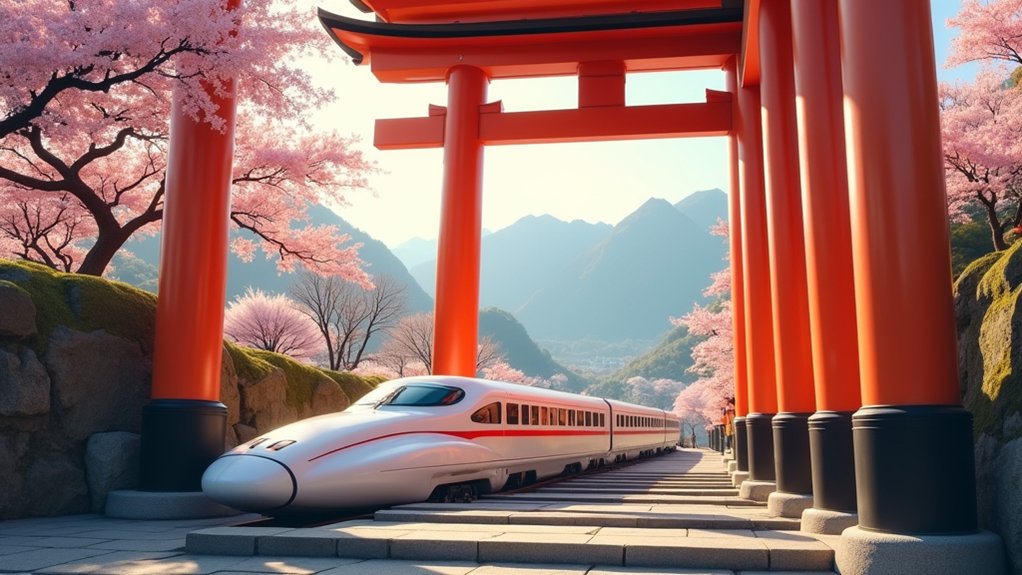
Our 10-day Japan adventure brings you the perfect balance of major highlights and hidden gems. With efficient planning, you’ll experience the vibrant energy of Tokyo, historic temples of Kyoto, and Osaka’s incredible food scene. Consider using low-cost carriers like Jetstar Japan or Peach Aviation for your domestic flights to save money while traveling between cities.
| Day | Location | Morning | Afternoon |
|---|---|---|---|
| 1-4 | Tokyo | Shibuya Crossing & Meiji Shrine | Asakusa & Tokyo Tower |
| 5-7 | Kyoto | Fushimi Inari & Arashiyama | Kinkaku-ji & Gion District |
| 8-9 | Osaka | Osaka Castle | Street food in Dotonbori |
| 10 | Nara | Deer Park | Todai-ji Temple |
Don’t miss key sightseeing tips: carry cash, wear comfortable shoes, and pre-book popular attractions. Make time for culinary experiences at local izakayas!
Must-Know Travel Tips Before Departing for Japan
Always carry cash, as many places don’t accept cards. Remember to purchase travel insurance before leaving home to protect yourself from unexpected situations.
Understanding cultural etiquette will help you blend in. Remove shoes when entering homes, don’t tip at restaurants, and bow slightly when greeting others.
Pack comfortable walking shoes for exploring, and complete immigration forms online to save time at arrival.
Book popular activities in advance to avoid disappointment.
Familiarize yourself with clear directional signs at train stations, which will help you easily navigate platforms and amenities during your trip.
Optimal Seasons to Visit: Weather and Festival Considerations
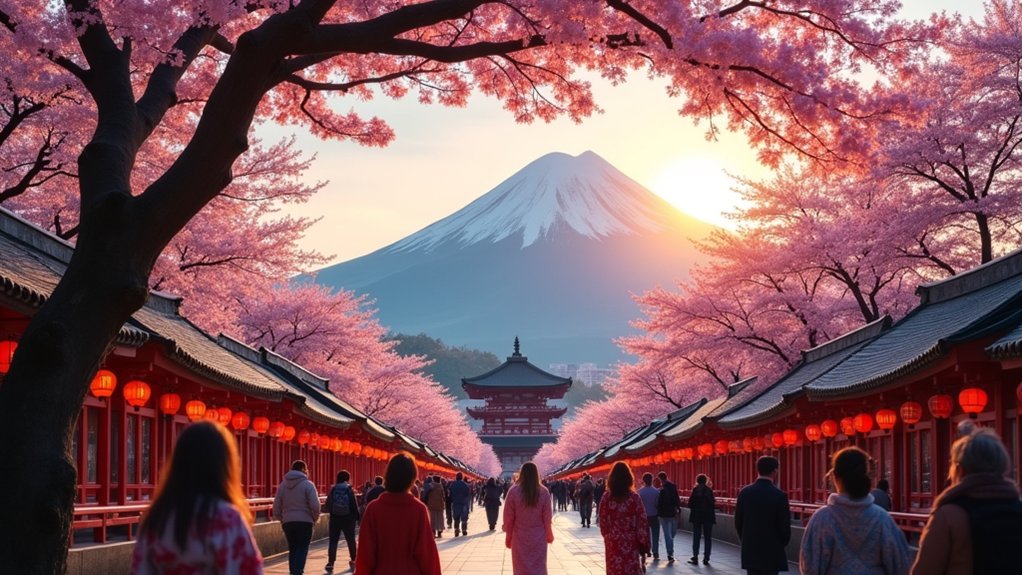
Japan’s seasons greatly impact your travel experience, with spring and fall offering the most pleasant conditions.
Weather patterns shift dramatically throughout the year, influencing both comfort and what you’ll see.
Consider these timing options:
- Spring (March-May) – Cherry blossoms bloom and temperatures range from 50-70°F
- Fall (September-November) – Stunning foliage with comfortable 50-65°F days
- Winter (December-February) – Christmas markets and fewer crowds, but cold
- Summer (June-August) – Festival highlights like Gion Matsuri, but hot and humid
Avoid Golden Week and New Year when prices surge and attractions overflow with domestic travelers.
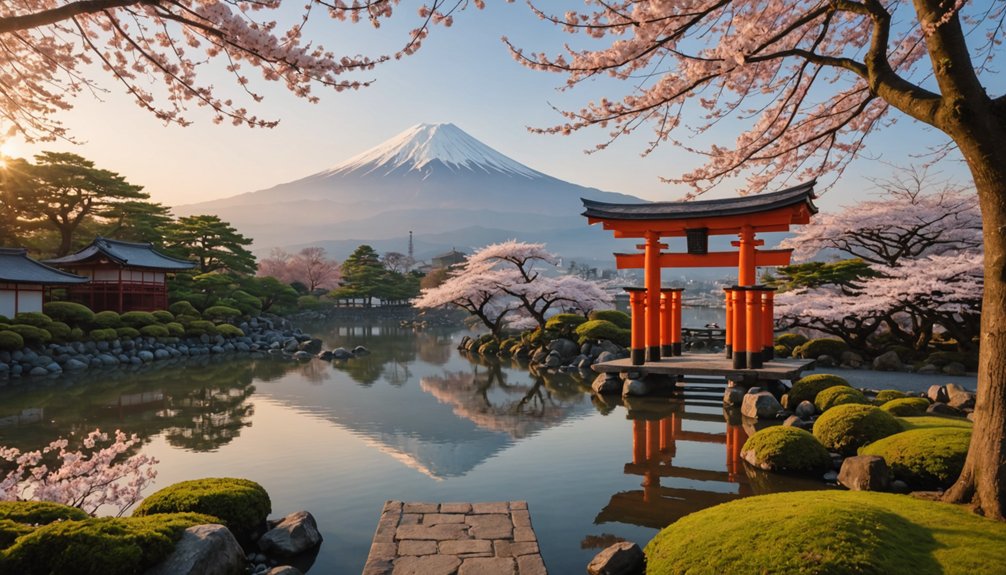
During spring, planning around Tokyo’s cherry blossom season can provide an unforgettable experience, with peak blooms typically happening from late March to early April.
Navigating Japanese Holiday Periods
When planning your trip to Japan, major holiday periods can greatly impact your experience with crowds, closures, and costs. Familiarizing yourself with these peak times helps you avoid the rush of domestic travelers while respecting proper Travel Etiquette.
| Holiday Period | When | Crowd Level | Travel Impact |
|---|---|---|---|
| Golden Week | Late April-Early May | Extremely High | Price surges, booking difficulties |
| Obon Festival | Mid-August | High | Family travel season, some closures |
| New Year | Dec 29-Jan 3 | Very High | Many businesses closed |
| Silver Week | Mid-September | Moderate | Increased domestic tourism |
Consider scheduling your visit between these Japanese Festivals for a more relaxed experience with shorter lines and better availability.
For extended stays in Japan, ensure your travel insurance policy covers upfront medical payments, as most Japanese hospitals require immediate cash payment for services.
Arriving in Tokyo: Airport Options and What to Expect

Most international travelers begin their Japanese adventure at one of Tokyo’s two main gateways.
Narita (NRT) handles most flights from the US and Europe, while Haneda (HND) serves many Asian routes and is closer to the city center.
Both airports offer excellent arrival experiences with:
- Clear signage in English to guide you through immigration and customs
- Currency exchange counters with competitive rates
- Tourist information desks where staff can help with transportation questions
- Convenient transport options to central Tokyo
Remember these arrival tips: carry some cash, download airport maps beforehand, and explore airport amenities like luggage delivery services that can send your bags to your hotel.
When packing, consider what travel adapters you’ll need for Japan’s unique Type A and B power outlets, which use 100V electricity and may differ from the plugs in other countries.
Transportation Guide From Narita and Haneda Airports

Getting from Tokyo’s airports to the city center is straightforward, with several options to suit your budget and travel style. You’ll find convenient airport transfer options regardless of which gateway you arrive at.
| Transport Option | Narita Airport | Haneda Airport | Best For |
|---|---|---|---|
| Express Train | 60 min, ¥3,000 | 15 min, ¥500 | Speed |
| Local Train | 90 min, ¥1,200 | 20 min, ¥330 | Budget |
| Airport Bus | 90 min, ¥3,100 | 30-45 min, ¥1,200 | Comfort |
| Taxi | 90 min, ¥30,000 | 30 min, ¥8,000 | Convenience |
Travel time estimates vary with traffic conditions. For most travelers, the express trains offer the best balance of speed and affordability. Consider purchasing a Japan Rail Pass if you’re planning to travel extensively throughout the country during your visit.
Mastering Japan’s Public Transportation System

Japan’s public transportation system stands as perhaps the world’s most efficient travel network you’ll ever experience. With clean stations, punctual service, and extensive coverage, you’ll navigate cities with ease once you understand the basics.
For a smooth journey, remember these essentials:
- Purchase an IC card (Suica/Pasmo) for tap-and-go convenience
- Learn local etiquette – stand on the left side of escalators
- Master language basics like “sumimasen” (excuse me) and “doko” (where)
- Download transit apps like Japan Transit Planner or Google Maps
For even greater convenience, consider tourist passes in Tokyo to help offset transportation costs when visiting multiple attractions.
City-to-City Travel: Bullet Trains and Regional Options
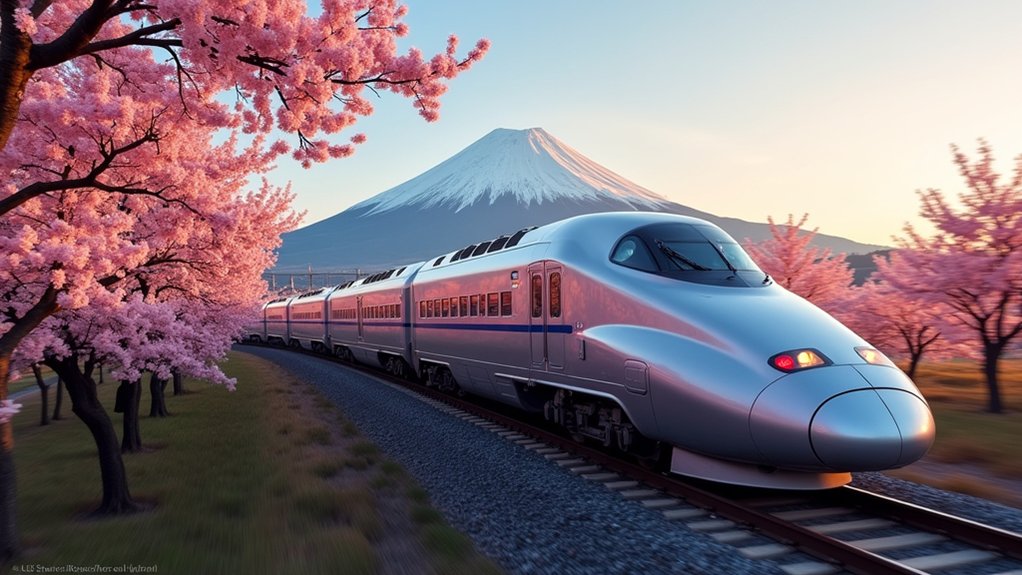
When traveling between Japan’s fascinating cities, you’ll discover the iconic Shinkansen (bullet train) offers the perfect blend of speed and comfort.
Experience Japan’s modern marvel—the Shinkansen blends exceptional velocity with luxurious tranquility between vibrant urban centers.
These sleek trains whisk you between major destinations at speeds up to 200 mph, turning a journey from Tokyo to Kyoto into just a 2.5-hour adventure.
For budget-conscious travelers, regional trains provide cheaper alternatives, though they’re slower.
Consider purchasing individual tickets for this 10-day itinerary rather than a Japan Rail Pass, which isn’t cost-effective for shorter trips.
Remember to reserve your bullet train experience in advance during peak seasons!
South Korea’s KTX train system boasts an impressive 99.9% punctuality rate, making it one of the world’s most reliable high-speed rail services for travelers seeking efficient transportation options.
Tokyo Highlights: Neighborhoods and Experiences
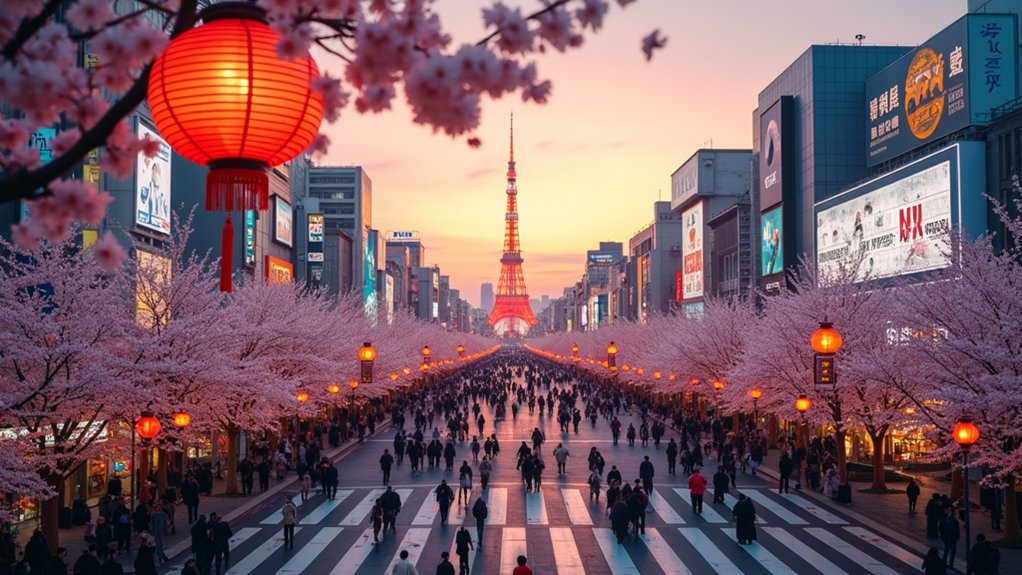
Tokyo unfolds like a fascinating storybook, with each neighborhood offering its own unique chapter of experiences.
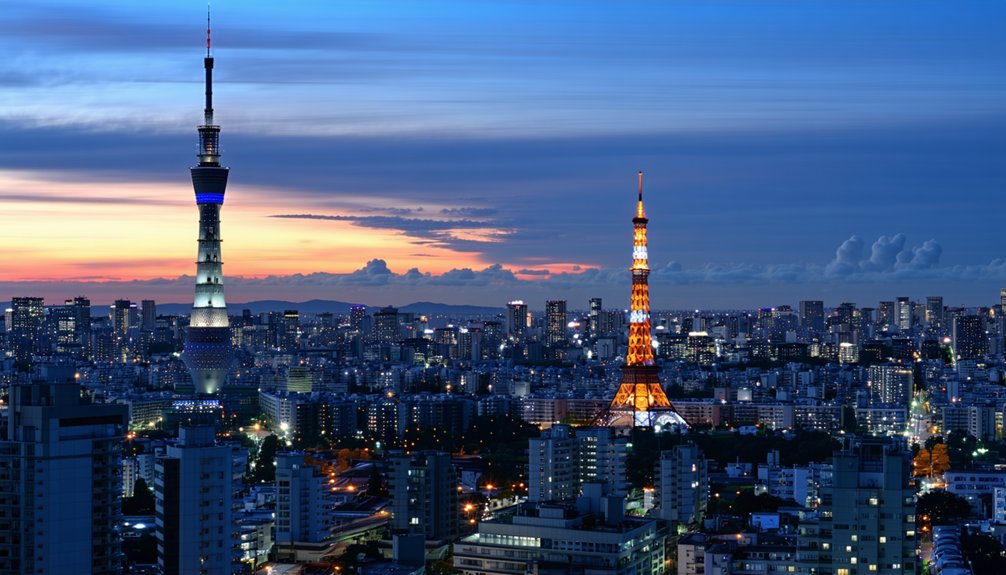
You’ll discover a city that seamlessly blends traditional and modern Japan, where ancient temples stand beside futuristic skyscrapers.
- Cultural experiences await in Asakusa, where Senso-ji Temple and traditional markets transport you to old Tokyo.
- Shopping hotspots dazzle in Shibuya and Ginza, from trendy boutiques to luxury department stores.
- Culinary adventures flourish in Tsukiji’s outer market and local izakayas offering fresh seafood.
- Hidden gems reveal themselves in Yanaka’s quiet streets and Shimokitazawa’s artistic alleys.
A must-see for urban adventure seekers is the iconic Shibuya Crossing, which captures the vibrant energy that defines Tokyo.
Kyoto and Nara: Temples, Traditions, and Cultural Immersion
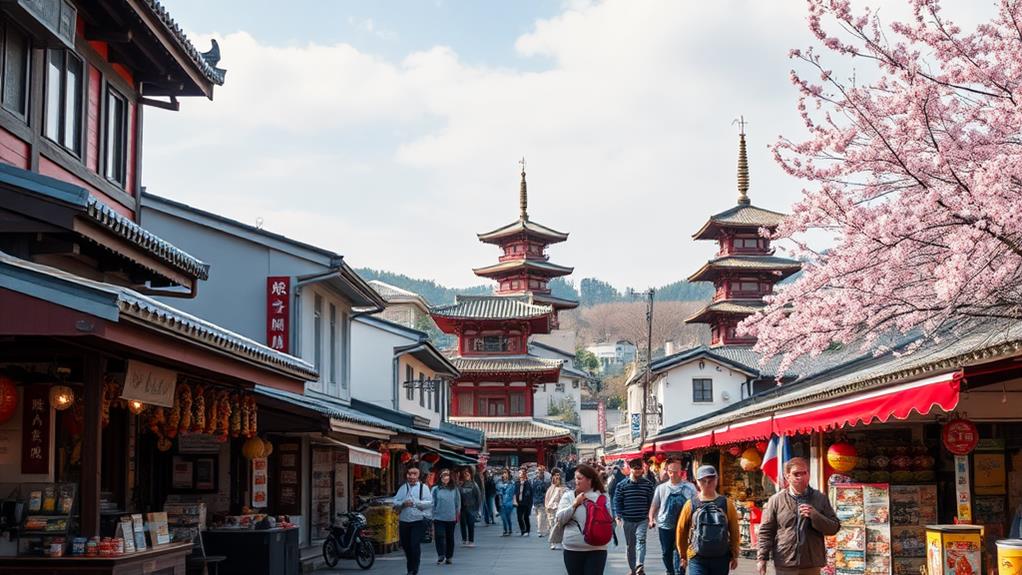
After your whirlwind Tokyo adventure, stepping into Kyoto feels like traveling back in time to Japan’s imperial past.
Wander through serene temple grounds while learning proper temple etiquette—remove shoes when required and speak softly.
Don’t miss sampling authentic Kyoto cuisine, known for delicate flavors and seasonal ingredients.
Kyoto’s culinary treasures await, where each bite tells a story of tradition through subtle, seasonal magic.
In nearby Nara, you’ll encounter friendly wildlife as deer roam freely around ancient temples.
Time your visit to coincide with cultural festivals like Gion Matsuri for an authentic experience.
Experience the historic Gion Matsuri festival, which dates back to 869 CE and was originally held as a purification ritual to ward off plagues and appease angry spirits in Kyoto.
Take home traditional crafts as meaningful souvenirs, and capture the scenic landscapes of bamboo groves and autumn foliage for memories that last a lifetime.
Osaka’s Vibrant Scene: Food, Entertainment, and Day Trips
Known as Japan’s kitchen, Osaka delivers an explosion of flavors and entertainment options you won’t find anywhere else.
The city’s warm, welcoming atmosphere will make you feel right at home as you explore its lively streets and vibrant markets.
During your visit, don’t miss these Osaka attractions:
- Kuromon Ichiba Market – sample fresh seafood and local specialties
- Dotonbori district – experience electric Osaka nightlife along the canal
- Universal Studios Japan – enjoy world-class entertainment for all ages
- Seasonal Osaka festivals – immerse yourself in traditional celebrations like Tenjin Matsuri
For street food enthusiasts, Osaka offers delicious options similar to Seoul’s famous Korean street foods which include everything from sweet hotteok pancakes to savory chicken skewers.
10 Day Japan Itinerary: The Ultimate Guide for First Timers (With Tips & Map)
Frequently Asked Questions
How Accessible Is Japan for Travelers With Mobility Limitations?
Japan has improved wheelchair accessibility in recent years, but you’ll still face some challenges.
Major cities like Tokyo and Osaka offer accessible public transport with elevators at many stations and wheelchair spaces on trains and buses. You’ll find accessible restrooms in most public places too.
Remember to research specific locations before visiting, as older areas and rural destinations may have limited accessibility options.
Consider booking tours specifically designed for travelers with mobility needs.
What Are the Tipping Customs and Expectations in Japan?
Leave your wallet on standby – tipping in Japan isn’t expected or customary.
Unlike Western countries, Japanese culture views exceptional service as the standard, and tipping can actually cause confusion or discomfort. Staff might even chase after you to return your “forgotten” money!
This cultural difference extends to restaurants, taxis, hotels, and tour guides.
You’ll save money while respecting local etiquette – just offer a sincere “arigato” (thank you) instead.
Is It Necessary to Learn Japanese Before Visiting?
You don’t need to be fluent in Japanese to visit Japan. Most signs in tourist areas are in English, and many people in the hospitality industry speak some English.
Learning a few basic phrases like “arigatou” (thank you) and “sumimasen” (excuse me/sorry) will be appreciated by locals and enhance your experience.
Language apps like Google Translate or Duolingo can help you prepare and navigate communication challenges during your trip.
How to Handle Dietary Restrictions While Traveling in Japan?
Managing dietary restrictions in Japan isn’t impossible! For food allergies, carry translation cards explaining your needs.
You’ll find vegan options at specialized restaurants in larger cities, and many temples serve vegetarian meals. Look for shojin ryori (Buddhist cuisine) for plant-based dishes.
Convenience stores offer allergy-labeled products, and apps like Happy Cow can help locate suitable restaurants.
Don’t hesitate to ask staff for help—most will try their best to accommodate your needs.
What Are Japan’s Policies on Medications and Prescription Drugs?
Maneuvering Japan’s medicine cabinet can feel like walking a tightrope between your health needs and import regulations.
You’ll need to follow these guidelines:
- Bring a doctor’s note and prescription for all medications
- Limit quantities to a 30-day supply
- Complete a “Yakkan Shoumei” form for prescribed medications exceeding 1-month supply
- Avoid bringing stimulants or psychotropic medications, which are strictly controlled
Japan’s customs officials are understanding but strict about prescription requirements, so prepare your paperwork before flying.
Conclusion
You’ll return home with your heart full of memories that sparkle like cherry blossoms in the spring sunshine. Japan’s magic isn’t just in its temples or technology—it’s in the warm smiles of locals, the perfect bowl of ramen, and those quiet moments of discovery. So pack your curiosity, embrace the unexpected, and remember: this isn’t goodbye to Japan, it’s just “see you later.”
More on Transportation:
Planning a trip to Japan?
Check out our Japan Travel Hub for more guides, including JR Pass Guide 2026.

Written by East Asia Explorer Editorial Team
Sam Konneh is an AI strategist and digital marketer based in Seoul, South Korea. With years spent living, working, and exploring across Korea, Japan, and China, he shares firsthand insights into East Asia's cultures, hidden gems, and everyday life. A graduate of Inha University and KDI Graduate School, Sam combines data-driven expertise with on-the-ground experience. His journey also includes studying in Malaysia and traveling through Southeast Asia. Through practical tips, local stories, and travel guides, he helps fellow explorers discover both the celebrated highlights and the lesser-known corners of East Asia.