Last Updated: October 6, 2026 | Originally Published: April 9, 2026
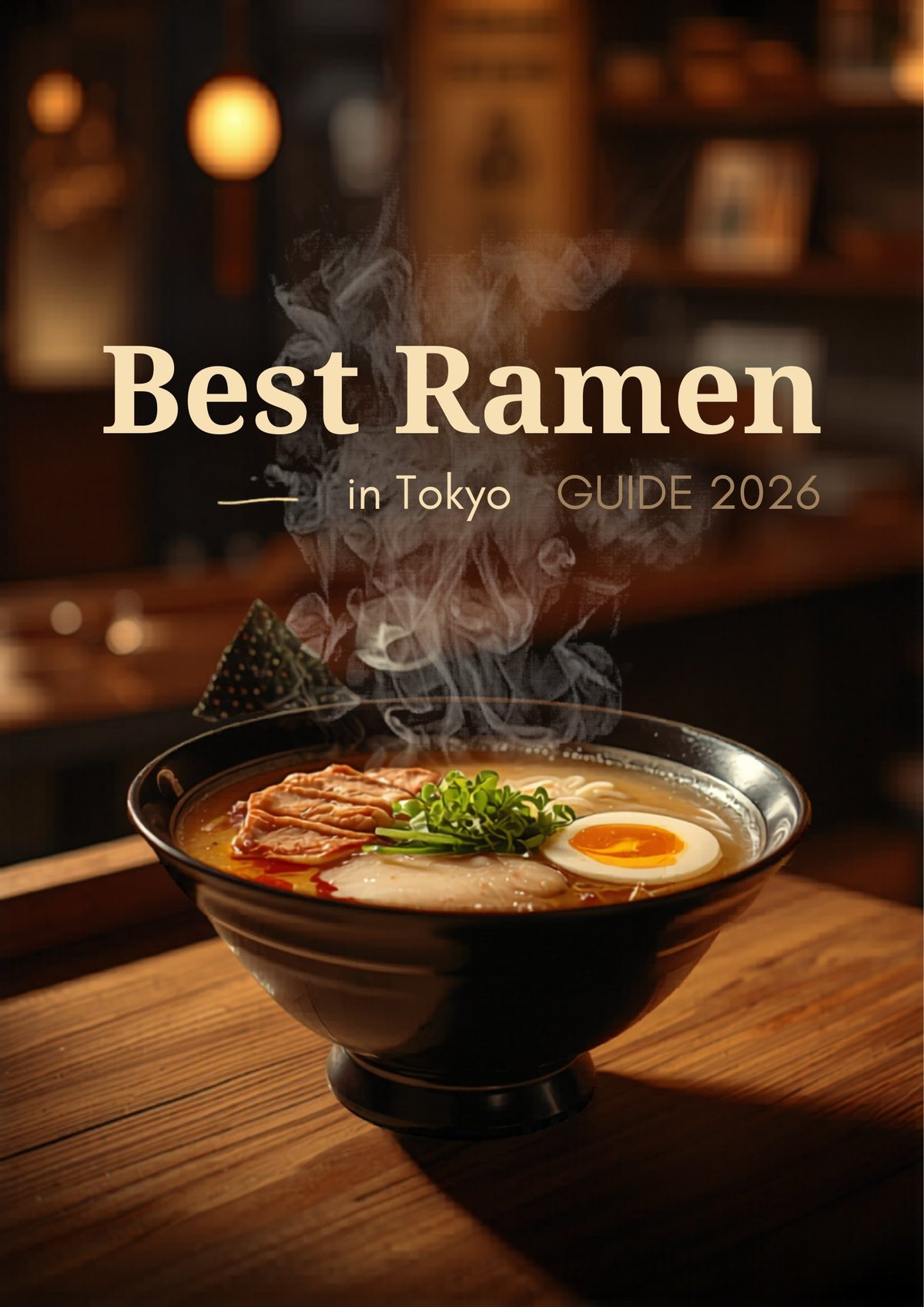
Quick Answer: Where to Find the Best Ramen in Tokyo
If you are standing in Tokyo right now, overwhelmed by the neon glare and the sheer density of noodle shops, let me cut through the noise. After fifteen years of slurping my way through this city—sometimes three bowls a day during research trips—I can tell you exactly where to start.
For dipping noodles (tsukemen), head straight to Fuunji in Shinjuku. Yes, there is always a line. Yes, it moves fast. And yes, the fish-pork hybrid broth will ruin all other ramen for you.
For creamy pork broth (tonkotsu), Ichiran in Shibuya offers the perfect introduction with English-friendly ordering and those famous solo booths where you can focus entirely on the bowl.
For the ultimate splurge that still costs less than a sandwich in London, Nakiryu in Otsuka holds a Michelin star and charges just ¥1,000 (approximately $7 USD) for their legendary tantanmen.
But here is the truth about finding the best ramen in Tokyo: it is not just about the shops I mentioned above. It is about understanding the districts, the styles, and the unwritten rules that govern this noodle-obsessed culture. This tokyo ramen guide will take you through every major neighborhood worth visiting in 2026, from the tourist-friendly corridors of Shibuya to the local trenches of Ikebukuro.
Understanding Ramen: The 5 Main Styles
Before you queue for an hour, you need to know what you are ordering. Japanese ramen is not monolithic. The broth base determines everything—from the noodle texture to the appropriate slurping speed. Here is the breakdown of the ramen types japan offers, and where to find the best iteration of each in Tokyo.
| Style | Broth Base | Origin | Flavor Profile | Best Shop in Tokyo |
|---|---|---|---|---|
| Shoyu (Soy Sauce) | Chicken or pork stock with soy sauce seasoning | Tokyo/Yokohama | Clear, savory, slightly sweet, aromatic | Ichiran (Shibuya) |
| Shio (Salt) | Chicken, pork, or seafood stock with salt | Hokkaido/Hakodate | Light, clean, subtle, often with yuzu | Afuri (Ebisu) |
| Miso | Pork or chicken with blended miso paste | Sapporo, Hokkaido | Rich, nutty, hearty, often with butter and corn | Bankara (Shinjuku) |
| Tonkotsu (Pork Bone) | Pork bones boiled for 12+ hours | Hakata/Fukuoka | Creamy, white, intensely porky, fatty | Ippudo (various locations) |
| Tsukemen (Dipping) | Concentrated dipping broth (varies by shop) | Tokyo (modern invention) | Intense, thick, served separate from noodles | Fuunji (Shinjuku) |
When I guide friends through their first Tokyo ramen experience, I always tell them to match the style to their mood. Heavy night of drinking in Golden Gai? You need the fatty embrace of tonkotsu. Hot summer afternoon? The yuzu shio at Afuri will save your life. Looking for the most Instagrammable bowl? Tsukemen, with its thick, gravy-like broth clinging to noodles, wins every time.
Shinjuku: The Ramen Capital
If Tokyo is the ramen capital of the world, then Shinjuku is its beating heart. I have never visited this district without discovering a new shop, but three places remain essential stops on any best ramen shinjuku pilgrimage.
Fuunji: The Tsukemen Temple
Located just a five-minute walk from Shinjuku Station’s South Exit, Fuunji draws lines that snake around the building within thirty minutes of opening. I arrived at 10:45 AM on a Tuesday in March 2026—fifteen minutes before opening—and still found twenty people ahead of me. The wait was forty minutes. It was worth every second.
Chef Miyazawa-san has perfected the tsukemen tokyo obsessives dream about. The dipping broth combines pork bones with massive amounts of dried fish (niboshi), creating a tsunami of umami that coats the thick, chewy noodles. The “special” (tokusei) costs ¥1,100 ($7.50 USD) and includes two slices of chashu pork and a seasoned soft-boiled egg.
Nagi Golden Gai: Late-Night Salvation
Golden Gai is famous for its microscopic bars, but tucked among them is Nagi, a nine-seat shop that stays open until the early hours. I stumbled in at 1:00 AM after a night of whisky tasting, and the rich, dried sardine-based broth (niboshi) sobered me up instantly.
The space is cramped—your elbow will touch your neighbor’s—but the intimacy is part of the charm. Prices hover around ¥1,000-¥1,300 ($7-$9 USD). The “Original King” ramen comes with a thick slab of pork belly that melts on contact with the hot broth.
Bankara: For Miso Lovers
When winter hits Tokyo and the temperature drops below 5°C, I head to Bankara for their miso ramen. Located near the Shinjuku East Exit, this shop offers a “Batta Max” version—essentially a heart attack in a bowl—with extra pork back fat, butter, and garlic chips floating in a rich miso base. Standard bowls run ¥950-¥1,200 ($6.50-$8 USD).
All three shops use the classic ticket machine system (shokkenki). Insert your cash, press the button corresponding to your desired ramen, and hand the printed ticket to the staff. No Japanese required, though having cash is mandatory—most ramen shops tokyo still do not accept credit cards.
Shibuya and Ebisu
Shibuya serves as the gateway to Tokyo for many first-time visitors, and while the district is often criticized for being too touristy, its ramen scene holds some genuine gems. The area specializes in accessible, foreigner-friendly options that maintain high quality standards.
Ichiran Shibuya: The Solo Dining Experience
Ichiran has expanded globally, but the Shibuya location remains special because it perfectly captures the Japanese concept of ichi-za konryu—eating alone without stigma. You purchase your ticket from a vending machine outside (¥980/$6.70 USD for the standard bowl), then proceed to individual booth seating separated by wooden dividers.
Here is where it gets interesting: you customize everything. A paper sheet allows you to select broth richness (light/normal/rich/heavy), garlic amount, spice level, noodle firmness, and whether you want Ichiran’s signature red sauce. I always order “rich” broth with extra garlic and firm noodles.
The average wait time at Shibuya’s main branch is 20-30 minutes during lunch (11:30 AM-2:00 PM) and dinner (6:00 PM-9:00 PM). Visit at 3:00 PM or 10:00 PM, and you will walk right in.
Afuri: The Yuzu Revolution
A short train ride to Ebisu Station (or the newer location in Shibuya itself) brings you to Afuri, the shop that changed Tokyo’s ramen scene by introducing citrus into the equation. Their signature yuzu shio ramen uses a chicken and seafood broth brightened with yuzu zest and juice.
This is the ramen I recommend to people who “don’t like heavy food.” It is light, refreshing, and somehow both delicate and complex. A standard bowl costs ¥1,080 ($7.40 USD), and they offer a vegan version using konbu (kelp) broth instead of chicken—rare for traditional ramen shops.
Wait times at Afuri Ebisu average 15-25 minutes. The Shibuya location tends to be slightly longer due to tourist traffic.
Ikebukuro: Ramen Street
Ikebukuro Station handles over a million passengers daily, and many of them are students from the nearby universities looking for cheap, filling meals. This demographic has created one of Tokyo’s most competitive ramen markets, concentrated in the basement of the station itself.
Tokyo Ramen Street: The Ultimate Comparison
Located on the basement floor of the Tokyo Metropolitan Plaza near the East Exit, this complex houses eight distinct ramen shops in close proximity. I love bringing people here because you can sample vastly different styles without traveling across the city.
The standout for me is Mutekiya, which specializes in thick, fatty tonkotsu broth that borders on gravy. Their “Meta” ramen (¥1,200/$8.20 USD) includes extra chashu, a marinated egg, and garlic chips. The richness is intense—this is not a bowl for the faint of heart or the cholesterol-conscious.
Other notable shops include Toraji (seafood-based shoyu) and Sakurai (spicy miso). Most bowls here cost between ¥900-¥1,400 ($6-$9.50 USD). The convenience factor is unmatched—you can try multiple styles in one afternoon, making this an ideal stop for where to eat ramen tokyo when time is limited.
Tokyo Station Ramen Street
If you are catching a shinkansen (bullet train) or simply exploring the Marunouchi district, Tokyo Station’s Ramen Street ( located on the first basement floor of Tokyo Station Ichibangai) offers eight famous shops from across Japan, all in one climate-controlled location.
This is where efficiency meets excellence. Each shop represents a different regional style, allowing you to tour Japan’s ramen culture without leaving the station. (see JNTO Ramen Guide)
Rokurinsha: The Tsukemen King
Rokurinsha consistently draws the longest lines here—sometimes 45 minutes—but their tsukemen justifies the wait. The dipping broth combines pork, chicken, and dried fish into a thick, almost curry-like consistency. Noodles are served cold and thick, perfect for dragging through the hot broth.
A standard serving costs ¥950 ($6.50 USD), with larger portions available for an additional ¥150. I recommend visiting at 10:30 AM (they open at 10:30) or after 2:00 PM to avoid the lunch crush of office workers.
Soranoiro: Vegan Excellence
For plant-based eaters, Soranoiro offers one of Tokyo’s few truly vegan ramen options that does not feel like a compromise. Their “Veggie Soba” uses a konbu and shiitake mushroom broth with vegetable-based noodles. At ¥1,100 ($7.50 USD), it costs the same as meat-based options—a rarity in Tokyo where vegan food often commands a premium.
Hidden Gems: Michelin Ramen
In 2016, the Michelin Guide shocked the culinary world by awarding stars to ramen shops for the first time. Tokyo now hosts multiple Michelin-recognized noodle establishments, yet they remain remarkably affordable compared to starred restaurants in Paris or New York.
Nakiryu (Otsuka Station)
Nakiryu, located near Otsuka Station on the Yamanote Line, holds one Michelin star and serves what I consider the best tantanmen (Sichuan-inspired sesame and chili ramen) in Japan. Chef Kazumasa Saito creates a broth that balances numbing Sichuan peppercorns with creamy sesame paste and house-made chili oil.
The standard bowl costs just ¥1,000 ($6.80 USD)—perhaps the cheapest Michelin-starred meal on Earth. I visited in February 2026 and queued for ninety minutes on a Saturday afternoon. The shop has only seven seats, which explains the wait.
Tsuta: The Pioneer
Tsuta was the first ramen shop to receive a Michelin star, and while they have moved locations and implemented a reservation system (unheard of in ramen culture), they remain essential for serious food pilgrims. Located in Sugamo, they now require reservations via their website or ticketing machine outside the shop.
Their signature shoyu ramen uses truffle oil and wagyu beef, creating a luxurious bowl that costs ¥1,500 ($10.25 USD)—expensive by ramen standards but reasonable for a starred restaurant. The reservation system means no queuing, which is either a blessing or a loss of authenticity, depending on your perspective.
How to Order Ramen in Tokyo
Walking into a Tokyo ramen shop for the first time can be intimidating. The ticket machines often lack English translations, the line moves fast, and the pressure to decide quickly is real. Here is exactly how I navigate this process after years of practice.
Step-by-Step Ticket Machine Guide
- Have cash ready: Most machines accept ¥1,000, ¥2,000, ¥5,000, and ¥10,000 notes. Insert your money first.
- Identify your bowl: Look for photos or the following kanji:
- ラーメン or 中華そば = Standard ramen
- 味噌ラーメン = Miso ramen
- 塩ラーメン = Shio (salt) ramen
- 醤油ラーメン = Shoyu (soy sauce) ramen
- つけ麺 = Tsukemen (dipping noodles)
- 大盛り = Large size
- Select toppings: Buttons labeled チャーシュー (extra pork), 味玉 (seasoned egg), or 特製 (special with all toppings) will add to your base price.
- Collect change and tickets: The machine will dispense metal tickets and your change. Hand these to the staff or place them on the counter.
Common Toppings Decoded
| Topping | Japanese Name | Description | Price Range |
|---|---|---|---|
| Chashu | チャーシュー | Braised pork belly slices | ¥200-¥400 ($1.40-$2.75) |
| Ajitama | 味付け玉子 or 味玉 | Soft-boiled marinated egg | ¥100-¥150 ($0.70-$1.00) |
| Nori | 海苔 | Dried seaweed sheets | ¥100-¥200 ($0.70-$1.40) |
| Menma | メンマ | Fermented bamboo shoots | ¥100-¥150 ($0.70-$1.00) |
| Negi | ネギ | Chopped green onions | Usually free |
Ramen Etiquette and Tips
Tokyo ramen culture has unwritten rules that, while not strictly enforced, will mark you as a respectful diner if followed. Here is what I have learned from sitting elbow-to-elbow with locals for over a decade.
The Slurp
Slurping is not just accepted—it is encouraged. The noise cools the noodles as they enter your mouth and aerates the broth, enhancing flavor perception. I used to feel self-conscious about the volume until I realized that silence is actually more awkward in a ramen shop. Slurp loudly and proudly.
Speed Matters
Ramen is fast food in Japan, but not in the American sense. The noodles continue cooking in the hot broth, so waiting five minutes means soggy noodles. I aim to finish my bowl within ten minutes of it hitting the table. If you need to pause, place your chopsticks across the rim of the bowl—never stuck vertically into the noodles, as this resembles incense at funerals.
Kaedama: The Refill System
Tonkotsu shops, particularly those from Hakata-style establishments like Ichiran, offer kaedama—extra noodles for your remaining broth. This costs ¥100-¥200 ($0.70-$1.40) and is ordered by calling out “Kaedama, onegaishimasu!” or pressing a button at your table. Only order this if you have broth left and are still hungry; it is considered wasteful to order extra noodles and leave broth behind.
Free Toppings
Many shops, especially Hakata-style tonkotsu places, provide free condiments: raw garlic cloves and a press, pickled ginger, sesame seeds, and chili paste. I always crush one clove of garlic into my tonkotsu ramen—it cuts through the fat beautifully. However, at delicate shio or shoyu shops, these strong flavors might overwhelm the chef’s intended balance, so use discretion.
Vegetarian and Vegan Ramen in Tokyo
Finding plant-based ramen in Tokyo requires vigilance. Even “vegetable ramen” often uses pork or fish in the broth base. After years of disappointing my vegetarian friends, I have identified three reliable options that deliver full flavor without animal products.
Soranoiro (Tokyo Station)
As mentioned earlier, Soranoiro’s Veggie Soba uses a konbu and shiitake dashi that achieves surprising depth. The noodles contain beets and carrots, giving them an orange hue. At ¥1,100 ($7.50 USD), this is my top recommendation for vegan travelers.
T’s TanTan (Tokyo Station)
Located inside Tokyo Station itself (Keiyo Street), T’s TanTan is entirely vegan and serves a sesame tantanmen that rivals meat-based versions. The “White Sesame” bowl (¥900/$6.15 USD) is creamy and nutty, while the “Black Sesame” offers deeper, toasted flavors.
Afuri (Multiple Locations)
Afuri’s yuzu shio can be made vegan by requesting the konbu-based broth. Confirm when ordering: “Vegetarian desu. Dashi wa konbu desu ka?” (Is this vegetarian? Is the broth kelp-based?). Staff are familiar with these requests.
Cost Guide: How Much Does Ramen Cost in Tokyo?
One of the beauties of Tokyo’s ramen scene is the democratic pricing. Whether you are a student or a CEO, you eat the same bowl for roughly the same price. Here is the breakdown for 2026 prices.
| Type | Price Range (JPY) | Price Range (USD) | Example Shop |
|---|---|---|---|
| Basic Bowl (no extras) | ¥800–¥1,000 | $5–$7 | Fuunji (Shinjuku) |
| Bowl with Toppings | ¥1,000–¥1,400 | $7–$10 | Ichiran (various locations) |
| Premium / Specialty | ¥1,200–¥1,800 | $8–$13 | Nakiryu (Otsuka) |
| Tsukemen (dipping style) | ¥900–¥1,300 | $6–$9 | Rokurinsha (Tokyo Station) |
| Extra Toppings (egg, chashu) | ¥100–¥300 each | $0.70–$2 | Most shops |
More on Food & Dining:
Planning a trip to Japan?
Check out our Japan Travel Hub for more guides, including JR Pass Guide 2026.

Written by East Asia Explorer Editorial Team
Sam Konneh is an AI strategist and digital marketer based in Seoul, South Korea. With years spent living, working, and exploring across Korea, Japan, and China, he shares firsthand insights into East Asia's cultures, hidden gems, and everyday life. A graduate of Inha University and KDI Graduate School, Sam combines data-driven expertise with on-the-ground experience. His journey also includes studying in Malaysia and traveling through Southeast Asia. Through practical tips, local stories, and travel guides, he helps fellow explorers discover both the celebrated highlights and the lesser-known corners of East Asia.