Last Updated: March 12, 2026 | Originally Published: April 17, 2025
You walk into a sushi counter, hand over all control, and let a chef in Tokyo play sushi roulette with your taste buds—no menus, just whatever’s freshest and best that morning. There’s affordable lunch omakase that won’t bankrupt you, mid-range counters with serious skills, and high-end spots where the artistry will make you rethink fish forever. And yes, etiquette is a thing—so don’t embarrass yourself. Hungry for the inside scoop on where to go? Stick around.
Read our full Japan Travel Guide 2026 for everything you need to plan your Japan trip.
Explorer Insights
- Omakase in Tokyo highlights the chef’s artistry as diners trust experts to curate seasonal, hand-prepared sushi without a set menu.
- Affordable omakase restaurants offer high-quality multi-course lunches under 10,000 yen, making top-tier sushi accessible to more diners.
- Mid-range options, priced between 10,000 to 20,000 yen, provide thoughtful, intimate experiences featuring fresh, seasonal ingredients.
- High-end omakase delivers a theatrical, unforgettable meal sequence, often with rare fish sourced directly from Toyosu Market.
- Proper etiquette—such as greeting chefs and savoring each piece as served—completes the authentic Tokyo omakase experience.
What Makes Omakase Sushi Unique in Tokyo
Even though omakase literally means “I’ll leave it up to you,” in Tokyo, it’s not some risky gamble. You’re handing the reins to chefs who actually know what they’re doing.
The omakase experience here is all about trust—sit at a tiny counter, lock eyes with the chef, and let them flex their skills while you eat whatever seasonal ingredients they just grabbed from Toyosu or another famed market. Navigating Tokyo’s intricate subways to find these hidden gems is simpler thanks to comprehensive mapping apps. (Source: Japan National Tourism Organization)
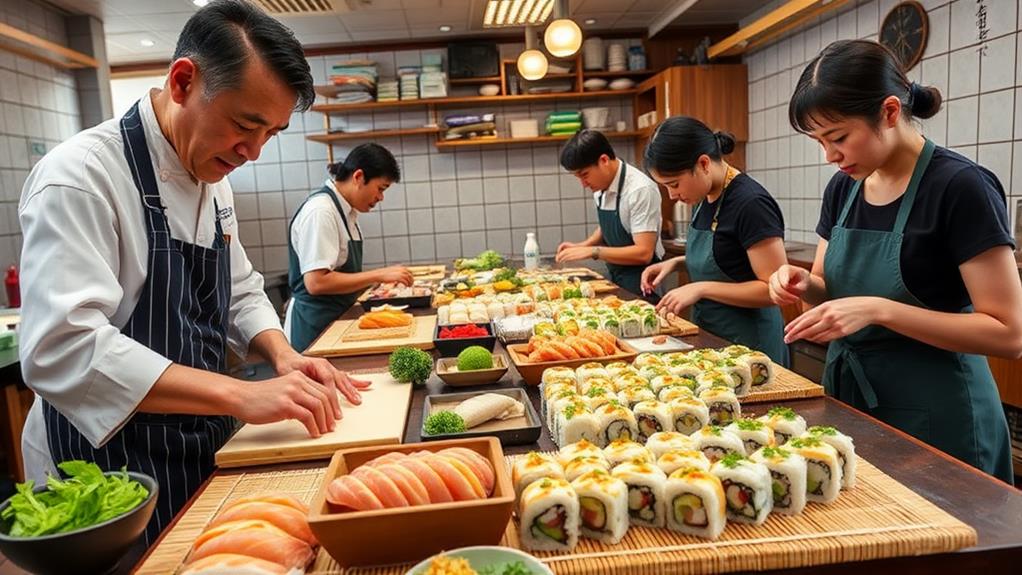
Don’t expect a conveyor belt circus. Every piece is hand-shaped, rice still warm, fish sliced with scary precision. No menu, no decisions. Just a parade of flavor, each bite crafted on the spot.
A master’s hands shape each bite—warm rice beneath, flawless fish above—no menu, no distractions, only precision and pure, unfolding flavor.
Sometimes it’s a splurge, sometimes surprisingly reasonable. Either way, you’re not getting anything basic. It’s personal, and it’s unforgettable.
Affordable Omakase Sushi Spots for Budget-Conscious Diners
Nobody wants to shell out a ridiculous fortune for good sushi, and you honestly don’t have to. Just like finding great budget accommodations in other travel hotspots, Tokyo offers amazing sushi experiences that won’t drain your wallet.
Tokyo does affordable omakase sushi right. There’s a wild range of spots where you get chef-crafted bites for way less than those wallet-busting counters. Omakase lunch is the real move—think multi-course meals for under 10,000 yen.
Some places, like Sushi Azabu, flip out 14 pieces of seasonal fish and their signature sesame tofu for just 4,800 yen. You get Toyosu Market quality without torching your bank account. Midday, you win.
Even Michelin-starred joints have lunch deals under $150 if you’re feeling fancy but not reckless. Skip the conveyor belts. Get the real deal, chef’s choice, every time—without financial regret.
Best Mid-Range Omakase Sushi Restaurants
Tokyo’s got a middle ground for omakase—a sweet spot right between cheap conveyor-belt fixes and that “mortgage payment for sushi” experience.
That’s where mid-range omakase shines. For 10,000 to 20,000 yen, you score high-quality ingredients, thoughtful dishes, and a chef who actually cares what lands on your plate.
These places go beyond basic fish-on-rice. Expect meticulously curated seasonal bites, small rooms with not many seats—personal, borderline awkward in the best way.
Some spots—like Sushidokoro Yamada—have just eight seats. Takumi Sushi Owana even tosses a Michelin star into the mix without making your wallet cry.
You get passion, craft, and sometimes a chef with attitude. Securing a spot often requires planning comparable to booking passage on routes like the Tsushima Island ferry service. But don’t just walk in. Book ahead. These spots fill up—fast.
Top High-End Omakase Sushi Experiences
How much can one piece of sushi actually blow your mind? At Tokyo’s top high-end sushi spots, the answer is: a lot.
The omakase sushi experience here is like sushi theater—except you’re the audience and the chef’s running the entire show. The meal often progresses through a carefully planned sequence of bites, building in flavor and texture. You’ll watch masters work, slicing rare fish, plating each bite like edible art. The fish? Insanely fresh.
Tips for Enjoying Your First Omakase Sushi Meal
Even if you think you know sushi, your first omakase will flip your expectations upside down. You’re not in charge—the chef is. That’s the entire point. Trust? Mandatory. You’ll get whatever the chef thinks is best, usually with seasonal twists and a showy bit of knife work. Omakase isn’t just for high-rollers, either. Affordable sushi is alive and well across Tokyo, so don’t pretend you have to drop a fortune. But don’t show up expecting a California roll. You’ll sit elbow-to-elbow with other hopefuls, staring down glistening fish you can’t pronounce, and you’ll love every awkward, mind-blowing bite. Don’t forget to express your appreciation for a particularly delicious piece by saying ‘Oishii desu‘. Book early. Then show up hungry. Sarcasm aside, you’ll never look at conveyor belt sushi the same way.
| Omakase Reality | Your Role | Chef’s Priority |
|---|---|---|
| Chef decides | Relinquish control | Seasonal, fresh fish |
| Artistic plates | Stay open-minded | Balance, presentation |
| Multi-course fun | Engage, ask questions | Wow with surprises |
| Intimate setting | Keep silent, watch closely | Personal connection |
| Worth it | Appreciate, don’t rush | Memorable experience |
Etiquette and Customs at Omakase Counters
While you might want to dive straight into the fish, omakase isn’t some sushi free-for-all—there’s a rhythm, and the chef’s running the show.
Watch the etiquette. Greet your sushi chefs with a sharp “Irasshaimase” walking in, and don’t forget “Arigatou gozaimashita” on your way out.
A sharp “Irasshaimase” when you walk in, a solid “Arigatou gozaimashita” on your way out—respect the ritual, impress the chef.
Wait until the chef hands you each piece before you eat it—this isn’t a race, and they decide the timing. Use your hands for nigiri. Chopsticks are fine too, but hands are cooler.
Don’t drown the sushi in soy sauce—light dip, rice side only. That’s the rule, don’t argue.
If someone offers sake, raise your glass with a “Kanpai.” It’s communal, sometimes awkward, but hey, that’s tradition.
Seasonal Ingredients and Chef’s Specialties
Forget racing through those perfectly sculpted bites—what really pulls you into Tokyo’s omakase scene is the chef’s unscripted genius on display with every plate.
It’s all about seasonal ingredients. The chef hunts down the freshest catch from Toyosu, then turns it into something you’ll probably never see on a conveyor belt. One week, you get abalone stewed to buttery tenderness. Next, maybe a rare, delicate sea urchin that vanishes from menus by the end of the month.
Chef’s specialties? Wild. You’ll see traditional sushi rice paired with blooming herbs, edible flowers, and sauces no supermarket could dream up.
Menus shift with the tides—blink and you’ll miss it. Much like the fleeting nature of life symbolized by the short-lived cherry blossoms, these special ingredients are only available for a brief window. It’s more than sushi. It’s edible, ever-changing art.
Frequently Asked Questions
How Much Is Omakase Reasonable Price in Tokyo?
Don’t whine about sticker shock—some omakase spots in Tokyo start as low as 3,500 yen (yeah, about $22), but most “reasonable” options hit between 10,000 and 20,000 yen.
That’s $65 to $130 for someone slicing raw fish in front of you, not a bad deal for that kind of craft. High-end? Sure, those can hit 30,000 yen.
But you don’t actually need to go there.
What Is the Best Omakase in Tokyo?
You want the best? Sushi Saito and Sushi Yoshitake fight for the crown—good luck even getting a seat, since reservations vanish instantly.
Sushi Gotoku in Oku-Shibu gets rave reviews for a next-level omakase with a side of drama and golden-hour lighting.
Not a billionaire? Places like Sushi Koshikawa and Shibuya Sushi Lab serve up killer quality minus the eye-watering price tag.
Tokyo doesn’t mess around.
Is Omakase Worth It in Tokyo?
Picture omakase like playing culinary Mario Kart—except the chef’s steering, and you’re just along for the tasty ride.
Is it worth it? Hell yes, if you’re into ultra-fresh fish, show-off chefs, and dishes you’d never dream up. You’ll fork over at least 10,000 yen, but the flavors and vibes are next-level.
Tokyo omakase isn’t just food; it’s edible art, and you’re the audience.
Is It Rude to Ask for Less Rice at Omakase?
No, it’s not rude to ask for less rice at omakase.
Chefs want you to enjoy the flavors—not just inhale mouthfuls of rice and pretend it’s all about the fish. Just say it up front, be cool about it, and don’t interrupt the chef mid-slice.
They actually appreciate knowing your preference, so you’re not committing some sushi crime by asking for less.
Conclusion
Tokyo takes omakase seriously. There are over 5,000 sushi joints in the city, which means you could eat somewhere new every day for nearly 14 years and still miss a few. Let that sink in. From wallet-friendly counters to showy Michelin palaces, omakase is everywhere—sometimes hidden in basements, sometimes on the 11th floor. Trust the chef. Eat the fish. Try not to cry when it blows your mind, or your budget.
More on Budget Travel:

Written by East Asia Explorer Team
With years spent living, working, and exploring across Korea, Japan, and China, I share firsthand insights into East Asia's rich cultures, hidden gems, and everyday life. My journey also includes studying in Malaysia and traveling through Southeast Asia, experiences that have deepened my appreciation for the region's diversity. Through practical tips, local stories, and travel guides, I aim to help fellow explorers discover both the celebrated highlights and the lesser-known corners of East Asia.