Last Updated: April 4, 2026 | Originally Published: February 20, 2026
Last Updated: March 2026
Key Takeaways
- Shanghai is China’s most international city — English signage, global food, and easy metro access make it perfect for first-time China visitors
- Budget travelers can do Shanghai on ¥350-500/day ($48-69 USD), while mid-range travelers should plan ¥800-1,200/day ($110-165 USD)
- The best months to visit are April-May and October-November — mild weather, fewer crowds than summer, no winter chill
- You MUST set up Alipay or WeChat Pay before arriving — cash is nearly useless in 2026 Shanghai
- The Shanghai Metro covers 20 lines and 508 stations — it’s the world’s longest metro system and your best way to get around
- Don’t skip the food: xiaolongbao, scallion oil noodles, and hairy crab (in season) are worth the trip alone
Why Shanghai Is China’s Most Electric City
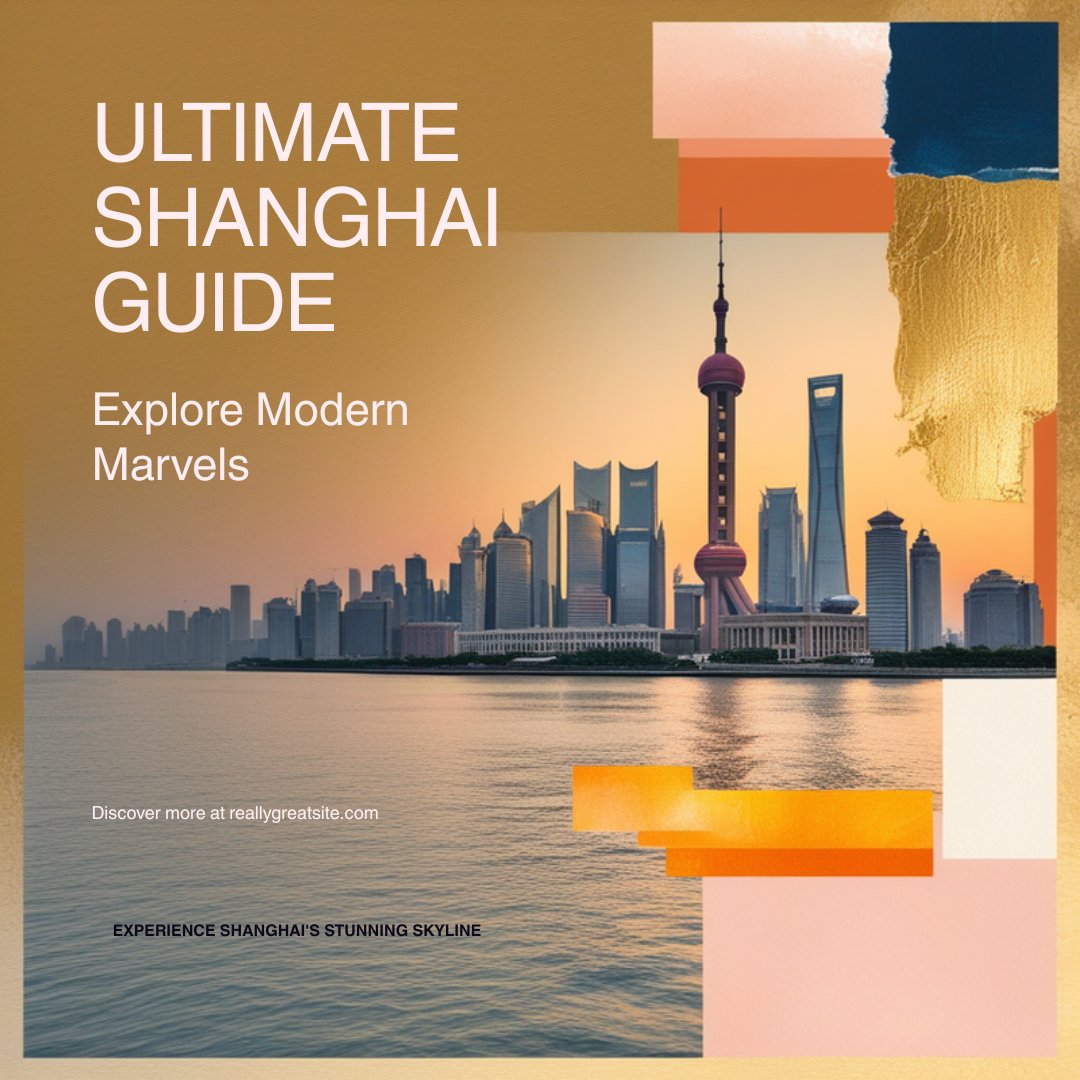
I stepped out of Pudong Airport at 11 PM on my first Shanghai trip and the skyline stopped me cold. The Oriental Pearl Tower glowed pink. The Shanghai Tower disappeared into low clouds 632 meters above the ground. Every building along the Huangpu River pulsed with LED animations.
That was 2019. Shanghai in 2026 is even more staggering. The city has added two new metro lines, dozens of Michelin-starred restaurants, and an entire art district along the West Bund. Yet the old lane houses in the Former French Concession still smell like fried scallion pancakes at 7 AM.
Shanghai is a city of contradictions that somehow work. You can eat a ¥6 ($0.82) breakfast of soy milk and youtiao at a street stall, then walk ten minutes to a ¥2,000 ($275) omakase dinner. You can burn incense at the 400-year-old City God Temple, then cross the river to a rooftop bar with a DJ spinning house music above the clouds.
This guide is built from five trips to Shanghai across different seasons. I’ve stayed in ¥80/night hostels and ¥3,500/night suites. I’ve been lost in the metro at midnight and haggled for fake watches at the AP Plaza. Every price, tip, and recommendation comes from real experience on the ground.
If you’re planning a broader China trip, start with our complete China hub page for country-wide planning. Already been to Beijing? Check out our Beijing guide to compare these two rival cities.
When to Visit Shanghai (Best Months + Weather)
Shanghai has four distinct seasons, and picking the wrong one can wreck your trip. I visited in August once. The 38°C (100°F) heat combined with 95% humidity made walking outside feel like breathing through a wet towel. Never again.
Here’s the honest breakdown by season:
| Season | Months | Temp Range | Rating | Notes |
|---|---|---|---|---|
| Spring | Mar–May | 10–25°C (50–77°F) | ⭐⭐⭐⭐⭐ | Best time. Cherry blossoms in April. Comfortable walking weather. |
| Summer | Jun–Aug | 26–38°C (79–100°F) | ⭐⭐ | Brutal humidity. Typhoon risk in August. Cheapest flights though. |
| Autumn | Sep–Nov | 12–28°C (54–82°F) | ⭐⭐⭐⭐⭐ | Second best window. October has Golden Week crowds (avoid first week). |
| Winter | Dec–Feb | 1–10°C (34–50°F) | ⭐⭐⭐ | Cold but not freezing. Cheapest hotels. Chinese New Year celebrations are spectacular. |
Dates to avoid in 2026:
- Chinese New Year (Feb 17, 2026): Flights and trains sell out weeks ahead. Prices spike 2-3x. Many small restaurants close for 1-2 weeks.
- Golden Week (Oct 1-7, 2026): 300+ million Chinese travel domestically. The Bund becomes a human traffic jam. Attractions have 2-3 hour lines.
- Dragon Boat Festival (May 31, 2026): 3-day holiday. Moderate crowds.
Getting to Shanghai (Flights, Maglev, High-Speed Rail)
Shanghai has two airports, and flying into the wrong one can cost you an hour. Here’s what you need to know.
Pudong International Airport (PVG) handles most international flights. It sits 30 km east of the city center. The Shanghai Maglev train connects Pudong Airport to Longyang Road Metro Station in 8 minutes at 431 km/h — the fastest commercial train on Earth. A one-way ticket costs ¥50 ($6.90), or ¥40 ($5.50) if you show a same-day flight boarding pass.
Hongqiao Airport (SHA) is the domestic hub, located just 13 km west of downtown. It connects directly to Hongqiao Railway Station — one of China’s busiest high-speed rail terminals. If you’re arriving from Beijing, Hangzhou, or Nanjing by train, you’ll land here.
| From Pudong Airport | Time | Cost | Best For |
|---|---|---|---|
| Maglev + Metro | 45-60 min total | ¥50 + ¥4-7 ($7.50) | Speed + experience |
| Metro Line 2 (direct) | 70-90 min | ¥7-9 ($1) | Budget travelers |
| Taxi / Didi | 45-75 min | ¥170-250 ($23-34) | Late arrivals, groups |
| Airport Bus | 60-90 min | ¥24-34 ($3-5) | Hotels outside metro range |
By High-Speed Rail: The Beijing to Shanghai train takes just 4.5 hours on the G-class bullet train. Second-class seats cost around ¥553 ($76). First class runs ¥933 ($128). I prefer the train over flying — no security theater, bigger seats, and you arrive in central Shanghai at Hongqiao Station, not 30 km away at an airport.
For a full breakdown of China’s rail system, see our China Bullet Train Guide.
Where to Stay in Shanghai (Neighborhood Guide)
Shanghai is huge — 6,340 square kilometers. Where you sleep matters more than in most cities because a bad location can add an hour of commuting to every day. I’ve stayed in five different neighborhoods across my visits. Here’s my honest ranking.
The Former French Concession (Xuhui/Luwan)
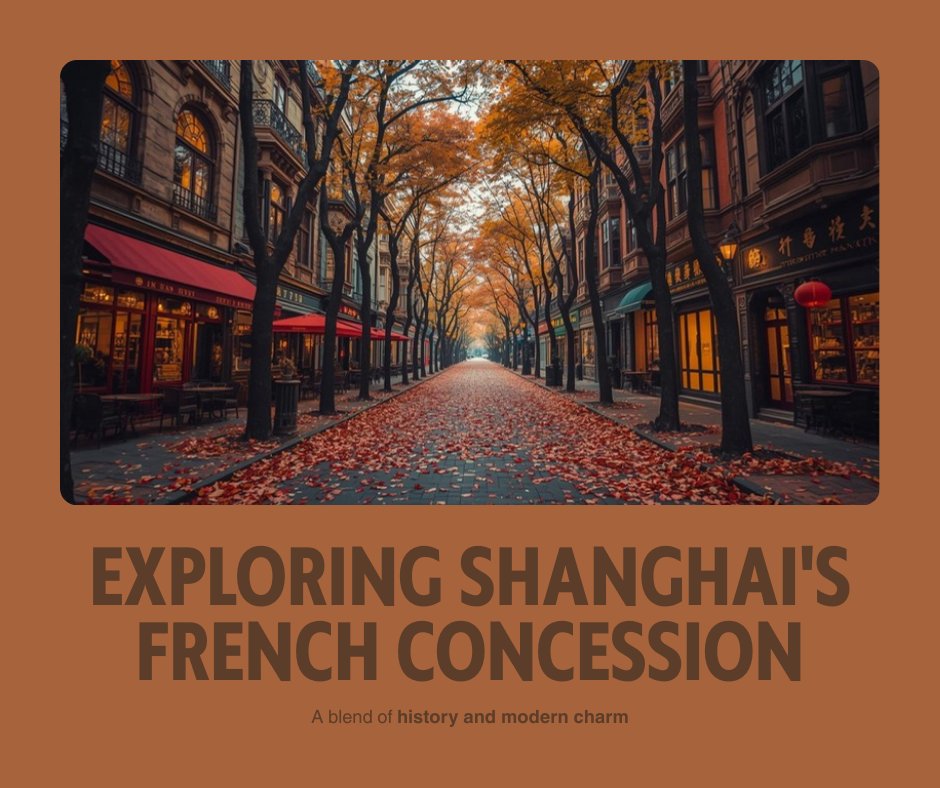
This is my go-to every single trip. Tree-lined avenues, art deco architecture, craft coffee shops on every block, and some of the best restaurants in the city. The area around Xintiandi and Tianzifang is walkable and loaded with character. Metro Lines 1, 7, 9, and 10 all run through here.
- Budget: ¥200-400/night ($28-55) for hostels and guesthouses
- Mid-range: ¥500-900/night ($69-124) for boutique hotels
- Splurge: ¥1,500-3,500/night ($206-481) for luxury properties
People’s Square / Nanjing Road (Huangpu)
Dead center of Shanghai. Walking distance to the Bund, Nanjing Road shopping, and the Shanghai Museum. Great metro connectivity — People’s Square station is the intersection of Lines 1, 2, and 8. It’s louder and more commercial than the French Concession, but unbeatable for convenience.
Jing’an
The “new luxury” district. Jing’an Temple, high-end malls, and the best concentration of Michelin restaurants in the city. More polished and less charming than the French Concession, but great for business travelers or anyone who wants everything within a 10-minute walk.
Pudong (Lujiazui)
The skyscraper side of the river. Stunning views, but surprisingly sterile at street level. Hotels here tend to be big chains (Park Hyatt, Ritz-Carlton, IFC) with prices starting at ¥1,800/night ($247). I’d only stay here if you have business in the financial district.
For luxury options, check our 7 must-visit five-star hotels in Shanghai. Traveling on a tight budget? Our budget accommodation guide lists the best deals under ¥300/night. And for something unique, read about Shanghai’s design hostels in the art district.
Top Attractions and Must-See Spots
Shanghai’s attractions split into two categories: the historical stuff you should see once, and the neighborhoods you’ll want to return to. Here’s my curated list after five visits.
The Bund (Waitan)
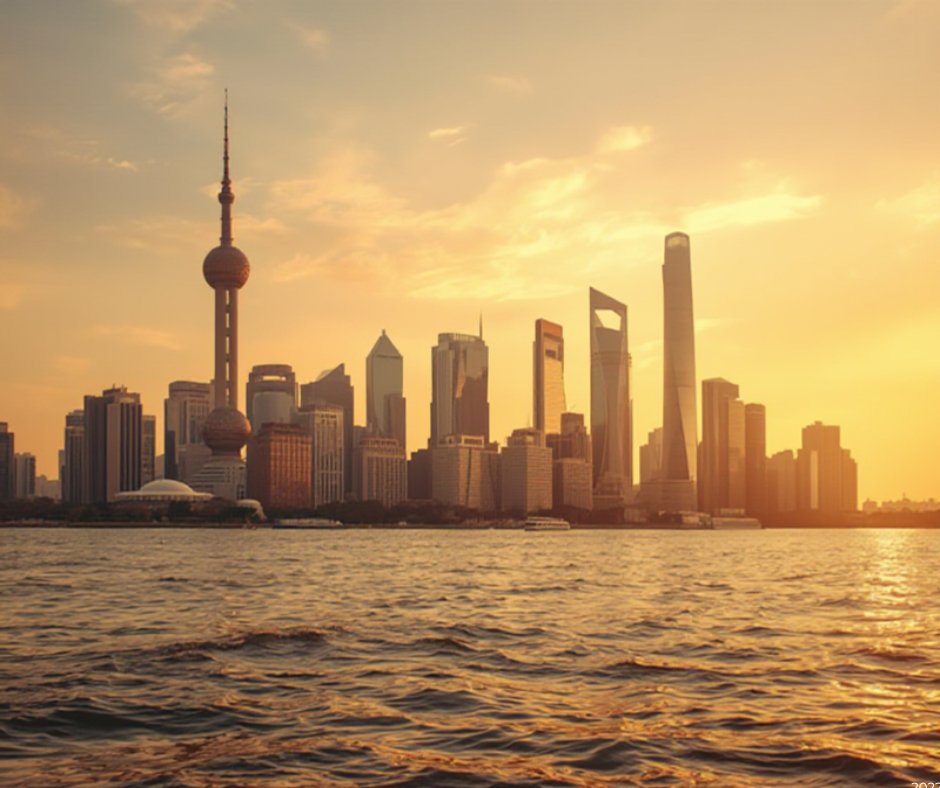
The Bund is Shanghai’s postcard shot — a 1.5 km waterfront promenade with 52 heritage buildings on one side and the Pudong skyline across the river. Visit at sunset for the best photos, then stay for the light show that runs from 7-10 PM nightly. Free to walk. Take Metro Line 2 or 10 to Nanjing East Road station.
Shanghai Tower Observation Deck
At 632 meters, Shanghai Tower is the world’s second-tallest building. The 118th-floor observation deck (546 meters) offers views on clear days that stretch 40+ kilometers. Tickets cost ¥180 ($25) for adults, ¥120 ($16.50) for students. Go on a weekday morning to avoid crowds — weekend waits can hit 90 minutes.
Yu Garden (Yuyuan)
A classical Chinese garden built in 1559 during the Ming Dynasty. It’s small (just 2 hectares) but beautifully designed with rock formations, koi ponds, and dragon-topped walls. Entry is ¥40 ($5.50) April-June and September-November, ¥30 ($4.10) the rest of the year. The surrounding Old City bazaar is touristy but fun for snacks and souvenirs.
West Bund Art District
Shanghai’s answer to London’s Tate Modern district. The Long Museum, Yuz Museum, and the Centre Pompidou x West Bund Museum sit within walking distance of each other along the Huangpu River. Museum tickets range ¥50-150 ($7-21). This area is still under development, so it’s never crowded.
Tianzifang
A maze of narrow alleys converted into galleries, tea shops, boutiques, and cafes. It gets packed on weekends — visit on a weekday morning. Free to enter. Nearest metro: Dapuqiao Station (Line 9). Budget 1-2 hours for browsing.
Jade Buddha Temple
Home to two jade Buddha statues brought from Burma in 1882. The temple is an active Buddhist monastery — visit in the morning to see monks at prayer. Entry is ¥20 ($2.75). Take Metro Line 7 to Changshou Road station.
“Shanghai’s real magic isn’t in any single landmark — it’s in the contrast. Walk from a 1920s shikumen lane house to a 2026 AI-powered convenience store in sixty seconds. No other city on Earth offers that kind of time travel.” — Zak Dychtwald, CEO, Young China Group (2026)
For more on what makes Shanghai tick as a modern powerhouse, check our deep dive on how Shanghai functions as an innovation hub.
Shanghai Food Guide — What to Eat and Where
Shanghai’s food scene is one of the best in Asia, and I say that as someone who’s eaten through Tokyo, Bangkok, and Seoul. The city has its own distinct cuisine (Benbang cuisine / Shanghainese food) plus incredible regional Chinese food from every province.
Here are the dishes you absolutely cannot skip:
Xiaolongbao (Soup Dumplings)
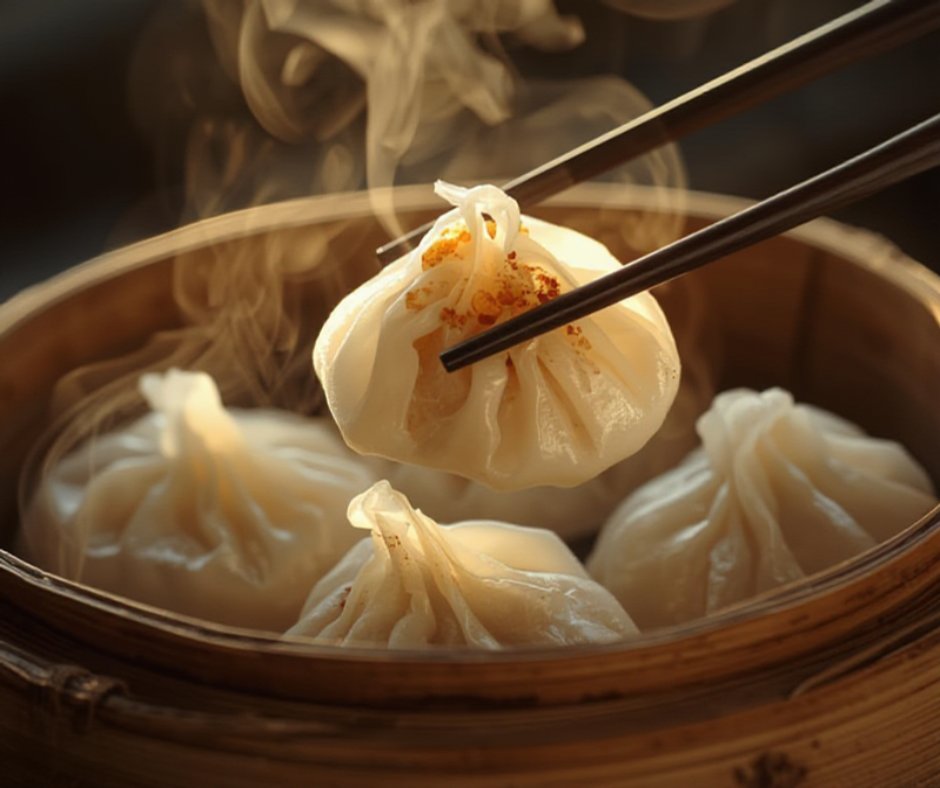
Shanghai’s most famous food export. These thin-skinned pork dumplings filled with hot soup are tricky to eat and impossible to forget. Bite a small hole, sip the broth, then eat the rest. Burn your tongue once — it’s a rite of passage.
- Best splurge: Din Tai Fung, Shanghai Centre (¥78 for 10 pieces / $10.70). Consistent, clean, tourist-friendly.
- Best local: Jia Jia Tang Bao, 90 Huanghe Road (¥25 for 12 pieces / $3.40). Cash only. Line starts at 10 AM.
- Best hidden gem: Lao Sheng Chang, near Yuyuan Garden (¥18 for 10 pieces / $2.50). Locals outnumber tourists 20-to-1.
For more dumpling spots, read our detailed Shanghai dumplings guide.
Shengjianbao (Pan-Fried Buns)
Xiaolongbao’s bigger, crunchier cousin. These pork buns are pan-fried until the bottom is golden and crispy. Yang’s Fried Dumplings (multiple locations) is the classic spot — ¥8 for 4 buns ($1.10). I eat these at least twice every Shanghai trip.
Scallion Oil Noodles (Cong You Ban Mian)
The simplest, most satisfying dish in Shanghai. Just noodles tossed with caramelized scallion oil and soy sauce. Costs ¥12-18 ($1.60-2.50) at most noodle shops. Try them at Weilin Mianjiaguan near South Shaanxi Road metro.
Hairy Crab (Dazha Xie)
Available September through December. Yangcheng Lake hairy crab is a Shanghai obsession. The roe is rich and buttery, the meat is sweet. A pair of quality crabs costs ¥200-400 ($28-55) at mid-range restaurants. Cheng Huang Miao (City God Temple area) has several reliable options.
| Dish | Price Range | Where to Try | Tip |
|---|---|---|---|
| Xiaolongbao | ¥18-78 ($2.50-11) | Jia Jia Tang Bao | Arrive before 10:30 AM |
| Shengjianbao | ¥8-15 ($1-2) | Yang’s Fried Dumplings | Eat immediately — they deflate fast |
| Scallion Oil Noodles | ¥12-18 ($1.60-2.50) | Weilin Mianjiaguan | Add extra scallion oil for ¥2 |
| Hairy Crab | ¥200-400 ($28-55) | Cheng Huang Miao area | Only in season (Sep-Dec) |
| Red-Braised Pork | ¥48-88 ($6.60-12) | Jesse Restaurant | Shanghai’s sweet-savory signature |
| Crab Roe Noodles | ¥88-168 ($12-23) | Hai Jin Zi | Seasonal, rich — share with someone |
Day Trips from Shanghai (Zhujiajiao, Suzhou, Hangzhou)
Shanghai is an excellent base for exploring the Yangtze River Delta. Three day trips stand out above the rest.
Zhujiajiao Water Town (40 minutes by bus)
The closest water town to Shanghai and perfect for a half-day trip. Stone bridges, canal boats, and traditional rice wine shops. Take the Huzhu Express bus from Shanghai Stadium — it runs every 30 minutes and costs ¥12 ($1.65) one way. Entry to the old town is free, but a combo ticket for 8 attractions costs ¥80 ($11). Avoid weekends — the narrow alleys become a human traffic jam.
Suzhou (30 minutes by high-speed rail)
Called the “Venice of the East” for its canals and classical gardens. The Humble Administrator’s Garden and Lingering Garden are UNESCO World Heritage sites. Tickets from Shanghai Hongqiao to Suzhou Station cost ¥39.50 ($5.40) for second class. Budget a full day — there’s too much to see in a half day.
Hangzhou (50 minutes by high-speed rail)
West Lake alone makes this trip worthwhile. The lake walk is free, and boat rides cost ¥55 ($7.50) per person. Trains from Hongqiao to Hangzhou East run every 15 minutes. Second-class tickets cost ¥73 ($10). Marco Polo called Hangzhou “the finest and most splendid city in the world” — it hasn’t lost much since then.
Getting Around Shanghai (Metro, Taxi, Walking)
Shanghai’s public transport system is excellent. I rarely take taxis here because the metro goes everywhere and costs almost nothing.
Shanghai Metro
The world’s longest metro network: 20 lines, 508 stations, 831 km of track. Single rides cost ¥3-9 ($0.40-1.25) depending on distance. A 3-day unlimited pass costs ¥45 ($6.20). The metro runs from approximately 5:30 AM to 10:30 PM, with Friday and Saturday extensions to 11 PM on some lines.
You can tap in with the Metro Daduhui app on your phone — no physical card needed in 2026. Alipay’s transport mini-program also works on all Shanghai metro lines.
For a comparison of Shanghai’s system with Tokyo and Seoul, see our public transportation guide across East Asian cities.
Taxis and Didi
Base fare is ¥14 ($1.90) for the first 3 km, then ¥2.50/km ($0.34). Didi (China’s Uber) works better than street hailing — just set your destination in the app and the driver knows where to go without language barriers. Budget ¥30-60 ($4-8) for most cross-town rides.
Walking
The French Concession and Bund areas are highly walkable. I average 18,000 steps per day in Shanghai. The city is flat, sidewalks are wide, and traffic lights give pedestrians plenty of crossing time. Bring comfortable shoes — you’ll walk more than you expect.
How Much Does Shanghai Cost? (2026 Budget Breakdown)
Shanghai is cheaper than Tokyo or Seoul for travelers but more expensive than Bangkok or Hanoi. The biggest variable is accommodation — you can spend ¥80 or ¥8,000 per night depending on your standards.
Here’s what I actually spent on my most recent 4-day trip in October 2026, traveling mid-range:
| Category | Budget (per day) | Mid-Range (per day) | Luxury (per day) |
|---|---|---|---|
| Accommodation | ¥80-200 ($11-28) | ¥400-800 ($55-110) | ¥1,500-4,000 ($206-550) |
| Food | ¥80-120 ($11-16) | ¥200-350 ($28-48) | ¥500-1,500 ($69-206) |
| Transport | ¥15-30 ($2-4) | ¥40-80 ($5.50-11) | ¥150-300 ($21-41) |
| Attractions | ¥30-80 ($4-11) | ¥100-200 ($14-28) | ¥200-500 ($28-69) |
| Daily Total | ¥205-430 ($28-59) | ¥740-1,430 ($102-197) | ¥2,350-6,300 ($323-866) |
Money-saving moves that actually work:
- Eat breakfast at local shops — soy milk + youtiao + jianbing costs under ¥15 ($2)
- Buy the 3-day metro pass for ¥45 instead of single tickets
- Visit free attractions: the Bund, Nanjing Road, People’s Park, M50 Art District
- Drink at convenience stores (beer ¥5-10 / $0.70-1.40) before heading to bars
- Book hotels on Trip.com for Chinese-market pricing
Shanghai Nightlife and Entertainment
Shanghai has the best nightlife of any mainland Chinese city. The scene ranges from craft cocktail bars with ¥120 ($16.50) drinks to street-level karaoke joints where a private room costs ¥80/hour ($11).
Top Bar Picks
- Bar Rouge (Bund 18): The classic Bund rooftop bar. Overpriced cocktails (¥100-150 / $14-21) but the Pudong skyline view is unmatched. Dress code enforced on weekends.
- Speak Low: Named one of Asia’s 50 Best Bars. It’s a speakeasy hidden behind a fake cocktail supplies shop on Fuxing Road. Cocktails run ¥90-130 ($12-18). Reservation recommended.
- Perry’s: A dive bar on Yongkang Road where locals and expats mix over cheap beer (¥25 / $3.40 for a pint). Zero pretension. Open until 2 AM most nights.
- Flask: Another speakeasy, hidden inside a sandwich shop in the French Concession. Creative cocktails around ¥80-110 ($11-15).
Live Music and Clubs
MAO Livehouse hosts local and international indie bands — tickets run ¥100-300 ($14-41). For electronic music, ALL Club near South Shaanxi Road is the top spot with international DJ lineups on weekends. Cover is ¥100-200 ($14-28), usually including one drink.
Cultural Entertainment
The Shanghai Grand Theatre hosts world-class ballet, opera, and orchestral performances. Tickets start at ¥80 ($11). For something uniquely Chinese, the Shanghai Circus World acrobatics show runs nightly — tickets are ¥150-380 ($21-52) and absolutely worth it.
Practical Tips and Safety
Shanghai is one of the safest major cities in the world. Violent crime against tourists is essentially unheard of. Petty theft exists but at far lower rates than Paris, Barcelona, or Rome. My biggest safety concern in Shanghai has always been e-bikes running red lights on the sidewalk.
Digital Setup (Do This Before You Fly)
- VPN: Download and configure before arriving. Google, WhatsApp, Instagram, and most Western apps are blocked in China. ExpressVPN and Astrill work best in 2026.
- Alipay: Set up the international version and link your Visa/Mastercard. Cash is practically dead in Shanghai — many shops literally cannot make change.
- Translation: Download Pleco (offline Chinese dictionary) and Google Translate’s offline Chinese pack.
- Maps: Amap (Gaode Maps) or Baidu Maps work in China. Google Maps does not show real-time transit data.
Our China Digital Survival Guide walks through the complete tech setup step by step.
Scams to Watch For
- Tea ceremony scam: Friendly students invite you to a “traditional tea ceremony” that ends with a ¥2,000 bill. Decline all unsolicited invitations from strangers near Nanjing Road and People’s Square.
- Art student scam: “I’m an art student, please come see my exhibition” leads to a high-pressure sales room. Always say no.
- Fake market overcharging: Start at 10-20% of the initial asking price at markets like AP Plaza or the South Bund Fabric Market.
Useful Contacts
- Emergency: 110 (police), 120 (ambulance), 119 (fire)
- Tourist Hotline: 12345 (English available)
- Nearest hospitals with English-speaking staff: Shanghai United Family Hospital, Parkway Health
Sample 4-Day Shanghai Itinerary
This is the exact itinerary I followed on my best Shanghai trip. It balances iconic sights with local food experiences and includes one day trip.
Day 1: The Classics
- Morning: Jianbing breakfast at a street stall near your hotel (¥10 / $1.40). Then head to Yu Garden and the Old City area. Budget 2-3 hours. Entry ¥40 ($5.50).
- Lunch: Xiaolongbao at Jia Jia Tang Bao on Huanghe Road (¥25-40 / $3.40-5.50).
- Afternoon: Walk Nanjing East Road to the Bund. Browse the Shanghai Museum (free, closed Mondays) at People’s Square.
- Evening: Watch the Bund light show (7-10 PM). Dinner at a Huangpu district restaurant. Budget ¥80-150/person ($11-21).
Day 2: French Concession + Art
- Morning: Coffee and a pastry at a French Concession cafe (¥45 / $6.20). Wander the tree-lined streets around Wukang Road — the area is peak Shanghai charm.
- Late Morning: Tianzifang galleries and boutiques. Budget 1.5-2 hours.
- Lunch: Shengjianbao at Yang’s Fried Dumplings (¥8-15 / $1-2) plus scallion oil noodles.
- Afternoon: West Bund Art District — pick 1-2 museums. Long Museum or Centre Pompidou x West Bund (¥100-150 / $14-21).
- Evening: Cocktails at Speak Low (¥90-130 / $12-18). Dinner at a Jing’an district restaurant.
Day 3: Day Trip to Hangzhou
- 8 AM: High-speed train from Hongqiao Station to Hangzhou East (50 min, ¥73 / $10).
- Morning: Walk the West Lake causeways. Visit Leifeng Pagoda (¥40 / $5.50).
- Lunch: Try Hangzhou’s famous Dongpo Pork at Louwailou Restaurant (¥60-120/person / $8-16).
- Afternoon: Lingyin Temple (¥75 / $10.30) or tea plantation visit in Longjing village.
- 6 PM: Train back to Shanghai. Casual dinner near your hotel.
Day 4: Modern Shanghai + Shopping
- Morning: Shanghai Tower observation deck (¥180 / $25). Go early to beat crowds.
- Lunch: Lujiazui food court for a quick meal (¥30-60 / $4-8).
- Afternoon: Cross the river via the Bund Sightseeing Tunnel (¥55 / $7.50 — it’s kitschy but fun). Shop on Nanjing West Road or explore the M50 Art District (free).
- Evening: Farewell dinner — splurge on a Bund-view restaurant. Budget ¥200-400/person ($28-55). End with drinks at Bar Rouge.
Estimated 4-Day Mid-Range Total:
- Accommodation (4 nights): ¥2,400 ($330)
- Food: ¥1,200 ($165)
- Transport (metro + Hangzhou train): ¥300 ($41)
- Attractions + activities: ¥600 ($82)
- Drinks + misc: ¥500 ($69)
- Grand Total: ~¥5,000 ($687) for 4 days
Frequently Asked Questions
Is Shanghai safe for solo female travelers?
Yes. Shanghai is one of the safest cities in Asia for solo female travelers. The metro runs until 10:30 PM, well-lit streets are common in tourist areas, and violent crime rates are extremely low. Standard precautions apply — don’t flash expensive jewelry and be aware of your surroundings late at night — but Shanghai is safer than most European capitals.
Do I need a visa to visit Shanghai in 2026?
Most nationalities need a visa for mainland China. However, China expanded its visa-free transit policy in 2026. Citizens of 54 countries (including the US, UK, Canada, Australia, and most EU nations) can enter Shanghai visa-free for up to 144 hours if they have an onward ticket to a third country. Check the latest requirements at your nearest Chinese embassy before booking.
Can I use English in Shanghai?
Metro signs, major attractions, and airport signage are in English. However, most taxi drivers, restaurant servers, and shopkeepers speak little or no English. The WeChat translate feature and Pleco dictionary app are essential tools. In the French Concession and Jing’an, you’ll find more English-speaking staff at cafes, bars, and international restaurants.
How many days do I need in Shanghai?
Minimum 3 days for the highlights. I recommend 4-5 days to include a day trip to Hangzhou or Suzhou and have time to explore neighborhoods at a relaxed pace. If you’re combining with Beijing, budget 4 days for each city plus a travel day between them.
Is Shanghai expensive compared to other Chinese cities?
Shanghai is the most expensive city in mainland China, but still far cheaper than Tokyo, Seoul, or Singapore. Street food and public transport are dirt cheap. Hotels and cocktail bars approach Western prices. A budget traveler can manage on ¥350/day ($48) while a mid-range traveler should plan for ¥800-1,200/day ($110-165). According to the Expatistan Cost of Living Index, Shanghai ranks as the 3rd most expensive city in China after Hong Kong and Macau.
What’s the best way to get from Shanghai to Beijing?
The Beijing-Shanghai high-speed train is the best option for most travelers. The G-class train takes 4.5 hours and costs ¥553 ($76) for second class. Flights take about 2 hours in the air but add 3+ hours for airport procedures. The train is more comfortable, more scenic, and drops you in central Beijing.
Can I drink the tap water in Shanghai?
No. Always drink bottled or boiled water. Bottled water costs ¥2 ($0.28) at any convenience store. Hotels provide free bottles daily. If you’re staying long-term, consider a portable water filter.
Final Thoughts on Shanghai
Shanghai is the city I recommend to every first-time China visitor. It eases you into the country’s complexity without overwhelming you. The metro has English signs. The food scene includes both street stalls and Michelin-starred kitchens. The mix of colonial architecture and futuristic skyscrapers gives you a visual story of modern China’s transformation.
After five trips and counting, Shanghai still surprises me every time. A new rooftop bar. A hidden noodle shop in a back alley. A gallery opening in a converted warehouse. The city never sits still, and that restless energy is exactly what makes it worth returning to.
Start planning with our complete China hub page, and set up your tech with the China Digital Survival Guide before you go.
More on Transportation:

Written by East Asia Explorer Team
With years spent living, working, and exploring across Korea, Japan, and China, I share firsthand insights into East Asia's rich cultures, hidden gems, and everyday life. My journey also includes studying in Malaysia and traveling through Southeast Asia, experiences that have deepened my appreciation for the region's diversity. Through practical tips, local stories, and travel guides, I aim to help fellow explorers discover both the celebrated highlights and the lesser-known corners of East Asia.