Last Updated: March 12, 2026 | Originally Published: May 11, 2025
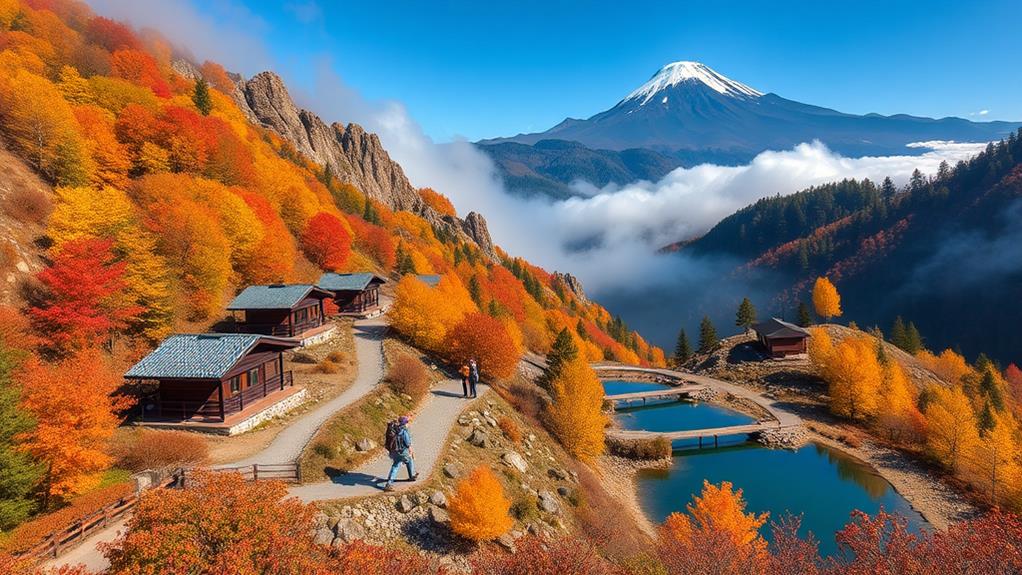
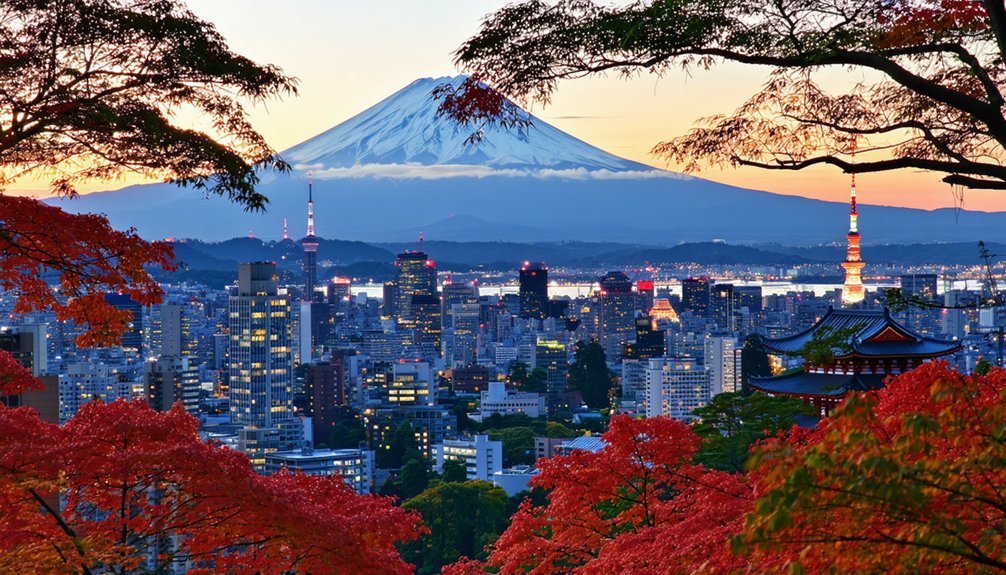
Fall in Tokyo and Hakone delivers perfect temperatures (15-24°C) without summer’s crushing crowds. You’ll catch stunning autumn foliage, unique festivals like Tokyo Jazz, and clear views of Mt. Fuji. Hit Tokyo’s urban energy in Shibuya, then escape to Hakone’s hot springs and scenic landscapes. Don’t miss Nikko’s UNESCO sites with their fiery maples. Seven days gives you just enough time to experience both worlds.
Read our full Japan Travel Guide 2026 for everything you need to plan your Japan trip.
Explorer Insights
- Begin with 4-5 days in Tokyo exploring iconic sites like Meiji Shrine, Shinjuku Gyoen, and Shibuya during mild autumn weather.
- Experience Tokyo’s fall festivals and cultural events, including the Tokyo Jazz Festival or Spider Lily Festival.
- Purchase a Suica/Pasmo card and consider a Tokyo Metro Pass for efficient navigation around the city.
- Spend 2-3 days in Hakone using the Hakone Free Pass to see autumn foliage, Mt. Fuji views, and volcanic Owakudani.
- Stay at a traditional ryokan in Hakone for the authentic experience of Japanese hospitality, cuisine, and onsen hot springs.
Why Visit Tokyo & Hakone in September–October?
September and October in Tokyo and Hakone? Perfect—you’re dodging the sweaty summer crowds and stepping right into crisp, mild weather. (Source: JR Pass official site)
Think early bursts of fall color jazzing up city parks and mountain lakes, while locals crank up the festival fun (and yes, Tokyo Game Show is a big deal).
Then there’s Hakone—hot springs, epic Mt. Fuji views, and, if you’re lucky, actual peace and quiet instead of elbow-to-elbow tourists.
If you visit in spring, cherry blossom season in Tokyo peaks from late March to early April, transforming parks like Ueno and Shinjuku Gyoen into vibrant hubs for hanami picnics.
Experience Mild Autumn Weather and Fewer Tourists in Tokyo and Hakone
Even if you hate crowds and hate sweating even more, Tokyo and Hakone in early autumn feel made for you.
September to October brings temperatures between 15-24°C – perfect for exploring without melting or freezing. Plus, tourist numbers drop dramatically after summer, meaning you’ll actually see attractions instead of just the backs of strangers’ heads.
Autumn in this region delivers four undeniable perks:
- Stunning autumn leaves transforming Hakone’s landscapes into a photographer’s dream
- Crystal-clear skies that dramatically increase your chances of spotting Mt. Fuji
- Comfortable weather for completing your day trip itinerary without exhaustion
- Seasonal harvest festivals that locals actually attend
The fall sweet spot gives you breathing room at iconic spots like Hakone Shrine and Lake Ashi.
Trust me, those floating torii gates look way better without a hundred selfie sticks in frame.
If you’re planning a winter trip instead, consider visiting the renowned Sapporo ski resorts where you can experience world-class powder snow just 40-60 minutes from the city center.
Witness Early Koyo Season – Fall Foliage in Tokyo Parks and Hakone Mountains
Koyo fever hits hard in Tokyo and Hakone. Blink and you’ll miss that electric palette—fiery maples and golden cherry trees lighting up Shinjuku Gyoen.
It’s absurd how parks in Tokyo just explode with color. Crowds? Yeah, but it’s worth the chaos. Hit the cultural festivals, scarf down festival food, and tell yourself you’re doing it for the ‘gram.
Then, swap the urban rush for Hakone’s mountains. Lake Ashi turns into a living painting, Mt. Fuji looming dramatically as if auditioning for a postcard.
The air’s crisp, the piles of leaves actually crunchy—not just so Instagram can lie to us. Don’t roll your eyes at moon-viewing festivals, either. People here sincerely celebrate the shifting season.
And honestly, the fall foliage delivers. While spring attracts visitors for the famous hanami picnics under blooming cherry trees, autumn offers equally breathtaking scenery with fewer crowds in many locations.
Discover Seasonal Events and Traditional Japanese Festivals in Early Fall
If you want Tokyo and Hakone at their most electric—minus the swampy summer heat or crowds thick enough to test your survival skills—early fall’s the sweet spot.
The season brings a perfect storm of traditional Japanese festivals and seasonal events that’ll make your trip unforgettable.
What makes September-October special?
- The Takayama Autumn Festival (October 9-10, 2026) showcases beautifully crafted festival floats and lively processions—a cultural heritage you can’t miss.
- Tokyo Jazz Festival hits various venues in early October, with some free performances at Yoyogi Park.
- The Asakusa Samba Carnival brings dancing, music, and plenty of fun to Tokyo streets.
- Spider Lily Festival (September 26-October 7) carpets Kinchakuda with over five million blood-red flowers—stunning and a bit macabre.
Trust me. Fall festivals in Japan? They’re something else. (Source: Japan National Tourism Organization)
If you’re planning a winter trip instead, the spectacular Sapporo Snow Festival transforms Hokkaido’s capital into a winter wonderland with massive ice sculptures and dazzling light shows in February 2026.
Shibuya and Shinjuku Highlights – Tokyo’s Urban Energy and Culinary Hotspots
You’ll love wandering through Shibuya’s iconic crossing before heading up to Shibuya Sky for breathtaking views of Tokyo’s sprawling cityscape.
In Shinjuku, your taste buds are in for a treat with everything from fluffy Japanese pancakes to tiny izakayas tucked away in Golden Gai’s narrow alleys.
Don’t miss the peaceful contrast of Meiji Shrine and Shinjuku Gyoen’s stunning autumn foliage, especially with the ginkgo trees turning brilliant golden-yellow by mid-November.
Navigate these bustling districts effortlessly with Google Maps which offers real-time transit information and offline maps for exploring Tokyo’s complex transportation network.
Must-See Sights in Shibuya – From the Crossing to Shibuya Sky
Chaos. That’s what hits you at Shibuya Crossing, where over a whopping 3,000 people flood the intersection at once. It’s madness. Beautiful madness. Tokyo at its most raw and energetic.
You haven’t truly experienced the city until you’ve been swept up in this human tsunami.
Must-visit spots in Shibuya include:
- Shibuya Sky – Perched 237 meters high atop Shibuya Scramble Square, offering jaw-dropping 360-degree views. Perfect at sunset, obviously.
- Hachiko Statue – That loyal dog who waited for his dead owner. Heartbreaking story, incredibly popular meeting spot.
- Meiji Jingu Shrine – A serene forest escape from urban insanity.
- Takeshita Street – Kawaii culture overload with eclectic fashion and colorful sweets.
Look up sometimes. The neon lights are dazzling.
For a change of pace, you can easily hop on a train from Tokyo and explore historic Kamakura with its ancient temples and the iconic Great Buddha, all less than an hour away.
Where to Eat in Shinjuku – Pancakes, Izakayas, and Hidden Gems
While Shinjuku’s dazzling neon signs and towering skyscrapers captivate your attention, it’s the food scene that truly steals the show.
You’ll find yourself spoiled for choice with the district’s vibrant izakayas where you can sample various Japanese dishes while soaking in the lively atmosphere – perfect for evening adventures.
Don’t miss Omoide Yokocho, or “Memory Lane,” a narrow alley packed with tiny eateries serving grilled skewers and traditional fare.
Trust me, it’s worth squeezing into these tight spaces.
For something sweet, the area’s fluffy, soufflé-style pancakes are ridiculous – in the best way possible.
Shinjuku also harbors numerous hidden gems, including family-run restaurants serving authentic regional dishes.
Explore beyond the main streets.
The real culinary treasures? They’re tucked away where tourists rarely venture.
Remember to say “itadakimasu” before eating and be mindful that pointing with chopsticks at others is considered impolite in Japanese dining etiquette.
Cultural Spots Around Meiji Shrine and Shinjuku Gyoen
Just steps away from the pulsing energy of Shibuya and Shinjuku lies a world of cultural richness that feels impossibly removed from Tokyo’s urban chaos.
Meiji Shrine stands as a tranquil forest sanctuary dedicated to Emperor Meiji and Empress Shoken—an unexpected oasis in the concrete jungle. Nearby, Shinjuku Gyoen blends Japanese, English, and French garden styles into one spectacular autumn canvas. Trust me, the fall colors here are worth every yen of the entrance fee. The experience is similar to Kyoto’s kaiseki dining tradition, where each course is designed to showcase seasonal beauty and artistry.
Four must-see cultural spots in this area:
- Meiji Shrine’s forested walkways with traditional ceremonies year-round
- Shinjuku Gyoen’s tri-cultural garden designs with stunning fall foliage
- Shibuya Scramble Crossing—thousands of people, one light change, total chaos
- Omoide Yokocho’s narrow alleyways of izakayas—cramped, smoky, and absolutely perfect
Tokyo Travel Essentials – Transport, Passes, Connectivity, and Local Etiquette
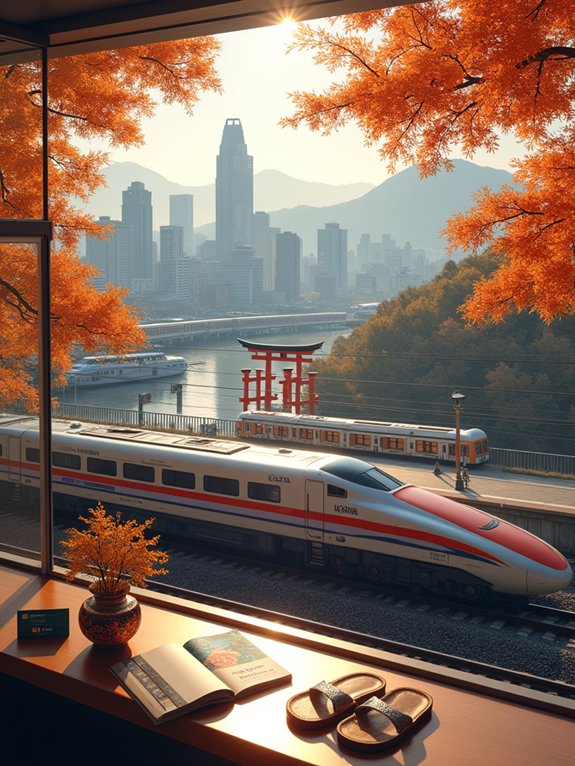
You’ll need to master Tokyo’s maze of trains and metros if you want any shot at covering this sprawling metropolis efficiently. Grab a Suica or Pasmo card right away – they work everywhere and save you from deciphering ticket machines in Japanese every time you travel.
Don’t even think about traversing without connectivity – pocket WiFi or an eSIM is non-negotiable, and remember to keep your voice down on trains (seriously, they’ll stare if you don’t).
Booking your train tickets in advance is a must for Korea’s high-speed and popular routes, as this ensures a seat and a smoother trip, especially during peak travel seasons.
Navigating Tokyo Efficiently – Suica, Pasmo, and Metro Pass Options
Even the Tokyo subway map looks like a dare.
But don’t panic – traversing Tokyo’s transit system is actually manageable with the right tools. When visiting Tokyo in fall 2026, smart transportation choices will save you time and stress while exploring those gorgeous autumn leaves.
Here’s what you need to know:
- Get a Suica or Pasmo card immediately – they’re identical prepaid cards that work on virtually all trains, buses, and even at convenience stores.
- Just tap and go – no need to calculate fares or buy individual tickets for each trip.
- Consider a Tokyo Metro Pass for unlimited subway rides if you’ll be zipping around the city frequently.
- Download a subway app with English support – the station signage is good, but sometimes you need backup.
Tokyo’s efficient, clean, and wildly punctual. Master it quickly, and you’re golden.
For international travelers, securing reliable connectivity through China Mobile eSIM plans can provide seamless internet access without requiring a VPN to bypass restrictions.
Essential Travel Tools – eSIM, Pocket Wi-Fi, and Cultural Etiquette in Tokyo
Beyond reliable transportation, staying connected while traversing Tokyo’s sprawling metropolis is absolutely essential for your 2026 adventure.
Skip the “lost-in-translation” moments—get an eSIM before you even land, or grab one while you’re still in baggage claim. Seriously, nobody needs the stress of hunting for Wi-Fi in a train station.
Pocket Wi-Fi? Super useful if you’re rolling with friends or just want multiple devices streaming cat videos simultaneously. Both options save you from the horror show of public Wi-Fi, which is rare and more unreliable than a broken vending machine.
If your journey extends to South Korea, consider renting a KT Pocket WiFi device that offers nationwide coverage and can connect up to three devices for optimal speed.
Day Trip to Nikko – UNESCO Shrines, Scenic Autumn Leaves, and Mountain Tranquility
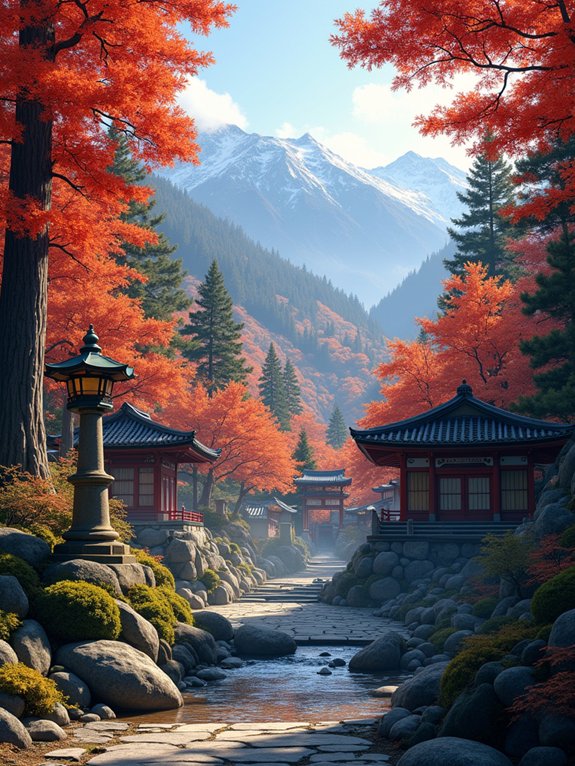
Planning a Nikko day trip during your Tokyo stay?
You’ll be blown away by the UNESCO Heritage shrines and the explosion of autumn colors that transform the mountainside into a photographer’s paradise.
Jump on the Tobu Railway from Tokyo for an easy two-hour ride that’ll land you in one of Japan’s most stunning fall foliage destinations for 2026, complete with the ornate Toshogu Shrine and the breathtaking views from Akechidaira Gondola. Experience transportation efficiency comparable to South Korea’s high-speed KTX, which boasts a world-record 99.9% punctuality rate.
Explore the UNESCO World Heritage Shrines of Nikko – Toshogu, Futarasan, and Rinno-ji
While Tokyo never really turns off, Nikko is where things slow down and the history ramps up.
Get ready to trade neon lights for ancient cedar, as you wander through the unesco world heritage heart of Nikko. Walking among the shrines, you’ll feel centuries pressing in—no joke.
The highlights?
- Toshogu Shrine: Where Tokugawa Ieyasu, the shogun who changed everything, lies surrounded by wild, intricate carvings and the blindingly ornate Yomeimon Gate.
- Futarasan Shrine: Dedicated to mountain deities, wrapped in autumn blaze, and honestly just begging for a slow stroll.
- Rinno-ji Temple: Home to giant gold Buddhas and an almost supernatural calm.
- The setting: 103 buildings, sacred woods, and views that’ll make you forget your phone exists.
For a different seasonal perspective, winter travelers to China can discover snow-covered scenery on the Great Wall, where the ancient stones and watchtowers transform into a tranquil wonderland.
Best Spots to View Autumn Foliage in Nikko’s Mountains and National Parks
Ancient shrines still buzzing in your brain? Now’s the time to witness Nikko’s mountains draped in fiery autumn foliage.
Nikko National Park transforms into a painter’s palette from late October to early November. The vibrant colors create magic around every corner.
Lake Chuzenji and Kegon Falls offer jaw-dropping views where crimson maples reflect in crystal waters. Mid to late October is prime viewing time here due to the higher elevation.
The Irohazaka Winding Road isn’t just a route—it’s an experience. Those 48 hairpin turns showcase nature’s most impressive color show.
Senjogahara Marshland and Kanmangafuchi Abyss? Equally stunning.
The World Heritage Sites become even more dramatic when framed by golden and ruby leaves.
Best timing? Early to mid-November for central Nikko’s historic areas. Trust me, your camera won’t get a break.
Similar to Kyoto’s Arashiyama Bamboo Grove, where towering bamboo stalks create an otherworldly atmosphere when sunlight filters through them, Nikko offers its own magical forest experience with autumn colors instead of green bamboo.
How to Plan Your Nikko Day Trip from Tokyo – Trains, Passes, and Travel Tips
How fast can you trade neon skyscrapers for moss-covered shrines and mountain air? Just two hours on an express train from Tokyo to Nikko, and you’re suddenly surrounded by UNESCO treasures and stunning autumn colors.
Perfect timing matters – Nikko’s foliage turns vibrant around October 25 to November 5, while Tokyo’s leaves change nearly a month later.
This efficient rail travel echoes the speed and convenience of high-speed rail networks in places like China.
Here’s your game plan:
- Catch the Tobu Nikko Line express train from Tokyo
- Purchase a Nikko Pass for unlimited local transportation and attraction discounts
- Visit Toshogu Shrine with its impressive avenue of giant cedar trees
- Make time for Kegon Falls and Lake Chuzenji if possible
While a day trip works, locals know the sweet spot is 2-3 days in Nikko.
The gondola at Akechidaira offers spectacular views of the autumn colors below. Don’t miss experiencing an onsen!
Cultural Escapes in Ueno and Roppongi – Tokyo’s Top Art Museums, Parks, and City Views
Ueno Park isn’t just a pretty green space—it’s home to Tokyo National Museum‘s impressive 110,000+ artifacts that’ll make your inner history buff squeal.
At Roppongi, you can catch rotating contemporary art exhibits at the National Art Center (no permanent collection, keeps things fresh) and soak in those jaw-dropping city views from Mori Art Museum.
When you need a breather from all that culture, Shinjuku Gyoen‘s mix of Japanese, English, and French garden styles offers the perfect escape from Tokyo’s concrete jungle.
These cultural hubs also promote community building through events that encourage interaction and shared experiences.
Discover World-Class Museums and Serene Gardens in Ueno Park
When seeking a refuge from Tokyo’s relentless energy, Ueno Park delivers cultural riches and natural beauty in one sprawling location. This green oasis isn’t just pretty—it’s packed with world-class museums and zen vibes.
What makes Ueno Park special:
- The Tokyo National Museum houses thousands of artifacts spanning Japanese history. It’s massive. You’ll need hours.
- Cherry blossoms transform the park in spring, drawing crowds for hanami. Utterly magical.
- Japan’s oldest zoo calls Ueno home, with giant pandas as the star attraction. Kids love it.
- The Tokyo Metropolitan Art Museum features rotating exhibitions of Japanese and international artworks. Always something new.
It’s honestly invigorating to find such tranquility amid Tokyo’s chaos. A cultural paradise and peaceful escape rolled into one. No wonder locals treasure it. After exploring Ueno, consider a visit to the Imperial Palace for a glimpse into Japan’s imperial history.
Modern Art and Skyline Views from Roppongi Hills and the Mori Art Museum
From the tranquil experience of Ueno Park, Roppongi Hills offers an entirely different Tokyo vibe—sophisticated, sleek, and undeniably modern.
This urban complex doesn’t mess around with its cultural credentials. The Mori Art Museum sits proudly atop this architectural marvel, showcasing rotating exhibitions of contemporary works. Japanese artists. International names. All here. It’s a feast for art lovers who’ve had enough of the traditional stuff.
But let’s be real—the panoramic views are what you’ll remember. The observation deck delivers Tokyo’s sprawling skyline in all its glory. Sunset is particularly jaw-dropping, when the city transforms into a sea of twinkling lights.
After dark, Roppongi’s famous nightlife kicks in. The district pulses with energy. Culture meets entertainment. It’s Tokyo at its most vibrant.
Relaxing Journey from Tokyo to Hakone – Scenic Train Ride, Hot Springs, and Mountain Views
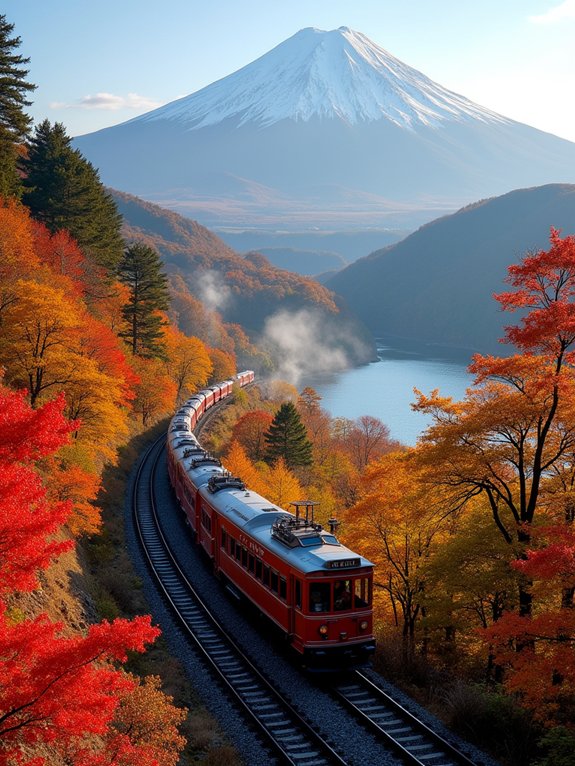
After five days exploring Tokyo’s endless attractions, you’ll be ready for Hakone’s mountain retreat.
The Romancecar express train whisks you from Shinjuku to Hakone-Yumoto in just 90 minutes, with Mt. Fuji views on clear days (worth the premium ticket).
Drop your bags at storage for 900 yen when you arrive—trust me, you’ll want to start your hot spring adventure unburdened.
If you’re eager for more remote exploration after Hakone, consider a ferry from Tokyo to the Ogasawara Islands.
How to Get from Tokyo to Hakone – Romancecar, Shinkansen, and Hakone Freepass Options
Three main options exist for traveling from Tokyo to Hakone, with the Romancecar being the most popular choice among tourists. This scenic limited express from Shinjuku takes just 1.5 hours and sometimes reveals Mt. Fuji on clear days. Worth every yen.
The Hakone Free Pass is a smart investment, covering most local transportation while offering attraction discounts.
Here’s what you need to know:
- Romancecar requires an additional 1,200 yen express fee on top of your Hakone Free Pass
- Upon arrival at Hakone-Yumoto, connect to destinations via Hakone Tozan Train or Bus
- Ditch your luggage at Hakone-Yumoto Station for 900 yen – sightseeing is better without dragging bags
- Shinkansen is another option but requires additional transfers
This efficient rail system exemplifies world-class infrastructure that enhances travel experiences in dynamic regions.
Scenic Arrival in Hakone – Mountains, Onsen Ryokans, and Lakeside Views
Arriving in Hakone feels like entering a different world. After the 1.5-hour Romancecar journey from Shinjuku, you’ll step off into a domain of mountains and tranquility. Ditch your bags at the station—900 yen well spent—and embrace the freedom.
The scenery? Spectacular. Mountains rise all around you, hot spring ryokans dot the landscape, and Lake Ashi glistens in the distance. On clear days, Mt. Fuji watches over everything. No skyscrapers here.
Grab a Hakone Freepass. Smart move. It’s your ticket to unlimited local transport plus discounts at places like the Hakone Open Air Museum.
Don’t miss Owakudani’s volcanic drama and those weird black eggs everyone raves about. They taste normal, honestly. Just eggs with a side of bragging rights.
Similar to the affordable fares and passes in Seoul’s subway system, the Hakone Freepass provides discounted fares for your explorations.
A Perfect Day in Hakone – Open-Air Art, Volcanic Views, and a Pirate Ship on Lake Ashi
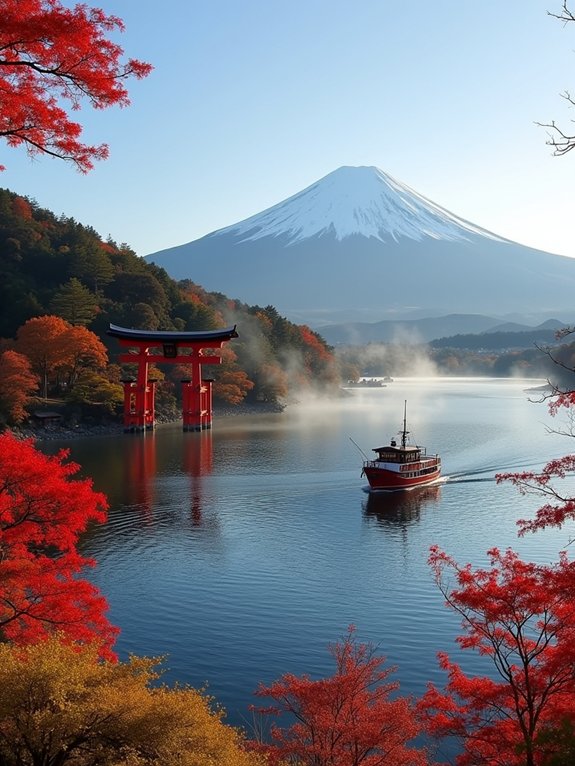
The Hakone Open-Air Museum welcomes you with its striking outdoor sculptures set against mountain backdrops—honestly, it’s worth every yen of the 2,000 admission fee.
You’ll want to continue your adventure with a ride on the Hakone Tozan Cable Car to Owakudani, where you can try those famous black eggs that supposedly add seven years to your life (no guarantees).
Hop aboard the quirky pirate ship-themed Hakone Sightseeing Cruise on Lake Ashi for jaw-dropping views of Mt. Fuji before making your way to the picturesque Hakone-jinja shrine with its iconic lakeside torii gate.
After your Hakone escapades, consider extending your trip to Tokyo for a visit to the iconic landmark that offers breathtaking city vistas.
Explore the Hakone Open-Air Museum – Art, Nature, and Mountain Backdrops
When you step into the Hakone Open-Air Museum, your concept of what an art museum should be gets completely flipped on its head. Art isn’t trapped behind glass here—it’s alive, breathing with the mountains as its canvas backdrop.
Japan’s first outdoor museum costs 2,000 yen to enter (less with a Hakone Freepass), but it’s worth every yen.
Here’s what makes this place unmissable:
- The Picasso Pavilion housing an impressive collection of the master’s works
- Interactive exhibits like the Soap Bubble Castle that kids go crazy for
- Sculptures scattered throughout natural landscapes that change with the seasons
- Easy access via the Hakone Tozan Train to Chokoku-no-Mori Station
After exploring the area, hop on the Hakone Sightseeing Cruise for stunning Mt. Fuji views across Lake Ashi. To extend your journey, consider a relaxing stay in Kyoto at a traditional ryokan for an authentic cultural immersion.
Hakone Ropeway and Lake Ashi Pirate Cruise – Volcanic Views and Scenic Boat Rides
After exploring the artistic treasures of the Open-Air Museum, it’s time to take your Hakone adventure skyward. The Hakone Ropeway whisks you above steaming Owakudani Valley, where the earth literally bubbles beneath you. Surreal. You’ll spot Mt. Fuji on clear days—it’s massive. Try those weird black eggs. They’re boiled in volcanic water. Supposedly add seven years to your life. Worth a shot.
For history enthusiasts, remember that just as the watchtowers of ancient defenses offer breathtaking views, this trip highlights nature’s wonders.
Next, board the gaudy pirate ship on Lake Ashi. Yes, a pirate ship. In Japan. It works somehow. You’ll cruise past Hakone Shrine’s floating torii gate. Stunning against the mountains.
| Activity | What You’ll See | Time Needed |
|---|---|---|
| Hakone Ropeway | Mt. Fuji, volcanic valley | 30 minutes |
| Owakudani Stop | Geothermal vents, black eggs | 45 minutes |
| Lake Ashi Cruise | Floating torii, mountain views | 40 minutes |
| Photo Stops | Panoramic landscapes | Throughout |
| Hakone Shrine | Ancient spiritual site | Optional |
Exploring Historic Asakusa and Luxury Shopping in Ginza – Tradition Meets Modern Tokyo
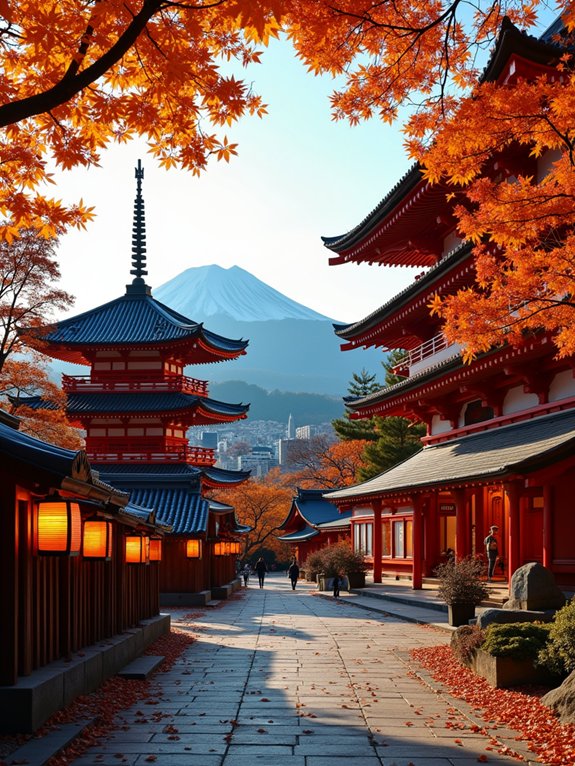
You’ll want to hit Asakusa’s Nakamise-dori for traditional snacks and souvenirs before climbing to the observation deck at the Tourist Information Center for stellar views.
Then head to Ginza, where the real damage to your wallet happens—flagship luxury stores and department stores line the streets like they’re showing off.
It’s shopping heaven or hell, depending on your budget, but the contrast between ancient temple vibes and modern excess makes for a perfect Tokyo day.
For a taste of exciting portable treats, consider trying snacks reminiscent of Crispy Tornado Potatoes.
Must-Visit Shops and Cafés in Asakusa for First-Time Visitors
While exploring the historic heart of Tokyo, Asakusa’s traditional shopping landscape offers first-timers a genuine taste of old-world Japan.
You’ll find must-visit spots that perfectly balance tradition with touches of modernity. Trust me, these places are non-negotiable for first-time visitors.
- Nakamise-dori – This bustling shopping street leads straight to Senso-ji. Snacks, souvenirs, crafts. Everything a tourist could want.
- Kagetsudo – Their melon bread? Legendary. Nostalgic atmosphere included at no extra charge.
- Asakusa Culture and Tourist Information Center – Not just brochures! They’ve got local artisan goods that’ll make your friends jealous.
- Ginza’s high-end boutiques – Just a contrast point. Come back with an empty wallet and full shopping bags.
At the Asakusa Culture and Tourist Information Center, you can also get advice on navigating train stations for the rest of your itinerary.
Ginza Shopping Guide – Flagship Stores, Department Stores, and Hidden Boutiques
From the traditional charm of Asakusa, let’s shift gears to Tokyo’s glossiest district.
Ginza is shopping on steroids. Pure luxury. You’ll find flagship stores of high-end brands alongside department store giants like Mitsukoshi and Ginza Six, where fashion and gourmet food collide in spectacular fashion.
But Ginza isn’t just about dropping yen on designer goods. Hidden boutiques and artisanal shops offer exclusive treasures and traditional Japanese crafts you won’t find elsewhere. Trust me, your credit card will feel the burn.
The architecture alone is worth gawking at—sleek, modern buildings that scream money.
Come on weekends for the full experience. Main streets close to traffic, and you can stroll freely among Tokyo’s elite. A stark contrast to Asakusa’s ancient vibe. Modern Tokyo at its flashiest. For digital nomads blending work and exploration, Ginza also hosts innovative coworking options like Fabbit Ginza.
Frequently Asked Questions
How Many Days Do You Need in Tokyo First Time?
Five days in Tokyo is absolutely essential for first-timers!
You’ll need every minute to absorb this mind-blowing metropolis. Hit the major spots—Shinjuku, Asakusa, Imperial Palace—while diving into neighborhoods like trendy Harajuku and geeky Akihabara.
Grab a Japan Rail Pass, it’s your best friend. Tokyo’s massive. Don’t rush it. The city demands your time, and trust me, it’s worth every second.
Is It Better to Stay at Hakone Overnight or Daytrip?
Stay overnight in Hakone. No contest.
Day trips are rushed – you’ll miss the best stuff. Evenings and early mornings offer quiet Lake Ashi walks and crowd-free shrine visits.
Plus, ryokans with traditional meals and onsen access? Can’t get that experience racing back to Tokyo.
The Romancecar only takes 1.5 hours, but trust me, one night transforms your experience from “checked the box” to actually experiencing Hakone’s tranquil autumn beauty.
Where to Stay in Tokyo for First Timers?
First impressions last a lifetime. For Tokyo first-timers, Shinjuku’s your best bet – buzzing nightlife and train connections to Hakone right at your doorstep.
Shibuya’s perfect if you’re into youth culture and that crazy crossing everyone takes selfies at.
Want luxury? Ginza’s got you covered.
Need something quieter? Try Asakusa with its traditional vibes and Senso-ji Temple.
Book early, though. Prices skyrocket during peak seasons. No joke.
How Long Do You Need to Do the Hakone Loop?
You can do the Hakone Loop in a single day. Seriously. One day is enough to hit all the highlights – Open Air Museum, Owakudani’s volcanic valley, and Lake Ashi.
Start early, though. The Hakone Freepass is your ticket, letting you hop between the train, cable car, and cruise boat. Each segment takes 30 minutes max.
Budget 2-3 hours for the museum alone. It’s efficient, but packed.
Conclusion
You’ll leave Tokyo and Hakone changed. The memories will stick with you. Did you know that 75% of visitors who split their time between these destinations rate their Japan trip higher than those who stay in one place? Makes sense. The contrast works. Urban chaos, then mountain calm. Neon lights, then autumn leaves. Perfect balance. You’ll be planning your return before your plane even takes off. Trust me.
More on Transportation:

Written by East Asia Explorer Team
With years spent living, working, and exploring across Korea, Japan, and China, I share firsthand insights into East Asia's rich cultures, hidden gems, and everyday life. My journey also includes studying in Malaysia and traveling through Southeast Asia, experiences that have deepened my appreciation for the region's diversity. Through practical tips, local stories, and travel guides, I aim to help fellow explorers discover both the celebrated highlights and the lesser-known corners of East Asia.