Last Updated: April 6, 2026 | Originally Published: February 20, 2026
Ultimate Xi’an Travel Guide 2026: Terracotta Warriors, Silk Road & Ancient Wonders
Last updated: March 2026 | Based on two trips to Xi’an totaling 18 days (see China Ministry of Culture and Tourism)
Xi’an hit me differently than any other Chinese city. Beijing dazzles with imperial grandeur. Shanghai screams modernity. But Xi’an? Xi’an feels like the place where everything started — because it did.
As the eastern terminus of the Silk Road and the capital of 13 Chinese dynasties, this city held the keys to the ancient world for over a thousand years. I first visited Xi’an in spring 2026 on a whirlwind two-day stop during a cross-China rail trip. I came back in autumn 2026 for a full week, and I’m already planning trip number three.
This guide covers everything I’ve learned across both visits — the money-saving tricks nobody mentions, the foods you absolutely cannot skip, and exactly how to avoid the crushing crowds at the Terracotta Warriors. Whether you have 48 hours or a full week, I’ll help you plan a Xi’an trip that goes way beyond the clay soldiers.
Xi’an at a Glance
| Population: | 13.2 million (metro area) |
| Province: | Shaanxi (陕西) |
| Airport Code: | XIY (Xianyang International) |
| Average Daily Budget: | ¥350-600 ($48-82 USD) |
| Best For: | History, food, Silk Road culture, hiking |
| Minimum Time Needed: | 3 full days (4-5 ideal) |
Why Xi’an Deserves a Spot on Your China Itinerary
Let me be direct: if you’re only visiting one Chinese city outside Beijing and Shanghai, make it Xi’an. I know that’s a bold claim when Chengdu has pandas and Guilin has karst mountains, but hear me out.
Xi’an was the capital of China when Rome was still the center of the Western world. The two empires never met, but the Silk Road connected them — and Xi’an was where that road began. Walking through the old city today, you can still feel that crossroads energy in the architecture, the food, and the faces of the people.
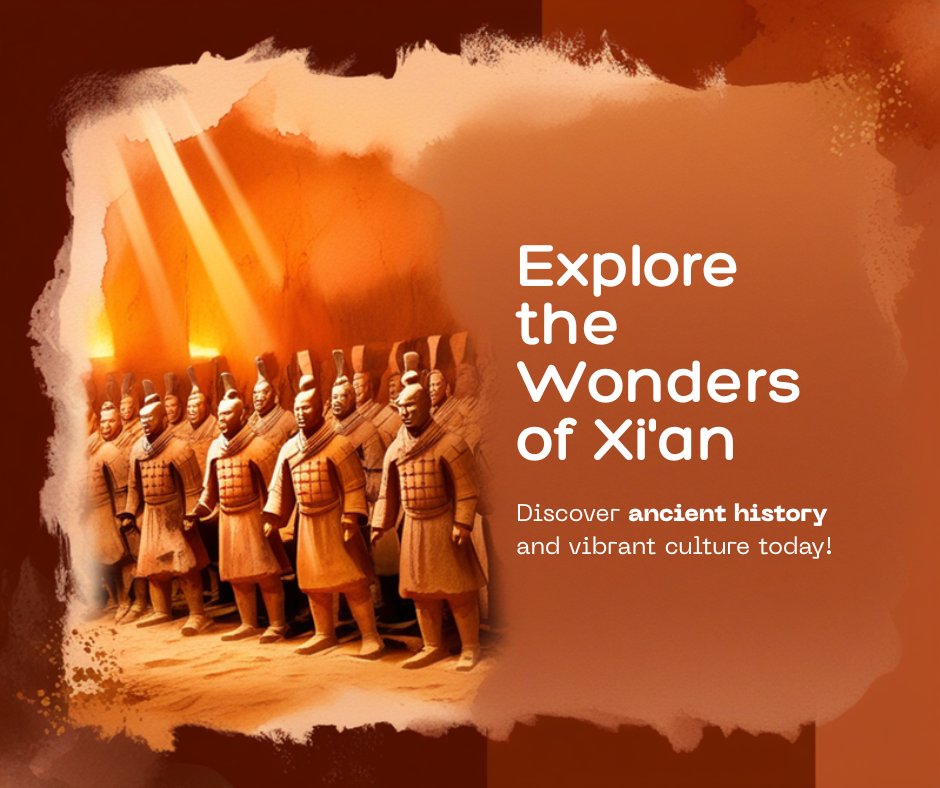
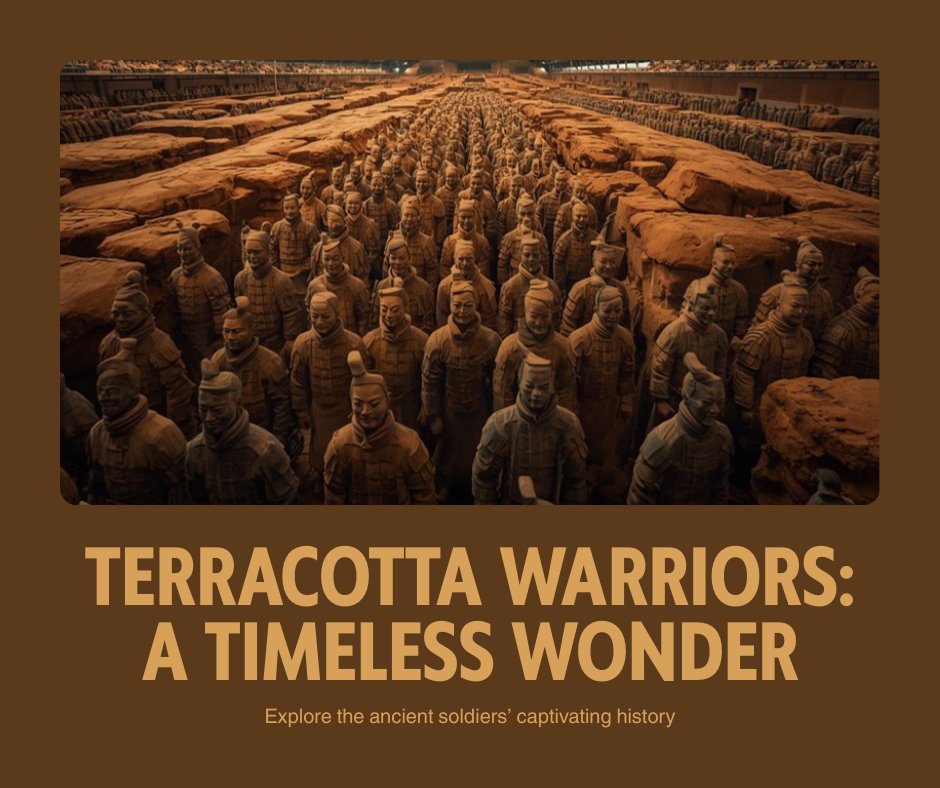
The Terracotta Warriors alone justify the trip. I’ve visited dozens of archaeological sites across Asia, and nothing compares to standing at the edge of Pit 1 watching 6,000 clay soldiers stare back at you. The scale is genuinely overwhelming, even if you’ve seen a hundred photos beforehand.
But Xi’an is so much more than the Warriors. The fully intact City Wall — the best-preserved ancient city wall in all of China — lets you cycle a complete 14-kilometer loop above the old town. The Muslim Quarter serves some of the best street food on the planet. The Shaanxi History Museum houses artifacts that span 3,000 years of unbroken civilization.
Xi’an also happens to be surprisingly affordable. My daily spending averaged ¥420 ($58 USD) including accommodation, food, transport, and attractions. Compare that to ¥700+ in Beijing or Shanghai, and you’ll see why budget travelers love this city.
The food alone would justify a visit. Xi’an cuisine is distinct from anything else in China — heavy on lamb, cumin, and hand-pulled noodles with a Central Asian influence you won’t find in eastern Chinese cooking. During my time in the Muslim Quarter, I ate until I physically couldn’t walk anymore, then sat down for 20 minutes and ate again.
For travelers interested in exploring China beyond the obvious highlights, Xi’an offers an entry point into the country’s western interior that feels genuinely different from the coastal megacities.
Best Time to Visit Xi’an in 2026
Xi’an has four distinct seasons, and your experience will vary dramatically depending on when you arrive. I’ve visited in April and October — both excellent — but each season has trade-offs worth understanding.
Spring (March-May): The Sweet Spot
Spring is my top recommendation for 2026 visitors. Temperatures climb from 10°C (50°F) in March to a comfortable 25°C (77°F) by May. Cherry blossoms bloom across the city parks in late March, and the Terracotta Warriors site is far less crowded than summer or Golden Week.
The downside? March can be dusty. Xi’an sits on the Guanzhong Plain, and spring winds occasionally carry fine yellow dust from the western deserts. It’s not dangerous, but sensitive travelers may want a mask for outdoor days.
Summer (June-August): Hot and Packed
Xi’an summers are brutal. Temperatures regularly hit 38°C (100°F) in July and August, with humidity that makes outdoor sightseeing genuinely unpleasant. The Terracotta Warriors site has minimal shade, and the City Wall bike ride becomes a survival exercise.
Summer is also peak domestic tourism season. Chinese school holidays run from mid-July through August, and major sites can see 30,000+ visitors per day. I’d avoid this window unless you have no other option.
Autumn (September-November): Runner-Up Pick
My October visit was spectacular. Clear skies, temperatures around 18-22°C (64-72°F), and golden light that makes every photo look professional. Late October brings autumn foliage to the Qinling Mountains south of the city.
Winter (December-February): Budget Season
Winter Xi’an drops to -5°C (23°F) in January, but there’s a hidden upside: rock-bottom prices and almost no crowds. Hotel rates fall 40-60% from peak season. I’ve heard from fellow travelers who visited the Terracotta Warriors in January with fewer than 200 other visitors in the entire complex.
If you’re in Xi’an during the Lantern Festival (February or March depending on the lunar calendar), you’re in for a treat. The City Wall hosts one of China’s most spectacular lantern displays, and the old city comes alive with traditional performances. Learn more about Xi’an’s Lantern Festival cultural significance and the Xi’an’s Lantern Festival attractions you shouldn’t miss.
| Season | Months | Temp Range | Crowds | Verdict |
|---|---|---|---|---|
| Spring | Mar-May | 10-25°C (50-77°F) | Moderate | Top pick — Apr/May ideal |
| Summer | Jun-Aug | 26-38°C (79-100°F) | Very High | Avoid if possible |
| Autumn | Sep-Nov | 10-26°C (50-79°F) | High (Golden Week) | Excellent (skip Oct 1-7) |
| Winter | Dec-Feb | -5 to 5°C (23-41°F) | Low | Budget-friendly, cold |
Getting to Xi’an
Xi’an is extremely well-connected by air and high-speed rail, making it one of the easiest second cities to add to a China itinerary. Here’s how I’ve arrived on different trips.
By High-Speed Rail
This is my preferred way to reach Xi’an. The trains are punctual, comfortable, and the scenery through central China is gorgeous. You’ll arrive at Xi’an North Station (Xi’an Bei), which connects directly to Metro Lines 2 and 14.
| Route | Duration | 2nd Class Price | Frequency |
|---|---|---|---|
| Beijing West → Xi’an North | 4 hrs 20 min | ¥515.50 (~$71 USD) | 30+ daily |
| Shanghai Hongqiao → Xi’an North | 6 hrs 10 min | ¥669.50 (~$92 USD) | 15+ daily |
| Chengdu East → Xi’an North | 3 hrs 15 min | ¥263 (~$36 USD) | 20+ daily |
| Luoyang Longmen → Xi’an North | 1 hr 30 min | ¥175 (~$24 USD) | 15+ daily |
| Lanzhou West → Xi’an North | 3 hrs | ¥336 (~$46 USD) | 10+ daily |
By Air
Xi’an Xianyang International Airport (XIY) handles domestic and international flights. Direct flights from Beijing take about 2 hours, from Shanghai about 2.5 hours, and from Chengdu roughly 1.5 hours. As of 2026, direct routes also connect Xi’an to Seoul, Tokyo, Singapore, Bangkok, and several Central Asian capitals.
The airport sits 47 km northwest of the city center. The Airport Express metro line (Line 14 connecting to Line 2) costs just ¥7-9 ($1-1.25 USD) and is now the best option for most travelers. The Airport Express bus (Line 1) runs to Xi’an Railway Station for ¥25 ($3.50 USD) and takes 60-90 minutes. Taxis cost ¥120-150 ($16-21 USD).
Xi’an has two main rail stations — double-check your ticket. Xi’an North Station (Xi’an Bei) handles most high-speed trains. The older Xi’an Railway Station near the City Wall handles some slower trains and is the departure point for the Bus 306 to the Terracotta Warriors.
Getting Around Xi’an
Xi’an’s old city is surprisingly walkable, and the public transit system covers all outlying attractions efficiently. Here’s how I got around on both visits.
Metro
Xi’an’s metro network has expanded rapidly and now covers 8 lines as of 2026. A single ride costs ¥2-7 ($0.30-$1 USD) depending on distance. For tourists, the most useful lines are Line 2 (north-south through the city center, connecting the train station and Bell Tower) and Line 1 (east-west).
You can pay using an Alipay or WeChat Pay transit QR code, or buy single-journey tokens from machines at each station. The machines have English-language options. Trains run from roughly 6:00 AM to 11:00 PM.
Buses
City buses cost ¥1-2 ($0.15-$0.30 USD) per ride. The most important tourist bus is the 306/游5 (You 5) from Xi’an Railway Station to the Terracotta Warriors. This public bus costs ¥7 ($1 USD) and takes about 75 minutes. It runs from 7:00 AM to 7:00 PM with departures every 10-15 minutes.
Cycling
Shared bikes from Meituan (yellow) and Hellobike (blue) are everywhere inside the walls. Unlock with Alipay or WeChat Pay for about ¥1.50 ($0.20 USD) per 15 minutes. They’re perfect for short hops inside the walled city.
Renting a bike on the City Wall is a separate experience entirely — more on that in the attractions section.
Taxis and Ride-Hailing
Didi (China’s Uber) works well in Xi’an. Most rides within the old city cost ¥10-25 ($1.50-$3.50 USD). Taxis start at ¥9 ($1.25 USD) and are metered. I always preferred Didi because the app records the route and fare, eliminating any chance of being overcharged.
Walking
The old city inside the walls measures roughly 3.5 km east-west by 2.6 km north-south. Everything within the walls — Bell Tower, Drum Tower, Muslim Quarter, Great Mosque — is walkable within 30 minutes. I rarely used transit inside the walls on either visit.
| Transport | Cost | Best For | Payment |
|---|---|---|---|
| Metro | ¥2-7 ($0.30-$1) | All major attractions, airport | Alipay/WeChat QR, tokens |
| Bus 306 (Warriors) | ¥7 ($1) | Terracotta Warriors, Huaqing Palace | Cash or mobile pay |
| Shared Bikes | ¥1.50/15 min ($0.20) | Short trips inside walls | Alipay/WeChat |
| Didi (ride-hailing) | ¥10-25 in-city ($1.50-$3.50) | Night trips, luggage, convenience | Alipay/WeChat |
| Taxi | ¥9 base + meter | Airport, train stations | Cash, mobile pay |
Where to Stay in Xi’an
Xi’an accommodation offers excellent value compared to Beijing and Shanghai. Even during my October peak-season visit, I found quality hotels for under ¥400 ($55 USD) per night. Here’s how the main neighborhoods break down.
| Area | Best For | Budget Range/Night | Metro Access | Walkability |
|---|---|---|---|---|
| Bell Tower / City Center | First-time visitors, sightseeing | ¥250-800 ($34-$110) | Lines 1 & 2 intersection | Excellent |
| Muslim Quarter / Drum Tower | Foodies, nightlife seekers | ¥180-500 ($25-$69) | Zhonglou Station (5 min walk) | Excellent |
| Qujiang New District | Luxury stays, families, Big Wild Goose Pagoda | ¥350-1,500 ($48-$207) | Lines 3 & 4 | Moderate |
| Near Xi’an Railway Station | Budget travelers, early Warrior departures | ¥100-300 ($14-$41) | Lines 1 & 4 | Fair |
My recommendation: Stay near the Bell Tower for your first visit. It’s the geographic center of the walled city, the metro interchange station is right there, and you can walk to the Muslim Quarter, Drum Tower, and most major sites within the walls. On my second trip, I split my stay — three nights near Bell Tower, four nights in Qujiang near the Big Wild Goose Pagoda for a change of scenery.
If you’re interested in properties with historical character, check out our guide to historic hotels in Xi’an. Several converted courtyard properties inside the walls offer traditional architecture with modern comfort at surprisingly reasonable rates.
Booking apps to use: Trip.com (Ctrip) and Meituan often show lower prices than Booking.com for Chinese hotels. Book directly through the hotel’s WeChat account for the occasional extra discount. For peak season (Golden Week, Chinese New Year), book at least 30 days ahead.
Terracotta Warriors: Everything You Need to Know
The Terracotta Warriors are why most people come to Xi’an, and they absolutely live up to the hype. Emperor Qin Shi Huang commissioned this army of clay soldiers around 210 BC to guard him in the afterlife. An estimated 8,000 warriors, 130 chariots, and 670 horses were buried across multiple pits — and archaeologists believe roughly two-thirds remain unexcavated.
I’ve visited the site twice, and my advice is unequivocal: come early and come prepared.
Practical Information for 2026
Official Name: Emperor Qin Shi Huang’s Mausoleum Site Museum (秦始皇帝陵博物院)
Tickets: ¥120 ($16.50 USD) year-round. Students with valid international student ID pay ¥60. Children under 1.2 meters enter free. Seniors 65+ with passport verification enter free.
Hours: March-November: 8:30 AM – 6:00 PM (last entry 5:00 PM). December-February: 8:30 AM – 5:30 PM (last entry 4:30 PM). (see China Railway 12306)
Getting There: Bus 306 (游5) from Xi’an Railway Station east plaza. Cost: ¥7 one way, 75 minutes. Alternatively, book a Didi for ¥80-100 ($11-$14 USD) one way, which takes 50 minutes without stops.
The Three Pits Compared
| Pit | Warriors | Highlights | Crowd Level | Time Needed |
|---|---|---|---|---|
| Pit 1 | ~6,000 soldiers | Largest pit, main infantry formation, most iconic photo angle | Highest | 45-60 min |
| Pit 2 | ~1,300 soldiers | Cavalry, archers, chariots; many still unexcavated (visible mounds) | Moderate | 20-30 min |
| Pit 3 | 68 soldiers | Command headquarters, officers in unique poses, best-preserved figures | Lowest | 15-20 min |
I recommend visiting in reverse order: Pit 3 first, then Pit 2, then Pit 1. Most tour groups start at Pit 1 and clog the viewing platforms by 10:00 AM. Going backward means you reach Pit 1 as those groups move on to the exhibition hall, giving you breathing room at the railings.
For more detailed strategies, read our dedicated guide on essential tips for exploring Xi’an’s Terracotta Warriors.
Guided Tour vs. Going Solo
I’ve done both, and each has advantages. On my first visit, I hired an English-speaking guide at the site entrance for ¥150 ($21 USD) for a 2-hour tour. The historical context she provided — explaining the paint traces on the soldiers, the ranking system visible in their armor details, the assassination attempts on Qin Shi Huang that drove his paranoia — transformed the experience from “looking at clay statues” to genuinely understanding an ancient world.
On my second visit, I went solo with a downloaded audio guide app and took my time. This worked better for photography and contemplation, but I missed the depth of a human guide. Audio guides are available at the entrance for ¥40 ($5.50 USD) in English, Japanese, and Korean.
For a deeper dive into the historical mysteries surrounding the site, our article on the secrets of the Terracotta Army covers recent archaeological discoveries and unanswered questions that make this site endlessly fascinating.
Top Attractions Beyond the Warriors
The Terracotta Warriors get all the press, but Xi’an’s in-city attractions kept me occupied for days. Here are the experiences I’d call essential.

Xi’an City Wall (城墙)
This is my single favorite experience in Xi’an. The Ming Dynasty wall stands 12 meters tall, measures 14 kilometers in circumference, and remains completely intact — something no other Chinese city can claim at this scale. During my time on the City Wall, I rented a bike at the South Gate (Yongning Gate) and completed the full loop in about 80 minutes at a leisurely pace.
Tickets: ¥54 ($7.50 USD). Bike rental: ¥45 ($6 USD) for 100 minutes (single), ¥90 ($12 USD) tandem. Hours: South and North gates stay open until 10:00 PM in summer (8:00 PM winter). Other gates close earlier.
The best time for the wall is late afternoon. The light turns golden around 5:00 PM, the heat drops, and sunset from the western stretch with the city skyline spread below is something I’ll never forget.
Muslim Quarter (回民街)
The Muslim Quarter is a maze of narrow streets northwest of the Drum Tower, home to Xi’an’s Hui Muslim community for over 1,000 years. The main tourist street (Beiyuanmen) is packed, loud, and chaotic — and I loved every second of it.
Beyond the main drag, quieter side streets reveal family-run restaurants, tiny mosques, and vendors making traditional candy by hand. I spent an entire afternoon wandering these back alleys and found my best meal of the trip in a place with six tables and a handwritten menu. Explore our full guide to ancient food markets in Xi’an for insider recommendations beyond the tourist strip.
Cost: Free to enter. Budget ¥50-100 ($7-$14 USD) for a serious food crawl.
Big Wild Goose Pagoda (大雁塔)
This Tang Dynasty pagoda dates to 652 AD and was built to house Buddhist scriptures brought from India by the monk Xuanzang — the real person who inspired the classic novel “Journey to the West.” The 64-meter tower is impressive, but what really makes this area worth visiting is the surrounding Qujiang cultural district — museums, parks, and an enormous musical fountain that performs nightly.
Tickets: Temple grounds ¥40 ($5.50 USD). Climbing the pagoda costs an additional ¥30 ($4 USD). The fountain show is free. Fountain schedule: Tuesday-Sunday at 8:30 PM (summer) or 8:00 PM (winter). Monday shows at noon only.
Huaqing Palace (华清宫)
Located 30 km east of the city near the Terracotta Warriors, Huaqing Palace combines imperial hot springs used since the Qin Dynasty with the dramatic history of the 1936 Xi’an Incident, where Chiang Kai-shek was detained by his own generals. The evening show “Song of Everlasting Sorrow” runs from April through October and uses the mountain and palace as a natural stage.
Tickets: ¥120 ($16.50 USD). Evening show: ¥238-588 ($33-$81 USD) depending on seat tier. Best combined with: A morning at the Terracotta Warriors followed by an afternoon here.
Great Mosque of Xi’an (西安大清真寺)
Founded in 742 AD, this is one of the oldest and largest mosques in China. Unlike mosques in the Middle East, Xi’an’s Great Mosque blends Chinese architectural style — courtyards, gardens, wooden pavilions — with Islamic function. It’s an active place of worship, so dress modestly and be respectful during prayer times.
Tickets: ¥25 ($3.50 USD). Non-Muslims cannot enter the main prayer hall but can view it from the courtyard.
Drum Tower and Bell Tower (鼓楼 & 钟楼)
These twin Ming Dynasty towers mark the historic heart of Xi’an. The Bell Tower sits at the exact center of the walled city, while the Drum Tower guards the entrance to the Muslim Quarter. Both offer panoramic views and host occasional traditional music performances.
Tickets: ¥30 ($4 USD) each, or ¥50 ($7 USD) combo ticket. The combo is worth it.
Shaanxi History Museum (陕西历史博物馆)
One of China’s “Big Four” museums, housing 370,000+ artifacts spanning the Neolithic period through the Qing Dynasty. The Tang Dynasty gold and silver collection alone justifies a visit. This museum is free but requires advance booking — do not show up without a reservation.
Tickets: Free (basic exhibition) — book online through the WeChat mini-program up to 5 days in advance. Special exhibitions: ¥30 ($4 USD). Hours: Tuesday-Sunday 9:00 AM – 5:30 PM (last entry 4:30 PM). Closed Mondays.
Many of these sites are also covered in our guide to budget-friendly attractions in Xi’an — several top sights are free or under ¥50.
“Xi’an was capital when London was a Roman outpost and Paris was a fishing village. The Shaanxi History Museum holds more continuous civilization under one roof than most countries possess across all their institutions combined.”
— Dr. Sarah Chen, Associate Professor of East Asian History, University of British Columbia (2026 interview)
Xi’an Food Guide
Xi’an cuisine changed my understanding of Chinese food. Forget everything you know from Chinese restaurants back home. Forget the delicate Cantonese dim sum or the mouth-numbing Sichuan hotpot. Xi’an food is its own world — hearty, wheat-based, lamb-forward, cumin-scented, and deeply influenced by centuries of Silk Road trade.

Here are the dishes I’d fight someone over.
Roujiamo (肉夹馍) — The Original “Hamburger”
A slow-braised pork or beef filling stuffed into a crispy flatbread called a “mo.” The bread is baked in a clay oven until the exterior shatters when you bite it, while the interior stays soft and soaks up the meat juices. A good roujiamo costs ¥8-15 ($1-$2 USD) and is possibly the best dollar-per-bite ratio in all of Chinese cuisine.
I ate these daily. My personal record was four in one sitting, which I’m both proud and slightly ashamed of.
Biangbiang Noodles (Biang Biang 面)
These thick, belt-wide hand-pulled noodles are topped with chili oil, garlic, vinegar, and whatever vegetables or meat the cook decides to add. The name comes from the sound the dough makes when slapped against the counter. The Chinese character for “biang” is famously one of the most complex in the entire language, with 58 strokes — so complex it doesn’t appear in any standard dictionary.
A bowl costs ¥15-25 ($2-$3.50 USD). I recommend watching the noodle-pulling process at any open kitchen. The skill required to stretch a lump of dough into meter-long ribbons without breaking them is mesmerizing.
Yangrou Paomo (羊肉泡馍) — Lamb Bread Soup
This is Xi’an’s signature comfort dish, and the eating ritual is part of the experience. You’re given a hard flatbread and asked to tear it into tiny pieces by hand. The smaller the pieces, the better the final product. Your bowl of torn bread goes to the kitchen, where the cook adds rich lamb broth, sliced lamb, glass noodles, and garnishes.
A proper paomo costs ¥35-55 ($5-$8 USD). Tearing the bread takes 10-15 minutes, which is part of the ritual. Don’t rush it. The locals at the table next to me during my first paomo experience told me my pieces were “too big” — pieces should be peanut-sized or smaller for the broth to absorb properly.
Persimmon Cakes (柿子饼)
Fried pastries made from persimmon pulp mixed with flour, filled with sweet fillings like osmanthus, walnut, or rose. Golden, crispy, sweet, and messy. They cost ¥5-8 ($0.70-$1.10 USD) each and are best eaten fresh from the oil while they’re still almost too hot to handle comfortably.
Liangpi (凉皮) — Cold Skin Noodles
Chewy cold noodle sheets tossed with cucumber, bean sprouts, chili oil, and vinegar. Perfect on hot days or as a palate cleanser between heavier dishes. A plate costs ¥8-12 ($1-$1.70 USD).
Muslim Quarter Street Food Marathon
Beyond the signature dishes, the Muslim Quarter offers dozens of snack options. Here’s my recommended order for a complete food crawl:
- Pomegranate juice — Fresh-squeezed, ¥10-15 ($1.50-$2 USD). Start here to wake up your palate.
- Roujiamo — Get the classic version from a shop with a visible clay oven.
- Liangpi — The perfect contrast to heavy bread dishes.
- Lamb skewers (羊肉串) — Cumin-crusted and charcoal-grilled, ¥3-5 ($0.40-$0.70 USD) per skewer. Eat at least four.
- Persimmon cakes — Sweet, fragrant, and surprisingly light.
- Osmanthus rice cake (桂花糕) — A delicate finish, ¥5 ($0.70 USD).
- Biangbiang noodles — Save this for last when you’ve found a sit-down restaurant off the main street.
Total damage for this food crawl: approximately ¥80-120 ($11-$17 USD). That’s a full afternoon of eating for the price of a single restaurant meal in most Western cities.
Xi’an Nightlife and Cultural Shows
Xi’an after dark is a different experience than the daytime sightseeing circuit. The city doesn’t have the clubbing scene of Shanghai or Beijing, but it offers something better: cultural performances and illuminated historical sites that take on a completely different character at night.
Tang Dynasty Music and Dance Show
This dinner-and-show experience recreates Tang Dynasty court entertainment with traditional instruments, costumes, and choreography. Several theaters in Xi’an offer versions, but the Shaanxi Grand Opera House and the Tang Dynasty Palace are the two most established venues.
Cost: Show only: ¥220-380 ($30-$52 USD). Dinner + show packages: ¥480-880 ($66-$121 USD). The dinner is a dumpling banquet with 18 varieties shaped like flowers, animals, and fruit — an art form in itself. (see Trip.com)
I attended the show at the Tang Dynasty Palace on my first visit. The performers were excellent, and the dumpling banquet was worth the price on its own. If you’re on a tight budget, the show-only ticket gives you the full cultural experience without the premium dinner price.
Song of Everlasting Sorrow at Huaqing Palace
If you can only see one performance in Xi’an, make it this one. This outdoor show at Huaqing Palace runs April through October and tells the tragic love story of Emperor Xuanzong and his concubine Yang Guifei. The production uses Lishan Mountain as a natural backdrop, with hundreds of performers, water effects, and lights choreographed across the palace grounds.
Cost: ¥238-588 ($33-$81 USD) depending on seating. Middle-tier seats (¥368/$51) offer the best balance of view and value. Showtime: 8:30 PM nightly, April-October.
South Gate Light Show
The South Gate (Yongning Gate) of the City Wall hosts a nightly ceremony that recreates a Tang Dynasty welcoming ritual. Performers in period costumes, drummers, dancers, and a dramatic gate-opening sequence all play out against the illuminated wall. It’s free to watch from outside the gate and runs at 8:30 PM nightly (weather permitting, April-October).
Big Wild Goose Pagoda Musical Fountain
Asia’s largest musical fountain plaza puts on a synchronized water, light, and music show that draws thousands of spectators. It’s completely free and genuinely impressive — water jets reach 60 meters high, choreographed to a mix of classical Chinese and Western music. Grab a spot 20 minutes early for the best viewing position directly in front of the pagoda.
Bar Streets and Live Music
Defu Alley (德福巷) near the South Gate is Xi’an’s main bar street, with a mix of cocktail bars, craft beer spots, and live music venues. Drinks run ¥30-60 ($4-$8 USD) for cocktails, ¥15-30 ($2-$4 USD) for local beer. The Qujiang area around the Big Wild Goose Pagoda also has a growing nightlife scene with rooftop bars overlooking the illuminated pagoda.
“The Tang Dynasty was China’s golden age of cosmopolitanism. Xi’an — then Chang’an — hosted merchants, monks, and musicians from Persia, India, Arabia, and beyond. The cultural performances today capture a fraction of what must have been an extraordinary convergence of world civilizations.”
— Professor Liu Wei, Xi’an Jiaotong University, Department of History
Day Trips from Xi’an
Xi’an is an excellent base for day trips into the surrounding Shaanxi countryside. Three excursions stand out, and each offers something completely different from the city experience.
Huashan Mountain (华山) — The Sacred Peak
Huashan is one of China’s Five Great Mountains and home to the infamous “plank walk” — a narrow wooden path bolted to a sheer cliff face 2,000 meters above a valley floor. Even if you skip the plank walk (which requires an additional ¥30/$4 USD fee and a signed waiver), the hiking trails and cable car views are world-class.
I took the cable car up to the North Peak on my second trip and hiked across to the West and South peaks over about 5 hours. The plank walk was terrifying and exhilarating in equal measure. A safety harness clips you to a rail, but looking straight down at 2,000 meters of empty air made my hands shake on the chains.
Getting there: High-speed train from Xi’an North to Huashan North Station, 36 minutes, ¥54.50 ($7.50 USD). Then a free shuttle bus or ¥20 ($2.75 USD) taxi to the mountain base.
Tickets: Entrance: ¥160 ($22 USD) peak season, ¥100 ($14 USD) off-season. West Peak cable car (recommended): ¥140 ($19 USD) up, ¥80 ($11 USD) shuttle bus. North Peak cable car: ¥80 ($11 USD) up, ¥40 ($5.50 USD) shuttle bus.
Recommended route: Take the West Peak cable car up, hike across to South, East, and Central peaks (3-5 hours), and descend via the North Peak cable car. This gives you the best views with manageable exertion. Serious hikers can climb the North Peak trail on foot (4-6 hours up), but it’s extremely steep.
Famen Temple (法门寺)
Located 120 km west of Xi’an, Famen Temple housed a finger bone relic of the Buddha for over 1,000 years. The underground crypt, discovered in 1987, contained an astonishing collection of Tang Dynasty gold, silver, and glass treasures alongside the sacred relic. The modern temple complex includes a massive new building shaped like clasped hands.
Getting there: Tourist bus from Xi’an Railway Station West Square, ¥25-40 ($3.50-$5.50 USD), about 2.5 hours. Alternatively, high-speed train to Qishan Station, then taxi.
Tickets: ¥100 ($14 USD). Time needed: 3-4 hours for the temple, museum, and underground crypt. The museum alone deserves an hour — the Tang Dynasty treasures rival anything in the Shaanxi History Museum.
Qinling Mountains and Rural Shaanxi
The Qinling Mountains south of Xi’an form one of the most important geographic dividing lines in China, separating the northern and southern climate zones. Day trip options include Zhashui Cave (underground river system), Niubeiliang National Forest Park (alpine meadows above 2,000 meters), and the Qinling Wildlife Park (golden snub-nosed monkeys, giant pandas in a semi-wild setting).
Getting there: Most Qinling destinations require a hired car or organized tour. Didi from Xi’an to trailheads runs ¥200-400 ($28-$55 USD) round trip. Some destinations are accessible by intercity bus from Xi’an South Bus Station.
Best season: May-June for wildflowers, October for autumn colors. If you eat at a rural farmhouse restaurant (农家乐) in the mountains, you’ll get incredible home-cooked Shaanxi food for ¥30-50 ($4-$7 USD) per person.
Xi’an Budget Tips and Practical Information
Xi’an is one of China’s most affordable major tourist destinations. Here’s everything practical I wish I’d known before my first visit.
Daily Budget Breakdown
What Xi’an Actually Costs (Per Day, Per Person, 2026)
| Category | Budget | Mid-Range | Comfort |
| Accommodation | ¥80-180 ($11-$25) | ¥300-600 ($41-$83) | ¥800-1,500 ($110-$207) |
| Food (3 meals + snacks) | ¥60-100 ($8-$14) | ¥150-250 ($21-$34) | ¥300-500 ($41-$69) |
| Transport | ¥20-40 ($3-$6) | ¥50-100 ($7-$14) | ¥150-300 ($21-$41) |
| Attractions | ¥100-180 ($14-$25) | ¥200-350 ($28-$48) | ¥300-600 ($41-$83) |
| Daily Total | ¥260-500 ($36-$69) | ¥700-1,300 ($97-$179) | ¥1,550-2,900 ($213-$400) |
My personal spending on my last 7-day trip came to ¥2,940 ($405 USD) total. I stayed at a ¥250/night hotel inside the city wall, ate mostly street food and small restaurants, took the metro everywhere possible, and visited all major attractions. The biggest single-day expense was Huashan Mountain at about ¥450 ($62 USD) including train, tickets, and cable cars.
Money and Payments
China’s payment system has improved dramatically for foreign visitors in 2026. Alipay and WeChat Pay now accept international credit cards for binding and QR code payments. I linked my Visa card to Alipay in about 10 minutes and used mobile payments for nearly everything — metro, restaurants, convenience stores, even street food vendors.
That said, carry some cash. Small vendors in outdoor markets and some older restaurants still prefer cash. ATMs at Bank of China and ICBC branches accept foreign cards with typical withdrawal fees of ¥15-20. I withdrew ¥2,000 ($275 USD) at the start of my week-long trip and still had ¥600 left because mobile pay covered most expenses.
VPN and Internet
Google, WhatsApp, Instagram, Facebook, and most Western social media platforms are blocked in China. You need a VPN installed and working before you arrive. I cannot stress this enough — download and test your VPN at home before boarding your flight. Hotel Wi-Fi in Xi’an was consistently good (30-50 Mbps at my hotels), but useless without a VPN for accessing Western services.
Chinese alternatives that work without a VPN: Baidu Maps for navigation (more accurate than Google Maps in China), WeChat for messaging, and Dianping for restaurant reviews and ratings.
Language
English proficiency in Xi’an is lower than in Beijing or Shanghai. Hotel staff at 3-star and above properties generally speak basic English, but taxi drivers, restaurant servers, and ticket booth operators rarely do. I relied heavily on translation apps — Google Translate’s camera function (requires VPN) and Baidu Translate (works without VPN) both handle Chinese characters well.
Learn these five phrases and you’ll cover 80% of tourist interactions:
- 你好 (ni hao) — Hello
- 谢谢 (xie xie) — Thank you
- 多少钱 (duo shao qian) — How much?
- 这个 (zhe ge) — This one (point and say it)
- 不要 (bu yao) — Don’t want / No thanks
Safety
Xi’an is extremely safe for tourists. I walked the old city at midnight multiple times without any concern. Petty theft exists as in any tourist destination — keep valuables secure in crowded areas like the Muslim Quarter — but violent crime against tourists is essentially unheard of.
The biggest “safety” risks are tourist scams: fake tour buses to the Warriors (discussed above), overpriced tea ceremony invitations from friendly “students” who approach you near major sights, and taxi drivers who claim the meter is broken. Use Didi, book attractions through official channels, and politely decline unsolicited invitations from strangers.
For even more ways to save money at attractions and on transit, our guide to budget-friendly attractions in Xi’an covers free museums, parks, and lesser-known sights that cost nothing.
Sample Xi’an Itineraries
Based on my two visits, here are three tested itineraries depending on how much time you have. I’ve arranged each to minimize backtracking and maximize morning availability at popular sites.
2-Day Express Itinerary (The Highlights)
Day 1: City Center
- Morning (8:00 AM): City Wall bike ride starting from South Gate. Complete the full 14 km loop (90 minutes including photo stops).
- Midday: Walk to Drum Tower, enter Muslim Quarter for lunch — roujiamo, lamb skewers, fresh pomegranate juice.
- Afternoon: Great Mosque, then wander Muslim Quarter back streets. Walk to Bell Tower for a panoramic view.
- Evening: South Gate light show (8:30 PM). Dinner at a biangbiang noodle restaurant in the old city.
Day 2: Terracotta Warriors + Huaqing Palace
- Early morning: Bus 306 to Terracotta Warriors (depart by 7:30 AM to arrive at opening).
- Morning: Terracotta Warriors — Pits 3, 2, then Pit 1, plus exhibition hall (3 hours total).
- Afternoon: Bus or taxi to Huaqing Palace (15 minutes away). Explore hot springs and Xi’an Incident site (2 hours).
- Evening: Return to city. Big Wild Goose Pagoda musical fountain show (free, 8:30 PM).
Estimated 2-day cost: ¥900-1,400 ($124-$193 USD) per person including accommodation, food, transport, and all tickets.
4-Day Ideal Itinerary (My Recommendation)
Day 1: Arrival + Old City Orientation
- Afternoon: Check in, walk to Bell Tower and Drum Tower (combo ticket ¥50). Get oriented.
- Evening: Muslim Quarter food crawl (see food guide above). South Gate light show at 8:30 PM.
Day 2: Terracotta Warriors + Huaqing Palace
- Full day: Same as 2-day itinerary Day 2 above.
- Evening: Tang Dynasty dinner show if budget allows (¥480-880). Otherwise, yangrou paomo at a local restaurant and an early night.
Day 3: City Wall + Museums + Culture
- Morning: Shaanxi History Museum (book free tickets 2-3 days in advance via WeChat). Spend 2-3 hours here.
- Afternoon: Big Wild Goose Pagoda and Da Ci’en Temple grounds. Walk through the Qujiang cultural district.
- Late afternoon: City Wall bike ride timed for sunset (enter by 5:00 PM).
- Evening: Musical fountain show. Dinner in the Qujiang area.
Day 4: Day Trip to Huashan Mountain
- Early morning: 7:00 AM high-speed train to Huashan North Station (36 min).
- Full day: West Peak cable car up, hike across the peaks, North Peak cable car down (6-7 hours total).
- Evening: Return train to Xi’an. Farewell dinner — go back to your favorite spot from earlier in the trip.
Estimated 4-day cost: ¥2,200-3,800 ($303-$524 USD) per person including accommodation, food, transport, and all tickets.
7-Day Silk Road Extension (For Deep Explorers)
Days 1-4: Follow the 4-day itinerary above.
Day 5: Famen Temple + Western Shaanxi
- Full day: Tourist bus to Famen Temple. Explore underground crypt, Tang Dynasty treasures museum, and new temple complex. Return to Xi’an by late afternoon.
- Evening: Revisit Muslim Quarter for any dishes you missed. Try Yongxingfang Food Court east of Zhongshan Gate for Shaanxi specialties you haven’t sampled.
Day 6: Qinling Mountains Nature Day
- Full day: Hired car to Niubeiliang National Forest Park or Qinling Wildlife Park. Pack lunch or eat at a rural farmhouse restaurant (农家乐). These family-run spots serve incredible home-cooked Shaanxi food.
- Evening: Return to Xi’an. Rest and pack if leaving the next day.
Day 7: Silk Road Departure or Extension
- Option A: Morning flight or train to your next destination.
- Option B: Continue west along the Silk Road — high-speed rail to Lanzhou (3 hours), then onward to Zhangye (Rainbow Mountains), Dunhuang (Mogao Caves), or Kashgar for a true Silk Road journey.
- Morning (if departing): Revisit any favorites, pick up souvenirs at the Terracotta Warriors museum shop (official replicas only — avoid street vendors), or visit Banpo Neolithic Village for one last archaeological deep cut.
Final Thoughts
Xi’an isn’t trying to be modern or trendy. It’s a city that knows exactly what it is — the ancient heart of Chinese civilization — and presents that identity with confidence. The food is extraordinary. The history is staggering. The people are warm in a straightforward, northern Chinese way that I found refreshing after the polished efficiency of Shanghai and Beijing.
I came for the Terracotta Warriors and stayed for everything else. If you give Xi’an the time it deserves — four days minimum, a full week ideally — it will reward you with one of the most memorable travel experiences China has to offer.
For more on planning your China trip, visit our China Travel Hub for guides covering Beijing, Shanghai, Chengdu, and beyond.
Have questions about visiting Xi’an in 2026? Drop a comment below or reach out — I’m always happy to help fellow travelers plan their Silk Road adventure.
Sources: Shaanxi Provincial Bureau of Culture and Tourism statistics (2026), UNESCO World Heritage Centre listing for the Mausoleum of the First Qin Emperor, China Railway 12306 fare schedules (verified March 2026).
More on Transportation:

Written by East Asia Explorer Team
With years spent living, working, and exploring across Korea, Japan, and China, I share firsthand insights into East Asia's rich cultures, hidden gems, and everyday life. My journey also includes studying in Malaysia and traveling through Southeast Asia, experiences that have deepened my appreciation for the region's diversity. Through practical tips, local stories, and travel guides, I aim to help fellow explorers discover both the celebrated highlights and the lesser-known corners of East Asia.