Last Updated: March 19, 2026 | Originally Published: February 20, 2026
You’ll find Gwangju packed with artistic experiences, from the cutting-edge Biennale to powerful democracy memorials. Zip around on the Purple Line KTX, explore autumn-painted Mudeungsan trails, or crash at charming hanok guesthouses. Don’t miss the local eats—authentic Korean cuisine costs just ₩8,000 per meal, while street food runs even cheaper. The city blends tradition with modern cultural expressions, creating something you won’t find anywhere else in Korea.
Explorer Insights
- Gwangju’s Biennale features cutting-edge installations from 72+ international artists, with Democracy Square showcasing freedom-themed artworks.
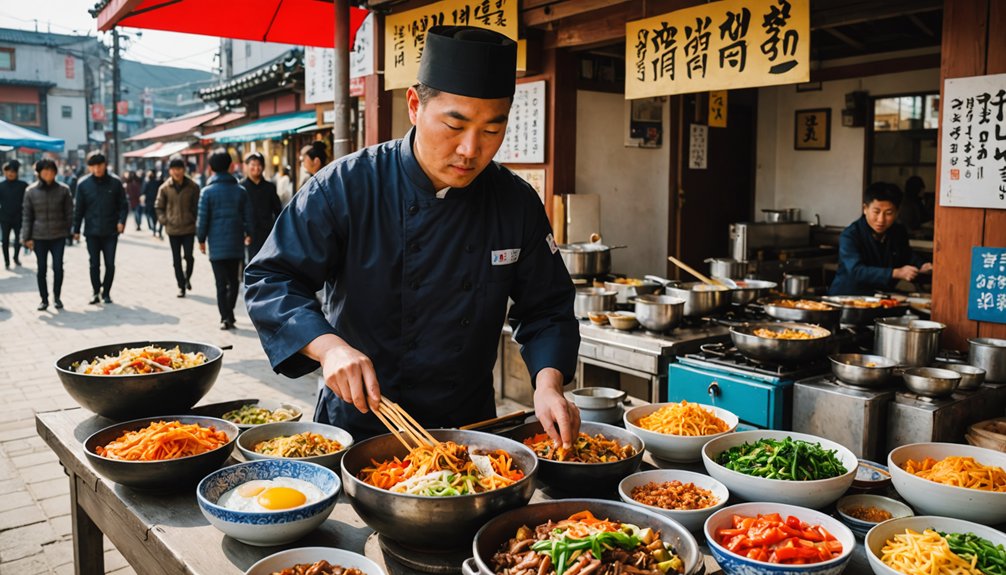
- Explore authentic Korean cuisine at local restaurants and Daein Night Market, where meals cost around ₩8,000 without tourist pricing.
- Visit the May 18 Democracy Movement memorials and Mudeungsan National Park for both cultural significance and natural beauty.
- Experience traditional culture through kimchi-making workshops and tea ceremonies at authentic hanok guesthouses near ACC.
- Take the mural walking tour in Yangnim-dong Penguin Village to see vibrant street art expressing cultural heritage through historical narratives.
Visit During Autumn Colors
While Gwangju dazzles visitors year-round, autumn transforms this South Korean city into a breathtaking canvas of crimson, gold, and orange.
September through November? Pure magic. The weather’s perfect—not too hot, not too cold. Just right for outdoor exploration.
Late October is peak leaf-peeping time. Trust me, you’ll want your camera. Mudeungsan National Park becomes a riot of color, with trails practically begging to be hiked.
Not the outdoorsy type? No problem. Sajik Park offers stunning views without the workout.
Locals celebrate the season with gusto. The Gwangju World Kimchi Festival happens right when the colors pop—coincidence? I think not.
Nothing complements fermented cabbage quite like nature’s fireworks display. Baengma Ridge gives you those Instagram-worthy panoramas everyone back home will envy.
If you visit earlier in the year, you might want to explore other regions for vibrant blooms, such as the spectacular cherry blossoms that adorn roads and festivals across South Korea during late March and early April.
Gwangju’s T-Money Card Tips
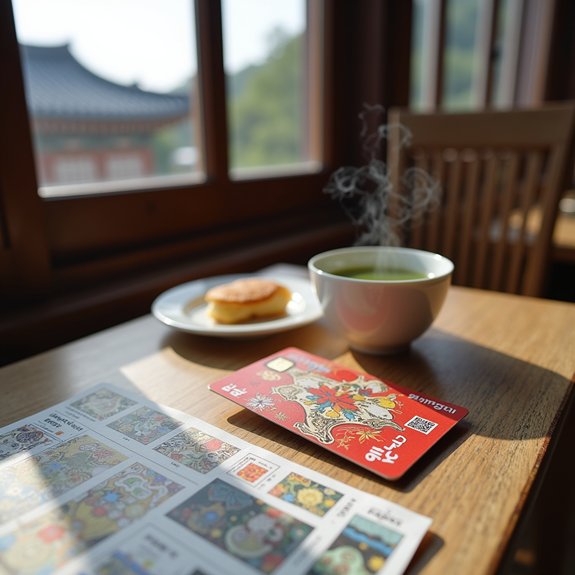
Once you’ve landed in Gwangju, getting a T-Money card should be your first move. This rechargeable smart card is your golden ticket to the city’s public transportation network. Buses, subways, done. No fumbling with cash like a clueless tourist.
Grab one at any convenience store—GS25, CU, 7-Eleven. Just 2,500 KRW plus whatever amount you want to load. Worth every won.
T-Money cards available at any convenience store for 2,500 KRW—travel smart, not sorry.
The perks? Discounted fares compared to cash. You’ll save money. Period.
Recharge at subway stations, convenience stores, or kiosks scattered throughout Gwangju. Keep an eye on your balance though—maxes out at 50,000 KRW. Don’t be that person stranded at the subway gate.
Finished with Gwangju? Return the card for a refund of unused balance. Easiest travel hack ever.
If you want to fit in and make travel smoother, take a few minutes to learn basic Korean phrases that help with directions or quick greetings.
Vibrant Biennale Artworks
Beyond the Biennale’s cutting-edge installations from 72+ international artists, you’ll find Gwangju’s soul in its May 18 Democracy Movement memorials and hands-on kimchi workshops.
Get your adrenaline fix paragliding over Mudeungsan, reward yourself with Tteokgalbi (grilled beef ribs), then soothe those muscles at the lesser-known hot springs that locals don’t want you to discover. Tokyo’s cherry blossoms typically reach full bloom period around March 31, creating a magical pink landscape throughout the city.
.18 Democracy Movement Memorials
Gwangju’s soul lies in its democracy memorials. The May 18th National Cemetery isn’t your average tourist stop—it’s hallowed ground. Here, victims of the 1980 Democratic Uprising are honored through monuments that’ll stop you in your tracks. Raw. Powerful. Necessary.
You’ll want to visit the Gwangju Uprising Memorial Hall. Trust me. The exhibits tell stories that textbooks often gloss over. Democracy movement artifacts speak volumes about what happened here.
Throughout the city, freedom of expression blooms in unexpected places. Democracy Square features artworks that celebrate resistance—not subtle, and that’s the point.
Even the street art scene incorporates elements of the uprising. Cultural expression at its finest. The city doesn’t hide its scars; it transforms them into something beautiful.
For travelers seeking a deeper connection to local culture, consider experiencing traditional temple lodgings such as shukubo, where guests can participate in meditation, enjoy vegetarian Buddhist meals, and immerse themselves in Japan’s spiritual heritage.
Kimchi-Making Workshops
While kimchi might be a staple on every Korean table, the art of making it remains a mystery to most visitors—until now.
Gwangju’s kimchi-making workshops offer a hands-on crash course in the traditional fermentation process. You’ll learn from local experts who’ve been perfecting their recipes for generations. No cookbook can teach you this stuff.
These workshops aren’t just about food—they’re a gateway to Gwangju’s culinary heritage. The workshops often coincide with the Gwangju Biennale, making for a perfect art-meets-food day out.
Don’t miss:
- The Gwangju World Kimchi Festival, where your hands will turn red with chili paste (worth it)
- Regional variety tastings—Gwangju’s kimchi packs a distinctive punch
- Expert tips on fermentation timing—seriously, it makes all the difference
Inspired by carefully planned banquets, these workshops balance flavors, presentation, and tradition, reflecting a dedication to harmony and communal celebration.
Paragliding at Mudeungsan
Few experiences match the sheer exhilaration of launching yourself off Mudeungsan’s peaks with nothing but a paraglider between you and the vast expanse below. You’ll soar above lush landscapes, catching breathtaking scenery that ground-dwellers simply miss. Professional instructors keep you safe. No experience needed.
The paragliding sites sit conveniently near popular hiking trails. Perfect combo for nature lovers. And during Gwangju Biennale season? You’re in for a cultural journey like no other.
| Experience | View | Feeling |
|---|---|---|
| Morning Flight | Misty Mountains | Tranquil |
| Afternoon Soar | Biennale Artworks | Inspired |
| Sunset Glide | Golden Landscapes | Euphoric |
Spot contemporary artworks from above. It’s art appreciation with an adrenaline kick. Honestly, it’s the best way to see Gwangju.
For those planning to explore beyond Gwangju, using comprehensive mapping and navigation apps can streamline your travels throughout Korea and neighboring regions.
Tteokgalbi Tasting Tour
The mouthwatering aroma of sizzling beef will hit you before you even see it. Tteokgalbi, Gwangju’s cultural signature, offers you a culinary journey that’s uniquely thoughtful—originally designed for the elderly to enjoy without struggle.
Head to Gwangjuho Tteokgalbi. It’s authentic. Period.
While exploring the local cuisine, you’ll find that tteokgalbi pairs perfectly with Gwangju’s artistic side. Art enthusiasts, listen up.
Three reasons your tteokgalbi experience will rock:
- The patties’ spicy-sweet flavor profile literally defines Gwangju on a plate
- You’ll spot tteokgalbi themes in Biennale artworks—yes, food becomes art
- The combination delivers Gwangju’s identity in both taste and visual form
Not hungry and cultured after this? Impossible.
Festivals like the Andong Mask Dance Festival play a crucial role in preserving cultural heritage by showcasing traditional performances and fostering the intergenerational transfer of creative skills and stories.
Secret Hot Springs Trail
Hidden beneath Gwangju’s polished cultural veneer, a network of steaming springs awaits your discovery. The secret hot springs trail isn’t just about soaking your tired feet—it’s an immersive art experience. Really.
As you trek through paths connecting Mudeungsan National Park’s scenic viewpoints, you’ll stumble upon striking contemporary art installations. These aren’t your grandmother’s paintings. During the Gwangju Biennale, international artists transform the trail into an open-air gallery. Pure genius.
You’ll witness how Gwangju’s vibrant art scene celebrates local resilience while sparking cultural dialogue. Nature meets creativity. Tradition meets innovation. The contrast is breathtaking.
The trail packs everything into one experience—hot springs, mountain views, and thought-provoking art. Perfect for outdoor enthusiasts who secretly wish museums had more fresh air.
For a different kind of cultural immersion, consider experiencing traditional festival floats in Kyoto during July, where the city comes alive with vibrant processions and centuries-old celebrations.
Hanok Guesthouses Near ACC
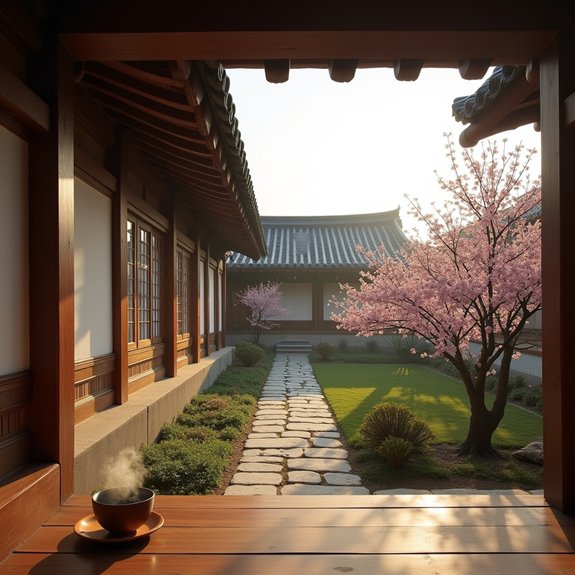
You’ll find authentic Korean charm at the hanok guesthouses near ACC, where heated floors and wooden beams aren’t just pretty—they’re history you can sleep in.
These traditional homestays put you right next to Gwangju’s cultural heartbeat, making your morning commute to contemporary art exhibits a two-minute stroll.
Nothing beats unwinding in a peaceful garden after a day of sightseeing, maybe even learning to fold hanji paper while you’re at it.
For travelers seeking even more tradition, Jeonju offers must-visit hanok pension houses where you can immerse yourself in Korean culture with tea ceremonies, ondol rooms, and beautifully preserved historic architecture.
Traditional Korea Elegance
Nestled around Gwangju’s cultural epicenter, traditional Hanok guesthouses offer visitors more than just a place to crash—they’re portals to old Korea.
These wooden havens near the Asia Culture Center let you experience authentic Korean living with heated ondol floors and serene courtyard gardens. No sterile hotel vibes here.
What makes these Hanok guesthouses worth your time?
- Morning flavor explosions – Traditional Korean breakfast featuring local dishes like bibimbap and kimchi. Better than continental breakfast, trust me.
- Culture on tap – Easy access to ACC exhibitions and performances. Roll out of bed, see world-class art.
- Hands-on heritage – Participate in tea ceremonies and cultural activities that actually teach you something about Korean traditions.
Nothing beats sipping tea in a centuries-old courtyard after a day of gallery-hopping.
If you need to explore more of Gwangju, the comprehensive public transit network makes getting around easy for beginners, connecting buses, subways, and even high-speed trains with user-friendly signs and apps for effortless navigation.
Central Cultural Location
The Asia Culture Center stands as Gwangju’s beating heart, with traditional hanok guesthouses clustered conveniently around it like cultural satellites.
You’ll find yourself literally surrounded by culture. Not kidding.
These wooden havens offer more than just a bed—they’re your gateway to authentic Korean living.
Many provide traditional meals that’ll make hotel breakfast buffets seem like sad cafeteria food. The ondol floor heating? Life-changing in winter.
Walk out your hanok door, and boom—you’re minutes from the Gwangju Biennale and countless galleries.
Perfect for cultural exploration without the taxi fare.
Many hosts offer guided tours to nearby historical sites or arrange tea ceremonies.
It’s personal service you won’t get at that chain hotel. Trust me, these experiences are worth every won.
For those seeking a deeper taste of Korean traditions, consider joining traditional family-run kimchi workshops for hands-on immersion in local culinary heritage.
Authentic Homestay Experience
When traditional wooden beams creak softly overhead, you’ll know immediately you’ve made the right choice.
These hanok guesthouses near ACC aren’t just places to sleep—they’re gateways to authentic Korean living. Wooden floors warmed by ondol heating. Beautiful courtyards where time slows down. Perfect.
You’ll experience:
- The unmistakable comfort of waking up in a space that’s witnessed centuries of Korean life—complete with traditional dishes served by locals who’ll chat your ear off.
- Easy access to local art galleries and the Gwangju Biennale—just roll out of bed and you’re practically there.
- Genuine cultural immersion that hotels simply can’t match—tea ceremonies aren’t tourist traps here.
For travelers seeking authentic hanok experiences, these guesthouses embody the harmony of tradition and modern comfort found in Korea’s most celebrated accommodations.
Rich cultural heritage doesn’t preserve itself. Your stay matters. The history breathes.
Fast KTX Bullet Trains
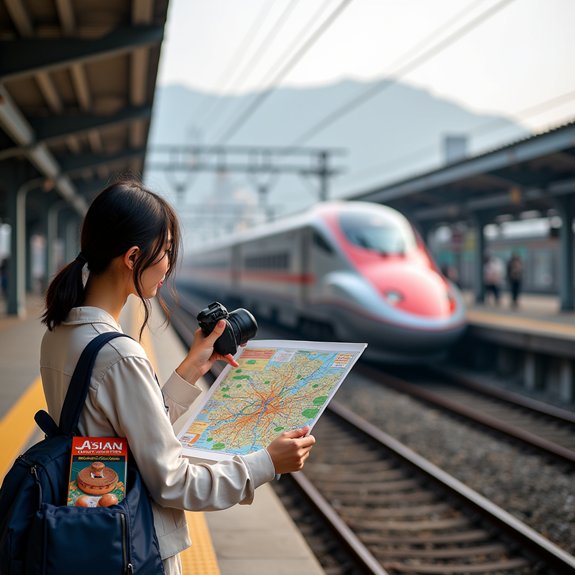
While Gwangju’s Purple Line metro connects you seamlessly to the KTX station, nothing beats the sheer speed of Korea’s bullet trains whisking you to Seoul in under two hours.
You’ll need an International Driver’s Permit if you’re planning to rent a car instead, but honestly, why bother with traffic when these sleek monsters cruise at 300 km/h?
After a high-speed journey, stretch your legs along Gwangju’s scenic riverside cycling paths—perfect for working off that train station convenience store kimbap.
Thanks to advanced train technology employed in leading high-speed rail networks worldwide, journeys on bullet trains are not only fast but remarkably smooth and energy efficient.
Metro’s Purple-Line Advantage
Speeding through South Korea at a blistering 300 km/h, Gwangju’s Purple Line KTX bullet trains transform what would be a grueling journey into a breezy 1 hour and 42 minutes from Seoul.
The accessibility is unreal—trains run all day, so you’re never stuck waiting for hours. Perfect for the commitment-phobic traveler.
The Purple Line isn’t just fast—it’s your ticket to the entire region.
Three reasons you’ll be obsessed:
- Comfort that makes your living room feel inadequate
- Connectivity to major cities like Busan (no rental car headaches)
- Travel experience that makes flying seem barbaric by comparison
Let’s be honest—there’s something deeply satisfying about blasting past countryside while others crawl along highways.
The KTX isn’t just transportation. It’s freedom.
With speeds reaching up to 305 km/h, the KTX delivers world-class efficiency, connecting major cities across South Korea in record time.
International Driver’s Permit Required
So you’ve figured out the KTX is basically teleportation with seats. At 300 km/h, you’ll zip from Seoul to Gwangju in just 1 hour and 42 minutes. Seriously, blink and you’re there.
But wait—planning to drive around Gwangju once you arrive? You’ll need an International Driver’s Permit. Non-negotiable. South Korea doesn’t mess around with driving regulations. Your home country license isn’t enough here.
KTX tickets? Book them early. Trust me. Those comfy seats fill up fast during peak seasons. The trains are clean, punctual, and actually pleasant. You’ll even catch some killer countryside views between cities.
This travel guide tip might save your Gwangju adventure: train beats car for intercity travel. Less stress. More scenery. No parking nightmares.
If you’re traveling in Japan, knowing how the Japan Rail Pass covers most Shinkansen routes can make bullet train journeys even easier.
Riverside Cycling Paths
Once you’ve arrived in Gwangju via those lightning-fast KTX trains, ditch the car rental idea completely.
The city’s riverside cycling paths along the Yeongsan River are your best bet for exploring. Seriously. Well-maintained routes connect parks and recreational spots, perfect for anyone who likes a good pedal without the hassle of traffic.
The city’s not messing around with its eco-friendly transportation initiatives. They’ve invested in cycling infrastructure that’s actually usable – imagine that!
Why you’ll love these scenic routes:
- Multiple entry points throughout the city – no excuses for not finding one
- Connect to various parks for impromptu picnics or people-watching
- Natural beauty that’ll make your Instagram followers actually jealous for once
For adventure seekers, Japan’s Shimanami Kaido cycling route is considered a world-class experience, famous for its stunning seaside views and cyclist-friendly amenities.
Bowing When Greeting Elders
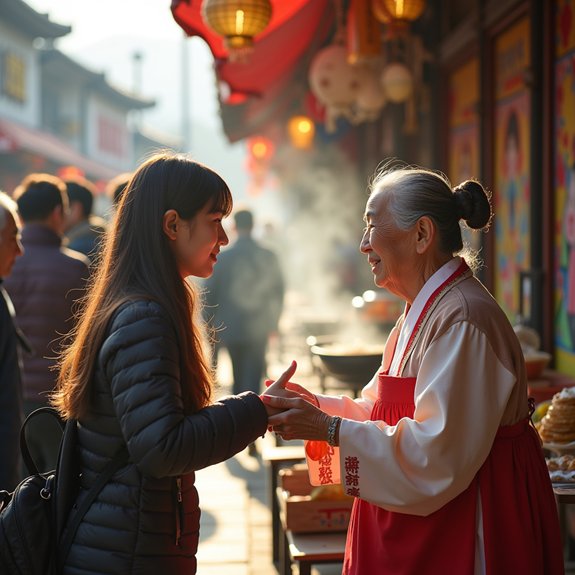
While visiting Gwangju, you’ll quickly notice the deep cultural significance of bowing, especially toward older Koreans. It’s not optional—it’s essential. The deeper the bow, the more respect you’re showing. Simple math.
When greeting elders, your body language speaks volumes. Don’t mess this up.
| Bow Type | Situation | Hand Position | Appropriate Phrase |
|---|---|---|---|
| Slight Bow | Casual greeting | Hands at sides | “Annyeong haseyo” |
| Medium Bow | Meeting friends’ parents | Hands clasped | “Annyeong haseyo” |
| Deep Bow | Formal settings | Hands at waist | “Annyeong haseyo” |
| Full Bow | Important ceremonies | Both hands forward | “Gamsahamnida” |
It’s also customary to use both hands when giving or receiving something to show respect, especially with elders or those of higher status.
Free 24/7 Hospital Translators
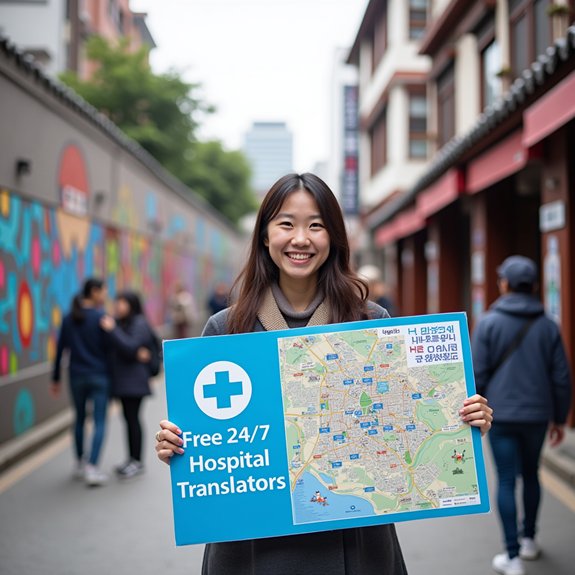
When you’re suddenly doubled over in pain at 3 AM in a foreign country, medical emergencies become terrifying language puzzles. Gwangju’s got your back. They offer free 24/7 hospital translation services for non-Korean speaking patients. No guesswork when your appendix might be bursting.
These interpreters help with:
- Explaining symptoms to healthcare providers when you can’t remember the Korean word for “excruciating”
- Translating complex medical instructions so you don’t accidentally double-dose
- Maneuvering through insurance paperwork that’s confusing even in your native language
It’s honestly impressive. The city’s commitment to inclusivity isn’t just talk—they’ve actually made accessibility of healthcare services a priority.
Foreign visitors aren’t left to fend for themselves. Gwangju gets it: medical emergencies are scary enough without language barriers.
If you’re traveling on a budget, these essential amenities can make a huge difference when navigating unexpected situations.
Average Meal: ₩8,000
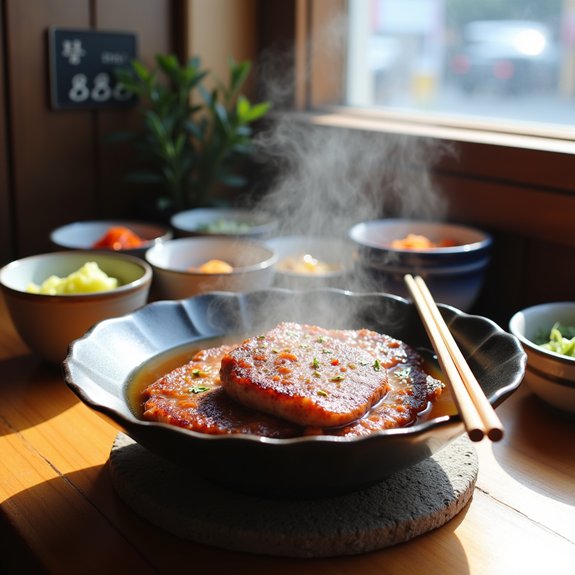
You’ll spend about 80,000 won total on food during a short stay in Gwangju, where the average meal costs just 8,000 won.
Skip those ridiculous tourist-trap restaurants with their special “foreigner pricing” — they’re a complete waste of money.
Local joints offer authentic Korean cuisine at fair prices, and you’ll get the real experience instead of some watered-down version meant for visitors who don’t know any better.
For an introduction to Korea’s vibrant culinary culture, sample budget-friendly bibimbap options that are popular among locals and serve generous portions at affordable prices.
80,000 Total Spend
You’ll honestly be shocked at how far your won stretches in this affordable destination. The total spend for meals in this culinary paradise? Ridiculously reasonable.
1. Street eats for cheap thrills – Grab tteokbokki or hotteok for ₩2,000-₩5,000.
Yeah, that’s lunch for less than a fancy coffee back home.
2. Restaurant meals without the guilt – ₩7,000-₩15,000 gets you traditional Korean meals with actual quality.
Bibimbap that doesn’t break the bank!
3. Free banchan refills – Unlimited side dishes.
Let that sink in. MORE FOOD. FOR FREE.
Gwangju’s cultural heritage shines through its local cuisine.
Fresh ingredients from Jeollanam-do’s agricultural bounty.
Simple fact: you’ll eat well here without emptying your wallet.
For even more savings, consider guesthouses or hostels if you want to put more of your budget into flavors and experiences.
Skip Tourist Menu Pricing
Let’s talk local secrets. In Gwangju, you’ll feast like royalty without the royal price tag. Average meals? Just ₩8,000. Seriously.
Forget those tourist trap menus with inflated prices. Traditional culinary delights like bibimbap and tteokbokki are everywhere, authentic and cheap. No tourist markup here. Just good food.
Hit up Daein Market for street food that’ll blow your mind, not your wallet. The locals know what’s up.
Bonus? Free banchan (side dishes) come with practically everything. More food, same price. Nice.
Vegetarian? Meat lover? Doesn’t matter. Gwangju’s got affordable options for everyone.
The city’s flavors speak for themselves – loud, proud, and surprisingly budget-friendly. No Instagram tax required.
If you’re planning to travel elsewhere in Jeolla, Jeonju’s Nambu Market is famous for offering delicious street food at prices that rival Gwangju’s best.
Weekend Street Food Circuit
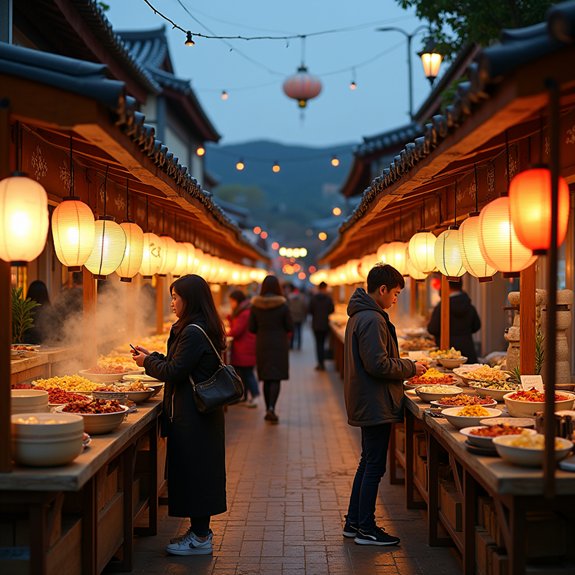
Gwangju’s weekend street food circuit isn’t just about stuffing your face with tteokbokki at Yangdong Market—it’s a full cultural immersion.
You’ll find yourself wandering through the nostalgic 1913 Songjeong Station Market, where vendors chat you up while grilling savory pajeon that’ll make your taste buds dance.
The markets buzz with energy, local flavors, and community spirit—honestly, there’s nothing like biting into a warm hotteok while surrounded by the authentic sights and sounds of Gwangju weekends.
For those heading to Seoul, exploring historic markets like Gwangjang Market—famous for its affordable, authentic street foods—is a must for any food lover.
-Day Temple Meditation Retreat
While the hustle of urban life can drain your spirit, Jeungsimsa Temple offers a peaceful escape within Mudeungsan National Park’s embrace. The Day Temple Meditation Retreat gives you a chance to reset your mental state through guided meditation sessions.
Seriously, when’s the last time you actually sat still for more than five minutes?
The retreat experience delivers:
- Mindfulness practices that connect you with your inner self – finally some quiet in that chaotic brain of yours
- Natural surroundings that calm your senses – trees don’t judge you like people do
- A perfect balance to complement Gwangju’s vibrant street food scene
After finding your zen, you’ll appreciate the culinary exploration even more. Nothing like meditation to work up an appetite for tteokbokki and hotteok at Daein Night Market afterward. For a broader experience of Korean festivals, consider visiting during the cherry blossom season, when cities like Jinhae and Seoul transform into picturesque landscapes filled with blooming cherry trees.
Seasonal Mural Walking Tour
From meditation to masterpieces—your artistic side needs awakening too. Gwangju’s seasonal mural walking tour delivers.
Yangnim-dong Penguin Village is your canvas come alive, with local artists transforming bland walls into vibrant street art that tells stories you’ll actually care about.
Weekend warriors, rejoice. This isn’t just about pretty pictures—it’s cultural heritage with attitude. Historical narratives jump from concrete surfaces while you stroll.
Hungry? Of course you are. The Weekend Street Food Circuit runs alongside, serving up local delicacies that’ll make your taste buds dance. Tteokbokki, hotteok, Gwangju kimchi. Yeah, they’re that good.
Want more? Craft workshops dot the route. Art installations demand your attention. The creative community welcomes you—temporarily.
It’s immersive, it’s authentic, it’s Gwangju unwrapped. Just show up weekends. Simple.
For a taste of Japan’s layered comfort food culture, consider visiting Okonomimura in Hiroshima, a multi-story maze of over 20 okonomiyaki restaurants, each offering their own unique twist on the iconic dish.
Sunset Cityscape Photography Route
As daylight fades, true photographers know the magic happens.
Begin at Sajik Park Observatory where panoramic views of Gwangju’s skyline await. The sunset creates dramatic lighting you can’t reproduce with filters. Trust me.
Next, plunge into Daein Night Market’s vibrant atmosphere. Local delicacies like tteokbokki and hotteok aren’t just Instagram-worthy—they’re actually delicious.
Your circuit includes:
- Dongmyeong-dong Café Street’s cozy spots for evening caffeine and people-watching
- Yangnim Penguin Village’s artistic murals that’ll make even amateur photographers look good
- Chungjang Ro’s energetic nightlife scene—perfect for capturing urban energy after dark
Between shots, grab street food. Nobody’s judging if you eat more than you photograph.
For street food inspiration, look for Korean specialties like tteokbokki, kimbap, and mandu that offer both flavor and affordability.
Busan Beaches vs. Mountains
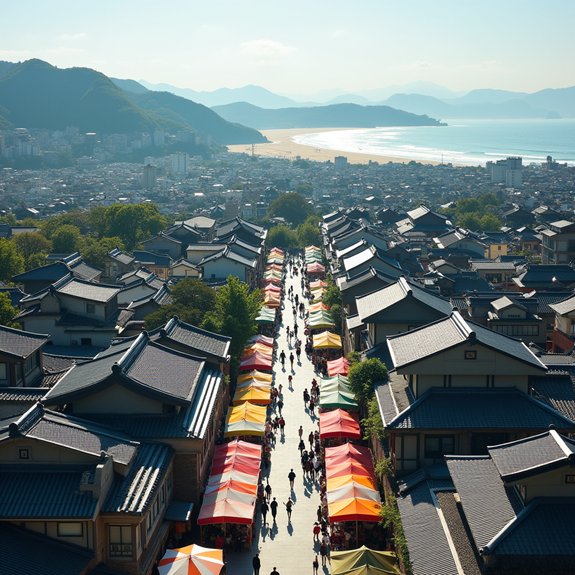
The debate between Busan’s beaches and mountains never gets old, especially for first-time visitors.
While Gwangju offers an enchanting art scene and vibrant food culture, Busan flaunts a different kind of natural beauty.
Haeundae and Gwangalli beaches draw massive crowds—over 100,000 daily in summer. Sunbathing, water sports, beachside partying. Classic stuff.
But the mountains? They’re just as impressive. Geumjeongsan and Jangsan give hikers those jaw-dropping panoramas without the sand in uncomfortable places.
The numbers don’t lie. Thirty-nine kilometers of coastline versus mountains covering 20% of the city. Both accessible by public transport from downtown.
Beach in the morning, mountain sunset by afternoon. Seriously, who needs to choose?
Summer for beaches, autumn for hiking trails. Busan doesn’t make you pick favorites.
If you’re looking for the top beaches in Busan, don’t miss Haeundae for its golden sands and energetic events, Gwangalli for its urban coastal vibe, and Songjeong for a more tranquil and scenic experience.
English Teaching Opportunities Abound
While Busan dazzles with its beaches and mountains, Gwangju opens doors for those looking to teach their native tongue. This city isn’t just about kimchi and museums—it’s a goldmine for English teaching opportunities with positions at public schools, private institutes, and universities.
You’ll need a bachelor’s degree and TEFL certification, but that’s about it.
What makes teaching here worth it?
- The locals are genuinely friendly—not that fake tourist-friendly. They’ll help you navigate Gwangju’s educational landscape without judgment.
- You’ll pocket competitive salaries plus housing allowances. Health insurance too. Not bad.
- Cultural exchange happens daily. You teach English; you learn life. Simple trade.
It’s straightforward. Come qualified, leave transformed.
If you’re interested in expanding your experience even further, consider international internships in China to gain global skills and exposure to dynamic industries.
Gwangju Vegetarian Restaurant Guide
You won’t starve as a vegetarian in Gwangju, trust me. Local specialties like bibimbap and mung bean pancakes at Sajik Halmae Bindaetteok give you plenty of plant-based options, while cafés and street markets offer everything from customizable kimbap to meat-free tteokbokki.
For those craving variety, Gwangju’s food scene is as diverse as ginseng chicken soup restaurants in Seoul, offering everything from traditional classics to modern twists.
Beyond the obvious spots, hidden gems throughout the city showcase Gwangju’s commitment to fresh, local ingredients—perfect for when you’re tired of explaining that fish sauce isn’t actually vegetarian.
Plant-Based Local Specialties
For vegetarians exploring Gwangju, Korea’s southwestern culinary gem offers surprisingly rich plant-based options that don’t skimp on flavor. The local specialty Gwangju kimchi—made from napa cabbage and radishes—packs a punch you won’t find elsewhere. Trust me.
Vegetarian-friendly restaurants like Sajik Halmae Bindaetteok serve incredible mung bean pancakes using traditional preparation methods passed down for generations. Nothing fancy. Just good.
Head to Yangdong Market when you’re ready to dive deeper:
- Pajeon – Savory green onion pancakes that’ll make you question why you ever ate meat
- Hobakjuk – Sweet pumpkin porridge that feels like a warm hug on a cold day
- Tteokbokki – Spicy rice cakes that’ll set your mouth on fire (in the best way)
Seasonal ingredients. Authentic flavors. No compromises.
For those packing light, travel-sized face masks from Korean skincare brands make it easy to keep your skin glowing and refreshed while discovering Gwangju’s culinary scene.
Café Culture Veg Options
Beyond the traditional markets, Gwangju’s café scene hides a treasure trove of plant-based gems that’ll make vegetarians weep with joy.
Plant-based options are everywhere. No joke.
Yetchon Makgeolli stands out, pairing traditional booze with vegetarian pajeon that’ll make your taste buds dance.
The city’s cafés don’t mess around with local flavors—bibimbap bursting with seasonal veggies, killer kimchi jeon, and tofu stews that’ll knock your socks off.
These spots aren’t just about food. They’re moody little hubs of artistic expression.
Creative décor. Art on the walls. Sometimes an entire exhibition while you munch.
The best part? These cafés source ingredients locally.
You’re eating fresh. Supporting farmers. Getting the real deal of Gwangju’s culinary heritage without a single animal product. Impressive.
For those planning a wellness retreat, consider packing must-have travel yoga mats to enhance your journey both in and out of Gwangju.
Hidden Veggie Gems
While Gwangju’s café scene offers plenty for plant-eaters, the city’s dedicated vegetarian restaurants deserve their own spotlight.
Gwangju’s vibrant culinary culture embraces vegetarians with open arms. Seriously. Places like Chungjangwon Kimbap serve fresh veggie rolls that’ll make you forget meat exists, while Sajik Halmae Bindaetteok’s mung bean pancakes? Game changers.
The local markets are where it’s at for authentic experiences:
- Daein Market – Raw ingredients galore. Cook your own veggie feast. Freedom!
- Yangdong Market – Snack heaven with surprisingly meat-free options. Who knew?
- Street food stalls – Modified tteokbokki without fish cake and sweet hotteok. Drool-worthy.
Traditional Korean cuisine gets a vegetarian makeover throughout the city.
Bibimbap minus meat? Still incredible. Kimchi? Often vegetarian-friendly. Pajeon? Veggie paradise.
Conclusion and Final Thoughts on Visiting Gwangju, South Korea
As you’ve journeyed through this guide to Gwangju, it’s clear that this South Korean gem offers something truly special.
Gwangju’s rich history, particularly the May 18 Democratic Uprising, gives the city depth you won’t find in typical tourist traps. It’s raw. It’s real.
This vibrant city balances tradition and innovation perfectly. One day you’re contemplating democracy’s cost at the National Cemetery, the next you’re surrounded by cutting-edge installations at the Biennale. That’s Gwangju for you.
The cultural hub status isn’t just for show. From Mudeungsan’s peaceful trails to Penguin Village’s quirky art scene, there’s substance here.
And let’s not forget that culinary scene. Seriously, the kimchi alone is worth the trip.
Gwangju doesn’t beg for tourists. It simply exists, authentically Korean.
Frequently Asked Questions
Is Gwangju Safe for Solo Female Travelers at Night?
Gwangju’s generally safe for solo female travelers at night.
Crime rates? Low. The city’s well-lit main areas have plenty of people around until late. Public transportation runs until midnight, and taxis are reliable after that.
Still, common sense applies. Don’t wander into poorly lit alleys. Some neighborhoods get quiet after dark. Keep your wits about you, just like anywhere else.
Most locals will help if you’re lost.
How Reliable Is Public Wifi Throughout Gwangju?
Public wifi in Gwangju? Pretty solid.
You’ll find free connections at major tourist spots, shopping centers, and subway stations. Coverage isn’t perfect—some residential areas can be spotty.
Most cafés offer reliable connections (just buy a coffee first, cheapskate). Government-sponsored “Public WiFi” networks blanket downtown areas.
Speed? Decent enough for maps and social media. For video calls or streaming? Hit or miss. Bring a backup data plan if you’re dependent.
What Are Gwangju’s Best Local Souvenirs to Bring Home?
Looking for the perfect Gwangju keepsake? Grab some Mudeungi rice cakes – they’re legit delicious.
Gwangju’s celadon pottery reflects centuries of craftsmanship. Serious art lovers should check out prints from the Biennale.
Kimchi from the Daein Market packs authentic flavor. Traditional hanbok-inspired accessories make unique gifts.
The “May 18” memorabilia carries historical weight. Don’t bother with generic Korean souvenirs – Gwangju’s local specialties tell a better story.
Can I Use Credit Cards or Should I Carry Cash?
South Korea’s basically a card paradise. You’ll find credit cards accepted everywhere in Gwangju – hotels, restaurants, department stores.
But here’s the thing. Small vendors, traditional markets, and hole-in-the-wall spots? Cash only, folks.
ATMs are abundant, but withdrawal fees can be annoying. Best strategy? Carry some won for those authentic market snacks and street food adventures. Cards for everything else.
Are There Day Trips From Gwangju Worth Taking?
Absolutely. Boseong’s green tea fields are stunning. Period.
Damyang offers bamboo forests and traditional hanok villages – worth the quick trip.
Mokpo’s got harbor views and seafood that’ll make you drool.
Suncheon Bay’s wetlands? Incredible for nature lovers.
Mudeungsan National Park sits right outside the city – perfect for hiking without the full day commitment.
Most spots are under two hours away. Easy day trips, maximum impact.
Conclusion
You’ll never forget Gwangju. Seriously. With over 200 art spaces packed into this compact city, it’s Korea’s cultural powerhouse. Not just another tourist trap. The food’s cheap, the people warm, and the history? Raw and real. Come for the Biennale, stay for everything else. Gwangju hits different. Trust me—your Instagram feed will thank you later.
More on Travel Essentials:

Written by East Asia Explorer Team
With years spent living, working, and exploring across Korea, Japan, and China, I share firsthand insights into East Asia's rich cultures, hidden gems, and everyday life. My journey also includes studying in Malaysia and traveling through Southeast Asia, experiences that have deepened my appreciation for the region's diversity. Through practical tips, local stories, and travel guides, I aim to help fellow explorers discover both the celebrated highlights and the lesser-known corners of East Asia.