Last Updated: February 23, 2026 | Originally Published: May 11, 2025
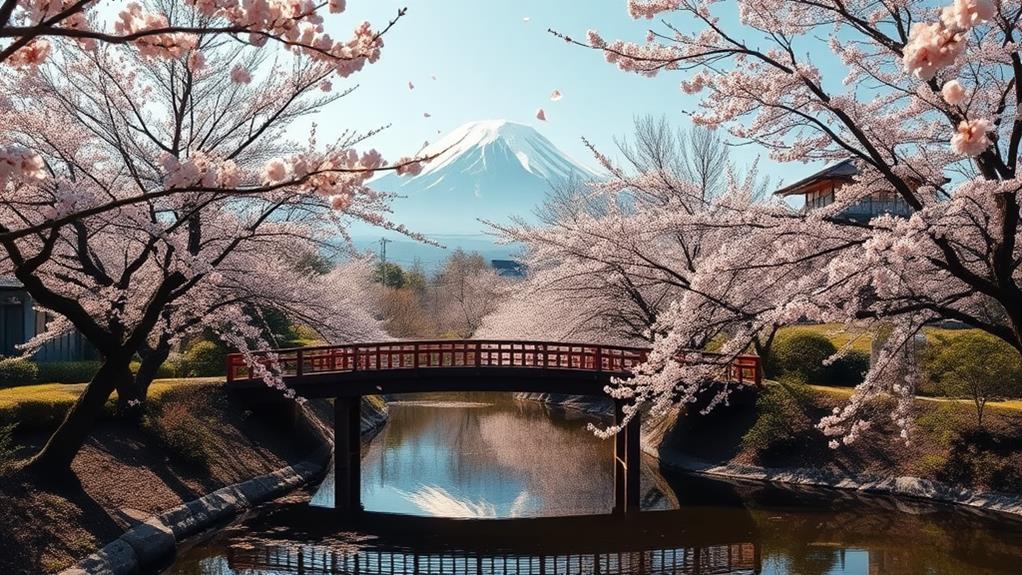
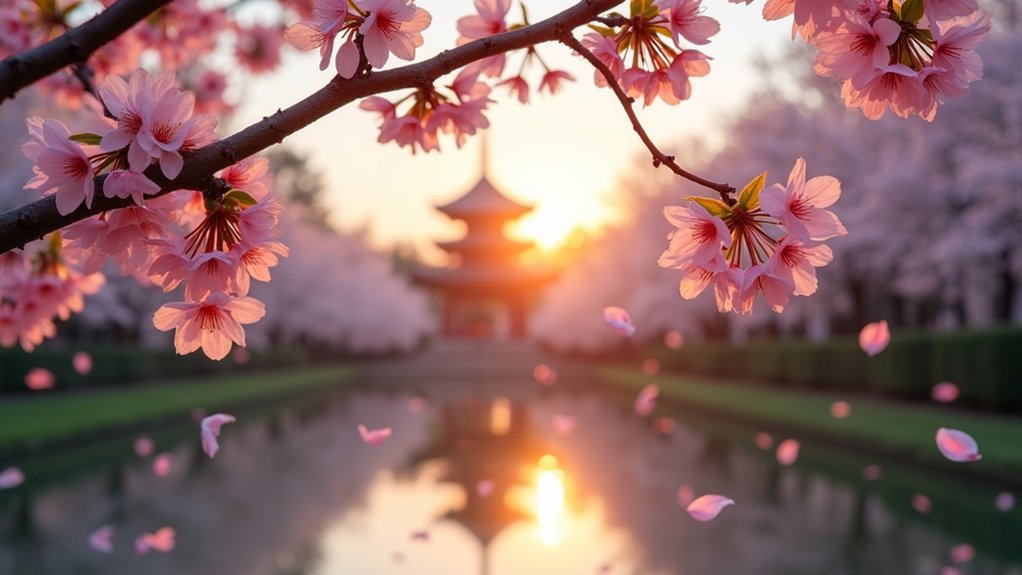
Japan’s spring explodes with cherry blossoms, drawing crowds to iconic spots like Ueno Park and Kyoto’s Philosopher’s Path—oh, what a spectacle. Peak blooms stagger across the country, from Okinawa’s early February start to Hokkaido’s May finale. Ueno Park and Shinjuku Gyoen in Tokyo buzz with picnickers, while Mount Yoshino’s 30,000 trees blanket Nara’s mountainsides in pink. For the best experience in Tokyo, check the cherry blossom forecasts to plan your visit during peak bloom. (Source: Japan National Tourism Organization)
Yozakura, those nighttime illuminations, light up Hirosaki Park and Takada Castle Site Park, turning trees into glowing party lights. Hanami picnics? A nationwide tradition that’s equal parts charming and chaotic, with blankets sprawled everywhere. Who needs personal space when petals are falling?
Yozakura lights transform Hirosaki Park into glowing magic, while hanami picnics sprawl chaotically—forget space amid falling petals!
Spring festivals amp up the energy. The Takayama event in April parades ornate yatai floats and performances—pure cultural eye candy. Hirosaki’s Cherry Blossom Festival, one of the biggest, lures millions in late April, though good luck finding parking.
Tokyo’s Sanja Matsuri in May explodes with traditional flair in Asakusa, all drums and shrines. Then there’s Okinawa’s Naha Hari dragon boat thing in May, or Fukuoka’s Hakata Dontaku Festival, both a wild mix of history and fun. Festivals like these? Over-the-top celebrations that scream, “Spring’s here, deal with it.”
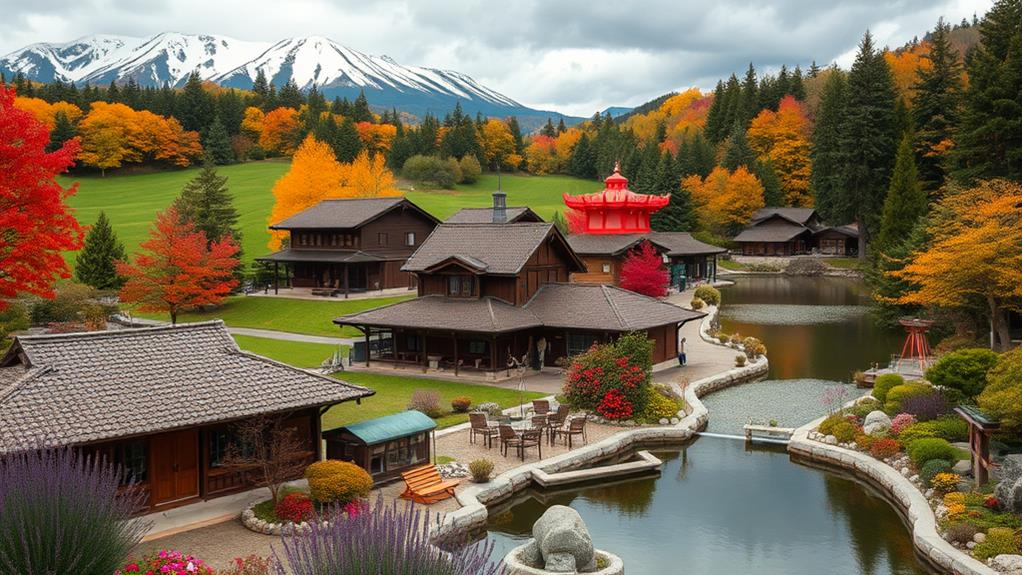
Beyond sakura, other flowers steal the show. Wisteria drapes Ashikaga Flower Park in late April, creating purple tunnels that are, frankly, nature’s bad joke on allergies. Moss phlox at the Fuji Shibazakura Festival forms colorful carpets from mid-April, like a giant, fluffy rug.
Tulips pop up in Showa Kinen Park from late March, and nemophila turns Hitachi Seaside Park into a blue ocean by May. Even plum blossoms kick off the season in February, subtle harbingers that say, “Cherry’s coming, get ready.”
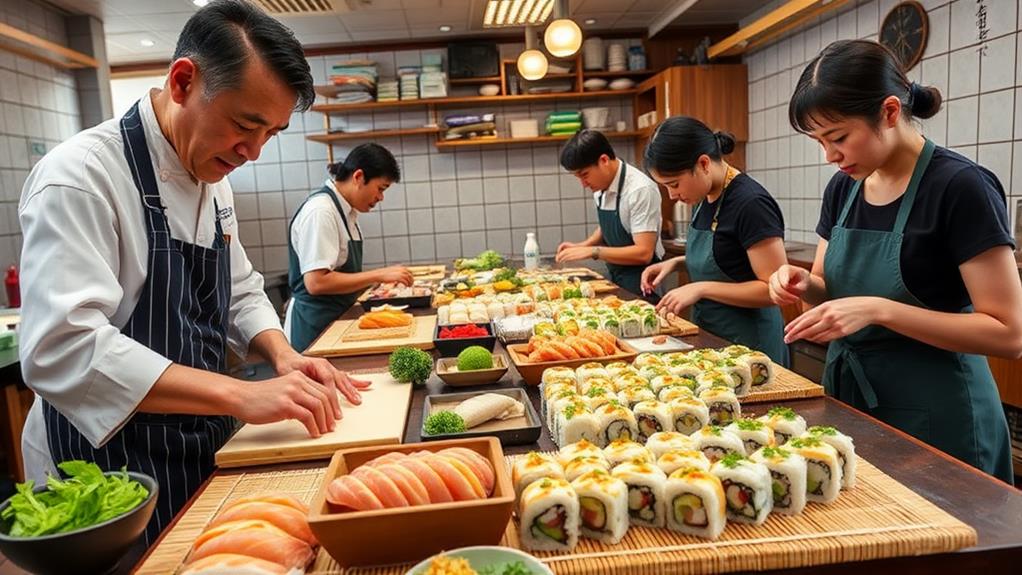
Cuisine adds flavor to the adventure. Sakura mochi, those pink rice cakes, taste like spring bottled up. Fresh bamboo shoots star in takikomi gohan, while mountain veggies like fuki and nanohana hit the plate. For a refreshing twist, savor the shaved ice treat that’s a highlight in Fukuoka. Strawberries dominate with ichigo daifuku sweets, and oddities like firefly squid pop up. It’s all seasonal, fresh, and—let’s be honest—sometimes weirdly delicious.
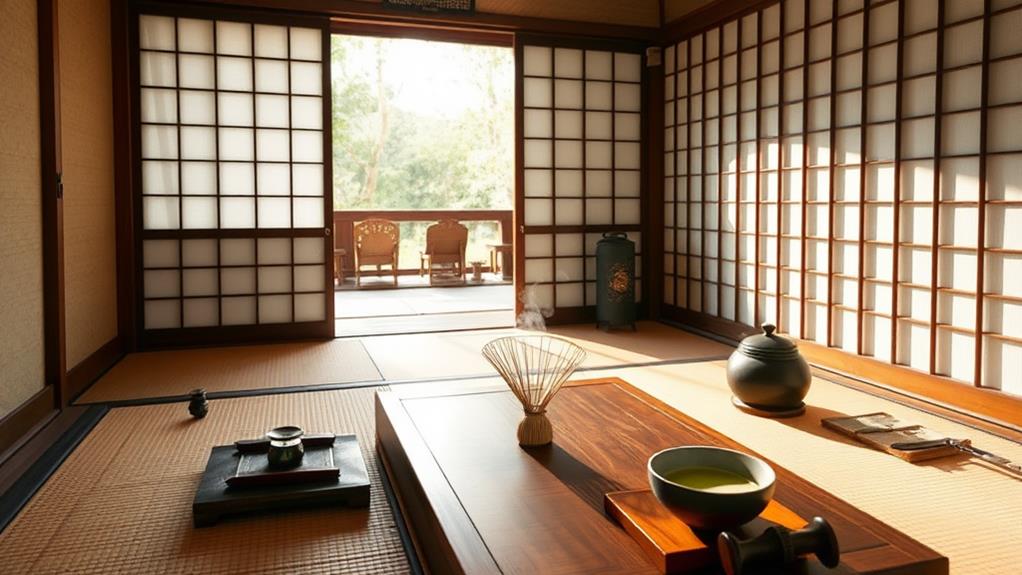
Outdoor pursuits round out the trip. Hiking Nikko National Park in mild weather feels invigorating, snow walls at Tateyama Kurobe Alpine Route tower in April. Onsen like Hakone offer steamy escapes, and Kyoto’s gardens, such as Ryoan-ji, bloom with serenity.
Exploring spots like these? A direct hit of nature’s best, no frills needed. The journey wraps up with memories that linger, petals and all. To fully enjoy the trip, keep in mind that evening temperatures can drop to 5-10°C, making layering essential.
More on Japan:
Planning a trip to Japan?
Check out our Japan Travel Hub for more guides, including JR Pass Guide 2026.

Written by East Asia Explorer Team
With years spent living, working, and exploring across Korea, Japan, and China, I share firsthand insights into East Asia's rich cultures, hidden gems, and everyday life. My journey also includes studying in Malaysia and traveling through Southeast Asia, experiences that have deepened my appreciation for the region's diversity. Through practical tips, local stories, and travel guides, I aim to help fellow explorers discover both the celebrated highlights and the lesser-known corners of East Asia.