Last Updated: April 8, 2026 | Originally Published: February 22, 2026
Japan
Destinations • Last updated: February 21, 2026
Hokkaido Travel Guide (2026): Snow, Seafood, and Scenic Trains
I still remember stepping off my first flight at New Chitose Airport in the dead of winter. The cold hits you
differently up here in Japan’s northernmost prefecture. It is crisp, utterly silent, and smells faintly of pine.
Hokkaido is massive, wild, and incredibly rewarding if you know how to navigate it.
Most travelers think of Hokkaido solely as a winter skiing paradise, famous for the legendary powder snow of
Niseko. But after taking four extended road trips across the island throughout different seasons, I am convinced
it is equally magical during the cool, dry summers. Whether you want to eat world-class crab in Sapporo, wander
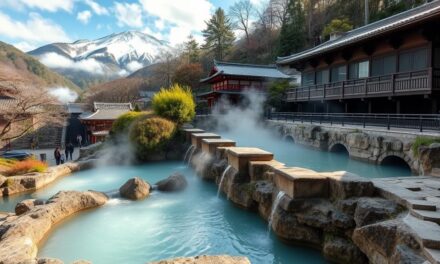
through the lavender fields of Furano, or soak in an isolated outdoor hot spring while snow falls around you,
this 2026 hokkaido travel guide has you covered. (see Japan National Tourism Organization (JNTO))
(2026)
Late December through March
February 4th – February 11th, 2026
New Chitose Airport (CTS), near Sapporo
Rental Car (Summer) or JR Hokkaido Train Passes (Winter)
How Do You Get Started Around: Trains vs. Rental Cars?
| Season | Months | Temp | Top Activities | Key Events | Crowds |
|---|---|---|---|---|---|
| ❄️ Winter | Dec–Feb | -5 to 2°C | Skiing, snowboarding, snow festivals | Sapporo Snow Festival (Feb) | High |
| 🌸 Spring | Mar–May | 5 to 17°C | Cherry blossoms, Hakodate walks | Matsumae Cherry Blossom Festival (Apr) | Moderate |
| 🌻 Summer | Jun–Aug | 18 to 27°C | Lavender fields, cycling, coastal drives | Furano Lavender Festival (Jul) | Peak |
| 🍂 Autumn | Sep–Nov | 8 to 20°C | Foliage, hot spring towns, seafood | Autumn foliage Sounkyo Gorge (Oct) | Moderate |
Sapporo 🏙️
★★★★☆
Price: From Tokyo ¥10,000–25,000
Crowds: Always busy
Hokkaido’s capital — great food, nightlife, Snow Festival base.
Niseko ⛷️
★★★★★
Price: Lift pass ¥7,000–10,000/day
Crowds: Busy in winter
World’s best powder snow. Summer: mountain biking and rafting.
Furano 🌸
★★★★☆
Price: Budget-friendly
Crowds: July crowds
Lavender fields July–Aug. Peaceful ski resort in winter.
Hakodate 🌊
★★★★☆
Price: Moderate costs
Crowds: Moderate
Night views, morning market, Goryokaku fortress. Easy day trip.
Shiretoko 🦊
★★★★★
Price: UNESCO fees apply
Crowds: Low–moderate
UNESCO World Heritage. Brown bears, drift ice tours, untouched wild.
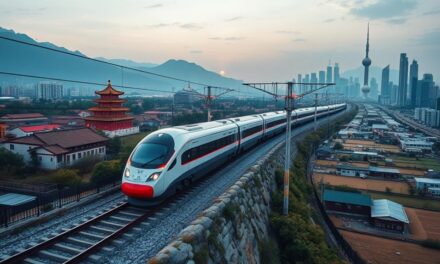
Because Hokkaido is roughly the size of Austria, travel times between cities are much longer than you might
expect based on experiences in Tokyo or Kyoto. You have two main options for getting around: the rail network or
driving.
If you visit between December and March, I highly recommend sticking to the trains. Winter driving here involves
sudden whiteout blizzards, black ice, and massive snowbanks. Unless you have significant experience driving in
extreme winter conditions, it is not worth the stress.
If you visit between May and October, renting a car is the absolute best way to see the island. You can pull over
at random dairy farms for fresh ice cream, access remote national parks like Daisetsuzan, and travel on your own
schedule. Rental cars average about 8,000 JPY to 12,000 JPY ($53 – $80 USD) per day.
What Is the 2026 JR Hokkaido Rail Passes?
If you decide to rely on the trains, purchasing a specialized regional JR Pass is vital. Following the massive
nationwide JR Pass price hikes a few years ago, regional passes have become the only economically sensible
choice.
For 2026, JR East and JR Hokkaido have instituted new pricing structures. Most notably, the popular JR East-South
Hokkaido Rail Pass jumps from 35,370 JPY to 40,000 JPY starting in mid-March 2026. Let’s break down the best
options.
| Pass Name | Validity | 2026 Price (Adult) | Best For… |
|---|---|---|---|
| JR East-South Hokkaido Pass | 6 Consecutive Days | 40,000 JPY *(Pricing effective March 14, 2026) | Travelers taking the Shinkansen all the way from Tokyo to Hakodate/Sapporo. |
| JR Tohoku-South Hokkaido Pass | 6 Consecutive Days | 32,000 JPY *(Pricing effective March 14, 2026) | Exploring the northern tip of Honshu (Tohoku) and crossing over into Hakodate. |
| JR Sapporo-Furano Area Pass | 4 Consecutive Days | 11,000 JPY *(Pre-purchase price) | Short trips focusing purely on central Hokkaido (Sapporo, Otaru, Asahikawa, Biei). |
Remember that starting in March 2026, many limited express trains in Hokkaido will transition to all-reserved
seating. You must go to a ticket machine or counter at the station to book your specific seat in advance, even
if you hold the unlimited pass.
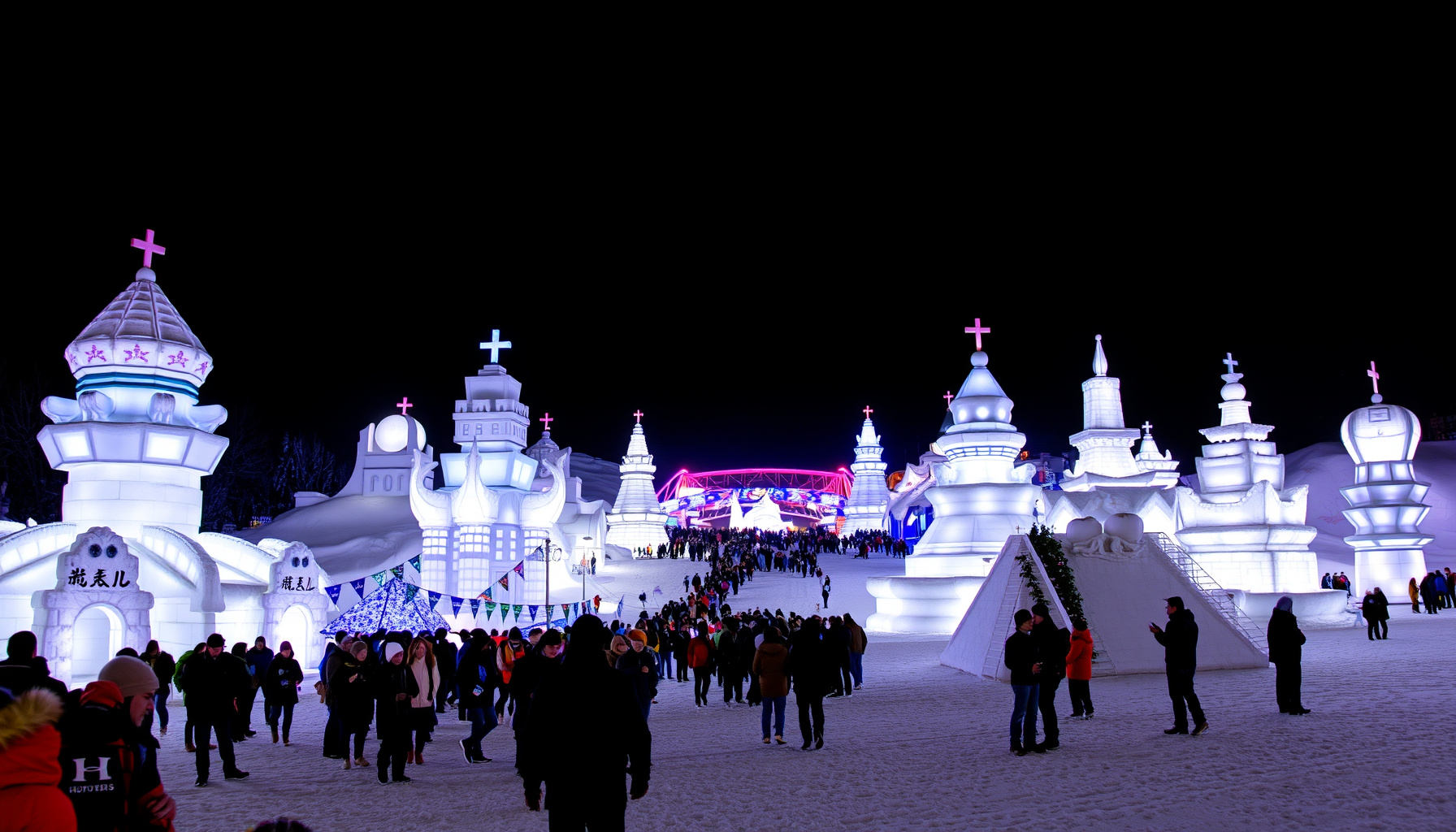
The Sapporo Snow Festival: 2026 Dates
Every February, Sapporo completely transforms. The city imports thousands of tons of snow to build massive,
intricate sculptures right in the middle of Odori Park. Some of these structures are the size of actual
apartment buildings and act as stages for live musical performances.
The 76th annual Sapporo Snow Festival is officially scheduled to run from Wednesday, February 4th to
Wednesday, February 11th, 2026. The festival is split across three main venues: Odori Park (the
massive sculptures), Susukino (the ice carving competition blocks), and Tsudome (the family-oriented snow slides
and rafting tubes).
If you plan to attend, you must book your hotel immediately. I am not exaggerating. Hotels in central Sapporo
routinely sell out eight to ten months in advance for festival dates. Expect to pay triple the normal nightly
rate. (see Official Japan Rail Pass)
👢 Essential Snow Festival Packing List
- Attachable Ice Cleats: Sapporo sidewalks turn into sheer sheets of black ice. You can
buy cheap rubber cleats at local convenience stores to slip over your boots. - Merino Wool Base Layers: Do not rely on thick cotton sweaters. You need high-quality
thermal layers underneath a windproof outer shell. - Touchscreen Gloves: Taking your gloves off constantly to take photos of the sculptures
in -10°C (14°F) weather will result in numb, painful fingers within minutes. - Portable Phone Charger: The extreme cold drains lithium-ion batteries roughly twice as
fast as normal. Keep a power bank close to your body heat in an inner pocket.
What Are the Best Destinations to Include in Your Itinerary?
Hokkaido is too large to see in a single week. You have to prioritize. Here are the core areas you should
consider building your 2026 itinerary around.
Sapporo: The Cultural Heart
As the capital city, Sapporo is your base camp. Spend at least two full days here. Check out the historic Sapporo
Beer Museum, drink your way through the neon-drenched Susukino entertainment district, and take the ropeway up
Mount Moiwa at sunset for one of the top three night views in all of Japan.
Otaru: The Romantic Harbor
Just a quick 45-minute train ride west of Sapporo sits Otaru. This beautifully preserved port town is famous for
its stone-lined canal, exceptionally fresh sushi, and intricate blown glass studios. You only need a half-day or
a single overnight stay here. Walk the Sakaimachi Street, eat a double-layer LeTAO cheesecake, and enjoy the gas
lamps reflecting off the water at night.
Niseko & Rusutsu: The Powder Capitals
If you are a skier or snowboarder, this is holy ground. Thanks to weather patterns coming from Siberia, this
region receives some of the lightest, driest powder snow on earth. Niseko caters heavily to international
tourists (English is spoken everywhere, and there are countless Australian run bars). If you want slightly fewer
crowds but equally brilliant snow, head 40 minutes east to Rusutsu Resort.
Hakodate: The Southern Star
Located at the southern tip of the island, Hakodate is usually the first stop for travelers arriving via the
bullet train from Tokyo. Wake up at 6:00 AM to visit the Asaichi Morning Market, where you can catch your own
live squid and have it prepared immediately. The historic Motomachi district features sloping streets lined with
19th-century Western-style architecture from the city’s early trading days.
What to Eat: Hokkaido’s Culinary Triumphs?
Ask anyone in Tokyo where the best food in the country comes from, and they will point north. Hokkaido’s vast
farmlands and frigid surrounding oceans produce unmatched ingredients.
First, you must eat the crab (kani). King crab, snow crab, and the highly prized, spiky Hanasaki crab are
available everywhere. You can eat it grilled over charcoal, boiled, or raw as sweet, buttery sashimi. Expect to
pay around 8,000 to 12,000 JPY for a substantial crab dinner in Sapporo.
Next, seek out Soup Curry. This is a purely Sapporo invention. Unlike thick, rich Japanese curry, this is a
heavily spiced, almost broth-like dish loaded with massive chunks of roasted root vegetables and
falling-off-the-bone chicken legs. My absolute favorite spot in 2026 is still Soup Curry Garaku in the Susukino
district, though you should expect to wait in line for at least 45 minutes.
Finally, there is Jingisukan (Genghis Khan). This is a beloved local BBQ dish of lamb or mutton grilled alongside
bean sprouts and cabbage on a convex metal skillet shaped like a soldier’s helmet. You cook the meat yourself at
the table, dipping it into a tangy soy-based sauce. Wash it down with a massive draft of Sapporo Classic beer—a
brew you can only officially buy within Hokkaido prefecture.
Estimated Meal
Costs in Hokkaido (2026)
~1,200 JPY ($8)
~1,800 JPY ($12)
~9,000 JPY ($60)
Final Thoughts for Your 2026 Trip
Hokkaido asks you to slow down. You cannot sprint through temples here like you might in Kyoto. Instead, it is
about long train rides watching white birch forests whip past the window, soaking in mineral-rich onsen waters
until your skin wrinkles, and eating meals that taste so vividly fresh they momentarily ruin you for food back
home.
If you are planning to hit the February festivals, book your flights and hotels right now. If you are leaning
toward a summer road trip, start studying your international driving permit laws early. No matter when you
choose to go, Japan’s wild north never disappoints.
Related: Check out our JR Pass value comparison for more details.
Japan
Heading back down south after your Hokkaido
adventure? Read our in-depth guides for exploring the main island of Honshu by train.
Related Reading
More on Entertainment & Pop Culture:
Planning a trip to Japan?
Check out our Japan Travel Hub for more guides, including JR Pass Guide 2026.

Written by Sam Konneh
Sam Konneh is an AI strategist and digital marketer based in Seoul, South Korea. With years spent living, working, and exploring across Korea, Japan, and China, he shares firsthand insights into East Asia's cultures, hidden gems, and everyday life. A graduate of Inha University and KDI Graduate School, Sam combines data-driven expertise with on-the-ground experience. His journey also includes studying in Malaysia and traveling through Southeast Asia. Through practical tips, local stories, and travel guides, he helps fellow explorers discover both the celebrated highlights and the lesser-known corners of East Asia.