Last Updated: March 12, 2026 | Originally Published: February 24, 2025
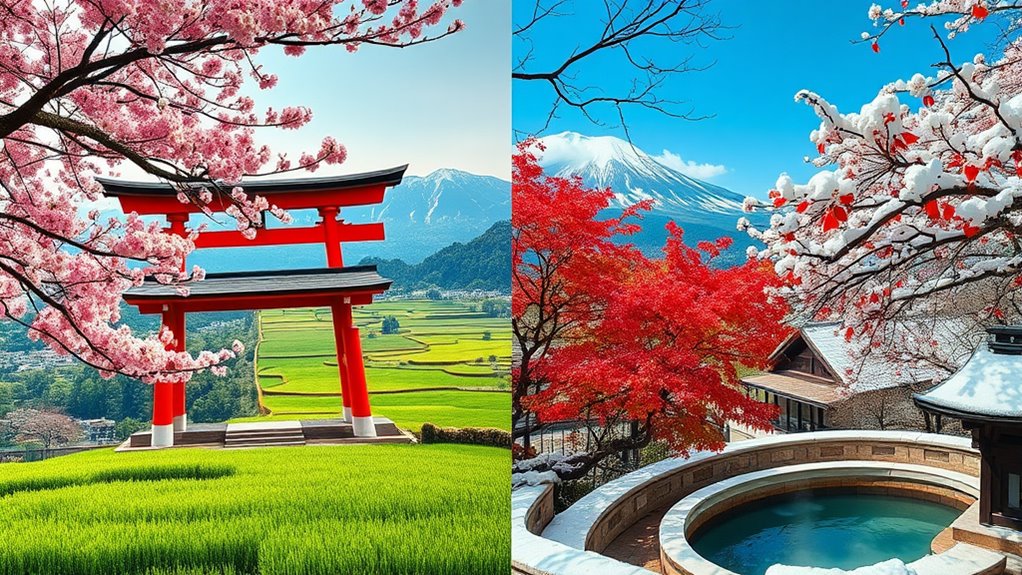
Japan offers amazing experiences throughout its four distinct seasons. You'll discover cherry blossoms in spring, vibrant festivals in summer, stunning fall foliage in autumn, and world-class skiing in winter. Each season brings unique cultural celebrations, from hanami picnics under blooming trees to illuminated winter markets. Plan your visit around these seasonal highlights, pack appropriately for the weather, and book early for popular events. Let's explore how to make the most of Japan's year-round attractions. (Source: Japan National Tourism Organization)
Read our full Japan Travel Guide 2026 for everything you need to plan your Japan trip.
Explorer Insights
- Spring offers peak cherry blossom viewing at iconic locations like Hirosaki Castle and Himeji Castle from late March to early May.
- Summer features major festivals including Gion Matsuri in Kyoto, with opportunities for mountain escapes and riverside dining experiences.
- Autumn highlights include vibrant foliage viewing in Kyoto and Nikko, complemented by seasonal harvest festivals throughout Japan.
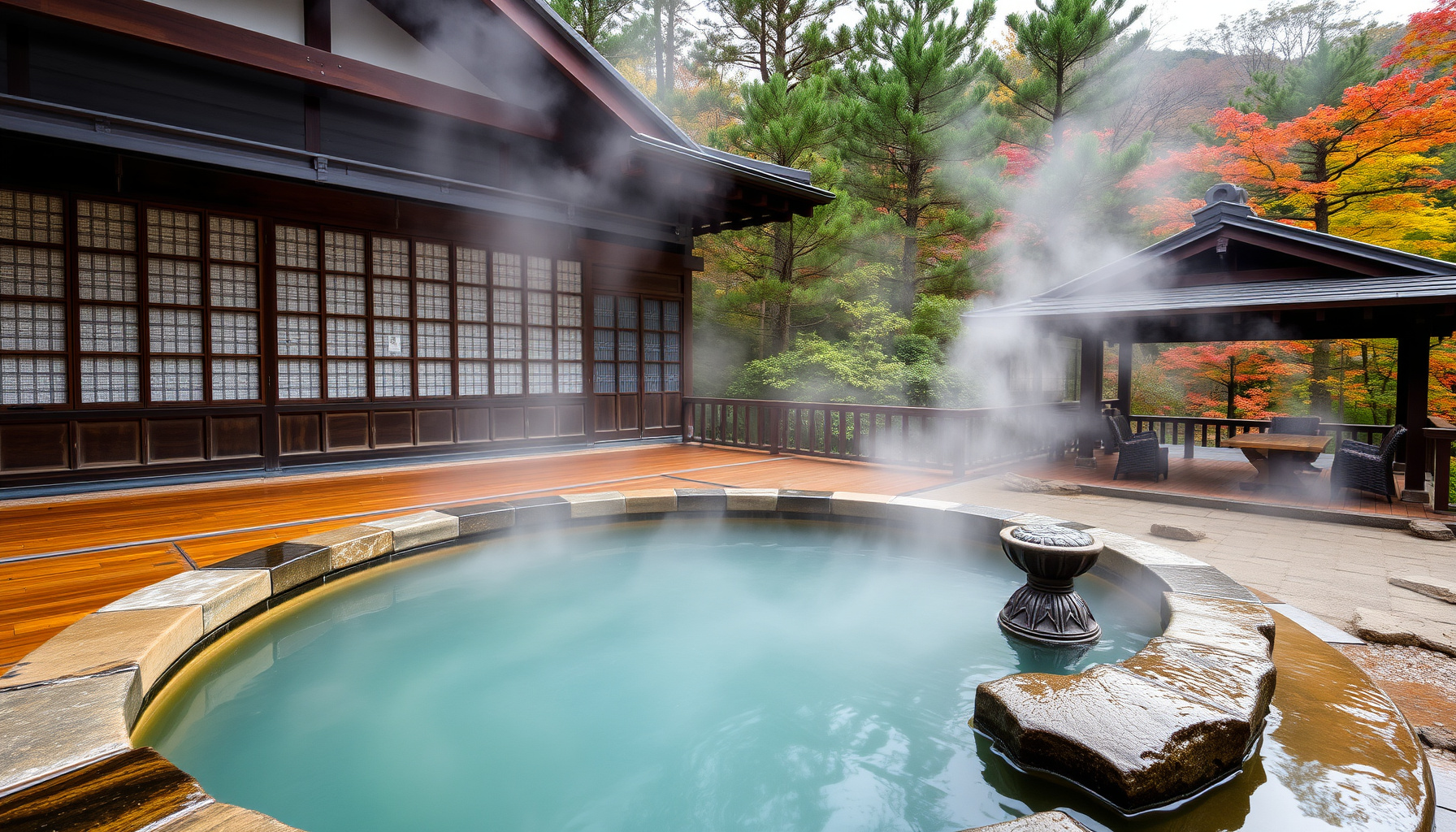
- Winter provides world-class skiing in Niseko, relaxing hot springs in Hakone, and spectacular illumination displays nationwide.
- Book accommodations well in advance and pack weather-appropriate clothing for each season's unique activities and cultural experiences.
Planning Your Seasonal Visit to Japan
Planning a seasonal visit to Japan opens up endless possibilities for experiencing the country's diverse cultural offerings and natural beauty. You'll find unique adventures waiting in every season, from summer festivals to winter skiing.
In summer, you can join the excitement of Kyoto's Gion Matsuri or escape the heat in Hokkaido's lavender fields. During the early summer monsoon season, hydrangeas create stunning displays at temples and gardens across the country. If you're feeling adventurous, climb Mount Fuji during the July to September climbing season. For autumn travelers, the vibrant foliage in Kyoto and Nikko provides stunning photo opportunities, while harvest festivals celebrate local crops. When winter arrives, you'll discover world-class skiing in Niseko or relaxing hot springs in Hakone. Just remember to book early for popular events and pack appropriate clothing for each season's weather conditions.
Spring's Cherry Blossom Magic
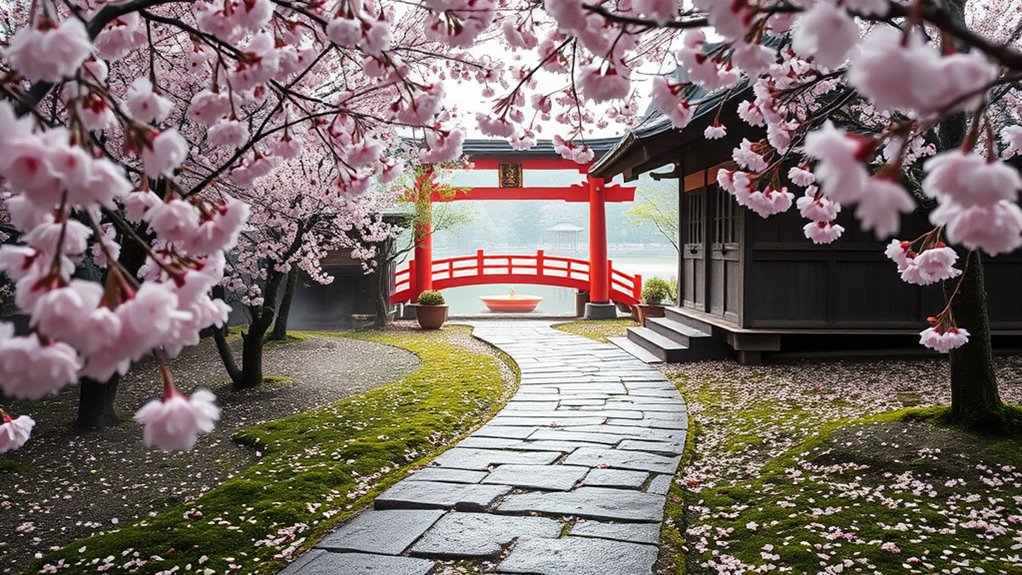
As you plan your springtime adventure in Japan, you'll want to time your visit carefully to catch the cherry blossoms at their peak, starting in late March for Tokyo and moving northward through May for Hokkaido. You can follow the blooms from iconic spots like Tokyo's Ueno Park to the historic Hirosaki Castle, where 2,600 cherry trees create a stunning backdrop against the 17th-century architecture. During your blossom-viewing journey, you'll find yourself immersed in vibrant festivals like the Takayama Spring Festival, where traditional floats parade through streets lined with sakura, while locals and visitors gather for hanami picnics beneath the flowering branches. This spectacular natural phenomenon draws an astounding 63 million travelers annually who journey across Japan to witness the fleeting beauty of the cherry blossoms. The Kawazu Cherry Blossom Festival in the coastal town of Kawazu showcases the early-blooming Kawazu-zakura variety, offering visitors a unique opportunity to experience the cherry blossoms as early as February.
Top Viewing Locations
The magic of Japan's cherry blossoms comes alive at several stunning historic sites and cultural landmarks across the country. You'll find some of the most breathtaking views at Hirosaki Castle Park, where you can rent a boat and float beneath 2,600 cherry trees, or at Himeji Castle, which features over 1,000 trees along its historic moats.
For a unique experience, head to Kakunodate's Samurai District, where weeping cherry trees create beautiful contrasts against traditional black fences. If you're looking for that perfect photo opportunity, don't miss Chureito Pagoda, where you can capture cherry blossoms with Mount Fuji in the background. The 1,000-year-old Miharu Takizakura in Fukushima, one of Japan's Three Great Trees, offers a truly spectacular sight you won't want to miss. The majestic Mount Yoshino showcases approximately 30,000 white wild cherry trees spread across its valleys and ridges, creating a breathtaking natural spectacle. Cherry blossoms are deeply woven into the fabric of Japanese culture, symbolizing the beauty and fragility of life.
Timing Your Blossom Visit
When you're dreaming of seeing Japan's stunning cherry blossoms, timing is everything for your perfect hanami experience. The blooms follow a predictable pattern, starting in the warmer southern regions and gradually moving north as temperatures rise.
You'll find the first blossoms in Kyushu around late March, with cities like Fukuoka and Kagoshima leading the way. Central Japan, including Tokyo, Kyoto, and Osaka, reaches peak bloom between late March and early April. If you're heading to northern regions, plan for mid-April in places like Nagano and Sendai, while Hokkaido's blooms arrive last in late April to early May. Remember that each location's full bloom typically lasts about a week, so you can plan your journey to follow the blossoms as they travel northward through the country. For a magical evening experience, many visitors enjoy yozakura night viewing, where the blossoms are illuminated after dark. Additionally, some spring flower festivals in Korea, such as the Gunhangje Canola Flower Festival, showcase stunning floral displays that may inspire your travel plans.
Festival Culture Celebrations
Spring celebrations come alive through Japan's most enchanting cherry blossom festivals, where you'll discover unique local traditions and spectacular viewing spots across the country.
You won't want to miss the Kawazu Cherry Blossom Festival in Shizuoka, where 8,000 early-blooming trees create a stunning 4km pink corridor along the river, complete with evening light displays. Visitors can enjoy sakura-themed treats and local delicacies from numerous food stalls throughout the festival grounds. In Ibaraki, the Hitachi Sakura Festival showcases 120 classic Somei Yoshino trees, while Kamine Park's collection includes rare varieties like Gyoiko and Ukon. For an unforgettable experience, head to Hirosaki Castle Festival in Aomori, where 2,600 trees create the famous Sakura Tunnel and Petal Carpet. If you're in Tokyo, Shinjuku Gyoen offers a perfect spot for hanami picnics among its diverse cherry tree collection. The Hwagae Cherry Blossom Festival in South Korea features a 7-kilometer stretch of road lined with over 40,000 cherry blossom trees, creating a breathtaking floral tunnel.
Summer Adventures and Festival Celebrations
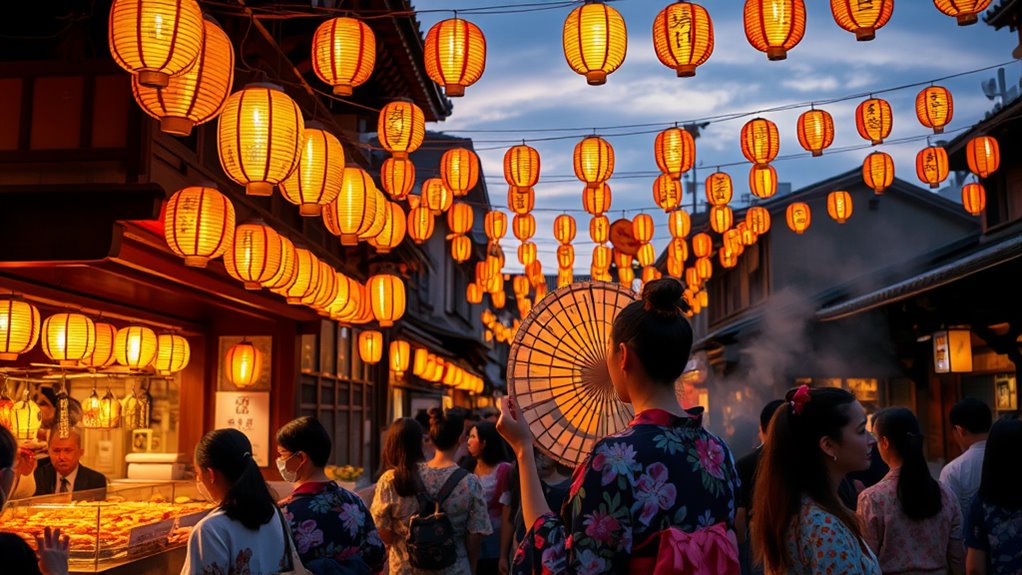
You'll discover the heart of Japanese summer through its vibrant festivals, where ancient traditions come alive with spectacular firework displays, colorful float processions, and energetic dance performances. When the heat rises, you can join locals at the famous Gion Matsuri in Kyoto or watch the dazzling Sumida River fireworks in Tokyo, where festival-goers in yukata create an unforgettable atmosphere. To escape the summer warmth, consider heading to the cooling mountain trails of the Japan Alps or enjoying a traditional kawadoko riverside dining experience in Kyoto, where elevated platforms offer a rejuvenating retreat above flowing waters. The adventurous can participate in the thrilling Matsukawa River Race, where competitors navigate the currents in wooden tubs for a uniquely Japanese summer experience. Portable fans can be a great companion to keep you cool during these vibrant summer festivals.
Festivals Under Summer Skies
During Japan's vibrant summer months, the nation bursts into a kaleidoscope of festivals that paint the skies with fireworks and fill the streets with joyful celebration. You'll find yourself mesmerized by the UNESCO-recognized Yamaboko floats in Kyoto's Gion Festival, where centuries-old treasures parade through ancient streets like moving museums.
The beloved star-crossed lovers' tale of Hikoboshi and Orihime comes alive during the Tanabata Festival, as families write their wishes on colorful paper strips and hang them from bamboo branches. In Aomori, you won't want to miss the Nebuta Matsuri, where massive illuminated floats tell stories of myth and history while flutes and taiko drums create an enchanting atmosphere. For a spectacular pyrotechnic display, head to Tokyo's Sumida River Fireworks Festival, where more than 20,000 fireworks light up the Asakusa skyline. These summer festivals offer you the perfect chance to experience Japan's rich cultural heritage while making unforgettable memories.
Beat the Summer Heat
While Japan's summer festivals offer incredible cultural experiences, the season's heat and humidity can be challenging for travelers. You'll find plenty of ways to stay cool while exploring this beautiful country, from invigorating coastal escapes to mountain retreats. Teamlab exhibits provide immersive digital art experiences in air-conditioned spaces. Infinity pools overlooking the city skyline offer the perfect respite from the summer heat.
- Head to Hokkaido's lavender fields and hiking trails, where summer temperatures stay comfortably between 20-25°C
- Cool off with local favorites like kakigori (shaved ice) or cold soba noodles
- Take advantage of natural cooling spots like Lake Kawaguchi near Mount Fuji for boating and scenic views
For a perfect mix of comfort and culture, try wearing a lightweight yukata robe to summer events, or escape to air-conditioned underground malls in Shinjuku. Don't miss the chance to enjoy riverside dining at Kyoto's kawadoko, where raised-floor seating lets you dine by cooling waters.
Autumn's Spectacular Color Show
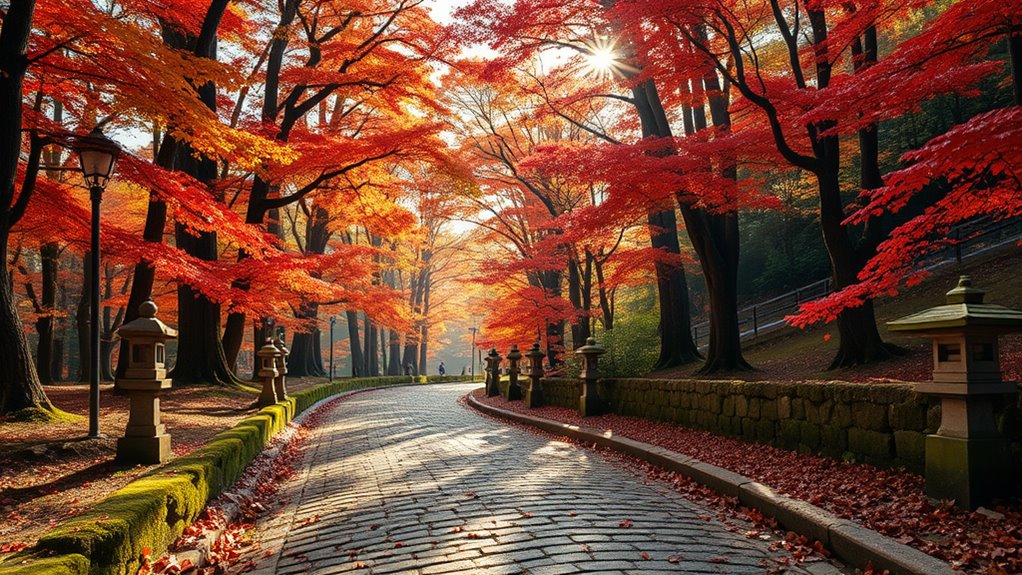
As Japan's weather patterns shift in unprecedented ways, traditional autumn foliage viewing has adapted to new timing across the country. You'll want to plan your visit carefully, as peak viewing dates now arrive later than before.
If you're heading to popular spots like Tokyo's Rikugien Gardens or Kyoto's Arashiyama, consider scheduling your trip for late November or early December. The beautiful red maples and golden ginkgo trees are taking longer to change colors, with some regions seeing delays of up to nine days. In Fukuoka, for example, you can now catch the yellow foliage around November 28, while Kyoto's famous maple displays extend well into December. Himeji Castle in Hyogo Prefecture is also known for its impressive autumn colors alongside historical architecture. Don't worry though – many locations have adjusted their viewing events, with extended evening illuminations and seasonal festivals to match nature's new schedule. This year's autumn temperatures have been the warmest in Japan's history, with readings 1.97°C higher than usual since records began in 1898.
Winter Wonderland Experiences
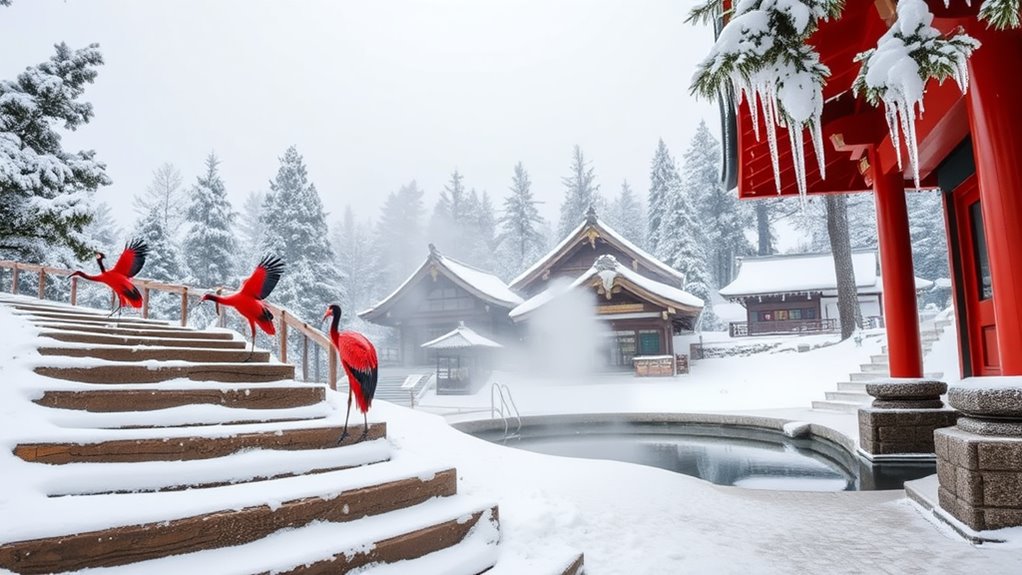
Japan's winter season brings a magical transformation that you won't want to miss, with record-breaking crowds flocking to experience the country's renowned winter activities. You'll discover why 3.49 million international visitors chose December 2026 for their Japanese adventure, drawn to world-class skiing in Niseko and enchanting winter festivals. The country's tourism growth has been remarkable, with May 2026 visitors reaching 3.54 million people.
Tomamu Ski Resort features 29 ski runs with an average annual snowfall of 12 meters, offering a winter paradise for visitors. Pristine powder snow at premier resorts like Nagano and Sapporo, where you can hit the slopes and unwind in soothing hot springs afterward. Mesmerizing winter festivals, including the famous Sapporo Snow Festival with its stunning ice sculptures and illuminations. Unique outdoor onsen experiences, where you can soak in steaming hot springs while snowflakes fall gently around you, just like the famous snow monkeys of Jigokudani.
Best Times for Cultural Immersion
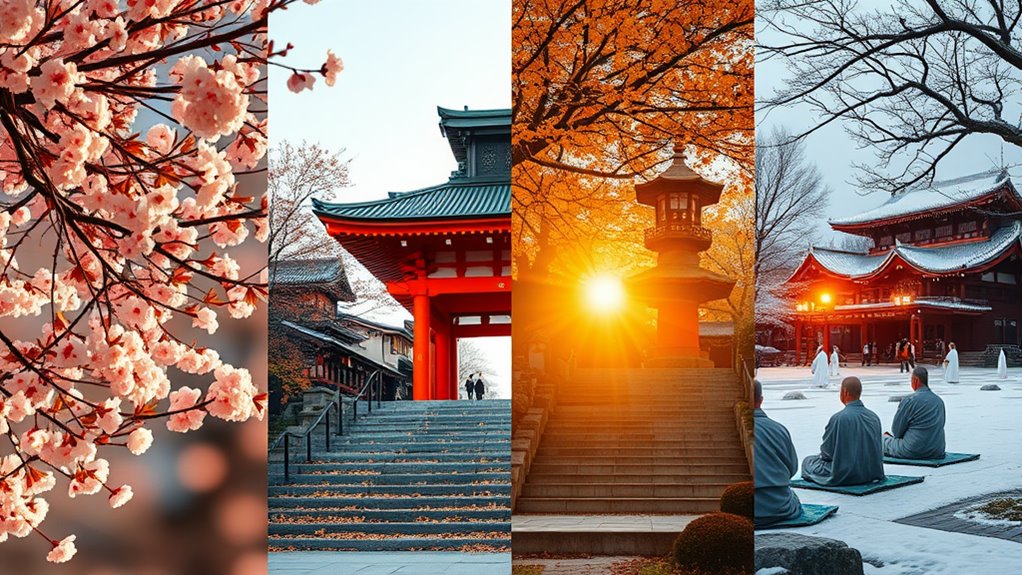
Beyond the winter wonderland, cultural immersion takes center stage throughout the year, with spring and summer offering the richest opportunities to experience traditional Japanese life.
You'll find spring bursting with cherry blossom viewing (hanami) at famous spots like Ueno Park in Tokyo, where you can join locals for festive picnics under blooming trees. Don't miss the ancient Aoi Matsuri procession in Kyoto or the vibrant AnimeJapan fair if you're an anime fan. Early planning is essential since these are peak travel seasons with higher accommodation costs. For summer immersion, you can experience the spectacular Gion Matsuri in Kyoto, complete with stunning float processions, or head to Hirosaki for the mesmerizing Neputa Matsuri with its giant lantern floats. Both seasons offer unique chances to try seasonal foods, from sakura-inspired treats in spring to traditional festival fare in summer. The Seoul Lantern Festival in South Korea is another must-see event showcasing a blend of traditional and modern Korean culture.
Transportation Tips Through the Seasons
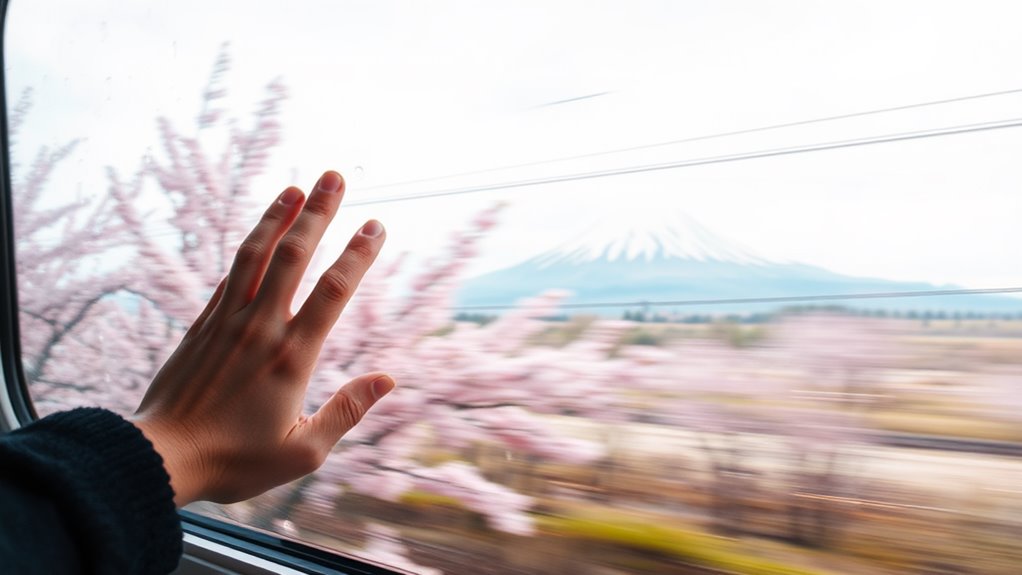
Traversing Japan's diverse transportation options requires careful planning across all four seasons. You'll want to adapt your travel strategy based on weather patterns, peak tourist periods, and seasonal events that affect transportation reliability. From cherry blossom crowds in spring to winter's icy conditions, each season brings unique challenges and opportunities for getting around. IC cards make seasonal travel smoother by providing seamless payment across multiple transportation systems.
- Spring demands early bookings for Golden Week, with special attention to cherry blossom routes and regional trains.
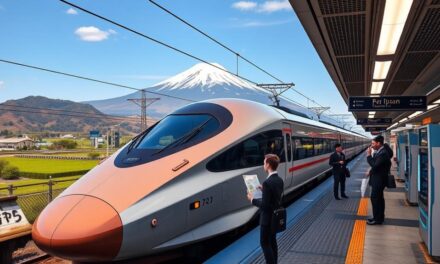
- Summer's typhoon season makes Shinkansen travel more reliable than ferries, while night buses offer cost-effective options.
- Autumn leaf viewing requires advance JR Pass reservations, particularly for popular routes like Kyoto to Tokyo.
Remember to check weather forecasts regularly and have backup plans ready, especially during changeover months when conditions can be unpredictable.
Seasonal Food and Culinary Delights
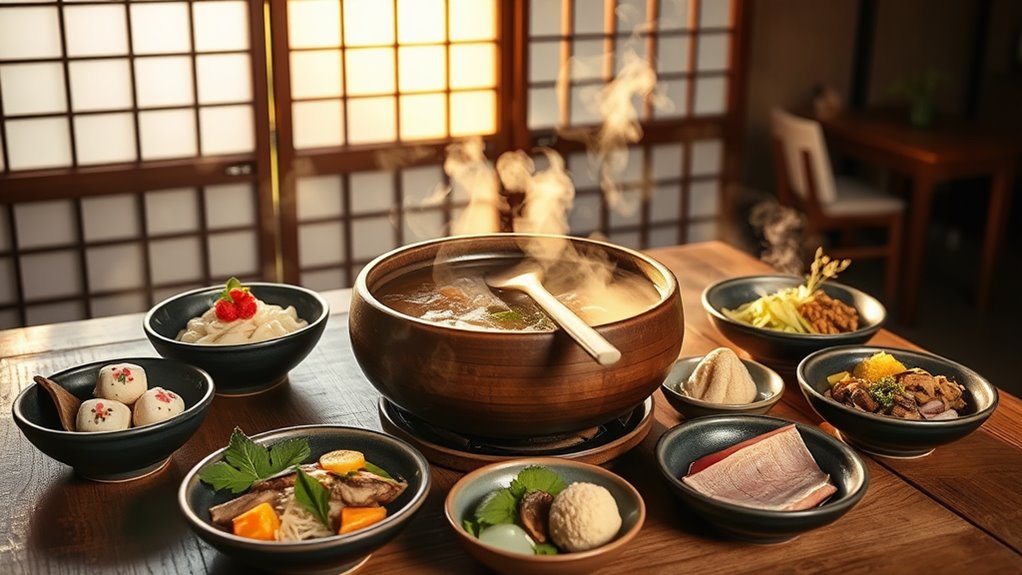
Food lovers will find their paradise in Japan's ever-changing seasonal cuisine, where each time of year brings its own special delicacies to the table.
In spring, you'll delight in sakura mochi and fresh strawberry treats while enjoying hanami picnics under blooming cherry trees. Summer brings invigorating kakigori shaved ice and grilled unagi to beat the heat, along with festival favorites from lively yatai food stalls. When autumn arrives, you can savor grilled sanma fish and matsutake mushrooms, while warming up with chestnut-filled dishes and kabocha pumpkin preparations. Winter's menu features soothing nabe hot pots and seasonal vegetables like daikon, perfect for staying cozy in the cold weather. Embracing the traditional concept of shun, Japanese chefs prioritize using ingredients at their peak freshness for maximum flavor and nutritional value. You'll discover that timing your visit to match these seasonal specialties adds an extra layer of enjoyment to your Japanese culinary adventure.
Packing Essentials for Each Season
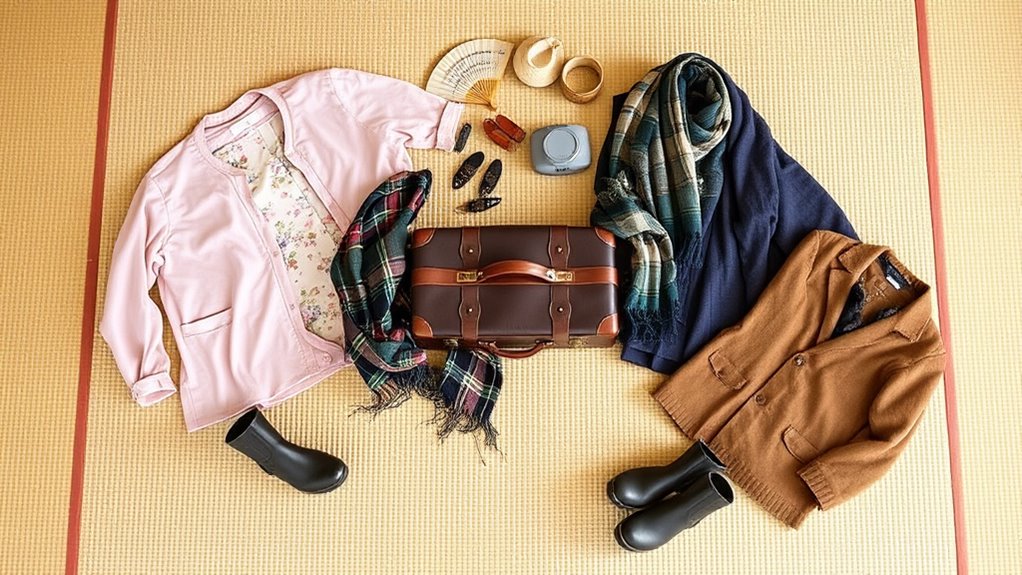
Packing the right items for Japan's distinct seasons can make your travel experience much more enjoyable. You'll want to adapt your suitcase contents based on the time of year you're visiting, as each season brings unique weather challenges and opportunities.
Three essential year-round items you shouldn't forget:
- A portable WiFi device to stay connected
- Quick-dry clothing that's easy to wash and wear
- A reusable water bottle for Japan's hot summers and cold winters
In summer, you'll need light, breathable clothing and sun protection, while winter calls for heavy insulation and waterproof gear. Spring travelers should pack layers and rain gear for cherry blossom viewing, and autumn visitors will want versatile clothing that adapts to changing temperatures. Using takuhaibin delivery service can help you manage your luggage between destinations while exploring Japan. Don't forget cultural considerations like modest clothing for temple visits and separate shoes for indoor spaces.
Frequently Asked Questions
Are There Any Seasonal Japanese Customs That Visitors Should Be Aware Of?
You'll want to be mindful of Japan's seasonal customs, especially during spring and summer. During hanami season, it's customary to join cherry blossom viewing parties in parks with food and drinks. For summer festivals like Tanabata, you can participate by writing wishes on colorful paper strips. When visiting temples during these celebrations, remember to show respect by following local customs and maintaining a quiet, respectful demeanor.
How Much Should I Budget for Seasonal Activities in Japan?
Did you know that seasonal activities in Japan can take up to 25% of your total travel budget? You'll want to set aside ¥5,000-10,000 per day for seasonal experiences. Spring cherry blossom viewing is free, but you'll need extra for festival food and souvenirs. Summer activities like Mount Fuji climbing permits are inexpensive at ¥10, while autumn temple visits typically cost ¥500-1,000 each. Don't forget to budget for seasonal treats and transportation!
Which Regions Are Less Crowded During Peak Seasonal Tourist Times?
You'll find peaceful alternatives to crowded tourist spots across Japan's regions. Head to Hokkaido's ski resorts in winter, where off-piste areas offer serene experiences. In spring, explore the remote Tottori Sand Dunes or hike the quiet Nakasendo Trail. Summer's best kept secrets include Hokkaido's flower fields and Mount Aso's volcanic trails. For autumn colors, visit Shikoku's temples or Kirishima Kinkaku-ji in Kyushu instead of packed Kyoto spots.
Can I Experience Multiple Seasonal Highlights During a Two-Week Visit?
Like a painter blending colors on a canvas, you can absolutely mix Japan's seasonal highlights in two weeks! You'll maximize your experience by choosing destinations with staggered seasons – start in Hokkaido for late-spring cherry blossoms, then head south to catch early summer festivals in Tokyo. Alternatively, you can chase autumn leaves from north to south, or combine winter snow in Nagano with early spring blooms in Kyoto.
Are Seasonal Activities and Attractions Suitable for Travelers With Mobility Limitations?
You'll find many of Japan's attractions are becoming increasingly accessible for travelers with mobility limitations. Major sites offer wheelchair rentals, ramps, and elevators, while cultural experiences like tea ceremonies and festival viewing provide comfortable seating options. You can enjoy scenic views from accessible transport like sightseeing buses and cruises, and many hotels now feature barrier-free rooms and facilities. While some remote locations remain challenging, you'll discover plenty of modified options to experience Japan's beauty.
Conclusion
Ready to experience Japan's enchanting seasons for yourself? From spring's delicate cherry blossoms to winter's snowy festivals, you'll find each season offers unique adventures and memories waiting to be made. Pack thoughtfully, plan your travel around seasonal highlights, and embrace Japan's ever-changing natural beauty. With the right preparation and timing, you'll discover why Japan's four distinct seasons make it the perfect year-round destination for curious travelers.
More on Japan Travel Planning:

Written by East Asia Explorer Team
With years spent living, working, and exploring across Korea, Japan, and China, I share firsthand insights into East Asia's rich cultures, hidden gems, and everyday life. My journey also includes studying in Malaysia and traveling through Southeast Asia, experiences that have deepened my appreciation for the region's diversity. Through practical tips, local stories, and travel guides, I aim to help fellow explorers discover both the celebrated highlights and the lesser-known corners of East Asia.