Last Updated: April 8, 2026 | Originally Published: February 22, 2026
Last Updated: February 2026
Jeju Island is South Korea’s most popular vacation destination, and after spending three separate trips there over the past four years, I can tell you it earns that reputation. This volcanic island off the southern coast of the Korean peninsula packs world-class hiking, jaw-dropping coastline, and some of the best food in Asia into an area roughly the size of Maui. Whether you have three days or two weeks, this guide covers everything you need to plan your Jeju Island trip in 2026.
Jeju Island at a Glance
- Best time to visit: April-June and September-November
- How to get there: Direct flights from Seoul (1 hour), Busan (50 min), and international routes from Tokyo, Osaka, Shanghai, and Taipei
- Daily budget: Backpacker $50-70 / Mid-range $100-180 / Luxury $250+
- Currency: Korean Won (KRW). $1 USD ~ 1,430 KRW (Feb 2026)
- Language: Korean (English signage at major attractions)
- Ideal trip length: 4-5 days minimum
- Visa: Many nationalities get 30-90 day visa-free entry to South Korea
Why Jeju Island Belongs on Your Travel List
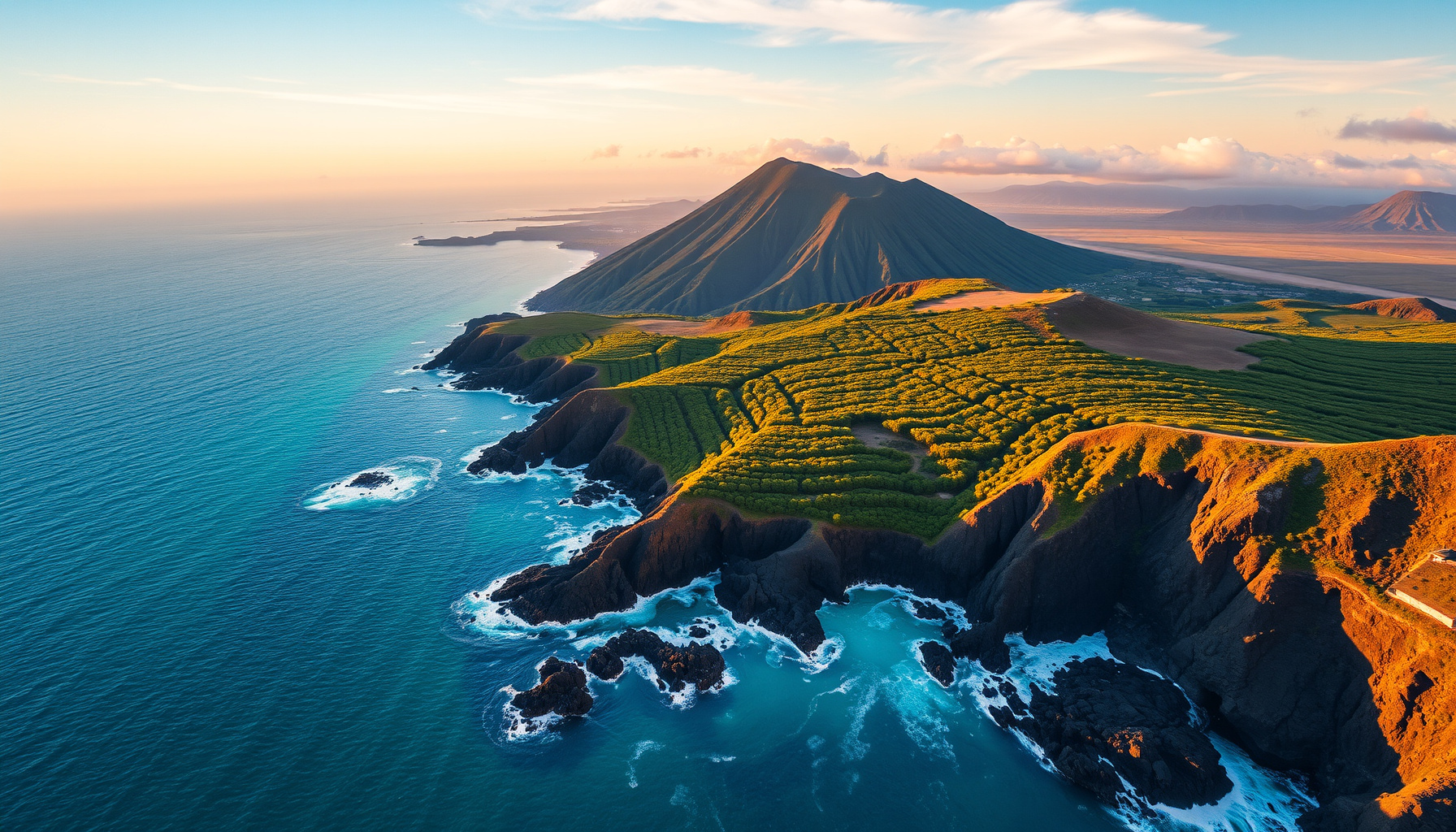
Jeju Island is a UNESCO Global Geopark, a UNESCO World Natural Heritage site, and one of the New7Wonders of Nature. That triple recognition is not just marketing hype. The island’s volcanic origins have created a landscape unlike anywhere else in Korea: lava tubes, crater lakes, columnar basalt cliffs, and a 1,950-meter stratovolcano at its center.
What surprised me most on my first visit was how different Jeju feels from mainland South Korea. The pace is slower, the dialect is distinct, and the culture has its own traditions shaped by centuries of relative isolation. The haenyeo (female free divers) still harvest seafood from the ocean the way they have for generations. (see Lonely Planet South Korea guide)
Jeju also happens to be one of the easiest places to visit in Asia. Flights from Seoul Gimpo Airport depart every 15-20 minutes during peak hours, making it closer to a domestic shuttle service than a traditional flight route. No international visitors need a separate visa beyond their standard Korean entry permit. (see Korea Todo travel guide)
Top Attractions on Jeju Island
| Attraction | Entry Fee | Time Needed | Best For |
|---|---|---|---|
| Hallasan National Park | Free | 6–9 hrs | Hiking, crater lake views |
| Seongsan Ilchulbong (Sunrise Peak) | 5,000 KRW (~$3.50) | 1–2 hrs | Sunrises, haenyeo shows |
| Manjanggul Lava Tube | 4,000 KRW (~$2.80) | 1 hr | Geology, cool escape |
| Hyeopjae & Hamdeok Beaches | Free | Half day | Swimming, sunsets |
| Cheonjiyeon Waterfall | 2,500 KRW (~$1.75) | 30–45 min | Scenic walks, after rain |
| Jeongbang Waterfall | 2,000 KRW (~$1.40) | 30 min | Ocean-dropping waterfall |
| Udo Island | Ferry 8,500 KRW (~$6) | Full day | Hidden beaches, cycling |
| Saryeoni Forest Path | Free | 2–5 hrs | Peaceful forest walks |
Hallasan National Park
The centerpiece of Jeju Island is Hallasan, South Korea’s tallest mountain and an extinct shield volcano. I hiked the Seongpanak Trail (9.6 km one way) on my second trip, and it took about 4.5 hours up and 3 hours down. The summit crater lake, Baengnokdam, is one of those views that makes every steep section worth it. (see Time Out Seoul)
Entry to Hallasan National Park is free, but you must start your hike early enough to reach the summit and return before dark. The Seongpanak trailhead cuts off entry at 12:00 PM (summer) or 12:00 PM (winter), and the Gwaneumsa trailhead at 1:00 PM / 12:00 PM respectively.
Pro tip: Start before 6:00 AM to avoid crowds and give yourself plenty of time. Bring layers — the temperature at the summit can be 10-15 degrees Celsius cooler than at sea level. Pack lunch, at least 1.5 liters of water, and rain gear regardless of the forecast.
Seongsan Ilchulbong (Sunrise Peak)
Seongsan Ilchulbong is a tuff cone that rose from the ocean floor roughly 5,000 years ago, and it is one of the most photographed spots on Jeju Island. The hike to the rim takes about 25 minutes and costs 5,000 KRW (~$3.50) for adults. I recommend arriving for sunrise if you can handle the early alarm — watching the sun come up from the crater rim over the ocean is genuinely spectacular.
At the base of Sunrise Peak, you can watch haenyeo divers demonstrate their traditional free-diving techniques daily at 1:30 PM and 3:00 PM (weather permitting). After the show, you can buy fresh sea urchin, abalone, and conch directly from the divers at their small seaside stalls for 10,000-20,000 KRW ($7-14).
Manjanggul Lava Tube
Manjanggul is one of the longest lava tubes in the world at over 7.4 km, though only about 1 km is open to visitors. Admission is 4,000 KRW (~$2.80). The temperature inside stays around 11-21 degrees Celsius year-round, making it a perfect escape on hot summer days or rainy afternoons.
The main attraction inside is a massive lava column near the end of the walking path. The whole walk takes about 40 minutes round trip on a paved, well-lit path. It is wheelchair-accessible for the first portion.
Jeju’s Best Beaches
Jeju Island’s coastline delivers a surprising variety of beaches. Hyeopjae Beach on the northwest coast is my personal favorite — the water is an almost Caribbean shade of turquoise, and you can see Biyangdo Island just offshore. Jungmun Saekdal Beach on the south coast is famous for its multicolored sand and strong surf, popular with surfers.
Hamdeok Beach (also called Hamdeok Seoubong Beach) near the north coast is the best all-around beach for families. The water is shallow, calm, and clean, with cafes and restaurants lining the shore. Gimnyeong Beach, close to Manjanggul Lava Tube, is smaller and less crowded — ideal if you want a quieter afternoon.
Most beaches on Jeju Island are free to access. Shower facilities typically cost 1,000-2,000 KRW ($0.70-1.40), and umbrella/chair rentals run about 10,000-20,000 KRW ($7-14) for the day during summer.
| Beach | Location | Vibe | Water Color | Best Season |
|---|---|---|---|---|
| Hyeopjae Beach | Northwest (Hallim) | Relaxed, beautiful | Caribbean turquoise | May–Sep |
| Hamdeok Beach | North coast | Family-friendly, cafes | Clear, calm | Jun–Aug |
| Jungmun Saekdal | South (Seogwipo) | Dramatic, surfers | Multicolored sand | Jun–Sep |
| Gimnyeong Beach | East coast | Quiet, uncrowded | Green-blue | May–Sep |
| Sinyang Colour Beach | East (Seongsan) | Trendy, Instagram | Bright turquoise | May–Sep |
| Woljeong Beach | Northeast | Bohemian, cafes | Crystal clear | Jun–Sep |
Cheonjiyeon and Jeongbang Waterfalls
Cheonjiyeon Waterfall in Seogwipo is a 22-meter cascade surrounded by subtropical forest. It is a short, easy walk from the parking area (about 10 minutes), and admission is 2,500 KRW (~$1.75). Jeongbang Waterfall, also in Seogwipo, is rare because it drops directly into the ocean from a 23-meter cliff.
Both waterfalls are more impressive after rain. If your trip overlaps with a rainy day, that is actually the best time to visit. I saw Cheonjiyeon after a typhoon had passed through, and the volume of water was extraordinary.
Jeju Island Food Guide: What to Eat and Where
Jeju’s food scene is one of the strongest reasons to visit. The island’s isolation and volcanic soil have created a unique culinary identity you will not find on the mainland. Here are the dishes you cannot miss, and I have eaten every single one of them multiple times.
Heuk Dwaeji (Black Pork)
Jeju black pork is the island’s signature dish. These native black-haired pigs are raised on Jeju and have a fattier, more flavorful meat than standard Korean pork. The best way to eat it is grilled at your table (gui style) at one of the restaurants along Heuk Dwaeji Street (Black Pork Street) in Jeju City, near the old airport area.
Expect to pay 16,000-22,000 KRW ($11-15) per serving (about 200g) at a quality restaurant. Donsadon and Guksu Madang are two well-known spots, but honestly, most restaurants on Black Pork Street serve excellent meat. Pair it with soju and the standard banchan (side dishes) for a proper Jeju dinner.
Haenyeo-Caught Seafood
The haenyeo (sea women) of Jeju have been free-diving for abalone, sea urchin, octopus, and conch for centuries. You can try their catch at small seaside restaurants called “haenyeo restaurants” or at market stalls near Seongsan, Udo Island, and along the coastal Olle trails. A plate of fresh abalone runs 25,000-40,000 KRW ($17-28), and jeonbok-juk (abalone porridge) costs around 12,000-15,000 KRW ($8-10).
Jeonbok-juk was my go-to breakfast on Jeju Island. It is creamy, rich, and nothing like the bland porridge you might be imagining. Every spoonful has chunks of fresh abalone.
Hallabong Tangerines and Jeju Specialties
Jeju produces the vast majority of South Korea’s tangerines, and Hallabong (a bumpy-skinned mandarin variety) is the island’s pride. They are sweetest from December through March. You will see them everywhere — at roadside stands, convenience stores, and worked into ice cream, chocolate, juice, and even beer.
Other local foods to try include: galchi jorim (braised hairtail fish, around 13,000-15,000 KRW / $9-10), Jeju-style gogi guksu (pork noodle soup, 8,000-10,000 KRW / $5.50-7), and bing tteok (buckwheat crepes filled with radish). For a deep dive into Korean cuisine across the country, check out our ultimate Korean food guide.
Where to Stay on Jeju Island: Accommodation Guide
Jeju Island accommodation ranges from backpacker dorms to five-star resorts. Where you base yourself matters because the island is larger than most people expect (about 73 km east to west). I have stayed in Jeju City, Seogwipo, and the mid-mountain area, and each has its advantages.
| Budget Level | Price/Night (KRW) | Price/Night (USD) | Best Options |
|---|---|---|---|
| Backpacker / Hostel | 25,000–90,000 KRW | $17–63 | Hostels, Airbnb studios, guesthouses |
| Budget Hotel / Pension | 70,000–130,000 KRW | $49–91 | City motels, coastal pensions |
| Mid-Range Hotel | 130,000–250,000 KRW | $91–175 | Jeju Shinhwa, LOTTE City Hotel, boutiques |
| Luxury / Resort | 280,000–700,000+ KRW | $196–490+ | Hyatt Regency, Shilla Jeju, Parnas Hotel |
| Hanok / Private Villa | 150,000–400,000 KRW | $105–280 | Unique experience, often includes private garden |
Budget ($30-70/night)
Guesthouses and hostels are plentiful in Jeju City and Seogwipo. Dorm beds start around 25,000-35,000 KRW ($17-25) per night, while private rooms in guesthouses run 45,000-90,000 KRW ($30-63). Backpackers Inn Jeju and Jeju Baume are both solid budget picks with good reviews and clean facilities.
Airbnb and local pension-style accommodations are popular on Jeju Island, especially in rural areas. You can find entire apartments for 50,000-80,000 KRW ($35-56) per night, often with kitchens — great for saving money on meals.
Mid-Range ($80-180/night)
Business hotels and boutique stays in the 100,000-250,000 KRW ($70-175) range offer the best balance of comfort and value. Jeju Shinhwa World, Hotel RegentMarine, and LOTTE City Hotel Jeju are popular mid-range options. Many include breakfast and have on-site restaurants.
I personally prefer staying in Seogwipo for mid-range trips. The south coast has better access to waterfalls, Jungmun resort area, and the Olle walking trails, and it is generally quieter than Jeju City.
Luxury ($200-500+/night)
The Jungmun Tourist Complex on the south coast is home to most of Jeju’s high-end resorts, including the Hyatt Regency Jeju, Shilla Jeju, and the Parnas Hotel Jeju. Rates range from 280,000-700,000+ KRW ($196-490+) per night depending on season and room type.
For something more unique, look into converted hanok (traditional Korean houses) or high-end pension-style villas with private pools. These have become increasingly popular on Jeju Island and often book out months in advance during peak summer (July-August).
Getting Around Jeju Island
| Option | Cost | Flexibility | Coverage | Best For |
|---|---|---|---|---|
| Rental Car 🚗 | 30,000–50,000 KRW/day (~$21–35) | ★★★★★ | All of Jeju | Most visitors — best value for freedom |
| Public Bus 🚌 | 1,200–3,000 KRW/trip (~$0.85–2.10) | ★★☆☆☆ | Major spots only | Budget solo travelers |
| Taxi 🚕 | Meter + ~35,000–45,000 KRW airport-Seogwipo | ★★★☆☆ | Everywhere | Short trips, no car rental |
| Private Driver 🧑✈️ | 150,000–200,000 KRW/8 hrs (~$105–140) | ★★★★☆ | Custom routes | Comfort + flexibility, no driving |
| Scooter 🛵 (Udo Island) | 15,000 KRW/2 hrs (~$10) | ★★★★☆ | Udo Island only | Day trip to Udo Island |
| E-Bike / Bicycle 🚲 | 10,000–20,000 KRW/day (~$7–14) | ★★★☆☆ | Coastal Olle trails | Active travelers on flat routes |
Jeju Island is too big to explore on foot, and the public transit system, while improving, does not reach every corner. Here is how to get around based on your budget and comfort level.
Rental Car (Recommended)
Renting a car is the best way to explore Jeju Island, full stop. It gives you freedom to reach hidden beaches, small restaurants, and scenic coastal roads that buses skip entirely. Rental prices start around 30,000-50,000 KRW ($21-35) per day for a compact car, and international driving permits are accepted.
Book through Jeju-based rental agencies at the airport for the best rates. Lotte Rent-A-Car, AJ Rent-A-Car, and Jeju Rent-A-Car all have airport counters. Gas is slightly more expensive on Jeju Island than the mainland — budget about 1,700-1,900 KRW/liter ($4.50-5.00/gallon). Parking is generally free or very cheap outside of Jeju City center.
Public Buses
Jeju’s bus network covers most major attractions. The express buses are numbered 100-200 and connect Jeju City to Seogwipo and major tourist spots. Local buses (numbered 300-900) serve smaller towns and less popular areas. Fares range from 1,200-3,000 KRW ($0.85-2.10) depending on distance.
Download the Kakao Map or Naver Map app — both have excellent English bus route information for Jeju Island. A T-money transit card (available at any convenience store for 2,500 KRW / $1.75) makes paying easier and gives you a small transfer discount.
Taxis and Ride Services
Taxis on Jeju Island use meters and are reasonably priced for short trips. Base fare is 4,800 KRW (~$3.35), and a ride from the airport to Seogwipo costs roughly 35,000-45,000 KRW ($24-31). Kakao T (the Korean ride-hailing app) works on Jeju, though availability can be spotty in rural areas.
Some visitors hire private taxi drivers for full-day tours, which typically costs 150,000-200,000 KRW ($105-140) for 8 hours. This is a good option if you do not want to drive but want more flexibility than buses provide.
Hidden Gems on Jeju Island Most Tourists Miss
After three trips, I have found some spots that rarely show up in standard Jeju Island guides. These are the places I always recommend to friends.
Udo Island
Udo is a tiny island off Jeju’s east coast, reachable by a 15-minute ferry from Seongsan Port (round trip: 8,500 KRW / ~$6 for adults). Rent an electric scooter (15,000 KRW / ~$10 for 2 hours) and circle the island, stopping at coral sand beaches, peanut ice cream shops, and dramatic cliff viewpoints. It is Jeju within Jeju, but quieter and more intimate.
Saryeoni Forest Path
This 15 km forest trail through a dense cedar and cypress forest is the most peaceful walk I have taken on Jeju Island. The well-maintained path is flat and easy, running between two points on the mid-mountain road. Most people walk a 4-5 km section and turn back. Entry is free, and it is beautiful in every season.
Jeju Olle Walking Trails
The Olle Trail network consists of 27 routes totaling over 425 km around Jeju Island’s coastline. Route 7 (Seogwipo area) and Route 10 (near Hallasan) are my favorites. Each route takes 4-6 hours and is clearly marked with blue and orange arrows and the iconic ganse (pony) trail markers. All routes are free to walk.
Practical Tips for Your Jeju Island Trip
Weather and When to Go
| Season | Months | Temp (°C) | Weather | Crowds | Highlights | Rating |
|---|---|---|---|---|---|---|
| 🌸 Spring | Apr–Jun | 15–23°C | Warm, occasional rain | Moderate | Cherry blossoms, canola fields, hiking | ★★★★★ Best |
| ☀️ Summer | Jul–Aug | 27–33°C | Hot, humid, rainy | Peak crowds | Beaches, festivals, water sports | ★★★☆☆ Busy |
| 🍂 Autumn | Sep–Nov | 16–25°C | Clear, dry, pleasant | Moderate | Fall foliage, Hallasan hiking, coastal walks | ★★★★★ Best |
| ❄️ Winter | Dec–Mar | 3–12°C | Cold, occasional snow | Low (quiet) | Hallabong season, empty beaches, low prices | ★★★☆☆ Budget |
Jeju Island has a humid subtropical climate, warmer and wetter than mainland Korea. Spring (April-June) brings cherry blossoms, canola flower fields, and mild temperatures around 15-23 degrees Celsius. This is my preferred time to visit.
Summer (July-August) is hot and humid with temperatures hitting 30-33 degrees Celsius and regular rain. It is also peak domestic travel season, so expect higher prices and bigger crowds. Autumn (September-November) offers clear skies, fall foliage on Hallasan, and comfortable hiking weather.
Winter (December-March) is quiet and cold (3-8 degrees Celsius) but rewarding if you enjoy empty beaches, Hallabong season, and lower prices. Jeju does get occasional snow, especially at higher elevations.
What to Pack
- Layers — weather changes fast, especially in the mountains
- Rain jacket or compact umbrella (rain is common year-round)
- Comfortable walking shoes or hiking boots for Hallasan and Olle trails
- Sunscreen and hat for beach days
- A portable Wi-Fi device or Korean SIM card (available at the airport from 3,000-5,000 KRW/day / $2-3.50)
- Cash — some smaller restaurants and rural attractions do not accept cards
- Reusable water bottle (free water refill stations are common at trailheads)
How Many Days Do You Need?
I recommend a minimum of 4 days on Jeju Island to cover the major highlights without rushing. With 5-7 days, you can add Udo Island, the Olle trails, and more time relaxing at beaches. If you are combining Jeju with other Korean destinations like Busan or Seoul, 4 days is a solid allocation.
| Day | Area | Morning | Afternoon | Evening |
|---|---|---|---|---|
| Day 1 | Jeju City | Arrive, check in, explore Jeju City | Dongmun Traditional Market | Black Pork Street dinner |
| Day 2 | Hallasan | Start Seongpanak Trail before 6 AM | Summit + return hike | Rest — sore legs guaranteed |
| Day 3 | East Coast | Seongsan Ilchulbong sunrise (5:30 AM) | Manjanggul Lava Tube + Udo Island | Haenyeo seafood dinner, Seongsan |
| Day 4 | South Coast | Jungmun Beach swim | Cheonjiyeon & Jeongbang Waterfalls | Olle Trail Route 7 walk, Seogwipo |
| Day 5 | West Coast | Hyeopjae Beach swim | Saryeoni Forest Path hike | Depart or one more night |
A realistic 5-day itinerary: Day 1 — Jeju City, Black Pork Street, settle in. Day 2 — Hallasan hike. Day 3 — East coast (Seongsan Ilchulbong, Manjanggul, Udo Island). Day 4 — South coast (Seogwipo waterfalls, Jungmun Beach, Olle trail). Day 5 — West coast beaches, Saryeoni Forest, departure.
Frequently Asked Questions About Jeju Island
Is Jeju Island worth visiting?
Absolutely. Jeju Island offers a combination of natural beauty, unique food, and Korean culture that you will not find anywhere else. It is a UNESCO triple-crown site with beaches, volcanic landscapes, and a food scene that stands on its own. I have been three times and I am already planning my next trip.
Do I need a visa to visit Jeju Island?
Citizens of many countries can enter Jeju Island visa-free for up to 30 days, even if they would normally need a visa for mainland South Korea. This includes nationals from most Southeast Asian countries, China, and others. Check with the Korean Immigration Service for the latest entry requirements specific to your nationality.
Is Jeju Island expensive?
Jeju Island can be done on a range of budgets. Budget travelers can manage on $50-70/day by staying in guesthouses, eating at local restaurants, and using public buses. Mid-range travelers spending $100-180/day will be very comfortable with a rental car, quality restaurants, and a private hotel room. Luxury travelers can easily spend $300+ per day at resort hotels and high-end dining.
Can I get by with English on Jeju Island?
English is limited on Jeju Island compared to Seoul. Major tourist attractions have English signage, and younger staff at hotels and tourist-facing restaurants usually speak some English. However, at smaller local restaurants and in rural areas, you will need translation apps. Papago (by Naver) and Google Translate both work well. Download offline Korean language packs before your trip.
What is the best way to get from Seoul to Jeju Island?
Flying is the only practical option. Flights from Seoul Gimpo Airport (GMP) to Jeju International Airport (CJU) take about 1 hour and 10 minutes. Korean Air, Asiana, Jin Air, Jeju Air, T’way Air, and Air Busan all operate this route. Book 2-3 weeks in advance for the best fares, which typically run 50,000-120,000 KRW ($35-84) one way depending on the season and airline.
Start Planning Your Jeju Island Trip
Jeju Island rewards every type of traveler — hikers, food lovers, beach seekers, and culture enthusiasts alike. With direct flights from across Asia, no visa hassles for most nationalities, and a cost of living that suits backpackers and luxury travelers equally, there is very little standing between you and one of East Asia’s most rewarding destinations.
I suggest starting with flights (check Skyscanner or Google Flights for the best deals), booking accommodation in either Jeju City or Seogwipo, and reserving a rental car if your budget allows. Four to five days gives you enough time to hit the highlights without feeling rushed.
For more destination guides across the region, explore our South Korea travel hub or dive into our guides on Busan and Korean food. Have a question about Jeju Island? Drop it in the comments below, and I will do my best to help.
More on Hiking & Nature:

Written by Sam Konneh
Sam Konneh is an AI strategist and digital marketer based in Seoul, South Korea. With years spent living, working, and exploring across Korea, Japan, and China, he shares firsthand insights into East Asia's cultures, hidden gems, and everyday life. A graduate of Inha University and KDI Graduate School, Sam combines data-driven expertise with on-the-ground experience. His journey also includes studying in Malaysia and traveling through Southeast Asia. Through practical tips, local stories, and travel guides, he helps fellow explorers discover both the celebrated highlights and the lesser-known corners of East Asia.