Last Updated: March 12, 2026 | Originally Published: February 16, 2025
Visiting Korean temples on a budget is totally doable. Many offer free admission, so you can explore historic and cultural sites at no cost. Even for temples with entry fees, they're usually quite affordable – just 2,000 to 5,000 won. And you can save even more by booking an on-site "templestay" accommodation, which provides simple yet comfortable lodging and meals, along with the chance to participate in daily temple activities. Just wander the grounds, discover hidden gems, and soak up the serene atmosphere. Keep reading to learn more insider tips for visiting Korean temples on a shoestring. (Source: K-ETA official portal)
Read our full South Korea Travel Guide 2026 for everything you need to plan your Korea trip.
Explorer Insights
- Many Korean temples offer free admission, allowing visitors to explore their historic and cultural significance at no cost.
- Temple entry fees are typically low, ranging from 2,000 to 5,000 won, making them accessible for budget-conscious travelers.
- Affordable on-site lodging, known as "templestays," provides simple yet comfortable accommodations with traditional Korean-style rooms and included meals.
- Visitors can wander through the temple grounds to discover intricate architecture, beautiful gardens, and serene atmosphere at no additional cost.
- Opportunities to participate in temple rituals, such as meditation sessions and traditional tea ceremonies, offer an immersive cultural experience.
Free Temple Admission
Many Korean temples offer free admission, allowing you to explore their historic and cultural significance without spending a dime. From majestic Buddhist monasteries to Confucian shrines, these sacred spaces are yours to discover at no cost. You'll be able to wander through serene courtyards, admire intricate architecture, and learn about the country's rich spiritual heritage. In addition, some of these free temples, such as Jongmyo Shrine, are designated as UNESCO World Heritage sites, further highlighting their cultural significance.
Low-cost Temple Entry Fees
Even if a temple doesn't offer free admission, entry fees are often quite affordable. Most Korean temples charge a modest entry fee, typically ranging from 2,000 to 5,000 won per person. This makes it easy to visit multiple temples without breaking the bank.
To give you a better idea, here's a table showcasing the entry fees for some popular Korean temples:
| Temple Name | Entry Fee (KRW) |
|---|---|
| Bulguksa | 5,000 |
| Beomeosa | 3,000 |
| Haeinsa | 3,000 |
| Tongdosa | 3,000 |
| Songgwangsa | 2,500 |
| Haeinsa | 3,000 |
Additionally, many temples offer family-friendly templestays for travelers visiting with children or the elderly. (Source: Korea Tourism Organization)
Affordable Temple Accommodation
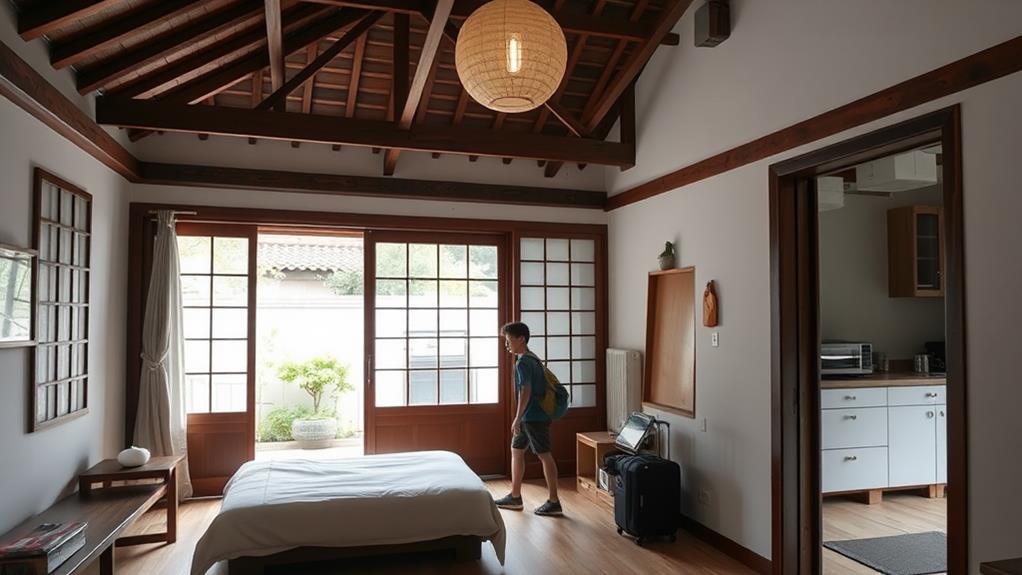
Aside from the affordable entry fees, there are also budget-friendly temple accommodation options that allow you to immerse yourself in the serene temple atmosphere. Many Korean temples offer on-site lodging, known as "templestays," which provide an authentic experience at a fraction of the cost of traditional hotels. These accommodations are simple yet comfortable, often featuring traditional Korean-style rooms with ondol floor heating and shared bathroom facilities.
What's great about templestays is that they typically include meals, usually vegetarian fare prepared by the temple's monks. This not only saves you money on food but also offers a unique culinary experience. Additionally, you'll have the opportunity to participate in daily temple activities, such as meditation sessions and chanting, allowing you to truly connect with the spiritual essence of the place. Many of these traditional pension houses in Jeonju also offer cultural activities and workshops for guests.
Exploring Temple Grounds
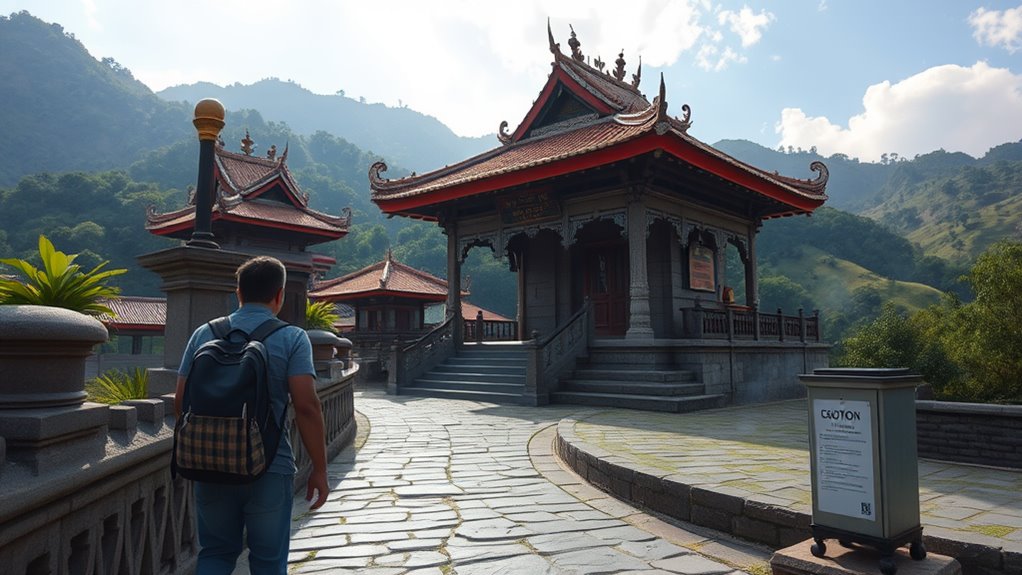
Exploring the temple grounds is an integral part of the Korean temple experience. You'll be amazed by the intricate architecture, beautiful gardens, and serene atmosphere. Start your journey by wandering through the main gate, often adorned with striking carvings and statues. As you make your way deeper into the complex, you'll come across impressive pagodas, prayer halls, and meditation spaces. Take your time to soak in the tranquility and observe the daily activities of the resident monks. Don't be afraid to explore side paths and hidden corners – you never know what hidden gems you might discover, from ancient bell towers to secluded meditation spots. Significant historical sites like Gyeonggijeon Shrine can offer a deeper understanding of Korean heritage. Be respectful of the sacred spaces and follow any guidelines or etiquette. Consider joining a guided tour to learn more about the temple's history and significance. With an open mind and comfortable shoes, you'll create lasting memories exploring these spiritual sanctuaries.
Experiencing Temple Rituals
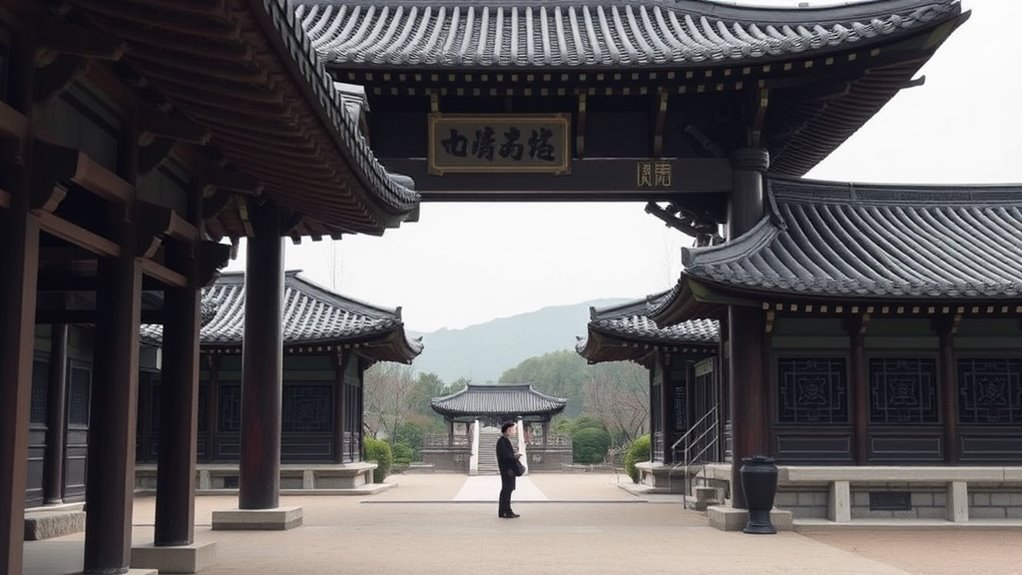
As you wander through the serene temple grounds, you'll have the opportunity to partake in some of the sacred rituals that are central to the Korean Buddhist experience. From observing monks chanting ancient sutras to participating in meditation sessions, these activities provide a glimpse into the spiritual heart of Korean culture.
You may have the chance to witness a traditional tea ceremony, where you'll be guided through the intricate steps of preparing and serving fragrant Korean tea. Or, you could join in a lotus lantern-making workshop, carefully crafting these beautiful symbols of enlightenment. Many temples also offer opportunities to try on traditional Korean clothing, such as hanbok, and pose for photos amidst the stunning architectural backdrops.
These immersive experiences allow you to connect more deeply with the teachings of Buddhism and gain a greater appreciation for the rich heritage of Korean spirituality. Embrace the chance to be an active participant in these meaningful rituals during your temple visits. The Beautiful Tea Museum offers educational exhibits and interactive brewing demonstrations, providing insights into tea history and culture.
Planning Your Temple Visit
When planning your temple visit, make sure to check the operating hours and admission fees for the specific temple you wish to explore. Many temples have different schedules depending on the season, so it's best to confirm their hours in advance. Some may even offer discounted or free admission on certain days or for specific groups, so be sure to inquire about any ongoing promotions.
Consider packing a small picnic lunch to enjoy on the temple grounds. This not only saves money but also allows you to soak in the serene atmosphere at your own pace. Remember to dress modestly, as many temples have dress codes that should be respected. Bring comfortable walking shoes, as you'll likely be doing a lot of exploring on foot.
If you're short on time, prioritize the must-see areas of the temple. Don't feel obligated to see everything, as that can quickly become overwhelming. Take your time, be respectful, and enjoy the unique cultural experience.
Frequently Asked Questions
Can I Take Pictures Inside the Temples?
Yes, you can generally take photos inside Korean temples, but it's best to be respectful and follow the rules. Many temples have designated photo areas or request that you avoid using flash.
Just be mindful of any signs or instructions from temple staff. Taking photos can be a great way to capture the beauty and atmosphere, but make sure you're being considerate of the sacred space. Enjoy your temple visit!
What Should I Wear When Visiting Temples?
When visiting Korean temples, you'll want to look your absolute best! Dress modestly, with long pants or skirts that cover your knees. Avoid tank tops or anything too revealing. Think classy and respectful.
You'll blend right in with the locals and show your appreciation for the sacred spaces. Remember, looking put-together is key, so put in a little extra effort for your temple visits. Trust us, it'll make the experience even more meaningful!
Are Temples Open During National Holidays?
Yes, most Korean temples are open during national holidays. Many temples have special ceremonies and events to celebrate these important dates. It's a great time to visit and experience Korean cultural traditions.
Just keep in mind that crowds may be larger, so you'll want to arrive early. Wear comfortable shoes and bring water. Many temples offer free or discounted admission on holidays, so it can be a budget-friendly way to explore.
Do I Need to Make Reservations to Visit?
You generally don't need to make reservations to visit Korean temples, though it's always a good idea to check the temple's website or call ahead. Most temples are open to the public and welcome visitors, but during peak seasons or national holidays, they may have limited hours or require reservations.
When planning your temple visit, be flexible and prepared to adjust your schedule if needed. Enjoy the peaceful atmosphere and cultural immersion at these beautiful spiritual sites!
Can I Bring Food and Drinks Into the Temples?
When it comes to visiting Korean temples, you'll be glad to know that you can usually bring your own food and drinks inside. After all, as the old saying goes, 'The more you bring, the merrier!'
Just be mindful of any specific rules or restrictions at each temple, as they may have their own policies. But in general, you're free to enjoy your snacks and refreshments while taking in the peaceful atmosphere.
Happy temple-hopping!
Conclusion
Visiting Korean temples on a budget is entirely possible! You'll be immersed in a serene, spiritual atmosphere as you wander the peaceful temple grounds. Soak in the tranquility, participate in rituals, and discover hidden gems – all while keeping costs low. With a bit of planning, you can enjoy the rich cultural heritage of Korea's beautiful temples without breaking the bank.
More on Budget Travel:

Written by East Asia Explorer Team
With years spent living, working, and exploring across Korea, Japan, and China, I share firsthand insights into East Asia's rich cultures, hidden gems, and everyday life. My journey also includes studying in Malaysia and traveling through Southeast Asia, experiences that have deepened my appreciation for the region's diversity. Through practical tips, local stories, and travel guides, I aim to help fellow explorers discover both the celebrated highlights and the lesser-known corners of East Asia.