Last Updated: February 23, 2026 | Originally Published: July 23, 2025
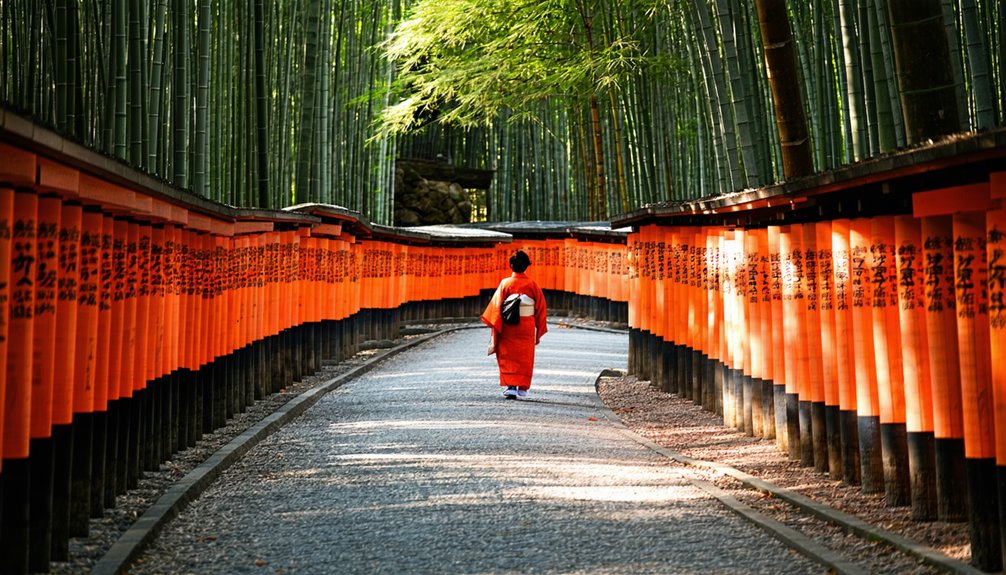
First-timers to Japan, you can’t miss the Golden Route. Tokyo’s neon madness and ancient Sensō-ji. Kyoto’s temples and those thousands of red gates at Fushimi Inari—totally worth the crowd. Bullet trains make everything easy—grab a Japan Rail Pass before you arrive. Don’t skip Hiroshima’s Peace Memorial or Mount Fuji’s majesty. Osaka’s food scene is ridiculous. The perfect Japan trip balances modern chaos with traditional zen. (Source: Japan National Tourism Organization)
Explorer Insights
- Tokyo offers essential experiences with Sensō-ji Temple, Shibuya Crossing, Imperial Palace, and vibrant neighborhoods like Shinjuku.
- Kyoto’s Fushimi Inari Shrine, Golden Pavilion, and Arashiyama Bamboo Forest showcase traditional Japanese culture and architecture.
- Mount Fuji provides both spiritual significance with numerous shrines and breathtaking natural scenery for first-time visitors.
- Hiroshima’s Peace Memorial and nearby Miyajima Island with its floating torii gate deliver powerful historical context.
- Matsumoto Castle and the Japanese Alps present opportunities to explore Japan’s feudal history and stunning natural landscapes.
Navigating Japan’s Major Gateway Cities
When you first arrive in Japan, you’ll likely step foot in one of the major gateway cities—Tokyo, Osaka, or maybe Fukuoka.
Don’t panic. These sprawling metropolises are overwhelming at first, but they’re surprisingly navigable.
Take a deep breath. Japan’s urban giants may seem daunting, but their efficient design makes exploring surprisingly manageable.
Airport transfers are efficient. Seriously efficient. You’ll be whisked from terminal to city center faster than you can say “jetlag.”
The cultural nuances hit you immediately. People queue perfectly. Silence on trains. No eating while walking.
Get your bearings quickly. Grab an IC card. Learn basic phrases. The locals appreciate the effort, trust me.
From these gateway cities, you can extend your trip by exploring Japan’s smaller islands via ferry services.
Getting Around Japan: Transportation Tips for First-Timers
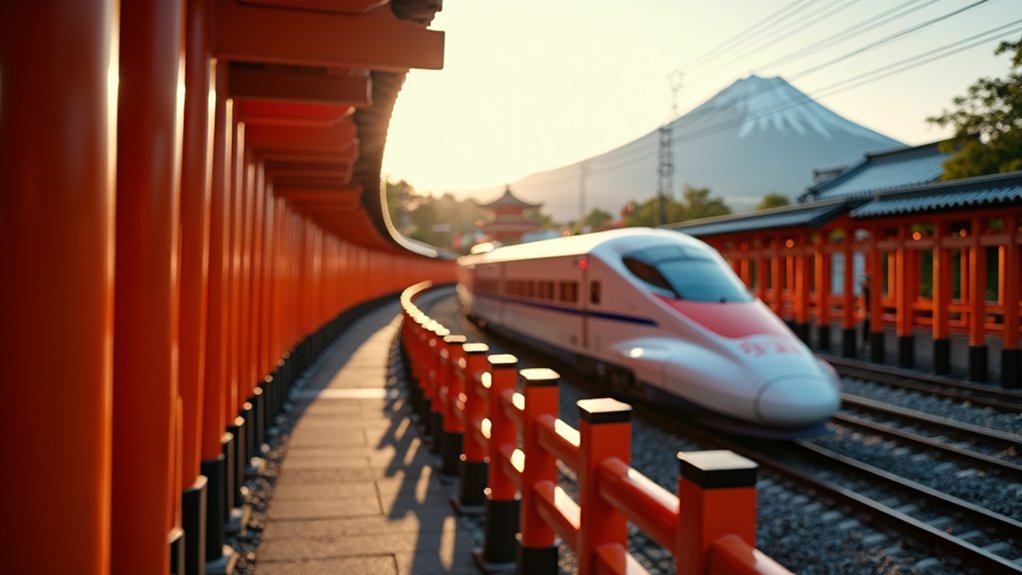
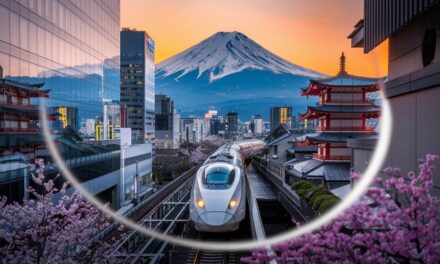
Though Japan might seem challenging to navigate, it’s actually home to one of the world’s most efficient transportation networks. The bullet train connects major cities at lightning speed. No joke.
Public transportation runs with mind-blowing punctuality. A two-minute delay? That’s practically a national emergency.
Download travel apps like Japan Transit Planner or Google Maps before arriving. Trust me, they’re lifesavers when you’re staring at station maps that look like spaghetti explosions.
IC cards make payment simple. Tap and go. No fumbling with coins or tickets. Welcome to the future.
For cost-saving adventures, consider purchasing a Japan Rail Pass before your trip to enjoy unlimited travel on many trains.
Tokyo’s Essential Landmarks and Districts
Where should you start in a metropolis of 13 million people spread across 23 distinct wards?
Tokyo’s a monster. Sensō-ji Temple in Asakusa gives you old-school vibes, while Shibuya’s scramble crossing throws you into the chaos—both equally Tokyo.
The Imperial Palace? Worth it. Tokyo Skytree? Touristy but necessary. Seriously.
Tokyo Nightlife in Roppongi or Shinjuku hits different after dark. Trust me.
And if you time it right, Cultural Festivals transform neighborhoods overnight. Summer brings fireworks. Spring? Cherry blossoms everywhere.
Akihabara for nerds. Harajuku for the fashion-obsessed. Take your pick.
For hassle-free navigation across these vibrant districts, consider using Google Maps for real-time transit updates.
Kyoto: Exploring Japan’s Cultural Heart
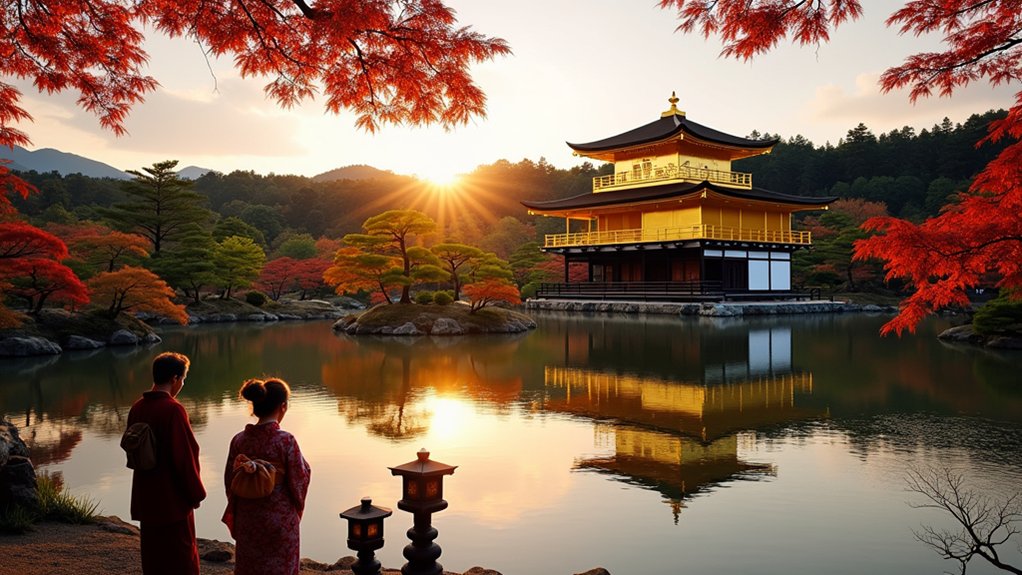
If Tokyo is Japan’s beating heart, Kyoto serves as its timeless soul. This ancient capital demands at least 3-4 days of your trip. Period.
Wander through thousands of vermilion gates at Fushimi Inari. Stand before the gleaming Golden Pavilion. Get lost in Arashiyama’s bamboo forest. Trust me – it’s even better than Instagram shows.
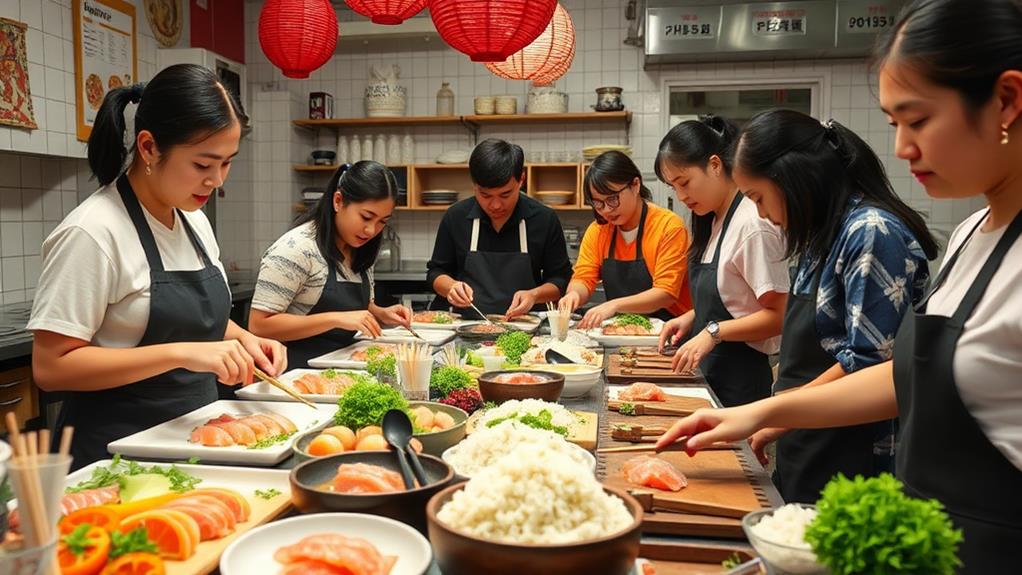
Kyoto cuisine offers refined flavors you won’t find elsewhere. Traditional kaiseki meals? Divine.
Savor Kyoto’s kaiseki—meticulously crafted seasonal dishes that elevate dining into an art form unlike anywhere else.
Don’t miss seasonal cultural festivals if you’re lucky with timing. Cherry blossoms, autumn leaves, geisha dances. The past is alive here. Always has been.
For a truly immersive stay, consider booking one of the traditional ryokan options in Kyoto.
Osaka’s Vibrant Street Food Scene and Urban Attractions
Just 30 minutes west of Kyoto by train sits Osaka, Japan’s kitchen and comedy capital.
Unlike Tokyo’s polished sheen, Osaka flaunts its gritty, authentic charm. No kidding.
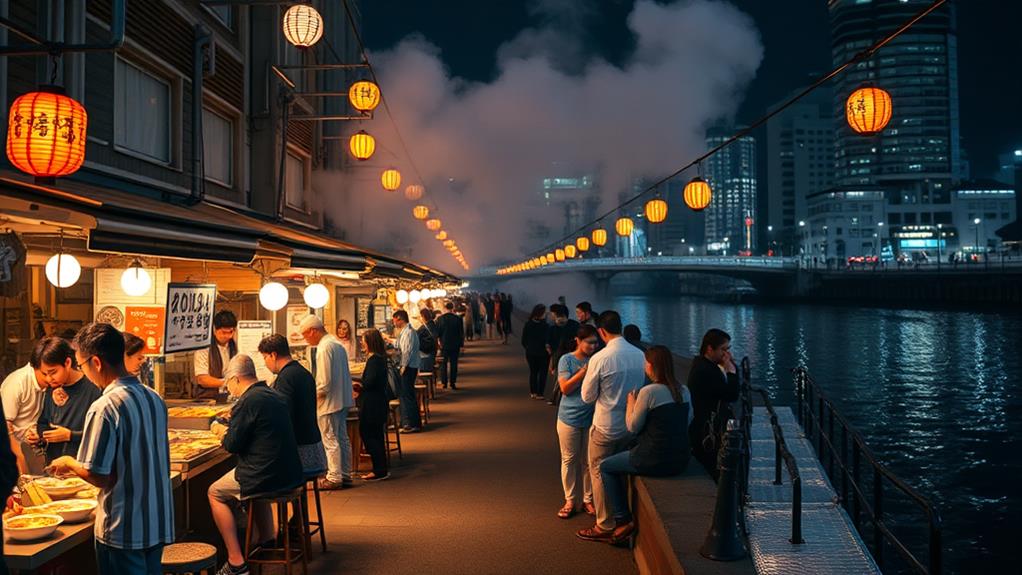
Dotonbori district dominates Osaka nightlife, with neon signs reflecting in canal waters while locals party past midnight.
You’ll spot the famous Glico Man. Impossible to miss.
Street food here? Legendary.
Grab takoyaki (octopus balls) or okonomiyaki (savory pancakes) from vendors who’ve perfected recipes for generations.
Eat standing up. That’s how it’s done.
Universal Studios Japan offers a different kind of thrill.
Perfect escape from temple fatigue.
For a similar street food vibe elsewhere, note that many vendors might favor cash payments like those in popular Chinese barbecue stalls.
Historical Hiroshima: Beyond the Peace Memorial
While most visitors know Hiroshima for its sobering Peace Memorial, the city pulses with history and vibrancy that extends far beyond its atomic legacy.
You’ll find centuries-old landmarks like Hiroshima Castle, rebuilt after 1945 but no less impressive. Trust me, it’s worth your time.
The local Hiroshima cuisine is criminally underrated. Their okonomiyaki? Layered perfection. Different from Osaka’s version. Better, some might argue.
Historical tours showcase the city’s resilience. Neighborhoods rebuilt. Culture reborn. People living, not just remembering.
Hiroshima doesn’t want your pity. It wants your attention.
After enjoying Hiroshima’s culinary delights, you might also explore regional Asian flavors, such as hanwoo beef in nearby Korean traditions.
Mount Fuji and the Surrounding Five Lakes Region
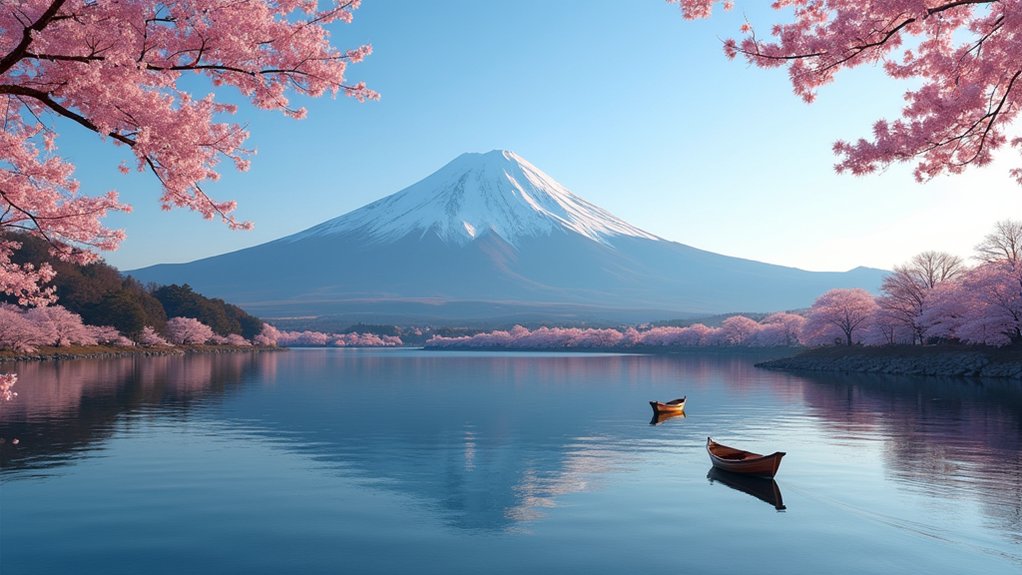
Moving east from Hiroshima’s urban rebirth, Japan offers natural grandeur on an iconic scale. That’s Mount Fuji. Japan’s tallest peak dominates everything around it. You’ll struggle not to photograph it constantly.
| Lake | Notable Feature | Best For |
|---|---|---|
| Kawaguchi | Best Fuji views | Fuji Photography |
| Yamanaka | Largest of five | Relaxation |
| Saiko | Bat caves | Exploration |
| Shojiko | Smallest lake | Quiet reflection |
| Motosuko | On 1000-yen note | Lake Activities |
Each season transforms Fuji differently. Winter brings snow-capped drama. Cherry blossoms frame it perfectly in spring. It’s Japan’s postcard superstar. Worth every moment. For winter adventures beyond Fuji’s slopes, Japan also boasts abundant snowfall in regions like Hokkaido.
The Floating Torii Gate: Miyajima Island’s Natural Beauty
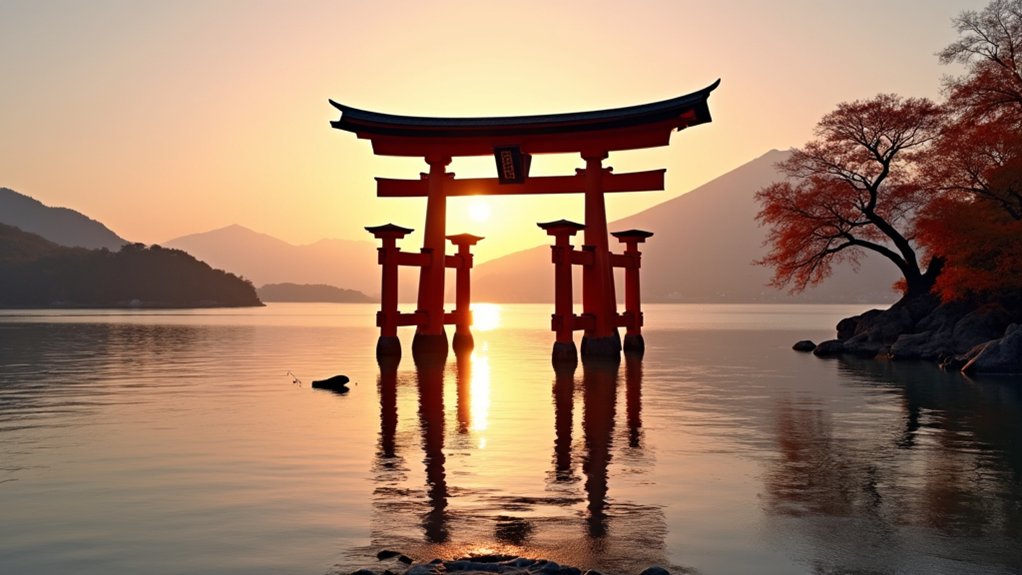
A short ferry ride from Hiroshima lies one of Japan’s most photographed marvels—the floating torii gate of Itsukushima Shrine on Miyajima Island.
This massive vermillion structure appears to float on water during high tide. Magical. The floating gate symbolism represents a boundary between the mundane and sacred worlds. Pretty deep stuff.
When the tide rises, worlds collide at this crimson sentinel—separating our ordinary existence from the divine beyond.
Island accessibility couldn’t be easier. Regular ferries run throughout the day. No excuses.
Beyond the iconic gate, you’ll encounter friendly deer roaming freely and Mount Misen’s breathtaking views.
The whole island is considered sacred. That’s why they built the shrine on stilts. Water. Everywhere.
After your visit, consider heading to Hiroshima for a taste of the local cuisine, such as Hiroshima-style okonomiyaki.
Tropical Paradise: Okinawa’s Beaches and Cultural Sites
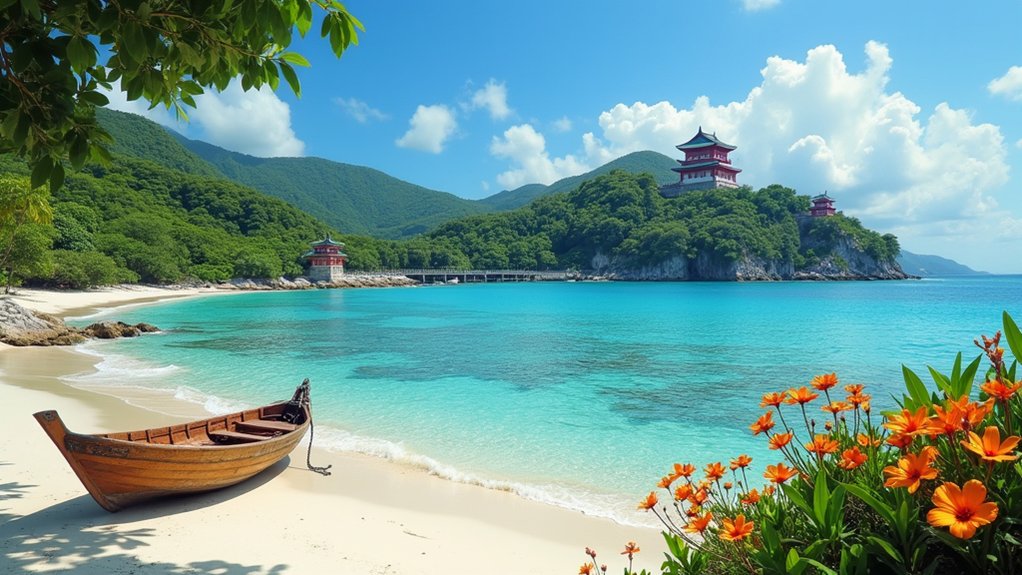
From ancient shrines to sun-drenched shores—Japan has another face you haven’t seen yet. Okinawa, Japan’s southernmost prefecture, offers pristine beaches and a distinct culture shaped by its unique history.
The local cuisine features influences from Southeast Asia and China—try goya champuru or Okinawan soba. Don’t miss the vibrant local festivals celebrating everything from dragon boats to eisa drumming performances.
- Explore Shuri Castle, the ancient Ryukyu Kingdom’s palace
- Snorkel the crystal waters of Kerama Islands
- Sample awamori, Okinawa’s distinctive rice liquor
- Visit Ocean Expo Park, home to one of Japan’s largest aquariums
Beach lovers can also discover stunning spots like Nishihama Beach, ideal for swimming and snorkeling in crystal-clear waters.
Matsumoto Castle and the Japanese Alps
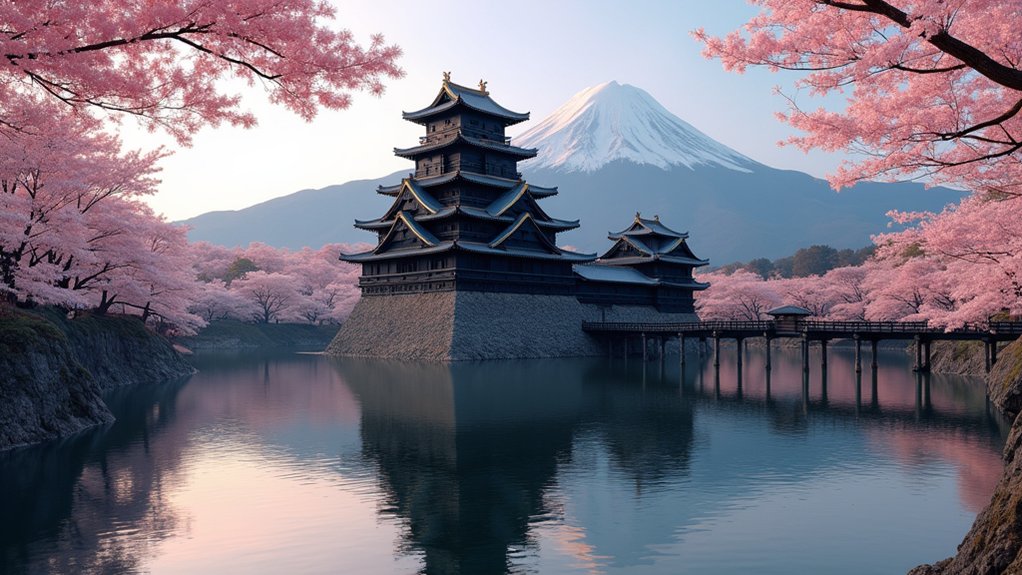
Nestled in the heart of Japan’s mountainous Nagano Prefecture, Matsumoto Castle stands as one of Japan’s most complete original castles. This striking black fortress—nicknamed “Crow Castle”—dates back to 1504. Seriously, it’s magnificent.
When you visit, you’ll explore centuries of Matsumoto history while mountains loom in the distance. The Japanese Alps aren’t messing around.
| Activity | Season | Experience |
|---|---|---|
| Castle Tour | Year-round | Cultural immersion |
| Alpine Hiking | Summer/Fall | Japanese nature at its finest |
| Snow Monkeys | Winter | They’re bathing. You’re freezing. |
Climb the steep wooden stairs inside. Touch history. Then head to the mountains. Trust me. Extend your trip to the surrounding Japanese Alps for hiking adventures that echo the majestic beauty found in areas like Mount Fuji.
Traditional Japanese Shrines and Temples Worth Visiting
Japan’s spiritual landscape comes alive through its ancient shrines and temples, where history whispers through every wooden beam and stone garden.
You’ll notice a distinct difference between Shinto shrines and Buddhist temples—both essential to understanding Japan’s soul.
- Fushimi Inari Taisha: Thousands of vermilion torii gates. Shrine etiquette requires bowing before entering. Worth the sweaty climb.
- Kinkaku-ji: The Golden Pavilion isn’t subtle. Its temple architecture gleams over a reflecting pond.
- Sensō-ji: Tokyo’s oldest temple. Crowded but necessary.
- Itsukushima Shrine: The floating torii gate. Dramatic at high tide. Instagram gold.
Visitors can also explore the spiritual significance of Mount Fuji, home to numerous Shinto shrines and Buddhist temples on its slopes.
Fukuoka: Gateway to Kyushu’s Hidden Treasures
While Tokyo and Kyoto hog the spotlight, Fukuoka quietly establishes itself as the coolest city you’ve never heard of. It’s Japan’s best-kept secret. Period.
Fukuoka cuisine? Legendary. Try the tonkotsu ramen. Life-changing stuff.
| Attraction | Experience | Best Time |
|---|---|---|
| Canal City | Shopping heaven | Anytime |
| Nanzoin Temple | Giant reclining Buddha | Weekdays |
| Dazaifu Shrine | Cultural immersion | Spring |
Kyushu festivals dominate here. The Hakata Gion Yamakasa in July? Absolute madness. Men carrying massive floats through narrow streets. At 4:59 AM. Not kidding.
To navigate Fukuoka’s public transport efficiently, consider using rechargeable cards for seamless travel across the city.
Planning Your Japan Rail Pass Experience
If you’re plotting a multi-city adventure across Japan, the Japan Rail Pass might be your golden ticket. Seriously. It’s not cheap upfront, but do the math—Tokyo to Kyoto and back already covers most of the cost.
Your Rail Pass Benefits extend beyond just saving yen.
- Unlimited rides on JR trains (including most Shinkansen!)
- Skip ticket lines—just flash your pass and go
- Access to JR buses and ferries too
- Perfect for spontaneous side trips without wrecking your Travel Budget
Buy it before landing in Japan. Trust me.
While the pass covers unlimited rides, you can still choose reserved seats to guarantee a specific spot on busy Shinkansen trains.
Modern vs. Traditional: Balancing Your Japan Itinerary
When first-time visitors plan their Japan itinerary, they’re often torn between neon-lit skyscrapers and centuries-old temples.
You need both. Seriously.
Your urban adventures in Tokyo’s Shibuya or Akihabara will dazzle you with technology and bizarre pop culture.
Gadget wonderlands and anime dreams collide in Tokyo’s electric districts, where tomorrow’s culture thrives today.
Then, boom—switch to Kyoto’s temples for authentic cultural experiences that’ll transport you centuries back in time.
Don’t choose. Mix it up.
One day shopping in Harajuku, next day meditating at Kinkaku-ji.
One evening slurping ramen in Dotonbori, next morning walking through ancient torii gates.
Japan’s magic? The jarring contrast.
Embrace it.
For a deeper cultural immersion, consider adding a Sake Tasting Tour in Niigata to your itinerary.
Seasonal Highlights: When to Visit Japan’s Top Destinations
Timing your Japan visit perfectly can make or break your entire experience. Japan transforms dramatically with each season, offering completely different vibes and photo ops.
Trust me, you’ll kick yourself if you miss cherry blossom season in Kyoto.
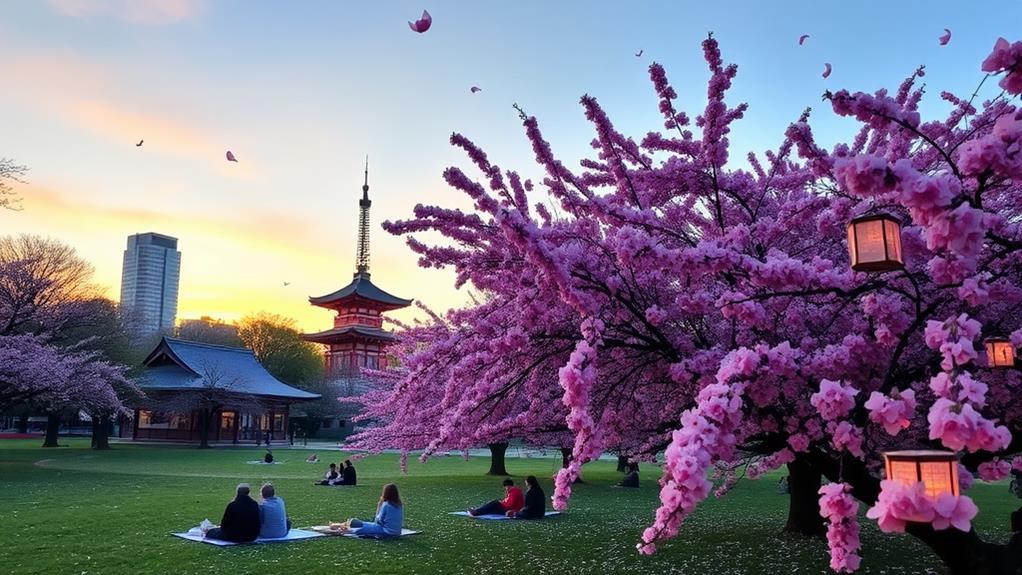
- Spring (March-May): Cherry blossom madness! Parks packed with hanami parties. Worth the crowds, honestly. For an enhanced experience, consider visiting Ueno Park in Tokyo to enjoy its over 1,000 cherry trees and festive atmosphere.
- Summer (June-August): Vibrant seasonal festivals everywhere. Hot and humid, but amazing fireworks.
- Fall (September-November): Stunning autumn foliage. Less crowded than spring.
- Winter (December-February): Snowy temples, steamy onsens. Magical, if you can handle the cold.
Frequently Asked Questions
What Japanese Etiquette Mistakes Should First-Time Visitors Avoid?
Don’t wear outdoor shoes inside homes or temples. Seriously.
Bowing etiquette matters—match the depth and duration of others’ bows.
Don’t tip; it’s considered rude.
Gift giving? Always present with both hands.
Never stick chopsticks vertically in rice—it resembles funeral rituals.
Slurp your noodles loudly. It’s expected.
Public behavior should be reserved. No loud talking on trains or eating while walking.
Punctuality isn’t optional, it’s mandatory.
Is It Possible to Travel in Japan Without Speaking Japanese?
Forsooth, traveling Japan without speaking Japanese is totally doable!
English signage is common in major cities and tourist spots. Language barriers exist, but aren’t dealbreakers. Translation apps like Google Translate save your bacon constantly. Most train stations display English.
Hotels and restaurants in touristy areas? Staff usually knows basic English. Some locals enthusiastically practice theirs. Pointing and gesturing works too.
It’s challenging sometimes, but never impossible.
How Much Cash Should I Carry Versus Using Credit Cards?
Carry ¥30,000-50,000 cash in Japan. Many places, especially small shops, don’t take cards.
Credit cards? Sure, but only at bigger spots. Cash is king here—get that through your head. ATMs at 7-Eleven are your friend.
Cash tips? There aren’t any! Japan doesn’t do tipping, period. Cards work fine at hotels and department stores.
Rural areas? Cash only, buddy.
What Dietary Restrictions Can Be Accommodated in Traditional Japanese Restaurants?
Steering through Japanese restaurants with dietary needs can feel like swimming upstream in a sea of fish broth.
Traditional spots often struggle with vegan options and gluten free dishes. Vegetarians fare better than vegans. Many broths contain fish (dashi). Rice is safe for gluten-sensitive folks, but beware of soy sauce.
Touristy areas accommodate better. Carry translation cards. Some restaurants? Totally clueless. Others? Surprisingly helpful.
Are Tattoos an Issue at Japanese Hot Springs and Bathing Facilities?
Yes, tattoos remain problematic at most Japanese hot springs.
Onsen culture traditionally bans tattoos due to their association with yakuza (gangsters). You’ll be turned away at many places, no questions asked. Period.
Some facilities now offer private baths or tattoo-friendly hours, and tourist areas are becoming more accepting. There are even tattoo-friendly onsen directories online.
Tokyo’s getting better about tattoo acceptance, but countryside spots? Tough luck.
Conclusion
Japan’s a game-changer, plain and simple. You’ll leave with memories etched deeper than Mount Fuji’s base. From Tokyo’s neon chaos to Kyoto’s whisper-quiet temples, this country delivers. Seriously. The food alone is worth the flight. Don’t overthink it. When you’re zipping between cities on bullet trains or stumbling upon tiny ramen joints, you’re not just visiting Japan—you’re hitting the jackpot of travel experiences.
More on Japan Destinations:
Planning a trip to Japan?
Check out our Japan Travel Hub for more guides, including JR Pass Guide 2026.

Written by East Asia Explorer Team
With years spent living, working, and exploring across Korea, Japan, and China, I share firsthand insights into East Asia's rich cultures, hidden gems, and everyday life. My journey also includes studying in Malaysia and traveling through Southeast Asia, experiences that have deepened my appreciation for the region's diversity. Through practical tips, local stories, and travel guides, I aim to help fellow explorers discover both the celebrated highlights and the lesser-known corners of East Asia.