Published: March 10, 2026
The Temple of Heaven (Tiantan) is one of Beijing’s most impressive historical sites and unlike the Forbidden City, it rarely gets the credit it deserves. I spent an entire morning here on my last trip and could have easily stayed longer. The park grounds alone cover 267 hectares, making it nearly four times the size of the Forbidden City.
Read our full Beijing Travel Guide 2026 for a complete overview of getting there, where to stay, what to eat, and daily itineraries.
Why Visit the Temple of Heaven?
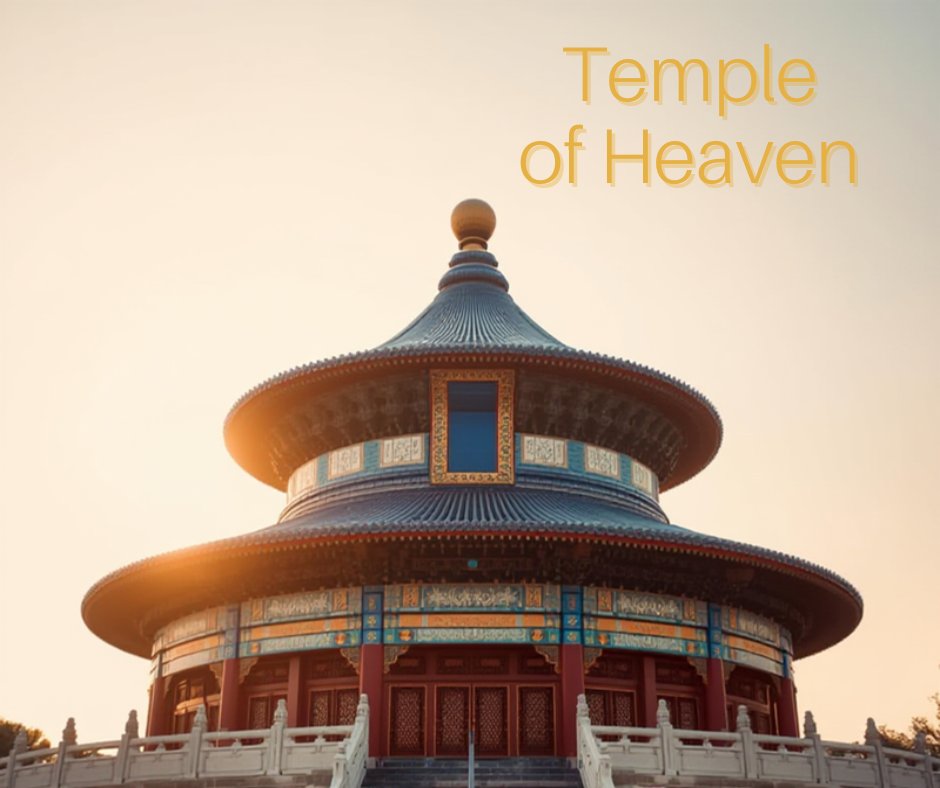
Built in 1420 during the Ming Dynasty, the Temple of Heaven served as the place where emperors performed annual ceremonies to pray for good harvests. The architecture here is unlike anything else in Beijing: circular buildings in a city of rectangles, blue-tiled roofs instead of imperial yellow, and open courtyards designed to connect earth and sky.
In 1998, UNESCO designated it a World Heritage Site, calling it a masterpiece of architecture and landscape design. Beyond the history, the surrounding park is where locals practice tai chi, play cards, sing opera, and dance every morning. Arriving early means seeing both the monuments and real Beijing daily life.
Top Attractions Inside the Complex
The Temple of Heaven complex has three main structures connected by a 360-meter-long raised walkway called the Danbi Bridge. Here is what you should not miss:
Hall of Prayer for Good Harvests
This is the building you have seen on postcards: the iconic triple-tiered circular hall with deep blue tiles. Standing 38 meters tall, it was built entirely without nails. The 28 massive wooden pillars inside represent different divisions of time: 4 central pillars for the seasons, 12 inner pillars for the months, and 12 outer pillars for the two-hour periods of each day.
Imperial Vault of Heaven
This smaller circular building is surrounded by the famous Echo Wall. In theory, you can whisper at one end and someone at the other end (65 meters away) can hear you clearly. In practice, the wall works best early in the morning before crowds arrive and noise levels rise.
Circular Mound Altar
The oldest part of the complex (built 1530), this open-air three-tiered marble platform is where the emperor stood during winter solstice ceremonies. Stand on the center stone at the top tier and speak. Your voice echoes back to you from every direction. The entire altar uses the number nine (considered the most powerful yang number) in its design: 9 stones in the first ring, 18 in the second, 27 in the third, all the way up to 81 in the ninth ring.
Practical Information for 2026
| Detail | Info |
|---|---|
| Park Ticket | 15 CNY ($2) |
| Combined Ticket | 34 CNY ($5) includes all buildings |
| Opening Hours | Park: 6:00 AM to 9:00 PM; Buildings: 8:00 AM to 5:00 PM |
| Time Needed | 2-3 hours (full visit) |
| Nearest Metro | Tiantandongmen (Line 5), East Gate |
| Best Time | Early morning (before 9 AM) or late afternoon |
Pro Tip: Always buy the combined ticket. The park-only ticket lets you walk the grounds but not enter any buildings. The 19 CNY difference is absolutely worth it.
How to Get There
The easiest route is Metro Line 5 to Tiantandongmen Station. Take Exit A and the East Gate is directly across the street. From Tiananmen Square, it is about a 15-minute taxi ride (25-30 CNY) or you can take Bus 120 from Qianmen.
If you are coming from the hutong area near Qianmen, walking takes about 25 minutes and passes through interesting local neighborhoods. I recommend entering through the East Gate and exiting through the South Gate to cover the most ground without backtracking.
Tips for Making the Most of Your Visit
- Go early: The park opens at 6 AM and the morning crowd of locals doing tai chi and playing erhu is worth the early alarm. Buildings open at 8 AM.
- Wear comfortable shoes: The complex is spread out and you will walk at least 3-4 km.
- Bring water: There are a few shops inside but prices are marked up. Grab a bottle from the convenience store near the metro exit.
- Skip weekends: Weekday mornings are dramatically quieter. On weekends and holidays, the Hall of Prayer line can stretch 30+ minutes.
- Try the Echo Wall early: After 10 AM, there are too many people talking for the acoustic effect to work.
Nearby Attractions
The Temple of Heaven sits in the southern part of central Beijing. After your visit, consider these nearby stops:
- Panjiayuan Antique Market is a 10-minute taxi east. Beijing’s biggest flea market with antiques, crafts, and Mao-era memorabilia. Best on weekend mornings.
- Qianmen Street is a 15-minute walk north. Pedestrian shopping street with a mix of traditional shops and modern stores.
- Natural History Museum is a 5-minute walk west from the West Gate. Free admission (book ahead online).
For a full day in this area, I suggest: Temple of Heaven (morning), then cheap eats near Qianmen for lunch, then the Forbidden City in the afternoon. This route moves north and keeps you on a logical path through central Beijing.
Temple of Heaven vs. Forbidden City
Many travelers ask which one to prioritize if time is short. Here is the honest answer: both are worth visiting, but they offer very different experiences.
| Temple of Heaven | Forbidden City | |
|---|---|---|
| Crowds | Moderate | Heavy |
| Time Needed | 2-3 hours | 3-5 hours |
| Cost | 34 CNY ($5) | 60 CNY ($8) |
| Vibe | Peaceful park + architecture | Grand imperial palace |
| Best For | Photography, local culture | History, sheer scale |
Frequently Asked Questions
Do I need to book Temple of Heaven tickets in advance?
In 2026, advance booking through the official WeChat mini-program is strongly recommended, especially during peak season (April through October) and national holidays. Walk-up tickets may sell out by mid-morning on busy days.
Is the Temple of Heaven wheelchair accessible?
The main walkways and Danbi Bridge are flat and accessible. The raised altars and some building interiors have stairs with no ramp alternatives. The park grounds are mostly paved paths.
Can I visit in winter?
Yes. Winter visits (December through February) mean fewer crowds and a dramatic atmosphere with bare trees against the blue-tiled roofs. Temperatures drop to -5 to -10 degrees Celsius, so dress warmly. The park still opens at 6:30 AM in winter.
How much time should I spend here?
Plan for 2-3 hours to see all three main structures and walk the Danbi Bridge. If you want to explore the park grounds, watch the morning activities, and visit the Rose Garden, add another hour.
Photography Tips
The Temple of Heaven is one of the most photogenic spots in Beijing. The Hall of Prayer for Good Harvests looks spectacular from any angle, but here are a few specific tips I have learned from multiple visits.
The best light hits the hall from the southeast in the early morning (7-9 AM). Position yourself on the south side of the Danbi Bridge looking north for the classic postcard shot with the hall framed by the stone balustrades. During golden hour in the afternoon, the warm light against the blue tiles creates an incredible contrast.
For the Circular Mound Altar, shoot from one of the lower tiers looking up at the marble balustrades against the sky. Drone photography is not permitted inside the park grounds. Tripods are allowed but you may be asked to move if you are blocking walkways during busy periods.
The surrounding park offers great candid photography opportunities. Locals gathering for morning tai chi, elderly couples dancing to portable speakers, and amateur opera singers performing under the Long Corridor all make for authentic shots of everyday Beijing life.
History You Should Know Before Visiting
Understanding the history makes the visit much more meaningful. The Temple of Heaven was built by Emperor Yongle, the same ruler who constructed the Forbidden City. For over 500 years, the emperor would travel here twice annually in an elaborate procession from the palace.
The winter solstice ceremony was the most important event. The emperor fasted for three days beforehand, then performed rituals at the Circular Mound Altar to ensure heaven’s favor for the coming year. If the ceremony went wrong, it was seen as a sign that the emperor had lost the Mandate of Heaven, which could lead to revolt.
The temple complex stopped being used for imperial ceremonies in 1911 when the last emperor abdicated. It was opened as a public park in 1918 and quickly became one of the most popular gathering spots in the city. Today, the morning park activities carry on a century-old tradition of public recreation in this space.
What to Eat Nearby
The streets around the Temple of Heaven are packed with local restaurants that cater to Beijing residents rather than tourists. Exit through the South Gate and turn left for a row of small noodle shops serving Zhajiang Mian and Lanzhou beef noodles for 15-25 CNY per bowl.
For something more substantial, head to the Tiantan Dongmen area east of the park. The Hongqiao Market (Pearl Market) food court on the fourth floor has reliable options including Beijing roast duck for around 98-148 CNY per whole duck, which is half the price of the famous chain restaurants in the city center.
More on Beijing:
Planning a trip to China?
Check out our China Travel Hub for more guides, including China Digital Survival Guide.

Written by East Asia Explorer Team
With years spent living, working, and exploring across Korea, Japan, and China, I share firsthand insights into East Asia's rich cultures, hidden gems, and everyday life. My journey also includes studying in Malaysia and traveling through Southeast Asia, experiences that have deepened my appreciation for the region's diversity. Through practical tips, local stories, and travel guides, I aim to help fellow explorers discover both the celebrated highlights and the lesser-known corners of East Asia.