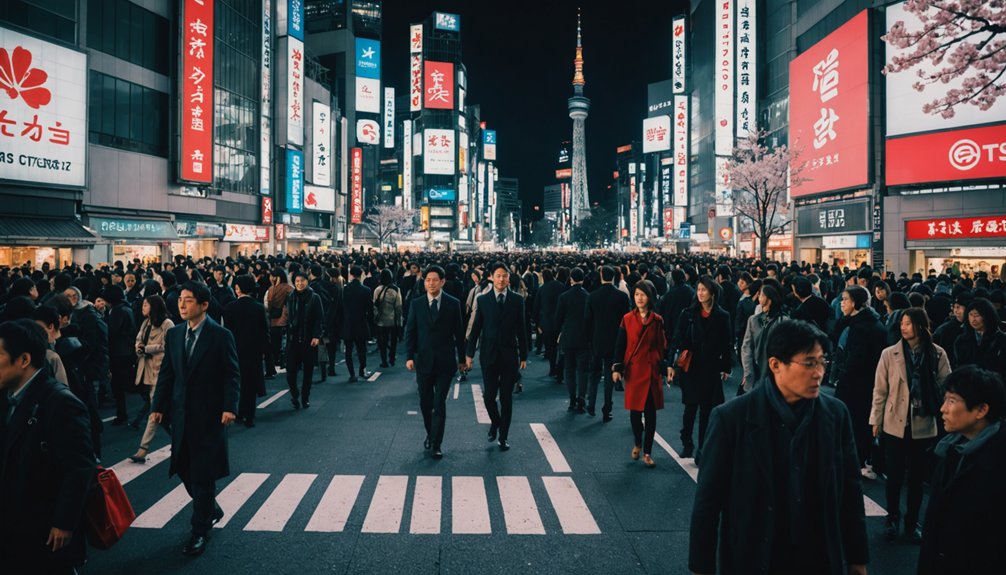
Last Updated: April 4, 2026 | Originally Published: May 4, 2025
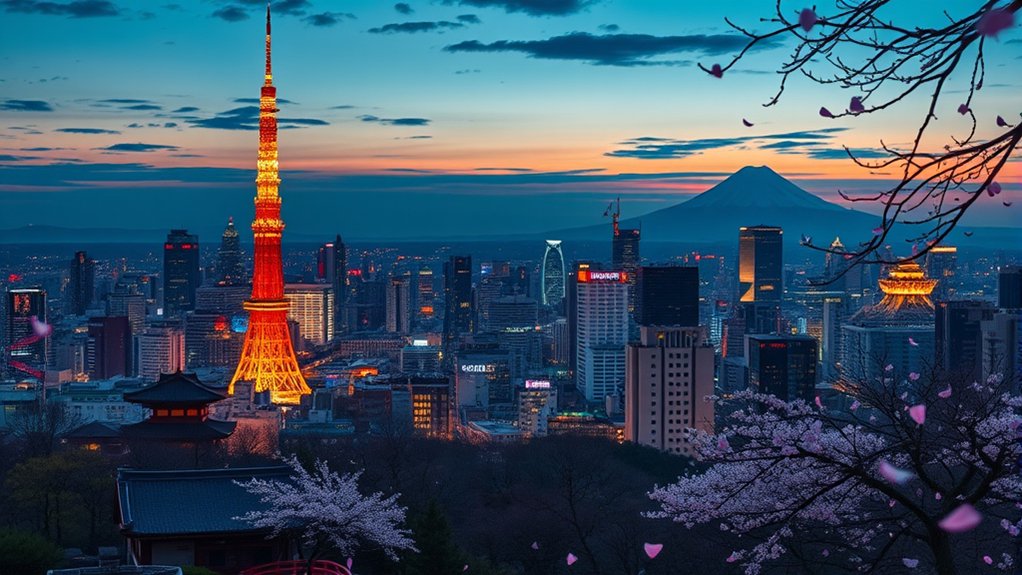
Read our full Japan Travel Guide 2026 for everything you need to plan your Japan trip.
A web page that offers a comprehensive guide to Tokyo, showcasing Japan’s capital as a modern metropolis built on tradition. The guide highlights the city’s unique blend of soaring skyscrapers alongside preserved shrines and temples, with numerous districts each offering distinct experiences. Visitors can explore major areas like Shinjuku with its neon-lit entertainment zone, Shibuya’s famous crossing, traditional Asakusa with the ancient Sensō-ji temple, and upscale Ginza for luxury shopping. The guide provides a detailed 5-day itinerary for first-time visitors, grouped by proximity to maximize exploration efficiency, and includes practical tips for navigating the world’s largest urban population where time-honored traditions and fast-paced future meet at bustling crossroads.
Explorer Insights
- Best time to visit Tokyo is late March to early April for cherry blossoms, with Ueno Park offering 1,200 trees for viewing.
- Tokyo features over 200,000 bars and restaurants, blending modern dining experiences with traditional Japanese cuisine and culture.
- Avoid Golden Week crowds by visiting during shoulder seasons (May-June or September-October) for better rates and fewer tourists.
- U.S. citizens can stay visa-free for up to 90 days, but carry cash as smaller establishments often don’t accept cards.
- The city combines ancient temples with modern skyscrapers, offering year-round festivals and seasonal attractions like autumn foliage.
Vibrant Tokyo Night Scenes
Tokyo’s neon-drenched nights are a sensory overload that’ll make your head spin – in the best possible way. With over 200,000 bars and restaurants, this city’s vibrant atmosphere never sleeps. Seriously. Never.
Dive into Tokyo’s electric wonderland, where endless neon lights and countless venues create a pulsing, unstoppable nightlife scene.
You’ll find themed venues that are delightfully bizarre – think vampire cafes and ninja-themed hangouts. Each district has its own personality: Roppongi’s got your expat crowds and exclusive clubs, while Shibuya pulses with twenty-somethings living their best lives. It’s no wonder Tokyo has become a luxurious playground for millionaires, with over 292,000 of them calling the city home.
Want cultural experiences? Duck into a traditional izakaya in Shinjuku’s Golden Gai, or brave the narrow alleys of Omoide Yokocho. The entertainment districts are packed with everything from robot shows to karaoke boxes.
Late night adventures? They’re endless. And the dining diversity is mind-blowing, from street food to high-end lounges. Tokyo nightlife isn’t just active – it’s hyperactive. Navigating the sprawling metropolis is a breeze with the Tokyo Subway Navigation app that works offline and displays real-time updates for all your nocturnal explorations.
Why Visit Tokyo? An Introduction to the City’s Charm
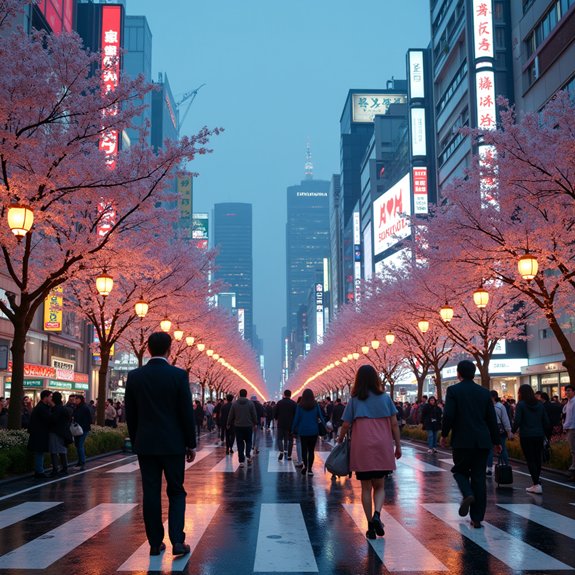
Tokyo’s mind-bending mix of ancient and ultra-modern hits you the moment you arrive – from thousand-year-old temples sitting in the shadow of neon-lit skyscrapers to robot restaurants down the street from traditional tea ceremonies.
You’ll find yourself bouncing between extremes as you explore neighborhoods where cutting-edge technology meets centuries-old traditions, with everything from serene Zen gardens to massive digital billboards competing for your attention. The city’s vibrant matsuris and festivals fill the streets with portable shrines and joyous celebrations throughout the year.
If you’re visiting in winter, don’t miss Japan’s spectacular winter festivals—from Sapporo’s colossal snow sculptures and magical light shows to the cozy, lantern-lit paths of Otaru and the fiery drama of Nozawa Onsen’s ancient rituals.
The city’s unique charm comes from this impossible blend of old and new, where you can start your morning watching sumo wrestlers train, grab lunch at a fully-automated ramen shop, and end your day with a rakugo storytelling performance that hasn’t changed in 400 years.
Brief overview of Tokyo’s unique appeal, including cultural highlights, atmosphere, and what sets it apart from other cities
Few cities on Earth manage to blend ancient spirituality with cyberpunk futurism quite like Tokyo. In this metropolis, you’ll find centuries-old Shinto shrines nestled between neon-lit skyscrapers, creating a Cultural Fusion that’s uniquely Japanese.
One moment you’re wandering through Meiji Jingu’s 100,000-tree forest, the next you’re gawking at Akihabara’s anime wonderland. Historical walking tours offer intimate glimpses into the daily lives of warriors and writers who once called these streets home.
The Urban Landscapes here are a study in contrasts. Envision this: serene tea ceremonies in historic gardens while Tokyo Skytree pierces the sky nearby. Tokyo’s vast subway network makes it effortless to explore both the quiet corners and buzzing districts, offering unmatched coverage and connectivity across the metropolis.
At Sensoji Temple, ancient traditions thrive alongside modern commerce. You’ll discover hidden sanctuaries like Kyu-Furukawa Gardens mere steps from the world’s busiest intersections.
It’s this seamless blend of old and new that makes Tokyo an unmatched destination. Chaotic? Yes. Mesmerizing? Absolutely.
Tokyo Cherry Blossom Peak Timing
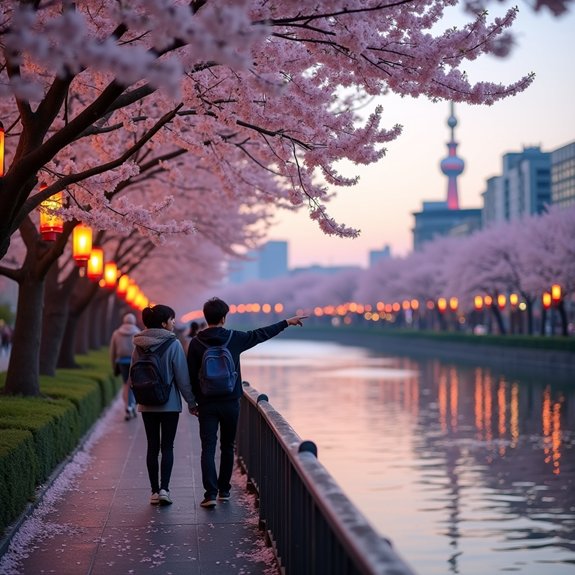
You’ll need perfect timing to catch Tokyo’s cherry blossoms at their peak, which typically explode into full bloom around March 30th and last for just 7-10 days.
The weather can throw a curveball and shift the schedule by a week or two, so you’ll want to track those forecasts starting in mid-March. Recent forecasts from Japan Meteorological Corporation suggest spring 2026 blooms will follow typical patterns.
For your best shot at seeing these finicky flowers, plan to be in Tokyo between March 24th and April 5th – and yes, about a million other people will have the same idea. For a truly unforgettable experience, visit Ueno Park where over 1,200 cherry trees create a stunning pink canopy perfect for traditional hanami celebrations.
Seasonal Guide: What to Expect Year-Round (Spring, Summer, Autumn, Winter)
Despite its modern chaos, Japan’s capital follows nature’s clock with almost military precision. You’ll find distinct seasonal activities and climate variations that’ll make or break your trip. Spring brings those famous cherry blossoms with temps climbing from 50°F to 68°F. The season is also known for stunning spring flower festivals blooming across Tokyo and beyond. Summer? Sticky and wet – expect 83°F highs and monsoon rains. Autumn cools things down but watch out for typhoons. Winter’s crisp and relatively dry. The hottest weather hits in late August when both air and ocean temperatures peak simultaneously.
| Season | Temperature | What to Expect |
|---|---|---|
| Spring | 50-68°F | Cherry blossoms, gusty winds |
| Summer | Up to 83°F | Humid, monsoons |
| Autumn | 44-68°F | Typhoons, cooling trend |
Central Tokyo stays warmer than the outskirts – thank the concrete jungle for that. Want sunshine? Winter’s your best bet with 6 daily hours. Crazy, right?
Major Festivals and Events in Tokyo
Cherry blossom season in Japan operates like a wave, sweeping north across the country with military precision.
You’ll catch Tokyo’s first blooms around March 24, with peak beauty hitting between March 30 and April 8. Talk about perfect timing for traditional celebrations and cultural performances. The blooming period typically lasts two weeks, so planning your visit for late March or early April gives the best chance to see the spectacle at its peak.
Here’s the raw truth: Tokyo blooms earlier than most major cities. While you’re lounging under pink petals in the capital, Kyoto’s trees are just waking up.
And Sapporo? Those folks won’t see blossoms until May 1. That’s just science. Temperature and rain significantly influence when and how quickly the flowers bloom.
The whole spectacle lasts 7-10 days from first bloom to peak – Mother Nature’s ultimate pop-up show.
Weather can mess with the timeline, but forecasters nail it down by late March. No pressure, just 1-2 weeks to catch nature’s pink fireworks.
Tips for Visiting During Peak vs. Off-Peak Seasons
When spring fever hits Tokyo, timing becomes everything for catching those coveted cherry blossoms. Late March to early April? That’s your sweet spot.
But here’s the deal: everyone else knows it too. Peak season strategies are essential – hit popular spots like Meguro River before 7 AM or after 7 PM to dodge the selfie-stick armies. With 3.2 million visitors entering Japan in February 2026 alone, planning ahead is crucial. If your trip extends into summer, consider experiencing a Tokyo summer festival, such as the historic Sanja Matsuri or the Sumida River Fireworks Festival, for a vibrant, crowd-filled celebration of Japanese tradition.
Want to save cash and sanity? Consider off-peak benefits instead. Summer mountains are cooler, winter gardens are peaceful, and those hotel rates? They plummet 20-40%.
Skip the cherry blossom markup and explore during shoulder seasons – May-June or September-October rock with mild weather and thinner crowds. Just avoid Golden Week unless you enjoy being sandwiched between a million other tourists.
Smart travelers know: sometimes the best views come without the bloom.
Best Seasons to Visit Tokyo
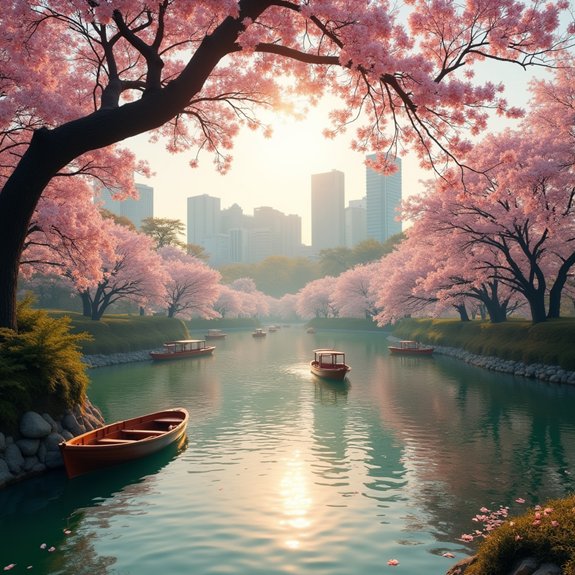
You’ll want to visit Tokyo in spring (March-May) or autumn (September-November) when the weather’s perfect for exploring and you can catch either cherry blossoms or fall foliage. For those wanting to experience Japan’s countryside in bloom, spring also offers the chance to venture beyond the city and discover spectacular seasonal destinations like Mount Yoshino and Hitachi Seaside Park.
Summer hits you with brutal humidity and packed trains during August’s Obon Festival, while winter offers smaller crowds but chilly temps – though the holiday illuminations are pretty sweet.
If you’re set on seeing those iconic pink cherry blossoms, plan for late March to early April, but be ready to battle selfie-stick warriors at popular viewing spots like Ueno Park.
The city welcomed a record 32 million visitors in 2019, so expect major attractions to be busy year-round.
Visa Requirements and Entry Procedures (general guidance, check official sources)
Planning your Tokyo adventure starts with getting your paperwork in order. If you’re a U.S. citizen, you’re in luck – no visa needed for stays under 90 days. Just bring that passport and you’re good to go. Other visa-exempt countries include Canada, UK, and EU members.
Not so fortunate? You’ll need to hit up a Japanese embassy or consulate. Remember that cash only payments are accepted for visa fees.
Visa application tips: Start early – like 1.5 months before departure. They’ll process it in about 5 business days. You can’t mail it in; show up in person with your documents.
If you’re planning to study in Japan, you may be eligible for Japanese Government Scholarships that require a separate, more detailed application process including specific documentation and screening steps.
While travel insurance isn’t mandatory, it’s a no-brainer recommendation. Trust me, medical bills abroad aren’t fun.
Quick heads up: Even visa-free visitors need to fill out entry cards. And yeah, they might ask for proof of onward travel. Be prepared.
Currency, Payments, and Tipping Culture
Money matters in Tokyo can feel like a blast from the past. Cash still reigns supreme, particularly in smaller shops and taxis. You’ll want those ¥1,000 and ¥10,000 notes handy – and yes, they’re worth about $6 and $63 respectively at current rates.
Japan’s currency system evolved from its early history when the Bank of Japan was established in 1882 to manage the nation’s money supply. Currency exchange? Airport kiosks and banks are your best bet. Don’t bother looking for cents or pennies here – the smallest coin is ¥1, and good luck finding those.
Credit cards work in major spots, but don’t count on them everywhere. Similar to China where travelers rely on translation apps to navigate language barriers, you’ll need to adapt to local payment customs. As for tipping etiquette? It’s simple: don’t. Really. Your attempt at generosity might actually offend someone. The price you see is what you pay, period.
Welcome to Japan, where cash is king and your server will chase you down the street to return that tip you left.
Basic Language Phrases & Communication Tips (Korean/Japanese/Mandarin as appropriate)
While Tokyo locals appreciate any effort to speak Japanese, mastering a few basic phrases will make your life infinitely easier.
Sure, plenty of signs have English translations, especially in tourist areas, but knowing language basics and cultural nuances will transform your experience from tourist to semi-local. Japanese people are incredibly patient with foreigners trying to speak their language – even if you butcher it completely. Learning a few essential greetings and etiquette from the local language—just as in South Korea—can help you make a positive impression and better connect with locals.
- Learn proper greetings based on time of day – morning (ohayou gozaimasu), afternoon (konnichiwa), and evening (konbanwa)
- Master essential phrases like “excuse me” (sumimasen), “thank you” (arigatou gozaimasu), and “I don’t understand” (wakarimasen)
- Remember that bowing slightly while speaking shows respect and cultural awareness – no need for a full 90-degree bend
When visiting temples and shrines throughout Tokyo, understanding how to say “itadakimasu” before meals shows deep respect for Japanese dining customs and cultural traditions.
Connectivity: SIM Cards, Pocket WiFi, and VPNs (especially for China)
Staying connected in Tokyo isn’t just about social media bragging rights – it’s vital for traversing the city’s labyrinth-like streets and translating menus on the fly. For travelers continuing on to Korea, packing the right travel adapter ensures your devices stay charged seamlessly throughout your trip. Let’s break down your connectivity options.
| Option | Pros | Cons |
|---|---|---|
| SIM Cards | Affordable data plans | Limited to 3-5GB monthly |
| Pocket WiFi | Unlimited data, multiple devices | Must return device |
| eSIM | Instant activation, no physical SIM | Modern phones only |
| VPN Service | Access blocked content | Additional cost |
| Provider Options | Holafly, Japan Wireless | Carrier restrictions |
You’ve got choices. SIM card options work if you’ve got an unbarred phone. Pocket WiFi advantages shine for groups – unlimited data, baby! eSIM benefits? No physical swap needed. VPN necessity? That’s your call, but it’s vital if you’re heading to China afterward. While using temporary solutions, permanent residents typically opt for fiber-optic cables for high-speed connections. Just pick what fits your style and budget.
Packing Essentials for {var1}’s Climate and Activities
Packing your Tokyo wardrobe isn’t rocket science, but timing matters – big time. Your packing strategies should revolve around Tokyo’s four distinct seasons, each with its own quirks.
Spring means cherry blossoms and light rain (hello, packable umbrella!), while summer hits you with humidity that’ll make your hair cry. Peak cherry blossom viewing in April means you’ll need outfits ready for busy tourist spots. For those trying to save on travel costs, visiting in the shoulder seasons like spring and fall can mean more affordable flights and accommodation options.
Fall? Pure gold for seasonal outfits – just layer up.
- Spring (March-May): Pack those lightweight sweaters and a rain jacket. You’ll thank yourself when you’re comfortable during hanami picnics.
- Summer (June-August): Bring moisture-wicking everything. Seriously. And don’t forget UV protection – the sun means business.
- Fall (September-November): Your best bet for perfect weather. Pack a light jacket and sturdy shoes for momijigari (leaf peeping, but make it fancy).
Look, Tokyo’s weather can be dramatic. Pack smart, not heavy.
Tokyo’s Ancient Temples and Shrines
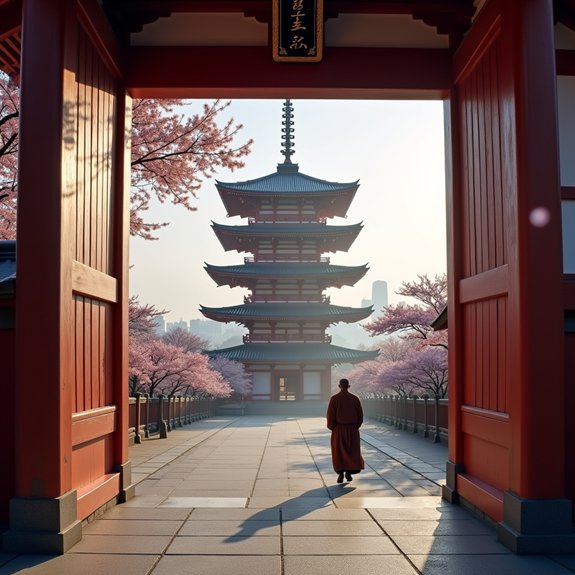
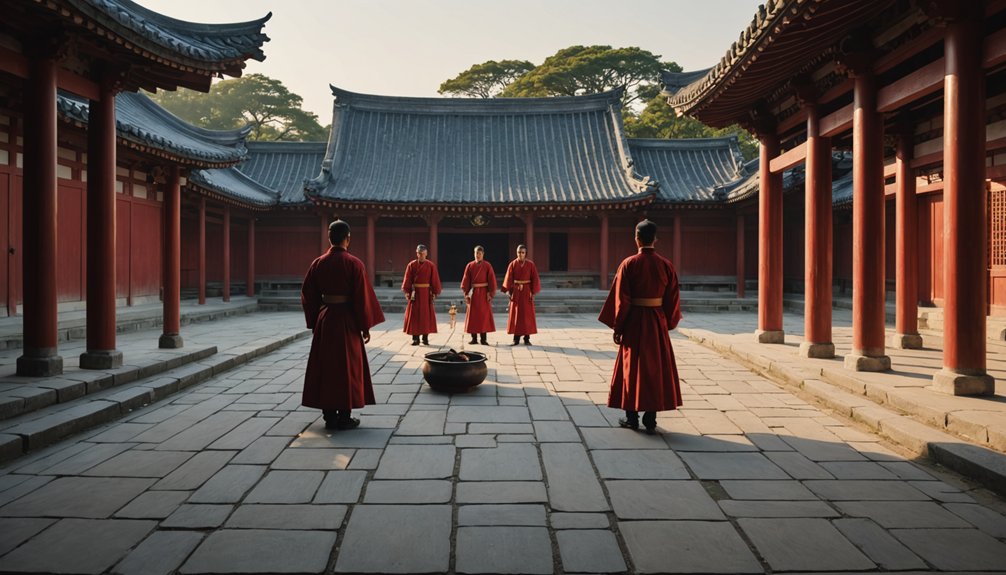
You’re about to step into Tokyo’s spiritual heart, where ancient temples like the 7th-century Sensō-ji and iconic shrines like Meiji-jingu offer glimpses into Japan’s rich religious heritage.
Many of these sacred sites underwent extensive reconstruction after World War II, yet they retain their spiritual and architectural significance.
The city’s sacred spaces range from the controversial Yasukuni Shrine to the tech-friendly Kanda Myojin, where traditional rituals somehow mix perfectly with modern urban life.
For those seeking a deeper spiritual experience, you can also try an overnight stay at shukubo temple lodgings, where visitors immerse themselves in meditation, vegetarian Buddhist cuisine, and centuries-old rituals.
Whether you’re dodging tourists under Sensō-ji’s massive red lantern or finding peace among Nezu Shrine‘s vermilion torii gates, these temples and shrines aren’t just Instagram spots – they’re living, breathing pieces of Tokyo’s soul.
Must-See Landmarks & Iconic Sights
While Tokyo’s neon-lit streets scream modernity, its ancient temples and shrines tell a different story.
You’ll find yourself stepping through time at Senso-ji, Tokyo’s oldest temple from 638 CE, where ancient architecture meets bustling market energy. The shrine rituals at Ichigaya Kameoka Hachimangu might surprise you – they bless pets! For those seeking inspiration for authentic cultural experiences, many of Kyoto’s traditional ryokans let guests participate in tea ceremonies and dress in kimono to immerse themselves in centuries-old Japanese tradition. At Meiji Jingu, visitors can find a tranquil escape from the bustling city streets.
And don’t miss Shiba Toshogu’s mind-blowing Edo-period carvings under a ginkgo tree that’s been standing since 1641.
- Zojoji Temple – home to the first Shohto Buddha statue and enough historical swagger to make history buffs weep
- Sengakuji – where 47 loyal samurai still command respect (even if they’re not exactly taking visitors anymore)
- Nezu Shrine – because sometimes you need a peaceful pine grove to escape Tokyo’s chaos
Immersive Cultural Experiences (e.g., tea ceremonies, temples, markets, museums)
Stepping into Tokyo’s ancient temples feels like revealing a spiritual time capsule – one where centuries-old rituals still pulse through modern life.
You’ll find temple rituals everywhere, from the massive 700kg red lantern at Kaminarimon Gate to the peaceful Misogi water purification ceremonies at Meiji-jingu.
Want cultural immersion? Hit up Sensō-ji, Tokyo’s oldest temple.
Yeah, it’s rebuilt post-WWII, but that just adds to its phoenix-like symbolism. Tie your fortune to the rails, or hang an ema tablet with your wishes. The five-story pagoda’s pretty spectacular too.
For something quirkier, check out Gotokuji Temple – it’s basically cat statue central. Tokyo preserves thirty-four Shinto shrines throughout its diverse neighborhoods.
When dining at temple restaurants, use translation apps to navigate Japanese menus and discover traditional Buddhist vegetarian cuisine.
And if you’re feeling contemplative, Toshogu Shrine in Ueno Park offers a serene escape from Tokyo’s chaos.
Outdoor Activities & Green Spaces (parks, hiking, riverfronts)
Tokyo’s not just a concrete jungle – it’s packed with lush parks and hidden gardens that’ll make you forget you’re in one of Earth’s biggest cities.
From the sprawling Shinjuku Gyoen’s perfect blend of French, English, and Japanese styles to the prehistoric wonderland of Todoroki Ravine Park, you’ll find endless opportunities for park exploration and nature trails. Just remember to take your trash home since many parks don’t provide garbage bins.
- Catch the seasonal shows at Rikugien Garden – autumn leaves that’ll make your Instagram followers weep with envy
- Escape the madness at Hama Rikyu Gardens, where tidal ponds and tea ceremonies transport you back to Edo-era Japan
- Get lost in Meiji Shrine’s forest sanctuary – yes, there’s actually a massive forest in central Tokyo
Trust us, these green spaces aren’t your average neighborhood parks. They’re living, breathing museums of Japanese landscaping genius. When visiting Hama Rikyu Gardens, experience the authentic Chanoyu tradition where you’ll witness the meticulous practice of harmony, respect, purity, and tranquility that has been refined since the 9th century.
Shopping Hotspots: From Markets to Malls
Want to experience retail therapy on steroids? Tokyo’s shopping scene is absolutely bonkers. From luxury brands in pristine Ginza to electronic gadgets in Akihabara’s maze-like alleys, you’ll find everything. Everything.
Harajuku’s Takeshita Street is ground zero for youth fashion – think kawaii overload and trendy streetwear that’ll make your head spin. You’ll find local trend-setters flocking to Shibuya 109 for the latest fashion must-haves.
Need something more traditional? Hit up Asakusa’s Nakamise market, where street food and ancient souvenirs collide near Senso-ji Temple. It’s old-school Tokyo at its finest.
For the hardcore shoppers, Roppongi Hills serves up post-modern retail therapy with a side of attitude.
And don’t even get me started on Ueno Ameyoko – it’s a chaotic wonderland of bargains and street snacks. Just bring cash and comfortable shoes. You’re gonna need both.
If you’re on a tight budget, consider staying at one of the budget hotels in central Tokyo, which typically cost around $138 per night and offer convenient access to these shopping destinations.
Tokyo After Dark: Nightlife and Evening Entertainment
When darkness falls across Tokyo, its ancient temples and shrines transform into something truly magical.
You’ll find Senso-ji Temple‘s dramatic illuminations casting otherworldly shadows across its 1,400-year-old structures. It’s a photographer’s paradise, perfect for nighttime photography of gilt ornaments and traditional lanterns. Cultural rituals continue well into the evening, from Buddhist ceremonies to the rare sight of geishas hurrying through Asakusa’s historic streets. A knowledgeable local guide helps visitors discover hidden photo spots throughout the area. If you join evening temple events, remember to say itadakimasu before any meal or snack, as this expresses gratitude and is a cherished part of Japanese dining etiquette.
- Senso-ji’s Kannon Hall lights up like a celestial beacon, with Nakamise Street glowing beneath
- Toshogu Shrine offers serene evening walks through Ueno Park’s shadowy paths
- Namiyoke Inari Shrine buzzes with late-night fish traders performing quick prayers
Trust me – nothing beats watching these ancient spaces come alive after sunset.
The crowds thin out. The atmosphere shifts. Pure magic happens.
Hidden Gems & Off-the-Beaten-Path Discoveries
Beyond the tourist-trampled temples lies a secret spiritual world that’ll blow your mind.
Tokyo’s 1800+ hidden shrines survive in the most unlikely places – squeezed between skyscrapers, tucked behind bicycle lots, and peeking through urban alleyways. No kidding. In these quiet spaces, you might witness locals practicing subtle bowing etiquette, showing politeness and respect as they greet the gods and each other.
Want weird? Check out Shusse-Inari Shrine, where you’ll literally walk through an apartment complex to find it.
Or hit up Gotoku-ji, birthplace of those ubiquitous waving cat statues.
Urban rituals here are wild – priests at Tomioka Hachiman-gu bless cars for traffic safety, while Hanabusa Inari Shrine holds its own against Akihabara’s electronics mayhem. The path to Hanabusa is so narrow that it’s really more of a squeeze than alley.
Some spots are barely marked, just tiny torii gates in concrete corners.
But that’s Tokyo for you – ancient spirituality refusing to surrender to modern sprawl.
Raw, real, and completely random.
Izakayas After Dark
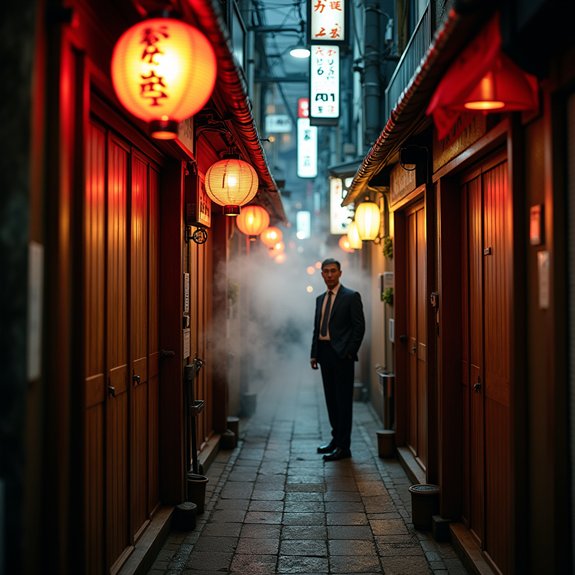
You’ll find Tokyo’s izakayas adapting to modern times – some turning into burger joints while others stick to their century-old charm like Mimasuya’s iconic red lanterns.
These after-dark hangouts still serve up the classics (grilled skewers and edamame remain king), but you’ll notice more non-alcoholic options as younger crowds embrace teetotalism. If you’re planning island excursions, taking advantage of Japan’s extensive ferry network can open up a new world of local flavors and hidden izakaya gems found on smaller islands across the archipelago.
The rise of izakaya chain restaurants has transformed the dining landscape, offering standardized experiences across multiple locations.
Whether you’re craving traditional vibes at spots like 1856’s Kagiya or hunting for those trendy hybrid café-pubs, most visitors spend about two hours soaking in the atmosphere with a small group of friends.
Must-Try Local Dishes and Drinks in Tokyo
Tokyo’s izakayas serve up an intoxicating mix of food and drinks that’ll make your taste buds do backflips. These cozy taverns are where locals go to unwind, and you’ll find everything from crispy karaage to melt-in-your-mouth sashimi. When you enter, you’ll hear the energetic staff shout Irasshaimase in welcome.
For authentic Izakaya Delights, pair your bites with perfect Drink Pairings – maybe a frosty draft beer with those gyoza, or smooth sake alongside fresh uni nigiri.
- Classic combos: Yakitori skewers + highballs (trust us on this one)
- Raw perfection: Sashimi plates + chilled junmai sake
- Bar snacks: Edamame + ice-cold Sapporo draft
You’ll find shochu cocktails galore, from citrusy chuhai to invigorating sours. If you’re inspired to explore more refined Japanese dining, Kyoto is famous for its kaiseki cuisine featuring artfully arranged, seasonal multi-course meals.
Not drinking? No problem. Sip on yuzu-infused sodas or traditional mugicha while you feast.
Best Areas and Types of Eateries (street food, cafes, traditional, fine dining)
Getting lost in the right neighborhood can lead to your best meal in Japan. From street food at Togoshi Ginza’s kilometer-long feast to high-end gourmet delights in Roppongi Hills’ skyscrapers, Tokyo’s culinary tours will blow your mind.
Want traditional dining? Hit Asakusa’s tempura spots near Senso-ji. Craving café culture? Harajuku’s themed spots are weird but wonderful. Trust me, you haven’t lived until you’ve sipped coffee while petting owls.
If you’re ever craving an unforgettable Korean BBQ experience outside Tokyo, Seoul’s Maple Tree House in Itaewon is renowned for top-notch hanwoo beef and an interactive grilling atmosphere.
Fine dining fanatics, head straight to Shinjuku’s Michelin-starred sushi bars. For local specialties and izakaya experiences, Golden Gai’s tiny bars are pure magic. Ten seats max, endless sake, and stories you won’t remember tomorrow. Don’t miss the delicious local dishes at Omoide Yokocho in Shinjuku.
Yurakucho’s hidden yakitori alleys? That’s where the real Tokyo comes alive after dark.
Navigating Food Markets and Ordering Tips
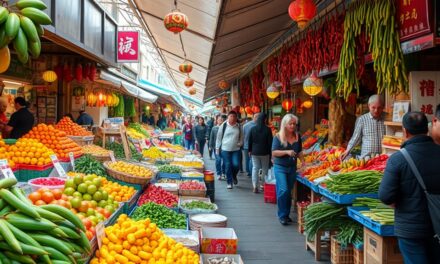
Hungry at midnight? Tokyo’s got you covered with late-night market specialties that’ll make your taste buds dance. Hit up Tsukiji Outer Market early for the freshest sushi, or brave the bustling Ameyoko for street-side yakitori. Food sampling is an art here – just bring cash and a sense of adventure. The market’s narrow streets offer specialty knife shops and traditional tea vendors for unique souvenirs.
Izakayas serve shared plates until midnight – perfect for group feasting on oden and gyoza.
Yatai stalls pop up after dark, dishing out steaming ramen and grilled scallop skewers. Exploring Tokyo’s diverse food scene is as convenient as using metro systems in major cities for quick, affordable transit between neighborhoods.
24/7 spots like Ichiran keep the noodles flowing when everything else shuts down.
Can’t decide? Point to what others are eating, flash a smile, and say “o-susume” (recommendation, please). Trust us, it works every time.
Just remember: arrive early at markets, carry yen, and don’t be shy about trying everything in sight.
Local Dining Etiquette
Night owls flock to izakayas – Japan’s answer to pubs, but with way better food.
Local dining customs here aren’t rocket science, but they’re definitely different. Get ready for some serious drink pouring etiquette.
First things first: nobody drinks alone. Wait for the group “kampai” toast, and for heaven’s sake, lower your glass below the seniors’ when clinking.
You’ll be expected to pour drinks for others – especially if you’re the junior in the group. Spot an empty glass? Fill it up. Non-drinkers, rejoice – oolong tea in a beer glass is your best friend. Expect a small otoshi appetizer plate when you first sit down – it’s not free, but it’s tradition.
If you’re navigating late-night outings, using visual aids like a smartphone map can help you communicate your destination to a taxi driver and get back to your hotel smoothly.
Want a seat? Better plan ahead. Take those shoes off before hitting the tatami areas, and grab a private room for your crew.
Weekend crowds are brutal – early bird gets the booth.
Tokyo’s Capsule Hotels Offer Unique Lodging
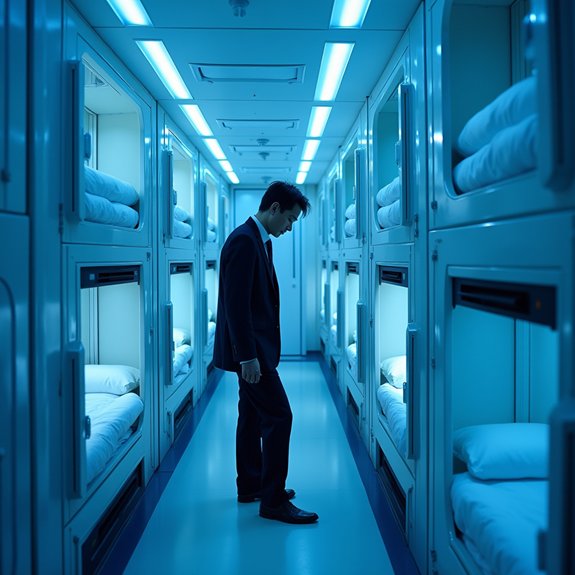
You’ll find Tokyo’s capsule hotels strategically scattered near major transit hubs and business districts, with rates around $30 compared to standard hotels’ whopping $130 price tag.
These space-age sleeping pods aren’t just for budget travelers anymore – they’ve gone upscale with plush mattresses, individual TVs, and tech amenities that’ll make your inner geek smile. Capsule hotels are also a budget-friendly accommodation option found in other Asian cities like Beijing, Seoul, and Kyoto, offering compact and cozy lodging that’s popular with solo adventurers and those seeking a unique travel experience.
The rising popularity of these innovative accommodations has contributed to the market’s impressive 8.92% annual growth.
Whether you’re a solo adventurer or business traveler looking to save some yen, these futuristic sleep boxes offer a uniquely Japanese solution to Tokyo’s sky-high accommodation costs.
Neighborhood Guide: Best Areas for Different Traveler Types (budget, luxury, families, nightlife)
Where you stay in Tokyo can make or break your entire trip.
Budget accommodations? Head to Asakusa, where hostels start at just €23.
Looking for luxury experiences? The Grand Hyatt and Four Seasons won’t disappoint.
For family activities, Ueno’s parks and museums are perfect, while Shinjuku’s Kabukicho district delivers the ultimate nightlife spots.
- Asakusa’s Stay Work hostel offers dirt-cheap dorms, while nearby Sanya’s Kangaroo Hotel lets you crash for ¥5,000
- Families will love Ueno’s combo of green spaces, Tokyo National Museum, and bustling markets
- Night owls, rejoice – Shinjuku’s got rooftop pools at APA Hotels and endless bars, while Akihabara serves up quirky themed venues
The Dormy Inn Premium in Shibuya offers an ideal location between Harajuku and Shibuya, perfect for exploring both neighborhoods.
Choose wisely. Each neighborhood’s got its own vibe.
Seriously, your wallet (and sanity) will thank you later.
Types of Accommodation (hotels, guesthouses/ryokans/minsu, hostels, serviced apartments)
Tokyo’s accommodation scene is a wild ride of options, and trust me, there’s something for every type of traveler.
Luxury hotels dominate 30% of the market, boasting killer occupancy rates and prime locations in the city center. No kidding, they’re packed at 72.4% capacity. Visitor data shows that overnight stay rates consistently peak during spring and autumn seasons. If you’re flying in from Korea, it’s worth knowing that Seoul to Jeju Island is the busiest domestic air route in the world, highlighting just how connected East Asia’s travel hubs are.
Want culture? Cultural guesthouses and ryokans are your jam. Think futons, tatami mats, and zero Netflix – just pure Japanese vibes.
Budget hostels in Ueno and Shinjuku keep it real with dorm beds and social spaces where you’ll make friends whether you want to or not.
Sticking around? Serviced apartments come with kitchenettes and actual living space.
They’re perfect for extended stays, especially if you’re done with room service and want to cook your own ramen (no judgment).
Booking Tips and Recommendations
Anyone looking to embrace Tokyo’s quirky side should consider sleeping in a high-tech box.
These capsule hotels aren’t just cheap – they’re downright fascinating. You’ll pay between 3,000-5,000 yen per night for a pod that’s basically a high-tech cocoon, complete with USB ports and adjustable lighting. Each capsule includes a sleeping futon mattress for maximum comfort.
For the best experience, stick to spots near major stations in Shibuya or Shinjuku.
- Book Tea Bed Shibuya offers literary vibes and free tea for culture vultures
- The Millennials Shibuya packs serious tech into their pods – perfect for digital nomads
Most capsules include free Wi-Fi, toiletries, and storage lockers (but pack light, seriously).
Book early during peak seasons like November and December.
And yes, there are gender-specific floors – no mixed pods here.
Want the best capsule hotel advantages? Location and price are everything.
For a more luxurious experience in Seoul, consider staying at Four Seasons Hotel with its elegant decor and exceptional service throughout the property.
Efficient Rush Hour Navigation
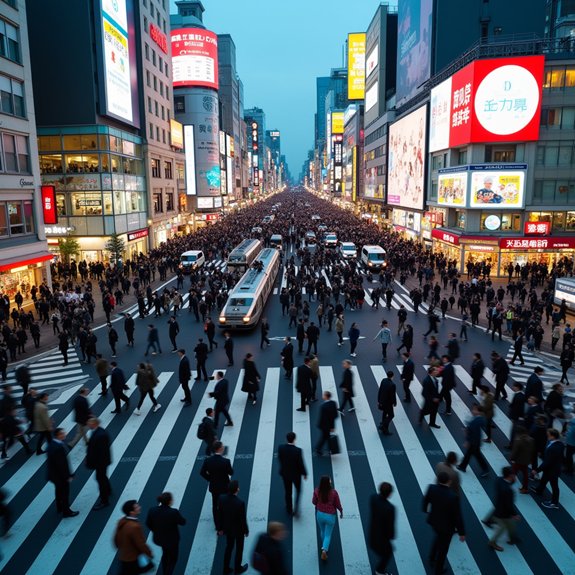
You’ll need nerves of steel to tackle Tokyo’s rush hour, where trains hit a mind-boggling 180% capacity during peak times at major stations like Shinjuku and Shibuya.
Your best bet is traveling either super early (before 7:45 a.m.) or mid-morning (after 9:30 a.m.), unless you enjoy being a human sardine.
For a more civilized commute, consider alternatives like the less-crowded Odakyu line, or splash out on a taxi – your personal space will thank you. To skip the worst of the evening congestion, avoid traveling between 6 p.m. and 7 p.m. when the crowds reach their peak.
Unlike Tokyo’s congestion, Korea’s public transit system offers more breathing room with a convenient T-money card that allows seamless transfers between various transportation modes.
Navigating Tokyo’s Public Transportation (subway, buses, trams)
Mastering the sprawling public transit system of Japan’s capital can feel like solving a complex puzzle – but it’s actually a well-oiled machine. Your trusty IC card (Suica or Pasmo) is your golden ticket, working seamlessly across trains, buses, and even those rare vintage trams.
Follow the colored subway lines like breadcrumbs, and you’ll never get lost. Google Maps is your best friend here – trust me. The Tokyo Metro and Toei networks provide comprehensive coverage throughout the city.
- Yellow platform lines aren’t decorative – stand behind them unless you fancy becoming a human sardine.
- English announcements and signs make navigation a breeze, except on buses (good luck there!).
- Those IC cards? Pure magic. Tap and go, no math required. Just keep it loaded.
Remember: buses connect to subway stations, and trams offer a nostalgic alternative in central areas.
Using translation apps can help you communicate with locals and navigate station signs that might not have English translations.
Taxis and Ride-Sharing Services
When rush hour hits Tokyo, maneuvering the maze of taxis and ride-sharing options becomes a tactical game.
Taxi efficiency varies wildly – traditional cabs manage 0.7 rides per hour, while ride-hailing apps double that rate. No joke.
You’ll notice the shift in taxi hailing trends. With ¥US$2.60 billion revenue projected by 2026, the taxi market remains a vital transportation force in Japan.
Apps are getting smarter, with real-time matching that’ll save your sanity during peak hours.
They’re tourist-friendly too – multiple languages, no local phone number needed. Sweet deal.
Travelers in Korea’s efficient train network often book tickets online in advance to guarantee seats, an approach that can also help Tokyo visitors streamline their rush hour commutes.
Airport Transfers: Options to/from Major Airports
Tokyo’s two major airports pack a punch with transportation options that’ll make your head spin. When it comes to airport transfer comparisons, you’ve got choices – lots of them. The N’EX train zooms you straight to central Tokyo, while Haneda’s monorail gets you there in a snap.
Transportation efficiency? It’s all about timing.
- Beat the rush hour madness by avoiding trains between 7-9 AM and 5-7 PM (seriously, it’s brutal)
- Snag those pre-booked tickets online – your future self will thank you
- Japan Rail Pass holders, flex that power on the N’EX and skip the lines
If you’re traveling with electronics, make sure you’ve thought ahead about travel adapters for your devices, since plug types and voltage can differ from your home country.
Need to swap airports? The limousine bus is your best bet. Sure, it’s ¥3,100, but it beats the maze of train transfers. A taxi to central Tokyo from Haneda costs around ¥6,000 and takes about 30-45 minutes.
Rush hour? Plan for double the time. Welcome to Tokyo, where even getting from the airport is an adventure.
Renting a Car and Driving Considerations
So you’ve mastered the airport transfer game – but what about hitting Tokyo’s streets on your own? Let’s be real: driving in Tokyo isn’t for the faint of heart. You’ll need proper documentation (IDP’s a must), solid driving etiquette, and nerves of steel. Most travelers find comfort in booking through English reservation systems, which helps avoid language barriers. For those preferring public transit instead, Tokyo’s subway system spans approximately 200km of track and offers rechargeable Suica/Pasmo cards for convenient travel.
| Time | Traffic Reality | Smart Move |
|---|---|---|
| 7-9 AM | Pure Gridlock | Skip highways |
| Midday | Manageable | Use toll roads |
| 5-8 PM | Traffic Hell | Take trains |
Here’s the truth: rental insurance is non-negotiable, and you’d better brush up on local rules. No right turns on red (seriously, don’t even try it). Kei cars are cheaper but forget about highway cruising – they’re basically powered by hamsters. During winter, snow tires aren’t just suggested – they’re required in mountainous areas. And those narrow streets? They make parallel parking look like an Olympic sport.
Walking and Biking in Japan’s Capital
Despite Tokyo’s reputation for stellar public transit, maneuvering through rush hour on foot or bike requires ninja-level strategy.
For walking tips, stick to side streets and park detours – Shinjuku Gyoen and Yoyogi Park are your new best friends. Remember that morning commutes peak between 8:00-9:00 AM, making this the most critical time to avoid major routes. When asking for directions, use “wa doko desu ka?” while pointing to your destination on a map to get helpful guidance from locals.
Want biking routes? Riverside paths along the Sumida River offer sweet relief from the chaos. Just don’t even think about major roads during peak hours.
- Time your escape: Leave before 7:00 AM or after 9:30 AM to dodge the human tsunami
- Master the art of exit-hopping: Skip crowded station exits for quieter alternatives
- Embrace shared bikes: Hello Cycling and CycloShare let you zip past gridlocked traffic
Trust us, timing is everything. Early bird gets the worm – and avoids getting crushed in Shibuya Crossing during evening rush hour.
Essential Japanese Bathroom Customs
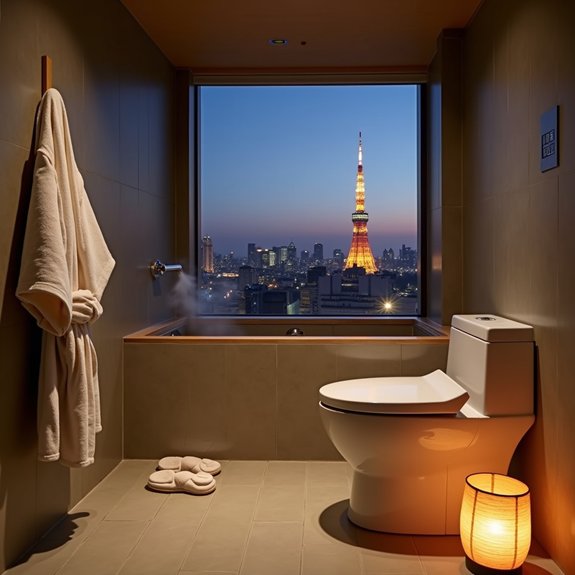
When you’re visiting Tokyo’s bathrooms, you’ll quickly realize they’re not like anything back home – with high-tech toilets that practically launch rockets and bathing customs that’ll make you rethink everything you know about getting clean.
You’ll need to master the art of maneuvering gender-separated facilities, memorize when to wear which slippers (yes, there are different ones for different areas), and get comfortable with the concept of communal nudity in public baths. In case of any medical emergencies during your visit, it’s reassuring to know that Tokyo offers numerous English-speaking hospitals throughout the city. Just look for the kanji symbols on bathroom doors to find your way to the correct facilities.
Trust us, once you figure out the washing stations, proper pre-bath etiquette, and those fancy bidet controls, you’ll wonder how you ever lived without them.
Local Customs and Social Etiquette (greetings, bowing, gift-giving)
Understanding Japanese social etiquette can feel like maneuvering through a minefield, but it’s actually pretty straightforward once you grasp the basics.
When it comes to bowing techniques, depth matters – a casual head nod works for everyday situations, while formal occasions call for deeper bows between 15-45 degrees. And forget about those handshakes. Physical contact? Not so much. Always remember to remove your shoes when entering homes or traditional establishments.
- Gift etiquette is serious business – always wrap meticulously in bright colors (no black or white!), and use both hands when giving or receiving.
- Return gifts aren’t optional – they’re expected, especially in business settings.
- Save your nose-blowing for private spaces, unless you want to be that tourist everyone stares at.
Many visitors to Japan also enjoy learning about traditional tea houses, where the atmosphere and customs encourage quiet reflection and a connection to history.
Remember: timing matters with gifts. Arrive with them, don’t whip them out during dinner.
Safety Tips and Health Precautions (general safety, scams, healthcare)
Although Tokyo ranks as one of the world’s safest cities, you’ll still want to keep your wits about you. Pickpockets are rare, but crowded trains can be tempting targets. And those friendly strangers offering to take your photo? Maybe not so friendly.
Basic safety measures go a long way here. Stick to licensed taxis, keep your belongings close in busy areas like Shibuya, and don’t fall for high-pressure sales tactics in tourist spots. Carrying a destination address card written in Japanese can help avoid miscommunication with taxi drivers and ensure you get to your destination smoothly. For extra peace of mind, women-only cars are available on trains during rush hour.
The real threats? Natural ones. Earthquakes happen, so know your evacuation routes.
Healthcare’s outstanding, but it’ll cost you. Get solid health insurance before you land – those high-tech hospitals aren’t cheap.
And summer heat can be brutal (we’re talking 35°C+), so hydrate like your life depends on it. Because, well, it does. Pack any medications you need; the language barrier at pharmacies is real.
Staying Connected: Power Adapters and Voltage
Plugging in your devices shouldn’t be rocket science, but Japan’s electrical system might make you think twice. The country runs on 100V, not the usual 110V or 220V you’re used to.
And yes, Tokyo rocks a different frequency than Osaka. Because why make things simple, right?
- Type A and B plugs (those flat-pin ones) are standard, but power adapter compatibility isn’t guaranteed.
- Your fancy dual-voltage gadgets (100-240V) will work fine without converters.
- High-wattage items like hair dryers? Voltage converter necessity alert – unless you enjoy the smell of fried electronics.
Consider getting a world travel adapter for maximum flexibility during your stay.
Your phone charger and laptop will probably survive just fine.
But that fancy 1800-watt hair dryer from home? Leave it. Seriously.
Japanese retailers stock plenty of travel-friendly alternatives that won’t explode when you plug them in.
Unlike China, Japan doesn’t require specialized polarized adapters for most US appliances to fit properly into their outlets.
Tokyo’s Weekend Deals
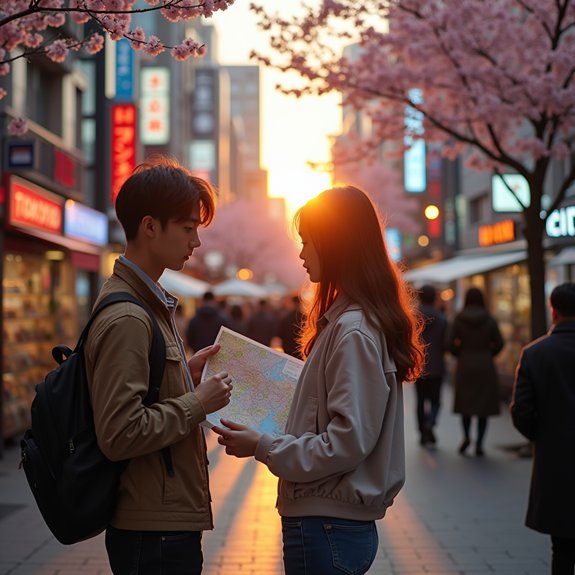
You’ll find Tokyo’s weekend deals are a budget-traveler’s dream, with LAX flight-hotel combos starting at just $1,301 and MONday Apart’s highly-rated properties offering that sweet kitchen-and-laundry combo you didn’t know you needed.
For the points-obsessed among us, IHG’s Tokyo Bay property serves up ridiculous value – we’re talking $180 or 30,000 points for rooms that normally cost thousands. The popular Hotel Century Southern Tower offers modern rooms with skyline views for under $200 per night.
Whether you’re eyeing those cushy Park Hotel Tokyo digs or the wallet-friendly HOTEL GROOVE SHINJUKU, timing your booking to snag those 48-hour Expedia flash deals can mean the difference between eating convenience store sushi and splurging on the good stuff. Travelers often appreciate exploring local hidden gems with cultural heritage, similar to those found in Seoul, which can add an enriching layer to the travel experience.
Estimated Daily Costs (budget, mid-range, luxury)
Traveling to Tokyo doesn’t have to break the bank – but it definitely can if you let it. Your travel budget really comes down to your style: budget travelers get by on $50-100 daily, mid-range folks spend $110-250, and luxury travelers… well, the sky’s the limit above $250 per day. The cost breakdown varies wildly depending on your choices.
- Budget warriors: Think hostels ($20-60/night), convenience store bentos ($5-10), and mastering the metro system. Booking accommodations with shared kitchens allows you to cook meals and save even more on food costs.
- Mid-range comfort: Business hotels ($60-200/night), casual izakaya dining ($10-30), and Japan Rail Pass adventures.
- Luxury living: Five-star hotels ($200+), kaiseki feasts, and private tours galore. For a truly authentic experience, consider staying at an onsen-ryokan for $155 that offers rooftop hot springs and traditional Japanese accommodations.
Let’s be real – Tokyo isn’t cheap. But with smart planning, you won’t need to sell a kidney to enjoy it.
Money-Saving Tips for Accommodation, Food, and Activities
While Tokyo’s reputation for sky-high prices isn’t totally wrong, smart travelers can slash costs without sacrificing the experience. Your biggest accommodation hacks? Think capsule hotels and hostels at 2,000-6,000 yen per night. Boom. Done.
Timing matters – a lot. Skip the cherry blossoms (yeah, they’re pretty, but your wallet won’t think so). Book during February or September instead. Your bank account will thank you. Business hotel rates stay more stable than tourist accommodations during peak seasons.
For serious food budgeting, those hotel vending machines and on-site restaurants are lifesavers.
Want location without the markup? Otemachi and Akihabara deliver budget-friendly spots near major attractions.
Or try Asakusabashi – it’s quiet, central, and won’t break the bank.
And those traditional ryokans? Starting at 5,000 yen, they’re cheaper than you’d think. Traditional Japanese experience without the luxury price tag.
Understanding Local Prices and Bargaining Culture
Despite Tokyo’s reputation as a bargaining-free zone, smart price navigation starts with understanding the city’s dramatic cost variations.
You’ll find staggering price differences between central and outer districts – we’re talking 30-50% less for the same stuff. Price awareness matters here, folks. Central Ginza’s not messing around with those sky-high rates, while Asakusa keeps it real with budget-friendly options. A typical tourist should plan to spend ¥10,000 to ¥30,000 daily for a comfortable experience.
- Capsule hotels in Ueno at ¥2,500/night vs. Shinjuku’s luxury spots at ¥100,000+ (yeah, seriously)
- Michelin-starred sushi for ¥50,000, or conbini meals for under ¥1,000
- Central districts charging double for hotels compared to outlying areas like Ikebukuro
Here’s the deal: bargaining tips won’t help much. Tokyo’s fixed-price culture is pretty much set in stone.
Location is your real money-saver.
Tokyo’s Seasonal Festivals By Month
You’ll get the most out of Tokyo’s festivals by planning around key timeframes – think three days for the rapid highlights, five days to mix landmarks with local experiences, or seven days to really absorb it all.
The May festivals pack a serious cultural punch with sumo tournaments and shrine celebrations, while December lights up the city with winter markets and that crazy Fox Parade at Oji Inari-Jinja. Ring in the new year at Shibuya Crossing countdown, where massive crowds gather for Tokyo’s biggest celebration.
Whether you’re hitting the summer fireworks in July or catching autumn leaves in September, adding nearby day trips lets you escape the city’s intensity when festival crowds get overwhelming.
Tokyo in 3 Days: A Whirlwind Tour
Visiting Tokyo in January means bundling up for some seriously unique celebrations. You’ll find yourself caught up in the whirlwind of post-holiday chaos, where cultural immersion takes on a whole new meaning.
The Oji Fox Parade’s elaborate costumes bring surreal energy to the streets, while Tokyo nightlife gets an extra boost from New Year festivities. A visit to Sensoji Temple, Tokyo’s oldest Buddhist temple, offers a glimpse into 1,400 years of rich history.
- Catch the last Hatsumode crowds rushing to temples – it’s like Black Friday meets spiritual enlightenment
- Score major deals during post-holiday sales in shopping districts (your wallet will thank you)
- Watch locals dressed as foxes parade through the streets – yes, it’s as weird as it sounds
The city’s craft fairs and Shinto ceremonies create this bizarre mix of traditional and modern.
Trust me, January in Tokyo isn’t just about fighting the cold – it’s about embracing the crazy.
Tokyo in 5 Days: Balancing Landmarks and Local Life
Three key districts shape Tokyo’s soul during the height of festival season – Asakusa’s temple crowds, Harajuku’s fashion chaos, and Shinjuku’s neon nights.
You’ll find cultural immersion at every turn, from January’s Hatsumode rush at Sensō-ji to spring’s cherry blossom madness in Shinjuku Gyoen.
Local traditions explode during Golden Week, when the city transforms into a festival wonderland. Experience authentic Japanese cuisine with a guided Shinjuku Food Tour that reveals hidden local gems.
Let’s be real – you haven’t lived until you’ve joined the masses under pink petals in April.
The magic continues through fall, when autumn leaves paint Shinjuku Gyoen in fiery reds.
December? Pure electric energy. The city goes nuts with illuminations, turning Shibuya into a winter wonderland that’ll make your Instagram followers weep with envy.
Festival season in Tokyo – it’s basically sensory overload in the best possible way.
Tokyo in 7 Days: A Deeper Dive
While cramming Tokyo into five days gives you the highlights reel, seven days lets you really sink your teeth into the festival scene.
No joke – this city knows how to party. From traditional Shinto celebrations to mind-bending pop culture events, Tokyo’s cultural nuances shine through its year-round festivities.
– Hit up Sanja Matsuri in May for intense mikoshi action and Tokyo fashion spotting amid ancient traditions.
The traditional koi streamers and family-focused celebrations make May an especially vibrant time to visit.
- Catch the surreal Kappabashi Fake Food Festival in October (because where else can you geek out over plastic sushi?).
- Don’t miss Summer Comiket, where manga fans and cosplayers turn the convention center into an otaku paradise.
The festivals here are wild, wonderful, and sometimes weird.
Seven days means you’re not just watching – you’re participating. That’s the real Tokyo experience.
Potential Day Trips from Tokyo
Beyond Tokyo’s electric streets lie festivals and adventures that’ll make your jaw drop. If you’re itching for epic day trip ideas, Japan’s cultural excursions won’t disappoint.
Spring brings Ueno’s cherry blossoms – 1,200 trees lighting up the night sky. No joke. Niigata’s tulip fields explode with color in April, while May serves up samurai-style horseback archery in Kamakura. The Shiofune Kannon Temple transforms into a breathtaking display of Tokyo’s best azaleas.
Summer? Get ready. Firefly watching in Gunma. Mountain temples nestled in the Japanese Alps. Bon festivals lighting up Kamakura’s streets.
August cranks it up with beach parties along Tokyo Bay and fruit-picking tours in Yamanashi’s orchards. Dark sky stargazing, anyone?
These aren’t your typical tourist traps – they’re real-deal Japanese experiences. Raw, authentic, and absolutely unforgettable.
Tokyo’s Faster Trains Than Seoul
You’ll notice Tokyo’s trains hit that sweet spot of 320 km/h while staying freakishly on schedule – we’re talking one-minute-late apology territory here.
Seoul’s slightly slower KTX system cruises at 305 km/h and tends to run a few minutes behind, though they’re making strides with their homegrown tech. The KTX interior offers a more rustic cabin compared to its Japanese counterpart.
While both cities crush it with massive station networks, Tokyo’s seamless high-speed coverage and platform safety features put it ahead in the rail game, making Seoul’s centralized routes look a bit basic in comparison.
Briefly compare {var1} to 1-2 other major cities in the region, focusing on vibe
If you’re looking for speed, Tokyo’s trains absolutely smoke Seoul’s rail system. While both cities rock modern infrastructure, Tokyo’s blazing Maglev prototype hit a mind-blowing 603 km/h – leaving Seoul’s HEMU-430X in the dust at 421.4 km/h.
The city vibes couldn’t be more different either, with Tokyo’s seamless integration of local cultures into its transit experience. The tremendous success of Japan’s Shinkansen bullet trains has set the global standard for high-speed rail technology and efficiency.
- Tokyo’s stations are like mini-cities, featuring everything from high-end shopping to traditional Japanese food courts
- The legendary Japanese punctuality means you’ll never waste time waiting around
- Multi-language support makes Tokyo’s system way more tourist-friendly than Seoul’s
Talk about efficiency – Tokyo’s reducing the Tokyo-Osaka trip to just 67 minutes.
Seoul’s still playing catch-up.
Frequently Asked Questions
Is Tap Water Safe to Drink in Tokyo?
With over 98.2% of Tokyo’s population receiving water that meets strict safety standards, you can absolutely drink the tap water.
The city sources its water from pristine rivers like the Tone and Arakawa, treating it through advanced filtration and ozone disinfection.
Japan’s tap water quality actually exceeds many WHO guidelines.
And yes, they’re obsessive about testing – daily monitoring for everything from radioactive materials to those pesky PFAS chemicals.
What Mobile Apps Are Essential for Navigating Tokyo?
You’ll definitely need Google Maps – it’s your lifeline for public transport in Tokyo.
Grab Japan Travel by NAVITIME too; it’s perfect for JR Pass holders and works offline.
Tokyo Metro’s official app is a must for subway navigation, especially those confusing station exits.
Lost signal? Maps.Me has got your back with offline maps.
Simple. Essential. Done.
How Much Cash Should I Carry Daily in Tokyo?
For daily expenses in Tokyo, you’ll want 5,000-10,000 yen if you’re budget-conscious, or 15,000-20,000 yen for mid-range spending.
That’s just reality. Cash tips? Break those big bills – nobody loves your 10,000 yen note at the corner shop.
Keep extra stashed in your hotel safe. Traditional spots and small vendors? They’re strictly cash-only. Cards work great, but cash is still king here.
Are Credit Cards Widely Accepted in Tokyo’s Small Shops?
Like finding a needle in a neon-lit haystack, credit card acceptance in Tokyo’s small shops is hit-or-miss.
While major chains and retailers welcome plastic, many mom-and-pop spots and traditional eateries still run on cash only.
You’ll especially notice this at ramen shops with ticket machines.
Even though credit card usage has doubled in the past decade, small shop payments remain stubbornly old-school throughout much of Tokyo.
What Emergency Numbers Should I Know When Visiting Tokyo?
Keep these emergency contacts handy: 110 for police, 119 for fire or medical assistance.
They’re your lifelines. If you’re not dying but need medical advice, dial #7119.
Maritime emergency? That’s 118.
Don’t speak Japanese? No sweat – there’s some English support, but knowing basic phrases helps.
For tourist help, call 050-3816-2787.
Mental health crisis? TELL’s got you: 03-5774-0992.
Conclusion
Like Tokyo’s neon signs piercing the night sky, you’ll find yourself forever changed by this city of contrasts. From ancient temples rising like dragons through modern skyscrapers to bullet trains slicing through time itself – it’s a place where past meets future head-on. You’ve seen the cherry blossoms fall like pink snow and felt the pulse of Shibuya’s heartbeat. Now Tokyo’s spirit runs through your veins too.
More on Transportation:

Written by Sam Konneh
Sam Konneh is an AI strategist and digital marketer based in Seoul, South Korea. With years spent living, working, and exploring across Korea, Japan, and China, he shares firsthand insights into East Asia's cultures, hidden gems, and everyday life. A graduate of Inha University and KDI Graduate School, Sam combines data-driven expertise with on-the-ground experience. His journey also includes studying in Malaysia and traveling through Southeast Asia. Through practical tips, local stories, and travel guides, he helps fellow explorers discover both the celebrated highlights and the lesser-known corners of East Asia.