Last Updated: March 12, 2026 | Originally Published: April 29, 2025
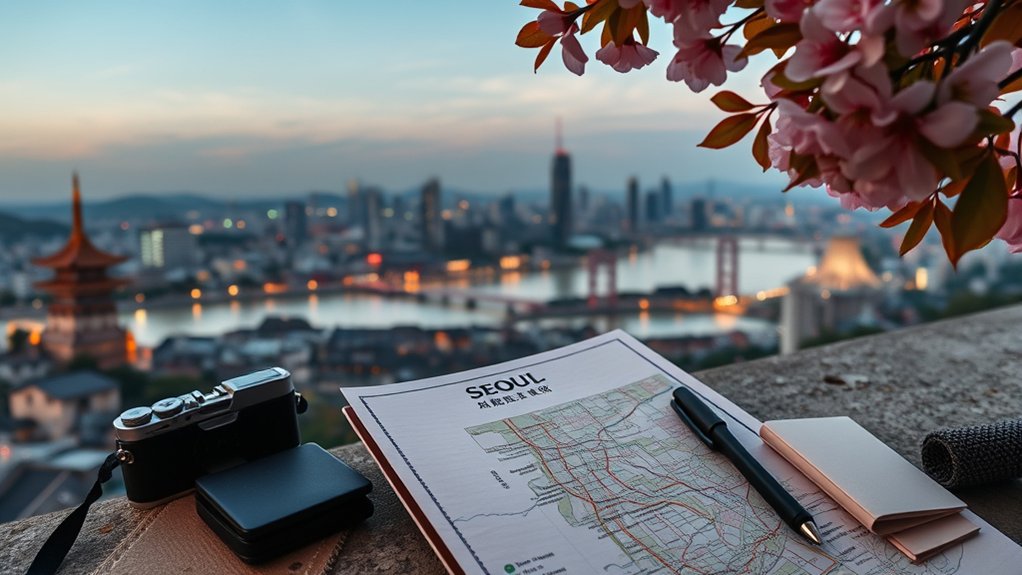
Read our full South Korea Travel Guide 2026 for everything you need to plan your Korea trip.
The Perfect Weekend in Seoul: 2-Day Itinerary for First-Timers
Ready to make the most of a whirlwind weekend in Seoul? This city is where centuries-old palaces meet neon-lit nights, bustling markets, and trendsetting neighborhoods. Whether you’re a first-time visitor or a city explorer looking for fresh adventures, this 2-day Seoul itinerary will help you capture the highlights, local flavors, and hidden gems that make Korea’s capital unforgettable. (Source: UNESCO Korea Heritage Sites)
Explorer Insights: 2-Day Seoul Itinerary
What to Expect
Day 1: Historic & Cultural Seoul
Gyeongbokgung Palace
Arrive early to explore the grandest Joseon-era palace.
Watch the colorful Royal Guard Changing Ceremony at the main gate.
Consider renting a hanbok for free entry and memorable photos. (Source: K-ETA official portal)
National Palace Museum of Korea
Visit for fascinating exhibits on Korea’s royal history and culture.
Bukchon Hanok Village
Stroll through winding alleys lined with traditional Korean houses (hanoks).
Stop by the Bukchon Traditional Culture Center for maps and info.
Browse artisan shops and relax in a traditional tea house.
Gwangjang Market (Lunch)
Refuel with local favorites like bibimbap, bindaetteok (mung bean pancakes), and mayak kimbap.
Experience the lively, authentic market atmosphere.
Insadong Culture Street
Explore art galleries, antique shops, and craft boutiques.
Enjoy a peaceful break at a traditional tea house (try omija or jujube tea).
Namsangol Hanok Village (Optional)
Discover restored hanok homes and join hands-on cultural activities.
Cheonggyecheon Stream
Take a relaxing walk along this scenic urban stream.
Myeongdong (Evening)
Shop for K-beauty, fashion, and souvenirs.
Sample street food and soak up the vibrant nightlife.
N Seoul Tower (Optional Night View)
Head up for panoramic night views of the city skyline.
Day 2: Modern Seoul & Local Life
Seongsu-dong Cafes & Art Spaces
Start your morning in Seoul’s “Brooklyn,” filled with indie cafés and galleries.
Bukhansan National Park or Yeouido Ecological Park
Choose between a scenic mountain hike or a riverside park stroll.
Lunch in Gangnam or Itaewon
Enjoy K-BBQ, trendy fusion cafés, or international cuisine.
Dongdaemun Design Plaza & Landmark Library
Marvel at futuristic architecture and explore the visually stunning Starfield Library (if open).
Hidden Gems
Discover colorful murals at Ihwa Mural Village.
Wander Buam-dong’s quiet streets and cozy coffee shops.
Visit Changsin-dong Toy Market for a quirky local experience.
Hongdae (Evening)
Dive into Seoul’s creative youth culture: live music, street performances, and indie boutiques.
Enjoy themed cafés and late-night eats.
Han River (Hangang) Picnic or Nightlife
End your day with a riverside picnic or explore Hongdae/Itaewon’s nightlife.
Quick Guide to Seoul: What Makes the City Special?
Welcome to Seoul, a city where centuries-old palaces and vibrant street markets coexist with cutting-edge skyscrapers and a world-leading pop culture scene. As South Korea’s capital, Seoul is a place of contrasts-where you can sip artisan coffee in a hipster café minutes after witnessing the regal changing of the guard at a royal palace.
Why visit Seoul for a weekend?
Seoul is compact, safe, and incredibly efficient, making it perfect for a short but action-packed getaway. Whether you’re a history buff, foodie, K-pop fan, or urban explorer, you’ll find something to love in this dynamic metropolis.
Seoul at a Glance:
Population: 10 million (city), 25 million (metro area)
Language: Korean (English signage is common in tourist areas)
Currency: Korean Won (KRW)
Time Zone: KST (UTC+9)
Old Meets New: Palaces, Skyscrapers, and K-Culture
Seoul’s landscape is dotted with grand Joseon-era palaces, traditional hanok villages, and tranquil Buddhist temples-all set against a backdrop of neon-lit towers and bustling shopping districts. The city is also the global epicenter of K-pop, K-beauty, and Korean cuisine, making it a must-visit for trendsetters and culture seekers alike.
Essential Travel Tips
Safety: Seoul is one of the safest cities in the world, even at night. Solo travelers, including women, can explore with confidence.
Etiquette: Bow politely, remove shoes when entering homes, and offer or receive items with both hands.
Connectivity: Free Wi-Fi is widely available, and SIM cards or portable Wi-Fi devices are easy to rent at the airport.
Best Time to Visit: Spring (cherry blossoms, mild weather) and autumn (fall foliage) are especially beautiful.
Must-Have Apps for Travelers
Naver Map or KakaoMap: For accurate navigation and public transport info.
Papago: Instant translation for menus and signs.
KakaoTaxi: The easiest way to hail a cab.
Subway Korea: Real-time subway schedules and route planning.
Where to Stay in Seoul for a Weekend
Seoul offers a wide range of accommodation options, from luxury hotels to cozy guesthouses and trendy hostels. For a short stay, location is key-choose a neighborhood that puts you close to the action.
Best Neighborhoods
Myeongdong: Perfect for first-timers; central, vibrant, and packed with shops and street food.
Hongdae: Youthful, artsy, and known for nightlife, live music, and indie boutiques.
Insadong: Ideal for culture lovers; close to palaces, galleries, and traditional tea houses.
Gangnam: Sleek, upscale, and famous for shopping, dining, and K-beauty clinics.
Recommended Hotels & Guesthouses
Luxury: Four Seasons Seoul (Gwanghwamun), Signiel Seoul (Lotte World Tower)
Mid-Range: L7 Myeongdong by Lotte, RYSE, Autograph Collection (Hongdae)
Budget: Hostel Haru (Jongno), Zzzip Guesthouse (Hongdae), Step Inn Myeongdong
Tip: Book early, especially during cherry blossom season or major festivals.
Vibrant K-Pop Cultural Hub: Experience K-Pop in Seoul
Seoul is the undisputed epicenter of K-Pop culture-no other city comes close. Here, music, idols, and fandom energy are woven into daily life, making it a must-visit for any K-Pop fan. Whether you’re a casual listener or a devoted stan, Seoul offers countless ways to immerse yourself in the world of K-Pop.
How to Experience K-Pop Like an Insider:
Visit the “Big Four” K-Pop Agencies in Gangnam and Beyond
Explore the headquarters of HYBE (BTS), YG Entertainment (BLACKPINK), JYP Entertainment, and Cube Entertainment. Many are clustered in Gangnam, with Cube and its CUBAKER café near Seongsu Station, and FNC Entertainment’s architecturally acclaimed building nearby.
Snap photos of artist murals and building exteriors-some offer themed cafés where you might spot trainees or idols.
Walk K-Star Road
Stroll the famous 1-kilometer K-Star Road in Gangnam, lined with giant GangnamDol bear sculptures representing groups like BTS, EXO, and Girls’ Generation.
Stop by GangnamDol Haus to shop for mini idol bear souvenirs and exclusive K-Pop merchandise.
Immerse Yourself at HiKR Ground
Visit HiKR Ground on Cheonggyecheon-ro for a fully interactive K-Pop experience4.
Create your own music video on the “My Stage” using XR technology, explore Hallyu-themed art, and enjoy immersive media installations-all in a modern, multi-story space designed for global fans.
Catch Live Performances and Festivals
Experience the thrill of K-Pop concerts and festivals, like the Seoul Spring Festa and SBS Mega Concert, featuring top artists and rising stars.
Check schedules for fan events, pop-up exhibitions, and idol birthday cafés-these happen year-round, so follow official channels and social media for updates.
Explore K-Pop Hotspots and Nightlife
Enjoy street performances and buskers in Hongdae, a hub for emerging talent and fan gatherings.
Dance the night away at K-Pop clubs in Gangnam or Itaewon, or watch for massive K-Pop videos on the COEX Mall’s iconic LED screen.
Behind-the-Scenes Experiences
Book a tour at studios like MBC Dream Center for a glimpse into idol training and K-Drama production life.
Relax at themed cafés near entertainment company HQs-popular hangouts for trainees and industry insiders.
Plan and Save Your Favorite Spots
Use apps like SOUL SPOT to map your K-Pop pilgrimage and keep track of must-visit locations and upcoming events.
Pro Tip:
Don’t miss special K-Pop events during major festivals-Seoul’s concert calendar is packed in 2026, so plan ahead for the best fan experiences
How to Get Around Seoul
Seoul’s public transportation is world-class-fast, clean, and foreigner-friendly. You’ll rarely need a car, and most major attractions are easily accessible by subway or bus.
Navigating the Subway & Buses
Subway: The Seoul Metro is extensive and easy to use. All signage is in Korean and English. Purchase a rechargeable T-Money Card at any convenience store or subway station for seamless travel.
Buses: Color-coded by route (blue, green, red, yellow) and cover the entire city. Tap your T-Money Card when boarding and alighting.
Taxi & Rideshare Tips
Taxis: Readily available and affordable. Use the KakaoTaxi app for English-friendly booking.
Rideshare: Services like Uber are limited; KakaoTaxi is the preferred option.
Walking-Friendly Areas & Bike Rentals
On Foot: Many neighborhoods (Insadong, Myeongdong, Hongdae) are best explored on foot.
Bike Rentals: The Seoul Bike “Ddareungi” system allows easy bike rental via app-great for exploring the Han River or city parks.
Pro Tip: Download subway and navigation apps before your trip for a stress-free experience.
Would you like the next sections or a sample for Day 1’s itinerary?
Day 1: Historic & Cultural Seoul
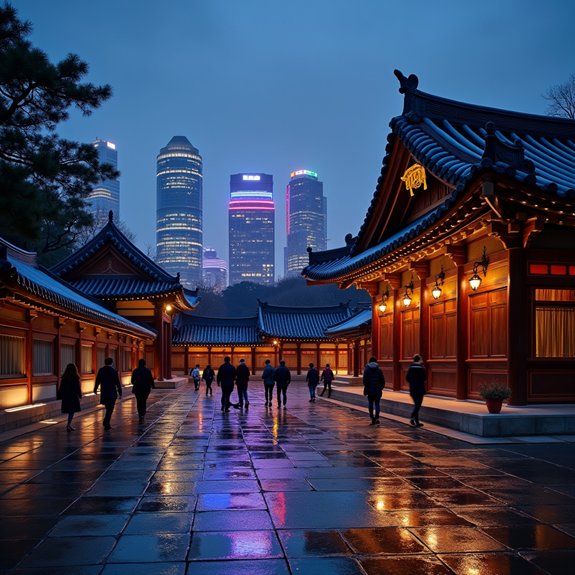
Experience the best of Seoul’s history and culture with this thoughtfully planned route. You’ll explore royal palaces, traditional neighborhoods, and bustling markets-all in one unforgettable day.
Morning:🏯 Gyeongbokgung Palace & Royal Guard Changing Ceremony
Why visit: The largest and most iconic of Seoul’s Five Grand Palaces, dating back to the Joseon Dynasty.
Don’t miss:
The colorful Royal Guard Changing Ceremony at Gwanghwamun Gate (usually at 10am and 2pm).
Renting a hanbok (traditional Korean attire) for free palace entry and unique photos.
Tips: Arrive early to beat the crowds and enjoy the tranquil palace gardens.
🏛️ National Palace Museum of Korea
Location: Right next to Gyeongbokgung Palace.
Highlights:
Exhibits on the Joseon Dynasty and royal family.
Priceless artifacts and interactive displays.
Good to know: Free entry and excellent visitor facilities.
Late Morning: 🏘️ Bukchon Hanok Village & Bukchon Traditional Culture Center
What to do:
Stroll through narrow alleys lined with hundreds of preserved hanok (traditional Korean houses).
Start at the Bukchon Traditional Culture Center for info and a walking map.
Visit artisan workshops and snap photos of the scenic rooftops.
Tip: Please be respectful-this is a residential area.
Lunch: 🍲 Gwangjang Market
Why it’s special: One of Korea’s oldest and most famous food markets.
Must-try foods:
Bibimbap (mixed rice bowl)
Bindaetteok (crispy mung bean pancakes)
Mayak kimbap (addictive mini rice rolls)
Experience: Grab a seat at a bustling food stall and eat like a local.
Afternoon:🖼️ Insadong Culture Street & Traditional Tea Houses
Explore:
Art galleries, antique shops, and craft boutiques.
Side alleys hiding beautiful traditional tea houses.
Try:
Omija (five-flavor berry) tea or jujube tea with Korean sweets at Dawon or Tteuran Tea House.
Why go: The perfect spot for souvenirs and a peaceful break from sightseeing.
🏡 Namsangol Hanok Village (Optional)
What to expect:
Restored hanok homes and gardens.
Hands-on cultural programs (calligraphy, hanbok wearing, traditional games).
Who it’s for: Great for families or anyone wanting more interactive cultural experiences.
Pro Tip:
Wear comfortable shoes-there’s lots of walking and some hilly areas!
Ready to discover Seoul’s modern side on Day 2? Let’s go!
After a day exploring Seoul’s palaces and vibrant districts, it’s time to refuel with one of Korea’s most iconic dishes: bibimbap. Seoul’s food scene offers everything from humble classics to Michelin-level creations, all set against the city’s neon glow.
:
Famous for Jeonju-style bibimbap, served in sizzling stone bowls for that perfect crispy rice layer.
Historic ambiance blending tradition and modernity.
Location: Myeongdong; 27 Myeongdong 8ga-gil, Jung District, Seoul English menus available.
Nearly 50 years old, known for rich, flavorful Jeonju and dolsot bibimbap.
Location: Myeongdong Jungang Hoegwan,19 Myeongdong 8na-gil, Jung District, Seoul
Hanok-style setting with a variety of bibimbap options (including bulgogi and yukhoe/raw beef).
Don’t miss their unique Cheese Kimchi Pancake.
Location: Jung-gu, Yejang-dong; Michelin Guide listed.
Sleek, modern restaurant known for premium hanwoo beef and a solid bibimbap selection.
Location: Itaewon and other branches; English spoken.
Excellent yukhoe (raw beef) bibimbap, open late for night cravings.
Location: Gangnam; Popular with locals
While famous for kalguksu noodles and dumplings, their bibimbap and spicy noodles are also worth a try.
Location: Myeongdong; Affordable, Michelin Bib Gourmand.
:
Many restaurants offer English menus and are used to tourists.
Prices range from ₩10,000–₩25,000 depending on ingredients and setting.
For a Michelin-starred twist, try Jungsik or Mokmyeoksanbang for modern interpretations.
Once the sun sets, Seoul’s night markets buzz with energy and flavor. Here’s where to go when hunger strikes after dark:
Legendary for bindaetteok (mung bean pancakes) and “mayak” kimbap (addictive mini rice rolls).
Open late, packed with locals and visitors alike.
Open until 5am, offering everything from street food to souvenirs.
Try tteokbokki, mandu (dumplings), and fresh seafood.
Pop-up markets across Seoul with creative street food and live performances.
Check schedules for locations and hours.
:
Watch local chefs in action, shop for unique crafts, and soak in the neon-lit atmosphere.
Many stalls accept cash only-bring small bills.
Expect impromptu dance shows, live music, and plenty of Instagram-worthy moments.
:
Pair your bibimbap dinner with a night market stroll for the ultimate Seoul food experience-a perfect blend of ancient tradition and modern city life.
Want more hidden gems or vegetarian-friendly options? Let me know!
Day 2: Modern Seoul, Panoramic Views & Trendy Districts
Your second day in Seoul is all about soaking up the city’s modern energy, shopping, and iconic skyline views. Here’s a streamlined, easy-to-follow itinerary packed with highlights and local flavor:
Morning: Panoramic Seoul from N Seoul Tower
N Seoul Tower (Namsan Tower)
Why visit: Seoul’s most famous landmark, offering 360° views of the sprawling city from its observatory decks.
How to get there: Take the scenic Namsan Cable Car or hike up through Namsan Park’s wooded trails.
What to do:
Visit the observation decks for breathtaking photos.
Check out the love locks fence and gift shops.
Enjoy a coffee or brunch at the tower’s cafes.
Tip: Arrive early to avoid crowds, or visit at sunset for magical city lights.
Late Morning: Shopping & Street Eats at Myeongdong
Myeongdong Shopping District
Why visit: Seoul’s ultimate shopping and beauty destination, famous for K-beauty, fashion, and vibrant street food.
What to do:
Browse hundreds of cosmetics shops and trendy boutiques.
Sample street snacks like hotteok (sweet pancakes), tteokbokki (spicy rice cakes), and fried chicken.
Snap photos at the Myeongdong Cathedral or Nanta Theater.
Tip: Many stores offer free samples and tax refunds for tourists.
Lunch: Local Flavors at Namdaemun Market (Optional)
Namdaemun Market
Why visit: Korea’s largest traditional market, bustling with locals and packed with bargains.
What to do:
Try authentic Korean street foods like hotteok, mandu (dumplings), and kimbap.
Shop for souvenirs, clothes, and accessories at unbeatable prices.
Experience the lively, maze-like atmosphere.
Afternoon: Stylish Gangnam & Starfield Library
Gangnam District
Why visit: Made famous by “Gangnam Style,” this area is Seoul’s hub for upscale shopping, K-beauty, and modern culture.
What to do:
Explore Garosu-gil’s tree-lined street for chic boutiques and Instagrammable cafes.
Visit Starfield COEX Mall, home to the stunning Starfield Library and a massive aquarium.
See the Gangnam Style Statue and stroll K-Star Road for K-pop fan spots.
For a tranquil break, visit Bongeunsa Temple across from COEX.
Evening: Youthful Vibes in Hongdae
Hongdae (Hongik University Area)
Why visit: Trendy, creative, and buzzing with nightlife, Hongdae is famous for its arts scene, live music, and street performances.
What to do:
Shop for unique fashion, accessories, and K-pop goods.
Watch buskers and dance crews perform in the main square.
Enjoy quirky themed cafes, dessert shops, and late-night eats.
Experience Seoul’s indie music and club scene.
Pro Tips:
Wear comfortable shoes-there’s plenty of walking and exploring!
Use your T-Money card for easy subway and bus rides between districts.
If you have extra time, check out Dongdaemun Design Plaza for futuristic architecture and night markets.
Ready for a night out? Hongdae and Gangnam both offer some of the city’s best nightlife, from cozy bars to energetic clubs.
Want more ideas for evening activities or hidden gems? Let me know!
What’s New in Seoul? (2026 Updates)
Seoul is a city that never stands still. Every year, new attractions, cultural venues, and innovative experiences pop up across the city. If you want to see the freshest side of Seoul, don’t miss these 2026 highlights:
🚀 Seoul Arena (K-Pop Super Venue)
What it is: Korea’s first dedicated K-pop concert arena, designed for massive live shows and fan events.
Why visit: Catch the latest K-pop concerts, fan meetings, and hologram performances in a state-of-the-art venue.
Location: Chang-dong, northern Seoul (easy subway access on Line 1 & 4).
Tip: Check the official website for concert schedules and ticket info-shows often sell out fast!
🎬 Seoul Cinematheque
What it is: A brand-new film center for movie lovers, featuring independent films, retrospectives, and international cinema.
Why visit: Enjoy rare screenings, film festivals, and Q&A sessions with directors in a modern, stylish setting.
Location: Euljiro area, near Dongdaemun Design Plaza.
Tip: Some screenings have English subtitles-perfect for international visitors.
🤖 Robot Science Museum
What it is: A futuristic museum dedicated to robotics, AI, and interactive science exhibits.
Why visit: Hands-on experiences with robots, family-friendly workshops, and a glimpse into the future of technology.
Location: Chang-dong, near Seoul Arena.
Tip: Great for families and tech enthusiasts-check for special exhibitions and robot shows.
📚 Seoul Landmark Library (Dongdaemun)
What it is: One of Seoul’s most visually stunning new libraries, located inside the Dongdaemun Design Plaza (DDP).
Why visit: Marvel at the architecture, browse thousands of books, and enjoy cultural events or quiet reading time.
Location: Dongdaemun Design Plaza, central Seoul.
Tip: Free entry; a perfect rainy-day stop or Instagram spot.
🌸 Latest Festivals & Events (2026)
Seoul Spring Festa: Street performances, art installations, and food trucks across the city.
Seoul Lantern Festival: Spectacular lantern displays along Cheonggyecheon Stream (usually May).
Cherry Blossom Season: Early April, with top viewing spots at Yeouido, Seokchon Lake, and Seoul Forest.
Pop-up Markets & K-Culture Events: Keep an eye out for special exhibitions, K-beauty pop-ups, and weekend craft markets.
Pro Tip:
Follow the official Visit Seoul website or social media for up-to-date event calendars and new attraction openings during your trip.
Seoul’s ever-changing landscape means there’s always something new to discover-so even if you’ve visited before, 2026 brings fresh reasons to return!
Shopping in Seoul
Shopping in Seoul
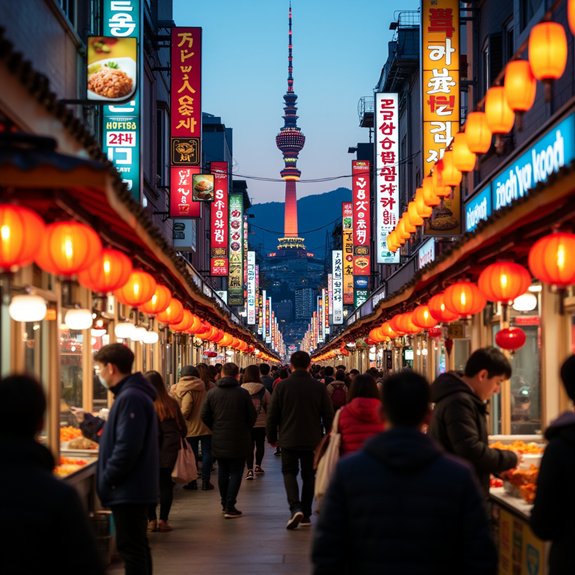
Seoul is a shopper’s paradise, blending traditional markets with cutting-edge fashion districts and K-beauty meccas. Whether you’re hunting for bargains or the latest trends, you’ll find it here.
🛍️ Traditional Markets
Namdaemun Market:
Korea’s largest traditional market, open day and night.
Find souvenirs, clothing, kitchenware, and local snacks.
Tip: Bargaining is common and part of the fun!
Gwangjang Market:
Perfect for vintage clothing, textiles, and street food.
Don’t miss the second floor for retro fashion finds.
Tongin Market:
Known for its unique lunchbox café (dosirak café) where you can build your own meal with market tokens.
🏙️ Trendy Shopping Districts
Myeongdong:
The go-to for K-beauty, skincare, and international brands.
Street stalls offer affordable accessories and the latest trends.
Hongdae:
Youthful, artsy, and packed with indie boutiques and vintage shops.
Great for unique fashion, handmade goods, and K-pop merchandise.
Garosu-gil (Sinsa-dong):
Tree-lined street in Gangnam with upscale boutiques, designer labels, and chic cafes.
Perfect for Instagram-worthy window shopping.
Dongdaemun Design Plaza (DDP):
Home to late-night shopping malls and futuristic architecture.
Visit for fashion, accessories, and design inspiration.
🧴 K-Beauty & Souvenirs
Olive Young, Innisfree, Etude House:
Popular chains for skincare, cosmetics, and beauty tools.
Many offer tax refunds for tourists-bring your passport!
Traditional Crafts:
Shop for hanji (Korean paper), ceramics, and hanbok-inspired accessories in Insadong.
Pro Tips:
Many shops open late, especially in Myeongdong and Dongdaemun.
Bring your passport for tax-free shopping (minimum purchase applies).
Credit cards are widely accepted, but some market stalls may prefer cash.
Seoul’s Efficient Subway System & T-Money Card Convenience
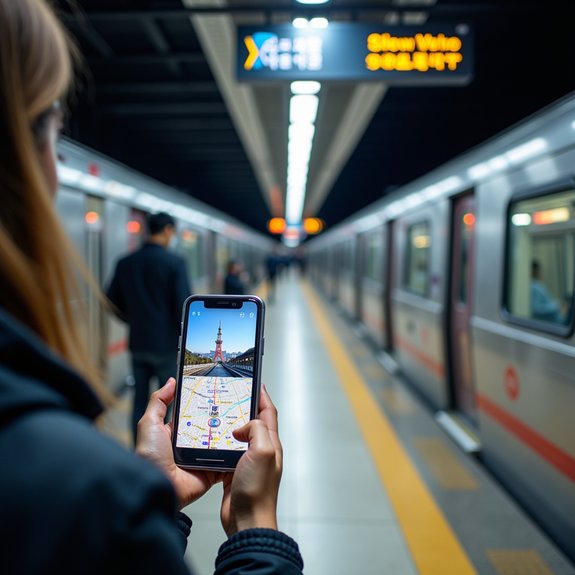
Navigating Seoul is a breeze thanks to its world-class subway system-one of the largest and most efficient in the world, with over 20 lines and nearly 300 stations connecting every corner of the city. Trains run from 5:30 AM until midnight, with clear, color-coded signage and English at every station, making it easy for visitors to get around-even if you don’t speak Korean.
Why choose the subway?
Avoid Seoul’s notorious traffic: Rush hour can be intense, but the subway runs every 2–5 minutes, even during peak times.
Direct connections: The network links Seoul with Incheon and Gyeonggi’s satellite cities, so day trips are simple.
Easy navigation: Download Naver Map or KakaoMap for real-time routes and platform guidance-these apps are more reliable than Google Maps in Korea.
T-Money Card: Your Key to Hassle-Free Travel
How it works: Buy a T-Money card for ₩3,000 at any convenience store (CU, GS25, 7-Eleven) or subway station1.
Just tap and go: Use it on subways, city buses, and even taxis with the T-Money logo1.
Automatic transfer discounts: Switch between subway and bus within 30 minutes for a reduced fare1.
Beyond transit: Pay for snacks at convenience stores or use it for subway lockers.
Easy top-up: Reload at any station or convenience store; load between ₩1,000–₩90,000 at a time1.
No language barrier: Ticket machines and recharge kiosks have English options for stress-free use1.
Pro tip: For unlimited rides and extra savings, consider a city or Discover Seoul Pass if you plan to sightsee extensively15.
Traffic & Alternative Ways to Explore
Seoul’s road traffic is famously congested, especially during morning (8–9 AM) and evening (6–7 PM) rush hours4. Skip the stress of driving-public transit is faster, cheaper, and more reliable. If you need to travel late at night, taxis are plentiful, but expect delays on the roads.
Hangang Riverside Paths: Scenic City Escape
When you’re ready for a break from the underground, head to the Hangang (Han River) riverside paths. These scenic routes connect major parks like Yeouido and Ttukseom, perfect for biking, walking, or a riverside picnic. Most parks are just a short walk from subway stations, so you can quickly swap city bustle for river views.
Rent a bike: Use Seoul’s “Ddareungi” public bikes for easy riverside cruising.
Picnic spots: Mangwon and Yeouido parks are local favorites.
Evening highlight: Don’t miss the Banpo Bridge Rainbow Fountain show-easily reached via subway.
Smart move: Download Naver Map or KakaoMap for offline walking and biking directions to make the most of your riverside adventure.
With the subway as your base and a T-Money card in hand, Seoul’s neighborhoods, attractions, and riverfronts are all within easy reach-no traffic jams required.
Practical Tips for Your Weekend
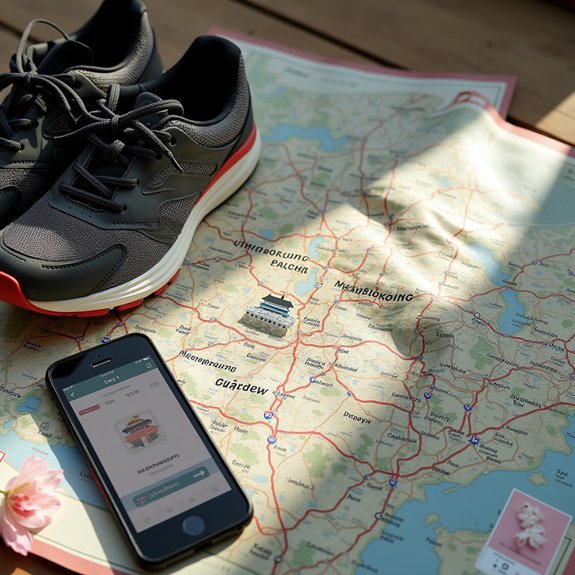
Make the most of your Seoul adventure with these essential tips:
💸 Budget Breakdown & Money Exchange
Daily Budget:
Budget travelers: ₩60,000–₩100,000/day (hostel, street food, subway)
Mid-range: ₩120,000–₩200,000/day (3-star hotel, restaurants, attractions)
Luxury: ₩250,000+/day (4-5 star hotels, fine dining, private tours)
Currency: Korean Won (KRW)
Money Exchange:
Best rates at banks or official exchange booths in Myeongdong and Itaewon.
ATMs are widely available; most accept international cards.
🏛️ Free Museum Days & Discount Passes
Free Museum Entry:
National Museum of Korea and War Memorial of Korea are always free.
Some city museums offer free admission on certain days-check ahead.
Seoul City Pass:
Consider the Discover Seoul Pass for free/discounted entry to top attractions and unlimited transit.
🎒 Packing List: What to Bring
Comfortable walking shoes (lots of walking and some hills)
Travel adapter (Korea uses 220V, Type C/F plugs)
Light jacket or umbrella (weather can change quickly)
Portable Wi-Fi or SIM card (for maps and translation apps)
Refillable water bottle (tap water is safe to drink)
🕒 Other Essentials
Subway closes around midnight; plan late-night returns accordingly.
Download Naver Map or KakaoMap for easy navigation.
Learn a few basic Korean phrases-locals appreciate the effort!
With these tips and shopping hotspots, you’ll be ready to experience Seoul like a pro-whether you’re hunting for the latest trends, unique souvenirs, or just want to make your trip smooth and memorable!
Respecting Senior Citizens on Seoul’s Subway: Essential Etiquette
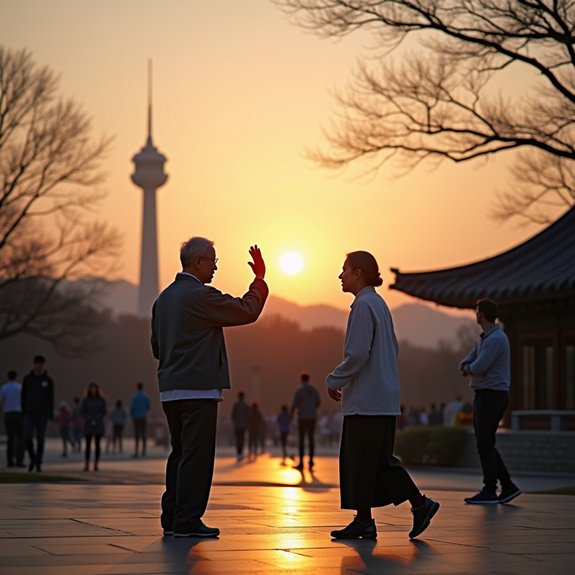
Seoul’s subway is not just efficient-it’s a place where social respect is taken seriously, especially toward senior citizens. Observing these unspoken rules will help you blend in and avoid awkward moments:
Priority Seating:
About 30% of subway seats are marked as “priority” for the elderly, pregnant women, and people with disabilities.
Never sit in these seats-even if they’re empty. It’s best to leave them vacant at all times.
If you’re in a regular seat and see a senior board, stand up and offer your seat with a polite gesture or by saying “anjeuseyo” (“please sit”).
General Courtesy:
Wait for all passengers to exit before boarding the train.
Keep your voice low-loud conversations and phone calls are considered rude, especially near older passengers.
Avoid eating or drinking on the train, and keep bags off seats.
On escalators, stand on the right to let others pass.
Cultural Notes:
In Korea, addressing elders by their first name is uncommon. Use polite titles like “ajumma” (ma’am) or “ajusshi” (sir) if you need to get someone’s attention.
At meals, wait for the eldest person to start eating before you begin.
Why It Matters:
Respecting elders is a core value in Korean society. Following these practices isn’t just polite-it’s expected, and helps ensure a smooth, respectful experience for everyone.
Pro Tip:
Priority seating is clearly marked, often in yellow or with pictograms, making it easy to spot. If in doubt, always err on the side of giving up your seat.
By following these simple rules, you’ll show respect for Korean culture and enjoy a more pleasant journey on Seoul’s world-class subway system.
Health & Safety Updates for Travelers (2026)
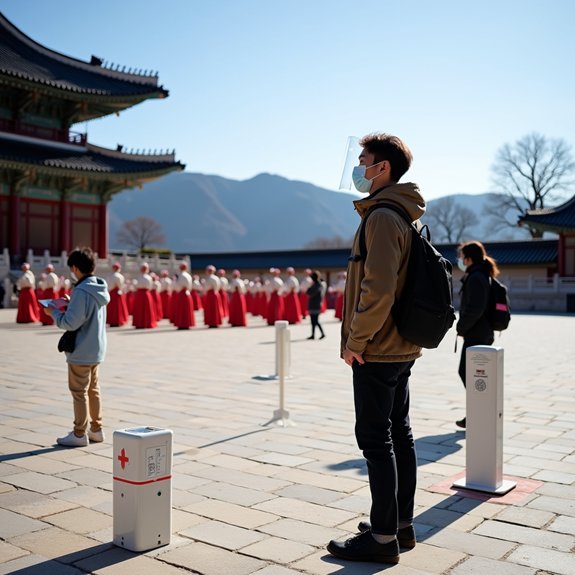
No COVID-19 entry restrictions: As of 2026, there are no pandemic-related entry requirements for visitors to South Korea.
Mask mandates lifted: Mask-wearing is no longer required on public transportation or in most public places, though it is still recommended in crowded areas and for high-risk individuals.
Occasional transport disruptions: Temporary subway or bus detours may occur due to large events or demonstrations-always check local advisories before heading out.
General health tips: Maintain good hygiene, stay updated on local news, and check official attraction websites for any temporary closures or changes in hours
Currency Exchange & Korean Won Budget Breakdown
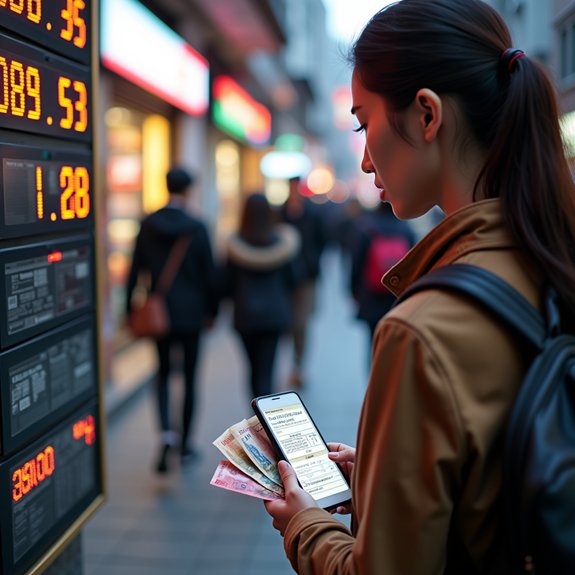
Understanding the Won: Exchange Rates in 2026
The Korean Won (KRW) has strengthened against the US Dollar in 2026, with the exchange rate averaging around 1 USD = 1,400 KRW, and recent rates as low as 1 USD = 1,375 KRW. This means your dollars may not stretch as far as they did in previous years, so it’s smart to adjust your Seoul weekend budget accordingly.
Why does this matter for travelers?
A stronger won means higher costs for visitors exchanging foreign currency.
Budgeting in advance helps avoid surprise expenses and makes trip planning more transparent.
Budget Breakdown: What to Expect
Typical daily expenses in Seoul:
Accommodation: ₩80,000–₩180,000 per night ($55–$124)
Food: ₩5,000 for street eats up to ₩50,000 for upscale dining ($3.50–$34.50)
Transportation: ₩1,250 per subway ride, ₩2,500 for a short taxi trip ($0.90–$1.80)
ATM withdrawals: Expect a fee of ₩2,000–₩3,000 per transaction.
Money-saving tips:
Use a travel-friendly credit card with no foreign transaction fees for major expenses.
Carry some cash for small purchases and markets; cards are widely accepted elsewhere.
Track the latest rates with apps like Wise or XE, and exchange currency at banks or official booths for the best rates.
Free Museum Days & Cultural Savings
Stretch your budget further by taking advantage of Seoul’s free cultural offerings:
National Museum of Korea: Free entry to permanent exhibitions year-round; special exhibitions may charge a fee3.
Culture Day: On the last Wednesday of every month, many museums and attractions offer free or discounted admission and extended hours.
Children’s Day (May 5): Free entry to major palaces like Gyeongbokgung and Changdeokgung, plus family-friendly events and performances across the city1.
Other free experiences: Stroll Cheonggyecheon Stream, catch street performances in Hongdae, or visit the Seoul Museum of Craft Art for rotating exhibitions at no cost.
Pro Tip:
Plan your itinerary around these free days to save those precious won for delicious street food and shopping.
By staying aware of currency trends and making the most of Seoul’s free cultural days, you’ll keep your trip budget-friendly-no matter how the exchange rate moves. Want more tips on saving money in Seoul?
Frequently Asked Questions
Is Seoul Safe for Solo Female Travelers at Night?
Absolutely. Seoul is one of the safest major cities in the world for solo female travelers, even after dark.
Low crime rates: Violent crime is rare, and public spaces are well-lit and monitored by CCTV.
Busy nightlife: Districts like Myeongdong, Hongdae, and Gangnam are lively late into the night.
Smart safety tips: Stick to main streets, avoid empty alleys, and trust your instincts.
Overall, most travelers find Seoul safer than many Western cities.
What Are the Best Korean Street Foods to Try?
Seoul’s street food scene is legendary. Don’t miss:
Tteokbokki: Spicy rice cakes in a fiery red sauce.
Hotteok: Sweet, syrup-filled pancakes.
Bungeo-ppang: Fish-shaped pastries with red bean or custard.
Korean corn dogs: Often filled with cheese and rolled in sugar.
Tornado potatoes, mandu (dumplings), and dalgona candy (made famous by “Squid Game”).
You’ll find these treats at markets like Gwangjang, Namdaemun, and Myeongdong.
How Much Should I Budget per Day in Seoul?
A comfortable daily budget for most travelers is ₩70,000–₩150,000 ($50–$110), covering:
Accommodation: ₩11,000–₩70,000 for hostels and mid-range hotels.
Food: ₩3,000–₩5,000 for street food, ₩10,000–₩20,000 for restaurant meals.
Transportation: ₩1,250 per subway ride with a T-Money card.
Attractions: Many museums and palaces are affordable or free on Culture Day (last Wednesday of the month).
Save by eating at convenience stores for breakfast or using free museum days.
Are Credit Cards Widely Accepted or Should I Carry Cash?
Credit and debit cards are accepted almost everywhere in Seoul, including restaurants, shops, and even many street vendors.
Mobile payments (KakaoPay, Samsung Pay) are also popular.
Cash: Useful for small markets, older vendors, or emergencies.
ATMs are widely available, but cards will cover most needs.
What Apps Are Essential for Navigating Seoul Without Knowing Korean?
Naver Map or KakaoMap: Best for navigation (Google Maps is unreliable in Korea).
Papago: Real-time translation app for menus and signs.
Subway Korea: For subway routes and schedules.
KakaoTaxi: Hail taxis easily without a language barrier.
Download these before your trip for a smoother experience.
Conclusion
In just 48 hours, you’ll only scratch the surface of Seoul’s energy and variety. With its safe streets, incredible food, and efficient transit, the city is perfect for a weekend adventure. And with new attractions and hidden gems popping up constantly, every visit feels fresh. Ready for your Seoul story?
More on Transportation:

Written by East Asia Explorer Team
With years spent living, working, and exploring across Korea, Japan, and China, I share firsthand insights into East Asia's rich cultures, hidden gems, and everyday life. My journey also includes studying in Malaysia and traveling through Southeast Asia, experiences that have deepened my appreciation for the region's diversity. Through practical tips, local stories, and travel guides, I aim to help fellow explorers discover both the celebrated highlights and the lesser-known corners of East Asia.