Last Updated: June 28, 2026 | Originally Published: February 26, 2025
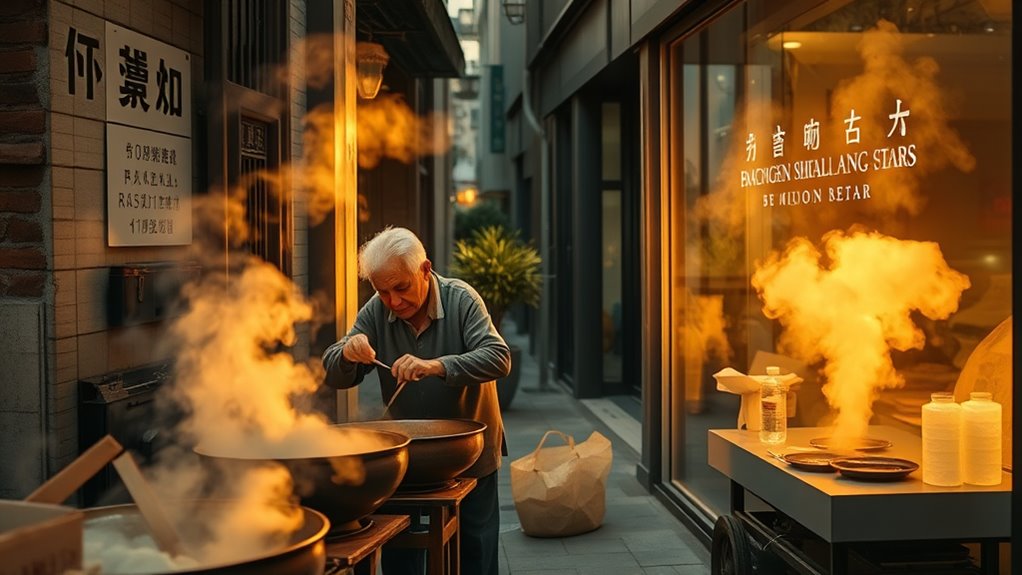
China's culinary landscape offers you a remarkable journey from vibrant street food to elegant fine dining. You'll discover eight distinct regional traditions dating back to the Han Dynasty, while modern vendors blend time-honored recipes with creative twists through food apps and digital payments. Today's chefs combine traditional techniques with scientific precision, bringing ancient flavors to contemporary plates. From affordable fusion dishes to Michelin-starred restaurants, China's food scene holds countless treasures waiting to be explored. (Source: Travel China Guide)
Explorer Insights
- China's culinary scene spans from traditional street vendors to high-end restaurants, blending ancient cooking techniques with modern innovations.
- Street food vendors drive culinary innovation through digital platforms, healthier options, and fusion dishes combining local and international flavors.
- The Eight Great Traditions showcase regional diversity, featuring distinct flavors and techniques from different Chinese provinces.
- Modern chefs reimagine ancient recipes using scientific precision while maintaining traditional principles like the Five Elements Theory.
- Local communities preserve authentic flavors through affordable fusion dishes and data-driven customization of classic recipes.
The Eight Great Traditions of Chinese Cuisine
A culinary journey through China reveals the magnificent Eight Great Traditions, each representing distinct regional flavors that have evolved over thousands of years. You'll discover masterful cooking techniques and unique ingredients across Guangdong, Sichuan, Hunan, Jiangsu, Zhejiang, Fujian, Shandong, and Anhui provinces.
In Guangdong, you can experience the delicate pairing of dim sum with traditional yum cha tea service. Initially, the traditional Four Great Traditions were celebrated during the Qing dynasty, highlighting the culinary excellence of Chuan, Lu, Yue, and Huaiyang cuisines. These traditions aren't just about innovation – they're rooted in the mastery of time-honored techniques dating back to the Han dynasty. Carefully planned menus with 8-12 courses are a hallmark of famous Chinese banquet-style dining. As you travel through China, you'll see how each region balances the five essential tastes: sweet, sour, salty, bitter, and pungent, creating harmonious dishes that tell the story of their origins.
Street Food Revolution Across Chinese Cities
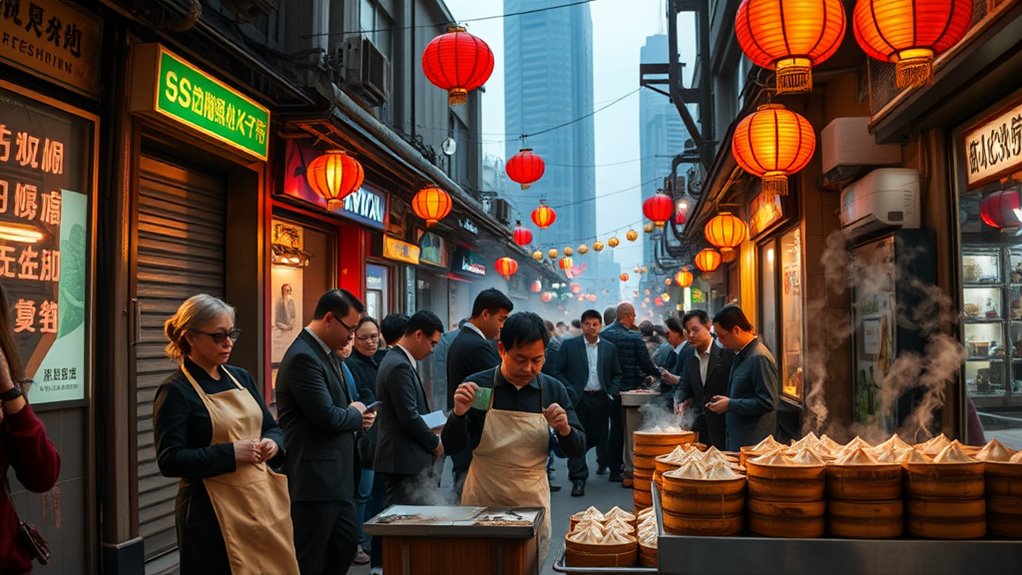
You'll find China's street food scene transforming rapidly as innovative vendors blend time-honored recipes with modern twists, like Tastien's affordable "Chinese burger" that rivals international fast-food chains. While urban development has pushed many traditional food stalls into regulated spaces like Chengdu's Jinli Street, these new venues still capture the vibrant energy and authentic flavors that bring communities together. As you explore China's evolving cities, you'll notice how street food continues to unite old and new, with indoor food platforms offering the excitement of street dining while meeting contemporary hygiene standards. The rise of cultural confidence movement under President Xi has fueled this street food revolution, encouraging vendors to embrace and celebrate traditional Chinese culinary elements. Chuanr (Grilled Skewers), with their expertly seasoned meats and irresistible aromas, have become a must-try staple in China's bustling night markets.
Street Vendors Drive Innovation
Chinese street vendors are revolutionizing the way we experience traditional cuisine through an exciting blend of digital innovation and culinary creativity. You'll find vendors using popular apps like Ele.me and Meituan to take orders, while others showcase their cooking skills through live streams on Douyin. When you're exploring the streets, you'll notice many stalls now offer healthier options, including air-fried snacks and plant-based alternatives.
The food scene's going green too, with vendors using local ingredients and eco-friendly packaging. You can now enjoy fusion creations that blend international flavors with Chinese classics, like kimchi-stuffed baozi or Mediterranean-inspired jiaozi. To make your experience even smoother, most vendors accept digital payments through QR codes and mobile wallets, so you won't need to carry cash. This digitalization of street food aligns with China's broader food market transformation, where online food sales are expected to represent 10% of total revenue by 2026. Navigating Cashless Payments in China can provide a helpful guide on using WeChat Pay and Alipay.
Local Flavors Unite Communities
Beyond the tech-savvy street vendors, local communities across Chinese cities are crafting unique food identities that bridge tradition and innovation. You'll find affordable fusion dishes like Tastien's Yuxiang pork burgers, which blend local flavors with modern comfort food at prices that are 30-40% lower than international chains.
These community-driven adaptations celebrate Chinese culinary heritage in four key ways:
- Historic food streets like Jinli preserve traditional recipes while creating vibrant gathering spaces
- Local restaurants incorporate regional ingredients and cultural elements in their décor
- Data-driven startups customize classic breakfast items to match neighborhood tastes
- Modern packaging solutions help single households enjoy authentic flavors conveniently
The city's vibrant food scene includes beloved Sichuan specialties like Dan Dan Noodles, featuring a perfect blend of preserved vegetables and chili oil. Whether you're exploring morning markets or dining at Michelin-starred venues, you'll experience how local flavors bring communities together while preserving China's rich food culture. Street food in Beijing offers a diverse array of dishes that showcase the country's culinary diversity.
Traditional Meets Modern Evolution
As traditional street food evolves across China's urban landscape, innovative vendors and restaurateurs are transforming familiar classics into exciting new formats that bridge the gap between heritage and modern tastes. You'll find places like Tastien serving Chinese burgers with Yuxiang shredded pork in bread pockets, while breakfast chains like Doujiang Ai Youtiao bring traditional youtiao into the digital age. In cities across China, you can experience how street food favorites are getting modern makeovers without losing their authentic flavors. This transformation mirrors the global trend of gourmet food trucks revolutionizing street cuisine. Whether you're enjoying elevated Kung Pao Chicken in upscale restaurants or exploring Jinli Street's curated food zones in Chengdu, you'll discover how local dishes are being reimagined with a perfect balance of tradition and innovation.
Modern Interpretations of Ancient Recipes
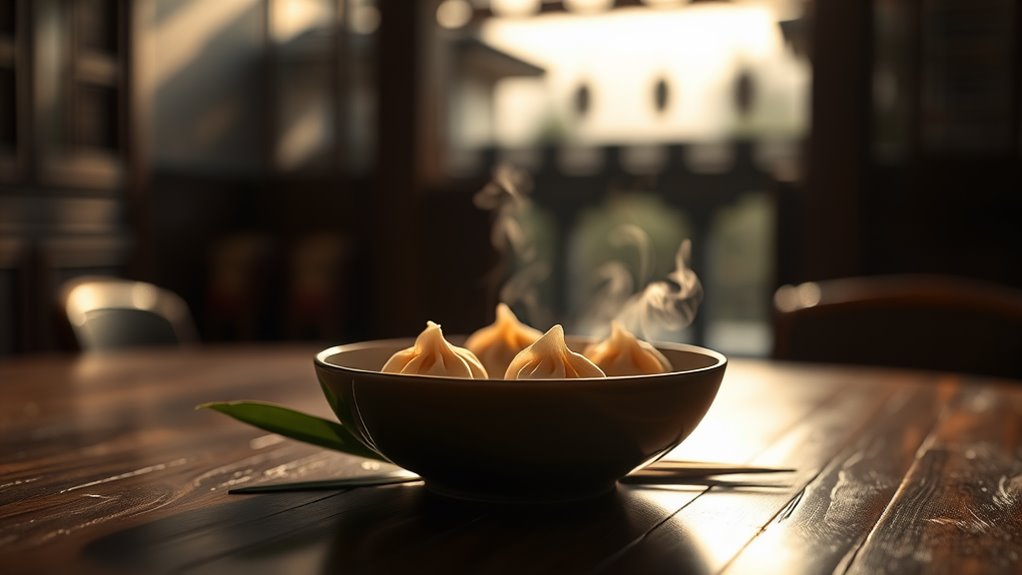
You'll be fascinated by how modern Chinese chefs are breathing new life into ancient recipes, combining traditional techniques with scientific precision and contemporary plating styles. The focus on meatless elite diets during the Song Dynasty continues to influence vegetarian fine dining interpretations today. As you explore these reinvented classics, you'll notice how age-old cooking methods like the *xuanzi* warmer are being adapted for modern kitchens, while still maintaining their historical essence. What's especially exciting is how chefs are thoughtfully incorporating new ingredients into traditional dishes, like using duck meat in *bo tuo* noodle soup, creating bridges between China's rich culinary past and its innovative present. The Five Elements Theory connects body organs and flavors, guiding chefs in their recipe development.
Fusion With Scientific Methods
The scientific revolution has transformed traditional Chinese cooking into an exciting fusion of ancient wisdom and modern innovation. You'll find chefs across China embracing precision cooking methods while honoring time-tested recipes, creating dishes that are both healthier and more flavorful than ever before.
These traditional recipes now incorporate significant reductions in fat, salt, and sugar while maintaining authentic flavors.
Modern Chinese kitchens now incorporate these fascinating scientific techniques:
- Sous vide cooking for perfectly tender meats
- Molecular gastronomy to create unique textures
- Temperature-controlled fermentation for enhanced flavors
- Digital monitoring systems for consistent results
When you visit contemporary Chinese restaurants, you'll experience how traditional ingredients are carefully prepared using scientific methods that preserve their nutritional value. The combination of Traditional Chinese Medicine principles with modern food science guarantees you're getting meals that aren't just delicious, but also beneficial for your health. Additionally, many cooking classes in Chongqing now incorporate farm-to-table experiences to showcase the importance of seasonal and locally-sourced ingredients in Sichuan cuisine.
Heritage Meets Modern Plating
Modern Chinese plating brings ancient recipes to life through stunning visual presentations that honor centuries of culinary tradition. You'll find chefs drawing inspiration from historical cookbooks like the Northern Wei Dynasty's *Qimin Yaoshu*, transforming traditional dishes with clean lines and artful arrangements that catch your eye.
When you visit upscale Chinese restaurants today, you'll notice how they're embracing Song Dynasty vegetarian techniques with a modern twist. The emphasis on meticulous food presentation during this era continues to influence contemporary dining aesthetics. They'll often use natural garnishes and raw ingredients to create minimal, poetic presentations that tell a story on your plate. The Ming Dynasty's focus on color and form harmony shows up in contemporary plating too, where chefs create beautiful designs that might not be historically accurate but capture the essence of traditional Chinese cooking principles. Ink stones are flat, often ornate slabs used to grind solid ink sticks with water, which can inspire the use of natural materials and textures in modern plating.
Ancient Techniques, New Ingredients
While ancient Chinese cooking methods have endured for centuries, innovative chefs are breathing new life into traditional preservation techniques with contemporary ingredients and creative twists. Military forces during the Han Dynasty perfected dried meat preservation techniques that continue to influence modern food preparation. You'll find modern interpretations that honor time-tested methods while embracing new flavors and textures.
Today's innovative approaches include:
- Using hop-preserved grain techniques to create artisanal crackers and energy bars
- Applying traditional jerky-making methods to plant-based proteins
- Incorporating ancient preservation methods into molecular gastronomy
- Combining dried fruit preservation with modern dehydration technology
Grilling as a social event brings people together to chat and enjoy the aroma, reflecting Xinjiang's nomadic pastoral heritage. You'll discover these reinvented techniques at both high-end restaurants and local markets throughout China. These adaptations show how traditional preservation methods remain relevant in modern cooking, while offering exciting new flavors that you won't find anywhere else. The blend of old and new creates unique dining experiences that connect you to China's rich culinary heritage.
The Rise of Michelin-Starred Chinese Restaurants
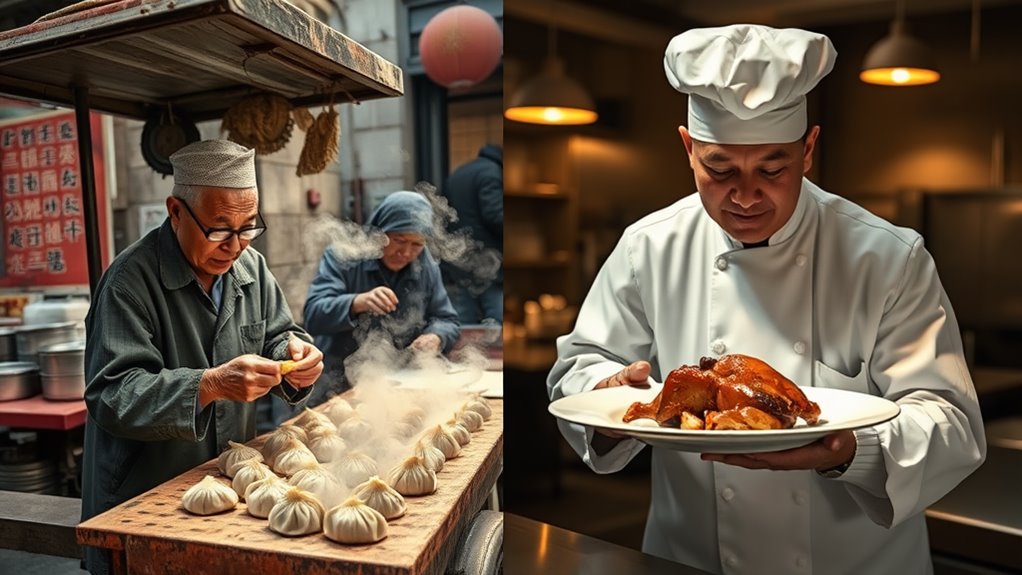
Despite Chinese cuisine's rich history and global influence, Michelin-starred Chinese restaurants remain surprisingly rare outside of Asia. When you're looking for top-rated Chinese dining in the U.S., you'll find just one Michelin-starred option: Mister Jiu's in San Francisco.
The landscape's quite different in Asia and Europe, where you'll discover some remarkable achievements. London's A. Wong has made history as the first Chinese restaurant outside Asia to earn two Michelin stars, while Hong Kong's Lung Keen Heen leads the way with three stars. Many believe the challenge lies in finding experts who can properly evaluate the deep culinary knowledge required to assess traditional Chinese dishes. Over 150 Michelin-starred restaurants across China as of 2026, with most located in major cities like Shanghai, Beijing, and Guangzhou. If you're interested in exploring Michelin-recognized Asian cuisine in America, you'll find Japanese and Korean restaurants dominate the scene, with 49 Japanese and 13 Korean establishments holding stars.
Regional Flavor Profiles and Cooking Techniques
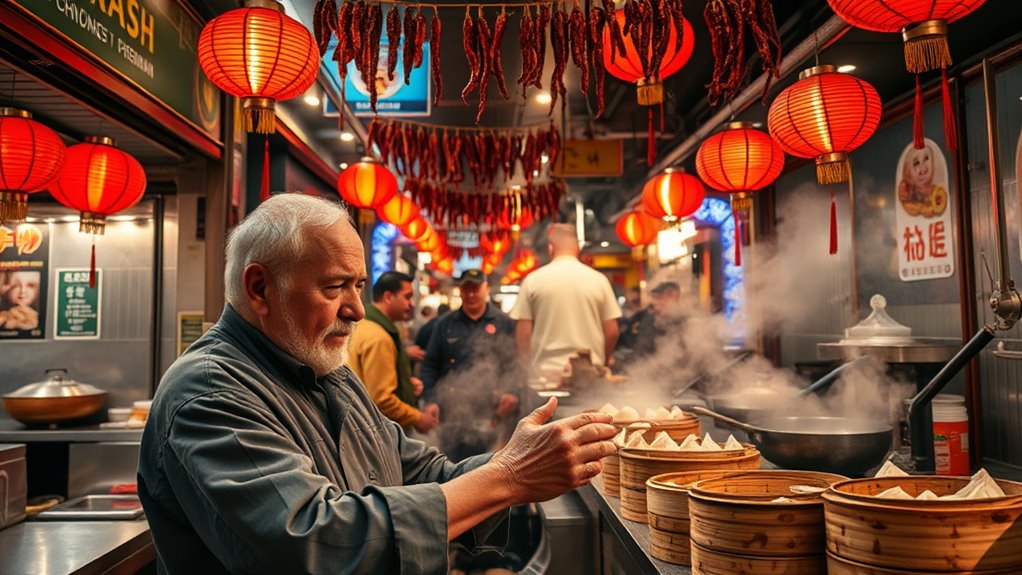
China's eight distinct culinary regions offer a fascinating journey through unique flavor profiles and time-honored cooking methods. When you explore Sichuan province, you'll discover the famous mala flavor that's become a signature of the region's bold cuisine. This distinctive taste combines the numbing sensation of Sichuan peppercorns with spicy chilies, creating an unforgettable dining experience. The region's chefs masterfully employ wok cooking techniques to create their iconic dishes.
If you're planning to explore Sichuan's flavors, here's what you'll encounter:
- Mapo tofu showcasing the classic mala combination
- Tender dishes enhanced by the tingling sensation of Sichuan peppercorns
- Complex layering of spicy and numbing elements in traditional recipes
- Fresh chilies paired with aromatic peppercorns in modern interpretations
You'll find these flavors have been perfected over generations, making Sichuan cuisine one of China's most beloved culinary traditions.
Culinary Tourism and Food Exploration Routes
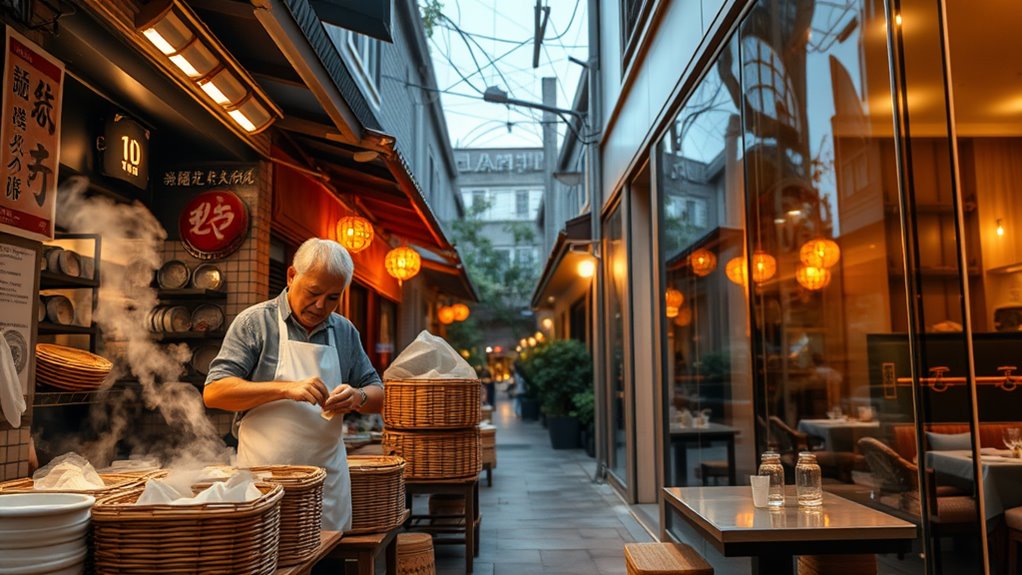
You'll find China's richest food experiences along carefully designed exploration routes that connect local markets, street food districts, and traditional cooking destinations. These food-focused journeys let you taste your way through bustling morning markets and heritage neighborhoods, where you can sample authentic regional specialties and learn cooking techniques from local experts. Whether you're interested in Zibo's famous barbecue streets or Fujian's seafood markets, there's a food route that'll help you discover China's incredible culinary diversity while connecting with the culture behind each dish. Recent data shows that food and beverage spending has reached unprecedented levels in the first three quarters of 2026, reflecting tourists' growing appetite for authentic culinary experiences.
Food Routes Worth Exploring
Three distinct culinary routes await food enthusiasts exploring China's diverse gastronomy scene. You'll find expertly crafted journeys that combine UNESCO-recognized food cities, Michelin-starred venues, and authentic street food experiences. Small-group tours guarantee you'll get personal attention while discovering China's eight major culinary styles. Tours are carefully curated to accommodate maximum 10 persons for an intimate exploration experience.
- Beijing to Xi'an – Experience Northern flavors, from lamb kebabs to hand-pulled noodles
- Chengdu's Spice Trail – Discover UNESCO-recognized Sichuan cuisine and hotpot culture
- Shanghai to Xiamen – Sample Eastern coastal delicacies and dim sum varieties
- Guangdong to Fujian – Explore Cantonese cooking and regional seafood specialties
These routes include cooking classes with local chefs, market tours, and opportunities to learn traditional techniques in intimate settings.
Local Market Food Tours
While exploring China's vibrant food scene, local market tours have become a cornerstone of authentic culinary experiences. You'll find that cooking classes are incredibly popular, making up nearly 44% of food tourism activities, where you can learn traditional skills like making dim sum and street food favorites.
For a truly local experience, head to cities like Zibo, where social media-famous barbecue spots and seasonal festivals create an exciting food adventure. You can try innovative takes on classic dishes, like their famous wok-fried pancakes, while participating in local food festivals. Visitors can experience the unique DIY dining style where they cook at their tables using mini-charcoal grills to prepare meat skewers. The growing popularity of these tours isn't surprising, with China's food tourism expected to grow nearly 15% yearly through 2033. Whether you're visiting traditional markets or joining a cooking class, you'll discover authentic flavors that celebrate China's rich culinary heritage.
Heritage Cooking Destinations
Throughout China's most celebrated culinary destinations, a network of heritage cooking spots invites travelers to explore centuries of gastronomic tradition. You'll find authentic cooking experiences that connect you with China's rich food culture, from hands-on dumpling workshops to traditional tea ceremonies.
For an immersive culinary journey, don't miss these heritage highlights:
- Visit Chengdu's historic Broad and Narrow Alleys, where you can sample traditional Sichuan dishes in a district that blends old-world charm with modern amenities. The region's mastery of five distinct flavors creates an unforgettable tasting experience through its iconic dishes.
- Join a cooking class at Xi'an's Muslim Quarter to master hand-pulled noodle techniques
- Experience the century-old Jiangsu Club in Nanjing for classic Su cuisine
- Participate in interactive demos at Zhejiang Grand Hanzhou, where you'll learn the art of preparing mandarin fish
These destinations offer you a chance to not just taste, but truly understand China's culinary heritage.
Innovative Chefs Reshaping Chinese Gastronomy
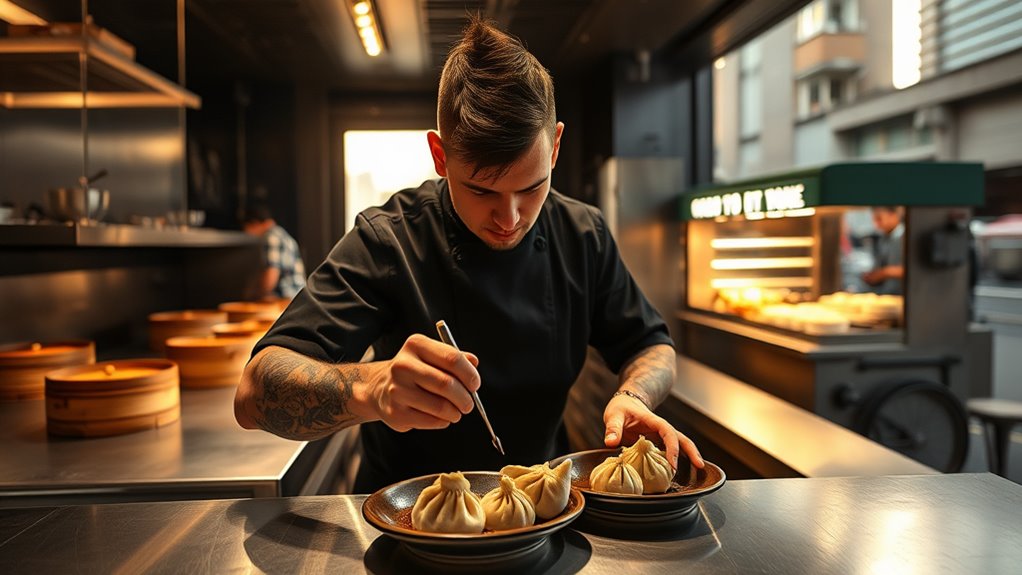
Leading chefs across China are revolutionizing traditional cuisine in exciting new ways you'll want to experience. From Alvin Leung's molecular masterpieces to Andrew Wong's modern dim sum interpretations, you'll discover how age-old recipes are getting contemporary makeovers while honoring their cultural roots. Taking inspiration from pioneers like Margaret Xu Yuan, many chefs now emphasize farm-to-table ingredients in their innovative creations.
| Chef | Innovation | Location | Signature Style |
|---|---|---|---|
| Andrew Wong | Modern dim sum | London | Imperial banquet reinvention |
| Alvin Leung | Molecular gastronomy | Hong Kong | Science meets tradition |
| Jeremy Leung | Street food elevation | Shanghai | Fine dining fusion |
| Guo Wenjun | Temperature control | Beijing | Global ingredient fusion |
You'll find these innovative chefs crafting unforgettable dining experiences through unique techniques like smoking presentations and interactive plating. They're not just cooking food – they're telling China's culinary story through creative presentations that'll engage all your senses, from Sichuan specialties to Cantonese classics.
Sustainable Practices in Chinese Cooking
As sustainable dining gains momentum across China, you'll discover a rich tapestry of eco-friendly cooking practices that blend ancient wisdom with modern environmental awareness. Traditional Chinese cuisine naturally embraces sustainability through its vegetable-centric dishes and efficient meal structures. The shift toward more plant-based options is crucial, as food systems contribute approximately 30% of global greenhouse gas emissions.
Chinese cuisine harmoniously merges traditional ecological wisdom with modern sustainability through plant-forward cooking and zero-waste principles.
You'll find that many regions are leading the way in eco-friendly cooking, particularly in areas like Sichuan and Hunan. Here's what makes Chinese cooking environmentally conscious:
- Pork-based dishes create a smaller carbon footprint than beef or lamb
- Seasonal vegetables reduce transportation emissions
- Traditional meal structures minimize food waste
- Plant-based alternatives maintain authentic flavors while protecting the environment
When you're exploring Chinese restaurants, look for those that follow the *zhu shi* and *fu shi* dining structure, which helps balance nutrition while reducing waste. Many Michelin-starred establishments now prioritize local ingredients, showing how high-end dining can embrace sustainability.
Social Media's Impact on Food Culture
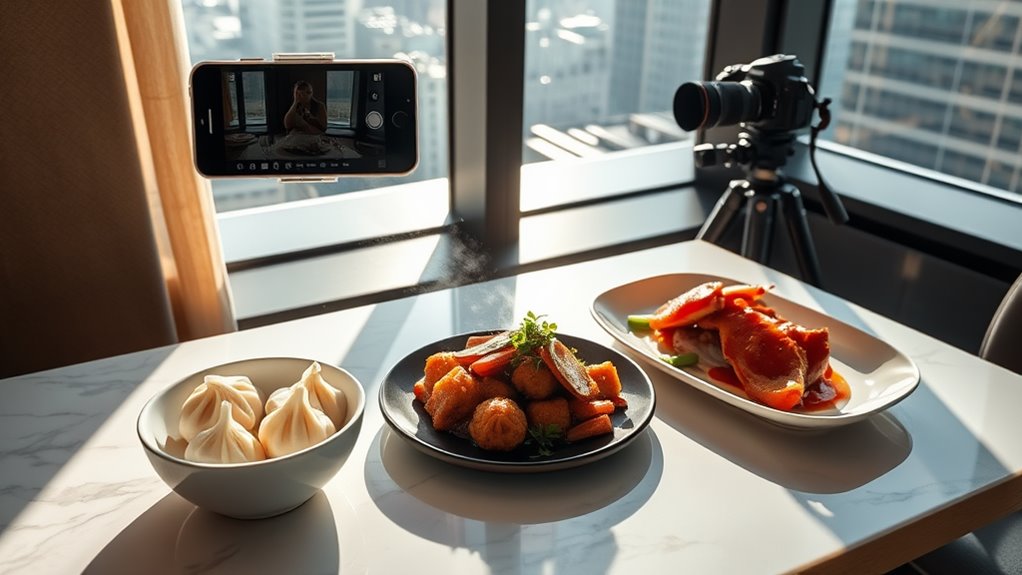
Social media has revolutionized China's food culture, transforming traditional dining experiences into vibrant, shareable moments that you'll find across platforms like TikTok and Weibo. You'll discover everything from state-sponsored shows like "A Bite of China" to local food creators sharing authentic recipes and cultural stories.
When you explore Chinese cuisine through social media, you'll notice how platforms help preserve traditional recipes while making them more accessible. Local restaurants in Fujian and Jiangsu provinces now showcase their specialties through short videos, and even street food vendors use digital platforms to share their stories. You'll also find that social media has helped highlight important cultural conversations, with many content creators using food as a way to educate others about Chinese traditions and regional diversity. The success of food content has been notably amplified through media convergence strategies that blend traditional broadcasting with digital platforms.
The Art of Chinese Food Preservation
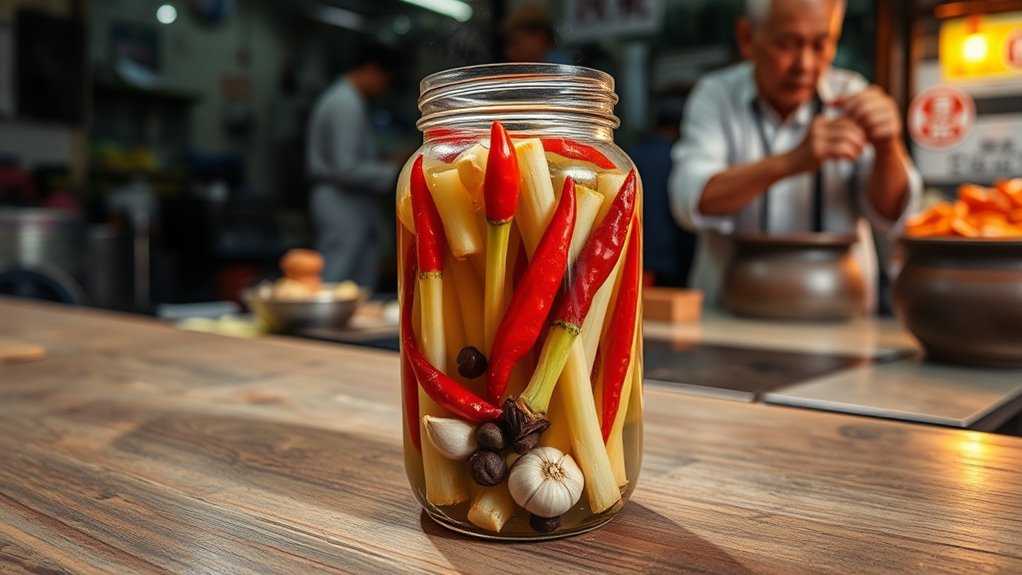
Throughout China's rich culinary history, you'll find fascinating methods of food preservation that have been perfected over thousands of years. When you explore traditional Chinese markets and homes, you'll discover how these time-tested techniques keep foods fresh and flavorful without modern refrigeration.
These preservation methods aren't just practical – they're an essential part of Chinese cuisine that you can still experience today:
- Salt preservation draws moisture from vegetables, fish, and eggs, creating delicious preserved foods
- Traditional drying techniques transform fresh meats and seafood into long-lasting delicacies
- Natural fermentation processes produce classic sauces and vinegars that you'll find in every kitchen
- Special microbial cultures turn ordinary ingredients into unique foods like stinky tofu and rice wines
You'll find these preserved foods add depth and character to China's incredible culinary landscape. Many destination restaurants source these traditional preservation techniques from local communities to showcase authentic Chinese culinary heritage.
Local Ingredients and Seasonal Cooking Methods
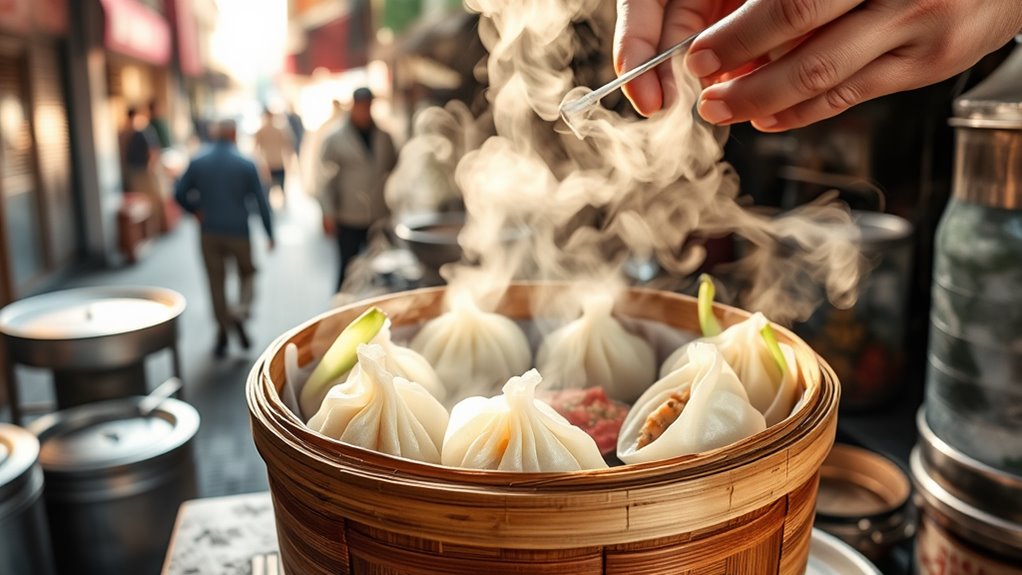
The rich tapestry of Chinese cuisine comes alive through its deep connection to local ingredients and seasonal cooking methods. You'll find Michelin-starred chefs crafting dishes that tell stories of their regions, from the seafood-rich Jiangsu coast to Sichuan's unique fermented ingredients.
As you explore China's culinary landscape, you'll notice how cooking techniques change with the seasons. In summer, quick-boiling keeps vegetables crisp and fresh, while winter calls for slow-braising meats to perfection. Each region celebrates its distinct ingredients – like the subtle differences in eel texture along the Qiantang River or the specific mushroom varieties that appear during monsoon season. Traditional methods, from wok stir-frying to bamboo steaming, preserve both nutrients and flavors, ensuring you'll experience authentic tastes in every bite. The carefully selected five spice powder blend brings harmony to regional dishes, balancing sweet, sour, bitter, pungent, and salty flavors in perfect proportion.
Frequently Asked Questions
How Do Chinese Dining Etiquette Rules Differ Between Formal and Casual Settings?
You'll find that formal Chinese dining follows strict rules – seniors and guests sit in honored seats facing east, formal toasts are required, and there's a clear order for serving food. In casual settings, you're free to be more relaxed. You can sit anywhere at round tables, serve yourself after seniors take their portions, and chat while eating. Remember, though, that basic respect, like proper chopstick handling, matters in both settings.
What Role Do Traditional Chinese Medicine Principles Play in Everyday Cooking?
Purposefully preparing proper meals in Chinese cooking goes beyond just taste – you'll find Traditional Chinese Medicine (TCM) principles woven into daily food choices. When you're cooking Chinese dishes, you'll notice how ingredients are carefully balanced between warming and cooling properties. You'll combine foods to create harmony in your body, like pairing cooling cucumber with warming ginger, or adjusting cooking methods seasonally to maintain health and wellness through your meals.
How Has Overseas Chinese Cuisine Influenced Modern Cooking in Mainland China?
You'll find that overseas Chinese cuisine has markedly shaped mainland China's modern cooking scene. When Chinese chefs travel abroad, they bring back exciting new ideas like fusion dishes and innovative ingredients. You'll notice overseas influences in holiday menus, where traditional recipes now incorporate international twists. Restaurant concepts from places like Singapore and America have inspired mainland chefs to experiment with presentation styles, while overseas Chinese restaurants' success has motivated mainland establishments to elevate their dining experiences.
Which Kitchen Tools Are Essential for Authentic Chinese Home Cooking?
You'll need just a few key tools to create authentic Chinese dishes at home. Start with a good carbon steel wok for that essential wok hei flavor, and pair it with a long-handled spatula for safe stir-frying. Don't forget a Chinese cleaver for versatile chopping and a bamboo steamer for perfect dumplings. A rice cooker's also invaluable – it'll give you consistently fluffy rice while you focus on other dishes.
What Are the Main Differences Between Northern and Southern Chinese Breakfast Customs?
While you might think Chinese breakfast is uniform across the country, you'll notice big differences between north and south. In the north, you'll find heartier wheat-based foods like steamed buns and crispy fried dough sticks paired with hot soy milk. Southern breakfasts are lighter, featuring rice-based dishes like congee and steamed rice rolls. The north's flavors are bolder and saltier, while southern dishes have more subtle, fresh ingredients and sweeter notes.
Conclusion
You'll discover that China's food scene is an absolutely mind-blowing fusion of 5,000 years of tradition and modern innovation. From the tiniest street cart serving dumplings that'll make your taste buds dance, to glittering Michelin-starred restaurants where ancient recipes meet molecular gastronomy, there's no culinary journey quite like it. Whether you're a cautious foodie or an adventurous eater, China's diverse food landscape will forever change how you think about eating.
More on Food & Dining:

Written by East Asia Explorer Editorial Team
Sam Konneh is an AI strategist and digital marketer based in Seoul, South Korea. With years spent living, working, and exploring across Korea, Japan, and China, he shares firsthand insights into East Asia's cultures, hidden gems, and everyday life. A graduate of Inha University and KDI Graduate School, Sam combines data-driven expertise with on-the-ground experience. His journey also includes studying in Malaysia and traveling through Southeast Asia. Through practical tips, local stories, and travel guides, he helps fellow explorers discover both the celebrated highlights and the lesser-known corners of East Asia.