Last Updated: August 28, 2026 | Originally Published: June 11, 2025
- Shrine grounds are free, open sunrise to sunset year-round (exact gate times shift monthly).
- Three entrances: South (Harajuku Station, the main approach), North (Yoyogi Station), and West (Sangubashi Station) — all lead through the same forested torii-gate approach.
- Inner Garden (Naien): ¥500, best mid-June for the iris bloom.
- Meiji Jingu Museum: ¥1,000 adults, opened October 2019, designed by architect Kengo Kuma.
Last updated: August 28, 2026
Meiji Shrine sits a five-minute walk from Harajuku’s fashion crowds, and the contrast is genuinely abrupt — one moment you’re in Tokyo‘s busiest teenage shopping street, the next you’re under 100,000 trees with no traffic noise at all.
The shrine is dedicated to Emperor Meiji, who oversaw Japan’s rapid 19th-century modernization, and Empress Shoken. It was completed in 1920, destroyed in WWII air raids, and rebuilt by 1958 — a detail most first-time visitors don’t know until they read the plaque at the entrance.
This guide covers which gate to use, what the Inner Garden and museum actually cost, and when to time a visit around Shinto wedding processions and the June iris bloom.
Which Entrance Should You Use?
Most visitors default to the South Entrance from Harajuku Station’s Omotesando exit — it’s the busiest approach and the one every guidebook photo of the giant torii gate comes from.
Two quieter alternatives exist. The North Entrance, from Yoyogi Station, drops you closer to Yoyogi Park and is a shorter walk if you’re coming from Shinjuku. The West Entrance, from Sangubashi Station on the Odakyu Line, is the least crowded of the three and the one locals commuting past the shrine tend to use.
What Does It Cost, and When Is It Open?
The shrine grounds themselves are free. There’s no ticket, gate, or booking required to walk the forest path or visit the main shrine buildings.
Opening hours follow sunrise and sunset, so the exact times shift month to month — gates open earlier in summer (around 5:00 AM) and later in winter (closer to 6:30 AM), closing correspondingly earlier in winter afternoons. The official monthly schedule is posted at each entrance and on the shrine’s website.
Two paid add-ons sit inside the grounds:
- Inner Garden (Naien): ¥500 per person. Home to Kiyomasa’s Well and the shrine’s iris beds, which peak in mid-June.
- Meiji Jingu Museum: ¥1,000 for adults, discounted for university and high school students. Opened in October 2019, designed by architect Kengo Kuma — the same architect behind the new National Stadium — using timber construction that deliberately echoes the surrounding forest.
What Happens Inside the Sacred Forest?
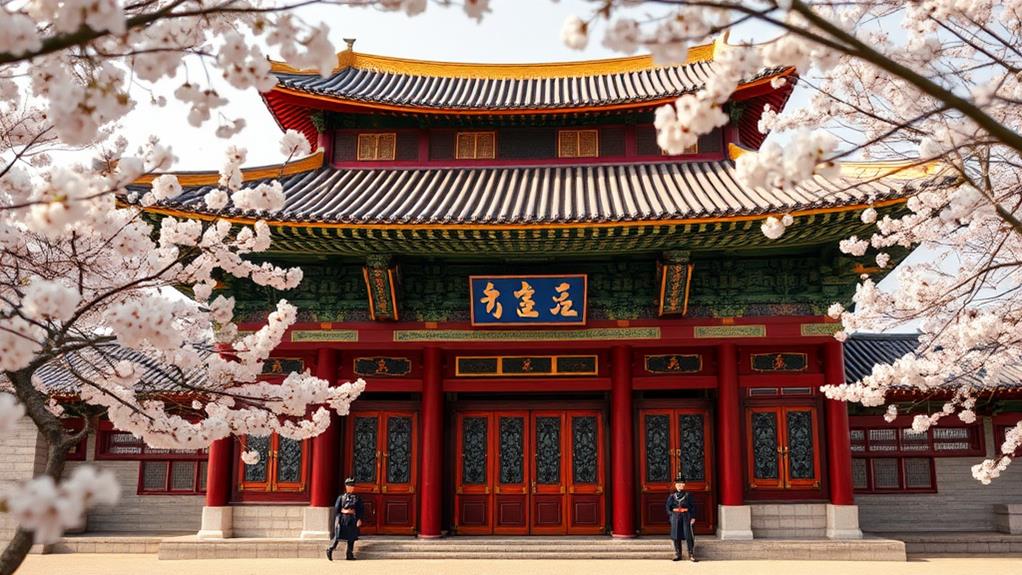
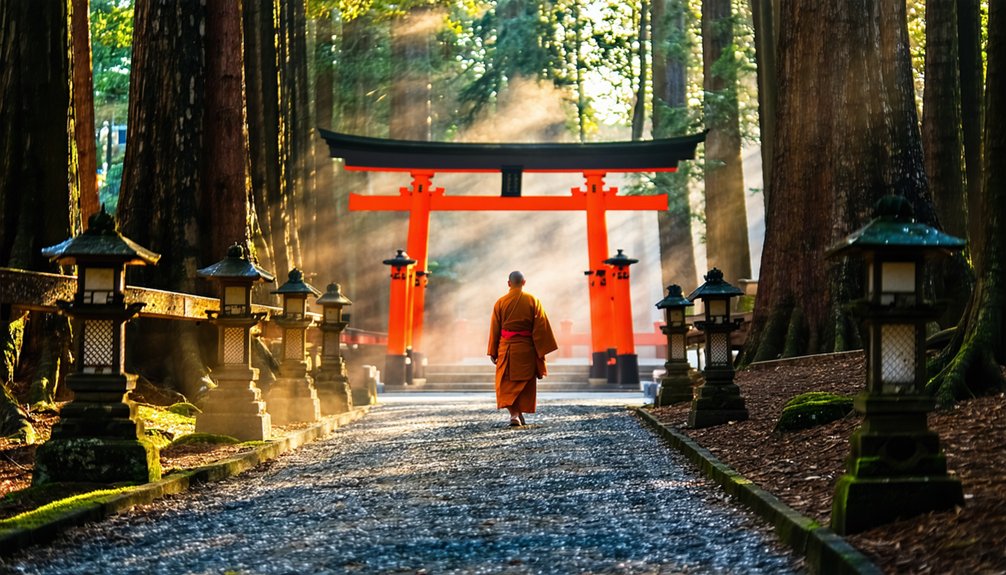
The approach from any entrance runs through roughly 100,000 trees, donated from across Japan when the shrine was built and deliberately planted as a buffer between the shrine and the city around it. Massive wooden torii gates mark the transition points along the path.
At the main hall, the standard visitor ritual is simple: bow, toss a coin, bow twice, clap twice, bow once more. Many visitors also write wishes on wooden ema plaques or buy omamori charms from the shrine’s stalls.
Is the Inner Garden Worth the ¥500?
Yes, particularly in June. The Inner Garden’s iris beds — several thousand plants across dozens of varieties — peak in mid-June, a narrower and less crowded alternative to Tokyo’s better-known cherry blossom season.
Kiyomasa’s Well, inside the garden, is a small natural spring associated with 16th-century general Kato Kiyomasa. Emperor Meiji is said to have visited it personally, which is the well’s main claim to fame beyond the (unverified) modern reputation it’s picked up online as a “power spot.”
What’s Inside the Meiji Jingu Museum?
The museum holds personal belongings of Emperor Meiji and Empress Shoken, documents from Japan’s Meiji-era modernization, and ceremonial items used at the shrine’s founding. It’s a modern, architecturally distinct building — Kengo Kuma’s timber-and-glass design is worth seeing even for visitors who aren’t especially drawn to the exhibits themselves.
When Should You Visit?
Early morning (right after gate opening) is the quietest window at any time of year — tour groups and Harajuku day-trippers typically arrive from mid-morning onward.
- Mid-June: Inner Garden iris bloom, the shrine’s best-timed seasonal event.
- New Year’s Day: Meiji Shrine is Japan’s most-visited hatsumode (first shrine visit of the year) site, drawing crowds in the millions over the first few days of January — dramatic to witness, but not a quiet visit.
- Spring and autumn: Comfortable walking weather without summer’s humidity.
Where to Eat Nearby
There are no restaurants or food stalls inside the shrine grounds itself — deliberately, to keep the forest area free of commercial clutter. Harajuku’s Takeshita Street and Omotesando, both a short walk from the South Entrance, cover everything from crepe stands to sit-down restaurants once you’re ready to leave the forest behind.
Meiji Shrine’s forest grounds are free and open sunrise to sunset via three entrances (Harajuku/South, Yoyogi/North, Sangubashi/West). Budget ¥500 for the Inner Garden (best mid-June) and ¥1,000 for the Kengo Kuma-designed Meiji Jingu Museum if either interests you. Arrive right after opening for the quietest walk, and watch for Shinto wedding processions year-round.
Frequently Asked Questions
Is photography permitted inside the main shrine buildings?
Photography is allowed across most of the grounds, including the torii gates and forest paths, but prohibited inside the main shrine hall itself. Signage marks the boundary.
Are there English-speaking guides available at Meiji Shrine?
Volunteer English-language guides are sometimes available near the entrance, particularly during peak tourist seasons, though availability isn’t guaranteed day to day. The Meiji Jingu Museum occasionally offers English materials for special exhibitions.
How accessible is Meiji Shrine for visitors with mobility limitations?
Main pathways are well-maintained gravel and manageable for wheelchairs and mobility devices, though some Inner Garden terrain is uneven. Both Harajuku and Meiji-jingu-mae stations, near the South Entrance, are wheelchair accessible.
Can visitors participate in Shinto purification rituals?
Yes. Temizuya hand-and-mouth washing before approaching the main hall is open to all visitors, as is writing wishes on ema plaques or purchasing omamori charms — no special preparation is required.
Are there food options within the shrine grounds?
No restaurants or food stalls operate inside the grounds. The nearest options are in Harajuku, a short walk from the South Entrance.
How much does it cost to visit Meiji Shrine?
The main shrine grounds are free. The Inner Garden costs ¥500, and the Meiji Jingu Museum costs ¥1,000 for adults, with student discounts available.
More on Transportation:

Written by Sam Konneh
Sam Konneh is an AI strategist and digital marketer based in Seoul, South Korea. With years spent living, working, and exploring across Korea, Japan, and China, he shares firsthand insights into East Asia's cultures, hidden gems, and everyday life. A graduate of Inha University and KDI Graduate School, Sam combines data-driven expertise with on-the-ground experience. His journey also includes studying in Malaysia and traveling through Southeast Asia. Through practical tips, local stories, and travel guides, he helps fellow explorers discover both the celebrated highlights and the lesser-known corners of East Asia.