Last Updated: April 6, 2026 | Originally Published: February 20, 2026
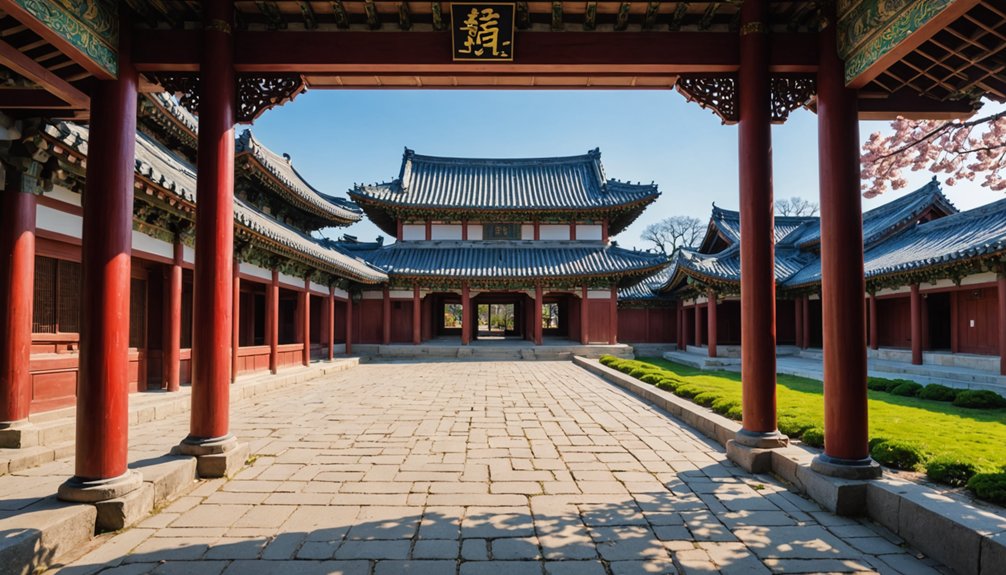
Hwaseong Haenggung is Korea’s largest temporary palace, built in 1796 during the Joseon dynasty. You’ll find 600 compartments showcasing a unique blend of Korean-Chinese architecture within Hwaseong Fortress, a UNESCO site. It survived Japanese occupation and now hosts traditional guard ceremonies and martial arts displays. Admission’s just ₩2000, with best visiting during cherry blossom season around March 22. The surrounding fortress walls offer more than just pretty views.
Explorer Insights
- Hwaseong Haenggung is Korea’s largest temporary palace with 600 compartments, built in 1796 within Hwaseong Fortress in Suwon.
- The palace served as King Jeongjo’s royal residence during visits to Suwon and as a potential refuge during crises.
- Visitors can enjoy traditional martial arts displays and Jangyonyeong guard ceremonies from April to October.
- Admission costs ₩2,000 for adults, with free entry for children under 6 and seniors over 65.
- The surrounding UNESCO-listed Hwaseong Fortress features four main gates and distinctive watchtowers spanning 5.74 kilometers.
The Historical Significance of Hwaseong Haenggung
When you stroll through Hwaseong Haenggung Palace, you’re walking on ground that once sheltered royalty in times of crisis. This isn’t just any royal hideaway—it’s the largest temporary palace built during the Joseon dynasty. (see Korea Tourism Organization)
King Jeongjo spent significant time here, using it as his home-away-from-home when things got dicey.
The palace has survived some rough patches. Japanese occupation? Nearly destroyed it. But reconstruction efforts saved this architectural gem. Now it stands as a symbol of royal lifestyles and Joseon-era design.
Pretty impressive comeback.
Today, you’ll find the place buzzing with cultural events. Guards perform ceremonies. Martial artists show off their skills.
And if it looks familiar? That’s because TV producers love filming dramas here. “Moonlight Drawn by Clouds” made this place even more famous.
History with a side of stardom.
Like many of Korea’s hidden gems, Hwaseong Haenggung offers an authentic cultural experience without the crowds of more popular destinations.
Architectural Highlights and Palace Layout
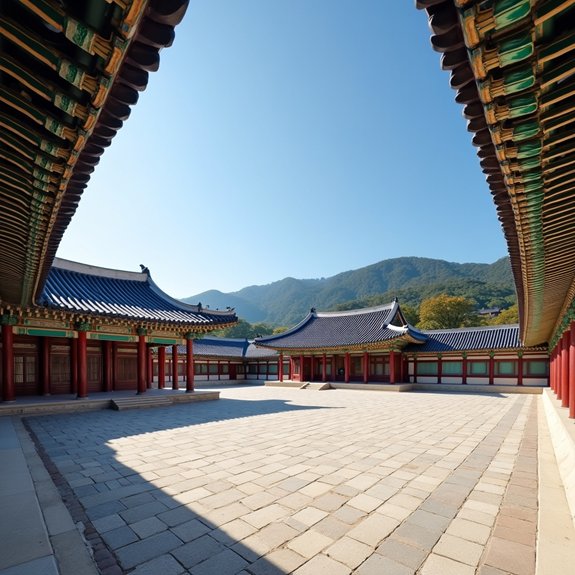
Six hundred compartments make up Hwaseong Haenggung, Korea’s largest detached palace. Yeah, you read that right—600. This massive complex showcases the Joseon dynasty‘s royal lifestyle in stunning detail.
Built in 1796, it’s not just big—it’s strategic. Perfectly positioned within Hwaseong Fortress.
Strategic brilliance meets royal scale—Hwaseong Haenggung stands perfectly positioned within the fortress walls, a masterpiece of 18th-century planning.
You’ll notice the unique blend of Korean and Chinese architectural styles immediately. Blame the Silhak movement for that interesting mix.
The palace layout centers around a courtyard with royal quarters and pavilions scattered throughout. Some for ceremonies, others just for living.
Recent restoration work has been smart. Modern tech meets ancient design.
They’ve preserved the historical context while maintaining architectural integrity. It’s impressive, really. The kind of place that makes you realize these Joseon royals weren’t messing around with their summer homes.
Much like Beijing’s traditional hutongs, these structures represent a centuries-old architectural tradition that tells the story of a city’s evolution through different dynasties.
Cultural Performances and Events
Beyond its architectural grandeur, Hwaseong Haenggung bursts to life through spectacular cultural performances that’ll transport you straight back to the Joseon era. You can’t miss the Jangyonyeong guard ceremony at the front gate—it’s history in motion, no filter needed.
From April to October, martial arts displays showcase how the royal family’s guards actually protected them. Not your basic Netflix fight scenes. These are the real deal.
Throughout the year, special cultural festivals transform the palace grounds. Been watching “Moonlight Drawn by Clouds”? Yeah, they filmed it right here. Pretty cool.
The palace also hosts traditional feasts and worship events at royal tombs. Sacred stuff, honestly. Serious cultural cred.
Come for the architecture, stay for the performance. You’ll get it when you’re there.
For visitors interested in exploring beyond the palace grounds, Japan Transit Planner provides comprehensive route planning with information about train types and fares, even allowing you to filter services covered by the Japan Rail Pass.
Visitor Information and Travel Tips
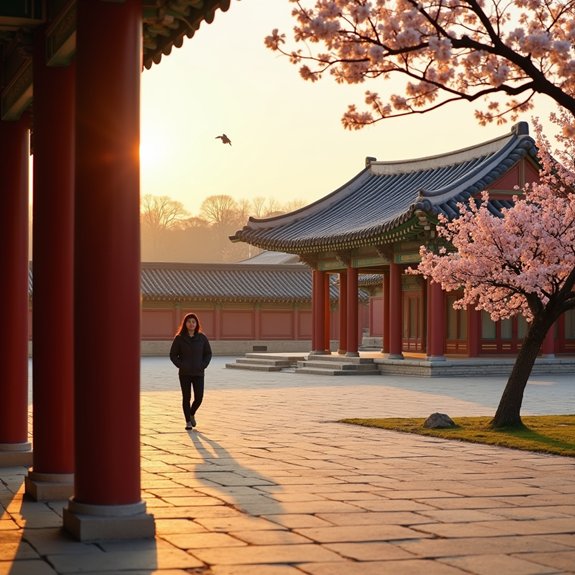
Planning your palace adventure isn’t rocket science, but knowing the basics will save you headaches. Budget W2000 per adult and set aside about an hour to explore King Jeongjo’s temporary royal residence. Kids under 6? Seniors over 65? They get in free. Bring ID. For the best experience, consider visiting during cherry blossom season when Jeju Island showcases its blooms earlier than the mainland around March 22. (see Korail)
| Season | What to Know |
|---|---|
| Winter | Hours: 9am-5pm. Dress warm! |
| Spring | Martial arts shows begin in April |
| Summer | Avoid rainy days. Trust me. |
| Fall | Perfect weather for Suwon Hwaseong Fortress views |
Winter hours are shorter, so check the schedule before showing up. The grounds get muddy after rain—nobody wants soggy historical tourism. From April through October, catch those martial arts demonstrations. They’re actually worth watching. Bring a camera.
Exploring the Surrounding Hwaseong Fortress
After you’ve soaked in the palace’s splendor, the real adventure begins with Hwaseong Fortress. This UNESCO World Heritage Site isn’t just some old wall—it’s King Jeongjo’s 18th-century masterpiece. Built between 1794 and 1796, it completely encircles the palace you’ve just visited.
The fortress stretches 5.74 kilometers with walls standing 4-6 meters high. Stone and brick. Impressive, right? You’ll encounter four main gates, with Janganmun being Korea’s largest. It’s massive. Two-storey wooden pavilions that scream royal power.
Military nerds will appreciate the strategic watchtowers and signal towers. The entire design shows remarkable planning.
While exploring, you’ll stumble upon Hwahongmun Gate and Banghwasuryujeong Pavilion. The views from the walls? Worth every step. Nothing beats seeing 18th-century military design come to life.
You can easily access this historic site using a T-Money card which provides discounted fares compared to single-use tickets when riding buses and subways throughout Korea.
Nearby Attractions and Local Dining
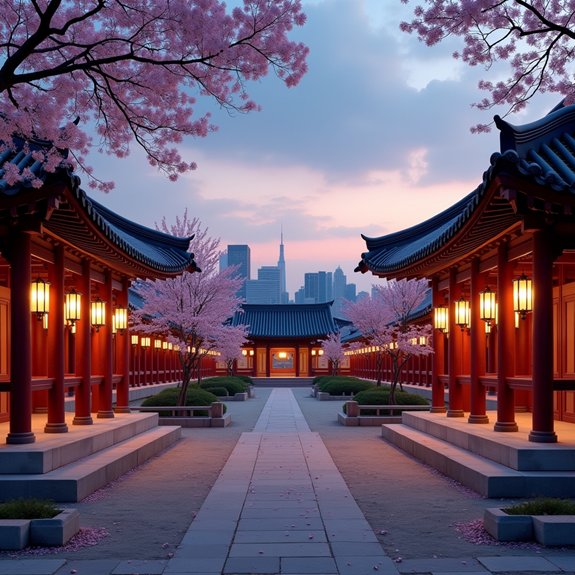
Three must-see attractions wait just steps from Hwaseong Haenggung Palace, perfect for history buffs who haven’t had their fill.
The Suwon Hwaseong Museum sits just 0.3 miles away, boasting a solid 3.9 rating. It’s packed with cultural insights you won’t get anywhere else.
Not far enough? The Gyeonggi Provincial Office Old Building stands 0.6 miles out. Perfect for your Day Tour itinerary.
History beckons just beyond—the Gyeonggi Provincial Office Old Building awaits, an essential stop for any serious day-tripper.
Need a break? Haengridan-gil’s vibrant café scene has your name on it.
Hungry? Options abound. Yeonpo Galbi serves up sizzling barbecue literally 91 feet from the palace gates.
Fancy something different? OTable dishes Italian fare just 512 feet away.
For the adventurous, Suwon Mandu’s Chinese cuisine (0.2 miles) boasts an impressive 4.4 rating. Not bad. Not bad at all.
If you’re looking to enrich your trip even more, consider joining a kimchi making workshop in Seoul for an authentic taste of Korean culinary culture.
Frequently Asked Questions
Is Photography Permitted Inside All Palace Buildings?
You can shoot photos inside most, but not all, palace buildings.
Some special exhibitions and certain areas restrict photography to protect artifacts.
No flash photography allowed anywhere—it damages historic items. (see Korea Rail Pass)
Signs are clearly posted where you can’t snap pics.
When in doubt, just ask the staff. They’re usually helpful, unless they’re having a bad day.
Rules change sometimes, so keep an eye out.
Are There Special Activities for Children at the Palace?
Kids can catch colorful cultural activities at the palace regularly.
You’ll find traditional games, costume experiences, and seasonal events designed for young visitors. Children love trying on Joseon-era clothing and participating in hands-on crafts.
The palace offers special guided tours for families too. Not boring museum stuff. Real interactive fun.
During major holidays, they organize extra performances and workshops that’ll keep your little ones entertained. History made lively, not dull.
When Is the Best Season to Visit Hwaseong Haenggung?
Spring and fall are your best bets.
Cherry blossoms make spring gorgeous—April especially. Colors pop, weather’s mild.
Fall brings stunning foliage in October and November. Crisp air, golden trees. Perfect for photos.
Summer? Too humid and crowded.
Winter gets bone-chilling cold, but offers serene, snow-dusted views if you can handle it. Bonus: fewer tourists in winter.
Cultural festivals happen year-round, so timing matters.
How Accessible Is the Palace for Visitors With Mobility Limitations?
Imagine John, a wheelchair user who visited last year. He struggled with certain sections, but made it through.
You’ll face mixed accessibility at the palace. Main pathways? Mostly flat.
But there are steps, uneven terrain, and limited ramps in some areas. Some exhibition halls have wheelchair access, others don’t.
Staff will help if asked. Rental wheelchairs are available. Better than many historic Korean sites, honestly.
Not perfect, but doable with planning.
Can Visitors Participate in Traditional Costume Experiences at the Palace?
Yes, you can dress up in traditional Korean hanbok at the palace. It’s a popular activity.
You’ll pay a rental fee, choose from various vibrant designs, and strut around looking like royalty for a few hours. Pretty cool photo op, honestly.
The costume rental shops are typically near the entrance. Prices vary.
Weekend visits? Expect crowds. The experience adds an authentic touch to your palace exploration.
Conclusion
You’ll leave Hwaseong Haenggung with history etched in your mind. Time flies like an arrow at this UNESCO marvel, but the memories last. The palace isn’t just old buildings – it’s living history. Performances, architecture, and the surrounding fortress create a perfect day trip from Seoul. Worth every won. Hungry? Local restaurants await. Just go. Suwon’s hidden gem isn’t staying hidden much longer.
More on Travel Essentials:

Written by Sam Konneh
Sam Konneh is an AI strategist and digital marketer based in Seoul, South Korea. With years spent living, working, and exploring across Korea, Japan, and China, he shares firsthand insights into East Asia's cultures, hidden gems, and everyday life. A graduate of Inha University and KDI Graduate School, Sam combines data-driven expertise with on-the-ground experience. His journey also includes studying in Malaysia and traveling through Southeast Asia. Through practical tips, local stories, and travel guides, he helps fellow explorers discover both the celebrated highlights and the lesser-known corners of East Asia.