Last Updated: October 3, 2026 | Originally Published: November 25, 2024
As a solo female traveler in China, blending in with locals, maneuvering public transportation, and prioritizing personal security are key. Adopt the modest, subdued style of dress and behavior you see around you, and carry a small, discreet bag instead of a big tourist backpack.
Learn Mandarin phrases to easily communicate with drivers and fellow passengers when using buses, subways, and trains. Invest in a secure anti-theft bag, avoid flashy jewelry, and keep a copy of your passport separate from the original.
Follow these tips to have a safe and enriching travel experience. (Source: Travel China Guide)
Quick Answer: Solo Female Safety in China
- Use DiDi (China’s dominant ride-hailing app, since Uber exited in 2016) instead of flagging street taxis — every DiDi trip verifies the driver’s photo and license plate before pickup and shares your live route.
- By law, every hotel and guesthouse in China must register a foreign guest’s passport with the local Public Security Bureau (PSB) within 24 hours — carry your passport, not a photocopy, for check-in.
- China’s emergency numbers are split by type: 110 (police), 119 (fire), 120 (ambulance) — unlike the single 911 number US/Canadian travelers may expect.
- The U.S. State Department’s STEP program lets travelers register their China trip for embassy alerts and emergency contact.
Explorer Insights
- Blend in with local fashion and mannerisms to avoid drawing unwanted attention.
- Familiarize with public transportation systems and carry a map or download a transit app to navigate confidently.
- Invest in a secure anti-theft backpack or cross-body bag to protect valuables.
- Learn key Mandarin phrases, such as “Help” and “Call the police,” for emergencies.
- Keep a photocopy of your passport separate from the original and use a money belt or hidden pocket for cash and cards.
Blend in With Locals

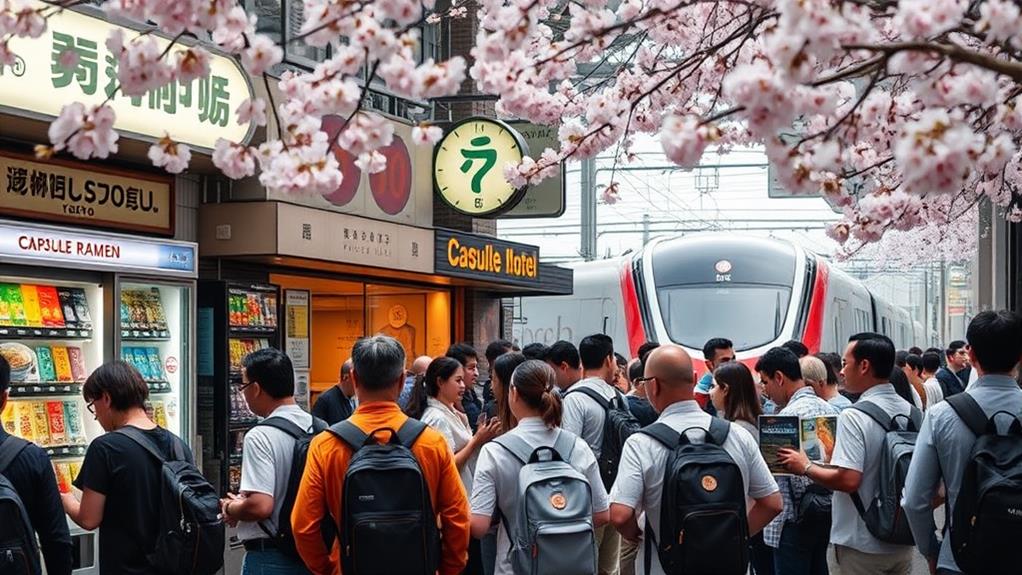
Blending in with locals can help you move through China’s crowded cities with greater ease and security. Adopting the local style of dress, behavior, and mannerisms can make you appear less like a tourist and more like a resident.
Carry a small backpack or purse instead of a large, obvious travel bag. Avoid flashy jewelry or designer clothes that could draw unwanted attention. East Asia received over 89 million international visitors in 2026, accounting for 25% of Asia-Pacific tourism (UNWTO).
Take your cues from how Chinese women present themselves in public – modest, subdued, and confident. Learning Mandarin phrases can go a long way in making connections and easing interactions.
Pay attention to your body language, too – stand tall, walk purposefully, and avoid looking lost or confused. Blending in takes some practice, but it’s an effective way to travel more safely and immerse yourself in the local culture.
Navigate Public Transportation
When traversing public transportation in China, it’s important to be aware of your surroundings and take precautions. Familiarize yourself with buses, subways, and trains, and learn how to navigate the systems.
Purchase a map or download a transit app to help you plan your routes.
Be mindful of your belongings, especially in crowded areas. Keep your purse or backpack close to your body and avoid placing it on the floor or hanging it from the back of your seat. Consider wearing a money belt or using a crossbody bag to keep your valuables secure.
If you’re unsure about which stop to get off at, don’t hesitate to ask the driver or fellow passengers for assistance. It’s also a good idea to have a backup plan, such as the address of your destination written down or saved on your phone, in case you get lost.
Familiarize yourself with color-coded subway maps and bilingual station names to navigate efficiently.
Pro Tip: Skip street-hailed taxis after dark and use DiDi instead. The app shows the driver’s real name, photo, and plate before pickup, and trip-sharing lets a friend track your route live.
For longer trips between cities, a chauffeured private car adds another layer of vetting.
Prioritize Personal Security
As a female traveler in China, prioritizing your personal security matters most. Stay vigilant and aware of your surroundings, especially in crowded areas. Consider these tips to enhance your safety:
Invest in a secure anti-theft backpack to safeguard your valuables while on the go. These backpacks often feature lockable, slash-resistant zippers, RFID protection, and hidden pockets to deter theft. Carry a small, cross-body bag that keeps your valuables close and secure.
Avoid wearing flashy jewelry or accessories that could attract unwanted attention. Learn a few key phrases in Mandarin, such as “Help” or “Call the police,” in case of an emergency. Trust your instincts – if a situation or location feels uncomfortable, remove yourself from it promptly.
Keep your actual passport on you rather than a photocopy — PRC regulations require every hotel and guesthouse to register a foreign guest’s passport with the local Public Security Bureau within 24 hours of check-in, and budget hostels sometimes decline unregistered guests.
Back up your passport photo page to your phone as well, and use a money belt or hidden pocket for cash and cards.
| Need | Number / Contact |
|---|---|
| Police | 110 |
| Fire | 119 |
| Ambulance | 120 |
| Traffic accident | 122 |
| U.S. citizens (Beijing embassy) | +86-10-8531-4000 |
Staying informed and proactive about your personal safety will give you peace of mind to fully enjoy your travels in China. Remember, personal security is the foundation for a fulfilling and memorable experience.
Key Takeaway: Download offline maps and a translation app before you go; data coverage and blocked services vary by country.
Frequently Asked Questions
What Should I Do if I Encounter a Medical Emergency?
If you encounter a medical emergency while traveling solo in China, don’t panic. First, try to remain calm and assess the situation.
If it’s a serious issue, contact your travel insurance provider or call the emergency number 120 right away. They can dispatch an ambulance and help you get the care you need. Make sure to have your passport and travel documents handy.
Stay positive – the Chinese medical system is well-equipped to handle emergencies, and they’ll do their best to assist you. The average daily travel budget in East Asia ranges from $50 USD (budget) to $200 USD (comfort) (Numbeo).
How Can I Find Reliable Translation Services if I Don’t Speak Chinese?
Google Translate doesn’t work reliably inside mainland China without a VPN, since Google services are blocked. Download Baidu Translate or Pleco (a Mandarin dictionary app) before you land, while you still have unrestricted app-store access.
Both apps work offline once downloaded and support camera translation — point your phone at a menu or sign and get an instant English overlay, no data connection needed.
For anything beyond basic phrases, show your phone screen to the other person instead of speaking the translation aloud; tones in Mandarin change meaning, so a mispronounced phrase can confuse more than it helps.
What Are Some Effective Ways to Avoid and Respond to Harassment?
Dealing with harassment as a solo female traveler in China can feel formidable, but don’t worry – there are effective ways to stay safe. First, trust your instincts. If a situation feels uncomfortable, remove yourself from it.
Speak up firmly and confidently if someone is bothering you. You can also try to blend in more by dressing conservatively. And remember, you have a right to feel safe and respected. Don’t be afraid to seek help from local authorities or your hotel staff if needed.
Where Can I Find a Safe and Trustworthy Place to Store My Valuables?
In-room safes at mid-range and budget guesthouses are often a shared-code model left on factory settings, not a dedicated lock. Test yours by resetting the code yourself at check-in rather than trusting the default.
Major train stations like Beijing South and Shanghai Hongqiao have self-service luggage lockers (自助寄存柜, zìzhù jìcún guì) in the main concourse — useful for storing bags between checkout and a late flight or train.
Don’t leave valuables unattended in hostel common areas, even briefly — use the room safe or a cable lock on your bag.
What Are the Cultural Norms I Should Be Aware of to Avoid Offending Locals?
When exploring China, it’s important to be aware of cultural norms to avoid unintentionally offending locals. Dress conservatively, especially when visiting temples or historical sites. Avoid public displays of affection, as physical touch is generally more reserved.
Learn some basic Mandarin phrases to show respect. Don’t point with your index finger – use an open hand instead. Observe local customs around tipping, and always ask before taking photos of people. With a little cultural awareness, you can have an enriching and respectful travel experience.
Staying Safe Solo in China
Blending in, maneuvering public transit, and prioritizing personal security – these three essential tips can help keep you safe and confident as a solo female traveler in China. With a little preparation and awareness, you can fully immerse yourself in the wonders this fascinating country has to offer.
Embrace the adventure, but don’t forget to stay vigilant. Your safety is paramount.
Last updated: October 2026
More on Transportation:
Planning a trip to China?
Check out our China Travel Hub for more guides, including China Digital Survival Guide.

Written by East Asia Explorer Editorial Team
Sam Konneh is an AI strategist and digital marketer based in Seoul, South Korea. With years spent living, working, and exploring across Korea, Japan, and China, he shares firsthand insights into East Asia's cultures, hidden gems, and everyday life. A graduate of Inha University and KDI Graduate School, Sam combines data-driven expertise with on-the-ground experience. His journey also includes studying in Malaysia and traveling through Southeast Asia. Through practical tips, local stories, and travel guides, he helps fellow explorers discover both the celebrated highlights and the lesser-known corners of East Asia.