Last Updated: April 8, 2026 | Originally Published: February 22, 2026
Travel
Essentials • Last updated: February 21, 2026
Read our full Japan Travel Guide 2026 for everything you need to plan your Japan trip. (see Japan Guide)
Japan Onsen Etiquette (2026): Your First Time Doesn’t Have to Be Awkward
Stripping completely naked in a room full of strangers is not how most of us picture a relaxing vacation. For the
average Western tourist, the prospect of entering a Japanese hot spring (onsen) triggers a deep, visceral panic.
“Where do I look?” “What do I do with the tiny towel?” “Will they kick me out because of my tattoo?” These are
entirely valid questions. (see Japan National Tourism Organization)
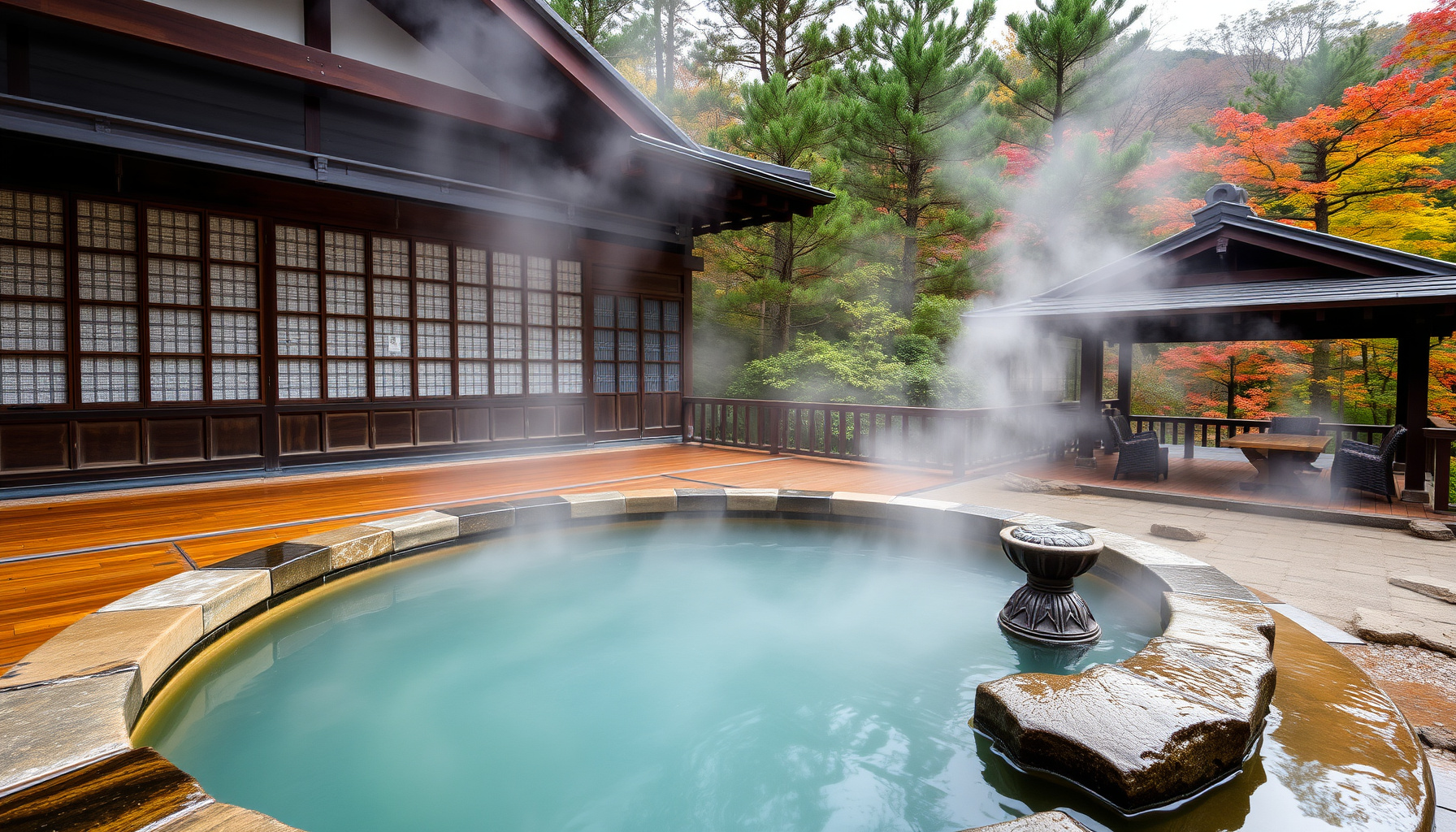
But overcoming that initial shock is the key to unlocking the greatest cultural experience Japan has to offer.
Soaking in mineral-rich, volcanic waters while snow falls gently on your shoulders is a transformative, almost
religious experience. The rules of the bathhouse might seem incredibly strict from the outside, but they exist
for a simple reason: to maintain absolute cleanliness and serene harmony. In this 2026 guide, we break down
proper onsen etiquette so you can walk confidently into the changing room and actually enjoy
the soak. (see Japan Rail Pass official site)
No swimsuits. Period.
You must scrub with soap at the showers first.
The small modesty towel cannot touch the bathwater.
Long hair must be tied up entirely out of the water.
The Step-by-Step Walkthrough
✅ DO
- Shower and rinse your entire body before entering the bath
- Keep your small towel out of the water (fold it on your head)
- Enter quietly — onsen are places of calm and relaxation
- Keep hair tied up and out of the water
- Hydrate well before and after bathing
- Try both indoor (uchiburo) and outdoor (rotenburo) baths
- Follow the temperature order: cooler pools first, then hotter
- Check tattoo policy before visiting — some onsen now accept them
❌ DON’T
- Enter the bath without showering first — this is the most serious offence
- Bring your phone or camera into the bathing area
- Wear swimwear in a traditional onsen (mixed bathing exceptions exist)
- Make loud noise or splash aggressively
- Dunk your head or wash your hair in the communal bath
- Stay in the hot water too long if you feel dizzy — exit immediately
- Wear large towels into the bath (small hand towels only)
- Assume you can enter if visibly intoxicated — most onsen refuse
Hakone 🗻
★★★★★
Price: ¥3,000–15,000/night
Crowds: Moderate
2 hrs from Tokyo. Mount Fuji views. Day trips and ryokan stays.
Beppu ♨️
★★★★★
Price: ¥2,000–8,000/night
Crowds: Moderate
Japan’s #1 hot spring city by volume. 8 distinct ‘hells’ to tour.
Kinosaki 🏮
★★★★★
Price: ¥15,000–35,000/night
Crowds: Low
7 public baths, yukata-wearing in the streets. Most atmospheric.
Noboribetsu 🐉
★★★★☆
Price: ¥5,000–20,000/night
Crowds: Moderate
Hokkaido’s best onsen. Volcanic ‘Hell Valley’ scenery nearby.
Kusatsu 🌿
★★★★☆
Price: ¥5,000–20,000/night
Crowds: High in season
One of Japan’s top 3 onsen resorts. Yubatake hot spring field.
The anxiety of a first-time visitor usually comes from not knowing the physical sequence of events. Here is
exactly what is going to happen from the moment you walk through the doorway.
1. The Entrance and Shoes
As soon as you cross the threshold of the building, you will see a genkan (sunken entryway) and shoe lockers.
Take off your shoes immediately. You never wear outside shoes into the facility. Lock your shoes away, take the
key, and hand it to the front desk attendant when you pay your entrance fee.
2. The Red and Blue Curtains
Public baths are strictly separated by gender. You will navigate to the changing rooms by looking for colored
curtains (noren). A blue curtain with the character 男 (Otoko) is the men’s side. A red or pink curtain with the
character 女 (Onna) is the women’s side. Proceed with caution and double-check; accidentally walking into the
wrong side is a fast track to police involvement.
3. The Changing Room (Datsuijo)
Find an empty locker or a woven basket. This is where you leave your clothes, your phone (photography is a
massive, strictly enforced crime in onsens), and your large bath towel. You will strip down completely bare. You
are only allowed to take one thing into the actual bathing area with you: the tiny, rectangular “modesty towel”
(tenugui) that the front desk provided.
4. The Washing Station
Before you even look at the hot baths, you must wash. The washing area consists of individual stations with a low
stool, a bucket, and a shower nozzle. Sit down on the stool (do not stand and shower to avoid splashing your
neighbors). Thoroughly scrub your entire body with soap and shampoo your hair. Japanese bathwater is meant for
soaking clean bodies, not cleaning dirty bodies. Rinse off every single bubble of soap—if you carry suds into
the main bath, you will receive severe glares from the locals.
5. Entering the Bath
Now you can soak. Do not dive, jump, or splash into the water. Enter slowly. The water is typically maintained
between 40°C to 44°C (104°F to 111°F). Start at the edges to let your body adjust to the intense heat. Do not
let your modesty towel touch the water; most people fold it and balance it on top of their head, or leave it
resting on a rock beside the bath.
The 2026 Reality of Tattoos in Onsens
If there is one aspect of Japanese bathhouse culture that causes the most friction with international tourists,
it is the tattoo ban. Historically, tattoos in Japan were deeply linked with organized crime syndicates (the
Yakuza). To keep criminals out, public baths simply banned all tattoos.
However, we are in 2026 now. Tourism bodies have actively lobbied to relax these archaic rules to be more
welcoming to foreigners, whose tattoos are decorative rather than criminal. While the situation is significantly
better than it was five years ago, it is still a minefield of inconsistency.
| Tattoo Situation | The 2026 Reality | Recommended Action |
|---|---|---|
| Very Small / Single Tattoo | Many ryokans implicitly accept this. Public baths might still eject you if complained about. | Buy flesh-colored, waterproof tattoo cover-up stickers from Don Quijote. Cover it entirely before entering the changing room. |
| Large Arm / Leg Sleeves | You will likely be refused entry at traditional public baths or hotel main baths. | Seek out specific “Tattoo-Friendly” towns like Kinosaki or Beppu, where city policies explicitly allow all tattoos. |
| Full Back / Chest Pieces | Complete ban from 80% of shared public facilities. Do not attempt to sneak in. | Rent a “Kashikiri-buro” (Private Bath) by the hour, or book a luxury room with a private open-air bath on the balcony. |
The absolute most important rule is never to lie or sneak in. If you have tattoos, check the facility’s website
or ask the front desk upon arrival. Many hotels now have “Tattoo-OK” hours (usually late at night) or offer
specific patches you can buy at the desk. The luxury hotel brand Hoshino Resorts famously updated its policy to
allow tattoos for foreign guests, provided they don’t cause discomfort to others, signaling a massive shift in
the industry.
Onsen Pricing
Breakdown (2026 Averages)
~500 JPY ($3.50)
saunas)
~2,500 JPY ($17)
rental)
~4,000 JPY ($27)
What Not to Do: Common Foreigner Mistakes?
A Japanese onsen is a place of deep relaxation, almost akin to a public library or a temple. Maintaining that
atmosphere requires everyone to follow unspoken social norms. Aside from the hard rules (wash first, no
swimsuits, no hair in the water), avoid these behavioral missteps:
⚠️ Avoid These Behaviors
- Loud Conversations: Keep your voice down. While quiet chatting with friends is fine,
roaring laughter or shouting across the baths is highly frowned upon. - Wringing Your Towel: Do not wring your wet modesty towel out into the bathwater. If you
need to wring it out, do it over the drainage grates on the floor. - Swimming: The baths are purely for soaking, not exercise. Do not try to swim laps or
float aggressively, even if staring out at a beautiful mountain view tempts you. - Not Drying Off: The most common error foreign tourists make happens when leaving. You
must use your tiny modesty towel to towel off your body as much as possible before stepping
from the wet bathing area back into the dry changing room. Dripping puddles onto the changing room floor
is considered incredibly rude.
The After-Bath Ritual
The onsen experience does not end when you dry off and put your clothes back on. You have essentially tricked
your body into mimicking a mild fever, which vastly accelerates blood circulation but also aggressively
dehydrates you. Rehydration is mandatory.
In almost every traditional Japanese bathhouse lounge area, you will find vending machines selling exactly three
things: water, cold green tea, and tiny glass bottles of milk. Drinking an ice-cold milk (either regular or
fruit-flavored) while sitting in a massage chair is an iconic post-bath tradition. Your muscles will feel like
liquid jelly, your skin will smell faintly of sulfur, and you will likely experience the deepest, heaviest sleep
of your life that night.
Neighborhoods
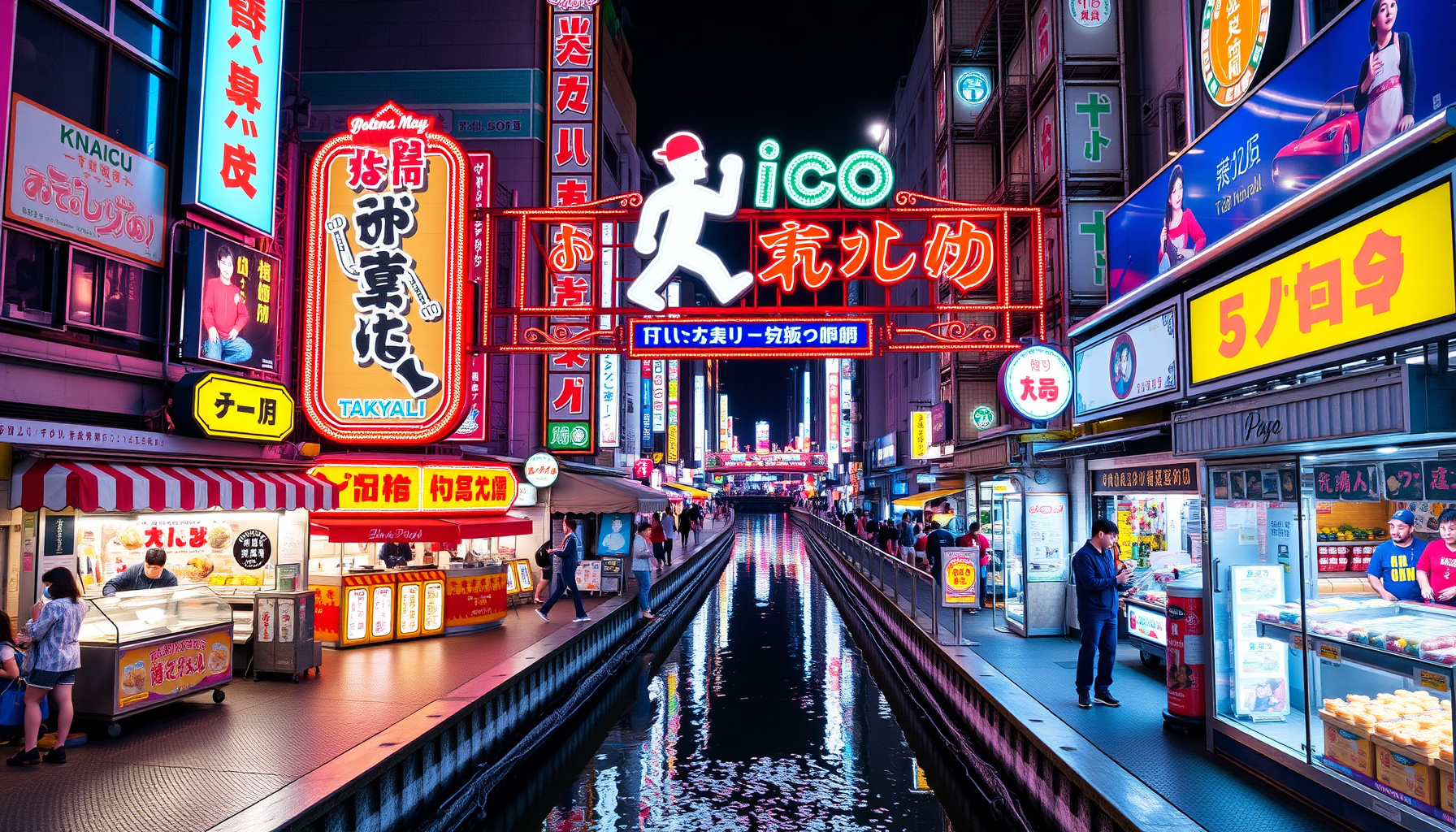
Looking for something radically different from a
quiet bathhouse? Dive into the intense neon chaos and legendary street food of Osaka.
More on Wellness & Onsen:

Written by Sam Konneh
Sam Konneh is an AI strategist and digital marketer based in Seoul, South Korea. With years spent living, working, and exploring across Korea, Japan, and China, he shares firsthand insights into East Asia's cultures, hidden gems, and everyday life. A graduate of Inha University and KDI Graduate School, Sam combines data-driven expertise with on-the-ground experience. His journey also includes studying in Malaysia and traveling through Southeast Asia. Through practical tips, local stories, and travel guides, he helps fellow explorers discover both the celebrated highlights and the lesser-known corners of East Asia.