Last Updated: March 19, 2026 | Originally Published: January 22, 2025
Understanding Japan’s Regional Divisions
Japan, an archipelago nestled in the Pacific Ocean, is divided into several distinct regions that reflect its rich cultural heritage and geographical diversity. Each region boasts unique traditions, dialects, and landscapes, contributing to the country’s overall identity. From the bustling urban life of Kanto to the serene rural beauty of Hokkaido, understanding Japan’s regional divisions is essential for appreciating the nuances of its society and history. (Source: Japan National Tourism Organization)
The Eight Regions of Japan
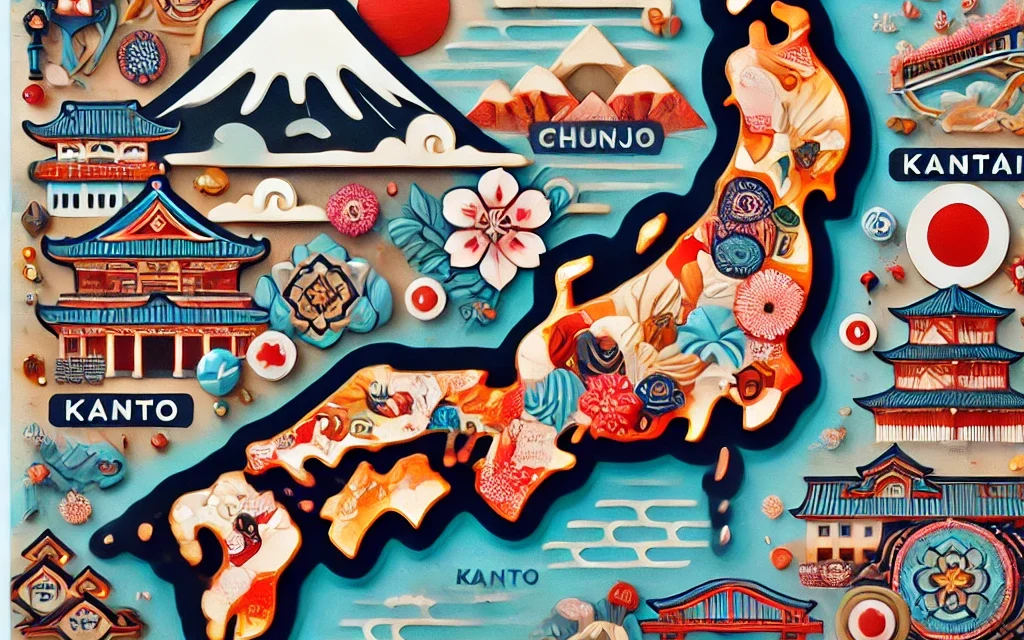
Japan, an archipelago consisting of over 6,000 islands, is traditionally divided into eight distinct regions, each with its unique culture, geography, and history. From the northernmost island of Hokkaido to the southern islands of Okinawa, these regions reflect the diversity of Japan’s landscapes and traditions. This overview explores the characteristics of each region, highlighting their significance in shaping the nation’s identity and providing insight into the rich tapestry of life across Japan.
Overview of the Prefectural System
Japan is a country characterized by its unique regional divisions, which play a crucial role in its administrative structure and cultural identity. The prefectural system is fundamental to understanding how Japan is organized geographically and politically. Comprising 47 prefectures, this system allows for localized governance and reflects the diverse characteristics of different areas across the archipelago.
- Hokkaido: The northernmost region, known for its natural beauty and agriculture.
- Tohoku: Located in the northeast, famous for its mountainous landscapes and traditional festivals.
- Kanto: Home to Tokyo, this region is the political and economic heart of Japan.
- Chubu: Central Japan features a mix of urban and rural environments, including the Japanese Alps.
- Kansai: Known for its historical significance, cities like Kyoto and Osaka are located here.
- Chugoku: This western region includes Hiroshima and is renowned for its scenic views and cultural heritage.
- Shikoku: The smallest main island, famous for its pilgrimage routes and rural landscapes.
- Kyushu: The southernmost major island, recognized for its hot springs and volcanic activity.
Each prefecture has its own unique culture, traditions, and local government, allowing for a vibrant tapestry of life throughout Japan. Understanding these regional divisions is essential for appreciating the country’s diversity and the varying lifestyles of its inhabitants.
Significance of Regional Diversity
Japan is a nation characterized by its rich tapestry of regional divisions, each with distinct cultural, historical, and geographical features. The country’s regions are typically categorized into eight primary areas: Hokkaido, Tohoku, Kanto, Chubu, Kansai, Chugoku, Shikoku, and Kyushu. This segmentation not only reflects Japan’s diverse landscapes—from the snowy mountains of Hokkaido to the subtropical beaches of Okinawa—but also illustrates the unique traditions, dialects, and cuisines that thrive in each area.
This regional segmentation reflects Japan’s diverse landscapes and illustrates the unique traditions, dialects, and cuisines thriving in each area. The significance of this diversity extends beyond geography, playing a crucial role in shaping the national identity and social fabric of the country.Key aspects of Japan’s regional diversity include:
- Local festivals and art forms specific to each region
- Distinct culinary traditions and specialties
- Varying economic activities and urban development patterns
- Unique challenges such as aging populations and rural depopulation
Understanding these regional differences is essential for appreciating Japan’s history and societal dynamics. It allows for a deeper comprehension of the country’s past and its ongoing evolution in the face of modern challenges.I
Japan’s regional divisions represent a mosaic of cultures and histories that enrich the nation’s identity. Embracing this diversity offers invaluable insights into the complex tapestry that makes Japan a fascinating and multifaceted country.
Transportation Across Regions
 is a vital component of the country’s regional connectivity, reflecting its advanced infrastructure and technological innovation. With a diverse range of transport options including high-speed trains, subways, buses, and ferries, Japan facilitates seamless travel across its urban centers and rural landscapes. The efficiency and punctuality of these systems not only enhance mobility but also play a crucial role in economic activities and cultural exchange among various regions.
National Transportation Networks
Transportation in Japan is characterized by its advanced infrastructure and extensive networks that connect various regions of the country. The efficient transportation system supports economic activities, tourism, and daily commuting, making it essential for both urban and rural areas. Japan’s national transportation network includes a mix of railways, roads, air travel, and maritime services.
- Railways: Japan boasts one of the world’s most efficient and punctual railway systems, including the famous Shinkansen (bullet trains) which link major cities at high speeds.
- Roads: An extensive network of expressways and local roads facilitates road transport, essential for regional connectivity and freight movement.
- Air Travel: Numerous domestic airports support air travel across the islands, providing quick access to remote areas and fostering tourism.
- Maritime Transport: Ferries and cargo ships play a crucial role in connecting the islands of Japan, especially between the main islands and smaller ones.
This integrated transportation network greatly enhances mobility and accessibility, contributing to Japan’s economic strength and social cohesion. Each mode of transport offers unique advantages, ensuring that people and goods can move efficiently across the diverse landscapes of the nation.
Transportation in Japan: A Seamless Network Connecting Regions
Japan’s transportation system is a marvel of efficiency and convenience, connecting its diverse regions and making exploration accessible for both residents and tourists. This intricate network encompasses various modes of transport, each playing a crucial role in facilitating travel across the country’s varied landscapes.
Key Components of Japan’s Transportation System
- Shinkansen (Bullet Train)
- Links major cities like Tokyo, Osaka, and Kyoto
- Known for speed and punctuality
- Covers long distances in a fraction of the time compared to road travel
- Local Train Services
- Extensive coverage in metropolitan and rural areas
- Facilitates easy commuting and exploration
- Bus Networks
- Crucial for areas with limited rail access
- Intercity buses connect smaller towns to urban centers
- Local buses facilitate movement within communities
- Express buses offer comfortable, cost-effective long-distance travel
- Urban Transportation
- Extensive subway systems in cities like Tokyo and Osaka
- Well-integrated with other forms of transport
- Trams in some cities enhance accessibility
- Cycling
- Growing popularity in many regions
- Supported by dedicated bike lanes and rental services
- Promotes eco-friendly travel

Specialized and Seasonal Transport Options
- Tourist-Oriented Services: Special routes to cultural attractions, historical sites, and scenic spots
- Seasonal Transport:
- Ski resort shuttles in winter
- Ferry services to remote islands in summer
Benefits of Japan’s Transportation System
- Efficient connectivity between regions
- Accessibility to both urban and rural areas
- Environmentally friendly options available
- Accommodates diverse travel needs and preferences
Japan’s regional transport options showcase a well-designed system that caters to a wide range of travel requirements. This comprehensive network ensures that every corner of the nation is within reach, allowing travelers to experience the rich tapestry of Japanese culture and scenery with ease and comfort.
Culinary Highlights by Region
 Japan is a culinary paradise, renowned for its diverse and rich regional cuisine that reflects the country’s unique geography, climate, and cultural influences. Each region boasts distinct flavors, ingredients, and cooking techniques, resulting in a vibrant tapestry of dishes that celebrate local traditions. From the fresh seafood of Hokkaido to the hearty ramen of Kyushu, exploring Japan’s culinary highlights offers a fascinating journey through its gastronomic landscape, revealing how history and locality shape the nation’s food culture.
Hokkaido Cuisine
Hokkaido, the northernmost island of Japan, is renowned for its rich and diverse culinary offerings, largely influenced by its natural resources and agricultural abundance. The region’s cold climate and fertile land contribute to the production of high-quality ingredients, making it a food lover’s paradise.
Seafood is a standout feature of Hokkaido cuisine, with fresh catches from the surrounding seas playing a significant role. Dishes such as crab, scallops, and sea urchin are celebrated delicacies, often enjoyed in sushi or sashimi form. The area’s famous snow crabs, particularly the hairy crab, are highly sought after and considered a must-try during the winter months.
In addition to seafood, Hokkaido is known for its dairy products, particularly cheese and milk. The area’s pastoral landscapes boast vast pastures, allowing for the production of rich, creamy dairy. Soft-serve ice cream made from Hokkaido milk is a popular treat among both locals and visitors.
The island is also recognized for its agricultural produce, including sweet corn, potatoes, and melons. These ingredients often feature prominently in local dishes, such as buttery corn on the cob and hearty stews. The annual Sapporo Snow Festival showcases not just the stunning ice sculptures but also local street foods that celebrate these regional flavors.
Moreover, Hokkaido has gained fame for its ramen, especially Sapporo-style ramen, which is characterized by its rich miso broth and curly noodles. This hearty dish exemplifies the region’s culinary creativity, blending traditional Japanese flavors with local ingredients to create a unique dining experience.
Overall, Hokkaido’s culinary landscape is a testament to the island’s vibrant agriculture and bountiful seafood, offering a delightful exploration of flavors that reflect the region’s identity and heritage.
Tohoku Cuisine
Tohoku, located in the northeastern part of Honshu, Japan’s main island, is renowned for its rich agricultural heritage and diverse culinary offerings. The region’s cold climate and abundant natural resources have contributed to a unique food culture that highlights seasonal ingredients and traditional cooking methods.
One of the key features of Tohoku cuisine is its emphasis on rice, particularly the high-quality Koshihikari variety, which is celebrated for its flavor and texture. In addition to rice, the region is known for its hearty dishes that utilize locally sourced ingredients such as vegetables, fish, and meats.
Seafood plays a significant role in Tohoku’s culinary landscape, with fresh catches from the Pacific Ocean. Dishes like shiro-ebi (white shrimp) and sanma (saury) are popular, often prepared simply to highlight their natural flavors. Additionally, Tohoku is famous for its unique varieties of sake, brewed using pure water and local ingredients.
The area is also recognized for its hearty winter fare, including nabe (hot pot) dishes, which are perfect for warming up during the colder months. One notable example is kiritanpo, a dish made from mashed rice formed around sticks and grilled, typically served in a savory hot pot with vegetables and meat.
Moreover, Tohoku’s culinary traditions include the use of pickled vegetables, known as tsukemono, which offer both flavor and nutritional benefits. These pickles can vary widely in preparation and taste, reflecting the seasonal produce of the region.
The festivals and events throughout Tohoku also showcase its culinary delights, providing opportunities for locals and visitors to experience the region’s food culture firsthand. Overall, Tohoku cuisine embodies a deep connection to the land and seasons, making it a vital part of Japan’s regional culinary heritage.
Kanto Cuisine
Kanto cuisine, originating from the Kanto region surrounding Tokyo, is known for its distinct flavors and ingredients that reflect the area’s rich cultural heritage and access to fresh produce from both land and sea. This region boasts a combination of traditional dishes and modern interpretations, making it a culinary hotspot in Japan.
One of the standout features of Kanto cuisine is its emphasis on soy-based sauces, particularly shoyu (soy sauce). Dishes such as “Kanto-style ramen” highlight this element with a savory broth that often incorporates a mix of soy sauce, mirin, and other seasonings, providing a deeper umami flavor. Another popular dish is “soba,” or buckwheat noodles, typically served chilled with dipping sauce or hot in a broth, showcasing local ingredients.
Additionally, the Kanto region is famous for its seafood, thanks to its proximity to Tokyo Bay. Fresh fish makes its way into various dishes, including sushi and sashimi, where the quality and freshness are paramount. The area is also known for unique preparations like “monjayaki,” a savory pancake made with a batter of flour and water, mixed with various toppings and cooked on a griddle at the table.
The Kanto region’s culinary scene also embraces seasonal ingredients, leading to dishes that celebrate the changing seasons. For instance, “kabocha,” or Japanese pumpkin, is often found in autumn dishes, while fresh vegetables and delicate seafood are used in spring celebrations.
Overall, Kanto cuisine offers a diverse array of flavors and dishes that reflect the region’s history, geography, and cultural influences, making it an essential part of Japan’s culinary landscape.
Kansai Cuisine
Kansai cuisine, known for its rich flavors and diverse ingredients, is a prominent feature of Japan’s culinary landscape. This region, encompassing areas such as Osaka, Kyoto, and Kobe, offers a variety of dishes that reflect its history and geography.
Osaka, often referred to as the “Kitchen of Japan,” is famous for its street food culture. Iconic dishes like takoyaki (octopus balls) and okonomiyaki (savory pancakes) are popular among locals and tourists alike. The vibrant food scene in Osaka highlights the importance of umami, achieved through ingredients like dashi (broth), soy sauce, and miso.
Kyoto, on the other hand, is renowned for its refined kaiseki cuisine, which emphasizes seasonal ingredients and meticulous presentation. Kaiseki meals are multi-course dining experiences that showcase the artistry of Japanese cooking, with an emphasis on balance and harmony in flavors. Traditional ingredients such as tofu, yuba (tofu skin), and fresh vegetables are staples in Kyoto cuisine.
Kobe, famous for its high-quality beef, offers the exquisite Kobe beef, known for its marbling and tenderness. This luxurious meat has gained international acclaim and is often prepared in simple ways to highlight its natural flavors. The city’s culinary offerings also include fresh seafood, taking advantage of its coastal location.
Overall, Kansai cuisine represents a harmonious blend of tradition and innovation, making it a focal point in Japan’s regional culinary highlights. Each area contributes unique flavors and techniques, ensuring that Kansai remains a vital part of Japan’s gastronomic identity.
Chubu Cuisine
 Chubu, located in the heart of Japan, is renowned for its diverse culinary offerings that reflect the region’s rich natural resources and cultural heritage. This area encompasses a variety of prefectures, each contributing unique flavors and ingredients to the local cuisine.
The coastal areas of Chubu, such as Kanagawa and Shizuoka, are famous for their fresh seafood. Grilled fish, sashimi, and delicacies like shirasu (whitebait) are staples here. Meanwhile, the mountainous regions, including Nagano and Gifu, provide an abundance of agricultural products, leading to a focus on vegetables and rice dishes. The use of locally sourced, seasonal ingredients is a hallmark of Chubu cuisine, ensuring that dishes are both fresh and flavorful.
One notable dish from this region is Hōtō, a hearty noodle soup made with flat udon noodles and a variety of seasonal vegetables. It is particularly popular in Yamanashi Prefecture and showcases the region’s agricultural bounty. Another highlight is Takayama ramen, known for its rich broth and curly noodles, which reflects influences from the local culture and climate.
The Chubu region is also famous for its traditional sweets, like sarubobo, which are cute, round-shaped dolls made from rice paste and often sold as a souvenir. These sweets represent not only the culinary practices but also the craftsmanship and vibrant traditions of the area.
In addition to these highlights, the region boasts several sake breweries, especially in Niigata and Nagano, where the pure mountain water contributes to high-quality sake production. Visitors can explore the local breweries and enjoy tasting sessions that delve into the intricate flavors of this beloved beverage.
Overall, Chubu cuisine exemplifies the harmonious blend of land and sea, tradition and innovation, making it a must-try for anyone interested in experiencing the culinary richness of Japan.
Shikoku Cuisine
Shikoku, the smallest of Japan’s four main islands, offers a unique culinary experience deeply rooted in its regional traditions and natural resources. The island’s diverse landscape, which includes mountains, rivers, and coastline, contributes to its rich agricultural and fishing heritage. Shikoku cuisine is characterized by fresh, local ingredients and distinctive flavors that reflect the region’s cultural influences.
- Sanuki Udon: Known for its firm texture and chewy quality, Sanuki udon is a staple dish made from wheat flour, salt, and water, often served with a variety of toppings.
- Shikoku Citrus: The region is famous for its citrus fruits, particularly yuzu and sudachi, which are used to enhance flavors in various dishes and sauces.
- Katsuobushi: Dried bonito flakes play a crucial role in Shikoku cuisine, providing umami flavor to soups, broths, and sauces.
- Tokushima Ramen: This unique ramen features a soy sauce-based broth and is topped with raw egg or pork, creating a comforting and savory dish.
- Seafood Delicacies: Being surrounded by water, Shikoku offers an abundance of fresh seafood, including mackerel, sea bream, and various shellfish, often enjoyed as sashimi or grilled.
Chugoku Cuisine
Chugoku cuisine, originating from the western part of Honshu, Japan’s largest island, is a delightful blend of flavors and traditions that reflects the region’s diverse geography and rich cultural history. This area encompasses Hiroshima, Okayama, Shimane, Tottori, and Yamaguchi prefectures, each contributing unique culinary specialties.
One of the most famous dishes from Chugoku is Hiroshima-style okonomiyaki, a savory pancake layered with ingredients such as cabbage, noodles, and seafood, topped with a special sauce. This variation stands out for its distinct preparation method, where ingredients are cooked separately and then assembled, resulting in a hearty meal.
Seafood is a staple in Chugoku cuisine, thanks to its proximity to the Seto Inland Sea. The region is renowned for its fresh oysters, particularly those harvested in Hiroshima Bay, which are celebrated for their plumpness and rich flavor. Grilled or served raw, these oysters are a must-try for visitors.
Okayama is famous for its “Kibi-dango,” a traditional sweet made from milled rice, often enjoyed as a snack. Additionally, the region is known for its high-quality white peaches, which are prized for their sweetness and juiciness, making them a popular seasonal treat.
In Yamaguchi, the local specialty is “fugu,” or pufferfish, which is delicately prepared by licensed chefs. This dish is both a delicacy and an adventure, as it requires skillful handling due to the fish’s poisonous parts.
Overall, Chugoku cuisine offers a variety of flavors and dishes that showcase the region’s natural bounty, making it a noteworthy destination for food enthusiasts exploring Japan’s culinary landscape.
Kyushu Cuisine
Kyushu, the southernmost of Japan’s four main islands, is renowned for its vibrant culinary landscape that reflects a blend of traditional and innovative flavors. The region’s cuisine is characterized by an abundance of fresh ingredients, influenced by its rich agricultural heritage and proximity to the sea.
One of Kyushu’s standout dishes is Hakata ramen, originating from Fukuoka. This dish features a creamy tonkotsu (pork bone) broth, thin noodles, and is often topped with sliced chashu, green onions, and pickled ginger. It’s a must-try for any visitor to the region.
Another highlight is the use of local seafood, particularly in Nagasaki, where dishes like champon—a hearty noodle soup filled with seafood, vegetables, and pork—demonstrate the area’s maritime bounty. Sasebo burgers, a unique fusion of American and Japanese flavors, are also a culinary icon of this port city.
Kyushu is also famous for its agricultural products, including sweet potatoes, which are featured in various desserts and snacks. Kumamoto’s basashi, or raw horse meat sashimi, offers a distinctive taste experience that showcases the region’s commitment to quality ingredients.
The island’s diverse climatic zones allow for a variety of sake production, with several breweries producing excellent rice wine that complements the local dishes perfectly. Festivals celebrating food and drink throughout the year further highlight Kyushu’s rich culinary culture.
Overall, Kyushu cuisine encapsulates the spirit of Japan’s culinary traditions while embracing regional specialties, making it a delicious destination for food lovers.
Importance of Regional Identity in Japan
Embracing regional exploration in Japan is vital for fostering a deeper appreciation of the nation’s diverse cultural heritage and natural beauty. Each region boasts unique traditions, culinary delights, and historical significance that contribute to Japan’s identity as a whole. By promoting regional identities, Japan can enhance tourism, support local economies, and encourage sustainable practices that preserve these distinct characteristics.
The importance of regional identity in Japan cannot be overstated; it serves as a foundation for community pride and cohesion while also attracting visitors eager to experience the authentic essence of each area. As more individuals seek meaningful connections with destinations, recognizing and celebrating regional diversity will become increasingly essential. A collective effort to highlight and protect these identities will ensure that Japan remains a vibrant tapestry of cultures, fostering national unity while honoring local uniqueness.
Future Trends in Regional Tourism
In conclusion, embracing regional exploration in Japan offers a myriad of opportunities for both tourists and local communities. As travelers seek authentic experiences and deeper connections with culture, the future of regional tourism is poised for transformative growth. By focusing on sustainable practices, leveraging technology, and promoting unique local offerings, Japan can enhance its appeal to a diverse array of visitors.
- Increased focus on sustainable tourism practices that benefit local economies.
- Utilization of digital platforms for enhancing travel planning and experience sharing.
- Promotion of lesser-known regions to distribute tourist traffic more evenly.
- Integration of traditional culture with modern attractions to create unique experiences.
- Collaboration between government, businesses, and communities to foster regional development.
Q: What are the eight regions of Japan and how are they organized?
A: Japan is divided into eight captivating regions: Hokkaido, Tohoku, Kanto, Chubu, Kansai (Kinki), Chugoku, Shikoku, and Kyushu. Each region has its own unique geography, culture, and history.
Q: What is the significance of Kinki in Japan?
A: Kinki, also known as Kansai, is significant as it includes major cities such as Osaka, Kyoto, and Nara. This region is known for its rich cultural heritage, including historic shrines and castles, as well as being the economic hub of Japan.
Q: How many prefectures are in each region of Japan?
A: Japan consists of 47 prefectures distributed across its eight regions. For instance, Kinki includes seven prefectures, while the Tohoku region has six prefectures.
Q: What is the geographical layout of Japan from north to south?
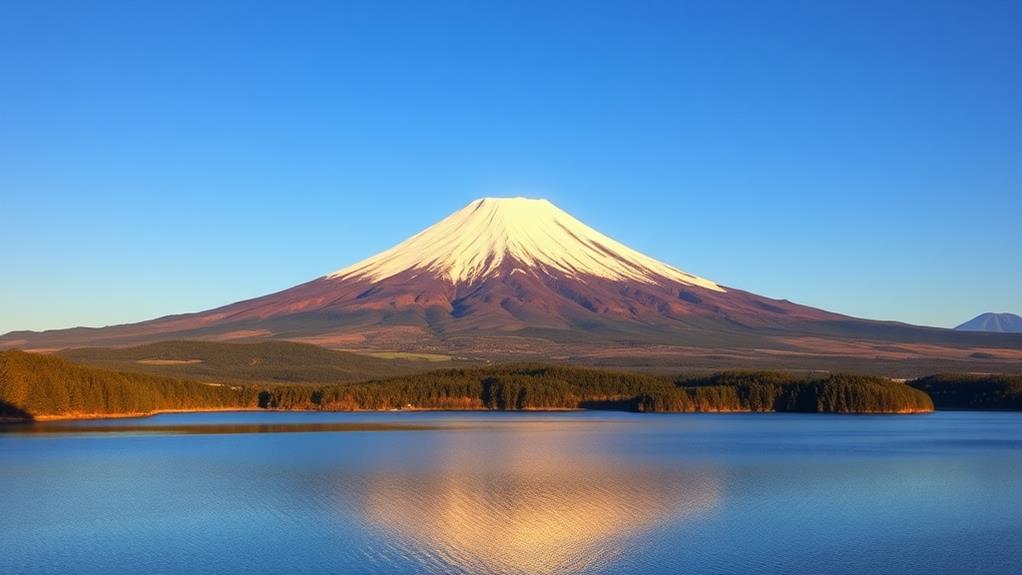
A: Japan is an island nation that stretches from Hokkaido in the north to Kyushu in the south. The geography and topography vary significantly, with mountains like Mount Fuji and volcanic regions throughout the islands of Japan.
Q: What cultural practices are prominent in the Kinki region?
A: The Kinki region is known for its traditional practices, including Shinto rituals and festivals. Visitors can explore ancient shrines and temples that reflect the rich history and culture of the Japanese people.
Q: Can you recommend any historical sites to visit in the Kinki region?
A: In the Kinki region, notable historical sites include the Himeji Castle, which is a UNESCO World Heritage site, and the ancient city of Kyoto, known for its historic temples and shrines.
Q: What role did the atomic bomb play in Japan’s history?
A: The atomic bomb was dropped on Hiroshima and Nagasaki in 1945, marking a crucial turning point in Japan’s history. This event led to Japan’s surrender in World War II and shaped its post-war culture and international relations.
Q: Are there any unique traditions associated with the islands of Japan?
A: Yes, each of the islands of Japan has unique traditions, such as the Ainu culture in Hokkaido, which features distinct customs and beliefs, as well as various local festivals celebrated throughout the regions.
Q: What is the importance of spa towns in Japan?
A: Spa towns, often located near volcanic areas, are significant in Japan for relaxation and rejuvenation. They offer hot springs and traditional ryokan accommodations, allowing visitors to experience Japanese hospitality and wellness.
Embracing Japan’s Regional Tapestry: A Mosaic of Culture, Nature, and Innovation
As we conclude our journey through Japan’s eight captivating regions, it’s clear that this island nation offers a treasure trove of experiences for every type of traveler. From the snow-capped peaks of Hokkaido to the tropical beaches of Okinawa, Japan’s regional diversity is truly astounding.Each region we’ve explored showcases its own unique charm:
- Hokkaido’s untamed wilderness and world-class skiing
- Tohoku’s deep-rooted traditions and breathtaking natural beauty
- Kanto’s bustling metropolis and cutting-edge technology
- Chubu’s majestic mountains and traditional crafts
- Kansai’s historical richness and vibrant food culture
- Chugoku’s poignant history and scenic landscapes
- Shikoku’s spiritual pilgrimages and hidden gems
- Kyushu and Okinawa’s subtropical allure and distinct island cultures
This regional diversity is not just geographical; it’s reflected in the local cuisines, dialects, customs, and even the character of the people. It’s what makes Japan a country that you can visit time and time again, always discovering something new. Whether you’re drawn to the neon-lit streets of Tokyo, the serene temples of Kyoto, the hot springs of Kyushu, or the ski slopes of Nagano, Japan’s regions offer a perfect blend of ancient traditions and modern innovations. Each area provides a unique lens through which to view and understand Japanese culture and society.
As you plan your Japanese adventure, consider exploring beyond the well-trodden tourist paths. Venture into the heart of each region to uncover its hidden treasures. Engage with locals, try regional specialties, and immerse yourself in the distinct atmosphere of each area. By doing so, you’ll gain a deeper appreciation for the complex tapestry that makes up modern Japan.
Remember, Japan’s excellent transportation system makes it easy to hop between regions, allowing you to experience the country’s diversity in a single trip. Whether you’re a first-time visitor or a seasoned Japan traveler, there’s always a new regional wonder waiting to be discovered.In essence, Japan’s regional diversity is its greatest strength. It’s what keeps travelers coming back, eager to peel back another layer of this fascinating country. So pack your bags, set your sights on the region that calls to you, and prepare for an unforgettable journey through the Land of the Rising Sun. Your adventure through Japan’s captivating regions awaits!
More on Japan Destinations:
Planning a trip to Japan?
Check out our Japan Travel Hub for more guides, including JR Pass Guide 2026.

Written by East Asia Explorer Team
With years spent living, working, and exploring across Korea, Japan, and China, I share firsthand insights into East Asia's rich cultures, hidden gems, and everyday life. My journey also includes studying in Malaysia and traveling through Southeast Asia, experiences that have deepened my appreciation for the region's diversity. Through practical tips, local stories, and travel guides, I aim to help fellow explorers discover both the celebrated highlights and the lesser-known corners of East Asia.