Last Updated: March 20, 2026 | Originally Published: May 8, 2025
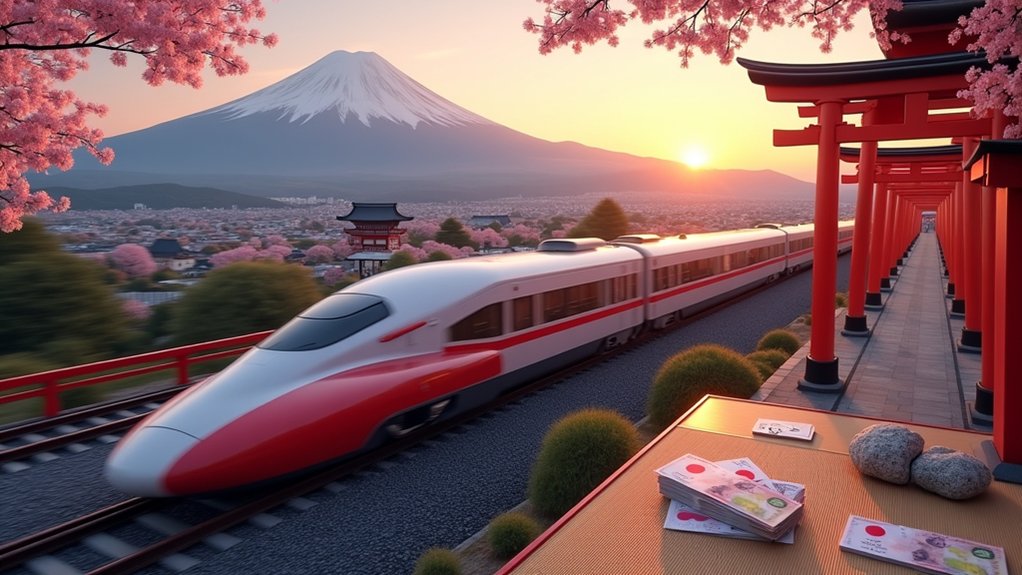
While Japan’s vibrant cherry blossoms and lightning-fast bullet trains draw travelers from afar, planning ahead is no joke—hotels vanish faster than a cherry petal in the wind, especially during peak seasons like late March to April. Booking accommodations well in advance is essential; top spots fill up months ahead for events like cherry blossom or Golden Week. Travelers often pack light, as hotel rooms in cities are tiny, leaving little space for bulky suitcases. And don’t forget the basics: passports need to be valid for at least six months beyond the trip, with many nationalities enjoying visa-free entry for up to 90 days. Travel insurance? It’s a smart move for surprises. Oh, and learning a few Japanese phrases like “Arigato” for thanks—English works in big cities, but locals appreciate the effort, even if it’s just polite noise. Money in Japan? Cash rules the roost, especially in rural spots or at shrines. Carry plenty of Yen; bills like 1,000 or 10,000, and coins up to 500. Credit cards are creeping in at bigger places, but smaller shops? Forget it, cash only. ATMs at 7-Eleven or Japan Post handle foreign cards just fine. Tipping? Ha, that’s a faux pas—service charges cover it, and offering extra might confuse everyone. Travelers learn quickly: no handouts here. Transportation’s a breeze, though. Grab a Japan Rail Pass if trains are your thing; it’s great for Shinkansen hops, but check if it fits your plans. IC cards like Suica make local rides seamless on subways or buses. Starting in 2026, Japan Rail Pass holders can now insert their pass directly into ticket turnstiles for easier station access, a change from the old system where presentation to staff was required. Japan’s trains run like clockwork—punctual, efficient. Download apps like Google Maps for directions; HyperDia for schedules. Etiquette matters: line up, let people off first, keep quiet. Also, be mindful of escalator etiquette, as standing on the left is standard in eastern regions like Tokyo and on the right in western areas like Osaka. Accommodations vary wildly—from sleek hotels to cozy Ryokans with tatami mats and yukata robes. These traditional spots offer meals and service, but they’re pricey. Book 3-6 months ahead, especially for popular ones. It’s all about that cultural dip, minus the modern frills. First-timers, prepare for the unexpected; Japan’s a mix of precision and surprises. Experience the Japanese hospitality known as omotenashi for an unforgettable stay.
Read our full Japan Travel Guide 2026 for everything you need to plan your Japan trip.
Related: See our comparing Japan to Korea and China.
Related Reading
More on Transportation:

Written by East Asia Explorer Team
With years spent living, working, and exploring across Korea, Japan, and China, I share firsthand insights into East Asia's rich cultures, hidden gems, and everyday life. My journey also includes studying in Malaysia and traveling through Southeast Asia, experiences that have deepened my appreciation for the region's diversity. Through practical tips, local stories, and travel guides, I aim to help fellow explorers discover both the celebrated highlights and the lesser-known corners of East Asia.