Last Updated: March 20, 2026 | Originally Published: May 8, 2025
(Source: Korea Tourism Organization)
Read our full South Korea Travel Guide 2026 for everything you need to plan your Korea trip.
Travel
Essentials • Last updated: February 21, 2026
South Korea Travel Health (2026): Measles Advisories, Pharmacies, and Getting Sick Abroad
There is nothing quite as panic-inducing as waking up with a raging fever in a foreign country where you do not
speak the language. Navigating the healthcare system, figuring out what over-the-counter medications to ask for,
and simply trying to find a doctor who speaks English can turn a dream vacation into a stressful ordeal.
South Korea boasts one of the most efficient, advanced, and affordable healthcare systems on the planet. However,
for a tourist, it can be incredibly intimidating. Furthermore, as global travel rebounds to historic highs in
2026, the Korea Disease Control and Prevention Agency (KDCA) has recently re-issued warnings regarding imported
infectious diseases, specifically an unexpected spike in measles cases brought in by international travelers.
If you are planning a trip to Seoul, Busan, or Jeju this year, this comprehensive guide covers everything from
the latest KDCA travel advisories and vaccination recommendations to practical advice on how to navigate a
Korean pharmacy and what to do if you need to see a doctor.
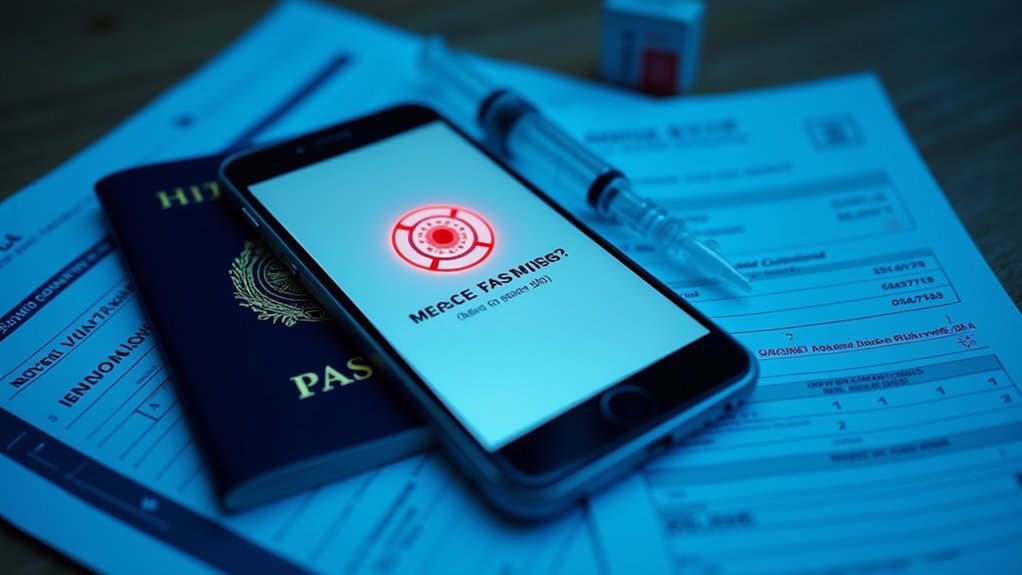
⚠️ 2026 KDCA Measles Advisory
The Korea Disease Control and Prevention Agency (KDCA)
has advised vigilance following localized spikes in measles cases, mostly imported by international
travelers arriving from parts of Southeast Asia and Europe.
- Ensure your MMR (Measles, Mumps, Rubella) vaccinations are strictly up to date before traveling.
- If you develop a high fever and rash within three weeks of arriving in Korea, wear a mask, isolate
immediately, and contact a local doctor or the KDCA call center (Dial 1339).
The 2026 Measles Situation: What You Need to Know
South Korea actually earned a “measles-free” certification from the World Health Organization back in 2014. The
country has an incredibly robust domestic vaccination program, with over 95% of the population fully vaccinated
via a strict two-dose MMR schedule implemented in the 1990s.
So why the recent outbreaks? The issue stems entirely from international travel. As tourism has surged back to
pre-pandemic levels, travelers unknowingly carrying the virus have sparked small, localized clusters,
particularly in densely populated areas like Seoul and around major international transport hubs. While the raw
number of cases remains relatively low compared to global historical averages, the highly contagious nature of
the measles virus means the KDCA takes every single case extremely seriously.
As a tourist, the risk to you is incredibly low provided you were vaccinated as a child. However, if you are
traveling with infants under 12 months who have not yet received their first MMR dose, you should consult your
pediatrician prior to traveling to East Asia in 2026.
Required and Recommended Vaccinations for South Korea
Aside from the standard childhood vaccines (like the MMR mentioned above), there are no mandatory vaccines
required for entry into South Korea for the vast majority of international visitors.
However, the CDC and the WHO generally recommend the following depending on your specific itinerary:
1. Standard Routine Vaccines
Ensure you are up to date on your yearly Flu shot and your COVID-19 boosters. Being laid out in your hotel room
for five days with the flu while your friends are out eating barbecue is a miserable experience.
2. Hepatitis A and Typhoid
If you plan on eating a significant amount of street food (which you absolutely should, see our street food guides for inspiration),
getting vaccinated against Hepatitis A and Typhoid is a smart precaution. These are food and waterborne
illnesses that, while rare in major Korean cities, can occasionally occur, especially in more rural southern
provinces during the hot, humid summer months.
3. Japanese Encephalitis (Seasonal/Rural Guests Only)
If you are traveling to South Korea between May and October and plan to spend extensive time hiking in rural
areas, camping, or participating in agricultural tours (like rural temple stays or farm visits), you may want to
consider the Japanese Encephalitis vaccine. It is transmitted by mosquitoes, but the risk for a standard tourist
staying in Seoul or Busan is virtually zero.
Navigating a Korean Pharmacy (Yagguk / 약국)
If you catch a mild cold, get a headache, or suffer from “traveler’s stomach” after going too heavy on the spicy
gochujang, your first stop should be a local pharmacy. You will see them absolutely everywhere—look for the word
약 (Yak) written in large letters, usually accompanied by a green or red cross.
Korean pharmacies are a bit different from those in the West (like a CVS or Boots). While you can grab some basic
items like bandaids or vitamin C drinks off the shelf yourself, all of the actual medicine—even over-the-counter
painkillers—is kept securely behind the pharmacist’s counter. You have to ask for what you need.
| Your Symptom | What to Ask the Pharmacist | Common Brand / Active Ingredient |
|---|---|---|
| Headache / Fever | “Doo-tong-yak ju-se-yo” (Please give me headache medicine) | Tylenol (Acetaminophen) or Tak-sen (Naproxen/Ibuprofen) |
| Upset Stomach / Indigestion | “So-hwa-je ju-se-yo” (Please give me digestion medicine) | Bearse or Gas Whal Myung Su (a traditional herbal liquid) |
| Cold / Runny Nose | “Gam-gi-yak ju-se-yo” (Please give me cold medicine) | Pancold or Whituben |
| Hangover (From too much Soju) | “Sook-chwi-hae-so-je ju-se-yo” (Please give me hangover medicine) | Condition or Dawn 808 (liquid drinks sold at convenience stores, no pharmacy needed) |
Language Tip: If you don’t speak Korean, simply pull out your phone and use the Papago
translation app. Type in your symptoms (e.g., “I have a sore throat and a slight fever”) and show the
translation to the pharmacist. Korean pharmacists are highly trained professionals; they deal with tourists all
the time and will quickly give you exactly what you need.
What If You Actually Need a Doctor?
If your symptoms elevate beyond a mild cold—perhaps you suspect food poisoning, require antibiotics (which
strictly require a prescription in Korea), or have sustained an injury—you need to visit a clinic or hospital.
Korea operates with primary clinics (often located on the upper floors of standard commercial buildings) and
large university hospitals. As a tourist, your best bet is to find an International Clinic.
Major hospitals in Seoul, such as Severance Hospital in Sinchon, Asan Medical Center, and Seoul National
University Hospital, all have dedicated International Healthcare Centers.
🏥 Visiting an International Clinic
- English Speakers: These centers are staffed entirely by English-speaking doctors,
nurses, and administrative staff. You will not face a language barrier. - Passports Required: You absolutely must bring your physical passport. They will use
this to register you in their system. - Upfront Payment: As a tourist, you are not covered by the Korean National Health
Insurance (NHIS) scheme. You must pay 100% of the medical bill out of pocket via credit card before
leaving the hospital. - Collect Documentation: Always request an English medical certificate and an itemized
receipt. You will need these to file a claim with your travel insurance back home.
The Importance of Travel Insurance
This brings us to the final, and most critical point: do not travel to South Korea without comprehensive travel
insurance.
While Korean healthcare is significantly cheaper than the American system (a standard doctor’s consultation for
an uninsured foreigner might cost between $30 and $60 USD, and an MRI might cost around $500 USD), major
emergencies can still create catastrophic bills. If you require emergency surgery, an extended ICU stay, or
medical evacuation back to your home country, the costs will skyrocket into the tens of thousands of dollars.
Purchase a policy that distinctly covers medical emergencies and medical evacuation. In 2026,
many credit cards offer premium travel protections if you book your flights with them, but always read the fine
print to ensure the medical ceiling is high enough (aim for at least $100,000 in emergency medical coverage).
Final Thoughts
While the KDCA’s warnings regarding measles outbreaks highlight the realities of global travel, South Korea
remains a remarkably safe and sanitary destination. Practice standard hygiene, ensure your routine vaccinations
are updated before you fly, and don’t be afraid to utilize the highly efficient local pharmacies if you feel a
tickle in your throat. The healthcare infrastructure here is world-class, ensuring that even if you do get sick,
you will be back on your feet—and back to exploring the palaces and markets of Seoul—in no time.
Related Reading
More on Travel Essentials:

Written by East Asia Explorer Team
With years spent living, working, and exploring across Korea, Japan, and China, I share firsthand insights into East Asia's rich cultures, hidden gems, and everyday life. My journey also includes studying in Malaysia and traveling through Southeast Asia, experiences that have deepened my appreciation for the region's diversity. Through practical tips, local stories, and travel guides, I aim to help fellow explorers discover both the celebrated highlights and the lesser-known corners of East Asia.