Last Updated: February 23, 2026 | Originally Published: February 26, 2025
South Korea's national parks will amaze you with their dramatic granite peaks, ancient temples, and pristine coastlines. You'll find challenging hikes at Seoraksan's Ulsanbawi Rock Trail and breathtaking views from Bukhansan's peaks overlooking Seoul. Don't miss Hallasan, the country's tallest mountain, with its stunning crater lake. For coastal beauty, explore Dadohaehaesang's 1,700 islands or unwind at Haeundae Beach's crystal waters. There's so much more natural wonder waiting in this diverse landscape. (Source: Korea Tourism Organization)
Explorer Insights
- Seoraksan National Park showcases dramatic granite formations, crystal-clear streams, and Buddhist temples along its popular Ulsanbawi Rock Trail.
- Hallasan National Park features South Korea's highest peak with a stunning crater lake and diverse volcanic landscapes on Jeju Island.
- Jirisan National Park combines ancient Buddhist temples with challenging hikes and rare wildlife, including Asiatic black bears.
- Dadohaehaesang National Park encompasses over 1,700 islands, offering pristine beaches, coastal scenery, and traditional fishing villages.
- Bukhansan National Park provides rugged mountain trails with panoramic views of Seoul's skyline from Baegundae peak.
Granite Peaks and Scenic Trails
While South Korea's bustling cities often steal the spotlight, its majestic national parks offer some of Asia's most spectacular hiking experiences. You'll find stunning granite peaks and well-maintained mountain trails that showcase the country's natural beauty at its finest.
At Seoraksan National Park, you can wander through serene valleys and follow crystal-clear streams that wind between dramatic granite formations. The park's Ulsanbawi Rock Trail offers breathtaking views of rugged peaks, lush valleys, and the East Sea. If you're looking for city views while hiking, head to Bukhansan National Park near Seoul, where you'll discover rugged peaks that provide breathtaking vistas of the urban skyline. For experienced hikers, Jirisan National Park's towering peaks present an exciting challenge, with trails that lead you through some of South Korea's most impressive mountain landscapes. Each park offers its own unique adventure, whether you're a casual walker or an ambitious peak-seeker. The park's Daecheongbong Peak stands as the highest point at 1,708 meters, rewarding determined hikers with panoramic views of the surrounding mountains and East Sea.
Tallest Mountain Meets Volcanic Legacy
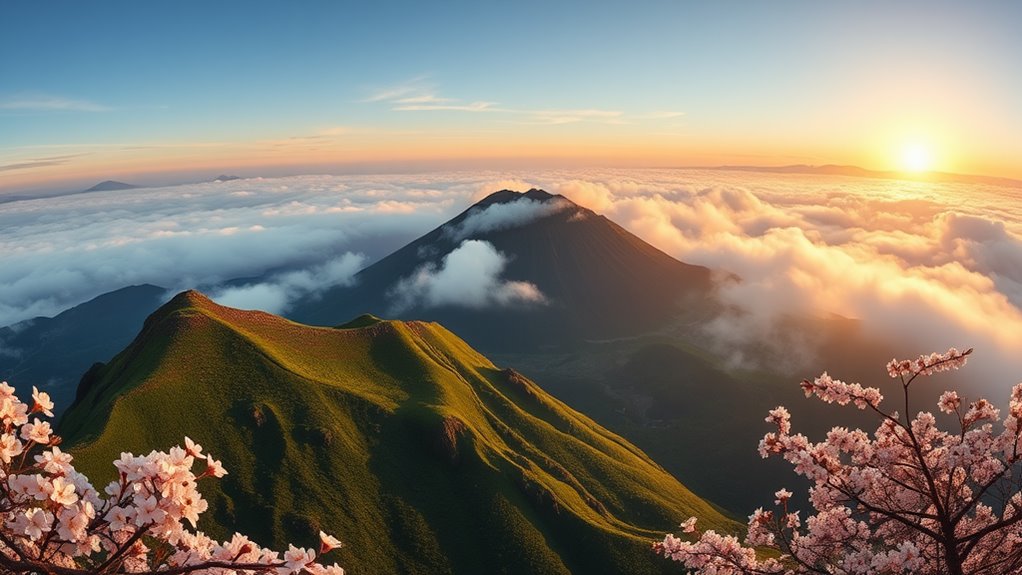
When you visit South Korea's tallest peak at Hallasan National Park, you'll discover an incredible volcanic landscape shaped by ancient eruptions and crowned with a stunning crater lake.
The network of hiking trails leads you through lush subtropical forests and past dramatic volcanic formations, letting you experience the mountain's unique geology up close.
From the summit at 1,950 meters, you'll be rewarded with breathtaking views of Jeju Island's volcanic cones scattered across the landscape, making it clear why this natural wonder draws visitors from around the world.
Like the Oedo Botania gardens on nearby islands, the diverse plant life here creates a stunning natural display throughout the seasons.
The park's rare endangered species thrive within its protected boundaries that span roughly 10% of Jeju Island.
Volcanic Peaks & Crater Lakes
Rising majestically from Jeju Island, Hallasan stands as South Korea's tallest mountain and most impressive dormant volcano. At 1,950 meters, you'll discover the breathtaking Baengnokdam crater lake nestled at its summit, offering a stunning reward for your climb through the subtropical forests.
As you explore the volcanic wonderland of Jeju Island, you'll encounter hundreds of smaller volcanic cones scattered across the landscape, each telling the story of ancient eruptions. Similar to the winter light shows that illuminate Odaesan National Park, the island's natural formations create a mesmerizing spectacle year-round. The island's unique geological features, from its intricate lava tubes to fascinating mineral formations, have earned it recognition as a UNESCO World Natural Heritage site.
You can plan your visit to Hallasan National Park to take in both the main peak and the surrounding parasitic volcanoes, where scenic hiking trails lead you through some of South Korea's most remarkable natural wonders. The summer months from June to August provide the warmest temperatures and clearest conditions for exploring the volcanic terrain.
Summit Hikes Jeju**
The summit trails of Hallasan offer you an unforgettable journey to the highest point in South Korea. As you explore Hallasan National Park on Jeju Island, you'll discover a remarkable volcanic landscape that's perfect for hiking year-round, especially during spring and autumn's mild temperatures. Like traditional castle gardens, the mountain paths offer stunning seasonal beauty and tranquil spots for contemplation.
The Seongpanak trail provides your best route to the summit, where you'll be rewarded with breathtaking views of Baengnokdam crater lake. Along your hike, you'll encounter unique wildlife, including the rare Jeju Susari mouse, and diverse plant species that thrive in this subtropical climate.
At 1,950 meters, the peak gives you an incredible vantage point to appreciate Jeju's UNESCO-recognized volcanic formations, from ancient lava tubes to mysterious caves that tell the island's geological story. Much like Mount Fuji's sacred sites, the mountain features important religious shrines that highlight its spiritual significance to Korean culture.
Primary Peaks and Ancient Temples
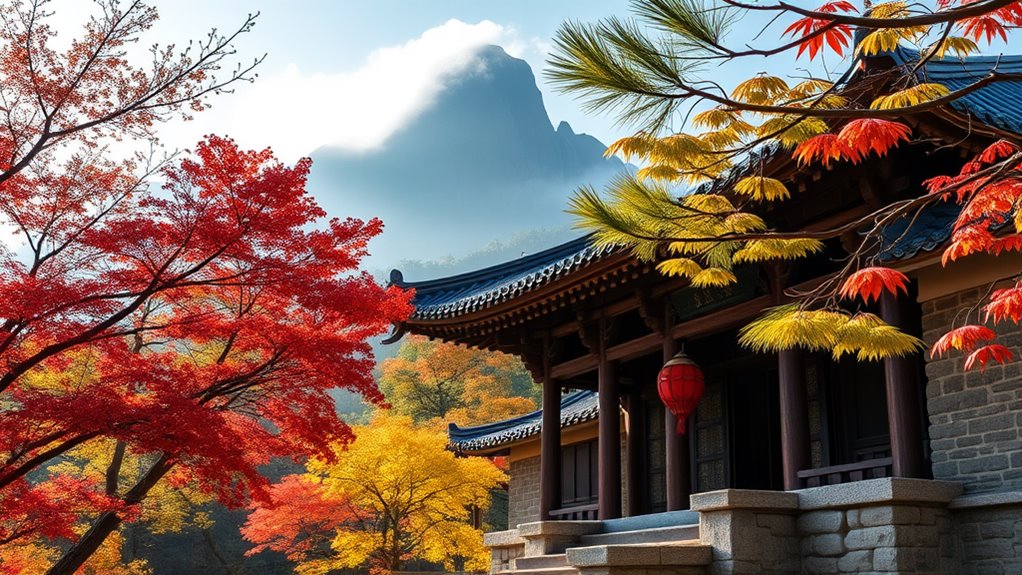
South Korea's stunning national parks showcase five remarkable mountain peaks paired with ancient Buddhist temples, creating unforgettable spiritual and natural experiences.
You'll find some of the most breathtaking peaks at Jirisan National Park, where centuries-old temples stand among forests that shelter rare Asiatic black bears. At Seoraksan National Park, you can explore dramatic granite peaks and serene Buddhist sanctuaries nestled in lush valleys, while Bukhansan National Park offers you challenging hikes to Baegundae peak with spectacular views of Seoul. Much like the preserved beauty of Andong Hahoe Village, these parks maintain perfect harmony between cultural heritage and natural landscapes.
Along your journey, you'll discover temples that have witnessed over 1,600 years of history, providing peaceful stops for reflection and rest. These sacred spaces blend seamlessly with the natural landscape, offering you a unique chance to experience Korea's rich cultural heritage while surrounded by stunning mountain scenery. Like Japan's Kumano Kodo Pilgrimage trails, these paths offer a perfect blend of spiritual history and natural beauty.
Marine Majestic: Island-Hopping Serenity
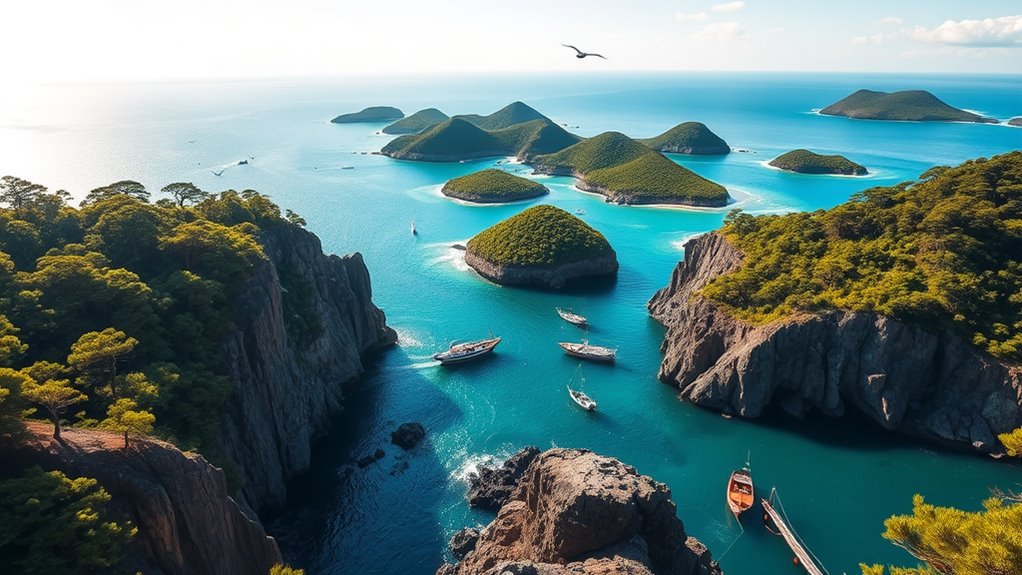
While mainland South Korea captivates with its mountains, you'll discover an entirely different natural wonder at Dadohaehaesang National Park, where more than 1,700 islands create a mesmerizing marine playground.
You can start your adventure on Heuksan Island, the park's largest gem, where you'll find breathtaking coastal scenery along hiking trails and bike paths. The dramatic rock formations and quiet fishing villages create perfect photo opportunities at every turn.
As you hop between islands by ferry, you'll encounter pristine beaches, towering cliffs, and abundant marine life, including the rare finless porpoise. For luxurious accommodations nearby, consider staying at The Shilla Jeju with its stunning eastern coast views and multiple swimming pools.
Plan to spend at least two days exploring this vast marine paradise. The untouched landscapes and serene atmosphere will make you feel worlds away from the busy mainland, offering a peaceful retreat into nature's embrace.
For a different coastal experience, visit Haeundae Beach where crystal-clear waters and golden sands stretch for 1.5 kilometers along South Korea's southeastern coast.
Bukhansan's Fortress and Forested Escapes
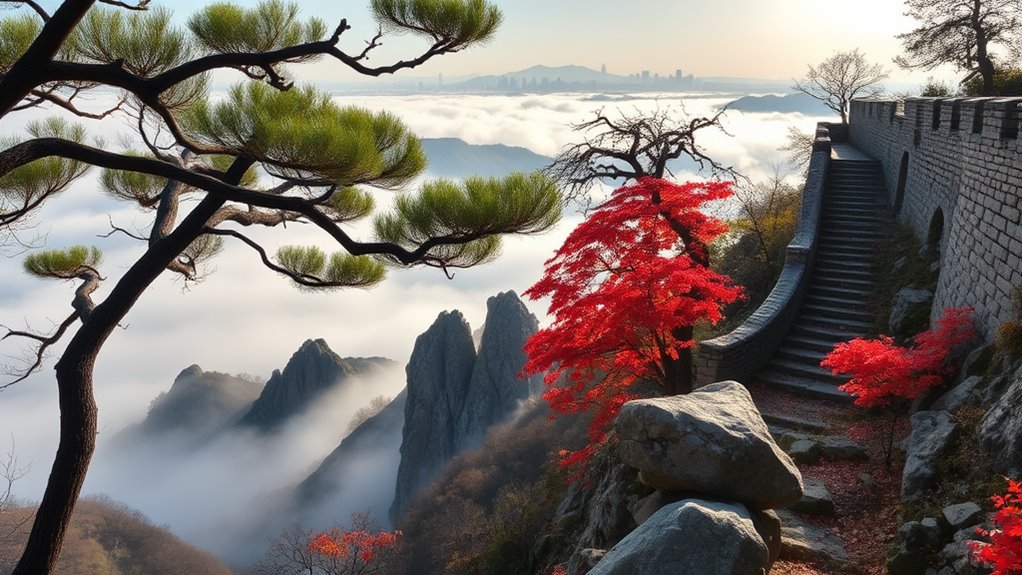
You'll find Seoul's natural sanctuary in Bukhansan National Park, where ancient fortress walls wind through granite peaks and verdant forests just minutes from the bustling capital. The park's crown jewel, Bukhansanseong Fortress, stands as a memorial to Korea's rich history while offering you countless hiking trails that weave through its stunning landscape. Like Japan's Mount Fuji Circuit, the trails provide stunning vistas and gentle elevation changes suitable for visitors of varying fitness levels.
Whether you're an experienced hiker aiming for Baekundae's summit or a casual nature lover seeking a peaceful forest walk, you'll discover why millions of visitors make their way to this beloved "lung of Seoul" each year. The serene atmosphere rivals that of Japan's Hokoku-ji Temple, known for its tranquil bamboo gardens and peaceful natural surroundings.
Cultural Fortress Surrounded by Peaks
Just outside Seoul's bustling streets, Bukhansan National Park stands as a remarkable blend of nature and history, where the ancient Bukhansanseong Fortress rests among towering peaks and lush forests.
As you explore this natural sanctuary, you'll discover more than 1,300 species of plants and animals thriving in the park's diverse ecosystem. Like Japan's efficient subway systems, the park features multilingual signage assistance throughout its trails and visitor centers. The challenging trails will lead you to Baekundae, the park's highest peak, where you'll be rewarded with breathtaking views of Seoul's skyline and the surrounding mountains. You can easily escape the city's energy and find peace in these tranquil forests, making it perfect for a day trip or weekend adventure.
Whether you're interested in cultural heritage or nature walks, you'll find that Bukhansan National Park offers the best of both worlds, just moments away from the capital. The park is easily accessible via the efficient Korea Train Express, making it an ideal destination for both local and international visitors.
Granite Peaks and Forest Trails
Majestic granite peaks rise dramatically from Bukhansan National Park's dense forests, creating an awe-inspiring natural playground for outdoor enthusiasts. You'll find an extensive network of hiking trails that'll suit your experience level, whether you're looking for a gentle walk or an adventurous climb. Remember to maintain respectful distance from other hikers while navigating the trails, as personal space is highly valued in East Asian cultures.
For the most rewarding views, make your way to Baegundae Peak, standing at 836 meters. From this vantage point, you can take in breathtaking panoramas of Seoul's skyline and the surrounding mountains.
As you explore the trails, you'll discover the historic Bukhansanseong Fortress, a remarkable 7th-century structure that tells stories of Korea's rich past. With its convenient location just outside Seoul, you can easily escape the city's bustle and immerse yourself in nature's tranquility.
The tranquil atmosphere recalls the serenity found at Japan's Kinkaku-ji Golden Pavilion, where nature and architecture blend in perfect harmony.
Scenic Hikes Near Seoul**
While Seoul's urban energy captivates millions, the scenic trails of Bukhansan National Park offer a perfect natural escape just beyond the city limits. You'll find spectacular hiking opportunities that range from challenging fortress walks to peaceful forest paths, all while enjoying breathtaking views of both the mountains and cityscape. Google Maps offline navigation makes it easy to explore the park's trails even without cellular service.
The park's lower trails wind through serene forests and gorges, home to diverse wildlife and plant species. As South Korea's most visited national park, Bukhansan welcomes you to join conservation efforts through volunteer activities, helping preserve its natural beauty for future generations.
You can explore the historic Bukhansanseong Fortress trail to reach Baegundae, the park's highest peak, where you'll be rewarded with panoramic vistas of Seoul. If you're looking for a gentler experience, the park's lower trails wind through serene forests and gorges, home to diverse wildlife and plant species. Thanks to the high-speed KTX train, visitors can quickly reach Seoul's natural wonders from anywhere in South Korea within just a few hours.
Seoraksan's Waterfalls and Rock Formations
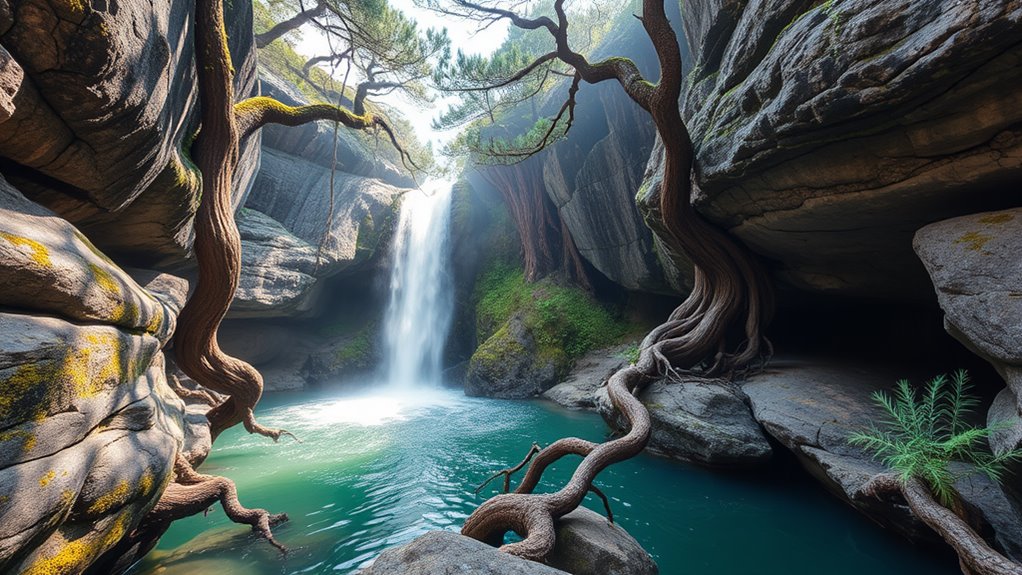
Nestled within the dramatic peaks of Seoraksan National Park, you'll discover some of South Korea's most spectacular waterfalls and rock formations. You can explore the stunning Biryong, Daeseung, and Yongso waterfalls as they cascade through the park's rugged granite valleys, creating perfect spots for photos and peaceful moments in nature.
For an unforgettable view, make your way to Ulsan Bawi, the park's most famous rock formation. This towering granite crag offers breathtaking panoramic views that you won't want to miss.
If you're an experienced hiker seeking a challenge, head to Daecheongbong, the park's highest peak at 1,708 meters. As you explore, keep an eye out for the park's diverse wildlife, including rare species like the Asiatic black bear and Korean water deer.
Jiwang Valley and Pine Forests
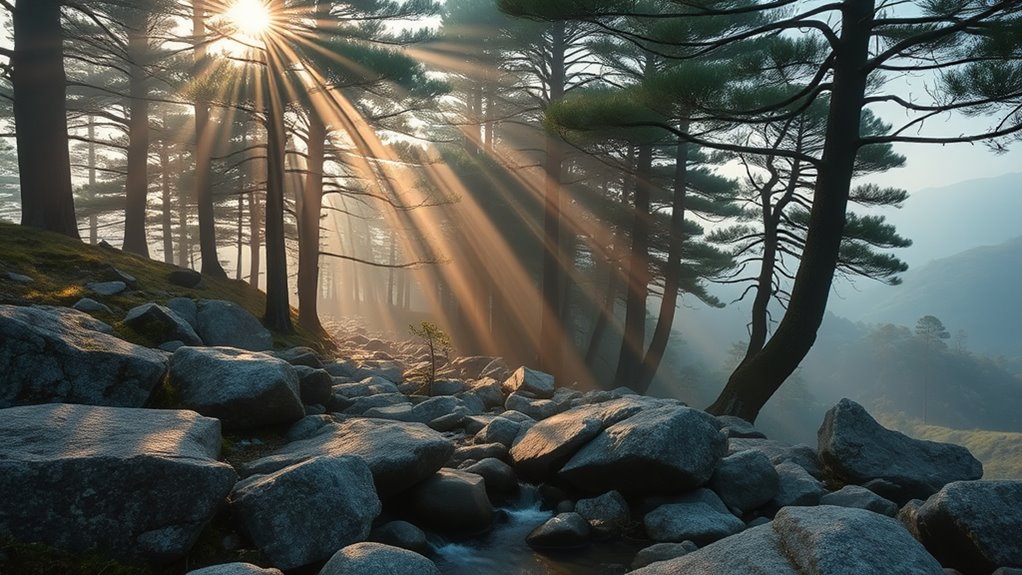
You'll find stunning rocky slopes and cascading waterfalls throughout Jiwang Valley, where ancient pine forests create a peaceful sanctuary for hiking and nature appreciation.
As you explore the valley's protected eco-habitats, you can spot rare plant species and colorful birds nesting among the centuries-old pines that line the well-maintained trails. The valley's historic temples and traditional pavilions offer perfect resting spots during your trek, letting you experience both Korea's natural beauty and cultural heritage in one remarkable setting.
Rocky Slopes & Waterfalls
Towering granite peaks and misty waterfalls create an enchanting backdrop in Jiwang Valley, where nature's raw beauty takes center stage. You'll discover a series of breathtaking waterfalls cascading down rocky slopes, with the magnificent Biryong Waterfall standing proud at over 70 meters high.
As you explore the well-maintained hiking trails, you'll wind through dense pine forests that open up to reveal stunning vistas of dramatic cliff faces. The trails offer perfect vantage points to spot diverse wildlife, including rare Asiatic black bears and majestic golden eagles soaring overhead.
During autumn, you're in for a special treat as the landscape transforms into a canvas of vibrant fall colors, with Korean fir trees and alpine plants adding to the natural spectacle.
Protected Eco-Habitats
South Korea's protected eco-habitats span thousands of hectares across pristine national parks, with Jiwang Valley standing as one of nature's most remarkable sanctuaries. You'll discover ancient pine forests that serve as peaceful havens for endangered wildlife, from the Asiatic black bear to the rare Siberian flying squirrel.
These majestic forests offer you three unforgettable experiences:
- Walk through Jirisan National's Jangtaesan Mountain, where you're surrounded by Korean red pines and over 1,300 plant species
- Explore Odaesan National's centuries-old pine forest, a crucial carbon sink that helps protect our planet
- Visit Hallasan National's protected Korean fir forest on Jeju Island, where you might spot endangered flying squirrels in their natural habitat
The dense pine forests are living treasures that continue to shape South Korea's rich biodiversity.
Temple-Adjacent Exploration**
Beyond the protected forests lies an enchanting blend of natural and spiritual heritage in Jiwang Valley. As you explore Seoraksan National Park, you'll discover centuries-old Buddhist temples tucked away among dense forests and stunning waterfalls. The legendary Sinheungsa Temple, dating back to the 14th century, welcomes you with its intricate pagodas and stone sculptures.
You can venture along the Ulsanbawi Trail to reach Heungnyemun Gate, where breathtaking mountain vistas await. For more adventurous spirits, the challenging trek to Baekundae peak rewards you with unmatched views from 1,708 meters above sea level.
Plan your visit during autumn to experience nature's most spectacular show, when the pine and maple trees paint the landscape in brilliant fall colors. It's a perfect time to capture memorable photos and immerse yourself in Korea's natural beauty.
Fall Flora and Cultural Significance
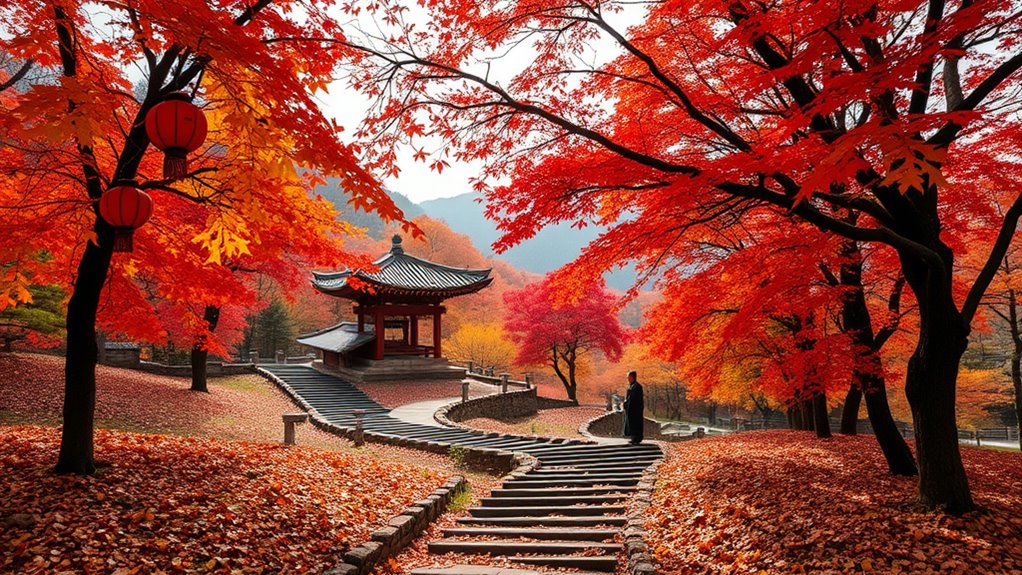
The majestic fall colors of South Korea's national parks create an unforgettable natural spectacle that you won't want to miss. As you explore these natural and cultural treasures, you'll discover how the seasonal transformation holds deep meaning dating back to the Silla Kingdom and beyond.
When you visit parks like Naejangsan and Seoraksan during autumn, you'll experience:
- Stunning mountainsides draped in brilliant reds, oranges, and yellows that'll take your breath away
- Ancient temples framed by nature's most vibrant seasonal display
- Peaceful hiking trails where you can feel the harmony between Korean culture and the natural world
The fall season brings out the best in these parks, offering you perfect photo opportunities and chances to connect with Korea's rich heritage while surrounded by nature's colorful canvas.
South Korea's First National Park, A Trekker's Delight
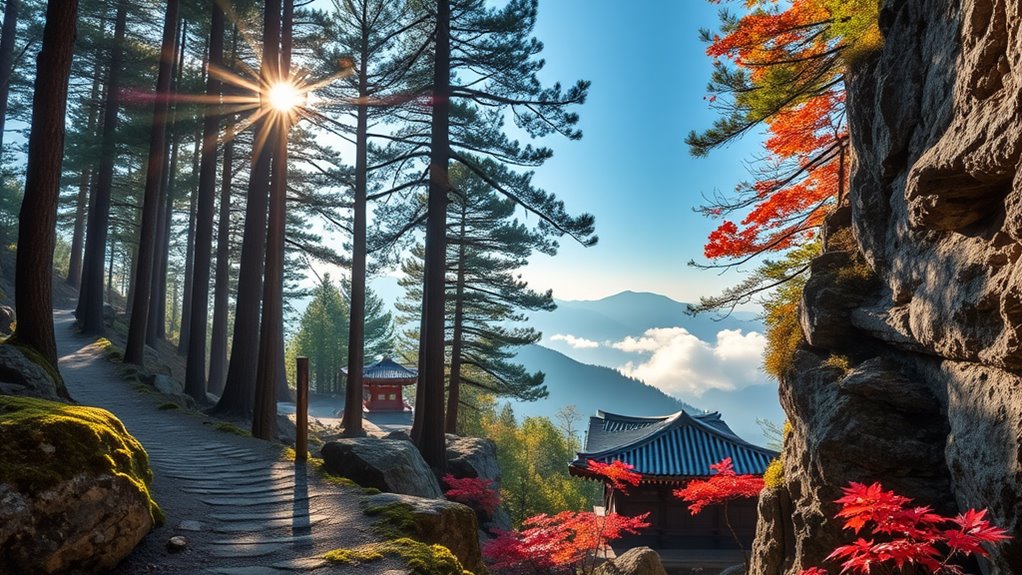
Nestled across three provinces, Jirisan National Park stands as a crown jewel among South Korea's natural treasures. As the country's first and largest terrestrial national park, you'll discover an impressive network of hiking trails that lead to breathtaking vistas, including the majestic Cheonwangbong peak.
You'll find 18 different trekking routes to match your adventure level, from casual day hikes to the challenging Jongju Course that takes you through the heart of the mountains over three days. While you explore the park's vast 1,600 square kilometers, you'll encounter ancient temples, diverse wildlife including rare Asiatic black bears, and rich plant life. Whether you're an experienced hiker or nature enthusiast, Jirisan's well-maintained trails and stunning landscapes offer an unforgettable outdoor experience in South Korea.
Temple Treks and Biodiversity
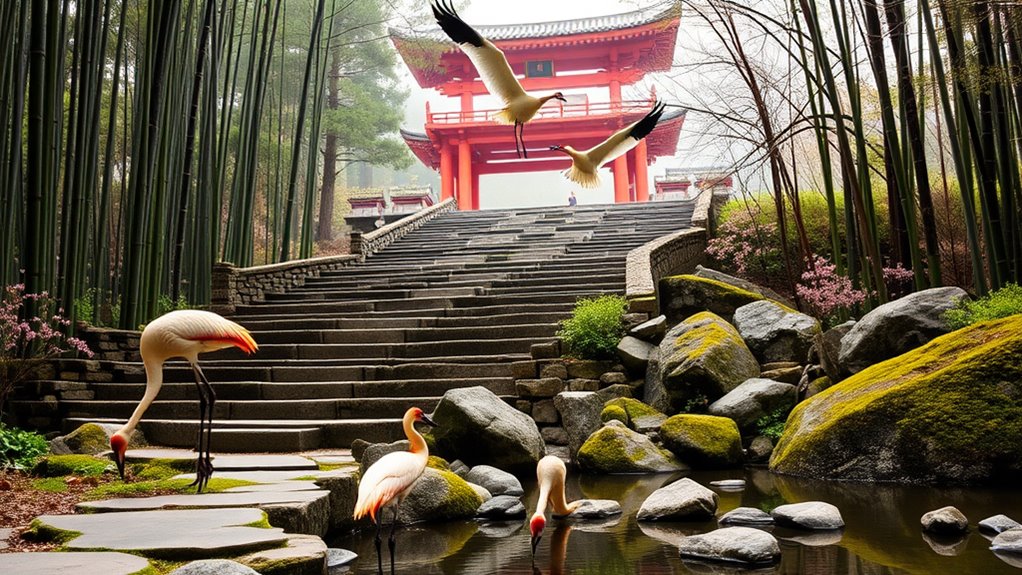
Sacred pathways weave through South Korea's national parks, where you'll discover ancient Buddhist temples tucked away in breathtaking natural settings. You can explore these spiritual sanctuaries while encountering incredible biodiversity, from rare Asiatic black bears in Jirisan National Park to endangered species on Hallasan's volcanic slopes.
Seoraksan National Park's granite peaks and crystal-clear streams create perfect backdrops for temple visits. Here's what makes these temple treks so special:
- You'll find peaceful Buddhist temples nestled among misty mountains and valleys
- You can spot diverse wildlife while walking ancient pilgrimage routes
- You'll experience the harmony between Korea's cultural heritage and natural wonders
Whether you're a nature enthusiast or cultural explorer, you'll find these temple-dotted landscapes offer unforgettable experiences in every season.
Coastal Splendor and Rare Wildlife**
Along South Korea's pristine coastline, you'll discover a spectacular world of island-dotted seas and dramatic cliffsides teeming with rare wildlife. The stunning Dadohaehaesang National Park showcases over 1,700 islands, where you can explore hidden beaches and towering rock formations that rise from crystal-clear waters.
For the ultimate coastal splendor, head to Heuksan Island, where charming fishing villages and scenic bike routes await. You'll need two full days to properly experience its beautiful coastline and secluded beaches.
The park's protected waters provide a safe haven for diverse marine life, while the nearby DMZ Park has become an unexpected sanctuary for endangered species and migratory birds. These untouched environments offer you a rare glimpse into Korea's natural heritage, where pristine ecosystems thrive away from urban development.
Frequently Asked Questions
Why Is Jeju Island so Famous?
With over 15 million visitors annually, Jeju Island is South Korea's most visited destination.
You'll find this stunning volcanic island offers a perfect blend of natural wonders and cultural experiences. From hiking Hallasan Mountain to exploring UNESCO-recognized lava tubes, you can enjoy the island's unique geological features.
Don't miss trying the famous black pork, fresh seafood, and sweet hallabong tangerines while taking in the beautiful beaches and subtropical climate.
What Is the Most Visited National Park in South Korea?
Bukhansan National Park is South Korea's most visited national park, welcoming over 5 million visitors each year. You'll find this natural gem right near Seoul, making it incredibly accessible for both locals and tourists.
The park's stunning granite peaks, including the famous Baegundae, offer you breathtaking views of Seoul's skyline. Whether you're an experienced hiker or just looking for a peaceful nature escape, you'll find trails that match your skill level.
How Many Days in South Korea Is Enough?
You'll want to plan for 7-10 days to see South Korea's highlights comfortably. This gives you enough time to explore vibrant Seoul, visit beautiful Jeju Island, and discover 2-3 national parks.
If you're interested in a deeper cultural experience or want to explore remote areas, consider staying 14 days.
For a quick trip focusing on just Seoul and Jeju, 5-7 days will work, but you'll miss some amazing spots.
How Much Money Is Enough for a Korea Trip?
Planning your perfect Korean trip requires a proper budget. You'll want to set aside $1,500-$3,000 per person for a 7-10 day visit. This'll cover your flights ($800-$1,500), daily accommodations ($30-$150), local transportation ($30-$50 per day), and meals ($5-$20 per meal).
Don't forget to include extra money for shopping, activities, and unexpected expenses. It's better to have a buffer in your budget than to run short while you're there!
Conclusion
You'll find South Korea's natural wonders are more accessible than you might think, with over 22 national parks welcoming nearly 45 million visitors each year. Whether you're hiking through Seoraksan's granite peaks or island-hopping in Hallyeohaesang, you're never more than a few hours from these pristine escapes. Pack your camera and hiking boots – these remarkable landscapes are waiting to become your next adventure destination.
More on Korea Destinations:
Planning a trip to Korea?
Check out our Korea Travel Hub for more guides, including Korean BBQ Guide.

Written by East Asia Explorer Team
With years spent living, working, and exploring across Korea, Japan, and China, I share firsthand insights into East Asia's rich cultures, hidden gems, and everyday life. My journey also includes studying in Malaysia and traveling through Southeast Asia, experiences that have deepened my appreciation for the region's diversity. Through practical tips, local stories, and travel guides, I aim to help fellow explorers discover both the celebrated highlights and the lesser-known corners of East Asia.