Last Updated: October 18, 2026 | Originally Published: September 7, 2026
Complete Guide to Visiting Taipei in 2026: MRT, Night Markets & the 90-Day Visa-Free Window
Quick Answer: Taipei in 60 Seconds
- US, UK, EU, Canada, Australia and NZ passport holders get 90 days visa-free — just file the free online Taiwan Arrival Card before immigration.
- Ride the Taoyuan Airport MRT Express into Taipei Main Station in about 35 minutes for NT$150 (roughly US$4.70).
- Buy an EasyCard first (NT$100 deposit), then tap it for the metro, buses, YouBike and most convenience stores — it cuts MRT fares by about 20%.
- Budget NT$2,500–3,500 per day (about US$78–110) for a mid-range trip including a 3-star room, transit, and night-market food.
Taipei rewards travelers who plan the logistics and then stop planning. The metro is clean and signed in English, the night markets run past midnight, and a green mountain trail sits 15 minutes from the financial district.
This guide covers entry rules, airport transfers, the MRT, where to stay, a three-day route, day trips, and the cash-only traps that catch first-timers. Every price was checked in June 2026.
Do I Need a Visa to Visit Taipei in 2026?
Most Western travelers do not need a visa for a Taipei holiday. Passport holders from the United States, United Kingdom, Canada, Australia, New Zealand, Japan, South Korea and most EU states receive 90 days visa-free, according to Taiwan’s Bureau of Consular Affairs.
Your passport must stay valid for at least six months from your arrival date. Immigration may also ask for an onward or return ticket and a real accommodation address.
One step trips people up. Since the rollout of the online Taiwan Arrival Card, every passenger should submit it before reaching the immigration desk. It is free and takes about three minutes on your phone.
Pro Tip: Fill in the Taiwan Arrival Card while you are still at your departure gate, not on the plane. Airport Wi-Fi is faster than in-flight Wi-Fi, and you will skip the scramble in the immigration hall.
Is Taipei Safe to Visit Right Now?
Taipei is one of Asia’s safest capitals for tourists. The US State Department lists Taiwan at Level 1: Exercise Normal Caution, its lowest advisory tier, as of 2026.
The real risks are natural, not criminal. Taiwan sits on an active fault line and in the Pacific typhoon belt, so earthquakes, summer typhoons and extreme heat are the things to watch.
Petty theft is rare, and solo travelers, including women, generally move around late at night without trouble. Still, keep an eye on bags in crowded night markets, where pickpocketing is the most common nuisance.
Warning: Typhoon season runs roughly July through September. If the Central Weather Administration issues a sea or land warning, the Maokong Gondola, ferries to outer islands, and some mountain trails close with little notice. Build a flexible day into a summer itinerary.
How Do I Get From the Airport Into Taipei?
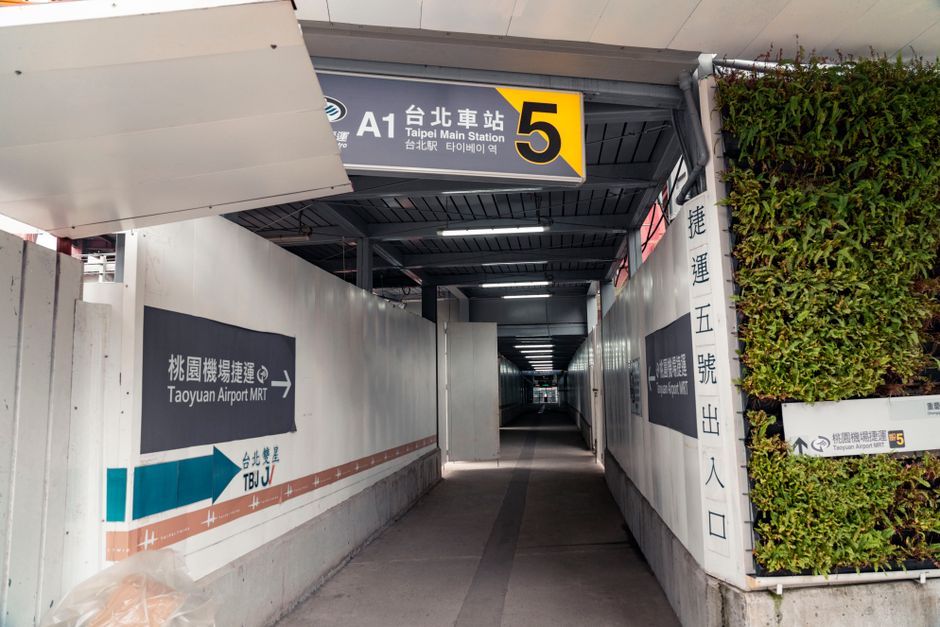
The fastest budget option is the Taoyuan Airport MRT. The purple-line Express train reaches Taipei Main Station in about 35 minutes from Terminal 1 and 38 minutes from Terminal 2, for a flat NT$150.
Trains leave each terminal roughly every 15 minutes, with the first around 05:55 and the last near 22:58. Tap your EasyCard or buy a single-journey token at the station machines.
Land after midnight and the MRT is closed. A metered taxi to central Taipei runs about NT$1,000–1,300 and takes 40–55 minutes; airport buses to Taipei Main Station cost around NT$140 and run 24 hours.
Note the two airports. Long-haul flights use Taoyuan International Airport, 40 km west of the city. A few regional and cross-strait flights use Songshan Airport, which sits right on the Taipei Metro Wenhu line.
| Airport Transfer | Time to City | Cost (NT$) | Hours |
|---|---|---|---|
| Airport MRT Express | 35–38 min | 150 | ~06:00–23:00 |
| Airport Bus (1819/1961) | 50–70 min | ~140 | 24 hours |
| Metered Taxi | 40–55 min | 1,000–1,300 | 24 hours |
What Is the EasyCard and Should I Buy One?
Buy an EasyCard within minutes of landing. This stored-value smart card is the single most useful thing you will hold in Taipei, working on the MRT, city buses, YouBike share bikes, the airport line, and at every 7-Eleven and FamilyMart.
Cards cost a NT$100 deposit, then you load whatever credit you want. Tapping for the metro saves about 20% versus cash tokens, and you get an automatic NT$8 discount when transferring between metro and bus within one hour.
Grab one at any MRT station machine, an airport counter, or a convenience store. Top up with cash at station kiosks or store registers as you go.
Pro Tip: Many EasyCard vending machines take cash only and reject foreign credit cards. Keep a couple of NT$500 notes from an airport ATM so you can buy and load the card without hunting for a staffed counter.
How Do I Get Around Taipei?
The Taipei Metro (MRT) handles almost every trip you will make. Six color-coded lines connect the airport rail, the main sights and the night markets, with bilingual signs, station numbers, and trains every two to six minutes.
Fares run NT$20–65 by distance, deducted automatically from your EasyCard. Eating and drinking are banned inside stations and trains, and enforcement is real, so finish that bubble tea on the platform.
For short hops, grab a YouBike 2.0 with the same EasyCard. The first 30 minutes costs NT$10, and docking stations sit outside most MRT exits.
Taxis are plentiful and metered, starting around NT$85. For longer trips to Jiufen or the north coast, Klook and local apps offer fixed-price car charters that beat stringing taxis together.
We earn a commission if you book through links on this page, at no extra cost to you. See our affiliate disclosure.
Book it on KlookWhere Should I Stay in Taipei?
Base yourself near an MRT station and the whole city opens up. Four neighborhoods cover most travel styles.
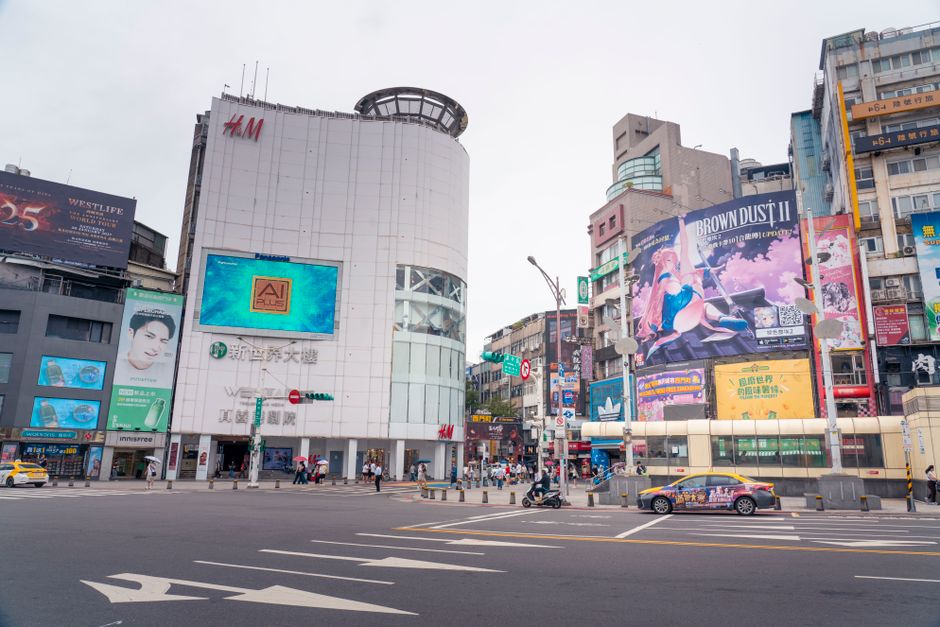
Ximending is the neon, pedestrian-heavy youth quarter — best for first-timers, nightlife and cheap eats, with hostels from NT$700. Zhongshan offers leafy boutique hotels, coffee shops and easy airport-line access.
Xinyi District wraps around Taipei 101 with malls, bars and 4-star towers for travelers who want a polished base. Da’an is the local-favorite residential zone, full of parks, brunch spots and the Da’an Forest Park.
Pro Tip: Compare the same room across Booking.com, Agoda and Trip.com before you commit. Check prices on Trip.com Taipei hotels often run different promo rates by platform, and Trip.com frequently undercuts the others for Xinyi towers.
What Are the Must-See Sights in Taipei?
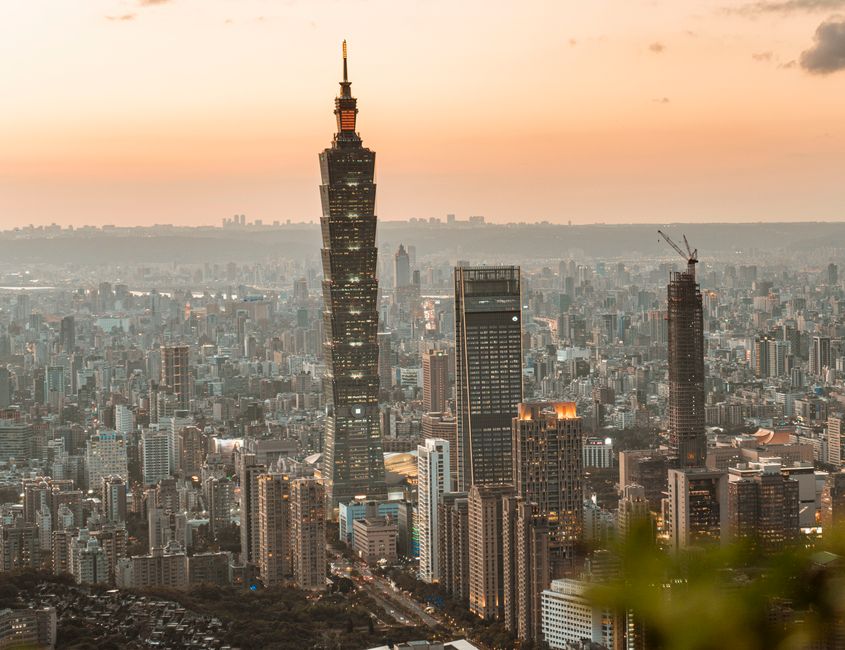
Start with the icon. Taipei 101 dominates Xinyi District, and its 89th-floor observatory costs around NT$600 (about US$18) for a 360-degree view and the famous wind-damper ball.
Thrill-seekers can book the Skyline 460 open-air skywalk on the 101st floor for NT$3,000, with only two daily entry times at 2pm and 3pm.
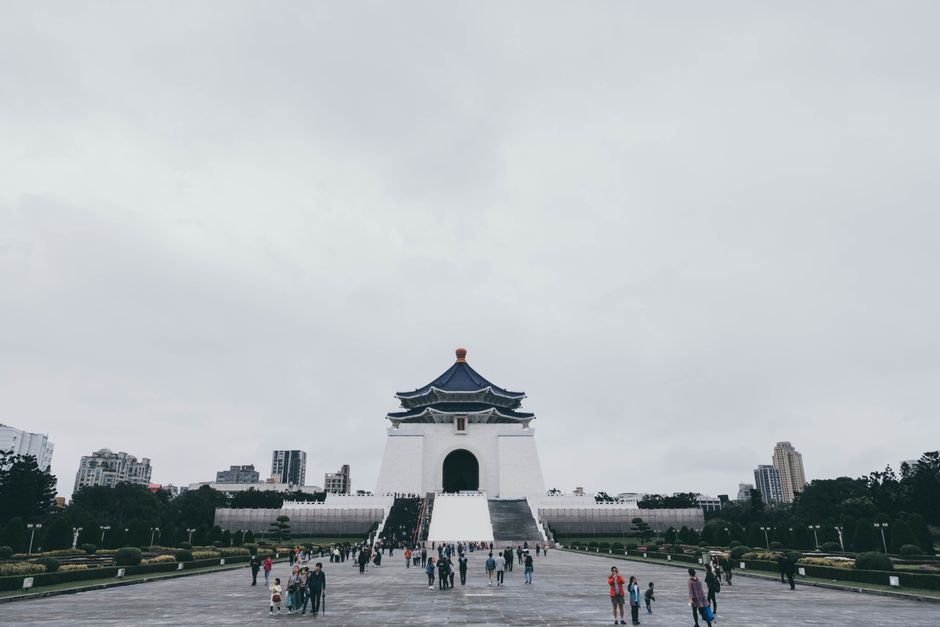
For history and culture, the National Palace Museum holds the world’s largest collection of Chinese imperial art, while Chiang Kai-shek Memorial Hall and the 18th-century Longshan Temple anchor the old city.
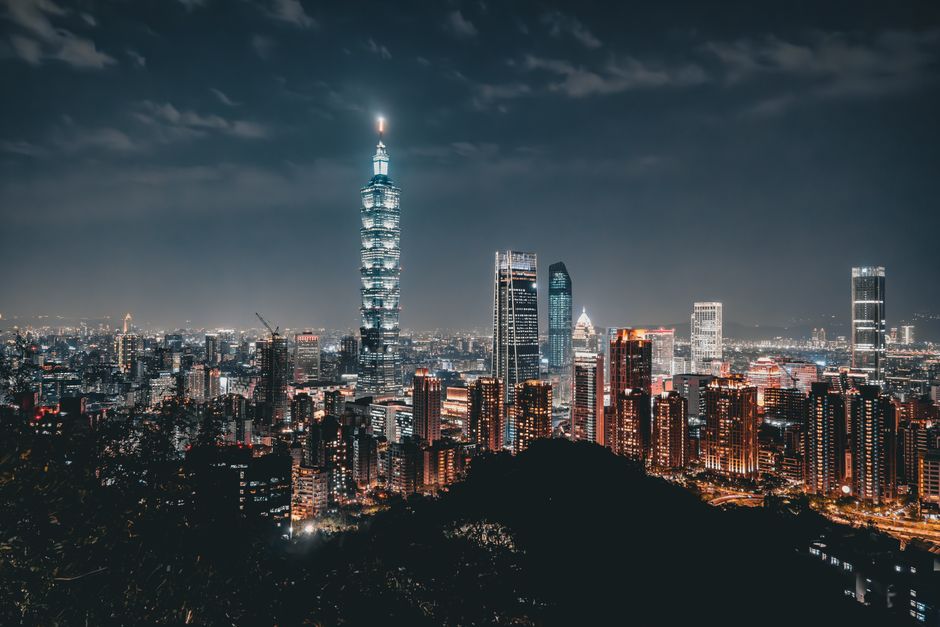
For the best free view, climb Elephant Mountain (Xiangshan). The 20-minute stair hike from Xiangshan MRT delivers the postcard shot of Taipei 101 against the skyline, especially at dusk.
Where Do I Find the Best Night Markets and Street Food?
Night markets are Taipei’s beating heart, and you should plan at least two evenings around them. Shilin Night Market is the biggest and most famous, packed with oyster omelets, fried chicken cutlets and stinky tofu.
Raohe Street Night Market near Songshan Station is more compact and beloved by locals, with the must-try black-pepper pork buns at the temple-end stall.
For dumplings, the original Din Tai Fung near Yongkang Street built its global name on xiaolongbao soup dumplings. Pair it with mango shaved ice nearby and you have a perfect afternoon.
Warning: Most night-market stalls are cash only and do not take EasyCard or foreign cards. Carry NT$500–1,000 in small notes per person per night, and use the 7-Eleven ATM before the crowds, not after.
What Day Trips Can I Take From Taipei?
Taipei is a brilliant base for half- and full-day escapes. The most popular is Jiufen, the lantern-draped hillside town that inspired the look of Studio Ghibli’s Spirited Away; reach it by bus or train-plus-bus in about 90 minutes.
Combine Jiufen with Shifen, where visitors release painted sky lanterns over an old railway, and the nearby Shifen Waterfall.
Closer in, the Beitou hot-spring district sits at the end of an MRT branch line, with public and private thermal baths fed by the volcanic Yangmingshan area. The riverside resort of Tamsui (Danshui) ends the red line with sunset views and old-street snacks.
For tea and a cable-car ride, the Maokong Gondola climbs to hillside tea houses above the Taipei Zoo in the city’s southeast.
What Is the Best Time of Year to Visit Taipei?
Autumn is the sweet spot. October and November bring dry, mild days in the low-to-mid 20s Celsius, clear skies for mountain views, and no typhoon risk.
Spring, from March to early May, is a close second, though it can be damp. Summer (June–September) is hot, humid and typhoon-prone, while winter is mild but often grey and drizzly.
If you visit in winter, lean into it: cold, wet weather is the perfect excuse for Beitou’s steaming hot springs and long sessions in Taipei’s hot-pot restaurants.
How Much Does a Taipei Trip Cost?
Taipei is one of Asia’s better-value capitals. A frugal backpacker can manage on about NT$1,800 a day, while mid-range travelers should plan NT$2,500–3,500, and comfort-seekers NT$6,000 and up.
| Daily Item | Budget (NT$) | Mid-Range (NT$) |
|---|---|---|
| Accommodation | 700 (hostel dorm) | 2,200 (3-star room) |
| Food (3 meals) | 500 | 900 |
| Transit (MRT + bus) | 150 | 200 |
| Sights / activities | 300 | 600 |
| Daily total | ~1,650 | ~3,900 |
Taiwan does not have a tipping culture, so restaurant bills and taxi fares are what you see. Some sit-down restaurants add a 10% service charge, printed on the menu.
How Do I Stay Connected in Taipei?
Getting online is cheap and instant. The simplest route is a tourist data SIM or eSIM from Chunghwa Telecom, Taiwan Mobile or FarEasTone, sold at airport counters from about NT$300 for several days of unlimited 4G/5G.
Prefer to arrange it before you fly? Klook and Trip.com sell airport-pickup SIMs and instant eSIMs you can activate on landing, often cheaper than the walk-up counter.
Free public Wi-Fi (Taipei Free) covers many MRT stations, libraries and tourist spots, though speeds vary. For anything important, a paid SIM is worth the few dollars.
Good news if you are touring the region: unlike mainland China, Taiwan has an open internet. Google Maps, Gmail, Instagram, WhatsApp, LINE and YouTube all work normally, so you will not need a VPN.
What Local Etiquette Should I Know?
Taipei is relaxed, but a few habits smooth your visit. Queue neatly, stand on the right of escalators, and keep your voice down on the quiet MRT carriages.
At temples like Longshan, dress modestly, do not point your feet at altars, and follow the entrance-on-the-right, exit-on-the-left flow through the doors. Ask before photographing people praying.
Tipping is not expected anywhere, and offering it can cause confusion. A simple “xie xie” (thank you) is all that is needed.
Can I Use Taipei as a Base to See the Rest of Taiwan?
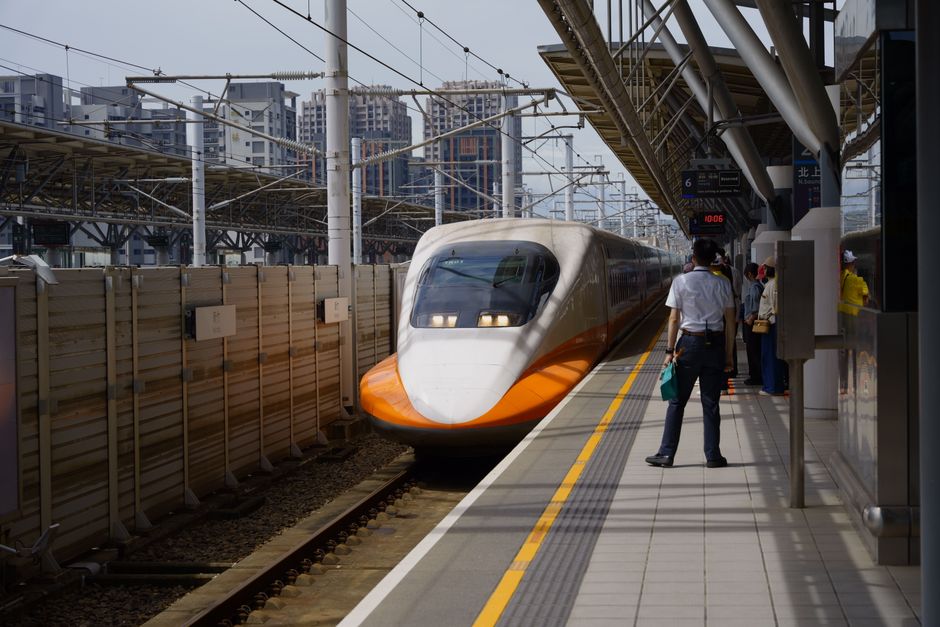
Yes — the Taiwan High Speed Rail (THSR) makes the west coast a day trip away. From Taipei, bullet trains reach Taichung in about 50 minutes and Kaohsiung in around 90 minutes, running down the densely populated western corridor.
A same-day return to Taichung for the Rainbow Village and Miyahara ice cream, or to Tainan for old-capital temples and street food, is entirely realistic.
Book THSR seats through the official THSR site or Klook for a small early-bird discount. Reserved seats are guaranteed, while non-reserved cars let you hop on the next departure.
What Is a Good 3-Day Taipei Itinerary?
Three days is enough to see the city core and squeeze in one escape. This route keeps walking sensible and ends each day at a night market.
| Day | Plan |
|---|---|
| Day 1 | Longshan Temple → Ximending lunch → Chiang Kai-shek Memorial Hall → Taipei 101 observatory → Elephant Mountain at dusk → Raohe Night Market. |
| Day 2 | National Palace Museum morning → Dadaocheng / Dihua Street tea and old shops → Maokong Gondola & tea house → Shilin Night Market. |
| Day 3 | Day trip: Jiufen old street + Shifen sky lanterns, or Beitou hot springs + Tamsui sunset. |
According to the Tourism Administration, Ministry of Transportation and Communications (MOTC), Taiwan promotes Taipei as a base for “one city, many day trips,” with the metro and Taiwan High Speed Rail putting hot springs, old streets and the north coast within easy reach of the capital.
Key Takeaway
Land, file the free Arrival Card, ride the NT$150 Airport MRT, and buy an EasyCard first. With those three steps done, Taipei is one of Asia’s cheapest, safest city breaks — built for late nights at the markets and easy escapes to the hills.
Frequently Asked Questions
Do people in Taipei speak English?
English is common at airports, MRT stations, major hotels and tourist sights, all of which use bilingual signage. At night markets and small eateries it is limited, so a translation app and pointing go a long way.
Can I drink the tap water in Taipei?
Taipei’s tap water is treated to a safe standard, but most locals and travelers boil it or drink bottled or filtered water. Convenience stores sell cheap bottled water on nearly every block, and many hotels provide kettles.
Is Taipei a good destination for solo travelers?
Yes. Low crime, an easy English-signed metro, walkable neighborhoods and a strong hostel scene make Taipei one of Asia’s friendliest cities for solo and first-time travelers, including women traveling alone.
How many days do I need in Taipei?
Three to four days covers the city core plus one or two day trips. Add a fifth day if you want both Jiufen and Beitou, or to slow down for cafes, museums and hot springs.
Do I need cash or can I pay by card in Taipei?
Hotels, malls, chain restaurants and convenience stores take cards, but night markets, small shops, temples and many EasyCard machines are cash only. Carry NT$1,000–2,000 in small notes and withdraw from 7-Eleven or bank ATMs.
Is Taipei good for families with kids?
Very. The flat, stroller-friendly MRT, the Taipei Zoo and Maokong Gondola, the Children’s Amusement Park, and easy hot-spring day trips to Beitou make Taipei one of the more family-friendly East Asian capitals, with discounted child fares on the metro.
What currency does Taiwan use and where do I get cash?
Taiwan uses the New Taiwan Dollar (NT$ / TWD). Withdraw it from 7-Eleven, FamilyMart and bank ATMs, which accept foreign cards, or change money at the airport. Notify your bank first to avoid blocked overseas withdrawals.
What plug and voltage does Taiwan use?
Taiwan uses 110V at 60Hz with US-style Type A and Type B two-flat-pin plugs. US travelers need no adapter; UK, EU and Australian visitors should pack one.
What should I avoid doing in Taipei?
Do not eat or drink inside MRT stations or trains, where it is fined. Avoid pointing your feet at temple altars, skip outer-island ferries during typhoon warnings, and do not expect to tip — it is not the custom.
Last updated: 2026-06-02. Prices and transit times verified against operator and government sources in June 2026; fares are subject to change.
More on Taiwan:

Written by East Asia Explorer Editorial Team
Sam Konneh is an AI strategist and digital marketer based in Seoul, South Korea. With years spent living, working, and exploring across Korea, Japan, and China, he shares firsthand insights into East Asia's cultures, hidden gems, and everyday life. A graduate of Inha University and KDI Graduate School, Sam combines data-driven expertise with on-the-ground experience. His journey also includes studying in Malaysia and traveling through Southeast Asia. Through practical tips, local stories, and travel guides, he helps fellow explorers discover both the celebrated highlights and the lesser-known corners of East Asia.