Last Updated: September 12, 2026 | Originally Published: February 24, 2026
- Explore China by Topic
China Destinations
50 guidesCity guides, itineraries, and must-see attractions across China
China Travel Planning
46 guidesVisas, budgets, transport, packing lists, and practical trip planning
Learn Mandarin
19 guidesSurvival Mandarin, useful phrases, and language learning resources
Study in China
14 guidesUniversity programs, scholarships, and student life in China
China Destinations
Visiting the Great Wall of China (2026 Guide): Which Section is Actually Best?
Shanghai Tower vs. Canton Tower: The Ultimate 2026 Guide to China’s Tallest Landmarks, Tickets, and Visitor Experience
Urban China: a Deep Dive Into the Country’s Megacities
China’s Natural Wonders: From Karst Mountains to Tropical Beaches
China’s Hidden Gems: Off-the-Beaten-Path Destinations to Explore
View all 50 china destinations guides →
China Travel Planning
Bullet Train China: Tourist Guide to High-Speed Rail 2026
Traditional to Modern: China’s Diverse Accommodation Options
Budget-Friendly China: Tips for Exploring on a Shoestring in 2026
Sustainable Travel in China: Eco-Friendly Adventures for 2026
5 Practical Tips for Attending Business Meetings in China
View all 46 china travel planning guides →
Learn Mandarin
Mastering Mandarin: Essential Phrases for Travelers in China
Mastering Gratitude: Say ‘Thank You’ and ‘Sorry’ in Mandarin
How to Write Perfect Thank You Notes in Chinese
The Ultimate Mandarin Chinese Learning Roadmap: Characters, Tones, and Culture
Understanding Key Differences Between Mandarin and Cantonese
View all 19 learn mandarin guides →
Study in China
Sichuan University Withdraws Japanese Archaeologist Offer After Backlash
What Is the Chinese Culture Research Fellowship Program?
What Is the CSC DAAD Joint Scholarship for German Students?
What Is the Yenching Academy Scholarship at Peking University?
What Is the Schwarzman Scholars Program at Tsinghua University?
View all 14 study in china guides →
Explore More East Asia Topics
Budget Travel — Money-saving tips across China, Japan and Korea
Transportation — Trains, flights, ferries and getting around East Asia
Study Abroad — University programs and scholarships in East Asia
Product Reviews — Travel gear, VPNs, eSIMs, and accessories reviewed
Planning a multi-country trip? See our guide to Japan, Korea, and China to compare destinations.
Planning your 2026 China trip is easier than you think. You’ll need to secure your tourist visa at least 3 weeks before departure and guarantee your passport’s valid for 6 months beyond entry. Spring (April-May) and autumn (September) offer the best weather for exploring UNESCO sites like the Forbidden City and Great Wall. China’s efficient high-speed rail network makes getting around a breeze, while cultural festivals add unforgettable experiences. Let’s explore how to make your Chinese adventure truly remarkable.
Table of Contents
ToggleExplorer Insights
Essential Travel Planning and Visa Information
Best Times to Visit Different Regions
Must-Visit UNESCO World Heritage Sites
Navigating Chinese Cities and Transportation
Metro Systems Versus Taxis
High-Speed Rail Network Benefits
Top Cultural Experiences and Festivals
Cultural Festivals Year-Round
Regional Food CelebrationsWhere to Experience Ancient Chinese Architecture
Natural Wonders and Scenic Fields
Modern China’s Urban Adventures
Tech-Driven City Experiences
Rooftop Shanghai After Dark
Regional Cuisine and Food Culture
Accommodation Options Across China
Luxury Hotels and Resorts
Budget-Friendly Local Stays
Traditional Guesthouse Experience
Digital Tools and Internet Access
Shopping and Payment Methods
Health and Safety Considerations
Off-the-Beaten-Path Destinations
Frequently Asked Questions
What’s the Tipping Culture Like in China?
Can I Drink Tap Water in Chinese Cities?
How Do Chinese People Typically React to Foreigners Taking Their Photos?
Are Tattoos Considered Acceptable When Visiting Temples and Cultural Sites?
What Happens if I Need Prescription Medication Refills While Traveling in China?
Conclusion
Explore China TopicsExplorer Insights
Apply for a Type L tourist visa at least 3 weeks before departure and ensure your passport remains valid for 6 months beyond entry.
Visit during spring (April-May) or autumn (September) for optimal weather conditions and comfortable outdoor exploration opportunities.
Explore UNESCO sites like the Forbidden City, Great Wall, and Terracotta Army through China’s efficient high-speed rail network.
Download essential apps like DiDi for transportation and keep digital copies of important documents translated into Chinese characters.
Time your visit around major cultural festivals like Lunar New Year or Mid-Autumn Festival for authentic Chinese experiences.
Essential Travel Planning and Visa Information
While planning a trip to China might seem overwhelming at first, getting started is easier than you’ll expect with the right preparation. The key is understanding your visa requirements early, as most travelers need a tourist visa (Type L) that you’ll want to apply for at least three weeks before departure. A well-planned itinerary should account for the country’s vast 9.6 million kilometers to ensure efficient travel between destinations. China’s high-speed rail network offers a convenient and efficient way to traverse the country.
Your passport must be valid for six months beyond your entry date, and you’ll need to prepare essential documents like health certificates and travel insurance. If you’re eligible for the 240-hour visa-free transit policy, you can skip the regular visa process, but check if this applies to your nationality. For special regions like Tibet, you’ll need additional permits through authorized travel agencies. Remember to translate important documents into Chinese characters, and keep digital copies of everything for backup.
Best Times to Visit Different Regions
Choosing the perfect time to visit China can make your trip vastly more enjoyable since the weather and crowds vary dramatically throughout the year. Spring (April-May) and autumn (September) offer the most pleasant conditions across most regions, making them ideal seasons for exploring this diverse country.
You’ll find mild temperatures and blooming flowers in spring, perfect for visiting the Great Wall or strolling through traditional gardens. During autumn, you can enjoy clear skies and comfortable temperatures while exploring busy cities or hiking through scenic fields. These seasons also typically have less rainfall and lower humidity than summer months, which means you’ll have better opportunities for outdoor activities and sightseeing. For budget-conscious travelers, planning a trip during November to March can offer significant savings and less-crowded attractions. Plan your visit in spring (April–May) or early autumn (September–October) to experience China’s attractions in the most comfortable weather conditions.
Must-Visit UNESCO World Heritage Sites
China’s magnificent UNESCO World Heritage Sites offer travelers an incredible journey through thousands of years of history, culture, and natural wonders. You’ll discover breathtaking places that showcase China’s rich heritage, from ancient imperial palaces to stunning natural fields. The Mogao Caves’ Buddhist art, spanning over a millennium of history, provides an unparalleled window into ancient Chinese spirituality and artistry. The Terracotta Army in Xi’an features thousands of unique warrior statues guarding their emperor, showcasing remarkable craftsmanship and attention to detail.
The top UNESCO sites you won’t want to miss:
The Forbidden City in Beijing, where you can walk through the same halls as Chinese emperors once did
The majestic Great Wall, stretching across mountains and valleys like a mighty dragon
The Terracotta Army in Xi’an, featuring thousands of unique warrior statues guarding their emperor
Mount Huangshan’s mystical peaks, where you’ll find iconic pine trees emerging from swirling mists
Each site tells its own fascinating story, and you’ll create unforgettable memories as you explore these remarkable places.
Navigating Chinese Cities and Transportation
You’ll find getting around China’s major cities easier than ever, thanks to extensive metro systems with English signage and the convenient DiDi ride-hailing service. China’s impressive high-speed rail network connects most tourist destinations at speeds up to 300 km/h, making train travel a smart alternative to domestic flights. High-speed rail has lower overall energy consumption for long-distance travel and reduces air pollution in cities along travel routes. Whether you’re exploring city centers or traveling between regions, you can count on modern, efficient transportation options that’ll help you make the most of your Chinese adventure. With river cruises also available, tourists can experience scenic waterway travel while exploring the country’s diverse fields.
Metro Systems Versus Taxis:
The smart traveler in China knows that getting around massive cities comes down to two main options: the ultra-efficient metro systems and the ever-present taxis - High-Speed Rail Network Benefits: When planning your journey across China, you’ll discover that high-speed rail (HSR) stands out as the most impressive way to explore this vast country
- Cultural Festivals Year-Round: Diving into China’s vibrant festival calendar reveals a rich mix of celebrations that’ll transform your 2026 visit into an unforgettable cultural journey
- Regional Food Celebrations: Throughout China’s diverse regions, food festivals bring ancient traditions to life through vibrant celebrations and unforgettable flavors
The bottom line is: China is easier to visit in 2026 than most people think. The 144-hour visa-free transit covers 54 nationalities, WeChat Pay now accepts foreign cards, and high-speed trains connect every major city in hours.
Planning a China trip feels overwhelming — the visa, the language barrier, the blocked apps. It doesn’t have to be.
China welcomes tourists in 2026 with 144-hour visa-free transit through Beijing, Shanghai, and Guangzhou for 54 nationalities. Set up WeChat Pay with your international card before arrival, download a VPN to access Google and WhatsApp, and book high-speed trains on Trip.com. Budget $60-100 USD per day for mid-range travel.
📖 navigating the Beijing subway
📖 China digital survival guide
📖 Japan vs Korea vs China guide
This guide covers everything from visa options to city-by-city breakdowns, transportation, costs, and cultural tips — all updated for 2026.
Planning your 2026 China trip is easier than you think. You’ll need to secure your tourist visa at least 3 weeks before departure and guarantee your passport’s valid for 6 months beyond entry. Spring (April-May) and autumn (September) offer the best weather for exploring UNESCO sites like the Forbidden City and Great Wall. China’s efficient high-speed rail network makes getting around a breeze, while cultural festivals add unforgettable experiences. Let’s explore how to make your Chinese adventure truly remarkable.
Explorer Insights
- Apply for a Type L tourist visa at least 3 weeks before departure and ensure your passport remains valid for 6 months beyond entry.
- Visit during spring (April-May) or autumn (September) for optimal weather conditions and comfortable outdoor exploration opportunities.
- Explore UNESCO sites like the Forbidden City, Great Wall, and Terracotta Army through China’s efficient high-speed rail network.
- Download essential apps like DiDi for transportation and keep digital copies of important documents translated into Chinese characters.
- Time your visit around major cultural festivals like Lunar New Year or Mid-Autumn Festival for authentic Chinese experiences.
Essential Travel Planning and Visa Information
Getting a Chinese Type L tourist visa requires more documents than most first-time applicants expect. Beyond your passport, you’ll need a hotel booking confirmation for every night of your stay, a return or onward ticket, and 3 months of bank statements showing consistent funds. Standard processing takes 4 business days at most embassies — but consulates often face 2-3 week appointment backlogs during spring (March-May) and autumn (September-October) peak seasons. Budget 6 weeks of lead time if you’re traveling peak season. China’s high-speed rail network connects major cities at up to 300 km/h, covering 9.6 million km² of territory efficiently.
The 144-hour visa-free transit covers 54 nationalities transiting through Beijing (PEK), Shanghai Pudong (PVG), Guangzhou (CAN), and 10 other ports — but you must present a confirmed onward ticket to a third country before boarding your inbound flight. Airline check-in agents routinely verify this at the gate. Visiting Tibet requires a separate Alien’s Travel Permit on top of your tourist visa, costing ¥400-600 per person and bookable only through a China-licensed travel agency — individual travelers cannot obtain it independently.
Your passport must stay valid for at least 6 months beyond your China entry date — airlines will deny boarding if it falls short. Carry physical photocopies of your visa and passport data page. Guesthouses in rural Yunnan and Sichuan often cannot process digital-only identification for foreign guests during check-in. Per the US State Department’s travel advisory for China, registering with the Smart Traveler Enrollment Program (STEP) before departure is strongly recommended.
Best Times to Visit Different Regions
Choosing the perfect time to visit China can make your trip vastly more enjoyable since the weather and crowds vary dramatically throughout the year. Spring (April-May) and autumn (September) offer the most pleasant conditions across most regions, making them ideal seasons for exploring this diverse country.
When I first started exploring this, I made every rookie mistake possible — here’s what I learned.
You’ll find mild temperatures and blooming flowers in spring, perfect for visiting the Great Wall or strolling through traditional gardens. During autumn, you can enjoy clear skies and comfortable temperatures while exploring busy cities or hiking through scenic fields. These seasons also typically have less rainfall and lower humidity than summer months, which means you’ll have better opportunities for outdoor activities and sightseeing. For budget-conscious travelers, planning a trip during November to March can offer significant savings and less-crowded attractions. Plan your visit in spring (April–May) or early autumn (September–October) to experience China’s attractions in the most comfortable weather conditions.
Must-Visit UNESCO World Heritage Sites
China’s magnificent UNESCO World Heritage Sites offer travelers an incredible journey through thousands of years of history, culture, and natural wonders. You’ll discover breathtaking places that showcase China’s rich heritage, from ancient imperial palaces to stunning natural fields. The Mogao Caves’ Buddhist art, spanning over a millennium of history, provides an unparalleled window into ancient Chinese spirituality and artistry. The Terracotta Army in Xi’an features thousands of unique warrior statues guarding their emperor, showcasing remarkable craftsmanship and attention to detail.
The top UNESCO sites you won’t want to miss:
- The Forbidden City in Beijing, where you can walk through the same halls as Chinese emperors once did
- The majestic Great Wall, stretching across mountains and valleys like a mighty dragon
- The Terracotta Army in Xi’an, featuring thousands of unique warrior statues guarding their emperor
- Mount Huangshan’s mystical peaks, where you’ll find iconic pine trees emerging from swirling mists
Each site tells its own fascinating story, and you’ll create unforgettable memories as you explore these remarkable places.
Navigating Chinese Cities and Transportation
You’ll find getting around China’s major cities easier than ever, thanks to extensive metro systems with English signage and the convenient DiDi ride-hailing service. China’s impressive high-speed rail network connects most tourist destinations at speeds up to 300 km/h, making train travel a smart alternative to domestic flights. High-speed rail has lower overall energy consumption for long-distance travel and reduces air pollution in cities along travel routes. Whether you’re exploring city centers or traveling between regions, you can count on modern, efficient transportation options that’ll help you make the most of your Chinese adventure. With river cruises also available, tourists can experience scenic waterway travel while exploring the country’s diverse fields.
Metro Systems Versus Taxis
The smart traveler in China knows that getting around massive cities comes down to two main options: the ultra-efficient metro systems and the ever-present taxis. While both have their place, metros often win for reliability and value, with fares starting at just ¥2 compared to taxis’ premium rates. Ticket machines and service counters make purchasing metro passes quick and convenient.
Metro systems in Beijing and Shanghai handle over 10 million riders daily, making them more extensive than New York’s subway. Leveraging mobile apps can provide real-time bus information and schedules to complement the metro system. You can pay easily with Alipay, WeChat, or reusable transit cards that work across multiple transport types. Metros bypass traffic completely, while taxis often get stuck in rush hour congestion. After metro hours, taxis provide convenient 24/7 door-to-door service through apps like Didi.
Choose metros for daytime travel and keep taxis as your backup for late nights or remote destinations.
High-Speed Rail Network Benefits
When planning your journey across China, you’ll discover that high-speed rail (HSR) stands out as the most impressive way to explore this vast country. With trains reaching speeds of up to 350 km/h and an extensive network covering 48,000 km of track, you can travel between major cities rapidly and comfortably.
You’ll love the convenience of HSR travel, with trains running on schedule and offering amenities like power outlets, dining options, and comfortable seating. The G and D trains offer the most modern and luxurious travel experience available on Chinese railways. The prices are budget-friendly too, often costing just one-third of what you’d pay for flights. The Beijing-Shanghai high-speed rail covers 1,318 km (819 miles) and the journey takes 4.5 to 6 hours depending on train type. Best of all, the expanding network connects you to popular destinations like Shanghai, Beijing, and Hong Kong, with journey times substantially reduced. For example, the Shanghai-Suzhou route now takes just 43 minutes instead of 2 hours.
How to Pay for Everything in China in 2026
Most travelers hit one problem they didn’t plan for: how to actually pay. Credit cards, WeChat Pay, Alipay, and cash each work in different situations — and the wrong choice can leave you stranded at a wet market or a rural guesthouse.
WeChat Pay (微信支付) accepts Visa and Mastercard from foreign travelers since early 2026 — no Chinese bank account needed. Open WeChat → “Me” → Pay → Add Cards. Per-transaction limit is ¥1,000 (~$140); monthly limit is ¥10,000 (~$1,390). Works at the vast majority of merchants in Beijing, Shanghai, Chengdu, and Xi’an.
Alipay International is a separate app from domestic Alipay. Download it before landing (unavailable on App Store once you’re in China). Top-up limit is ¥2,000 (~$280) per month from a foreign Visa or Mastercard. Covers Didi rides, hotel pre-payments on Trip.com, and most tourist-facing merchants in tier-1 cities.
Cash remains essential for: street food and wet market stalls under ¥30/dish, rural bus fares in Yunnan and Sichuan, smaller temple entry fees, and local guesthouses outside tier-1 cities. According to the China National Tourism Administration, mobile payment acceptance in major tourist areas has grown significantly — but in rural areas, cash is still the reliable fallback.
| Payment Method | Monthly Limit | Key Requirement | Needs Chinese Bank? |
|---|---|---|---|
| WeChat Pay (foreign card) | ¥10,000/month | Set up before activating VPN | No |
| Alipay International | ¥2,000/month | Download before landing | No |
| Bank of China / ICBC ATM | ~¥10,000/day | Find Bank of China branch | No (¥35–50 fee/withdrawal) |
| Foreign Visa/Mastercard (direct) | Varies by issuer | Call bank to enable China use | Hotels + large stores only |
Top Cultural Experiences and Festivals
You’ll find China’s vibrant cultural festivals bring the country’s rich traditions to life throughout the year, from the spectacular Lunar New Year celebrations with their colorful lion dances to the thrilling Dragon Boat races in summer. The festivals offer you perfect opportunities to taste regional specialties, like sweet zongzi rice dumplings during the Dragon Boat Festival or mooncakes at Mid-Autumn celebrations. The Longhua Temple Fair in Shanghai showcases the rich cultural heritage during the Lunar New Year festivities. For students seeking deeper cultural connections, intensive Mandarin classes at prestigious institutions like East China Normal University provide an immersive way to enhance your festival experiences. Whether you’re watching lantern parades in Shandong or joining the water-splashing fun in Xishuangbanna, these festivals will give you an authentic glimpse into China’s living heritage and help you connect with local communities.
Cultural Festivals Year-Round
Diving into China’s vibrant festival calendar reveals a rich mix of celebrations that’ll transform your 2026 visit into an unforgettable cultural journey. Throughout the year, you’ll find wonderful opportunities to experience Chinese traditions, from ancient customs to modern festivities. The over 4,000 years of Chinese New Year history makes it one of the most culturally significant festivals to experience.
Mark these major celebrations on your travel calendar:
- Spring Festival (January 28-February 4) – Experience the biggest celebration with dragon dances, fireworks, and red packet traditions
- Mid-Autumn Festival (October 6) – Join families sharing mooncakes under the full moon
- Dragon Boat Festival (May 31-June 2) – Watch exciting races and taste traditional zongzi
- National Day Golden Week (October 1-8) – Witness spectacular parades and nationwide celebrations. The Great Wall is prominently featured in various aspects of Chinese culture, such as art, media, and tourism.
Remember to check local event schedules, as many festivals follow the lunar calendar and dates can vary by region.
Regional Food Celebrations
Throughout China’s diverse regions, food festivals bring ancient traditions to life through vibrant celebrations and unforgettable flavors. You’ll find Lunar New Year celebrations where families share dumplings for wealth and longevity, while the Lantern Festival lights up with sweet tangyuan rice balls symbolizing reunion.
Don’t miss the Mid-Autumn Festival‘s mooncakes, shared during full-moon gatherings, or the Dragon Boat Festival‘s zongzi rice parcels. Each region adds its own flavors: Sichuan’s spicy hot pots, Cantonese dim sum, and Fujian’s delicate seafood dishes. You can experience these traditions at events like Lexington’s upcoming Lunar New Year Food of Love Festival in 2026, where you’ll taste everything from Sichuan specialties to Boston-inspired fusion dishes. Visitors can learn traditional Chinese culture through activities like paper cutting and painting, adding an authentic touch to the festive experience. Additionally, couples can explore traditional Chinese wedding ceremonies and incorporate elements into their own celebrations.
Where to Experience Ancient Chinese Architecture
When it comes to experiencing China’s ancient architectural wonders, travelers will find an incredible array of historical structures that have stood the test of time. From towering pagodas to mysterious grottoes, you’ll discover magnificent examples of imperial and religious architecture throughout the country. The Shaolin Temple, established in 495 CE, offers visitors a chance to see where Zen Buddhism formed and martial arts traditions began.
China’s ancient architecture showcases timeless wonders, from soaring pagodas to hidden grottoes, representing centuries of imperial and religious craftsmanship.
For the most awe-inspiring architectural experiences, don’t miss these remarkable sites:
- The Forbidden City in Beijing, where you can explore 980 buildings in the world’s largest palace complex. The intricate dragon motifs showcased throughout the Forbidden City symbolize the emperor’s divine authority.
- The Hanging Monastery near Datong, which seems to defy gravity as it clings to a cliff face.
- The Longmen Grottoes in Luoyang, featuring stunning Buddhist sculptures up to 17 meters tall.
- The ancient city walls of Pingyao, a perfectly preserved example of Ming dynasty defensive architecture.
Remember to visit these sites early in the day to avoid crowds and capture the best photos.
Natural Wonders and Scenic Fields
A journey through China’s natural wonders feels like stepping into a field painting come to life. You’ll discover the surreal sandstone pillars of Zhangjiajie National Forest Park, where mist-shrouded peaks inspired the floating mountains in Avatar. At Zhangye Danxia Geopark, you can witness the stunning Rainbow Mountains, which glow most vibrantly during sunrise and sunset.
Don’t miss Jiuzhaigou Valley‘s crystal-clear turquoise lakes and cascading waterfalls, where you might spot a giant panda in its natural habitat. The vibrant fall foliage creates a spectacular display of color during autumn months. At Huangshan Mountain, you’ll find ancient pine trees clinging impossibly to steep granite peaks, creating perfect photo opportunities when the clouds roll in below. The Three Gorges of the Yangtze River offer a dramatic display of nature’s power, with towering cliffs carved by millions of years of flowing water.
Modern China’s Urban Adventures
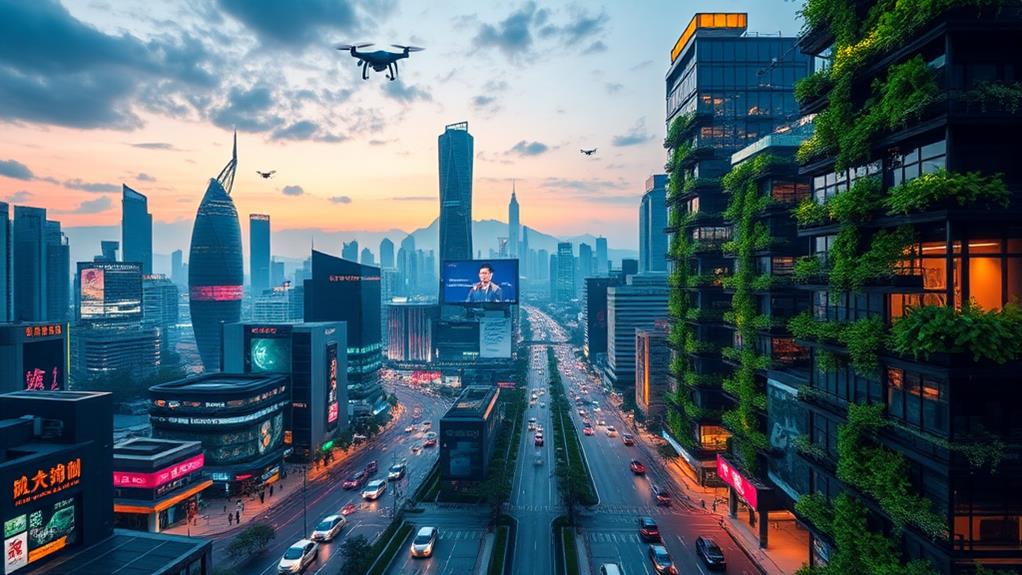
You’ll discover a tech-savvy wonderland in China’s modern cities, where mobile payments and smart transit systems make exploring a breeze. Shanghai’s glittering skyline comes alive after sunset, with rooftop bars offering breathtaking views of the Pudong district’s neon-lit towers and the historic Bund. For an unforgettable evening, head to one of the observation decks in the Oriental Pearl Tower or Shanghai Tower, where you can watch the city transform into a dazzling sea of lights. The vibrant city of Beijing offers another dimension of urban exploration with its iconic Tiananmen Square, where ancient meets modern in perfect harmony. Explore the impressive Meridian Gate entrance to discover the rich history and architectural marvels of the Forbidden City.
Tech-Driven City Experiences
Stepping into China’s high-tech cities feels like traveling to the future, where ancient traditions smoothly blend with modern innovation. You’ll find yourself in places like Xiongan New Area, where AI-powered city brains manage traffic and services while honoring classical Chinese design.
The pioneering city emphasizes traditional Chinese culture, with modern buildings incorporating ancient architectural elements and design philosophies.
Experience these amazing tech highlights during your visit:
- Watch humanoid robots perform traditional Peking Opera at Haidian’s Spring Festival fairs
- Ride in autonomous electric vehicles that navigate through smart traffic systems
- Pay for souvenirs using digital renminbi through your mobile device
- Visit stunning green buildings that combine shan shui architecture with modern sustainability
Don’t miss the underground logistics networks and digital city models that make these urban spaces so efficient. It’s a glimpse of tomorrow’s world, available for you to explore today.
Rooftop Shanghai After Dark
When night falls across Shanghai’s glittering skyline, the city’s rooftop bars transform into magical sanctuaries where you’ll discover some of Asia’s most breathtaking urban views. Head to Flair at The Ritz-Carlton‘s 58th floor for panoramic cityscapes and their signature Shanghai Twilight cocktail, or find your zen at The Shanghai Edition’s Roof Bar, where lush greenery meets stunning Huangpu River vistas. The iconic Shanghai Tower views provide an unmatched bird’s-eye perspective of the cityscape from the highest rooftop venues in China.
For the perfect mix of glamour and fun, you can’t miss Bar Rouge‘s red-themed interiors and weekend DJ parties, or The Bulgari Bar‘s Italian-inspired décor set against neon city lights. Most venues open from 5 PM until 2 AM, and you’ll find them easily accessible in the Pudong and Bund areas. Don’t forget to dress smartly, as many spots have dress codes, and consider making reservations during peak times.
Regional Cuisine and Food Culture
China’s diverse culinary field tells a fascinating story through its eight major regional cuisines, each offering distinct flavors and cooking techniques that’ll transform your travel experience. You’ll discover everything from Sichuan’s famous numbing-spicy sensations to Cantonese dim sum’s delicate flavors. During Chinese New Year celebrations, locals prepare steamed whole fish to symbolize abundance and family unity.
As you explore China’s food scene, here are the must-try regional specialties:
- Try Peking duck in Beijing, where the crispy skin melts in your mouth
- Sample Sichuan’s Mapo tofu for an authentic taste of numbing spiciness
- Experience Shanghai’s xiaolongbao, dumplings filled with hot, flavorful soup
- Enjoy Cantonese dim sum, featuring bite-sized delicacies served in bamboo steamers
The best way to understand Chinese culture is through its food, where every dish tells a story of its region’s history, climate, and traditions.
Accommodation Options Across China
You’ll find China’s accommodation field spans from lavish five-star hotels like the Waldorf Astoria Shanghai to budget-friendly hostels offering dorm beds for under 110 CNY per night. For a uniquely local experience, you can stay at traditional guesthouses like Kelly’s Courtyard in Beijing or Kevin’s Old House in Shanghai, where historical charm meets modern comfort. Whether you’re looking to splurge on luxury resorts in coastal Sanya or save money with new pod hotels in urban centers, China’s diverse lodging options cater to every travel style and budget. While Airbnb is available, guests should note that registration is required within 24 hours of arrival at any accommodation with local authorities.
Luxury Hotels and Resorts
Looking to indulge in world-class luxury during your 2026 China adventure? You’ll find some of the most stunning new properties opening across the country. The upcoming Capella Taipei will dazzle you with its modern design and proximity to Taipei 101, while the lakeside Kempinski Hotel Yangzhou Nuoyuan offers a peaceful retreat inspired by Sui-Tang architecture. The new Bristoria Hotel Yangzhou features 312 elegant guestrooms to accommodate travelers of all preferences.
For your luxury stay in 2026, don’t miss these standout features:
- The Waldorf Astoria Shanghai Qiantan’s breathtaking Huangpu River views
- The Dali EDITION’s private pool villas overlooking Cangshan Mountain
- SALT of Anji’s sustainable luxury experience in nature
- Bristoria Hotel Yangzhou’s focus on premium sleep quality and local cuisine
These properties combine traditional Chinese elegance with modern luxury, ensuring you’ll enjoy world-class comfort during your visit.
Budget-Friendly Local Stays
When traveling through China on a budget, you’ll find an impressive range of wallet-friendly accommodations that don’t compromise on comfort or experience. Budget hostels start at just Y20-100 per night, while mid-range hotels cost Y150-350 and offer more amenities like private bathrooms and AC. Most Chinese budget hotels require both pre-payment and deposit when checking in.
You’ll discover great options in major cities like Beijing’s Kelly’s Courtyard and Shanghai’s Kevin’s Old House, where you can expect English-speaking staff and convenient locations. For even better savings, consider booking hostel dorm beds for Y70-110 per night, or try sleeper trains for overnight journeys between cities. Remember to book through reliable platforms like Hostelworld or Booking.com, and set price alerts for the best deals, especially during busy periods like Golden Week in October.
Traditional Guesthouse Experience
Beyond standard hotels and hostels, China’s traditional guesthouses let travelers step back in time while enjoying modern comforts. You’ll find beautifully restored properties that blend historical charm with contemporary amenities, making your stay both authentic and comfortable.
Here’s what you can expect at China’s finest heritage accommodations:
- At Amanyangyun Shanghai, you’ll sleep in genuine Ming Dynasty villas surrounded by ancient camphor trees, with access to a luxury spa
- The Temple House Chengdu offers Qing Dynasty architecture with modern touches like spa bathrooms and private balconies
- Red Wall Garden Hotel immerses you in Beijing’s hutong culture with traditional performances and tea ceremonies
- MGM Grand Diaoyutai combines historic Qing Dynasty buildings with minimalist design and upscale dining experiences
These properties let you experience China’s rich heritage without sacrificing modern conveniences. In Hangzhou, Amanfayun provides an intimate retreat with 46 unique rooms nestled in a peaceful valley, each featuring its own distinctive character and private courtyard space.
Digital Tools and Internet Access
Install your VPN before landing in China — once inside the country, VPN app store pages are blocked alongside Google, WhatsApp, Instagram, and most Western news sites. Of the paid options, Astrill VPN (~$10/month) has the most consistent track record in mainland China; Surfshark (~$2.49/month on a 2-year plan) costs less but drops more frequently on hotel Wi-Fi in Shanghai and Beijing. Free VPNs stop working within days of arrival. Download Gaode Maps (Amap) and Baidu Translate before flying — Google Maps works only through a VPN and lags during peak hours.
WeChat Pay now accepts international Visa and Mastercard, but setup requires in-app face verification — and the app only permits this after linking a China-verified phone number. Register your WeChat account before leaving home using your local number via SMS. For data, eSIM plans from Airalo or Nomad run $3-5 per GB for China coverage — enough for maps, translation, and messaging without depending on hotel Wi-Fi. China’s 1.105 billion mobile users means near-universal urban coverage, but expect signal gaps in mountainous areas like Zhangjiajie and western Yunnan.
Shopping and Payment Methods
Paying for things in China looks very different from what you might be used to. Instead of cash or credit cards, you’ll need to rely on mobile payment apps like Alipay or WeChat Pay, which dominate daily transactions. These apps use QR codes for everything from buying street food to sending wedding gifts. UnionPay cards are the only card type issued within China’s banking system.
To make your shopping experience smooth in China, here’s what you’ll need:
- A fully charged phone (carry a power bank!)
- Alipay or WeChat Pay set up before arrival
- Your Visa/Mastercard linked to these payment apps
- Some backup cash for emergencies
You’ll find it’s incredibly convenient once you’re set up, as you can pay for almost anything by scanning QR codes or showing your face for biometric verification. Even small vendors in markets accept digital payments, making shopping hassle-free.
Health and Safety Considerations
Traveling to China requires thoughtful health preparation to guarantee you’ll have a safe and enjoyable journey. You’ll need to update your vaccinations and pack essential medications before departure. In major cities like Beijing and Shanghai, you’ll find excellent medical facilities with English-speaking staff, but it’s different in rural areas. Government initiatives have established comprehensive surveillance networks to ensure visitor safety in urban areas.
| Health Preparation | Safety Measure |
|---|---|
| Get vaccinations | Update travel insurance |
| Pack medications | Save emergency contacts |
| Carry water filter | Download translation apps |
| Bring ORS packets | Register with embassy |
When it comes to food safety, stick to busy restaurants and well-cooked meals. Don’t drink tap water, and remember to peel fruits and vegetables. If you’re visiting northern cities, bring a face mask for protection against air pollution and occasional sandstorms. Keep your embassy’s contact information handy, and always carry your travel insurance details.
Off-the-Beaten-Path Destinations
While China’s major cities offer modern conveniences and well-traveled attractions, the country’s hidden gems hold some of its most breathtaking experiences. You’ll discover extraordinary fields that seem to defy reality, from the towering sandstone pillars of Zhangjiajie to the mesmerizing karst mountains of Guilin.
Beyond China’s busy metropolises lie natural wonders that challenge imagination, where soaring peaks and mystical mountains create otherworldly fields.
Experience these stunning locations through:
- Walking across Zhangjiajie’s glass-bottomed bridge for heart-racing canyon views
- Taking a peaceful Li River cruise to watch limestone peaks reflect in the water
- Cycling through Yangshuo’s countryside paths between dramatic rock formations
- Exploring Tianzi Mountain’s viewpoints for scenes that inspired Avatar’s floating islands
You’ll find budget-friendly options at both destinations, with discounted cable car rides in Zhangjiajie and authentic local festivals in Guilin’s West Street adding cultural depth to your adventure. Traditional fishermen still practice the ancient art of cormorant fishing method along the Li River, offering visitors a glimpse into China’s living heritage.
Frequently Asked Questions
What’s the Tipping Culture Like in China?
Unlike the US where 15-20% tips are standard, you’ll find that tipping isn’t customary in most of China. Workers earn fixed wages, and many might even refuse tips out of cultural modesty. You’ll only need to ponder tipping in high-end places like luxury restaurants (10-20%) or for tour guides (50-100 RMB per day). If you’re staying at international hotels, a small tip of 10-30 RMB for housekeeping or luggage help is acceptable.
Can I Drink Tap Water in Chinese Cities?
It’s best not to drink tap water directly in most Chinese cities, especially in older areas of Beijing and Shanghai where aging pipes can affect water quality. While treatment plants meet international standards, distribution systems often compromise safety. You’ll want to use a reliable water filter or boil water first. Shenzhen’s an exception – its modern infrastructure makes tap water generally safe to drink. Always check local water quality reports before consuming.
How Do Chinese People Typically React to Foreigners Taking Their Photos?
While 85% of Chinese people are generally accepting of foreigners taking their photos in public spaces, you’ll want to be respectful and ask for permission first. Most locals will respond positively if you’re polite, and they’ll often want to take photos with you too! In tourist areas, you’ll find people are quite used to cameras, but in rural regions, it’s especially important to be considerate and gesture for approval before taking pictures.
Are Tattoos Considered Acceptable When Visiting Temples and Cultural Sites?
While attitudes are slowly changing, you’ll want to be respectful of traditional views about tattoos at temples and cultural sites. It’s best to cover visible tattoos with light clothing or specialized sleeves, especially in rural areas where conservative values are stronger. You’ll encounter more acceptance in urban temples, but it’s still wise to err on the side of modesty. Remember, many older Chinese people associate tattoos with criminal activity.
What Happens if I Need Prescription Medication Refills While Traveling in China?
You can get prescription refills in China, but you’ll need to plan ahead. Visit a local doctor who can write you a new prescription, and stick to chain pharmacies or hospital pharmacies to avoid counterfeit medications. It’s helpful to bring your original prescription and a list of generic drug names from your home pharmacist. Some common medications might be available without a prescription, but it’s best to have travel insurance for medical coverage.
Conclusion
China’s blend of ancient wisdom and modern innovation creates an unforgettable travel experience you’ll treasure forever. With your digital tools ready, visa secured, and cultural knowledge in hand, you’re well-prepared to explore this fascinating country. Whether you’re wandering the Great Wall, sampling street food in Xi’an, or discovering hidden villages in Yunnan, you’ll find that China’s diverse fields and warm hospitality make every moment of your 2026 adventure truly remarkable.
Explore Our Complete China Travel Guides
China Destinations
- 10 Breathtaking Scenes of Springtime in the Chinese Countryside
- 10 Chinese Minority Cultural Immersion Trips
- 10 Hidden Tea Houses in Chengdu’s Back Alleys You Must Discover
- 10 LGBTQ Friendly Cities in China You Should Visit
- 10 Must-See Attractions in Beijing – Your Ultimate Travel Guide
- 10 Must-See Highlights on Your Yangtze River Cruise
- 10 Must-Visit Bookstores in Major Chinese Cities
- 10 Must-Visit Luxury Hotels in Beijing for an Unforgettable Stay
- 10 MustVisit Summer Festivals in Beijing
- 10 Top Destinations in China for Fall Foliage
- 3 MustSee Chinese New Year Celebrations in Shanghai
- 3 Reasons for Exploring the Great Wall in Winter
- 5 Best Places to Visit in China in Spring
- 5 Must-Try Street Food Dishes on Your Beijing Tour
- 5 MustTry Cheap Eats in Beijing
- 7 Affordable Budget Hotels in Chengdu for Your Next Trip
- 7 Affordable Tours in Guilin You Can’t Miss
- 7 Best Budget Accommodations in Shanghai for Thrifty Travelers
- 7 Best Coastal Destinations in China for Summer Getaways
- 7 Must-Experience Siheyuan Courtyard Stays in Beijing
- 7 Must-Try Local Specialties in Guilin Including Rice Noodles and More
- 7 Must-Visit Boutique Hotels in Chengdu for a Unique Stay
- 7 Must-Visit Five-Star Hotels in Shanghai for Luxury Travelers
- 7 Wild Great Wall Sections Near Beijing
- Beijing Subway Guide: Lines, Fares and Tips for Tourists (2026)
- Best Chinese Dumplings: 3 Places to Try in Shanghai
- Best Times to Explore China’s Bamboo Forests
- BudgetFriendly Accommodation Options in Beijing Seoul and Kyoto
- China: The Ultimate Travel Guide for 2026
- China’s Hidden Gems: Off-the-Beaten-Path Destinations to Explore
- China’s Natural Wonders: From Karst Mountains to Tropical Beaches
- Discovering 3 MustVisit Ancient Water Towns in China
- Essential Facts: Beijing-Shanghai Train Route
- Exploring Beijing’s Traditional Hutongs: What Makes Them Worth It?
- Exploring the Great Wall of China: A Complete Visitors Guide
- Great Wall of China 2026: Which Section is Best?
- How Does Shanghai Function as an Innovation Hub?
- Journey Through China’s Silk Road Heritage: A Planning Guide
- Luggage Storage in Beijing, Seoul and Osaka
- Must-Try Spots for Sampling Peking Duck in Beijing
- Navigating China’s Ancient Wonders: A 2026 Guide to UNESCO Sites
- Navigating Public Transportation in Tokyo Shanghai and Seoul
- See Stunning Autumn Colors in These 10 Spots in China
- Shanghai Tower vs Canton Tower: China Tallest Landmarks
- Temple of Heaven Guide: Hours, Tickets and Tips (2026)
- Top 3 Best Noodles in China From Lanzhou to Beijing
- Top 3 Famous Hotpot Restaurants in Chengdu to Try
- Top 5 Design Hostels in Shanghai’s Art District
- Urban China: a Deep Dive Into the Country’s Megacities
- Visiting the Great Wall: A Cultural Perspective on Its Significance
- What Drives Beijing’s Entrepreneurship Community?
- Why Chengdu Is Becoming a Digital Nomad Hotspot
China Travel Planning
- 10 Efficient Packing Techniques for CarryOnly China Travel
- 10 Essential Tips for Car Rentals in China
- 10 Features to Look for in a China Backpack
- 10 Translation Services in China You Need to Know
- 3 Budget Tips for Exploring China’s Countryside
- 3 Essential Safety Tips for Solo Female Travelers in China
- 3 Essential Tips for Budget Travel in China
- 3 Essential Tips for Navigating Bus Routes in Chinese Cities
- 3 Essential Tips for Private Car Hire in China
- 3 Key Drivers of China’s Transportation Infrastructure Growth
- 3 Must-Try Tuk-Tuk Rides in Rural China}
- 5 Affordable China Second-Tier City Trips
- 5 Best Anti-Theft Backpacks for China (2026)
- 5 Best Noise-Reducing Earplugs for Flights to China
- 5 Essential Budget Tips for Backpacking in China
- 5 Essential Tips for Navigating Taxis in China}
- 5 Practical Tips for Attending Business Meetings in China
- 5 Practical Tips for Using Shared Bicycles in Chinese Cities
- 5 Unmissable Scenic Cycling Routes in China
- 7 Essential Ferry Services Across Chinese Rivers
- 7 Must-Visit Top Regional Airports in China
- 7 Smart Tips to Save Money on Transportation in China
- A Complete Guide to China’s Sleeper Trains: 7 Essential Tips
- A Practical Guide to Taxis and Ride-Hailing in Chinese Cities
- Alipay vs WeChat Pay: A China Payment Guide for Tourists (2026)
- Are Chinese Coworking Spaces Unique?
- Best Road Trips in China: 10 Epic Routes
- Best Train Passes for Tourists in China}
- Budget-Friendly China: Tips for Exploring on a Shoestring in 2026
- Bullet Train China: Tourist Guide to High-Speed Rail 2026
- China Digital Survival Guide 2026: VPN, eSIM, WeChat Pay & Apps
- China Travel Health and Vaccination Requirements: 10 Essentials
- Chinese Airport Customs: A Step-by-Step Guide
- Essential Facts: Beijing-Shanghai Train Route
- Find and Book Authentic Homestays in Rural China: 5 Steps
- Find Cheap Domestic Flights in China: 3 Essential Tips
- How to Use DiDi: A Guide to China’s Top RideSharing App
- Navigating Cashless Payments in China: A WeChat and Alipay Guide
- Navigating China’s Subway Systems for Beginners
- Sustainable Travel in China: Eco-Friendly Adventures for 2026
- Top 10 Best Ways to Travel Around China in 2026
- Top 3 Coastal Highways for Summer Road Trips Along China’s Coast
- Top 5 Free Walking Tours in MustVisit Chinese Cities
- Traditional to Modern: China’s Diverse Accommodation Options
- Understanding Mobile Data Plans and Chinese SIM Card Options
- What Drives China’s Startup Ecosystem in 2026?
- Why Are China’s Bullet Trains Fastest Worldwide?
- Why Is China’s High-Speed Rail Network the World’s Largest?
Learn Mandarin
- 10 Essential Tips to Pronounce Chinese Tones Correctly
- 3 Basic Mandarin Phrases Every Traveler Needs
- 3 Essential Tips for Communicating With Taxi Drivers in China
- 3 Useful Phrases for Shopping in Chinese Markets
- 5 Essential Tips to Navigate Chinese Menus Without Speaking Mandarin
- 7 Essential Tips for Communicating With Locals in China
- 7 Quick Tips to Learn Basic Mandarin Before Your Trip
- Best Translation Apps for Traveling in China
- How to Write Perfect Thank You Notes in Chinese
- Learn Mandarin Chinese: Characters, Tones and Culture
- Master the Menu for Ordering Food in Chinese Restaurants
- Mastering Directions in Mandarin: How to Ask for Help
- Mastering Gratitude: Say ‘Thank You’ and ‘Sorry’ in Mandarin
- Mastering Mandarin: Essential Phrases for Travelers in China
- Mastering the Art of Asking for the Bill in Chinese Restaurants
- Mastering the Basics of Asking for Help in Mandarin
- Understanding Key Differences Between Mandarin and Cantonese
- Understanding Key Gestures in Chinese Body Language
- Understanding Major Regional Dialects in China
Related Guides
- Silk Road Scholarship for Belt and Road Students
- 5 Steps to Understand Buddhism’s Influence on Luoyang’s Chinese Art
- China Esim Without Vpn 2026
- Summer Palace Beijing Guide
- China Entry Requirements 2026
- Beijing Vs Shanghai
- Is China Safe for Tourists in 2026? Crime, Scams, Solo Travel & Emergency Numbers
- South Korea Travel Resources 2026: T-money, Apps, K-ETA & More
- China Travel Resources 2026: VPN, WeChat Pay, Apps & More
- Best Scholarships for International Students in China
- 3 Essential Steps for Studying in China: A Complete Guide
- Navigating the Process to Apply for Student Visas in China
- 10 Essential Living Expenses for Students in China
- Unlocking Opportunities for Students: Find Internships in China
More on Transportation:

Written by Sam Konneh
Sam Konneh is an AI strategist and digital marketer based in Seoul, South Korea. With years spent living, working, and exploring across Korea, Japan, and China, he shares firsthand insights into East Asia's cultures, hidden gems, and everyday life. A graduate of Inha University and KDI Graduate School, Sam combines data-driven expertise with on-the-ground experience. His journey also includes studying in Malaysia and traveling through Southeast Asia. Through practical tips, local stories, and travel guides, he helps fellow explorers discover both the celebrated highlights and the lesser-known corners of East Asia.