Last Updated: October 18, 2026 | Originally Published: September 8, 2026
Best Taiwan SIM Cards & eSIMs for Tourists in 2026: Chunghwa, Klook & Airalo Compared
Quick Answer: Taiwan SIM vs eSIM at a glance
- Best coverage: Chunghwa Telecom — strongest signal in Taroko Gorge, Alishan, and Taiwan’s mountain roads.
- Cheapest physical SIM: Airport counter tourist SIMs start around NT$300 for a 3-day unlimited plan (price as of 2026; confirm at the counter).
- Easiest to set up: An Airalo or Klook eSIM — activate by QR code before you land, no counter queue.
- Where most tourists buy: The Chunghwa, Taiwan Mobile, and FarEasTone counters in the Taoyuan Airport (TPE) arrivals hall, or a pre-booked Klook/KKday voucher.
Taiwan has three nationwide carriers, two airport pickup points, and at least four eSIM apps competing for your money. The wrong choice means a dead signal halfway up Alishan or a “data exhausted” message on day two.
This guide compares the physical tourist SIMs sold at Taoyuan International Airport with the main eSIM options — Airalo, Holafly, Nomad, and Klook — on coverage, cost per day, and setup effort.
We earn a commission if you book through links on this page, at no extra cost to you. See our affiliate disclosure.
Get an Airalo eSIM Here is how they stack up in 2026.
Which Taiwan SIM card has the best coverage?
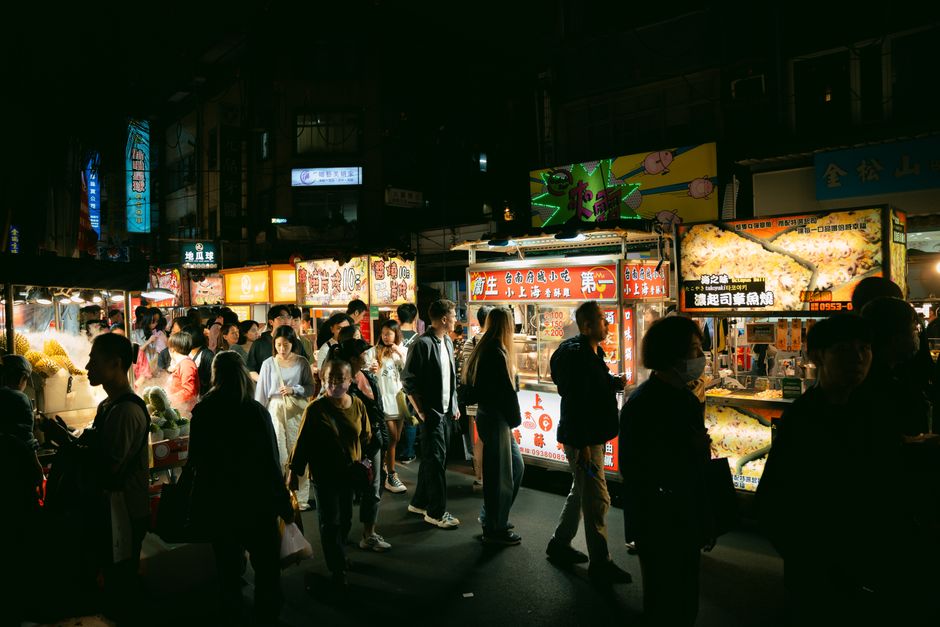
Chunghwa Telecom is the safe default. It is Taiwan’s largest carrier and owns the most complete network, including the rural and mountainous areas most travel-heavy itineraries pass through.
If your trip stays in Taipei, Taichung, Tainan, and Kaohsiung, all three carriers — Chunghwa Telecom, Taiwan Mobile, and FarEasTone — perform similarly well on 4G and 5G.
The gap appears off the main corridor. Taroko Gorge, the Alishan Forest Railway, Sun Moon Lake’s quieter trails, and the cross-island highways are where weaker networks drop out and Chunghwa tends to hold a bar or two.
Pro Tip: If even one day of your plan involves Taroko, Alishan, or the Central Cross-Island Highway, pick Chunghwa Telecom and stop optimizing. The few extra NT$ buys you signal where the other two carriers go quiet.
How much does a Taiwan tourist SIM cost in 2026?
Tourist SIMs are sold by day-length, not by data allowance — almost all of them are unlimited data. You pick how many days you need and pay a flat fee.
As a rough guide for 2026, unlimited-data tourist SIMs at the airport run from around NT$300 for a 3-day plan up to roughly NT$1,000 for a 30-day plan. Prices shift between carriers and promotions, so treat the counter board as the source of truth.
The per-day cost drops sharply on longer plans. A 3-day SIM is the most expensive way to buy data per day; a 10-day or 15-day plan is where the math gets friendly for most trips.
Key fact: Most Taiwan tourist SIMs include unlimited data but a small fixed amount of call credit. If you only need data for Google Maps, Line, and Klook, that call credit barely matters — buy on data and coverage alone.
How many days of data should you buy for Taiwan?
Match the plan to your whole trip, including the day you fly out. Tourist SIMs come in fixed lengths, and topping up later usually costs more than buying right the first time.
For a long weekend in Taipei, a 5-day plan covers you with a buffer. For the classic week-plus loop through Taipei, Taichung, Sun Moon Lake, and Kaohsiung, a 10-day plan is the value sweet spot.
Per the Japan National Tourism Organization, staying two weeks or longer, or island-hopping to Kinmen or Penghu? A 15- or 30-day physical SIM works out cheaper per day than stacking shorter eSIMs, and a local number helps with bookings.
Round up, not down. The price gap between a 7-day and a 10-day plan is small, and running out of data on your last morning — when you need a ride to Taoyuan Airport — is the worst time to be offline.

SIM card vs eSIM for Taiwan: which should you buy?
The decision comes down to your phone and your patience.
Choose a physical SIM if you want a local Taiwan number, you are staying two weeks or more, or your phone does not support eSIM. The counter staff install it for you and test it before you walk away.
Choose an eSIM if your phone is unlocked and eSIM-capable, you want to land already connected, and you would rather skip the arrivals-hall queue. Airalo and Klook let you install the profile over hotel or airport Wi-Fi and switch it on the moment you land.
One catch: an eSIM keeps your home SIM active for calls and texts, but a physical Taiwan SIM usually replaces it. For a single travel phone, either works; for a dual-line setup, eSIM is tidier.
Warning: “Unlimited” eSIMs like Holafly apply a fair-use policy and can slow speeds after a daily threshold. App-store eSIMs also often roam on a host carrier’s network rather than giving you full native coverage — read the coverage note before you buy, especially for mountain travel.
Where to buy: Taoyuan Airport counter, Klook, or Airalo?
There are three realistic routes, and they suit different travelers.
At the airport counter. Chunghwa Telecom, Taiwan Mobile, and FarEasTone all staff booths in the Taoyuan (TPE) and Kaohsiung (KHH) arrivals halls. Bring your passport — registration is required by law. The upside is hands-on setup; the downside is a queue after a full flight lands.
Pre-booked through Klook or KKday. You reserve online, then either collect a physical SIM at an airport desk or receive an eSIM QR code by email. This locks in the price and skips guessing at the counter, which is handy at peak season.
Direct eSIM apps. Airalo, Nomad, and Holafly sell Taiwan data plans you install yourself. Airalo is the volume leader and carries a strong App Store and Trustpilot rating; it is the simplest “land and go” option for a short trip.
How fast is Taiwan’s 5G, and do you actually need it?
Taiwan has dense 5G in its cities, and all three carriers — Chunghwa Telecom, Taiwan Mobile, and FarEasTone — sell tourist plans that ride it where available.
For maps, Line, photo uploads, and Klook bookings, honest 4G is already plenty. The case for 5G is uploading video or tethering a laptop in a city café.
Most app-store eSIMs cap out at 4G speeds because they roam on a host network. If fast 5G matters to you, a native physical SIM from a carrier counter is the more reliable buy.
Pro Tip: Turn on a data-usage tracker on day one. Even on an “unlimited” plan it shows you whether an eSIM is quietly throttling, and on a capped data plan it warns you before you hit the wall mid-trip.
Taiwan connectivity options compared
| Option | Best for | Setup | Coverage note |
|---|---|---|---|
| Chunghwa Telecom SIM | Mountain & rural trips | Airport counter, passport needed | Strongest island-wide signal |
| Taiwan Mobile / FarEasTone SIM | City-only itineraries | Airport counter, passport needed | Great in cities, thinner in remote areas |
| Klook / KKday voucher | Locking in price ahead | Book online, collect SIM or scan eSIM QR | Depends on the carrier behind the plan |
| Airalo / Nomad eSIM | Short trips, instant setup | Self-install QR before landing | Roams on a host network; check the map |
| Holafly unlimited eSIM | Heavy streamers | Self-install QR before landing | Unlimited with a fair-use speed cap |
The Taiwan Tourism Administration promotes free public Wi-Fi through the iTaiwan service at airports, metro stations, and many public venues, which gives arriving visitors a way to get online and activate an eSIM before buying a longer-term data plan.
Mistakes that cost Taiwan travelers data and money
A few avoidable errors come up again and again.
Buying a 3-day SIM “to test” and then a second one mid-trip costs far more than one 7- or 10-day plan up front. Decide your length once.
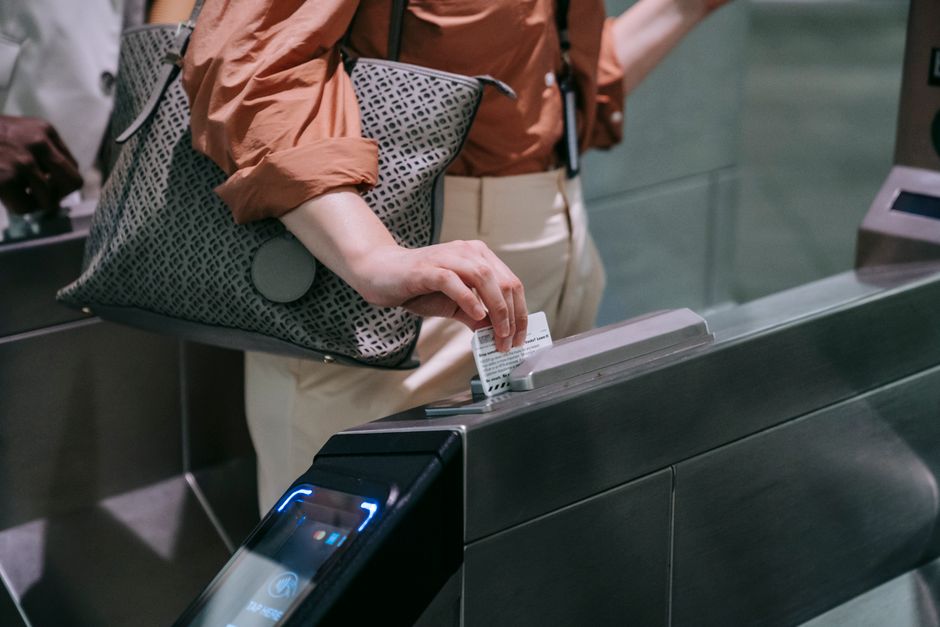
Assuming an EasyCard or iPASS transit card includes mobile data — it does not. Those are for the Taipei Metro, buses, and convenience stores, not connectivity.
Buying an eSIM on a carrier-locked or non-eSIM phone. Confirm both before you pay; an app-store eSIM is non-refundable once activated.
Key Takeaway
For most 2026 trips: pick Chunghwa Telecom if your route touches the mountains, or an Airalo/Klook eSIM if you want to land connected and stay only in cities. Match the plan length to your full trip, check eSIM compatibility before you pay, and never assume your transit card carries data.
Frequently asked questions
Do I need my passport to buy a Taiwan SIM card?
Yes. Taiwanese law requires identity registration for prepaid SIMs, so airport counters ask for your passport and sometimes a second ID. An Airalo or Klook eSIM skips this because the plan is tied to your account.
Does Taiwan have good public Wi-Fi if I skip a SIM entirely?
The free iTaiwan network covers airports, metro stations, and many public buildings. It is fine for messaging in cities, but unreliable for navigation on the move or in rural areas, so most visitors still buy data.
Is an eSIM cheaper than a physical SIM in Taiwan?
Not always. For short city trips an Airalo data-only eSIM can undercut a counter SIM, but unlimited physical tourist SIMs often win on value beyond a week. Compare the per-day cost, not the headline price.
Which carrier is best for Taroko Gorge and Alishan?
Chunghwa Telecom. Its network reaches deeper into Taiwan’s mountains than Taiwan Mobile or FarEasTone, and far deeper than most roaming eSIMs.
Can I use one eSIM across Taiwan, Japan, and Korea?
Some Airalo and Nomad regional plans cover multiple East Asian markets on one eSIM, which suits multi-country trips. Coverage and speed vary by country, so check the specific plan’s map before relying on it across borders.
Last updated: 2026-05-28
More on Taiwan:

Written by East Asia Explorer Editorial Team
Sam Konneh is an AI strategist and digital marketer based in Seoul, South Korea. With years spent living, working, and exploring across Korea, Japan, and China, he shares firsthand insights into East Asia's cultures, hidden gems, and everyday life. A graduate of Inha University and KDI Graduate School, Sam combines data-driven expertise with on-the-ground experience. His journey also includes studying in Malaysia and traveling through Southeast Asia. Through practical tips, local stories, and travel guides, he helps fellow explorers discover both the celebrated highlights and the lesser-known corners of East Asia.