Last Updated: March 19, 2026 | Originally Published: February 28, 2025
Beyond China's famous attractions, you'll find incredible hidden gems waiting to be explored. Visit the mystical Changbai Mountain with its heavenly lake, or discover the ancient Tulou Houses of Fujian where Hakka culture thrives. Experience the vibrant traditions of Xijiang Miao Villages, marvel at Zhangye Danxia's rainbow cliffs, or wander through Xishuangbanna's lush botanical gardens. These lesser-known destinations offer authentic experiences that showcase China's rich cultural tapestry and natural wonders. (Source: Travel China Guide)
Explorer Insights
- Xijiang Miao Villages offer authentic cultural immersion with traditional wooden houses and unique rice wine hospitality rituals.
- Tulou Houses of Fujian showcase remarkable circular fortresses built by Hakka people, with Chengqi Lou featuring four concentric rings.
- Xishuangbanna's botanical garden houses 13,000 plant species and features Elephant Valley where Asian elephants roam freely.
- Zhangye Danxia's rainbow-colored cliffs and rock formations provide spectacular views, especially during sunset hours.
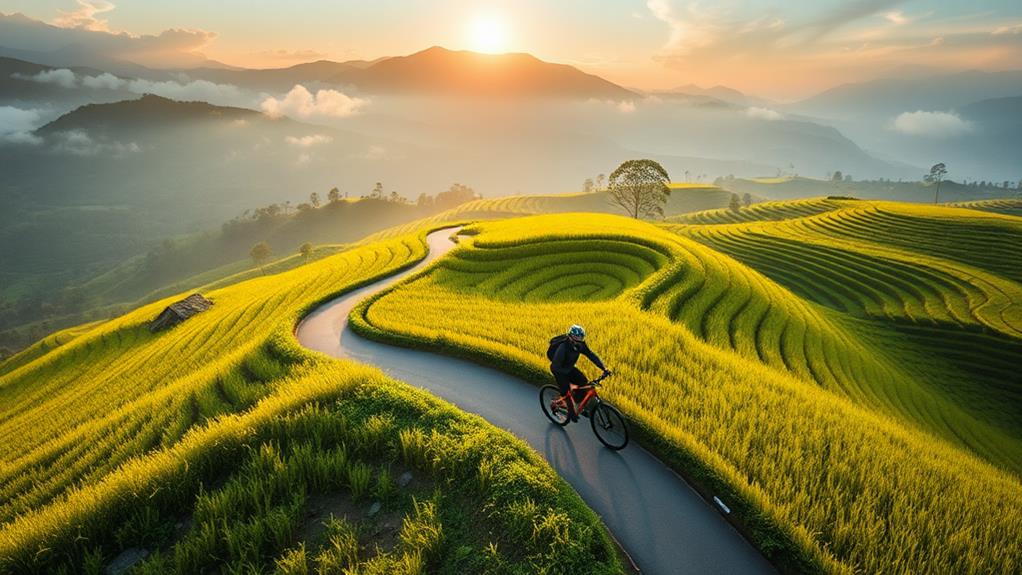
- Yuanyang Rice Terraces span one million acres of hand-crafted landscapes, offering breathtaking views during sunrise and sunset.
Ancient Treasures of Changbai Mountain
Nestled in Jilin Province, Changbai Mountain stands as one of China's most mesmerizing natural wonders, where sixteen majestic peaks surround the mystical Tianchi, or Heavenly Lake. You'll discover one of the most breathtaking landscapes in the world as you explore its four distinct natural zones, from the base to the cloud-shrouded summit.
The mountains showcase their natural beauty through the impressive Changbai Mountain Waterfall, which cascades 62 meters from top to bottom. You'll want to plan your visit during July and August when the weather's perfect for hiking and photographing the stunning vistas. For extended hikes, remember to bring collapsible water bottles that can easily attach to your backpack while exploring the trails. If you're a winter sports enthusiast, you can also enjoy the snow-covered slopes during the colder months.
From the summit, you'll be treated to spectacular views of Heavenly Lake on clear days, making it a must-visit destination for nature lovers. Make sure to bring sturdy footwear for extensive walking and climbing, as the terrain can be challenging like parts of the Great Wall.
Living Heritage in Fujian's Tulou Houses
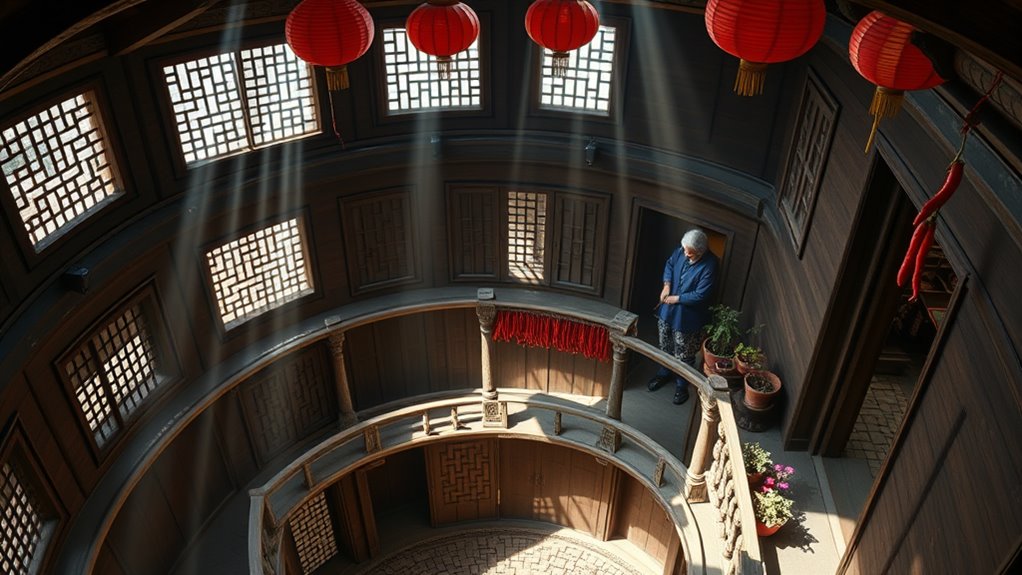
Standing as remarkable monuments to Chinese architectural ingenuity, the Tulou houses of Fujian province offer you a glimpse into one of China's most fascinating living heritage sites. These circular earthen fortresses, built by the Hakka people over 500 years ago, continue to preserve their unique way of life today.
You'll discover five incredible UNESCO World Heritage Tulou sites across Fujian, including Chuxi, Hongkeng, and Gaobei, where traditional community living still thrives. As you explore these multi-story structures, you'll be surrounded by terraced fields, lush crops, and crystal-clear streams that paint a picture of rural Chinese life unchanged by time. Each Tulou tells its own story of defensive architecture and communal harmony, making them must-visit destinations for anyone seeking to experience authentic Chinese cultural heritage. The buildings' thick earthen walls provide natural temperature control, keeping interiors cool during summer months and warm throughout winter. The magnificent Chengqi Lou stands out with its four concentric rings, each dedicated to different purposes from living quarters to ancestral halls.
Cultural Immersion in Xijiang Miao Villages
As you wander through the Xijiang Miao Villages at night, you'll be mesmerized by the stunning display of traditional wooden houses illuminated against the mountain backdrop, creating a magical atmosphere for evening exploration.
The welcoming Miao people will greet you with their customary hospitality ritual, offering 12 shots of traditional Lanmen rice wine that symbolizes friendship and respect. Similar to authentic Tibetan homes, these villages offer intimate cultural experiences through homestays where visitors can fully appreciate local customs. After the warm welcome, you're invited to join the long-table banquets filled with local Miao delicacies, where you can fully immerse yourself in the village's vibrant cultural heritage while dining under the glittering lights. Consider bringing small local gifts from your home country as a gesture of gratitude for experiencing their rich cultural traditions.
Nightly Village Light Shows
Every evening, the enchanting Qianhu Miao Village transforms into a spectacular display of lights and culture that you won't want to miss. As darkness falls, the ancient wooden houses perched on stilts come alive with stunning Chinese light shows that illuminate the entire village, creating an unforgettable atmosphere.
You'll have the perfect opportunity to immerse yourself in authentic Miao traditions while enjoying their famous long table banquets. Watch in wonder as local performers showcase traditional singing and dancing, and you can even see skilled artisans crafting intricate silver jewelry. The nightly performances offer you a unique glimpse into the rich heritage of this ethnic minority group, making it an essential stop on your Guizhou Province journey. Much like the Joseon guard ceremonies that captivate visitors in Korea's royal palaces, these cultural performances preserve ancient traditions for modern audiences. It's truly a magical experience that brings centuries-old customs to life. After the performances, visitors can participate in a traditional Wu-Wo tea ceremony that promotes meditation and self-reflection among the illuminated village backdrop.
Traditional Wine Welcome Rituals
The warm hospitality of Xijiang's Miao villages begins with a cherished welcome ritual that you won't find anywhere else. As you enter the breathtaking Qianhu Miao Village in China, your hosts will greet you with their time-honored tradition of sharing 12 shots of Lanmen rice wine, making you feel like part of their community.
During your visit to these remarkable villages, you'll discover why the Miao people are treasured for their cultural heritage:
- Experience authentic long-table banquets featuring local delicacies
- Watch skilled artisans craft intricate silver jewelry
- Enjoy traditional singing and dancing performances
As night falls, you'll be treated to a magical display as the wooden stilted houses light up against the backdrop of misty mountains and the flowing Ershui River, creating an unforgettable scene that captures the heart of Miao culture.
The local banquets showcase a mastery of diverse culinary techniques from stir-frying to steaming, creating perfectly balanced flavors in every dish. Much like the signature dishes of Yunnan, these feasts often feature crossing-the-bridge noodles, served in steaming broth with customizable ingredients that reflect the region's culinary traditions.
Desert Wonders of Xinjiang's Hidden Corners
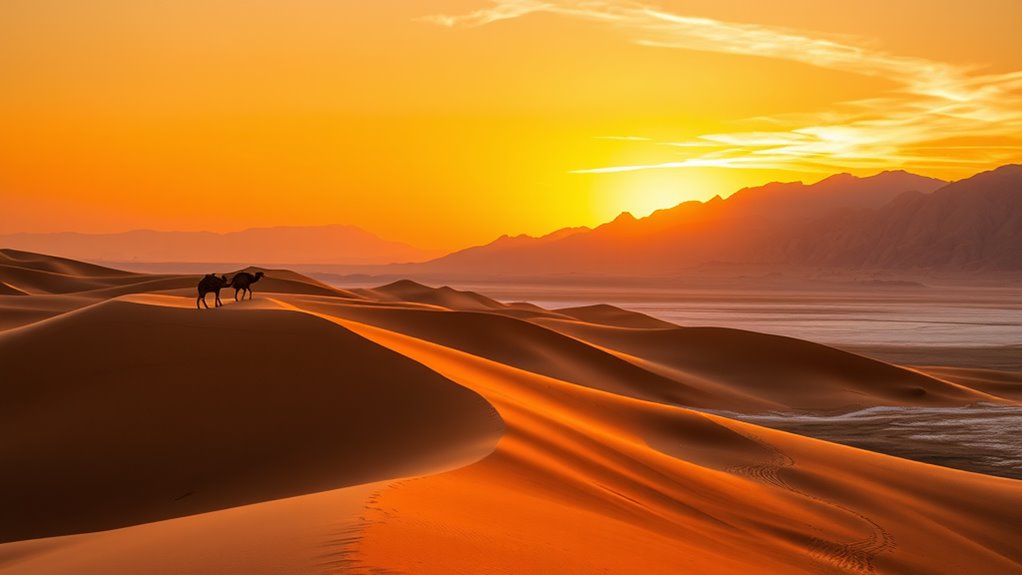
You'll find incredible treasures along Xinjiang's ancient Silk Road paths, where traditional Uyghur settlements blend seamlessly with pristine desert landscapes. As you explore the hidden corners of this vast region, you can wander through the mesmerizing Taklamakan Desert's crescent dunes and wind-carved rock formations that have stood sentinel for centuries.
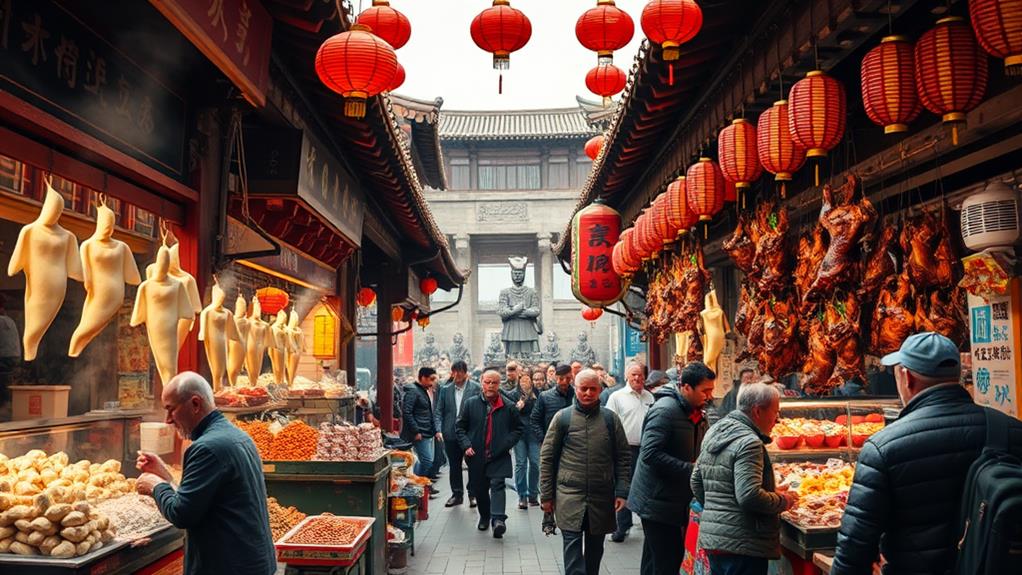
The journey through Xinjiang's remote areas rewards you with authentic cultural experiences, from sampling aromatic local cuisine in age-old marketplaces to witnessing traditional craftspeople at work in villages that seem untouched by time. Local street vendors entice visitors with tender lamb skewers, expertly grilled over charcoal and seasoned with fragrant cumin and chili spices that reflect centuries of culinary tradition. The bustling night markets come alive with the enticing aroma of stinky tofu, a beloved local delicacy that draws curious food enthusiasts despite its intimidating reputation.
Ancient Silk Road Heritage
Hidden among Xinjiang's vast desert landscapes, ancient Silk Road treasures await your discovery in China's westernmost province. You'll find enchanting off-the-beaten path places that showcase the region's rich cultural heritage, from traditional villages to stunning mountain vistas.
The region offers breathtaking cycling opportunities similar to those found in the Longji Rice Terraces of southern China, allowing visitors to immerse themselves in the local culture.
To help you explore these remarkable sites, here are three must-visit destinations:
- The Flaming Mountains – These dramatic red-orange peaks served as inspiration for "Journey to the West" and offer spectacular photo opportunities
- Hemu Village – Nestled in the Altai Mountains, you'll experience authentic Tuvan and Kazakh culture firsthand
- Kuqa Thousand Buddha Caves – Marvel at ancient Buddhist artwork and intricate carvings dating back to the 4th century
Each of these hidden gems tells a unique story of the Silk Road's incredible legacy and cultural significance.
Consider visiting during Spring or Autumn when comfortable temperatures and scenic landscapes create ideal conditions for exploring these remote destinations.
Pristine Desert Landscapes
Beyond the bustling cities of eastern China lies a mesmerizing desert domain in Xinjiang, where nature has crafted some of Asia's most dramatic landscapes. As you venture around the legendary Taklamakan Desert, you'll discover hidden oases and ancient ruins tucked between towering sand dunes. The Flaming Mountains near Turpan will take your breath away with their glowing red peaks that seem to catch fire in the desert sun. Similar to the steep mountain ridges of the Great Wall at Jinshanling, these dramatic desert landscapes create breathtaking panoramic vistas. Like the Great Wall in winter, the region offers pristine solitude with fewer tourists during the colder months.
| Location | Best Time to Visit | Main Attraction |
|---|---|---|
| Taklamakan | Spring/Fall | Sand Dunes |
| Flaming Mountains | Morning Hours | Red Cliffs |
| Yadan Geopark | October-April | Rock Formations |
| Pica Village | Summer | Uyghur Culture |
| Hemu Village | June-September | Alpine Views |
These untamed landscapes offer you a chance to explore China's wild west, where traditional villages and otherworldly geological formations create an unforgettable desert adventure.
Traditional Uyghur Culture
Rich cultural traditions spring to life in Xinjiang's vibrant Uyghur communities, where ancient customs blend seamlessly with desert life. Along the historic Silk Road, you'll discover bustling markets filled with handcrafted treasures, from intricate silk embroidery to detailed wooden carvings that tell stories of the past.
The region's culinary heritage stands in stark contrast to the má lá sensation that dominates other Chinese cuisines, offering its own distinct flavors and traditions.
To truly experience Uyghur culture in Xinjiang, don't miss these authentic experiences:
- Sample mouthwatering local dishes like hand-pulled noodles and freshly baked nan bread from traditional wood-fired ovens
- Visit Kashgar's famous Sunday Livestock Market, where ancient trading traditions continue to thrive
- Attend colorful festivals featuring traditional music, dance performances, and exciting horse races
As you explore the region's medieval ruins and desert oases, you'll find yourself immersed in a world where centuries-old traditions remain wonderfully preserved and welcoming.
The local cuisine shares similarities with Shandong style cooking, emphasizing fresh ingredients and slow-cooked stews that perfectly complement the region's rugged landscape.
Tropical Paradise of Xishuangbanna
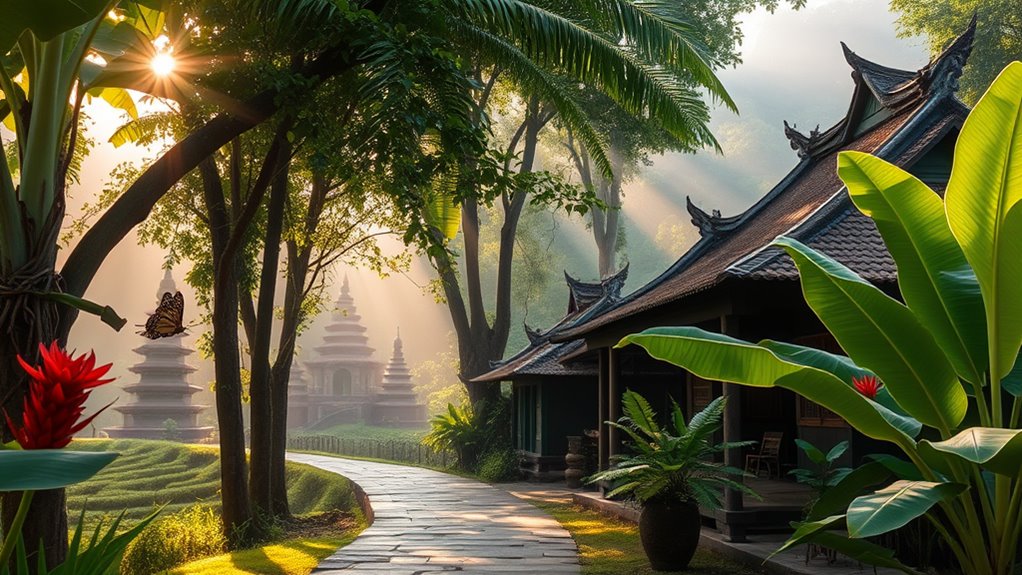
Nestled in China's southwestern Yunnan province, Xishuangbanna stands out as a tropical wonderland that'll make you forget you're in China. Unlike the dramatic landscapes of Tiger Leaping Gorge, this region feels more like a scene from a tropical movie, complete with pristine rainforests and unique wildlife.
You'll discover Asia's largest botanical garden, home to over 13,000 plant species, including rare orchids that'll take your breath away. At Elephant Valley, you can watch Asian elephants roam freely in their natural habitat, a rare sight in modern China. Visitors can participate in organic farming workshops while learning about local conservation efforts.
The local Dai villages offer a glimpse into authentic ethnic culture, where you can explore traditional stilt houses, admire intricate silver jewelry, and savor distinctive dishes like Dai rice noodles. This hidden paradise combines natural wonders with rich cultural experiences you won't find anywhere else in China. The Dai people are renowned for their mastery of aromatic herbs in traditional dishes like Ghost Chicken and Tuotuo Meat, adding unique flavors to the region's culinary landscape.
Rainbow Mountains of Zhangye Danxia

While Xishuangbanna captivates with its tropical charm, China's geological masterpiece awaits in the heart of Gansu Province. The Zhangye Danxia landforms, often called the floating mountains of China, will take your breath away with their striking rainbow-colored cliffs and palace-like formations.
When you visit this UNESCO World Heritage site, you'll discover a landscape that seems almost too beautiful to be real. The Binggou area especially stands out with its vibrant vertical rock formations that change colors throughout the day.
- Time your visit for sunset when the colors are most intense
- Explore the diverse landscapes, from grasslands to wetlands
- Visit multiple viewing platforms to capture different angles of these natural wonders
Engineering Marvel of the Hanging Temple
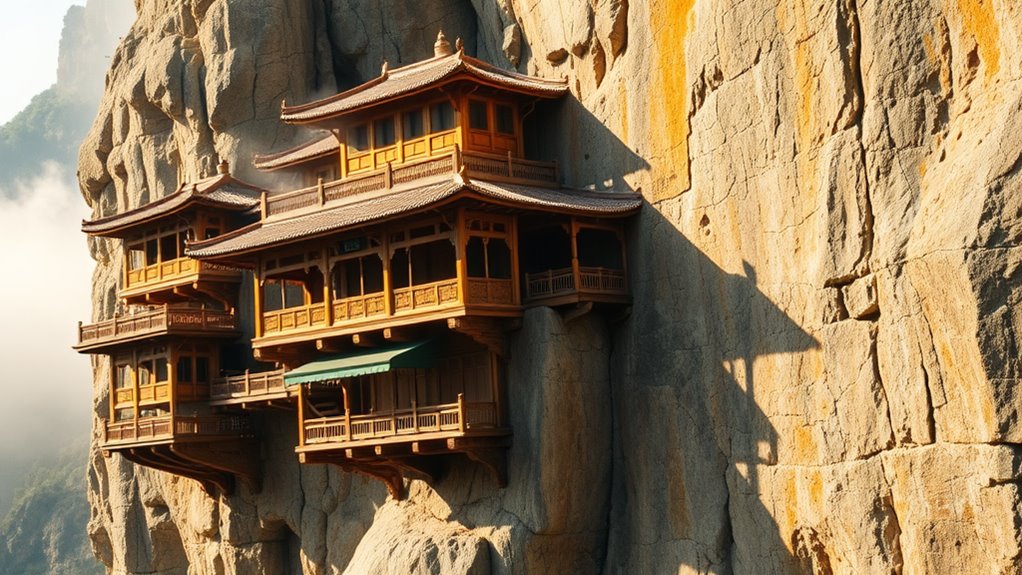
You'll be amazed by the Hanging Temple, an architectural wonder that brings together Buddhism, Taoism, and Confucianism under one gravity-defying roof since 491 CE. Perched precariously on a cliff face in Shanxi Province, this ancient temple's narrow walkways and multiple levels are supported by an ingenious system of wooden beams and pillars that seem to defy the laws of physics.
As you explore this mountain monastery's interconnected paths and attics, you'll experience firsthand why this remarkable structure has captured visitors' imaginations for over 1,500 years, though its precarious position has earned it a spot on Time magazine's list of endangered buildings.
Architectural Fusion of Faiths
Standing defiantly against a sheer cliff face, the remarkable Hanging Temple of Shanxi Province represents one of China's most daring architectural achievements. You'll discover an architectural fusion of faiths that brings together Buddhism, Taoism, and Confucianism in perfect harmony, showcasing the cultural sophistication of Han Chinese engineering.
As you explore this precarious wonder, you'll find:
- Multiple levels connected by narrow passageways that let you weave between different religious chambers
- Intricate wooden pillars that seem to defy gravity while supporting the entire structure
- Distinct architectural elements from three major belief systems, seamlessly blended into one unified design
The temple's unique combination of spiritual and structural elements makes it a must-see destination, offering you an unforgettable glimpse into China's rich religious heritage.
Defying Gravity Since 491
The engineering brilliance behind the Hanging Temple becomes even more astounding when you consider its age. As you explore this ancient city marvel that's been defying gravity since 491 AD, you'll witness how the Chinese people mastered the art of building on impossible terrain. The temple's intricate system of wooden pillars and beams creates a stunning feat of architectural ingenuity that'll take your breath away.
| Feature | Description | Visitor Experience |
|---|---|---|
| Support System | Slender wooden pillars | Thrilling vertical views |
| Religious Elements | Buddhism, Taoism, Confucianism | Multi-faith exploration |
| Construction | Cliff-side architecture | Narrow passageways |
| Historical Value | Built in 491 AD | Ancient engineering marvel |
When you visit the Hanging Temple, you'll find yourself walking through carefully designed pathways that connect different religious sections, offering a unique blend of spiritual and architectural wonder.
Mountain Monastery Experience
While perched precariously on the face of Mount Heng, the magnificent Hanging Temple invites you into a world of architectural wonder and spiritual harmony. Like something from mountains in the movie "Avatar," this engineering marvel offers great views that'll take your breath away. Though not yet a World Heritage site, it's certainly worthy of the recognition.
You'll discover an unforgettable experience as you explore this unique monastery, where three Chinese religions peacefully coexist. Here's what you can expect:
- Thrilling walks along wooden pathways that connect multiple temple halls
- Close-up views of the ingenious bracket system that's kept the temple standing for centuries
- A chance to see Buddhist, Taoist, and Confucian artwork all in one location
Don't miss the narrow corridors that wind between halls, offering stunning vistas of the surrounding cliffs.
Terraced Landscapes of Yuanyang
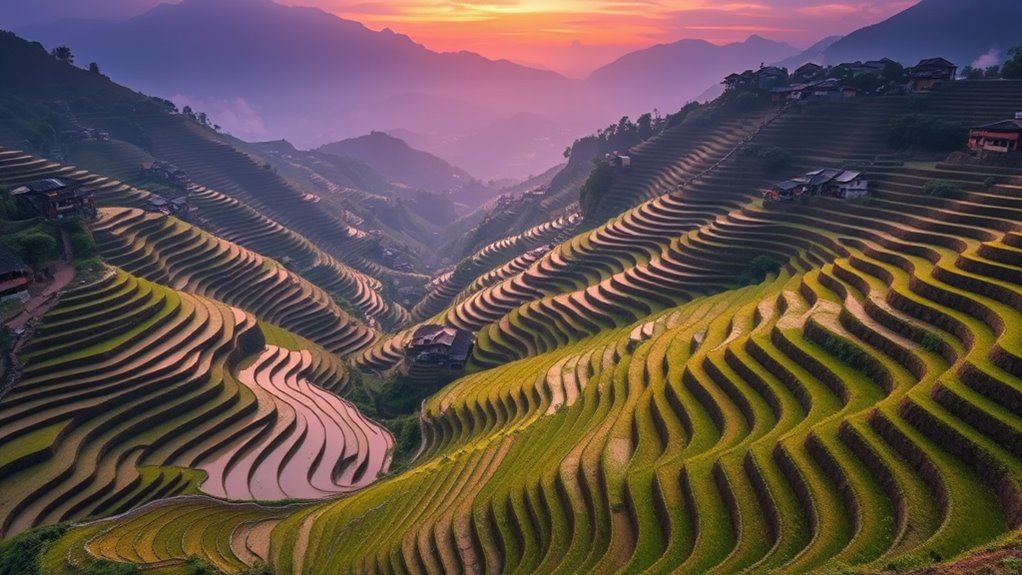
Nestled in China's Yunnan Province, the stunning Yuanyang rice terraces showcase one of humanity's most impressive agricultural achievements. You'll find yourself gazing in awe at over 1 million acres of terraced landscapes, carefully crafted by the Hani people across generations.
As you explore these UNESCO-recognized terraces, you'll discover charming mushroom-shaped houses dotting the mountainside, adding to the area's magical atmosphere. The best times to visit are during sunrise and sunset when the water-filled paddies transform into mirrors, reflecting the sky's ever-changing colors.
Don't miss the chance to immerse yourself in local culture while you're here. You can experience traditional Hani customs and watch skilled artisans create beautiful handicrafts, making your visit to these remarkable terraces even more memorable.
Porcelain Legacy of Jingdezhen
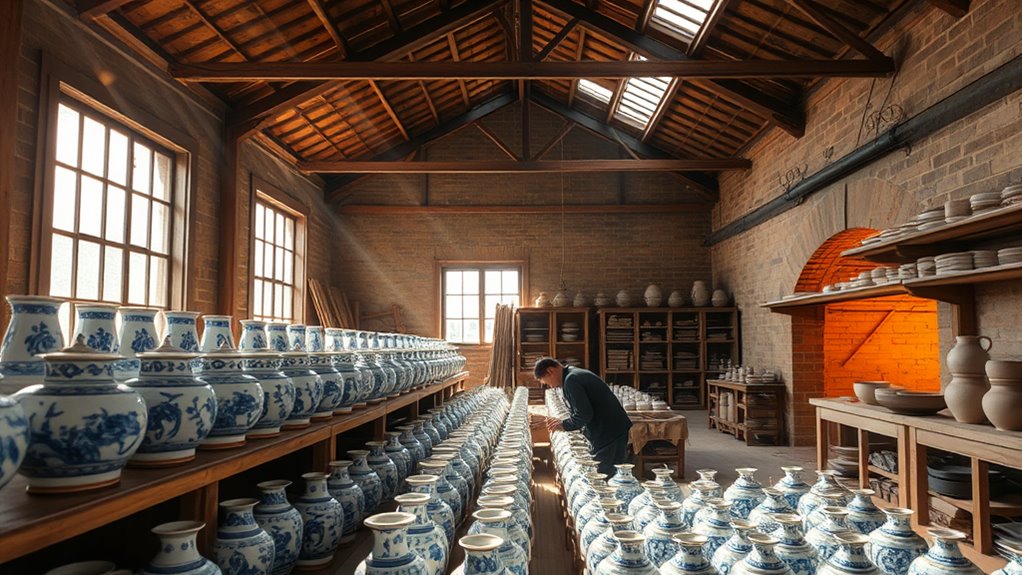
You'll step back in time at Jingdezhen's Ancient Kiln Folk Museum, where 1,700 years of porcelain-making history comes alive through fascinating exhibits and demonstrations.
At local workshops throughout the city, you can watch skilled artisans transform raw clay into stunning works of art using time-honored techniques passed down through generations.
Whether you're an art enthusiast or casual traveler, you'll be amazed by the bustling modern ceramics scene, where traditional craftsmanship meets contemporary design in this living museum of China's porcelain heritage.
Ancient Ceramic Production Methods
For more than 1,700 years, the city of Jingdezhen has stood as China's undisputed porcelain capital, where ancient ceramic traditions continue to thrive today. When you visit the city's historic workshops and ancient kilns, you'll discover how skilled artisans preserve time-honored ceramic production methods that have shaped China's artistic legacy.
At the Ancient Kiln Folk Museum in Jingdezhen, you'll witness the fascinating evolution of porcelain-making through the ages. Here's what you can experience:
- Watch master potters demonstrate traditional hand-throwing techniques passed down through generations
- Observe the intricate process of hand-painting delicate designs on ceramics
- See the impressive wood-firing kilns that create the city's renowned porcelain pieces
These traditional methods are still taught at the prestigious Jingdezhen Ceramic Institute, ensuring this ancient craft lives on for future generations.
Modern Porcelain Arts Scene
The artistic spirit of Jingdezhen continues to evolve as traditional porcelain craftsmanship meets contemporary innovation. You'll discover a vibrant community where ancient craft techniques blend seamlessly with modern artistic expression. At the annual Ceramic Fair, you can watch skilled artisans demonstrate their mastery while browsing unique contemporary porcelain pieces.
| Experience | What You'll See | Best Time to Visit |
|---|---|---|
| Studio Tours | Artists at work | Morning hours |
| Workshops | Hands-on pottery | Afternoon sessions |
| Gallery Visits | Modern exhibits | All day |
| Live Demos | Traditional techniques | Scheduled times |
| Markets | Artist vendors | Weekends |
The Ancient Kiln Folk Museum offers an interactive journey through porcelain arts history, where you'll see everything from centuries-old firing methods to cutting-edge electric kilns. Don't miss the chance to purchase distinctive pieces directly from the talented artists who call this creative hub home.
Museum and Workshop Tours
Stepping into Jingdezhen's Ancient Kiln Folk Museum opens a fascinating window into China's rich porcelain heritage. You'll discover centuries of craftsmanship through detailed exhibits that showcase the evolution of this treasured art form.
The museum's engaging displays help you understand why Jingdezhen earned its nickname as China's Porcelain Capital.
During your visit, you'll want to make the most of these enriching experiences:
- Watch skilled artisans demonstrate traditional porcelain-making techniques from clay preparation to glazing
- Tour local workshops where you can see modern craftsmen creating everything from delicate teacups to elaborate sculptures
- Visit the museum's collection of historic kilns that tell the story of how firing techniques have evolved over time
These hands-on experiences make Jingdezhen's porcelain legacy come alive before your eyes.
Sacred Peaks of Mount Huangshan
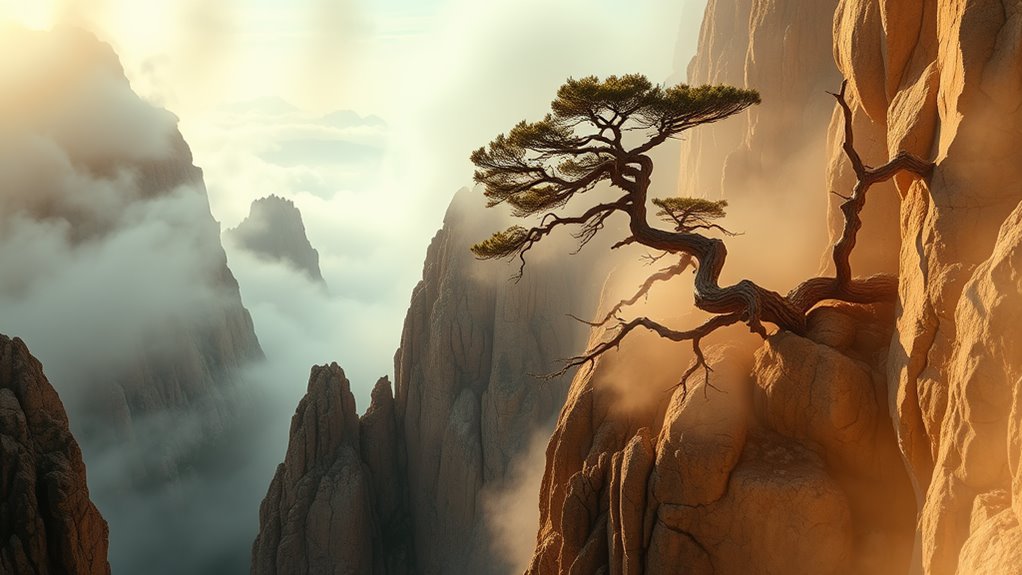
Rising majestically from the clouds in eastern China, Mount Huangshan beckons visitors with its dramatic granite peaks and mystical atmosphere. Unlike the old town below or distant Snow Mountain ranges, this sacred Taoist site has much more to offer with its 72 uniquely named summits and ancient pine trees that seem to dance in the mist.
You'll find getting to the top is easy thanks to the Yellow Mountain cableway, which brings you closer to heaven as you ascend through the sea of clouds. Don't miss watching the sunrise from Invigorating Terrace, where you'll witness the sky transform into a stunning array of colors. As you explore the winding trails, you'll understand why countless artists and poets have drawn inspiration from these peaks for centuries.
Natural Splendors of Jiuzhaigou Valley
Nestled in China's southwestern Sichuan province, Jiuzhaigou Valley unfolds like a pristine watercolor painting with its crystal-clear lakes and cascading waterfalls. This natural wonder captivates visitors with over 140 turquoise lakes and the stunning Nuorilang Falls, where water tumbles 308 feet down colorful rock formations.
You'll discover incredible biodiversity throughout the park, from rare giant pandas to golden monkeys and countless bird species.
To make the most of your visit to Jiuzhaigou Valley, follow these essential tips:
- Start your day early to avoid crowds and catch the morning light on the lakes
- Explore all three main areas: Shuzheng Lakes, Nuorilang Falls, and Long Lake
- Bring your camera to capture the snow-capped mountains and vibrant forest landscapes
Ancient Wisdom of Chengde's Imperial Retreat
Beyond the bustling streets of Beijing, you'll discover the remarkable Chengde Mountain Resort, where Qing dynasty emperors once escaped the summer heat in grand style. As you explore this UNESCO World Heritage site, you'll find yourself immersed in one of China's most fascinating Tourist Attractions, where Ming and Qing influences blend seamlessly.
| Must-See Spots | Best Time to Visit | Time Needed |
|---|---|---|
| Putuo Temple | Summer Months | 2-3 Hours |
| Lake Areas | Early Morning | 1-2 Hours |
| Garden Walks | Late Afternoon | 2 Hours |
The resort's 70 scenic spots showcase China's diverse landscapes, featuring serene lakes and intricate temples. You'll be amazed by the Putuo Zongcheng Temple, where Tibetan and Han Chinese architectural styles come together in perfect harmony, reflecting Chengde's role as a cultural melting pot during imperial times.
Winter Magic in Harbin's Ice Kingdom
When winter blankets northern China in pristine snow, Harbin transforms into a dazzling wonderland of ice and light that you'll never forget. This magical city hosts the world's largest ice and snow festival, where you'll discover incredible sculptures and a massive ice palace that glows with colorful lights against the night sky.
You'll find plenty of ways to embrace the winter magic in this -15°C wonderland:
- Glide across the frozen Songhua River on ice skates, surrounded by a unique blend of European and Chinese architecture
- Warm up with authentic Manchurian cuisine after watching cultural performances at Ice and Snow World
- Capture stunning photos of illuminated ice sculptures while enjoying sleigh rides through the festival grounds
The festival runs from late December through February, making it the perfect winter escape you won't want to miss.
Karst Majesty of Guilin and Yangshuo
Majestic limestone peaks rise dramatically from the mist-shrouded Li River, creating one of China's most spectacular natural landscapes in Guilin and Yangshuo. You'll be mesmerized by the stunning karst landscape as you cruise along the tranquil Li River, watching the towering formations reflect in the crystal-clear waters below.
In the charming town of Yangshuo, you can explore the breathtaking scenery at your own pace. Whether you're hiking through peaceful valleys, cycling along countryside paths, or trying your hand at rock climbing, there's an adventure waiting for you. Don't miss the chance to visit Xingping village, where you'll discover the iconic views that grace countless traditional Chinese paintings. After your explorations, treat yourself to local delicacies like beer fish and fresh bamboo shoots for an authentic taste of Guangxi culture.
Frequently Asked Questions
What Is the Hidden Gem in China?
You'll discover several amazing hidden gems in China that are worth exploring. Some standouts include Fenghuang Ancient Town, with its stunning wooden houses built on stilts along the river, and the less-visited Gubeikou Gateway section of the Great Wall.
Don't miss Kanas Lake's turquoise waters in Xinjiang, or the rainbow-colored mountains of Zhangye Danxia in Gansu. These spots offer unique experiences away from typical tourist crowds.
What Is the Most Mystical Place in China?
You'll find the Hanging Temple in Shanxi Province to be China's most mystical place. This 1,500-year-old temple defies gravity as it clings to a steep cliff face, combining Buddhist, Taoist, and Confucian elements in its unique design.
When you visit, you'll be amazed by the wooden structures that seem to float in mid-air, supported by thin-looking beams. It's an architectural wonder that'll make you question the laws of physics.
What Are the 4 Wonders of China?
Want to experience China's most awe-inspiring sights? You'll find four incredible wonders that'll take your breath away.
First, there's the Great Wall of China, stretching over 13,000 miles across the north.
You can't miss the Terracotta Army near Xi'an, with its life-sized warriors frozen in time.
The majestic Forbidden City in Beijing shows off imperial grandeur, while the Li River offers stunning views of karst mountains and peaceful waters.
What Is the Number One Tourist Destination in China?
The Great Wall of China is undoubtedly certainly China's number one tourist destination, welcoming over 10 million visitors each year. You'll find the most popular sections at Badaling and Mutianyu, where you can enjoy well-maintained paths and modern facilities.
If you're looking for a more authentic experience, you might want to explore the less crowded sections like Jinshanling or Gubeikou. No matter which part you choose, you'll be amazed by this architectural marvel.
Conclusion
You've just glimpsed China's hidden treasures, where ancient wisdom meets untamed wilderness. From the mist-shrouded peaks of Changbai to the weathered walls of Fujian's tulous, these off-path wonders are waiting for your footsteps. Pack your sense of adventure and an open mind – you'll find stories etched in stone, cultures preserved in time, and landscapes that'll take your breath away. China's secret places aren't just destinations; they're gateways to unforgettable experiences.
More on China Destinations:
Planning a trip to China?
Check out our China Travel Hub for more guides, including China Digital Survival Guide.

Written by East Asia Explorer Team
With years spent living, working, and exploring across Korea, Japan, and China, I share firsthand insights into East Asia's rich cultures, hidden gems, and everyday life. My journey also includes studying in Malaysia and traveling through Southeast Asia, experiences that have deepened my appreciation for the region's diversity. Through practical tips, local stories, and travel guides, I aim to help fellow explorers discover both the celebrated highlights and the lesser-known corners of East Asia.