Last Updated: September 12, 2026 | Originally Published: July 16, 2026
Quick Answer: Hiroshima Day Trip Essentials
- Osaka (Shin-Osaka) to Hiroshima: 1h30m by Shinkansen, from ¥9,890 one-way
- Kyoto to Hiroshima: 1h40–2h by Shinkansen, from ¥10,770 one-way — JR Pass (Sakura/Hikari) covers both
- Peace Memorial Museum: ¥200 adults, open 7:30am — arrive by 8:30am to skip queues
- Hiroshima Castle is closed through 2026 for renovation — skip it, use the time at the museum
Most Hiroshima day-trip guides were written before March 2026.
They send you to Hiroshima Castle (currently boarded up for renovation), suggest you can do both the Peace Memorial Museum and Miyajima Island in six hours (you can’t, not properly), and skip over the practical detail of which Shinkansen trains your JR Pass actually covers.
This guide is the one you read first — before you book anything.
—
Getting There: Osaka vs Kyoto as Your Base
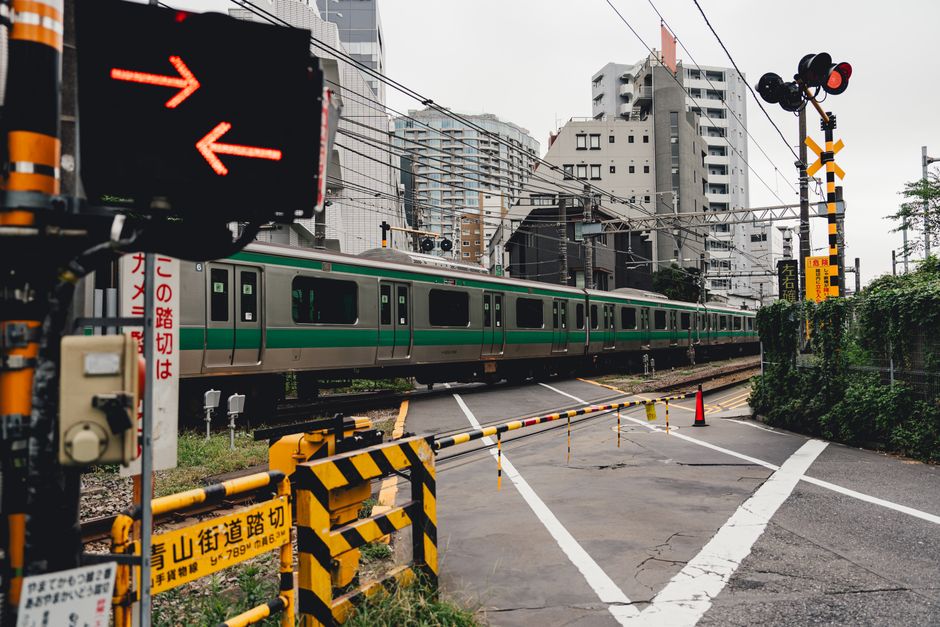
Both work. The question is how much of your day you want to spend on the train.
From Shin-Osaka Station, a Sakura or Hikari Shinkansen reaches Hiroshima in about 1 hour 30 minutes. A one-way reserved seat runs ¥10,420; non-reserved is ¥9,890. Prices as of 2026 — verify before booking.
From Kyoto Station, add roughly 15–20 minutes. Sakura and Hikari services run the route in 1h45m–2h. A reserved seat one-way costs around ¥12,000; non-reserved ¥10,770.
💡 Pro Tip: Sakura and Hikari Are Your JR Pass Trains
The faster Nozomi and Mizuho services are not covered by the national JR Pass — you’ll pay a supplement. Stick to Sakura or Hikari. From Osaka, the Sakura runs roughly every 30 minutes. Check JR West’s live timetable the night before and screenshot your departure times.
What time should you leave?
Target arrival at Hiroshima Station by 9:00am at the latest. That means leaving Osaka around 7:20–7:30am, or Kyoto around 7:00–7:10am.
Leaving later than 9:30am compresses your museum time and forces you to choose: either rush the Peace Memorial Museum or abandon Miyajima entirely.
Booking your seat
JR Pass holders can reserve seats at the Midori-no-Madoguchi (JR Green Window) inside any major station. Do this the day before — seat availability shrinks fast in spring and autumn. Non-reserved seats are fine but limit you to the first 3–4 carriages, which fill up on busy mornings.
—
The Peace Memorial Museum: How to Visit Without Rushing It
The Peace Memorial Museum charges just ¥200 for adults — one of the most underpriced admissions in Japan. High schoolers pay ¥100; under-15 enter free. Budget at least 1.5–2.5 hours, not the 45 minutes many day-trip schedules suggest.
The museum opens at 7:30am from March through November. If you arrive at 8:30am on a weekday, you’ll have the first exhibits nearly to yourself.
By 10am, queues regularly hit 45 minutes or more during cherry blossom season (March–April) and Golden Week (late April to early May). Pre-booking online is worth it during these windows.
⚠️ Warning: The Museum Is Emotionally Intense
The exhibits include survivor testimonies, burned clothing, and graphic documentation of the 1945 bombing. This is not a casual stop. Plan it as the emotional core of your day, not something to squeeze in before lunch. Parents with young children should preview the content before deciding.
Get the audio guide
The audio guide costs ¥400 and is genuinely worth it. I found the recorded survivor testimonies — tied to specific display cases — gave context that wall text alone couldn’t. Pick one up at the East Building entrance counter.
The Rest House: the free stop most guides skip
Right on Peace Memorial Park, the Rest House is a renovated 1929 building that survived the blast. The basement level has a free exhibition covering the building’s history and the story of the one person inside who survived.
It takes 20–25 minutes and adds real depth to the park visit at zero cost.
💡 Pro Tip: Do the Park Walk After the Museum, Not Before
The Atomic Bomb Dome (A-Bomb Dome, or Genbaku Dome) is a 5-minute walk from the museum entrance. Many guides suggest walking past it first. Do the museum first — the emotional weight of what you just saw transforms how you experience the dome outdoors. Reverse order flattens the impact.
What about Hiroshima Castle?
Skip it for now. Hiroshima Castle has been closed since March 2026 for major structural renovation. The castle grounds and outer garden are still accessible, but the main tower is boarded up. Guides written before 2026 won’t mention this — add 1.5 hours back to your day.
—
Should You Add Miyajima Island?
The honest answer: only if you leave the museum by 1:00pm at the latest, and only if you’ve accepted that you’ll see Miyajima in 2–3 hours, not thoroughly.
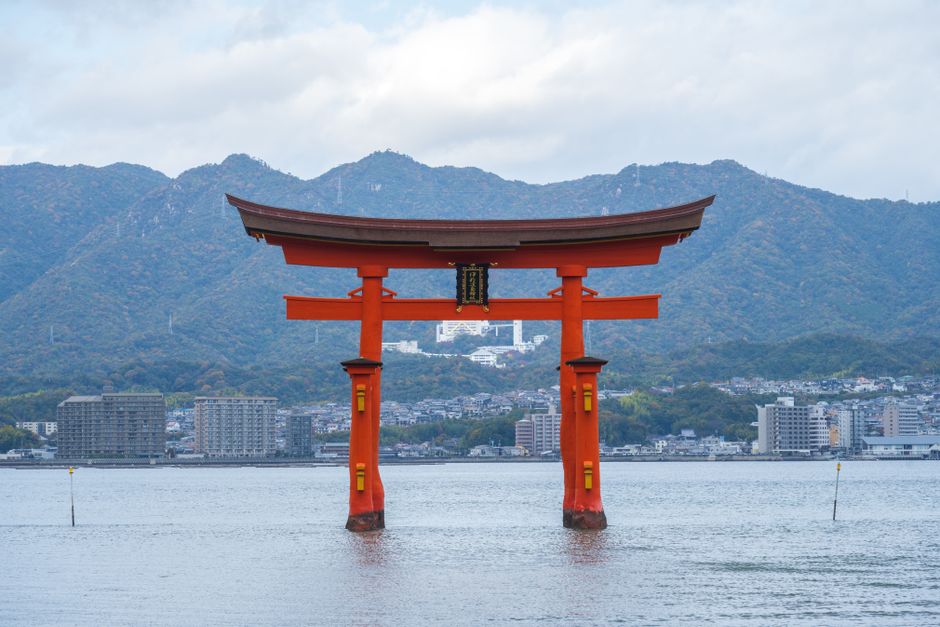
Miyajima (Itsukushima Island) sits a 25-minute tram ride plus 10-minute ferry from central Hiroshima. The floating Torii Gate at Itsukushima Shrine is one of Japan’s most photographed spots — and it looks completely different depending on the tide.
Getting there and the costs
| Leg | Transport | Time | Cost |
|---|---|---|---|
| Hiroshima Station → Miyajimaguchi | JR Sanyo Line | 25 min | ¥420 (JR Pass: free) |
| Miyajimaguchi → Miyajima | JR Miyajima Ferry | 10 min | ¥200 one-way (JR Pass: free) + ¥100 visitor tax |
| Itsukushima Shrine admission | — | — | ¥300 adults / ¥150 children |
| Return ferry + train | JR Ferry + Sanyo Line | 35 min | Same as above |
JR Pass holders ride the JR Miyajima Ferry free (the ferry run by West Japan Railway). The separate Matsudai Kisen ferry is not JR Pass-eligible. Both depart from the same pier — look for the JR signage.
The tide problem most guides ignore
At high tide, the Torii Gate appears to float on the sea — the famous shot. At low tide, it stands on mudflats. Neither is “wrong,” but knowing which you’ll get matters for photography.
Check the tide table at gethiroshima.com/museums-attractions/miyajima-tide-times the night before your visit. Plan to arrive on Miyajima about 1.5–2 hours before high tide for the best floating-gate conditions.
💡 Pro Tip: The Deer Won’t Eat From Your Hand — But They Will Eat Your Map
About 500 wild deer roam Miyajima freely. Feeding them has been illegal since 2008. They’ve adapted by targeting paper — tourist maps, shopping bags, and ticket stubs are all fair game. Keep anything paper tucked away. The deer look peaceful right up until the moment they don’t.
—
The Real Tradeoff: Museum + City vs. Museum + Miyajima
This is the decision most Hiroshima guides avoid making clearly. Here’s the actual tradeoff:
“I tried to do the full museum, the park walk, and Miyajima in one day on my first visit. I left Miyajima in the dark at 7pm, missed the last good light, and felt like I’d done neither place justice. The second trip I did city-only. That’s the visit I actually remember.”
— a common experience among repeat Hiroshima visitors
Do city-only if: this is your first visit, you want to spend 2+ real hours at the museum, or you’re leaving Hiroshima after 5pm.
Add Miyajima if: you’ve done the museum before, you’re comfortable leaving by 1pm, and you’ve checked the tide table.
—
Practical Logistics: Getting Around Hiroshima City
Hiroshima has a tram (streetcar) network that connects the station to the Peace Memorial Park in about 15 minutes. One-way fare is ¥180. A day pass costs ¥700 and covers unlimited tram rides including the line to Miyajimaguchi — worthwhile if you’re adding Miyajima.
Trams run frequently (every 5–10 minutes on main lines) and are easy to navigate. Take Line 2 or 6 from Hiroshima Station toward Hiroshima Port; stop at Genbaku-dome-mae (A-Bomb Dome mae) for the Peace Memorial Park.
When to head back
Shinkansen from Hiroshima to Osaka/Kyoto run until around 10pm, so you have flexibility. That said, if you’re day-tripping and want to eat dinner back at your base, leave Hiroshima Station by 7:00–7:30pm.
Reservation tip: grab your return seat in the morning before you leave Hiroshima Station. Walk up to any Midori-no-Madoguchi window — it takes 5 minutes and eliminates the stress of hunting for seats after a full day on your feet.
🔵 Key Takeaway: Hiroshima Day Trip Summary
- Leave Osaka by 7:30am or Kyoto by 7:10am — target Hiroshima arrival by 9:00am
- Take Sakura or Hikari (JR Pass-eligible), not Nozomi
- Peace Memorial Museum: arrive 8:30am, budget 2 hours, get the audio guide (¥400)
- Hiroshima Castle is closed for renovation through 2026 — remove from your plan
- Miyajima: check tide tables the night before; only add if you leave the museum by 1pm
- Reserve your return Shinkansen seat before leaving Hiroshima Station in the morning
—
FAQ: Hiroshima Day Trip Questions
Is one day enough for Hiroshima?
One full day is enough to visit the Peace Memorial Museum, walk the Peace Memorial Park, see the A-Bomb Dome, and have lunch in the city. Adding Miyajima Island requires a second day or cutting the museum visit short — most first-time visitors regret rushing the museum.
Do I need the JR Pass for this trip?
Not necessarily. The Kansai-Hiroshima Area Pass (¥17,000 for 5 days as of 2026) covers Osaka and Kyoto to Hiroshima round-trip on Sakura/Hikari, plus the JR Miyajima Ferry. If you’re not planning other JR routes, this pass often breaks even over just the round-trip shinkansen cost.
Can I do Hiroshima and Kyoto in the same day?
Only in the loosest sense. Hiroshima is a full day — if you’re splitting between two cities, you’re surface-skimming both. Better to base yourself in Kyoto or Osaka and dedicate a full day to Hiroshima.
Is the Hiroshima Peace Memorial Museum worth visiting?
At ¥200 it’s one of the most important — and most underpriced — museums in Japan. The experience is difficult and should be. Plan for it to be the emotional centerpiece of your day, not a checkbox.
What’s the best season to visit Hiroshima?
Spring (March–May) and autumn (October–November) offer the best weather and are popular. The trade-off: crowds at the museum peak in spring, especially during cherry blossom season. Autumn tends to be slightly less crowded with better afternoon light for Peace Memorial Park walks.
Last updated: May 2026. Transport fares, museum hours, and attraction status verified as of this date — confirm details before travel as conditions may change.
Frequently Asked Questions
Is Hiroshima doable as a day trip from Osaka or Kyoto?
Yes, but it is a long day. The Shinkansen from Shin-Osaka to Hiroshima takes about 1.5 hours each way. Budget 3 hours of transit total.
With a 7 AM departure and 8 PM return, you get roughly 8-9 hours in Hiroshima — enough for the Peace Park, museum, and okonomiyaki lunch.
How much does the Shinkansen to Hiroshima cost?
Unreserved seat: roughly 10,200 yen one-way from Shin-Osaka. Reserved: around 11,000 yen. Round trip: 20,000-22,000 yen. The JR Pass (if you have one active) covers the Sanyo Shinkansen including the Nozomi on some passes as of 2026. Confirm pass coverage before buying separate tickets.
What time should I start to make the most of a Hiroshima day trip?
Depart by 7:00 or 7:30 AM. Catch the first or second Nozomi from Shin-Osaka or Kyoto. Arrive Hiroshima Station by 9:00 AM. The Peace Memorial Museum opens at 8:30 (until 18:00, later in summer). This gives you the full day without rushing.
Is one day enough for the Hiroshima Peace Memorial Museum?
Yes. Budget 2-3 hours for the main building and the East Building. The exhibits are dense and emotionally demanding — most visitors find 2 hours sufficient before needing air and quiet. The Peace Park grounds and the A-Bomb Dome are outdoor sites with no time limit.
What should I eat in Hiroshima on a day trip?
Hiroshima-style okonomiyaki. Unlike Osaka’s mixed-together version, Hiroshima okonomiyaki is layered — batter, cabbage, noodles (soba or udon), pork, egg — cooked in stages on a teppan grill. Okonomimura (Okonomiyaki Village) is a building near Hatchobori with 20+ stalls on multiple floors. A single okonomiyaki runs 800-1,200 yen.
Go at 11:00 to avoid the lunch queue.
Can I visit Miyajima on the same day as Hiroshima?
Technically yes, but you will be exhausted. The ferry from Hiroshima Peace Park to Miyajima takes about 45 minutes. Add 2 hours for the Itsukushima Shrine and floating torii gate. Combined itinerary: 7 AM Hiroshima, 11 AM Peace Museum, 2 PM ferry to Miyajima, 5 PM return.
It works but you will be moving constantly. Most people prefer separate days.
More on Japan Destinations:
Planning a trip to Japan?
Check out our Japan Travel Hub for more guides, including JR Pass Guide 2026.

Written by East Asia Explorer Editorial Team
Sam Konneh is an AI strategist and digital marketer based in Seoul, South Korea. With years spent living, working, and exploring across Korea, Japan, and China, he shares firsthand insights into East Asia's cultures, hidden gems, and everyday life. A graduate of Inha University and KDI Graduate School, Sam combines data-driven expertise with on-the-ground experience. His journey also includes studying in Malaysia and traveling through Southeast Asia. Through practical tips, local stories, and travel guides, he helps fellow explorers discover both the celebrated highlights and the lesser-known corners of East Asia.