Last Updated: October 18, 2026 | Originally Published: July 16, 2026
Japan SIM vs eSIM vs Pocket WiFi 2026: Airalo, Sakura Mobile, Holafly & Ubigi Compared
Quick Answer: how to get online in Japan
- Easiest for one phone: An Airalo or Ubigi eSIM — scan a QR code before you land, no airport queue.
- Best for families or a laptop: A pocket WiFi from Japan Wireless or Ninja WiFi, shared across up to 5 devices.
- If you need a Japanese phone number: A Sakura Mobile or Mobal voice SIM — most tourist data plans give data only.
- Where to buy: Pre-book online (Klook, the eSIM apps) or grab a SIM vending machine / pocket WiFi counter at Narita, Haneda, or Kansai airport.
Japan runs on three carrier networks, sells data-only tourist plans by the gigabyte, and hides one detail most guides skip: a standard tourist SIM will not give you a Japanese phone number.
An Airalo (or similar) eSIM installed over Wi-Fi before departure is active as soon as you land at Haneda, so Google Maps works before you reach the Keikyu line platform.
We earn a commission if you book through links on this page, at no extra cost to you. See our affiliate disclosure.
Get an Airalo eSIM Here is how the eSIM, physical SIM, and pocket WiFi options actually compare in 2026.
What are your three options for mobile data in Japan?
There are three realistic ways to get online: an eSIM, a physical SIM card, or a rented pocket WiFi device. Each suits a different traveler.
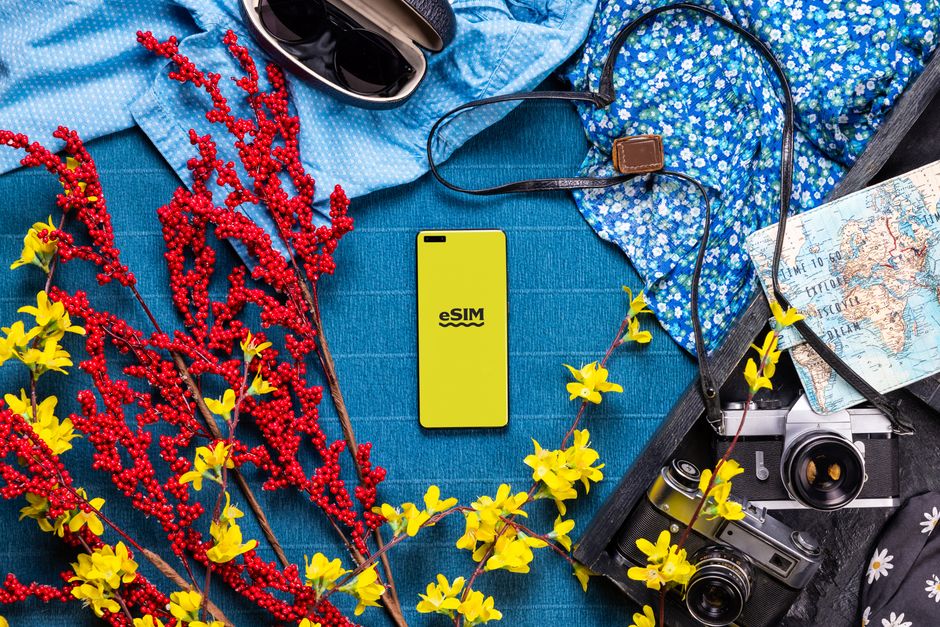
An eSIM is a digital data plan you install by QR code. Apps like Airalo, Ubigi, Holafly, and Nomad sell Japan plans you switch on the moment you land, with your home number still active for texts.
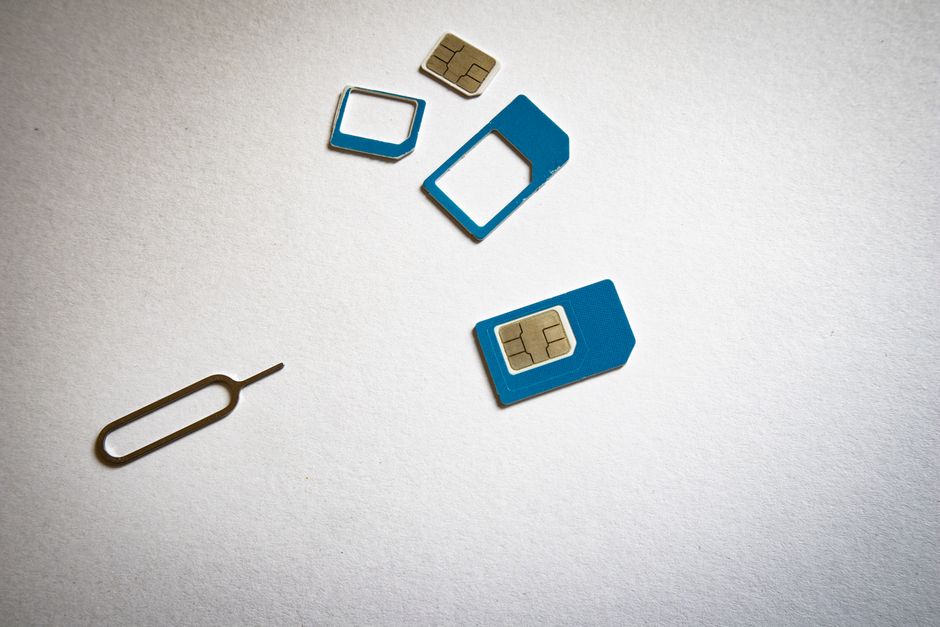
A physical SIM is the old-school card you slot in. In Japan these are almost always data-only, sold by data allowance, and aimed at unlocked phones that lack eSIM support.
A pocket WiFi is a pocket-sized router you rent for the trip. One device shares a connection across several phones, tablets, and laptops, which is why families and remote workers still choose it.

Should you choose an eSIM for Japan in 2026?
For a solo traveler with a recent phone, an eSIM is the simplest choice. You buy it online, install the profile over Wi-Fi, and arrive already connected.
Airalo is the volume leader and carries strong App Store and Trustpilot ratings. Ubigi is the data-quality favorite and runs natively on NTT Docomo and SoftBank, which helps outside the big cities.
The catch is compatibility. Your phone must be unlocked and eSIM-capable — most iPhones since the XS and recent Pixel and Galaxy models qualify, but a carrier-locked handset will not.
Japan eSIMs are data-only. They keep your home SIM live for calls and texts, but they do not hand you a Japanese number for restaurant bookings or pickup-point calls.
Pro Tip: Install the eSIM profile at home, but leave it switched off until you land. Airalo and Ubigi plans usually start their clock on first network connection, not on install — so you do not burn day one sitting on your own Wi-Fi.
When does a pocket WiFi beat an eSIM?
A pocket WiFi wins the moment more than one person needs data. Rent one device and the whole family or group shares it, instead of buying an eSIM per phone.
Japan Wireless, Ninja WiFi, and Sakura Mobile all rent routers with large or unlimited daily data, picked up at the airport or mailed to your hotel. For two adults and a couple of devices, the per-person cost often undercuts buying separate eSIMs.
It is also the better pick if you travel with a laptop. Tethering a work machine all day is exactly where a dedicated router earns its keep.
Warning: A pocket WiFi is one more thing to carry and charge. Battery life runs roughly 8 to 10 hours, so a long sightseeing day can leave you offline by dinner — pack a power bank. You must also return the device, usually by dropping it in a prepaid airport postbox before you fly home, or you get charged for it.

How do you get a Japanese phone number as a tourist?
You need a voice SIM, and only a few providers sell one to short-term visitors. Most tourist data plans, physical or eSIM, give you data with no callable number.
Sakura Mobile and Mobal are the two names built for this. Both offer prepaid voice-and-data SIMs aimed at tourists and short-stay residents, with English support and a real Japanese number.
A number matters more than travelers expect. Some restaurant reservations, ryokan confirmations, and pocket WiFi or rental-car pickups ask for a Japanese phone you can be reached on.
Key fact: Japan’s identity rules make voice SIMs harder to issue than data SIMs, which is why nearly every airport vending-machine SIM is data-only. If a callable Japanese number matters for your trip, arrange a Sakura Mobile or Mobal voice plan before you go rather than hoping to find one on arrival.
How much does mobile data cost in Japan in 2026?
Costs split by how you buy. eSIMs are priced by data tier, pocket WiFi by day, and voice SIMs carry a premium for the number.
As a rough 2026 guide, a mid-size Japan eSIM (around 10–20 GB) runs lower per day than a pocket WiFi for a single user, while a pocket WiFi gets cheaper per person as you add devices. Treat the figures below as ballpark and confirm live prices before you pay.
| Option | Best for | Japanese number? | Setup & catch |
|---|---|---|---|
| Airalo eSIM | Solo, short city trips | No (data only) | Self-install QR; needs eSIM phone |
| Ubigi eSIM | Data quality, rural coverage | No (data only) | Native Docomo/SoftBank; eSIM phone only |
| Holafly unlimited eSIM | Heavy streamers | No (data only) | Unlimited with a fair-use speed cap |
| Pocket WiFi (Japan Wireless / Ninja WiFi) | Families, groups, laptops | No | Shares up to ~5 devices; charge & return it |
| Sakura Mobile / Mobal voice SIM | Anyone needing a number | Yes | English support; costs more than data-only |
Where do you buy data at Narita, Haneda, and Kansai airports?
You have three routes, and they suit different travelers. The right one depends on whether you sorted connectivity before you flew.
Pre-booked online. Buy an eSIM from Airalo or Ubigi, or reserve a pocket WiFi through Klook or the rental provider, before departure. You land connected or collect the router from an airport counter with your name on it — the least stressful option.
Per the Japan National Tourism Organization, major gateways including Narita (NRT), Haneda (HND), and Kansai (KIX) offer prepaid SIM vending machines and pocket WiFi rental desks in their arrivals halls. These are the on-arrival backup if you did not pre-book.
At the airport counter or vending machine. Handy if you forgot to plan, but you queue after a long flight and the data-only vending SIMs rarely offer a phone number. Bring your passport.
The Japan National Tourism Organization notes that free public Wi-Fi is widely available at airports, train stations, convenience stores, and tourist information centers, and points visitors to the “Japan. Free Wi-Fi” connection service as a way to get online on arrival before buying a longer-term data plan.
Mistakes that cost Japan travelers data and money
A handful of avoidable errors come up again and again. Each one is easy to dodge with a little planning.
Assuming a tourist SIM gives you a Japanese number. Almost all are data-only — if you need to be called, line up a Sakura Mobile or Mobal voice plan in advance.
Buying an eSIM on a locked or non-eSIM phone. Confirm both before you pay, because an activated app-store eSIM is non-refundable.
Renting a pocket WiFi for a solo trip. For one phone it is more to carry and charge than an eSIM, with no real upside until you add a second device.
Forgetting to return the pocket WiFi. Drop it in the prepaid airport postbox before you clear security on the way out, or you pay a non-return fee.
Key Takeaway
For most 2026 trips: solo travelers want an Airalo or Ubigi eSIM and should land already connected; families and laptop users get better value from a Japan Wireless or Ninja WiFi pocket router; and anyone who needs a callable Japanese number should arrange a Sakura Mobile or Mobal voice SIM before departure. Check eSIM compatibility before you pay, and never assume a data SIM includes a phone number.
Frequently asked questions
Do Japan tourist SIM cards come with a phone number?
Usually no. The vast majority of tourist SIMs and eSIMs in Japan are data-only, because voice plans face stricter identity rules. If you need a callable Japanese number, choose a Sakura Mobile or Mobal voice SIM instead.
Is an eSIM or a pocket WiFi better for Japan?
An eSIM is better for a single traveler who wants instant setup and no device to carry. A pocket WiFi is better for families, groups, or anyone tethering a laptop, since one router shares data across several devices.
Will my phone work with a Japan eSIM?
Only if it is unlocked and eSIM-capable. Most iPhones from the XS onward and recent Pixel and Galaxy models support eSIM, but a carrier-locked phone will not accept one. Confirm both before buying, as activated eSIMs are non-refundable.
Can I rely on free Wi-Fi in Japan instead of buying data?
Free Wi-Fi covers airports, stations, convenience stores, and tourist centers, and the “Japan. Free Wi-Fi” service helps you connect on arrival. It is fine for quick messaging, but unreliable for live navigation on the move, so most visitors still buy data.
Which carrier network has the best coverage in rural Japan?
NTT Docomo is generally regarded as having the broadest rural reach, with SoftBank and au strong in cities. Ubigi runs natively on Docomo and SoftBank, which is why it tends to hold up better than roaming eSIMs outside the main corridors.
Last updated: 2026-05-28
More on Japan Destinations:
Planning a trip to Japan?
Check out our Japan Travel Hub for more guides, including JR Pass Guide 2026.

Written by East Asia Explorer Editorial Team
Sam Konneh is an AI strategist and digital marketer based in Seoul, South Korea. With years spent living, working, and exploring across Korea, Japan, and China, he shares firsthand insights into East Asia's cultures, hidden gems, and everyday life. A graduate of Inha University and KDI Graduate School, Sam combines data-driven expertise with on-the-ground experience. His journey also includes studying in Malaysia and traveling through Southeast Asia. Through practical tips, local stories, and travel guides, he helps fellow explorers discover both the celebrated highlights and the lesser-known corners of East Asia.