Last Updated: July 14, 2026 | Originally Published: July 6, 2026
- Gangnam Underground Shopping is a budget fashion and cosmetics arcade built into the corridors of Seoul’s busiest subway station. It is free to enter and a better deal than most above-ground stores.
- Take Line 2 or Shinbundang Line to Gangnam Station. The underground mall runs between exits—you do not even need to go above ground.
- Most shops open 10:00–22:00 daily. Expect clothing from 5,000–30,000 KRW, cosmetics at drugstore prices, and accessories from about 3,000 KRW.
- The ace move: shop here for outfits, then walk to K-Star Road (15 min) to pose with the GangnamDol K-pop bear statues in your new haul.
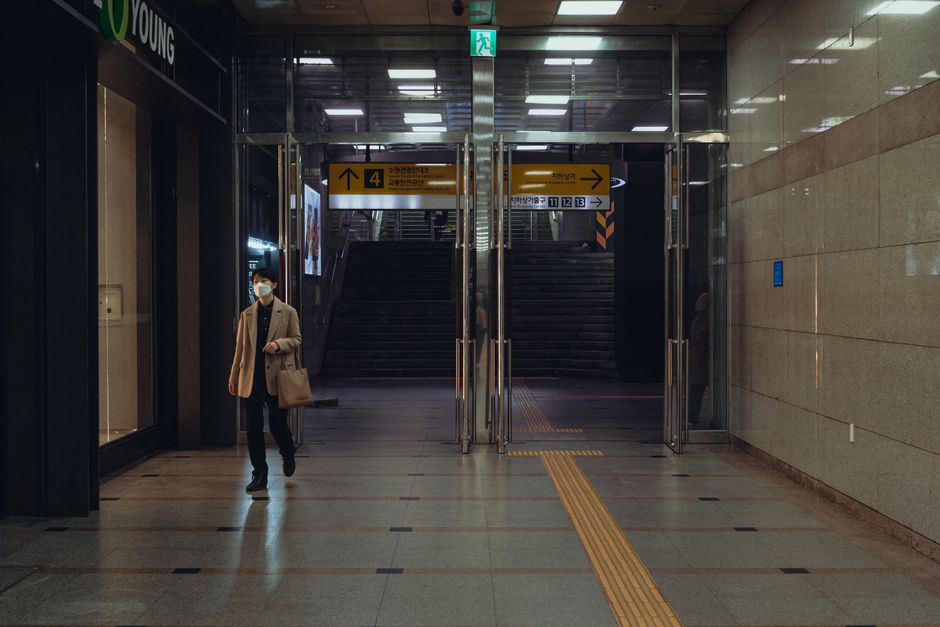
Gangnam Station’s underground is less a mall and more a city beneath a city. Over 100,000 people pass through daily, and between the ticket gates and the exits sit roughly 200 small shops selling clothes, bags, makeup and phone cases at prices that feel wrong for a district famous for wealth.
I once walked in for a phone charger and left with three jackets, a sheet mask set and a simmering resentment toward my own budgeting skills. This place rewards impulse in a way that is frankly irresponsible.
What to buy and where
Can’t browse Gangnam’s aisles in person — or want to stock up before you fly home? Shop authentic K-beauty at K-Beauty Content, shipped direct from Korea.
Women’s fashion dominates the western corridor between Exits 4 and 7. Dresses, blouses, and seasonal outerwear run 10,000–30,000 KRW. Quality is fast-fashion level but the styles are current Korean trends, not last season’s cast-offs.
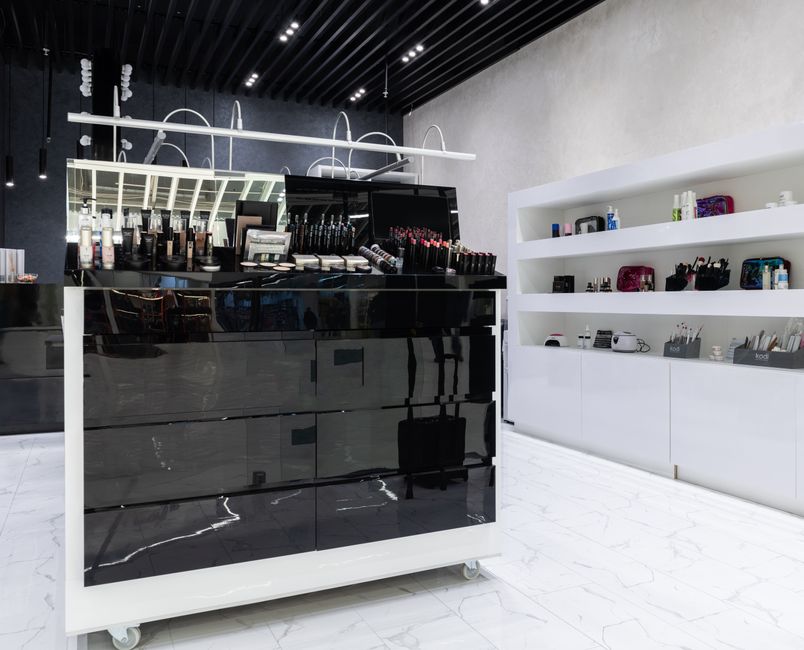
Cosmetics and skincare cluster near Exits 8–10. You will find brands like Innisfree, Etude House, and The Face Shop alongside smaller indie Korean beauty stalls. Sheet masks in bulk (10+1 deals are standard) and cushion foundations are the sweet spot.
Accessories and bags line the central stretch. Phone cases from 3,000 KRW, jewellery from 5,000 KRW, and surprisingly good leather-look bags from 15,000 KRW. Socks—printed with everything from cats to kimchi—are a genuine Korean souvenir at 1,000 KRW a pair.
Shoes require caution. Sizing runs small and quality varies wildly. Try everything on. If the price seems too good for leather (under 20,000 KRW), it is not leather.
Gangnam Underground at a glance
| Detail | Info |
|---|---|
| Cost to enter | Free |
| Typical hours | ~10:00–22:00 (some shops close earlier Sundays) |
| Price range | 3,000–50,000 KRW (most items under 30,000) |
| Subway | Line 2 / Shinbundang Line, Gangnam Station |
| Best for | Budget fashion, Korean cosmetics, accessories, souvenirs |
“Gangnam Station is the busiest subway station in Seoul, with over 110,000 people boarding and alighting daily—and the underground shopping arcade is one of the largest and most popular in the city.”
How to get there
| Subway line | Station & exit | What you reach |
|---|---|---|
| Line 2 (green) | Gangnam, any exit | Underground mall (direct connection) |
| Shinbundang Line (red) | Gangnam, any exit | Same underground corridors |
| Line 9 (gold) | Sinnonhyeon, Exit 5 | Connects to Gangnam Boulevard above ground (~7 min walk to station) |
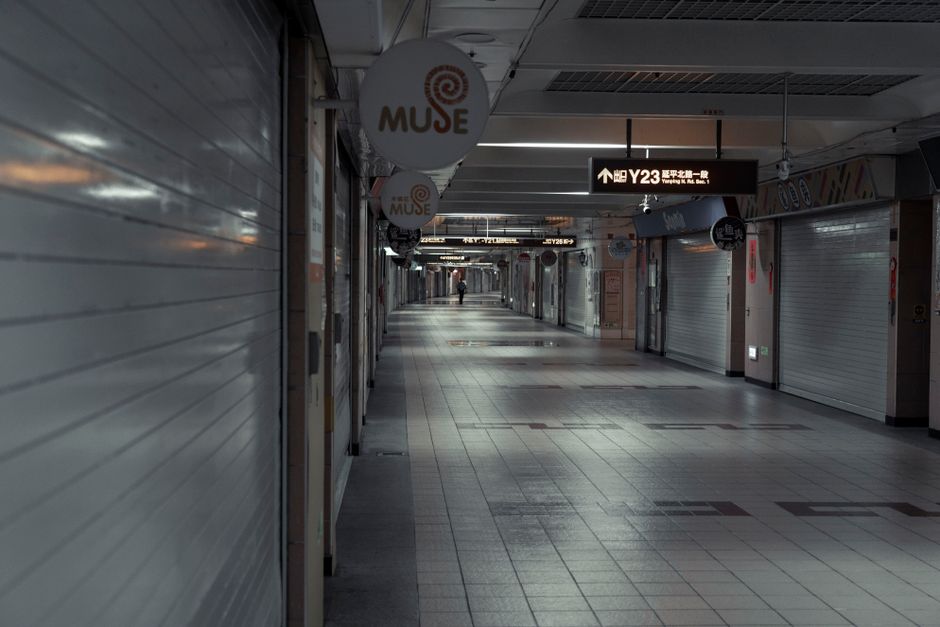
The mall stretches between Gangnam Station’s exits, roughly from Exit 1 near Kukkiwon (World Taekwondo Headquarters) through to Exit 12. You can walk the whole thing underground in about 15 minutes without stopping. You will stop.
Best time to visit
Weekday afternoons (14:00–17:00) offer the best balance of open shops and manageable crowds. The morning commute crush clears by 10:00, and the after-work swarm does not hit until 18:00.
Weekends are lively but crowded. More pop-up stalls appear, and some shops run weekend-only discounts. Seasonal sales peak in January and July, when the fashion stalls clear inventory at genuinely deep discounts.
Where to eat nearby
Inside the underground mall, food options are grab-and-go: kimbap, tteokbokki, and hotteok stalls. The station concourse has a Paris Baguette and several coffee chains for a quick break.
Above ground, the alleys behind Gangnam Boulevard are lined with samgyeopsal and dak galbi restaurants catering to office workers. Lunch specials around 8,000–12,000 KRW are the real deal—far better value than anything in the station.
Combine into a Gangnam day
10:00 – Start at Gangnam Underground Shopping. Browse fashion and cosmetics for 90 minutes.
12:00 – Lunch at a galbi spot above ground near Exit 9–10. The backstreet places with handwritten Korean menus are better and cheaper than the chains.
13:30 – Walk 15 minutes to K-Star Road for the GangnamDol K-pop bear statues and the luxury boutique stretch.
15:00 – Taxi or subway to Starfield Library at COEX (two stops on Line 2 to Samseong). A free, air-conditioned contrast to the shopping gauntlet.
17:00 – Circle back to Gangnam for dinner. The area’s nightlife starts properly after 19:00 if you have the energy.
Is Gangnam Underground Shopping worth it?
Yes, if you enjoy bargain hunting and Korean fashion. No, if you want luxury brands or a peaceful browsing experience. This is fast, crowded, and transactional—and for the prices, it is the best clothes shopping you will do in Gangnam.
What’s nearby
- Korea travel hub — all Korea guides in one place
- K-Star Road — GangnamDol K-pop statues, a 15-minute walk north
- Starfield Library & COEX — two subway stops east on Line 2
- 24 hours in Seoul quick itinerary — a tight one-day Seoul plan
Frequently Asked Questions
How do I get to Gangnam Underground Shopping?
Take Line 2 or the Shinbundang Line to Gangnam Station. The underground shopping arcade connects directly to the station concourse—you never need to go above ground.
What are the opening hours?
Most shops open around 10:00 and close by 22:00. Some independent stalls close earlier on Sundays, and a handful stay open until 22:30 on weekends.
Is Gangnam Underground Shopping free?
Yes. There is no entry fee. You only pay for what you buy. Window shopping costs nothing and the station is a public transit hub first, mall second.
What can I buy at Gangnam Underground Shopping?
Women’s fashion, Korean cosmetics and skincare, accessories, bags, shoes, phone cases, socks and small souvenirs. Most items fall in the 3,000–30,000 KRW range.
Do shops accept credit cards?
Most do, but some smaller stalls prefer cash and offer small discounts (5–10%) for cash payment. Carry 30,000–50,000 KRW in notes to maximize bargaining power.
Is it cheaper than Myeongdong or Dongdaemun?
Generally yes for fashion basics. Myeongdong is better for branded cosmetics and Dongdaemun for wholesale, but Gangnam Underground wins on everyday clothing prices and convenience.
How big is Gangnam Underground Shopping?
The shopping corridors stretch roughly from Exit 1 to Exit 12 of Gangnam Station. Walking end to end without stopping takes about 15 minutes. Budget 1–2 hours to browse properly.
What is there to do near Gangnam Station?
K-Star Road (K-pop statues), COEX Mall and Starfield Library (two stops east), Sinnonhyeon’s restaurant alleys, and the Gangnam Boulevard above-ground shopping street are all within walking distance or a short subway ride.
More on Seoul:

Written by East Asia Explorer Editorial Team
Sam Konneh is an AI strategist and digital marketer based in Seoul, South Korea. With years spent living, working, and exploring across Korea, Japan, and China, he shares firsthand insights into East Asia's cultures, hidden gems, and everyday life. A graduate of Inha University and KDI Graduate School, Sam combines data-driven expertise with on-the-ground experience. His journey also includes studying in Malaysia and traveling through Southeast Asia. Through practical tips, local stories, and travel guides, he helps fellow explorers discover both the celebrated highlights and the lesser-known corners of East Asia.