Last Updated: September 22, 2026 | Originally Published: September 5, 2026
Japanese Convenience Store Guide 2026: I Tested 7-Eleven, Lawson, and FamilyMart’s ATMs, Food, and Ticket Machines
- For cash, use a Seven Bank ATM inside 7-Eleven. Mastercard and Maestro withdrawals are fee-free; Visa-network cards pay roughly ¥110–220 depending on the amount, per Seven Bank’s own published rate card.
- Lawson and FamilyMart’s in-store ATMs are hit-or-miss for foreign cards. Seven Bank is the one you can count on nationwide.
- Buy concert, museum, and theme park tickets at the Loppi (Lawson) or FamiPort (FamilyMart) terminal — both sell tickets you can’t easily get anywhere else.
- Free WiFi, bill payment, and parcel drop-off are available at all three chains, but the details differ store to store.
I ran out of cash in Osaka on a Sunday with every bank branch closed.
The nearest 7-Eleven solved it in under two minutes — Seven Bank ATM, English menu, card out, done.
I’ve since used konbini ATMs, ticket machines, and food counters across four trips to Japan. Here’s what actually works.
The one thing that caught me out: not every konbini ATM takes foreign cards, and the chain matters more than most guides admit.
7-Eleven, Lawson, and FamilyMart: what’s actually different
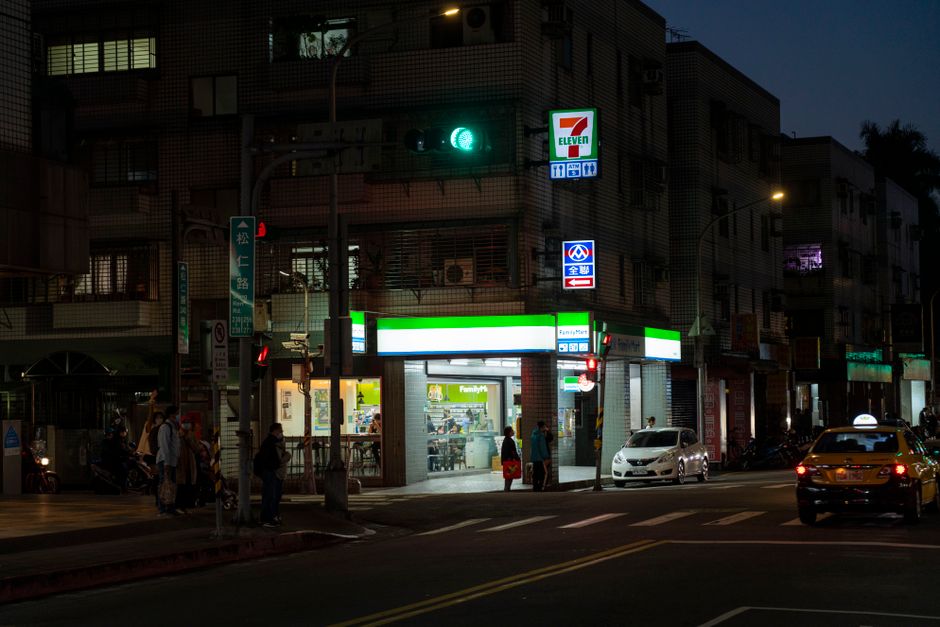
Japan has three national convenience store chains, and each one has a different strength for travelers.
7-Eleven runs its own bank, Seven Bank, with ATMs in nearly every store. That’s the single biggest reason it’s the default recommendation for cash.
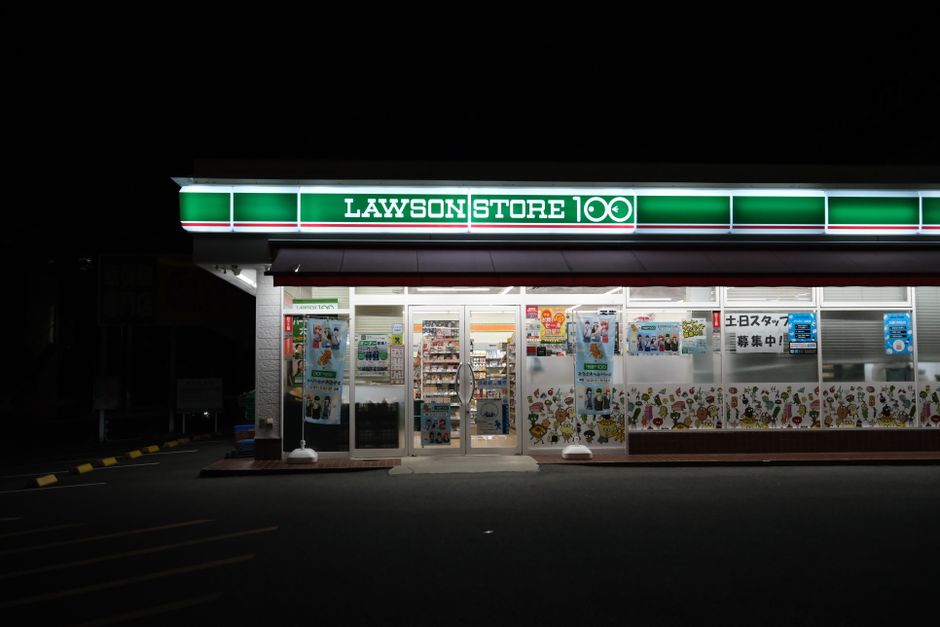
Lawson is best known for Karaage-Kun fried chicken bites and its Loppi ticket terminal, used for concerts, sports, and theme park tickets.
FamilyMart runs the FamiPort terminal, its own version of Loppi, plus its own fried chicken item, Famichiki.
Getting cash: Seven Bank ATMs and the fee structure
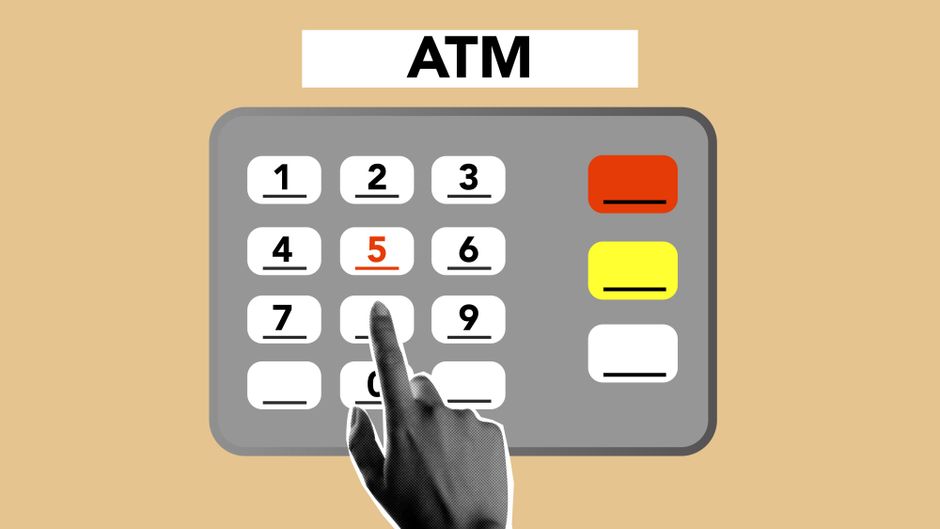
Seven Bank operates more than 28,000 ATMs across Japan, and most of them sit inside 7-Eleven stores.
Fees depend on your card network. Mastercard and Maestro cards withdraw with no Seven Bank fee. Visa-network cards pay roughly ¥110–220 per withdrawal, scaled to the amount.
As of a July 2026 update, Seven Bank caps withdrawals from overseas-issued cards at ¥100,000 per transaction, and ¥30,000 for magnetic-stripe-only cards.
Your home bank may add its own foreign transaction fee on top — that charge comes from your issuer, not Seven Bank, so check your card’s terms before you fly.
Lawson vs FamilyMart: Loppi vs FamiPort for tickets
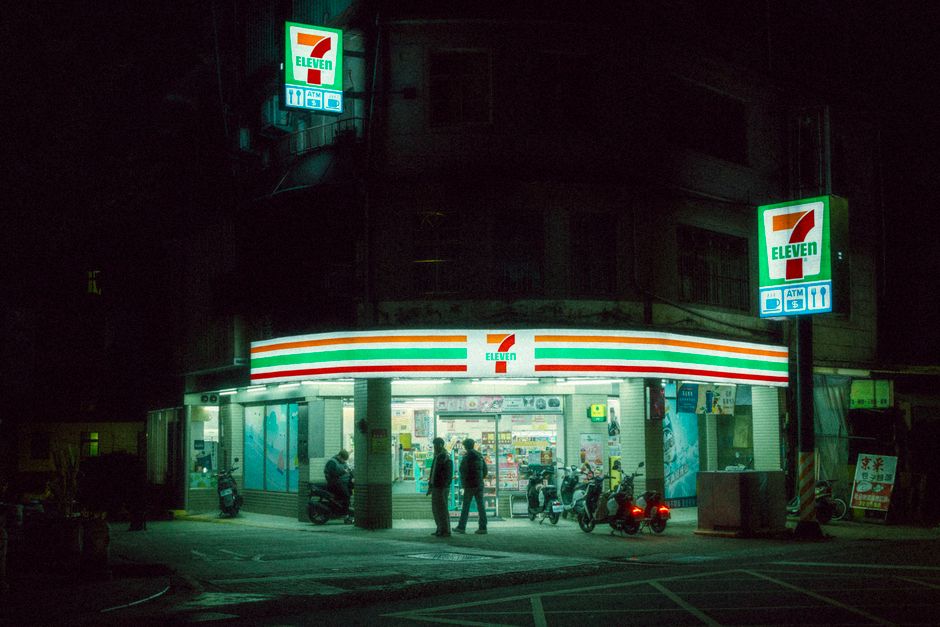
Lawson’s Loppi terminal and FamilyMart’s FamiPort terminal both sell tickets: concerts, sports events, theme parks, and some museum exhibitions.
Certain events sell exclusively through one terminal or the other, so if Loppi doesn’t list what you want, check FamiPort before giving up.
Both terminals print a payment slip. Take it to the register, pay in cash or with a compatible card, and the terminal issues your ticket or a redemption voucher.
Menus are partly in English, but ticket names and event details are often Japanese-only — screenshot the event page on your phone before you go so you can match kanji if needed.
| Chain | ATM for foreign cards | Ticket terminal | Signature food |
|---|---|---|---|
| 7-Eleven | Seven Bank — reliable, nationwide | None | Onigiri, oden (Oct–Mar) |
| Lawson | Inconsistent — don’t rely on it | Loppi | Karaage-Kun, Uchi Café sweets |
| FamilyMart | Inconsistent — don’t rely on it | FamiPort | Famichiki fried chicken |
Food that’s actually good: what to grab and when
Onigiri (rice balls) are the reliable cheap meal — tuna mayo and salmon are the safest picks for a first try.
Oden, a simmered hot-pot dish sold in a heated case near the register, runs from around October through March at most locations.
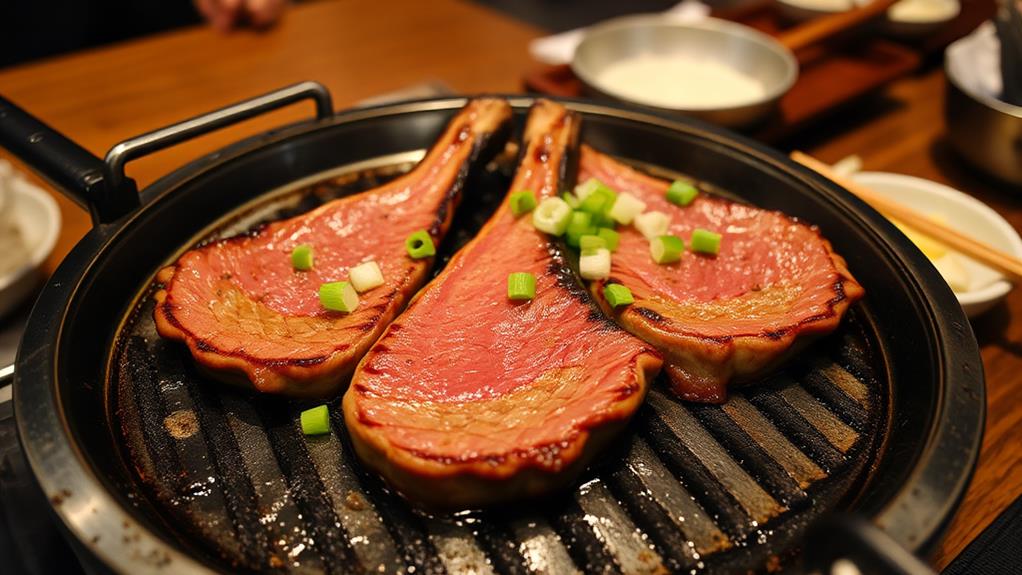
Fried chicken is a genuine rivalry: Lawson’s Karaage-Kun versus FamilyMart’s Famichiki. Both are freshly fried behind the counter, not pre-packaged.
Bento boxes and sandwiches sit in the chilled case and make a solid train-platform lunch when you’re short on time between Shinkansen connections.
WiFi, printing, and package drop-off: the hidden utility layer
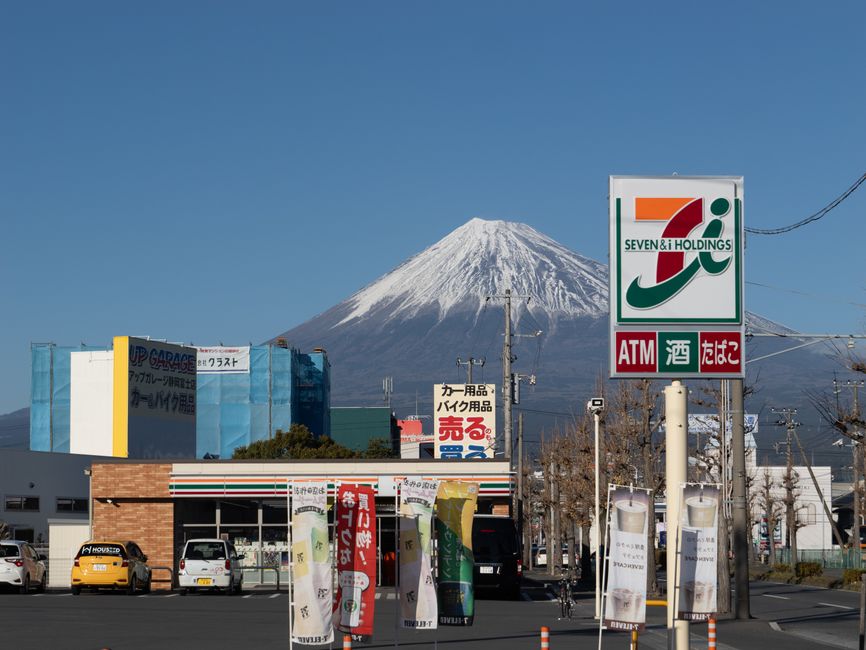
7-Eleven offers free WiFi through its 7SPOT network; Lawson runs its own free WiFi hotspot in most stores.
Multi-copy machines at all three chains print, scan, and photocopy — useful for printing a boarding pass or a reservation confirmation if your hotel can’t.
Yamato and Sagawa, Japan’s two biggest courier services, both accept parcel drop-off and pickup at partner konbini locations, which matters if you’re shipping luggage ahead between cities.
Utility bill payment, at the register with a printed slip, is a common local use — not something most travelers need, but it explains why the counter line sometimes moves slowly.
“Convenience stores are woven into daily life in Japan and offer visitors a reliable source of food, cash, and everyday services around the clock.”
Frequently asked questions
Are konbini open 24 hours?
Most 7-Eleven, Lawson, and FamilyMart locations in Tokyo and Osaka run 24 hours. Some rural branches keep shorter hours, so don’t assume it outside major cities.
Can I use my IC card (Suica, PASMO, ICOCA) to pay at a konbini?
Yes. All three chains accept IC cards for purchases, and most also let you top up your card balance at the register or a nearby machine.
Do konbini sell alcohol and cigarettes to tourists?
Yes, with an age check. Staff may ask you to confirm your age on the register touchscreen even if you look clearly over 20, Japan’s legal drinking and smoking age.
Can I exchange foreign currency at a konbini?
No. Konbini ATMs dispense yen from your foreign card but don’t do currency exchange over the counter. Use an airport counter or a dedicated exchange window for that.
Which app helps most inside a konbini?
Google Translate‘s camera mode is useful for reading konbini bento labels and Loppi/FamiPort ticket screens that don’t have an English toggle.
Last updated: 2026-08-11
More on Japan Destinations:
Planning a trip to Japan?
Check out our Japan Travel Hub for more guides, including JR Pass Guide 2026.

Written by East Asia Explorer Editorial Team
Sam Konneh is an AI strategist and digital marketer based in Seoul, South Korea. With years spent living, working, and exploring across Korea, Japan, and China, he shares firsthand insights into East Asia's cultures, hidden gems, and everyday life. A graduate of Inha University and KDI Graduate School, Sam combines data-driven expertise with on-the-ground experience. His journey also includes studying in Malaysia and traveling through Southeast Asia. Through practical tips, local stories, and travel guides, he helps fellow explorers discover both the celebrated highlights and the lesser-known corners of East Asia.