Last Updated: August 2, 2026 | Originally Published: October 9, 2024
- Jinro Chamisul Classic (16.5% ABV) costs around ₩1,200–₩1,600 at CU and GS25 convenience stores.
- Hwayo 41 and Andong Soju (35–45% ABV) are premium traditional varieties made from 100% rice — three times stronger than the green bottle you see at kiosks.
- You can visit the HiteJinro Icheon Brewery Museum (Gyeonggi-do) and the Andong Soju Museum for hands-on distillery experiences.
- Always let the eldest person at the table pour your first glass — accepting with both hands is mandatory etiquette.
Last updated: August 2026
Soju is the world’s best-selling spirit. According to IWSR Drinks Market Analysis, Jinro held the global top spot for distilled spirits by volume for over a decade. Every year, Koreans consume roughly 3.5 billion bottles. Knowing how to navigate soju — from buying the right bottle to visiting a real distillery — is the difference between a surface-level trip to Seoul and one that actually connects you with Korean culture.
What’s the Difference Between Traditional and Modern Soju?
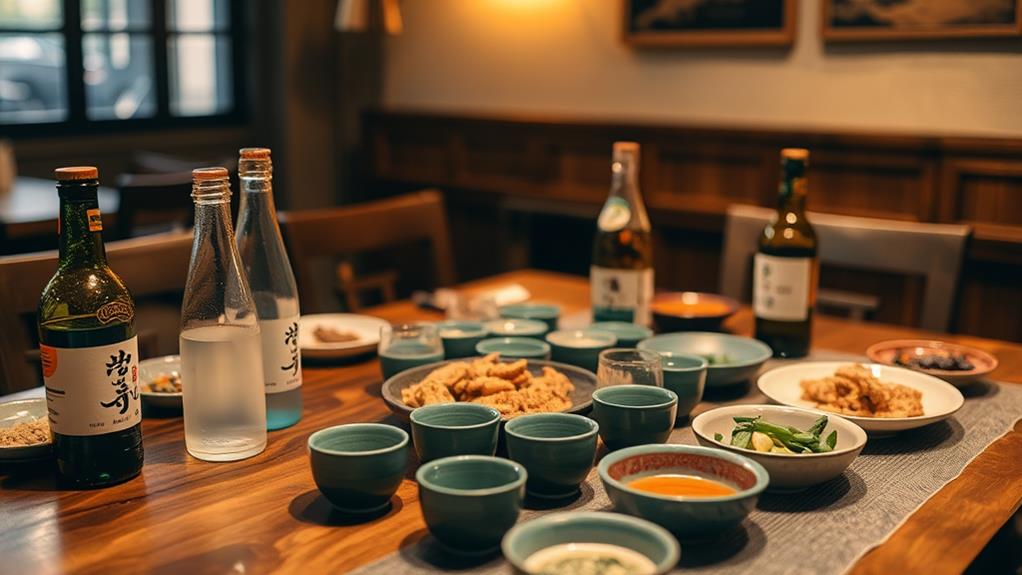
Most tourists only encounter modern diluted soju. That is the green bottle in every convenience store — typically 16–17% ABV, made by diluting a base alcohol with water and sweeteners.
Traditional soju is a different drink entirely. Andong soju, distilled in North Gyeongsang Province, runs 35–45% ABV and is made from 100% glutinous rice fermented with nuruk (a traditional Korean fermentation cake). The Korea Tourism Organization (KTO) designates it an important intangible cultural asset.
Which Soju Brand Should You Buy in Korea?
Here is a side-by-side breakdown of the major brands you will encounter:
| Brand | ABV | Base | Avg Price (Korea) | Best For |
|---|---|---|---|---|
| Jinro Chamisul Classic | 16.5% | Ethanol + water | ₩1,200–₩1,600 | Korean BBQ, everyday drinking |
| Jinro Chamisul Fresh | 17.2% | Ethanol + water | ₩1,200–₩1,600 | Cleaner finish, first-timers |
| Chum-Churum Original (Lotte Chilsung) | 16.5% | Ethanol + alkaline water | ₩1,500–₩2,000 | Smoother taste, cocktail mixing |
| Hwayo 41 (Woorisool) | 41% | 100% rice | ₩18,000–₩25,000 | Gifting, sipping neat |
| Andong Soju | 35–45% | 100% glutinous rice | ₩20,000–₩40,000 | Intangible cultural experience |
Where Can Tourists Buy Soju in Korea?
Convenience stores are your best starting point. GS25, CU, and 7-Eleven all stock the full Jinro and Chum-Churum lineup 24 hours a day, seven days a week. A single 360ml bottle (the standard green bottle) costs ₩1,200–₩1,600 — cheaper than a bottle of water in most hotels.
For premium traditional soju, try these options:
- Gwangjang Market (Seoul) — several vendors sell Hwayo and local makgeolli alongside traditional street food.
- Namdaemun Market (Seoul) — wholesale liquor shops with Andong Soju at market rates.
- Incheon Airport duty-free — Hwayo 41 and Hwayo 25 are stocked post-security; prices roughly match in-city retail.
Which Soju Breweries and Distilleries Can You Visit?
You can go beyond drinking and see how soju is made. Two destinations stand out for first-time visitors:
HiteJinro Icheon Brewery Museum (Icheon, Gyeonggi-do) — Icheon has been a rice-growing center for centuries, and HiteJinro has operated here since 1974. The factory tour walks visitors through the distillation process, and the on-site museum covers the history of Korean alcohol culture from the Joseon era forward. Admission is free. Getting there: take the Gyeonggang Line from Cheongnyangni to Sind둔내 station, then a short taxi ride.
Andong Soju Museum & Traditional Soju Experience Center (Andong, North Gyeongsang Province) — This is where traditional distilled soju has been produced continuously since the Goryeo Dynasty. The Experience Center offers hands-on sessions where visitors can make a small batch using authentic nuruk starter. Sessions run 2–3 hours and cost approximately ₩30,000–₩50,000 per person. Reservations required. Andong is accessible from Seoul Cheongnyangni by KTX (approximately 2 hours, ₩28,000–₩35,000 each way).
“Andong soju represents Korea’s intangible cultural heritage. The traditional distillation methods passed down through generations offer visitors a direct connection to pre-modern Korean food culture.”
What Are the Rules for Drinking Soju in Korea?
Korean drinking culture has clear rules. Breaking them does not ruin your trip, but following them earns immediate goodwill with local hosts.
- Accept and pour with both hands (or right hand supported by left at the elbow).
- The youngest person at the table serves the eldest first.
- Never pour your own glass — let someone else do it.
- When drinking with elders, turn your head slightly away from them while taking a sip.
- If someone fills your glass and you cannot drink more, leave it full — an empty glass signals you want a refill.
The “geonbae” (건배) toast means “empty cup” and traditionally involves draining your glass. At casual gatherings with peers, this is expected. With superiors or elders, sipping is perfectly acceptable.
What Korean Foods Pair Best with Soju?
Soju complements Korean food by cutting through fat and balancing heat. The most common pairings:
- Samgyeopsal (grilled pork belly) — the standard benchmark; Jinro Chamisul Classic is the default pairing at every Korean BBQ restaurant.
- Kimchi jjigae (kimchi stew) — the sourness of kimchi and the clean burn of soju create a natural counterbalance.
- Hoe (raw fish) — paired with Hwayo 25 or 41 at upscale seafood restaurants in Busan’s Jagalchi Market and throughout Korea.
- Ojingeo (dried squid) — the classic convenience store anju (drinking snack) alongside a bottle from GS25.
How Do Koreans Mix Soju? Somaek and Bomb Shots Explained
Soju is rarely drunk alone in a bar setting. The dominant mixing tradition is somaek (소맥) — soju dropped into beer — and understanding it changes how you interact at any Korean hof or BBQ restaurant.
The standard somaek ratio is roughly 3 parts Jinro Chamisul to 7 parts Hite or Cass beer. Pour the soju into a shot glass, drop the shot glass directly into the beer mug, and drink in one motion. A single set of one Jinro 360ml (₩3,000–₩4,000 at a restaurant) and one 500ml Hite beer (₩3,000–₩4,000) makes three to four rounds for two people — about ₩6,000–₩8,000 total.
Before dropping the shot, some Koreans balance a chopstick across the rim of the beer glass and tap it so the shot glass spins into the beer with a tornado effect. It is mostly theater, but performing it correctly reads as “you know what you are doing.”
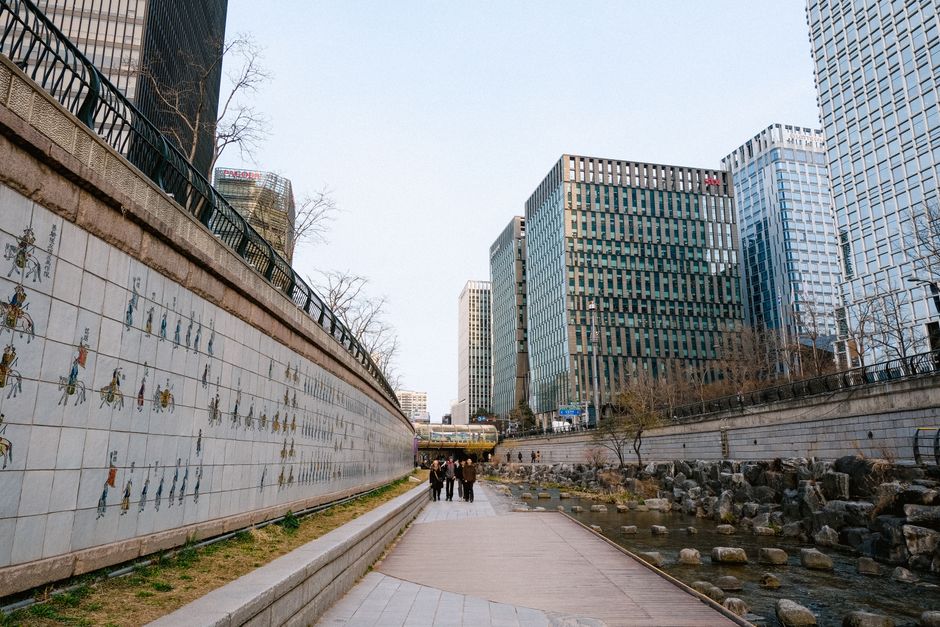
Beyond somaek, the Cass + Jinro Chamssal (rice-distilled variant) combination is popular in Hongdae and Sinchon student bar districts because the sweeter rice base softens Cass’s bitterness. At pojangmacha (outdoor tent bars) around Gwanghwamun and Cheonggyecheon, expect the default to be Chamisul Classic + OB Golden Lager.
The bomb-shot (poktanju, 폭탄주) tradition is the same concept scaled up for company dinners: a shot glass of whiskey or soju dropped into a beer mug, passed down the table. Per the Korea Health Promotion Institute’s 2023 drinking-culture report, somaek is the most commonly consumed mixed drink in South Korea, cited by 68% of regular alcohol consumers surveyed. Knowing the vocabulary means you can participate — or decline intelligently.
What Is Makgeolli and Where Can You Try It in Korea?
Makgeolli (막걸리) is Korea’s oldest fermented drink and a genuinely different product from soju. It is unfiltered, milky-white, and lightly sparkling at 6–8% ABV — closer to a wheat beer in feel than to distilled spirits.
Where the page’s FAQ covered the three-line definition, here are the venues and specifics that matter for a visitor:
- Uijeongbu Makgeolli Street (의정부 막걸리 거리) — 40 minutes from Seoul Station on Gyeongwon Line 1. Around 11 traditional makgeolli houses cluster on one block. A 1-litre jug costs ₩5,000–₩7,000, served with free bindaetteok (mung bean pancakes). This is the most visited makgeolli destination outside Jeonju.
- Jeonju Hanok Village (전주 한옥마을) — The Jeollabuk-do regional style (makgeolli + bibimbap) is protected under Korea’s Traditional Liquor designation. Seobok Makgeolli (서복막걸리), a 40-year-old producer in the area, sells 750ml bottles for ₩3,500 at local markets.
- Craft makgeolli in Seoul — Brew 3.14 in Mapo-gu and Makgeolli Salon Sool Sool in Insadong serve tasting flights (3 varieties, 150ml each) for ₩12,000–₩15,000. The carbonation level and sweetness vary significantly by producer.
Makgeolli settles into two layers — clear liquid on top, rice sediment below. Convenience store bottles (GS25 sells Jinro Makgeolli for ₩1,800/700ml) need to be gently inverted several times before opening. Opening without shaking delivers a flat, watery first pour.
According to the Korea Agro-Fisheries and Food Trade Corporation (aT), makgeolli exports hit a record $67.2 million in 2023, driven largely by Japanese and US market demand. The domestic market also saw a craft revival — over 900 licensed traditional liquor producers now operate in Korea, with about 300 making makgeolli exclusively.
Soju and makgeolli do not compete for the same occasion. Soju fits high-energy Korean BBQ dinners or late-night hof bar sessions. Makgeolli fits daytime hiking lunches (Bukhansan trail shelters sell it for ₩3,000/bottle) and slow evenings at traditional pojangmacha. Both are worth trying on the same trip.
- Standard soju (₩1,200–₩1,600 at CU/GS25) is 16–17% ABV — not vodka-strong, but not light beer either.
- Traditional options (Hwayo, Andong Soju) are 35–45% ABV and a genuinely different product.
- Icheon Brewery Museum and Andong Soju Experience Center are the best distillery visits for tourists.
- Follow the two-handed rule and never pour your own glass — two rules that will serve you everywhere in Korea.
Frequently Asked Questions
How much does soju cost in Korea?
A standard 360ml bottle of Jinro Chamisul costs ₩1,200–₩1,600 at convenience stores (GS25, CU, 7-Eleven). Restaurant prices run ₩3,000–₩6,000 per bottle. Premium traditional soju like Hwayo 41 costs ₩18,000–₩25,000.
What is the ABV of soju?
Modern diluted soju typically runs 16–17% ABV. Flavored varieties (peach, grape) are 12–14%. Traditional rice-distilled soju like Hwayo is 25–41% ABV, and Andong Soju reaches 35–45%.
Can I bring soju home from Korea?
Yes. South Korean customs allows passengers to export alcohol for personal use. Most countries allow 1–2 litres duty-free on re-entry. Check your destination country’s rules. Hwayo gift sets and Andong Soju bottles are available at Incheon Airport duty-free post-security.
What is the difference between soju and makgeolli?
Soju is distilled and clear. Makgeolli is a milky, unfiltered rice wine at around 6–8% ABV. Both are traditional Korean drinks, but makgeolli is carbonated and sweet, while soju is neutral and clean. Different occasions, different glasses.
Is it rude to refuse soju in Korea?
Refusing once is acceptable — say “gwaenchana yo” (괜찮아요, “I’m fine, thank you”). Refusing every round from a host who is actively trying to bond with you can read as standoffish. A small sip in acknowledgment of a toast is usually enough.
More on Food & Dining:
Planning a trip to Korea?
Check out our Korea Travel Hub for more guides, including Korean BBQ Guide.

Written by East Asia Explorer Editorial Team
Sam Konneh is an AI strategist and digital marketer based in Seoul, South Korea. With years spent living, working, and exploring across Korea, Japan, and China, he shares firsthand insights into East Asia's cultures, hidden gems, and everyday life. A graduate of Inha University and KDI Graduate School, Sam combines data-driven expertise with on-the-ground experience. His journey also includes studying in Malaysia and traveling through Southeast Asia. Through practical tips, local stories, and travel guides, he helps fellow explorers discover both the celebrated highlights and the lesser-known corners of East Asia.