Last Updated: August 25, 2026 | Originally Published: July 26, 2026
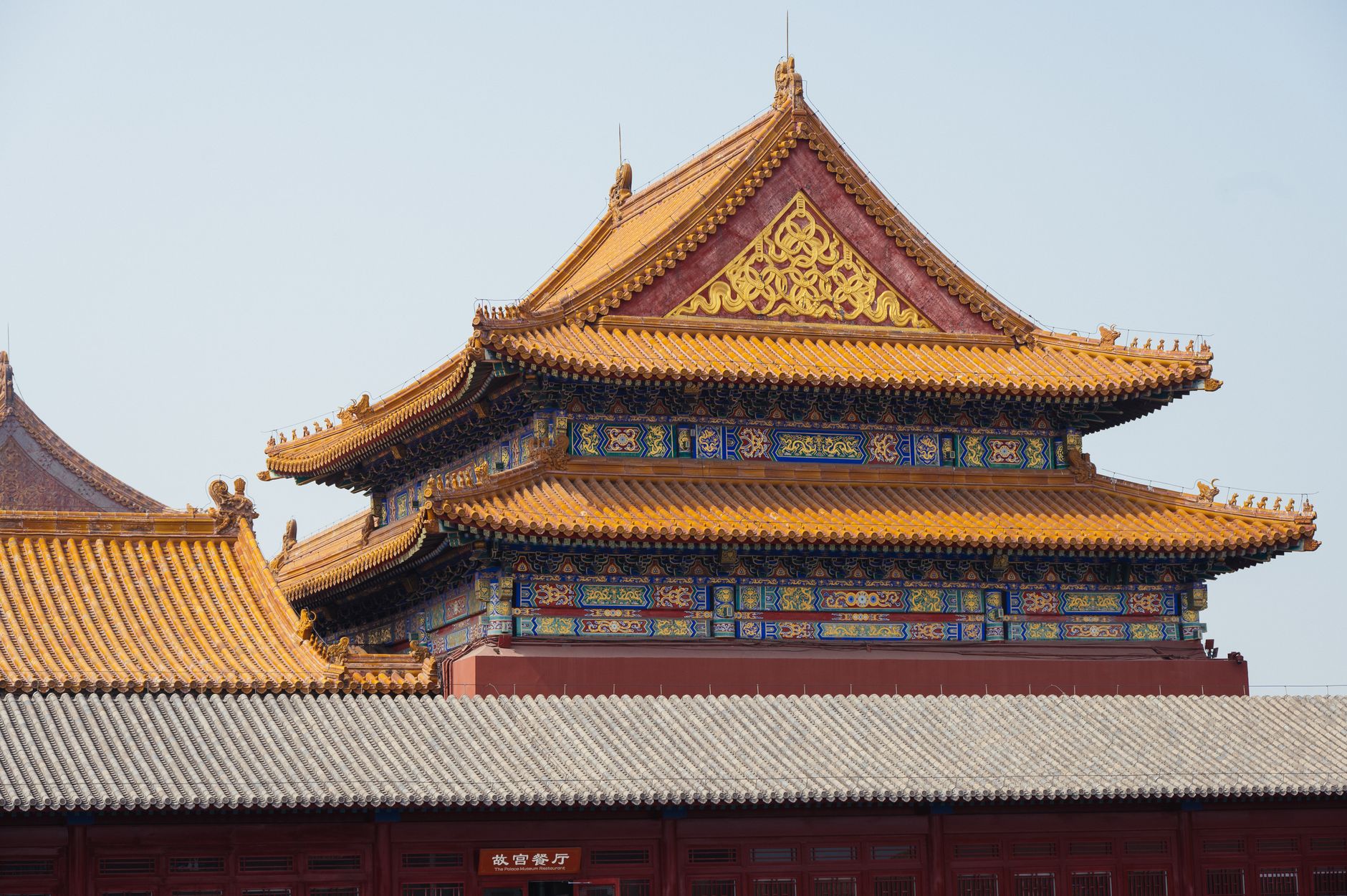
- Beijing is best for history and culture — Forbidden City, Temple of Heaven, Hutongs, Great Wall day trips
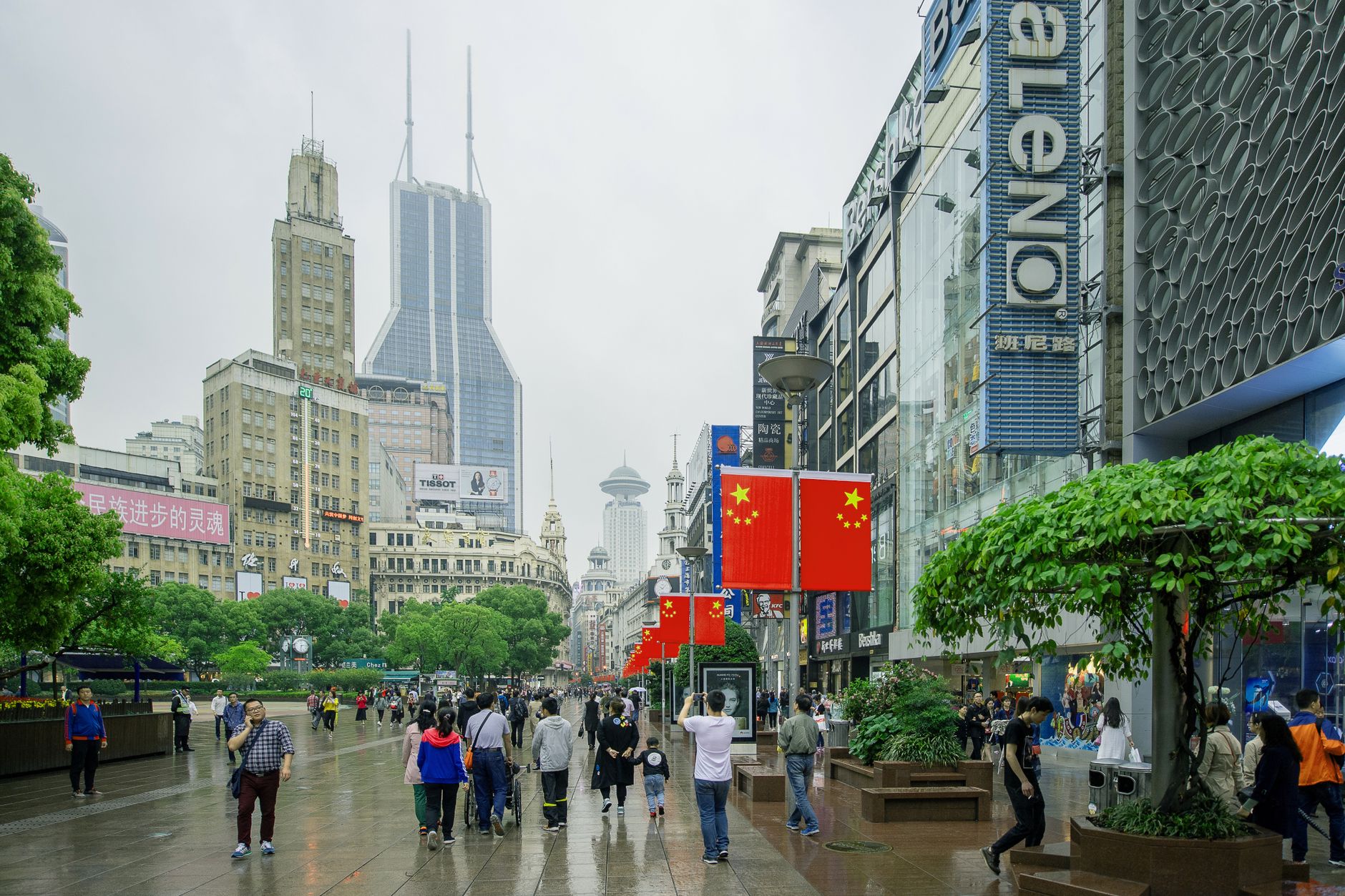
- Shanghai is best for modernity and nightlife — The Bund, Pudong skyline, French Concession, Xintiandi
- Budget: Beijing runs ~¥350–500/day mid-range; Shanghai runs ~¥450–650/day
- The G-train connects them in 4 hours 28 minutes — do both on a 10-day China itinerary
Last updated: July 2026 by the East Asia Explorer editorial team
China’s two biggest cities pull travelers in completely different directions. Beijing is the ancient capital — 3,000 years of dynastic history stacked inside ring roads. Shanghai is China’s financial engine — Art Deco towers, cocktail bars above the Huangpu River, and a subway system that puts most Western cities to shame.
I’ve spent weeks in both cities researching this guide. The honest answer: they complement each other more than they compete. But if you only have time for one, the choice depends entirely on what you want from China.
Here is the real breakdown — costs, attractions, food, logistics — so you can decide without guessing.
Beijing vs Shanghai at a Glance
Both cities are massive, manageable, and safe for independent travelers. The US State Department rates both at Level 1 (Exercise Normal Precautions) as of 2026.
| Factor | Beijing | Shanghai |
|---|---|---|
| Character | Ancient capital, political center | Global finance hub, cosmopolitan |
| Best for | History, culture, street food | Nightlife, shopping, architecture |
| Recommended days | 5–7 days | 3–4 days |
| Daily budget (mid-range) | ¥350–500 | ¥450–650 |
| Airport | PEK (Capital) / PKX (Daxing) | PVG (Pudong) / SHA (Hongqiao) |
| Between them by HSR | 4h28min on the G2 from Beijing South → Shanghai Hongqiao (¥553 2nd class) | |
History and Atmosphere: Ancient Capital vs Global Megacity
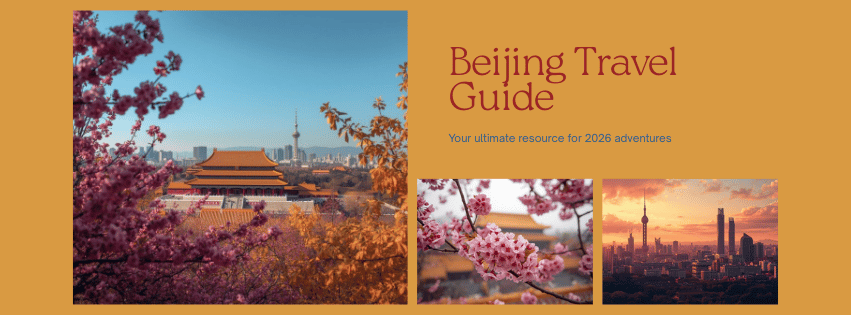
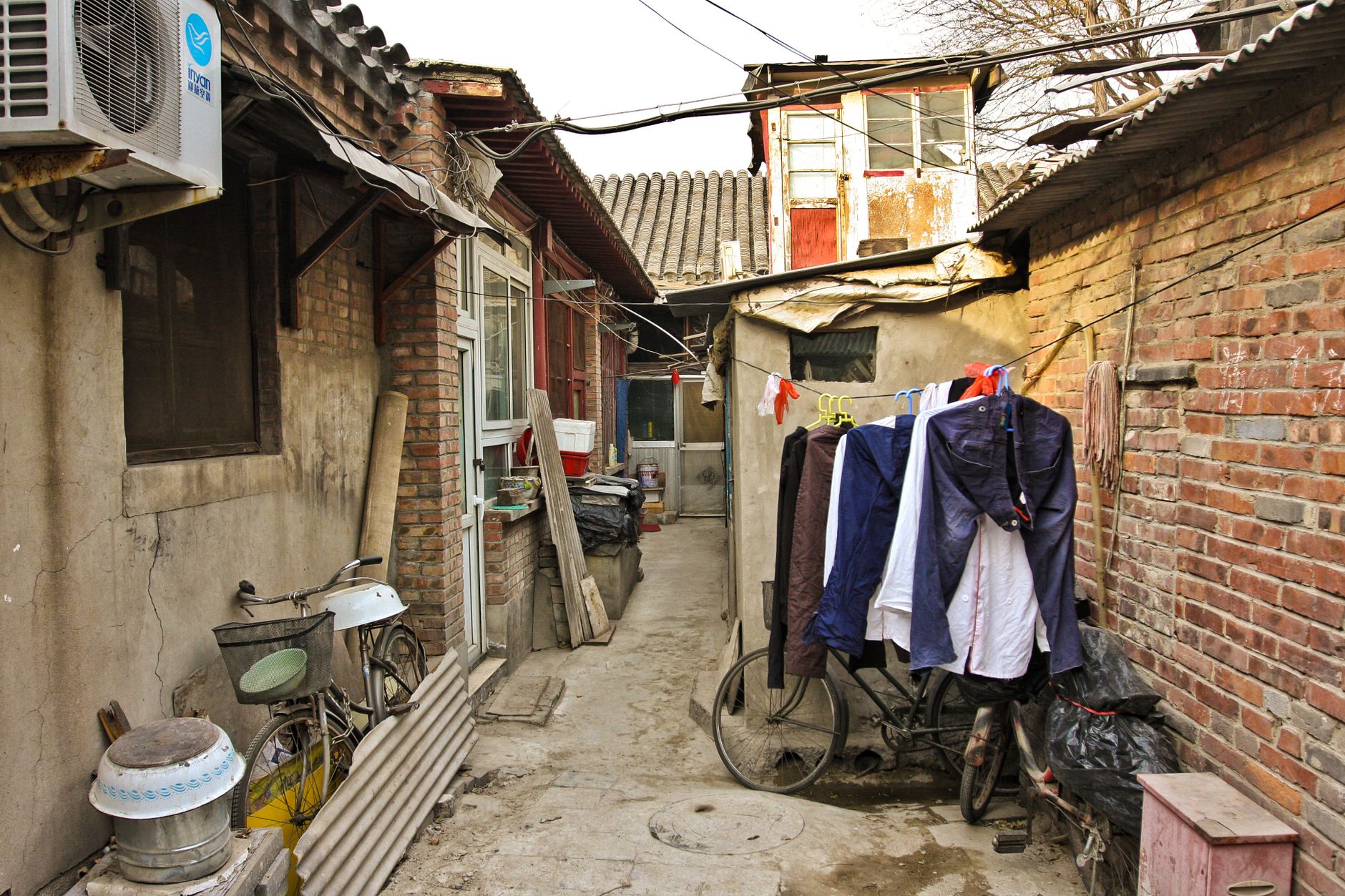
Beijing wears its age on every block. The Hutong alleyways of Nanluoguxiang and Shichahai date to the Yuan Dynasty. The Forbidden City housed 24 emperors across 500 years. Even the grid layout of the city reflects the imperial cosmology — everything oriented toward the Drum Tower at the north axis.
Walking through the Forbidden City’s 9,999 rooms takes most of a day. Plan at least three hours inside the outer and inner courts, plus another hour for the Imperial Garden.
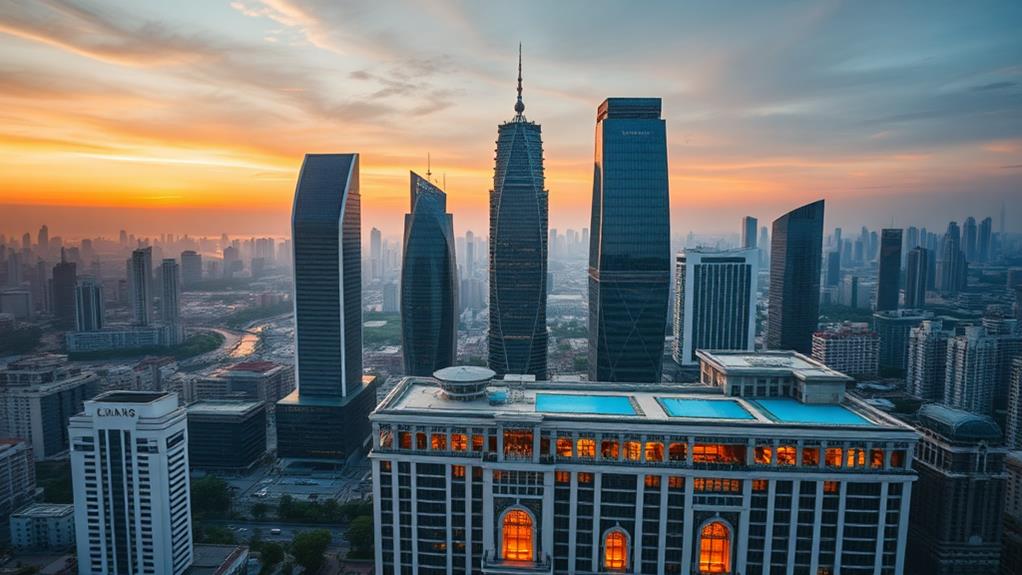
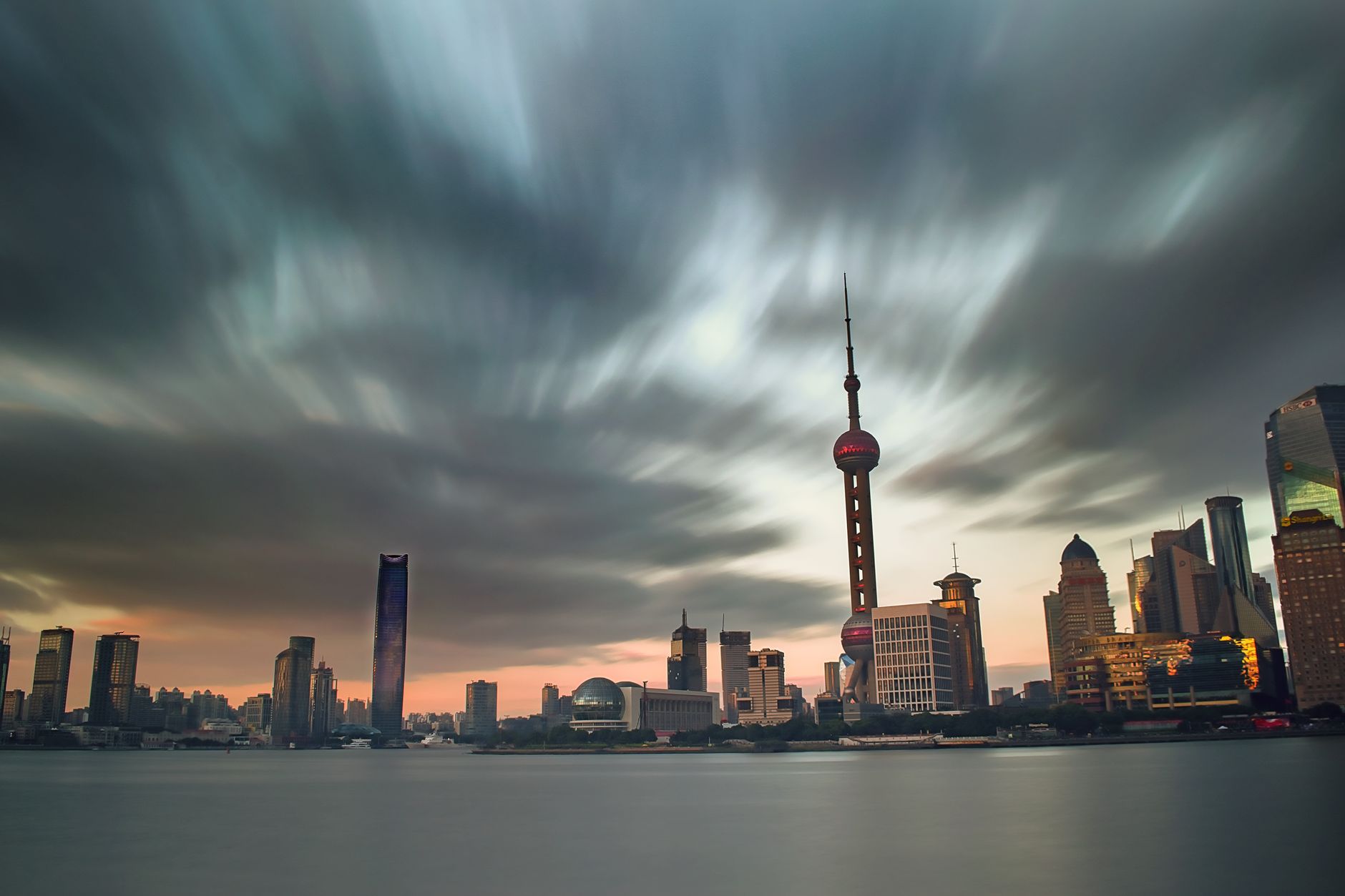
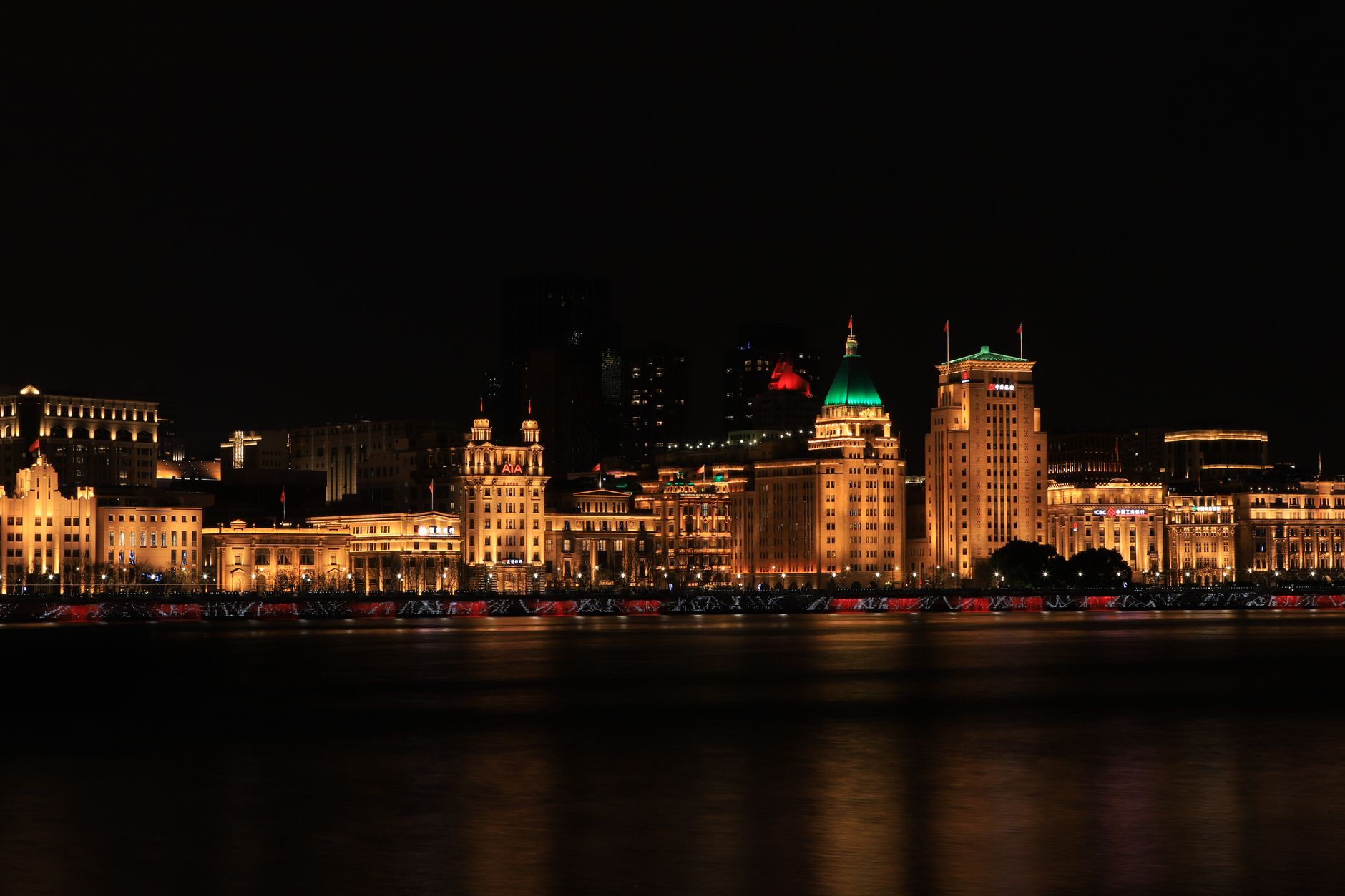
Shanghai feels like a different country. The French Concession neighborhood (centered on Wukang Road and Fuxing Road) looks like a leafy Parisian arrondissement. The Bund — 1.5km of colonial-era banking facades facing the Huangpu River — is the most photographed skyline in Asia.
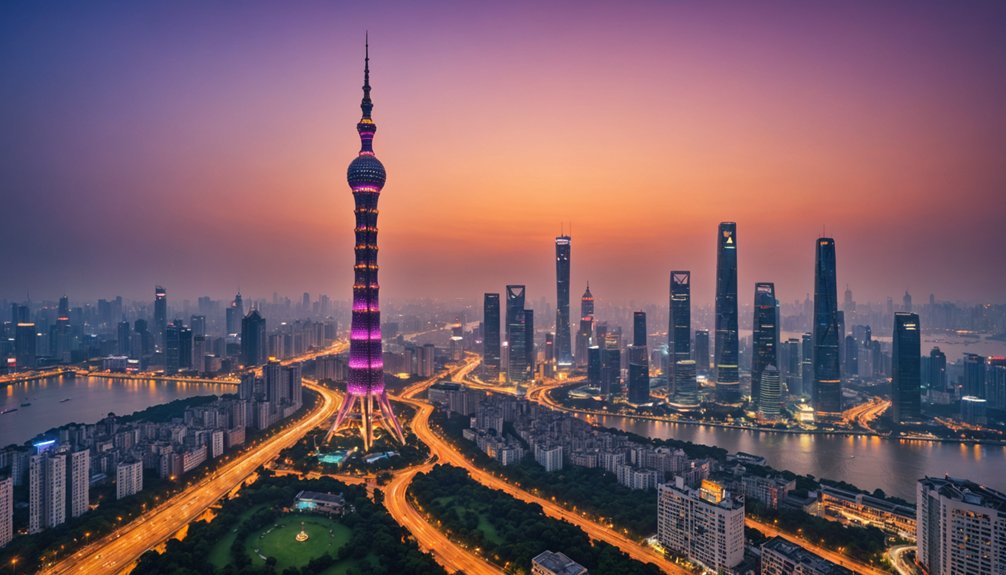
Shanghai’s history is its contradiction. The Art Deco towers of the Bund were built by foreign banks during the colonial concession era (1843–1943). Today they face a 21st-century skyline of 600-meter glass towers in Pudong — a district that was paddy fields in 1990.
The contrast is the point. Shanghai doesn’t resolve the tension between old and new — it puts them side by side across a river.
Top Attractions: What You Will Actually See
Beijing’s big five attractions take nearly a week to cover properly. The Forbidden City and Tiananmen Square share the same subway stop (Tiananmen East on Line 1) but feel like different eras. Tiananmen Square is vast and ceremonial. The Forbidden City is layered and personal.
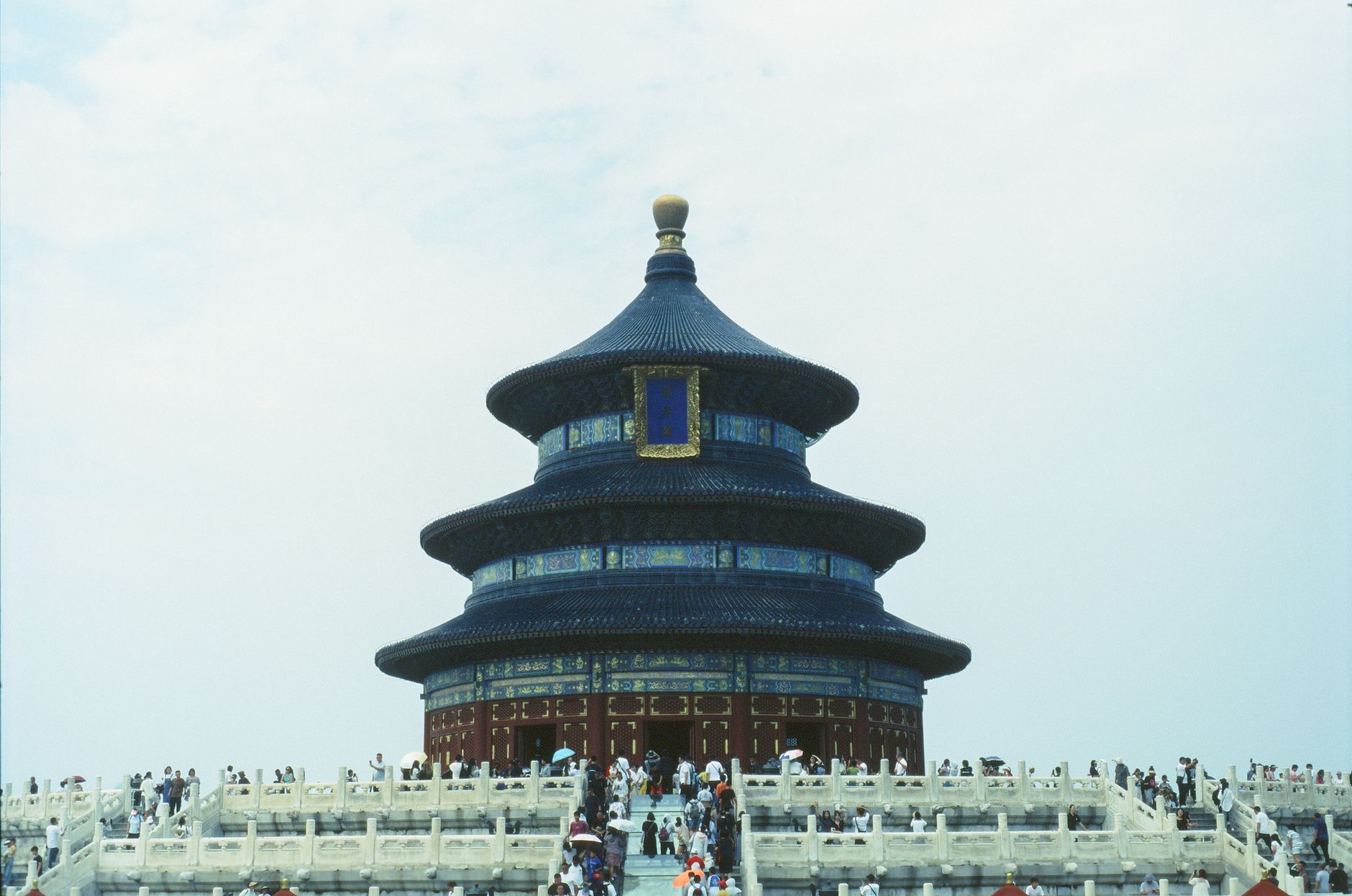
The Temple of Heaven (Line 5, Tiantan East Gate station) is where emperors prayed for good harvests. The Hall of Prayer for Good Harvests — triple-roofed, 38 meters tall — was built without a single nail.
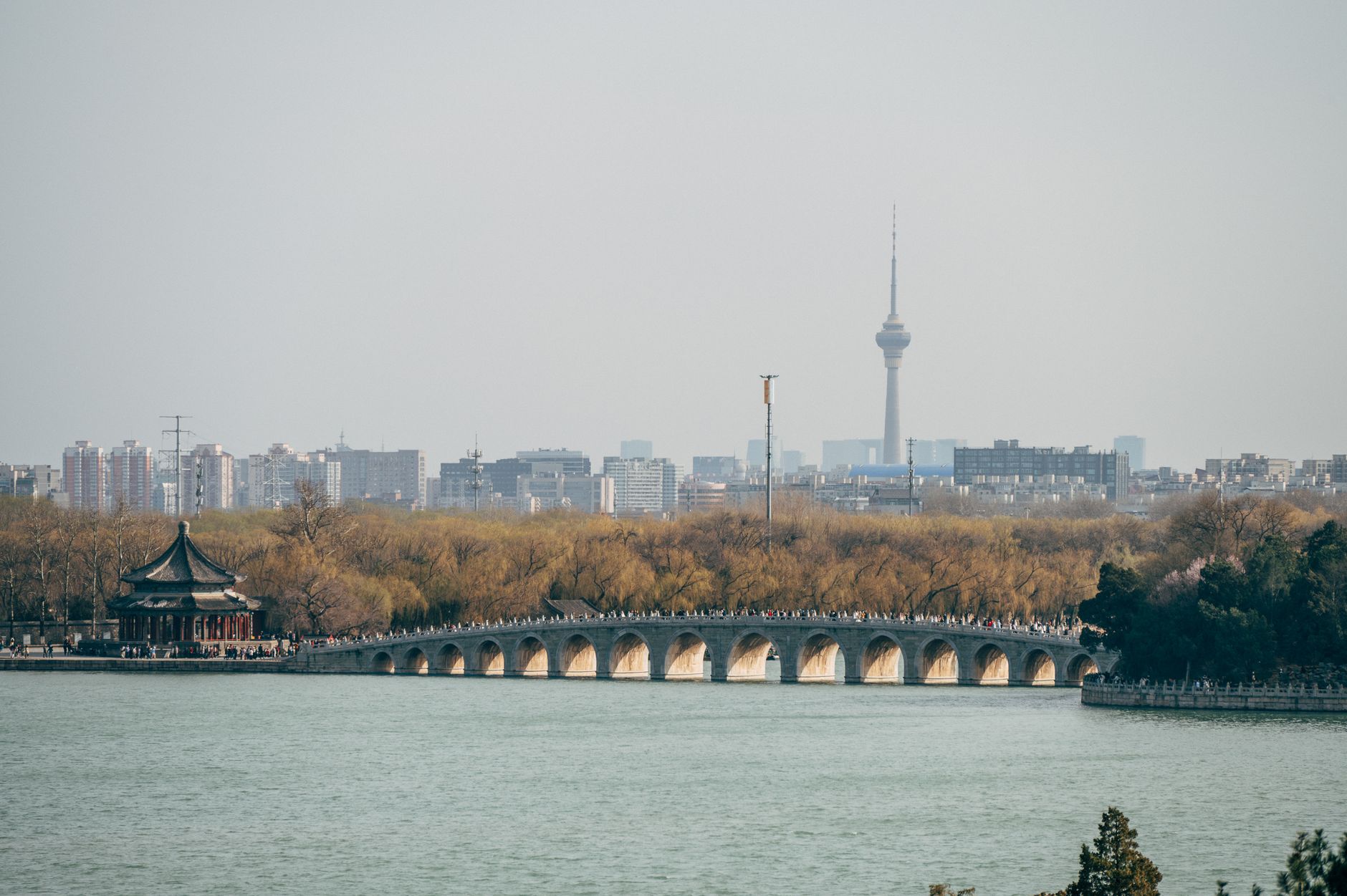
The Summer Palace (Line 4, Beigongmen station) is 17km northwest — a half-day excursion. Kunming Lake and the Long Corridor (728 meters of painted galleries) reward a slow morning.
The Great Wall is not in Beijing, but Mutianyu section (90 minutes by direct bus or tour van) is the best day trip from the city. The toboggan ride down is genuinely fun — not a tourist gimmick.
Shanghai’s must-sees are faster to cover. The Bund takes 30 minutes at pace or 2 hours if you stop for coffee and photos. Yu Garden (Metro Line 10, Yuyuan station) needs 90 minutes. The Shanghai Tower observation deck on the 118th floor (¥180 tickets) shows you both cities of Shanghai at once — old low-rise lanes below, glass spires above.
Food Scene: Peking Duck vs Xiaolongbao
Beijing’s signature dish is Peking roast duck — lacquered skin, sliced tableside, rolled in thin pancakes with hoisin sauce and julienned scallions. Da Dong Roast Duck (multiple locations, Dongcheng district) has the crispiest skin and best modern presentation. Budget ¥100–150 per person for a half duck meal.
Beyond roast duck, Wangfujing Snack Street offers some of the most photogenic street food in China — scorpions, starfish, silkworm — but the best eating is in the nearby hutong restaurants and the Donghuamen Night Market. Beijing’s zhajiangmian (fermented soybean paste noodles) and jiaozi dumplings are worth seeking out.
Shanghai’s food scene is subtler and sweeter. The local style (Shanghainese or Hu cuisine) leans on soy-braised pork belly (hongshao rou), hairy crabs in autumn (September–November), and fresh river fish.
Xiaolongbao — soup dumplings — are Shanghai’s obsession. Din Tai Fung at IFC Mall is the tourist-friendly choice. Jia Jia Tang Bao on Huanghe Road is the local favorite — arrive before 10am or expect a queue.
“China’s regional cuisines represent one of the most diverse food cultures in the world, and both Beijing and Shanghai offer distinct culinary traditions that have evolved over centuries.” — China Tourism Academy, 2026 National Tourism Development Report
How Many Days Do You Need?
Beijing needs 5–7 days for a thorough visit. The Forbidden City, Temple of Heaven, and Summer Palace each require a half-day minimum. Add one day for a Mutianyu Great Wall trip, one for Hutong exploration, and one buffer for museum fatigue.
Shanghai can be covered in 3–4 days — the city is less sprawling once you pick a neighborhood rhythm. The Bund, French Concession, Xintiandi, and Yu Garden fit into two packed days. Day three works well for a day trip to Suzhou (30 minutes on HSR) or Zhujiajiao water town (Metro Line 17).
For first-time China visitors, a 10-day combined itinerary is the standard: 5 days Beijing + 4 days Shanghai + 1 travel day. The G-train between them is smooth — no check-in queues, no baggage fees.
We earn a commission if you book through links on this page, at no extra cost to you. See our affiliate disclosure.
Cost Breakdown for 2026: Which City Is Cheaper?
| Cost Item | Beijing | Shanghai |
|---|---|---|
| Hostel dorm | ¥80–130/night | ¥100–160/night |
| Mid-range hotel | ¥350–700/night | ¥450–850/night |
| Street food meal | ¥15–40 | ¥20–50 |
| Restaurant meal (mid) | ¥60–120/person | ¥80–160/person |
| Metro ride | ¥3–9 | ¥3–9 |
| Forbidden City / major sight | ¥60 (Forbidden City) | ¥40 (Yu Garden); Bund free |
| Great Wall day trip (Mutianyu) | ¥65 entry + ¥100 cable car + transport | N/A |
Beijing is marginally cheaper, especially for accommodation and street food. Both cities are dramatically cheaper than Tokyo, Seoul, or most Western capitals. A budget traveler can get by on ¥250/day in Beijing; ¥300/day in Shanghai. Mid-range comfort runs ¥450–600/day in both.
Book hotels via Trip.com for the best rates and Chinese-language customer service — this matters when coordinating late check-ins or room changes. Booking.com Genius Level 2 also unlocks 15–20% discounts on select properties in both cities.
Getting There and Getting Between Them
Most international flights into China land at Beijing Capital (PEK) or Shanghai Pudong (PVG). Both have multiple direct flights from North America, Europe, and Southeast Asia on carriers including Air China, China Eastern, and Emirates.
The new Beijing Daxing International (PKX) serves some Hainan Airlines and budget carrier routes. Check which airport your flight uses — they are 70km apart.
Between cities, the G-train (高铁) is the clear best option:
- Route: Beijing South Station (北京南) → Shanghai Hongqiao (上海虹桥)
- Journey time: 4 hours 28 minutes on the fastest G2 service
- Price: ¥553 second class / ¥933 first class (as of 2026; check Trip.com for current fares)
- Frequency: trains every 15–30 minutes from 06:00–22:00
- Booking: Trip.com or 12306.cn (requires passport registration)
Flying between Beijing and Shanghai takes 2h20min in the air — but add airport transfers, check-in, and security, and door-to-door is 5–6 hours total. The train wins for city-center-to-city-center convenience.
Where to Stay in Beijing vs Shanghai
In Beijing, the best neighborhoods for travelers are:
- Dongcheng (东城区) — walkable to Forbidden City and Tiananmen; mid-range hotels from ¥380/night
- Nanluoguxiang Hutong area — boutique guesthouses in courtyard houses (siheyuan); ¥250–600/night
- Sanlitun — embassy district, nightlife, international restaurants; pricier (¥500–900/night for hotels)
In Shanghai, the smartest base depends on your priorities:
- The Bund / Huangpu — maximum atmosphere; hotels from ¥500/night
- French Concession (Xuhui) — tree-lined streets, boutiques, café culture; ¥350–700/night
- Jing’an — central, excellent Metro connections, good value; ¥300–600/night
Both cities have a strong Airbnb/short-term rental market, though police registration requirements mean you must use registered accommodation. Hotels handle this automatically; Airbnbs can be inconsistent.
Who Should Visit Beijing?
Beijing is the right choice if:
- You want to stand inside the world’s largest imperial palace complex
- You are visiting China for the first time and want its most iconic historical sites
- You enjoy walking through centuries-old alleyways and courtyard neighborhoods
- You want to see the Great Wall without a long detour
- You eat Peking duck with serious intent
Beijing rewards slower travel. Its attractions are not Instagram-optimized moments — they are layered spaces that reveal themselves over time.
Who Should Visit Shanghai?
Shanghai is the right choice if:
- You are comfortable in global cities and want a fast-moving cosmopolitan base
- You want the best cocktail bars, rooftop venues, and design restaurants in China
- You are interested in the tension between colonial history and 21st-century development
- You want easy day trips to Suzhou classical gardens (30 min by HSR) or Hangzhou West Lake (1 hour)
- You are combining China with Japan or Southeast Asia and need a well-connected hub
Shanghai is also the easier city for first-time visitors to China. More signage is bilingual, more restaurant menus have English translations, and international payment cards are accepted more widely.
Can You Do Both? The 10-Day Beijing + Shanghai Itinerary
Yes — and most first-time China visitors should. Here is a tight 10-day structure:
Days 1–5: Beijing
- Day 1: Arrive, Tiananmen Square & Forbidden City (south gate → north gate)
- Day 2: Temple of Heaven (morning) + Nanluoguxiang Hutongs (afternoon)
- Day 3: Mutianyu Great Wall full day (book shuttle bus from the hostel district)
- Day 4: Summer Palace (morning) + Wangfujing food street + Sanlitun for dinner
- Day 5: Olympic Park + free morning, then G-train to Shanghai (afternoon departure)
Days 6–9: Shanghai
- Day 6: Arrive Shanghai Hongqiao; settle into French Concession; Xintiandi dinner
- Day 7: The Bund walk + Pudong (Shanghai Tower 118F) afternoon skyline view
- Day 8: Yu Garden + Old Town + Jia Jia Tang Bao breakfast; afternoon French Concession walk
- Day 9: Day trip to Suzhou (30 min HSR; classical gardens including Humble Administrator’s Garden)
Day 10: Final Shanghai morning, fly home from Pudong (PVG)
Book the G-train early — trains from Beijing South to Shanghai Hongqiao sell out 5–7 days ahead during peak season (May, October Golden Week, summer). Trip.com and 12306.cn both allow booking 30 days in advance.
- Beijing and Shanghai are complementary, not competing — spend more days in Beijing (5–7) and fewer in Shanghai (3–4)
- The G2 G-train (4h28min, ¥553 2nd class) makes a combined 10-day trip straightforward
- First-time China visitors: Beijing first for maximum historical impact, Shanghai second for the modern-city contrast
- Book Forbidden City tickets at least 3 days ahead — no walk-ins permitted
- Use Trip.com for HSR tickets and Airalo eSIM for firewall-bypassing internet access
Frequently Asked Questions
Is Beijing or Shanghai better for first-time visitors to China?
Beijing is better for first-time visitors who want China’s most iconic historical sites — Forbidden City, Great Wall, Temple of Heaven. Shanghai suits travelers who prefer cosmopolitan cities and want to skip the imperial history. Most first-timers do both on a 10-day trip.
How far apart are Beijing and Shanghai?
Beijing and Shanghai are 1,318km apart. The G-train (high-speed rail, G2 service) covers this in 4 hours 28 minutes from Beijing South Station to Shanghai Hongqiao. The faster trains depart hourly during peak hours.
What is the train from Beijing to Shanghai?
The G-train (高铁, Gāotiě) runs between Beijing South (北京南) and Shanghai Hongqiao (上海虹桥). G2 is the fastest service at 4h28min. Second class costs approximately ¥553; first class costs approximately ¥933. Book on Trip.com or 12306.cn up to 30 days in advance.
Which city is cheaper — Beijing or Shanghai?
Beijing is marginally cheaper, particularly for accommodation and street food. Mid-range travelers typically spend ¥350–500/day in Beijing vs ¥450–650/day in Shanghai. Both cities are significantly cheaper than Tokyo or most European capitals.
Do I need a visa to visit Beijing or Shanghai?
Most nationalities now qualify for China’s visa-free policy (up to 15–30 days depending on your passport). Some nationalities also qualify for the 240-hour (10-day) visa-free transit through Shanghai and Beijing. Check the latest eligibility at the Chinese Embassy website or the China Visa Application Service Center before traveling.
Which city has better food — Beijing or Shanghai?
Both cities have exceptional food scenes, but different styles. Beijing excels at Peking duck, northern dumplings (jiaozi), and lamb-based dishes from the Xinjiang quarter in Niujie. Shanghai shines with xiaolongbao soup dumplings, soy-braised pork belly, and hairy crabs in autumn. If forced to choose: Shanghai’s restaurant variety is broader; Beijing’s street food culture is deeper.
Is Beijing or Shanghai more English-friendly?
Shanghai is slightly more English-friendly — more bilingual signage, more English menus in tourist areas, and more international visitors create a cosmopolitan environment. In Beijing, English is common at major tourist sites but less so in residential neighborhoods. Download Google Translate with the offline Chinese language pack either way.
Can I pay by credit card in Beijing and Shanghai?
International credit cards are accepted at high-end hotels, international chain restaurants, and department stores. For most day-to-day spending — street food, taxis, local markets — you need either Alipay (now accepts international cards via the Alipay International app) or cash (¥). WeChat Pay also accepts international cards but requires a Chinese phone number. Set up Alipay International before you leave home; it works via your existing Visa or Mastercard.
Photos via Pexels.
More on China Destinations:
Planning a trip to China?
Check out our China Travel Hub for more guides, including China Digital Survival Guide.

Written by Sam Konneh
Sam Konneh is an AI strategist and digital marketer based in Seoul, South Korea. With years spent living, working, and exploring across Korea, Japan, and China, he shares firsthand insights into East Asia's cultures, hidden gems, and everyday life. A graduate of Inha University and KDI Graduate School, Sam combines data-driven expertise with on-the-ground experience. His journey also includes studying in Malaysia and traveling through Southeast Asia. Through practical tips, local stories, and travel guides, he helps fellow explorers discover both the celebrated highlights and the lesser-known corners of East Asia.