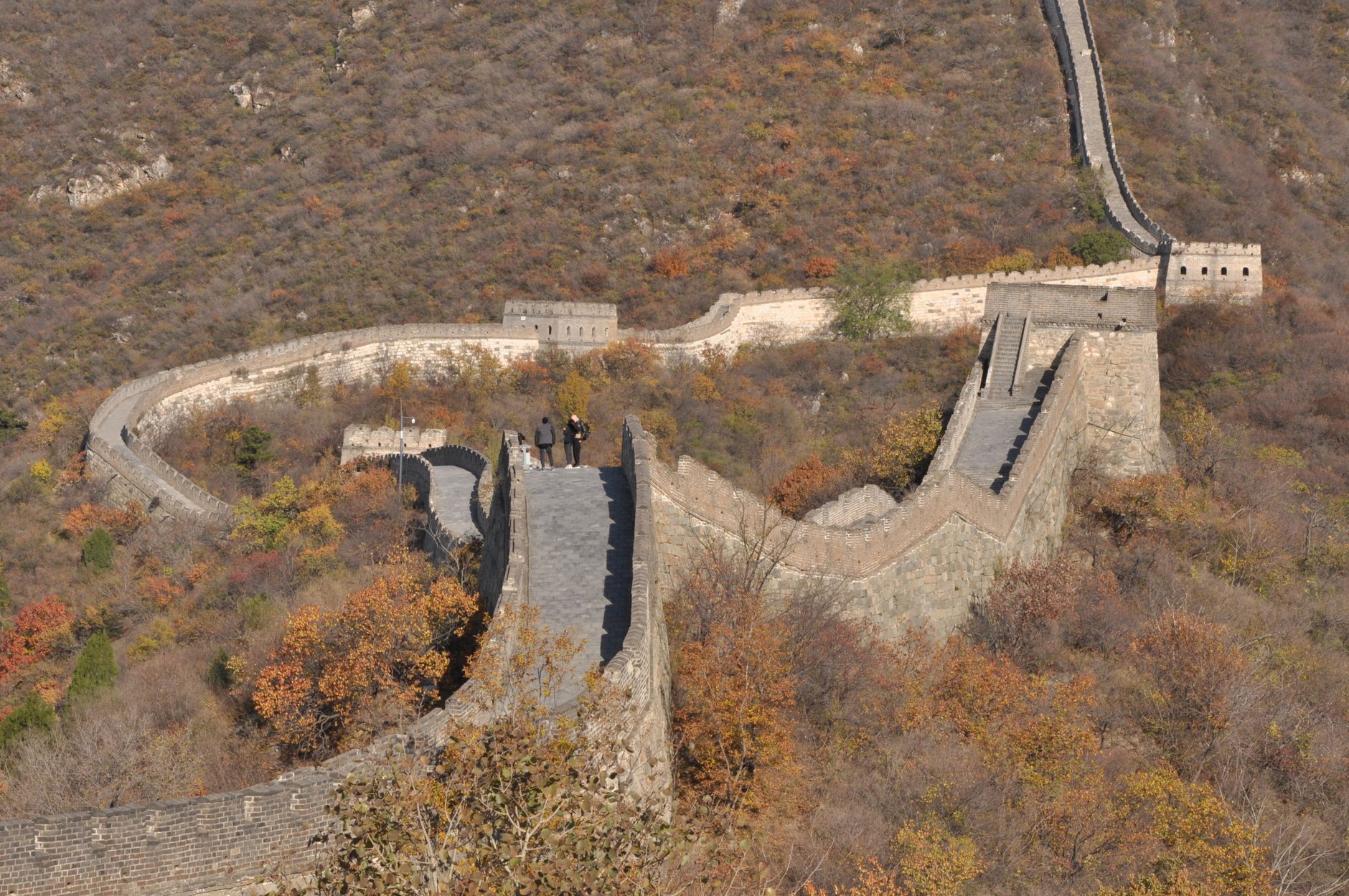
Last Updated: July 21, 2026 | Originally Published: July 27, 2026
Quick Answer: Mutianyu vs Badaling
- For photos and fewer crowds: Choose Mutianyu — 23 watchtowers, a famous curved section, and significantly fewer visitors than Badaling.
- Easiest transport from Beijing: Badaling wins — Bus 877 from Deshengmen runs every 10–15 minutes from 6:00 AM and costs just ¥22 (~$3).
- Best for the toboggan: Mutianyu’s alpine slide (¥100 one-way) is a genuine highlight — Badaling has no toboggan at all.
- Crowds at their worst: Badaling maxes out at 70,000+ visitors on Golden Week; Mutianyu peaks around 20,000 — still manageable before 10 AM.
I’ve walked both sections of the Great Wall in the same calendar year, and the choice matters more than most travel guides admit.
Badaling and Mutianyu are the two most-visited Great Wall sections near Beijing — but they offer radically different experiences in terms of crowds, access, and what you actually do once you’re there.
This guide breaks down transport reality, toboggan pricing, crowd patterns by hour, photography spots, and the ticket booking steps that catch visitors off guard.
Last updated: July 2026
Getting to Badaling — The Bus 877 Reality
Bus 877 is the fastest, cheapest, and most reliable independent route to Badaling. It departs from Deshengmen Bus Station, directly adjacent to Jishuitan subway station (Line 2, Exit C).
The fare is ¥22 (~$3) and buses depart every 10–15 minutes from 6:00 AM. Journey time: 70–90 minutes depending on traffic on the G6 Jingzang Expressway heading northwest.
💡 Pro Tip: Time Your Bus for 7:00–7:30 AM
The main crowd surge at Badaling starts at 9:30 AM. Taking the 7:00–7:30 AM bus means you arrive before the worst of it. On peak weekends and holidays, Bus 877 departures after 9:00 AM are frequently standing-room only, and the return queue at Badaling can stretch 30+ minutes by afternoon.
Bus 877 drops you at the main north entrance. The south entrance (turn left from the gate) is visually less dramatic but 40–50% less crowded. If you plan to exit via Bus 879 back toward Beijing, heading south first and walking through to the north is a workable strategy.
Return buses from Badaling run until approximately 6:30 PM. Don’t linger past 5:30 PM if you need to catch Bus 877 back to central Beijing.
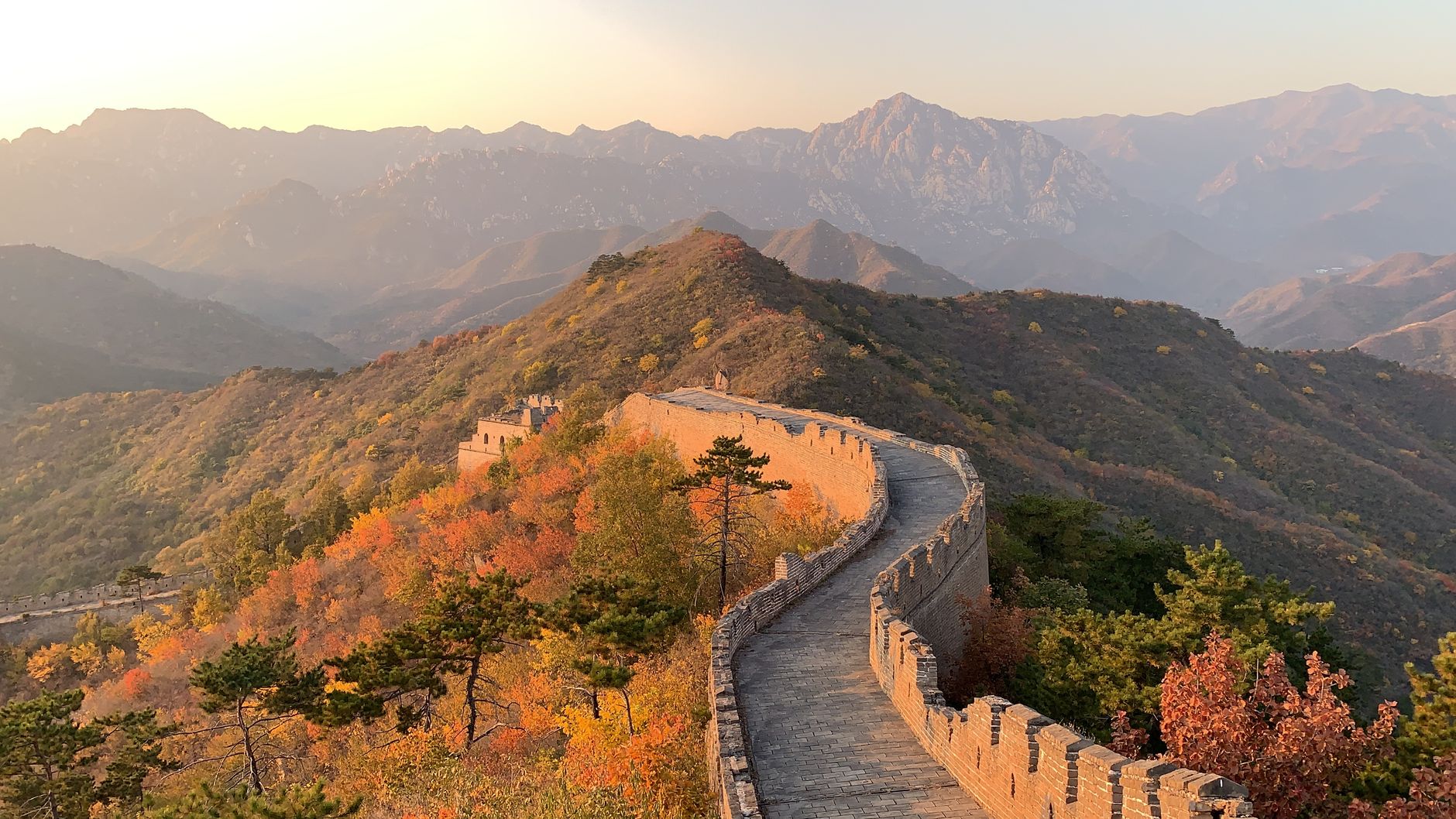
Getting to Mutianyu — Shuttles, Huairou Buses & What Nobody Tells You
Mutianyu is harder to reach independently. Located in Huairou District, approximately 73km northeast of central Beijing, it has no direct express bus from the city center.
The most popular independent route: Subway Line 15 to Wangjing West, then Bus H25 or H26 to Mutianyu Village. Total journey: 2.5–3 hours one-way, including transfers and wait times at Huairou bus stops.
A faster independent option: Bus 916 from Dongzhimen (Line 2/13 interchange) to Huairou North Street, then transfer to local Bus H23 or a site shuttle to Mutianyu. Total: approximately 2 hours in good traffic.
⚠️ Warning: Hotel “Direct Shuttles” Often Include a Factory Stop
Many Beijing hotels advertise “direct shuttles to Mutianyu” for ¥150–300 per person round-trip. These are legitimate transit options but typically include a mandatory 30–60 minute stop at a jade, silk, or tea factory. Budget the extra time before booking.
The cleanest option for international visitors: book through Trip.com or Klook, where organized day-tour shuttles depart from major transport hubs near Tiananmen East from around ¥200, including round-trip pickup and drop-off.
Staying near Sanlitun or Chaoyang district? Private car hire via Didi costs ¥250–380 each way and takes about 90 minutes with minimal traffic — the most comfortable option if you’re splitting the cost with travel companions.
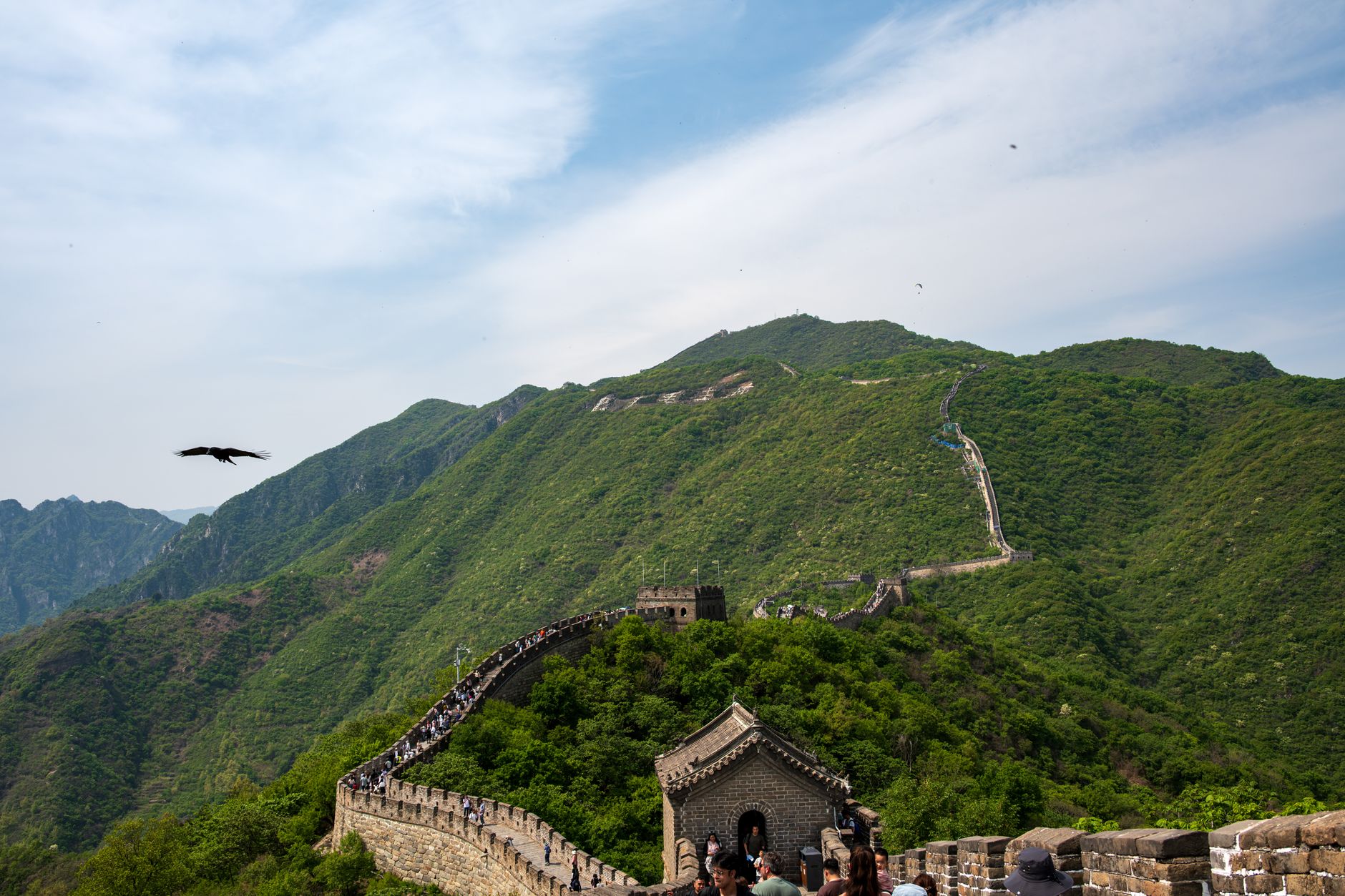
Badaling Great Wall — What You’re Actually Walking Into
Badaling is the most restored, most visited, and most historically recognized Great Wall section near Beijing. Built during the Ming Dynasty (constructed in 1505 AD), it was the first section opened to foreign tourists in 1957 and designated a UNESCO World Heritage Site as part of the Great Wall listing in 1987.
The wall here stands 7–9 meters tall, features fully paved walkways, and is fitted with handrails on all steep sections. It’s genuinely accessible — elderly visitors and those with limited mobility can comfortably walk the flatter central portion without needing the cable car.
💡 Pro Tip: Head South for Fewer People
At Badaling’s main gate, turn right for the north side (popular, well-photographed) or left for the south side (steeper, 40–50% fewer visitors). Serious walkers and photographers get noticeably better conditions on the south side — the views toward the mountains are cleaner too.
The tradeoff is scale. On a summer weekend or October Golden Week holiday, Badaling fills to 70,000+ visitors. The central section near the cable car station is genuinely shoulder-to-shoulder at peak hours.
Per the China National Tourism Administration, Badaling is the most-visited section of the Great Wall globally, drawing over 10 million visitors annually. The crowds are not a travel-blog exaggeration — they are a documented, operational reality that shapes the experience.
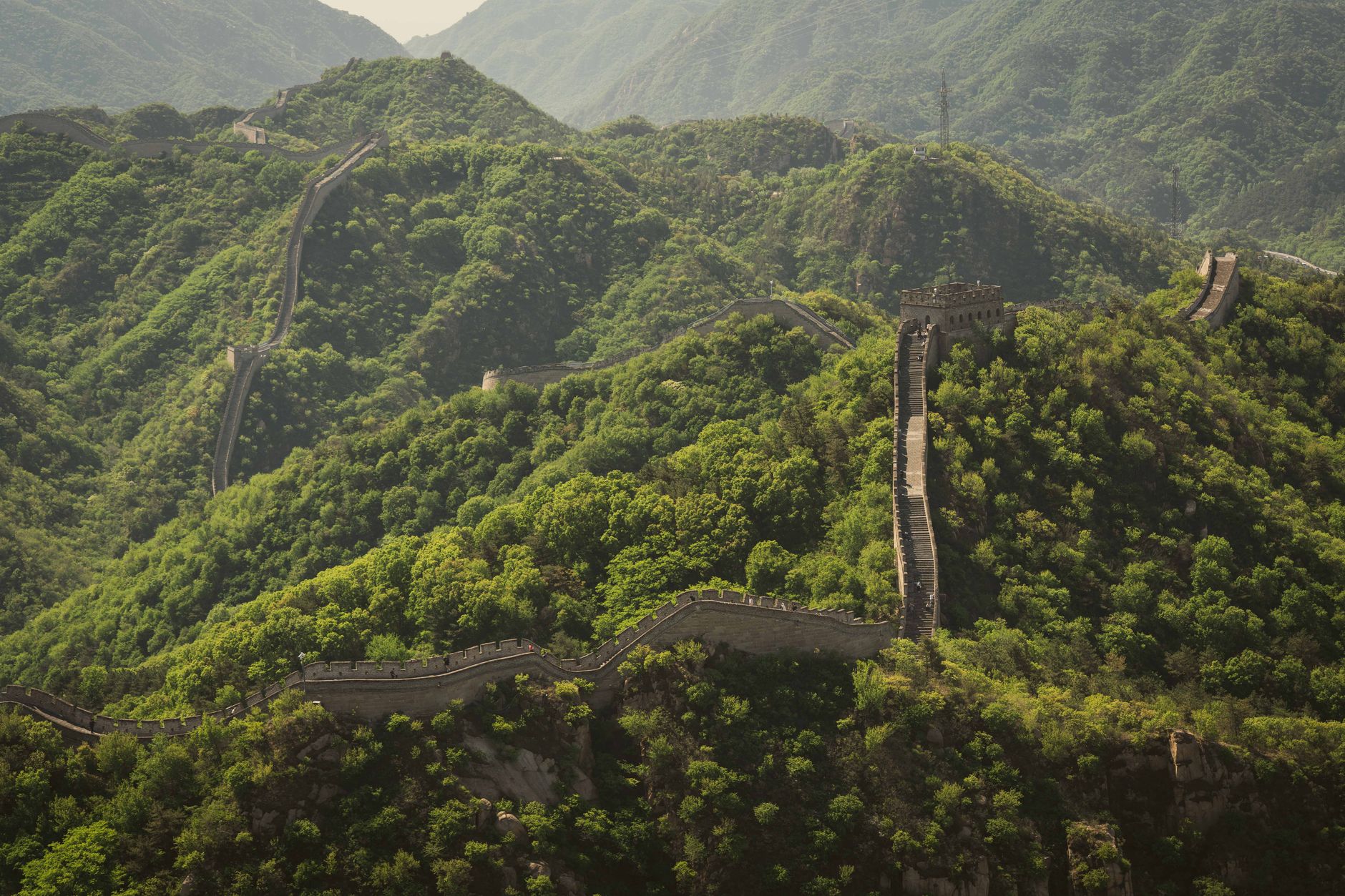
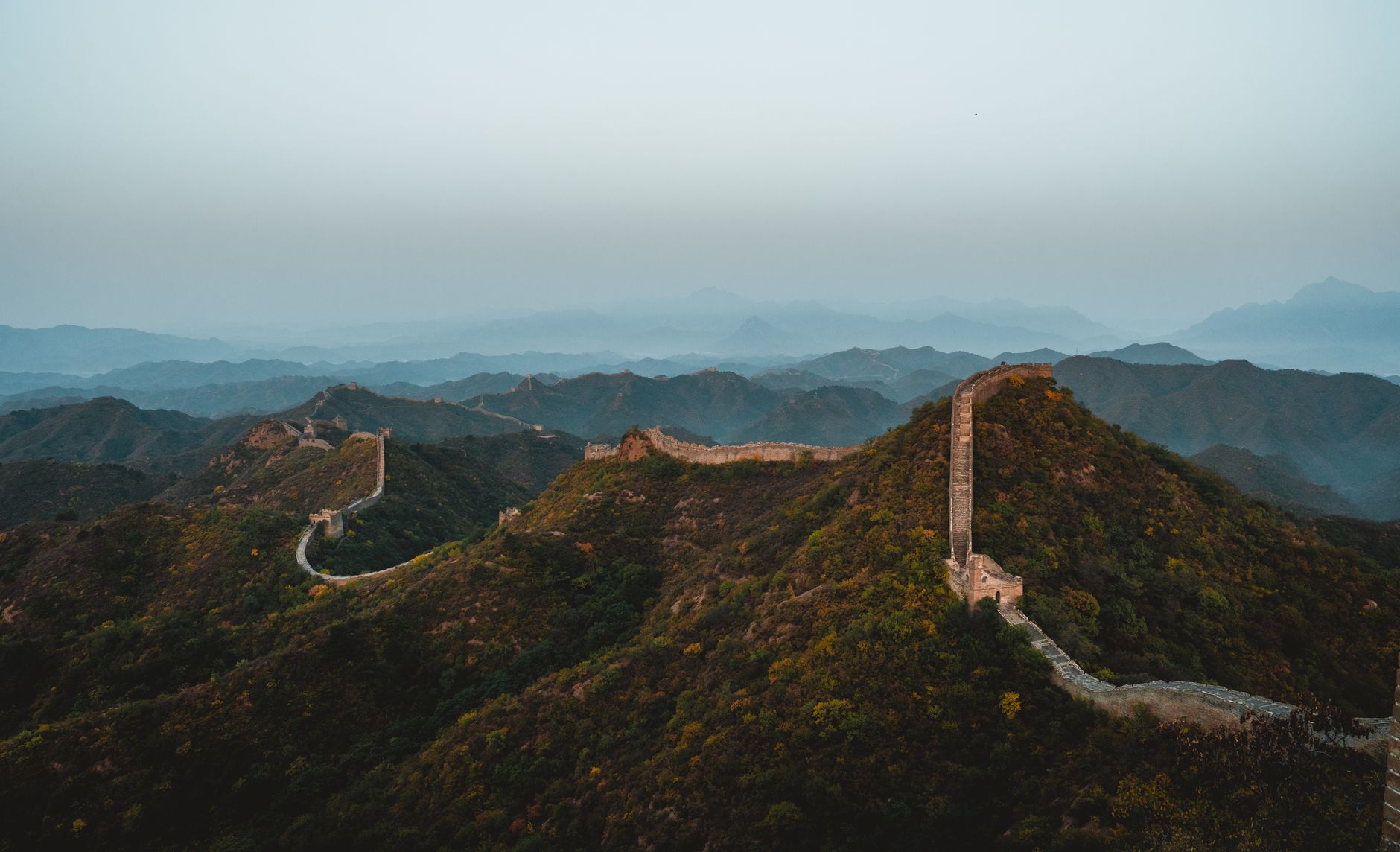
Mutianyu — A Quieter Wall With 23 Watchtowers
Mutianyu opened to tourists in 1986 and has drawn a disproportionately international visitor profile since — partly because it was the site of high-profile visits by former US Presidents, partly because the scenery genuinely outperforms Badaling for photography.
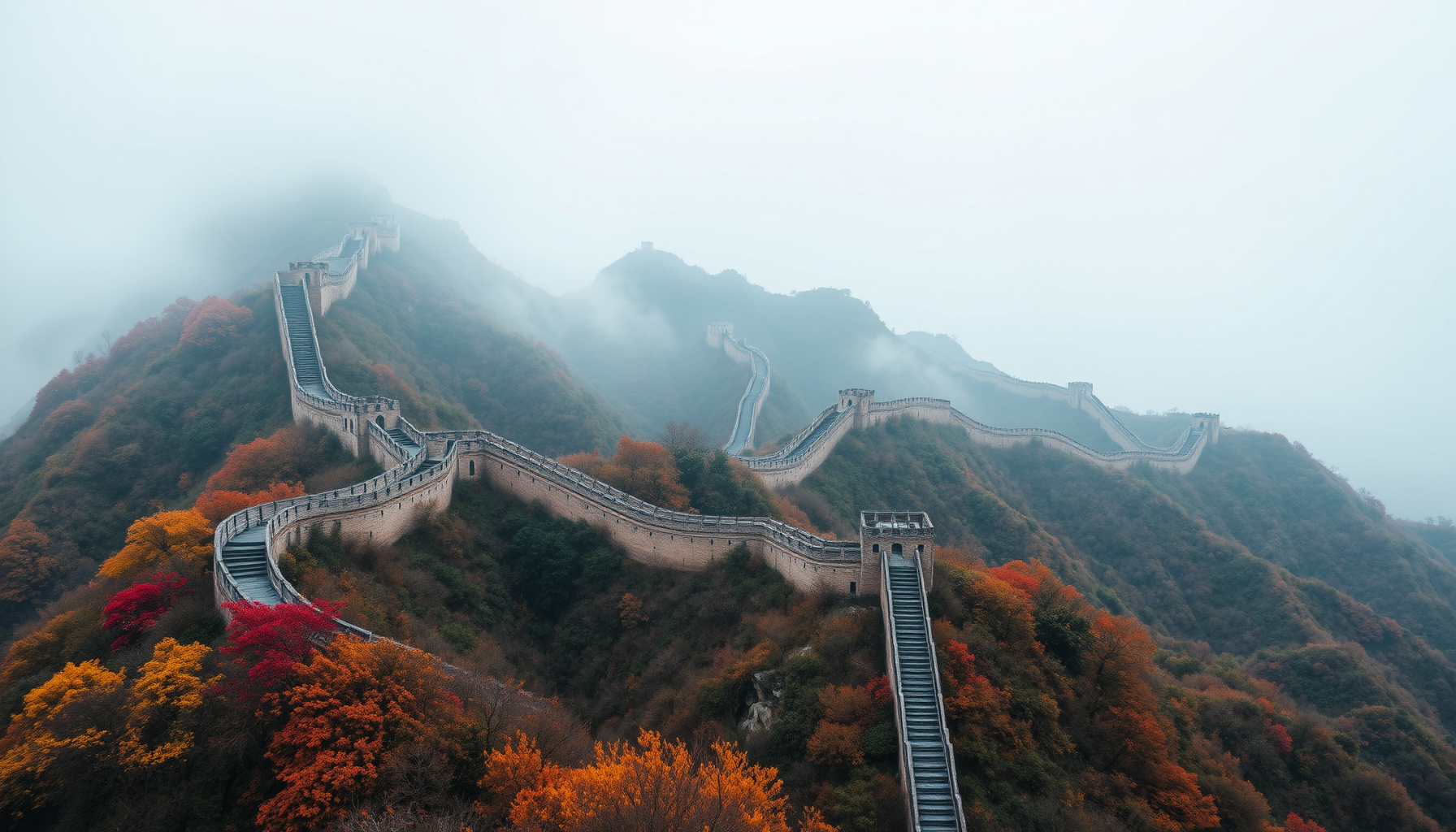
The accessible restored section spans 2.25km and features 23 watchtowers. The curved section between Tower 14 and Tower 15 produces the sweeping S-curve photograph that appears on most professional East Asia travel features.
Entry tickets match Badaling: ¥65 adult, ¥30 for students with valid ID, free for children under 1.2m and seniors 60+. But the crowd experience diverges sharply.
💡 Pro Tip: Mutianyu Gets Busy Too — Arrive by 9:00 AM
Even Mutianyu crowds significantly after 10 AM in July, August, and October. The gondola queue alone can reach 40 minutes by midday on peak days. Arriving by 9:00 AM beats both the gondola queue and the mid-morning heat, and gets you the wall during its least-visited window of the day.
The wall terrain at Mutianyu is steeper and more uneven than Badaling. Several sections between the lower watchtowers involve irregular stones and no handrails — sturdy footwear (hiking boots or firm trainers with ankle support) is genuinely necessary here, not just recommended.
Cable Car, Chairlift & Toboggan — Prices and What to Choose
This is where the two sections diverge most sharply for families and visitors with time constraints.
| Option | Badaling | Mutianyu |
|---|---|---|
| Gondola (enclosed cable car) | ¥100 one-way / ¥120 RT | ¥100 one-way / ¥120 RT |
| Open chairlift | ¥80 one-way | ¥70 one-way |
| Toboggan (alpine slide down) | ❌ Not available | ¥100 one-way |
| Chairlift up + toboggan down | ❌ Not available | ¥160–180 combined |
The Mutianyu toboggan is a 1,500-meter alpine slide (luge-style) that descends the mountain in 5–7 minutes. It is a genuine attraction — not a theme park add-on. Children over 1.2m tall can ride solo; smaller children must ride with an adult.
The most popular combination at Mutianyu: chairlift up (open-air, with forest and wall views), walk 2–3 watchtowers, toboggan down. Total cost: ¥160–180, total time: 2–3 hours. This is the recommended approach for first-time visitors and families.
💡 Pro Tip: Book Toboggan Tickets Early — Queue Reality
Toboggan queues at Mutianyu can exceed 45 minutes by midday in peak summer. Buy the combined chairlift + toboggan ticket from Trip.com or Klook in advance, or purchase at the gate as early as possible. The toboggan station accepts both Alipay/WeChat and cash — have ¥200 ready as backup if mobile payment fails.
Crowd Levels — When Each Section Is Actually Crowded
Peak season for both sections runs through two distinct windows: the May 1st Golden Week holiday (April 29 – May 5) and the October Golden Week (October 1–7). Summer school holidays (mid-July through August) are also significantly busier than shoulder season.
| Time Period | Badaling | Mutianyu |
|---|---|---|
| Weekday, off-peak (Nov–Mar) | Manageable — very walkable | Quiet — near-empty sections possible |
| Weekend, shoulder (Apr, Sep) | Busy — arrive before 9 AM | Moderate — comfortable most of the day |
| Summer peak (Jul–Aug) weekday | Very crowded by 10 AM | Busy — go early or go gondola at 9 AM |
| Golden Week (May 1–5 / Oct 1–7) | Extreme — 50,000–70,000+ visitors | Crowded — roughly half Badaling’s density |
During October Golden Week, Badaling implements daily visitor caps enforced through its official WeChat mini-program reservation system. Foreign visitors book using their passport number — this must be done 1–3 days in advance, not on the day. Walk-up entry is not guaranteed.
Mutianyu does not typically require advance booking outside of Golden Week. But on October 3–4, 2026, the toboggan queue reportedly reached 90 minutes by 11 AM. That’s an extreme case, but worth factoring into timing if you’re visiting during China’s peak domestic travel week.
Difficulty — Which Wall Walk Is Actually Harder?
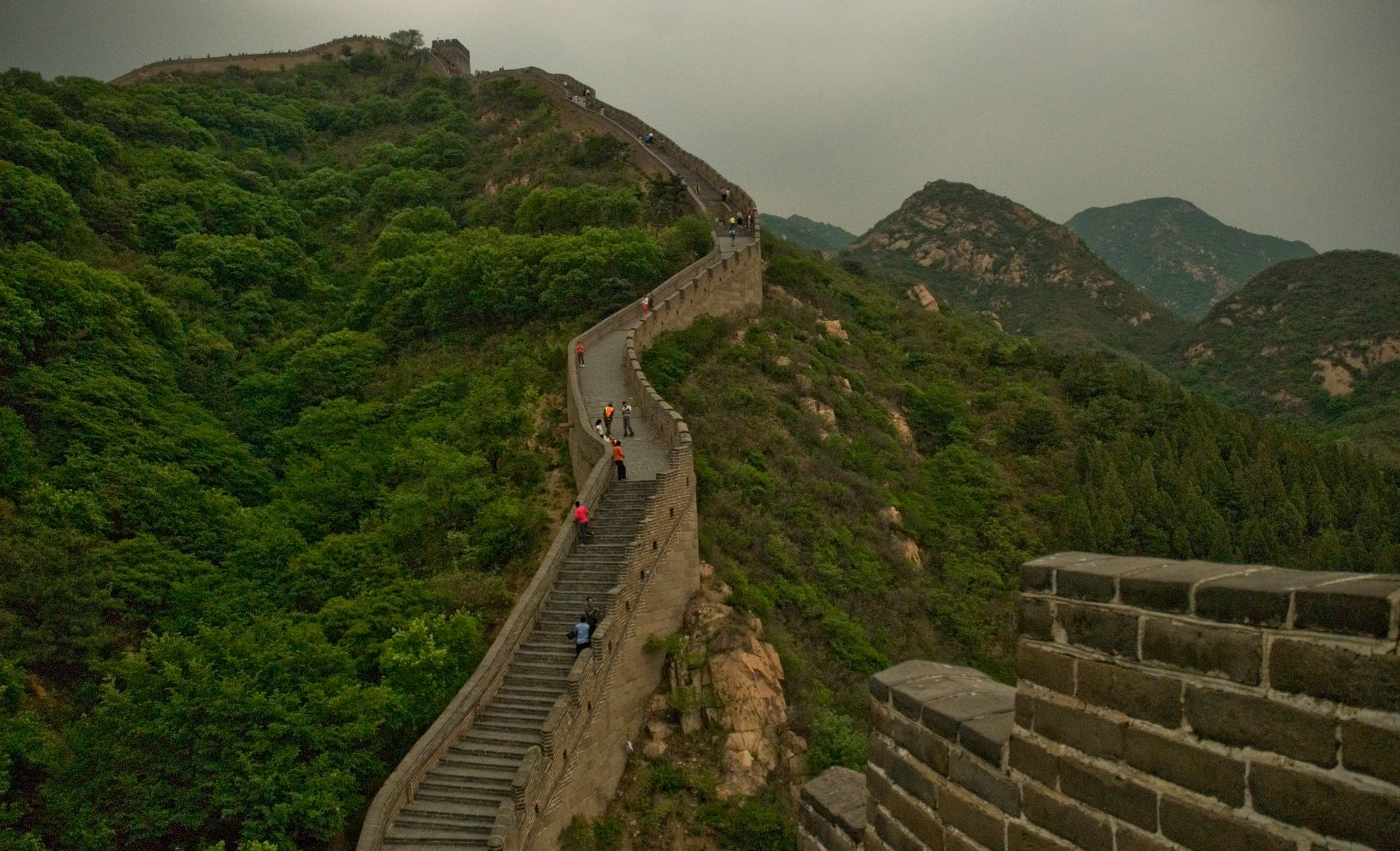
Badaling is the easier physical walk. The restored paving is smooth and consistent, slopes follow a manageable gradient, and handrails are present on every steep section. Most visitors can cover the main north and south sections comfortably in 2–3 hours.
Mutianyu is physically more demanding. While the core restored section is paved, watchtower staircases require ducking and careful footing. The section beyond Tower 20 has rougher original stones and no guardrails.
The steepest sustained section at Mutianyu — between Towers 1 and 5 near the lower entrance — involves a 35–40° incline that even fit hikers take slowly. In summer heat, this section is genuinely punishing without water and sun protection.
“Great Wall sections open to visitors near Beijing vary significantly in gradient, restoration quality, and accessibility. Visitors with mobility considerations should inquire specifically about each section’s terrain and available mechanical assists before visiting.”
— China National Tourism Administration visitor guidance
Verdict on difficulty: Badaling for accessibility and ease. Mutianyu for a more authentic, physically engaging wall experience that rewards the extra preparation.
Photography — Best Spots at Each Section
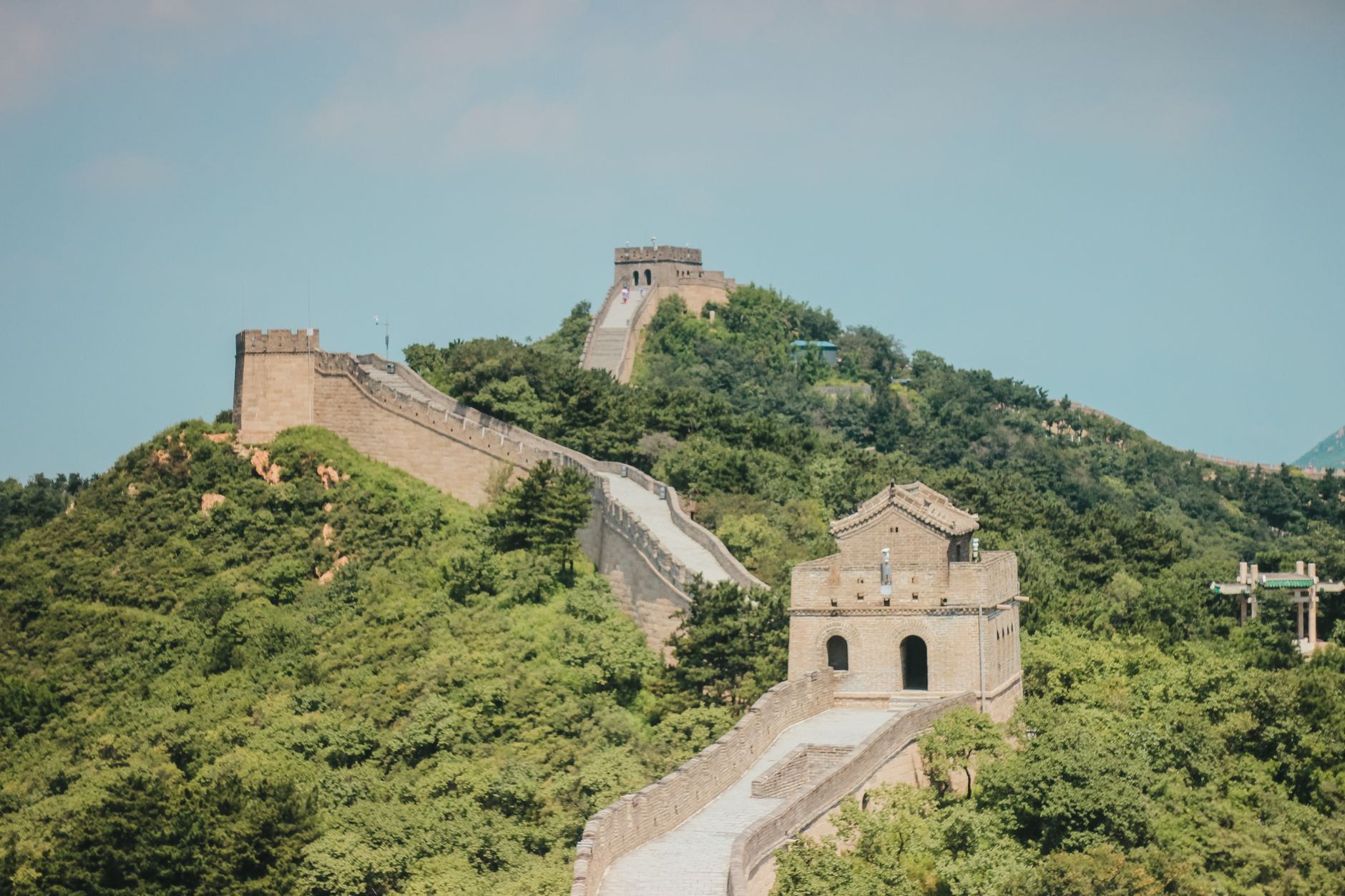
Mutianyu wins for photography — and it’s not close. The curved section between Watchtower 14 and Watchtower 15 produces the sweeping S-bend Great Wall image that defines most professional travel photography of northern China.
Best shooting conditions at Mutianyu: arrive at gate opening (7:30 AM summer) and walk directly to Tower 14. Shoot northwest toward Towers 15–17. Morning light comes from the east, front-lighting the wall with forest in shadow — cleaner and more dramatic than the haze-flattened mid-afternoon version most tourists get.
💡 Pro Tip: Autumn Foliage Transforms Both Sections
Late October to early November (after Golden Week crowds dissipate) brings yellow and orange foliage across the valley below both sections. This is widely considered the best two-week window of the entire year to photograph either Mutianyu or Badaling — but book accommodation 3–4 weeks ahead as it fills quickly.
At Badaling, the strongest photographic position is near Watchtower 8 on the north side — a long straight section with a mountain backdrop. Less iconically curved than Mutianyu but compelling, especially in low-angle autumn light.
One rule applies to both sites: commercial drone use is strictly prohibited and enforced on-site. Bringing a drone risks confiscation and a fine. This is not a loosely applied guideline — it is actively enforced by on-site rangers.
Tickets, Hours & What to Book Before You Go
Badaling: ¥65 adult, open 7:30 AM–5:30 PM (extended to 6:00 PM in summer). Free for seniors 65+ (proof required). Ticket sales close 90 minutes before the advertised closing time. Book via the official WeChat mini-program or purchase at the gate in cash or via Alipay/WeChat Pay.
Mutianyu: ¥65 adult, open 7:30 AM–6:00 PM (summer season). Free for seniors 60+ and children under 1.2m. Purchase at the site ticket window, or pre-book via Trip.com and Klook for combined entry + toboggan packages that include gondola or chairlift access.
⚠️ Warning: Badaling Golden Week Advance Booking — Passport Required
During May 1st and October 1st Golden Week holidays, Badaling operates under a capped advance-reservation system via the official WeChat mini-program. Foreign visitors register using their passport number — this must be completed 1–3 days before the visit, not on the day itself. Walk-up entry is not guaranteed during these peak windows.
Cash backup: both sites accept Alipay, WeChat Pay, and RMB cash. Foreign tourists without a linked Chinese bank account may find mobile payment unreliable at the toboggan station. Carry at least ¥200 in cash per person to cover tickets, mechanical assists, and on-site food.
Should You Visit Both Sections in One Day?
The short answer: possible, but punishing. Badaling is northwest of Beijing; Mutianyu is northeast. They require re-entering the city between visits, and the total transit adds up to 4–5 hours of travel on a day already physically demanding.
A realistic combined attempt would look like: 7:00 AM Bus 877 to Badaling, 2.5 hours walking, back to Beijing by 1:30 PM, then 90-minute transit to Mutianyu, arriving by 3:30 PM with barely 2.5 hours before the toboggan station closes. Doable in theory — uncomfortable in practice.
More effective itinerary: Visit one Great Wall section on Day 1. Use Day 2 for the Forbidden City (Beijing’s other UNESCO World Heritage Site, walkable from Tiananmen subway) or for the Ming Tombs, which sit 13km before Badaling on the G6 expressway and can be combined with Badaling in a single day trip for ¥150–200 per person via Trip.com tour packages.
Key Takeaway — Mutianyu vs Badaling: Who Each Section Suits
- Choose Badaling if: you want the simplest transport (Bus 877, ¥22), you’re visiting with elderly travelers or very young children (better accessibility and paving), you’re combining with Ming Tombs, or you’re on a tight Beijing schedule and can’t spend 2+ hours getting to Mutianyu.
- Choose Mutianyu if: photography and authenticity matter to you, you want the toboggan experience with kids or just for fun, you’re willing to invest 30–60 extra minutes of transport for a meaningfully less crowded wall, or it’s your only Great Wall visit and you want the stronger memory.
- Avoid both during the first 4 days of October Golden Week if you have any schedule flexibility — the wall is magnificent, but at 50,000–70,000 visitors the Badaling experience specifically is more crowd management than wall walking.
We earn a commission if you book through links on this page, at no extra cost to you. See our affiliate disclosure.
FAQ: Mutianyu vs Badaling Great Wall
Is Mutianyu worth the extra travel time from Beijing?
For most first-time international visitors, yes. The extra 30–60 minutes of transit buys significantly fewer crowds, a more dramatic physical wall experience, and access to the toboggan. If you’re visiting Beijing for the first time and have one day for the wall, Mutianyu typically delivers a stronger lasting impression.
Can I take a taxi or Didi to Badaling instead of Bus 877?
Yes. A Didi from central Beijing to Badaling costs ¥180–280 one-way and takes 50–70 minutes in light traffic. It’s faster than Bus 877 on weekday mornings. On peak weekends, the G6 expressway gets congested and the time advantage narrows significantly.
Is the Mutianyu toboggan safe for children?
Yes, with posted rules followed. Children over 1.2m tall can ride solo; smaller children must ride with an adult. The alpine slide has a hand-operated speed brake and safety staff at interval checkpoints. Injuries from excessive speed do occasionally occur — follow the posted limits, which are strictly enforced at the lower checkpoint.
Do I need a Chinese visa to visit either Great Wall section?
If you’re already in Beijing, no additional permit is needed. China’s 240-hour visa-free transit policy (applicable to most Western passport holders as of 2026–2026) covers day trips to both Badaling and Mutianyu. Verify current eligibility for your nationality before travel, as the list of covered countries has expanded significantly.
Is cash essential at both Great Wall sections?
Both sites accept Alipay and WeChat Pay for tickets and on-site purchases. However, foreign tourists without a linked Chinese bank account may find mobile payment unreliable at the toboggan lift station specifically. Carry ¥200 per person in RMB cash as a reliable backup — especially if you plan to use the toboggan at Mutianyu.
When is the best time of year to visit either section?
Mid-April to early May brings green foliage and mild temperatures before Golden Week crowds. Late September offers the clearest skies of the year and the start of autumn color — without the October 1st crowd surge. Late October to early November delivers peak foliage and thin weekday crowds, but temperatures drop sharply after dark.
Are there less-visited Great Wall sections worth considering near Beijing?
Jinshanling (approximately 3 hours from Beijing) and Simatai (2.5 hours) offer wilder, less-restored sections with dramatically longer uninterrupted wall stretches. Simatai operates a night tour. These suit serious hikers and photographers willing to commit a full travel day — not first-time visitors on a tight schedule.
Which Great Wall section is better in winter?
Both are open year-round, though Mutianyu’s toboggan closes in icy conditions. Badaling in light snow is genuinely one of Beijing’s most striking travel experiences — empty paths, white-capped battlements, and mountain backdrop — and a weekday winter visit is dramatically quieter than any summer or autumn day.
Frequently Asked Questions
Which is better: Mutianyu or Badaling?
Mutianyu for a better experience (fewer crowds, restored but not over-polished, plus the toboggan slide down). Badaling for convenience and bragging rights (closest to Beijing, the section world leaders are photographed on, and the most “classic” Great Wall look). Mutianyu wins for most travelers.
How long does it take to get to Mutianyu from Beijing?
About 1.5 hours by car or shuttle bus from central Beijing. Bus 916 Express from Dongzhimen Bus Station to Huairou, then a local minibus or taxi (20 minutes) to the wall entrance. Total trip: roughly 2 hours with transfers. Private car/shuttle from Beijing center: 1.5 hours, 400-600 yuan round trip.
How long does the Mutianyu toboggan take?
The toboggan descent takes roughly 5-7 minutes down a 1,580-meter metal track from Watchtower 6. Speed is controlled by a hand brake. Queue time is the real variable: 15-30 minutes on weekdays, up to 90 minutes on holiday weekends. Cost: included in the slideway combo ticket (about 120 yuan for cable car up + toboggan down in 2026).
Is Badaling really that crowded?
Yes. Badaling receives 70 percent of all Great Wall visitors because it is the closest section to Beijing with the best transport links. Weekdays outside Chinese holidays are manageable. Weekends, public holidays, and October Golden Week: the wall is genuinely shoulder-to-shoulder on the main sections. Go at opening time (7:30 AM) if you choose Badaling.
What is the cheapest way to reach the Great Wall?
Bus 877 from Deshengmen Bus Station to Badaling costs 12 yuan and takes about 1 hour. For Mutianyu: Bus 916 Express from Dongzhimen (8 yuan) plus a local taxi/minibus from Huairou (add ~40 yuan). Total: under 50 yuan each way — the cheapest Great Wall trip possible in 2026.
Can I visit both Mutianyu and Badaling in one day?
No. They are on opposite sides of Beijing — roughly 2 hours apart by car. Pick one. If you want two wall experiences, combine Mutianyu with a stop at the unrestored Jiankou section (advanced hikers only, 1-hour walk from Mutianyu via mountain trail) or the quieter Jinshanling section on a separate day trip.
Photos via Pexels.
More on China Destinations:
Planning a trip to China?
Check out our China Travel Hub for more guides, including China Digital Survival Guide.

Written by Sam Konneh
Sam Konneh is an AI strategist and digital marketer based in Seoul, South Korea. With years spent living, working, and exploring across Korea, Japan, and China, he shares firsthand insights into East Asia's cultures, hidden gems, and everyday life. A graduate of Inha University and KDI Graduate School, Sam combines data-driven expertise with on-the-ground experience. His journey also includes studying in Malaysia and traveling through Southeast Asia. Through practical tips, local stories, and travel guides, he helps fellow explorers discover both the celebrated highlights and the lesser-known corners of East Asia.