
Last Updated: October 21, 2026 | Originally Published: July 24, 2026
Last updated: July 12, 2026
- International roaming eSIMs from Airalo, Ubigi, and Nomad route through overseas networks — Google Maps, WhatsApp, Gmail, and YouTube all work without a VPN
- Local SIMs from China Unicom and China Mobile are cheaper but your data goes through the Great Firewall — all Google services and WhatsApp are blocked
- Best for most travelers: buy an Airalo international data plan before your flight and activate on the plane
- Big trap: hotel and airport WiFi in China often blocks VPN protocols too — don’t rely on a hotel connection as your backup plan
China has one of the most aggressive internet censorship systems in the world. The moment your plane lands, Google Maps, WhatsApp, Instagram, YouTube, and Gmail go dark — unless you plan ahead.
The good news: you don’t need a VPN if you choose the right connectivity option. International roaming eSIMs bypass China‘s Great Firewall by design. This guide explains exactly which plans work, what they cost, and how to set up before you land.
What Does China’s Great Firewall Block?
China’s internet censorship system — formally the Golden Shield Project, colloquially the Great Firewall (防火长城, Fánghuǒ Chángchéng) — filters domestic internet traffic at the network level. As a traveler, the biggest hits:
Blocked without a firewall bypass: All Google services (Search, Maps, Gmail, Drive, Chrome sync, YouTube, Google Translate), WhatsApp, Instagram, Facebook, Twitter/X, Telegram, Signal, Spotify, Dropbox, and most Western news sites.
What keeps working: WeChat (essential for local contacts), Baidu Maps, Didi (China’s ride-share app), Alipay (foreign-card payments now supported), local hotel booking sites, and most international banking apps running over HTTPS.
The block applies to China’s domestic internet backbone. International roaming traffic — data from a foreign carrier’s SIM roaming in China — travels via the carrier’s international gateway and is typically not subject to the same filtering. That’s the technical reason roaming eSIMs work where local SIMs don’t.
Download Google Maps offline before you land. Navigate to each city map → tap your profile → Offline Maps → Download. Even on a roaming eSIM, Maps can briefly glitch in underground stations and rural areas.
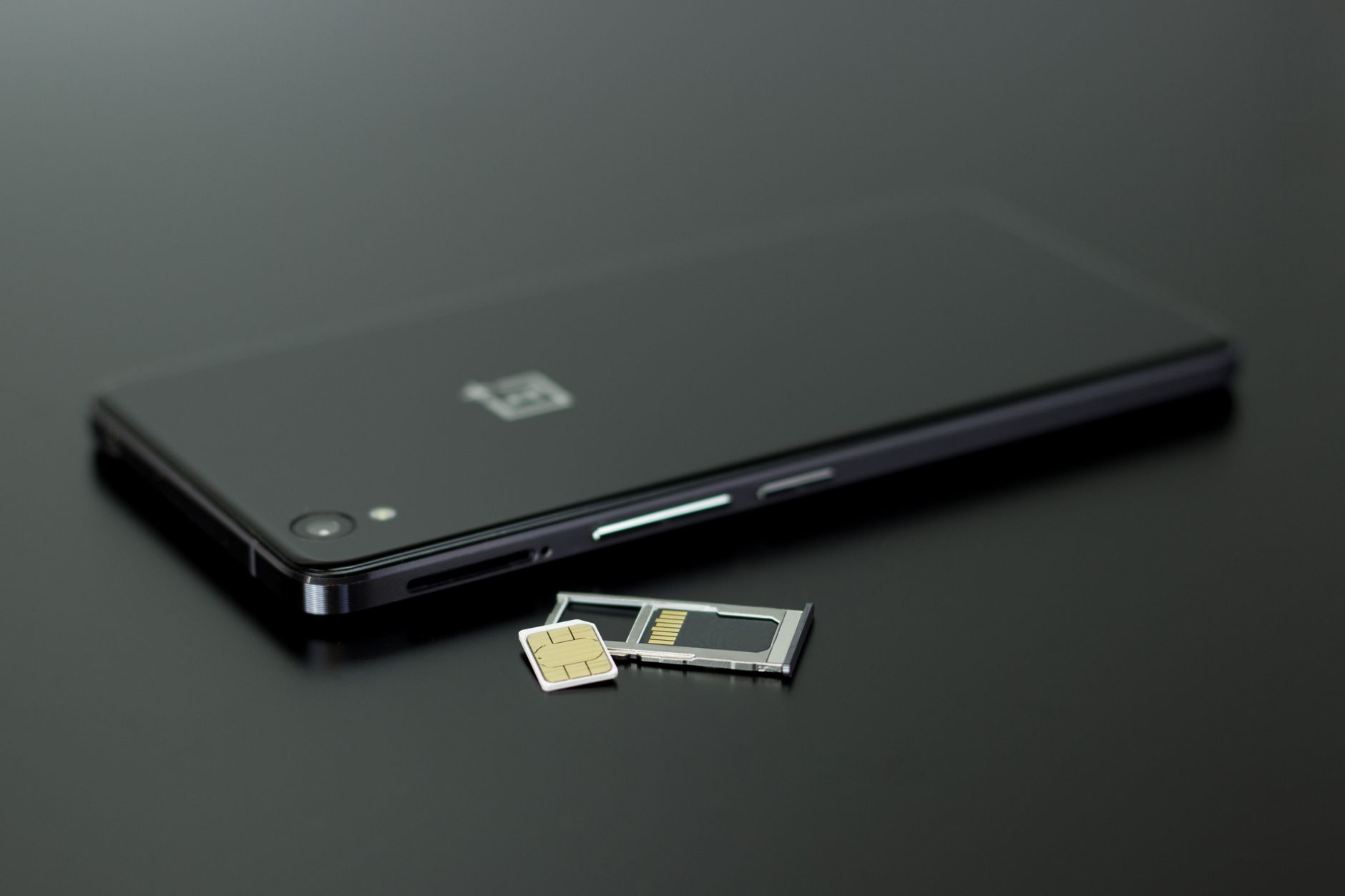
International Roaming eSIMs: Airalo, Ubigi & Nomad (No VPN Needed)
International roaming eSIMs connect to a Chinese carrier (usually China Mobile or China Unicom) for the cell signal, but your data packets travel back through the foreign carrier’s international roaming agreement. This routes your traffic outside China’s domestic network — and outside the Great Firewall.
Three providers consistently tested by travelers in China:
Airalo sells China data plans in sizes from 1 GB upward; check the current price in the app before you buy.
We earn a commission if you book through links on this page, at no extra cost to you. See our affiliate disclosure.
Get an Airalo eSIM Look specifically for plans described as “international roaming” — not plans that route through a Chinese domestic APN. The Airalo app (iOS and Android) activates plans instantly via QR code scan.
Ubigi is a France-based provider. China plans run roughly $4–$5 per GB. Their network uses international roaming agreements, so Google and WhatsApp work out of the box. Useful for European travelers already familiar with the brand.
Nomad is a Canadian eSIM provider with China plans from approximately $4/GB. A good pick for travelers also visiting Japan or South Korea — Nomad sells multi-country Asia packs that cover the whole trip in one eSIM.
Not every Airalo China plan bypasses the Great Firewall. Some plans use a Chinese domestic network partner and behave exactly like a local SIM — Google and WhatsApp will be blocked. Check the plan description before buying: “international roaming” or a non-Chinese carrier name is the signal to look for.

Local Chinese SIM Cards: China Unicom & China Mobile
At most major international airports — Beijing Capital (PEK), Shanghai Pudong (PVG), Guangzhou Baiyun (CAN), and Chengdu Tianfu (TFU) — you can buy a tourist SIM immediately after clearing customs.
China Unicom Tourist SIM: Approximately ¥99 (around $14 USD) for 30 days and 30 GB of data with a temporary Chinese number. Registration requires your passport; staff handle it on the spot in 5 minutes.
China Mobile EasyTour SIM: Similar pricing — ¥99–¥150 for 20–50 GB depending on the package. China Mobile has broader rural coverage across western China and Tibet.
What you get: fast 4G/5G speeds on one of the world’s largest mobile networks. What you lose: all Google services, WhatsApp, Instagram, and YouTube are blocked the moment you activate the SIM.
To access blocked services on a local SIM, you need a VPN. The challenge: many VPN protocols (standard OpenVPN, WireGuard) are blocked in China. Hotel WiFi frequently throttles or fully blocks VPN traffic. Paid VPNs with obfuscation technology — ExpressVPN’s Lightway protocol, NordVPN’s obfuscated servers — succeed more often, but reliability varies by city and season.
Bottom line: a local SIM makes sense if you already have a tested, working VPN subscription and plan a stay longer than two weeks. For a standard 7–14 day trip, an international roaming eSIM is the more reliable choice.
“Travelers to China should be prepared for restricted internet access and plan connectivity solutions before departure.”
— U.S. State Department, China Travel Advisory (current, 2026)

Side-by-Side Comparison: Price, Data, Firewall Bypass
| Provider | Type | Approx. Price | Data | Firewall Bypass | Best For |
|---|---|---|---|---|---|
| Airalo (int’l roaming) | eSIM | ~$3.50–$18 | 1–10 GB | YES | Most travelers |
| Ubigi | eSIM | ~$4–$5/GB | Flexible | YES | European travelers |
| Nomad | eSIM | ~$4/GB | Flexible | YES | Multi-country Asia trips |
| China Unicom Tourist SIM | Physical SIM | ¥99 (~$14) | 30 GB / 30 days | NO (needs VPN) | Long stays with own VPN |
| China Mobile EasyTour | Physical SIM | ¥99–¥150 | 20–50 GB | NO (needs VPN) | Budget travelers with VPN |
Prices are approximate and subject to change. Check Airalo/Ubigi/Nomad apps for current rates before purchase. Passport registration required for physical SIMs purchased in-country.

How to Set Up Your eSIM Before You Land in China
Both Airalo and Ubigi require you to install the eSIM profile before entering China. Apple’s eSIM activation servers and Google Play Store are inaccessible from inside mainland China. Set this up at home or at your layover airport.
Step 1: Buy your plan in the Airalo or Ubigi app. Complete payment before you travel.
Step 2: Install the eSIM profile using the QR code provided. On iPhone: Settings → Mobile Data → Add eSIM → Use QR Code. On Android: Settings → Network & Internet → SIM → Add eSIM.
Step 3: Keep your home SIM active for calls and 2FA text messages. Set the eSIM as the data line only.
Step 4: Turn off your home carrier’s roaming data before boarding. A single five-minute roaming session on a European carrier’s network in China can cost €10–€30.
Step 5: After landing, test with a Google Maps search before leaving the arrivals hall. If it loads, your eSIM is working.
iPhone XS and later, and most Android flagships since 2019, support eSIM. Check your phone settings under Mobile Data before buying a plan. Older phones and some budget Android models are physical-SIM only.
International roaming eSIMs from Airalo, Ubigi, or Nomad bypass China’s Great Firewall because your traffic routes through a foreign carrier’s international connection. Google Maps, WhatsApp, and Gmail all work without a VPN. Local Chinese SIMs (China Unicom, China Mobile) are cheaper but require a working VPN — and VPN reliability in China is inconsistent. Install and test your eSIM before landing.

FAQ: China eSIM & Internet Questions Answered
Does Airalo work in China without a VPN?
Yes — if you buy an international roaming plan from Airalo (not a plan that routes through a Chinese domestic network). International roaming plans route your data outside the Great Firewall. Google Maps, WhatsApp, and Gmail all work.
Can I use WhatsApp in China?
WhatsApp is blocked on China’s domestic internet. On an international roaming eSIM (Airalo, Ubigi, Nomad), WhatsApp works normally. On a local China Unicom or China Mobile SIM, you need a working VPN.
What’s the cheapest way to get internet in China?
A China Unicom Tourist SIM at ¥99 for 30 GB is the cheapest per-GB option. But it requires a VPN to access Google and WhatsApp, adding complexity and cost. For a short trip, a 3–5 GB Airalo international plan (~$7–$12) is more cost-effective in practice.
Do international eSIMs work at Chinese airports immediately after landing?
Yes. Your eSIM connects to a Chinese carrier’s tower as soon as you land. Data starts flowing through the international roaming gateway immediately — no setup at the airport required if you installed the profile before flying.
Is it legal to bypass the Great Firewall in China?
China’s internet regulations are complex. VPNs are officially restricted to licensed enterprise providers. International roaming eSIMs operate differently — they use carriers’ roaming agreements, not VPN technology — and travelers have used them without issue. That said, the legal framework can shift. Check current guidance from your country’s foreign affairs ministry before travel.

Photos via Pexels.
More on China Travel Planning:
Planning a trip to China?
Check out our China Travel Hub for more guides, including China Digital Survival Guide.

Written by East Asia Explorer Editorial Team
Sam Konneh is an AI strategist and digital marketer based in Seoul, South Korea. With years spent living, working, and exploring across Korea, Japan, and China, he shares firsthand insights into East Asia's cultures, hidden gems, and everyday life. A graduate of Inha University and KDI Graduate School, Sam combines data-driven expertise with on-the-ground experience. His journey also includes studying in Malaysia and traveling through Southeast Asia. Through practical tips, local stories, and travel guides, he helps fellow explorers discover both the celebrated highlights and the lesser-known corners of East Asia.