Last Updated: October 21, 2026 | Originally Published: July 22, 2026
- Violent crime against tourists is rare — pickpocketing and scams are the primary risks
- The US State Department rates China Level 2 (wrongful detention risk, not general street crime)
- Solo female travelers consistently report feeling safer than expected, especially using Didi at night
- Carry ¥500–¥1,000 cash; Alipay and WeChat Pay now accept most foreign Visa/Mastercard
China is one of the world’s most-visited countries — and one of the most nervously Googled before a first trip. After navigating Beijing‘s subway solo at midnight and wandering Shanghai’s The Bund at 2 AM, the honest answer is: China is safer than most first-timers expect for day-to-day street safety.
But “safe” requires nuance here. The US State Department maintains a Level 2 advisory, the language barrier is real, and a handful of well-worn tourist scams run in every major city. This guide gives you the unvarnished picture.
What Do Crime Statistics Actually Say About China?
Numbeo’s global safety index consistently ranks Beijing, Shanghai, and Chengdu as safer than most comparable Western cities for violent crime. Robbery, assault, and serious crime against tourists are statistically uncommon.
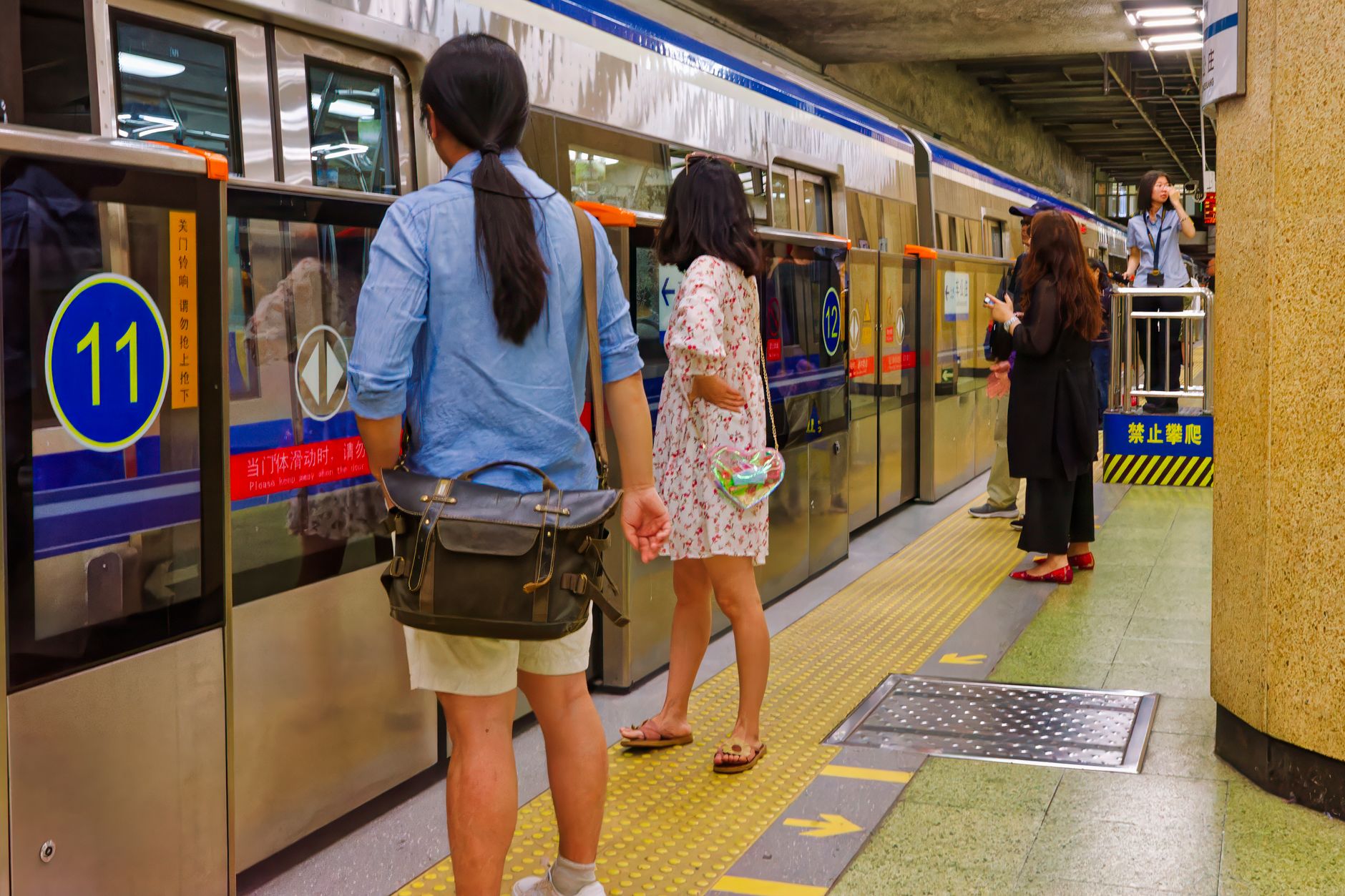
The real risk categories are different: petty theft (pickpocketing on Shanghai’s Metro Line 2 during rush hour, bag-snatching near tourist queues outside Forbidden City) and organized scams targeting English-speaking visitors in high-traffic areas.
Incidents concentrate in crowded tourist zones in Beijing and Shanghai. Outside those pinch points, traveler safety is high by global standards.
According to the US State Department’s China Country Information page, travelers should “exercise the same caution you would in any major metropolitan area” regarding street crime — with the primary concern being the government’s treatment of foreign nationals in commercial or legal disputes, not random violence.
The Scams You’ll Actually Encounter in Beijing, Shanghai & Xi’an
The tea ceremony scam is the most financially damaging. You meet “friendly locals” or “art students” who invite you for tea. The bill arrives at ¥800–¥3,000 per person. It operates daily around Wangfujing, Tiananmen Square, and The Bund in Shanghai.
The art student scam follows the same pattern — you’re invited to a “gallery opening” and pressured to buy prints at massively inflated prices. Xi’an’s Muslim Quarter and Chengdu’s Jinli Street also see versions of this.
Fake monk encounters (usually near temples) involve men in robes blessing you and demanding donations. Genuine Buddhist monks do not solicit in streets or tourist areas.
| Scam Type | Where It Operates | Typical Cost | How to Avoid |
|---|---|---|---|
| Tea Ceremony | Beijing, Shanghai, Xi’an | ¥800–¥3,000 | Decline unsolicited invitations |
| Art Student | Wangfujing, Chengdu, Xi’an | ¥500–¥2,000 | Politely decline “gallery” invites |
| Taxi Meter Off | All airports, train stations | 3–10× fair fare | Use Didi app — never unmarked taxis |
| Fake Monks | Near temples in all cities | ¥50–¥200 “donation” | Real monks don’t solicit tourists |

Solo Female Safety in China: The Ground-Level Reality
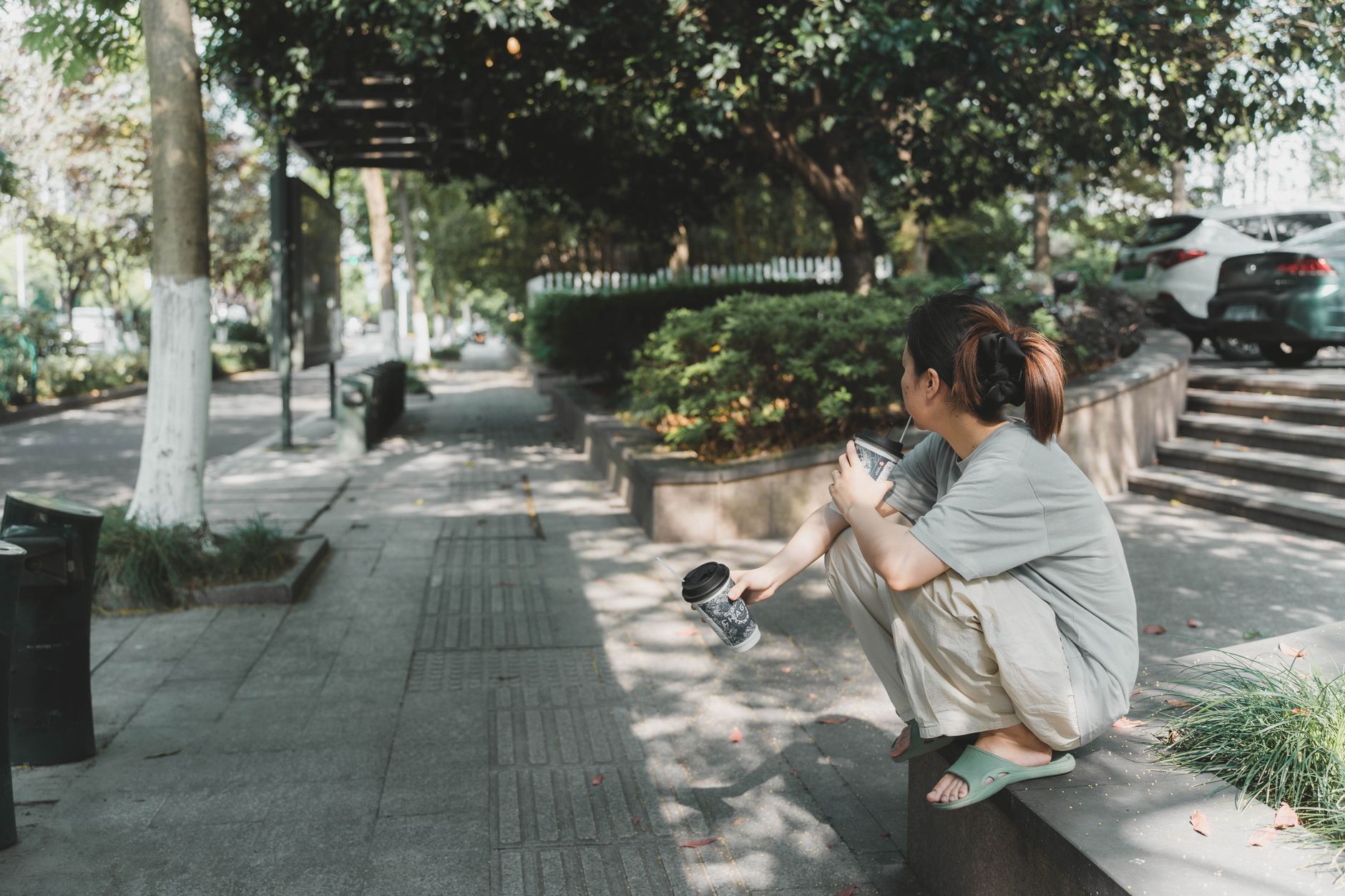
Solo female travelers consistently rate China among the safer Asian destinations for unaccompanied travel. The culture doesn’t generate the persistent street harassment common in parts of Southeast Asia, the Middle East, or South America.
The China National Tourism Administration advises using licensed rideshare and taxi platforms at night. Didi — China’s equivalent of Uber — has an in-app safety feature that shares your live trip and includes a panic button, making it a far safer choice than hailing an unmarked taxi after midnight.
“Public security forces maintain a strong presence in major tourist districts and around key attractions. Violent crime targeting tourists is uncommon, though visitors should take normal precautions against opportunistic theft in crowded areas.” — China National Tourism Administration, Tourism Safety Guidance (2026)
Beijing’s Metro runs until approximately 23:30 across most lines. Shanghai’s Metro closes around 23:00. After metro hours, Didi is the safest and most reliable option — set up the app and link your foreign Visa or Mastercard before you fly.
The Language Barrier: Apps That Actually Work in China
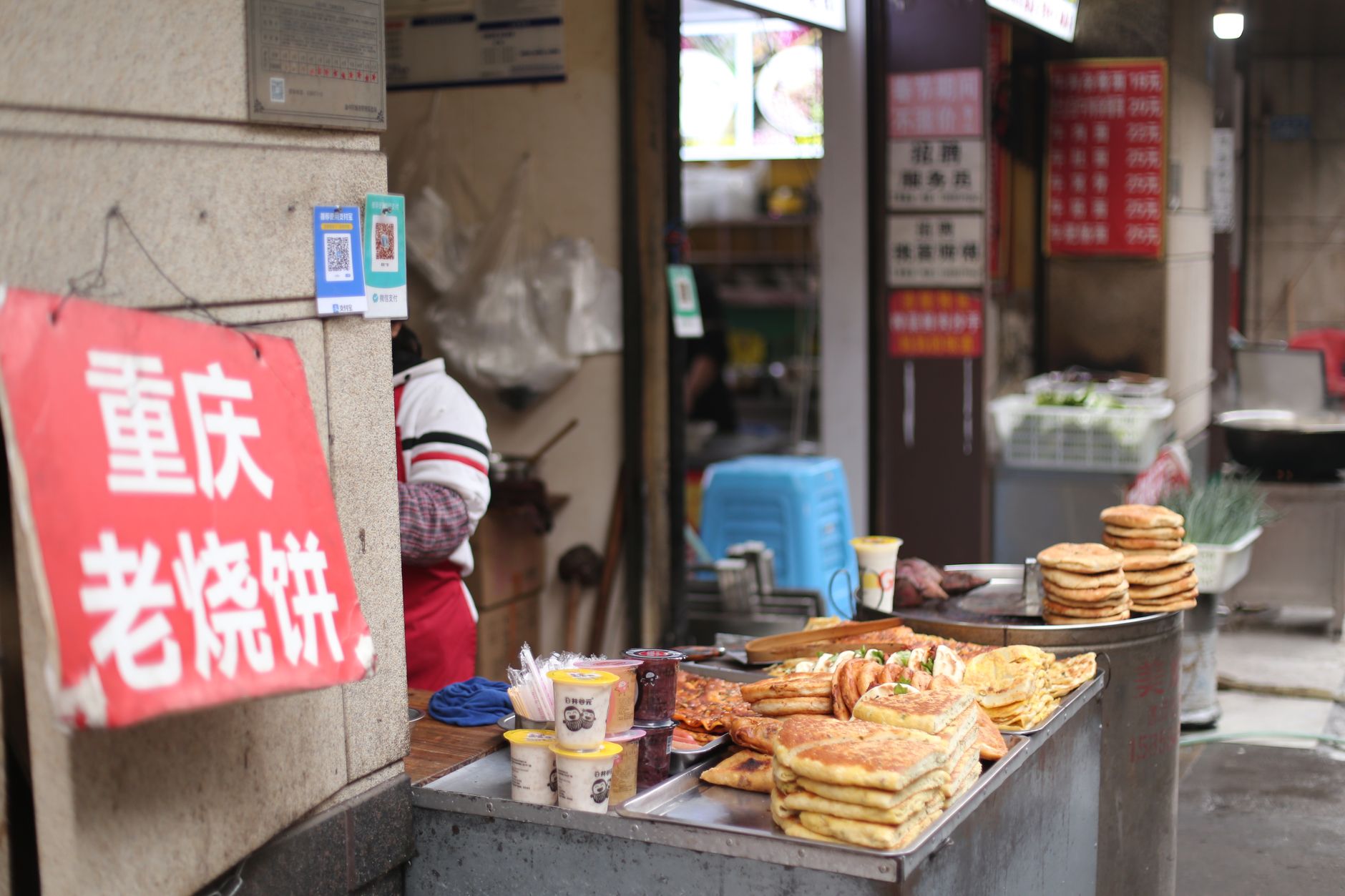
Outside Beijing and Shanghai tourist corridors, English signage disappears fast. Chengdu’s street food stalls, Guilin’s local buses, and Xi’an’s covered markets often have zero English. Three apps you need downloaded before landing:
- Google Translate — download the Simplified Chinese offline language pack. The camera mode reads menus in real-time. Important: Google requires a VPN in mainland China, but the offline language pack functions without any internet connection.
- Pleco — the gold standard offline Chinese dictionary. Handwriting input lets you draw characters you can’t type. The free core version covers everything most travelers need.
- Baidu Translate — works in China without a VPN, handles voice and camera input. Less accurate on complex text than Google Translate but available everywhere without workarounds.

Cash vs Alipay vs WeChat Pay: What Foreign Tourists Can Actually Use
Per US State Department travel advisories, china’s reputation for being “cashless to a fault” is real — but the foreign-tourist experience improved significantly in 2023–2026, when both Alipay and WeChat Pay simplified foreign card onboarding.
- Alipay — download Alipay International, link a Visa or Mastercard with international transactions enabled. You get a foreign-card sub-wallet accepted at most QR-code payment points across China.
- WeChat Pay — link a foreign Visa or Mastercard in WeChat’s wallet settings. As of late 2023, it no longer requires a Chinese phone number for international card users.
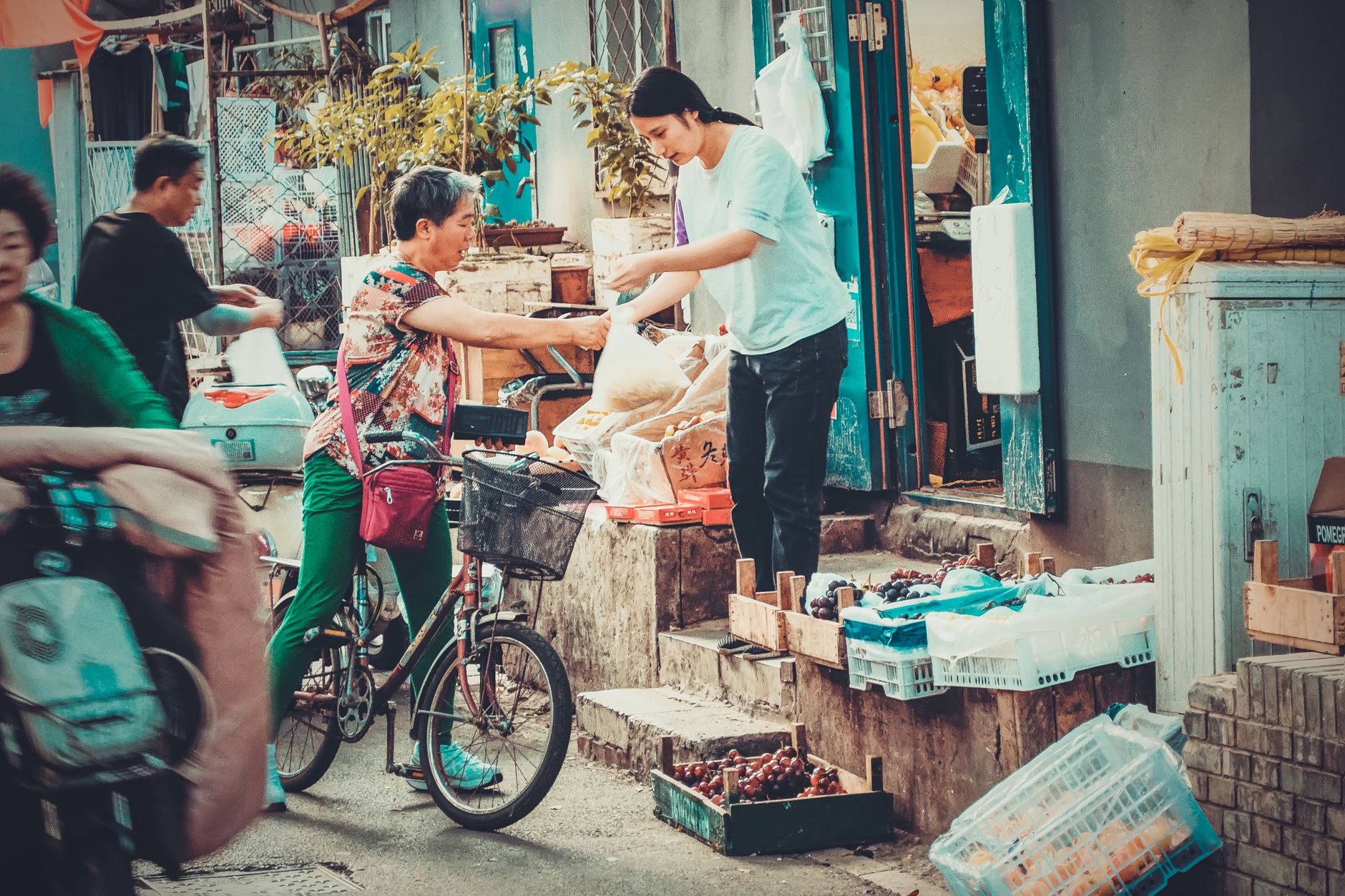
- Cash backup (¥500–¥1,000) — small vendors, rural bus stations, some temple entry desks, and street food markets are still cash-only. Bank of China and ICBC ATMs reliably accept Visa and Mastercard; look for the Visa/UnionPay logos before inserting your card. UnionPay-only ATMs will decline foreign cards.
Emergency Numbers Every China Visitor Must Know
Save these before you depart — not just in your phone, but on a physical card in your wallet in case your battery dies:
- 110 — Police (equivalent to 911 in the US; English operators available in Beijing and Shanghai)
- 120 — Medical Emergency / Ambulance
- 122 — Traffic Accident
- 12308 — China Tourism Complaint Hotline (English-speaking staff, specifically handles tourist scams and disputes)
In Beijing and Shanghai, emergency operators increasingly have English-speaking staff. In Chengdu, Guilin, and smaller cities, the language barrier at 110 is real. Have your hotel name and address ready to read out, or hand the phone to a hotel staff member or nearby bystander who can speak Mandarin.
FAQ: Is China Safe for Tourists?
Is China safe for first-time tourists in 2026?
- Yes, for general street safety. Violent crime against tourists is uncommon. The main risks are pickpocketing in crowded areas (Beijing subway, The Bund), and organized scams around major tourist sites.
Is China safe for solo female travelers?
- Generally yes. Street harassment is less prevalent than in many comparable destinations. Use Didi for late-night transport, save your accommodation address in Chinese characters, and stay alert in high-traffic tourist zones.
What is the US State Department travel advisory level for China?
- Level 2: Exercise Increased Caution. This primarily reflects the risk of wrongful detention and exit bans for foreign nationals caught in commercial disputes or geopolitical incidents — not general crime against tourists visiting attractions.
Can I use my credit card in China?
- Partially. Alipay and WeChat Pay both accept foreign Visa and Mastercard. Major hotels and international retailers accept cards. Cash remains essential for small vendors, rural transport, and many street food markets.
What are the most common tourist scams in China in 2026?
- Tea ceremony scam, art student scam, and fake monks are the most common. All begin with an unsolicited approach from “friendly locals.” The rule: never follow a stranger to a business they recommend near tourist sites.
Last updated: 2026-07-19 | Sources: US State Department China Country Information, China National Tourism Administration guidelines, Numbeo Safety Index (2026), traveler community reports.
Photos via Pexels.
More on China Travel Planning:
Planning a trip to China?
Check out our China Travel Hub for more guides, including China Digital Survival Guide.

Written by East Asia Explorer Editorial Team
Sam Konneh is an AI strategist and digital marketer based in Seoul, South Korea. With years spent living, working, and exploring across Korea, Japan, and China, he shares firsthand insights into East Asia's cultures, hidden gems, and everyday life. A graduate of Inha University and KDI Graduate School, Sam combines data-driven expertise with on-the-ground experience. His journey also includes studying in Malaysia and traveling through Southeast Asia. Through practical tips, local stories, and travel guides, he helps fellow explorers discover both the celebrated highlights and the lesser-known corners of East Asia.