Last Updated: September 12, 2026 | Originally Published: January 22, 2025
- Kanto (Tokyo): Best for first-timers — 24-hour metro, pop culture, world-class food; base at Asakusa or Shinjuku
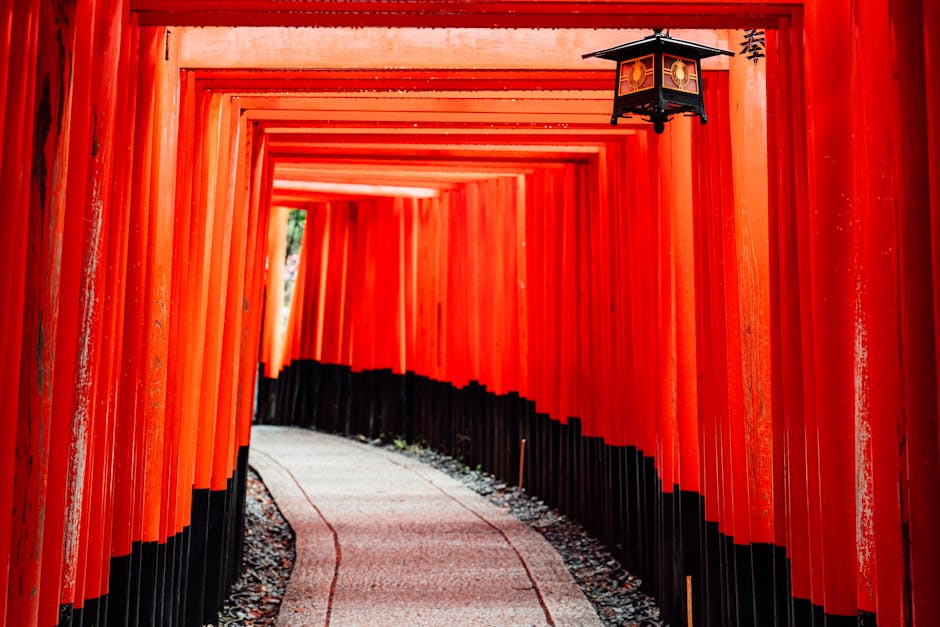
- Kansai (Kyoto/Osaka): Best for culture — 2,000+ temples, Fushimi Inari torii path, Dotonbori takoyaki for ¥600; 15-min Shinkansen between cities
- Hokkaido: Best for nature and seafood — Niseko powder skiing at ¥7,000–9,000/day, fresh uni from Hakodate market at ¥2,500
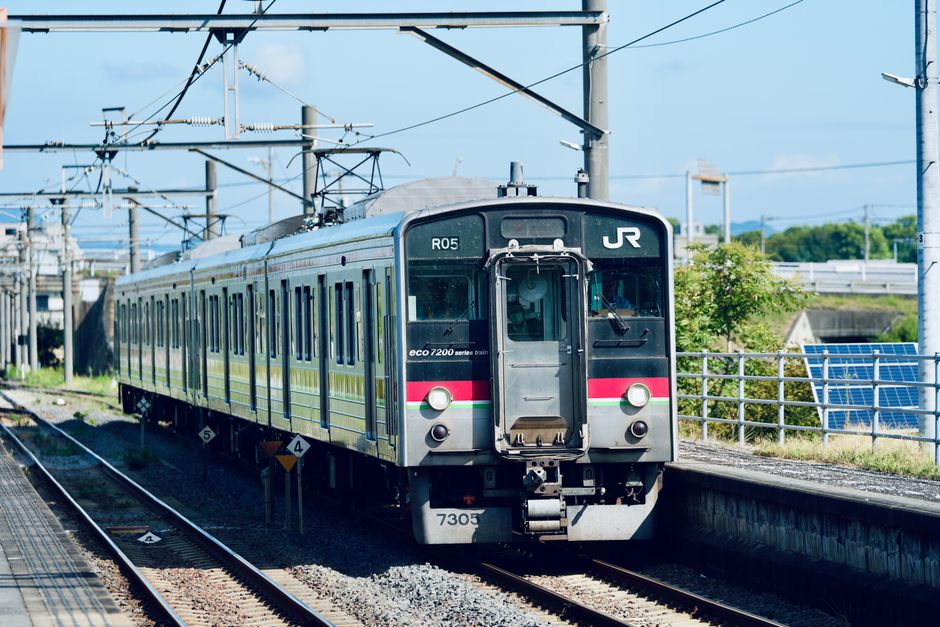
- JR Pass math: 7-day pass (¥50,000) pays off on a Tokyo–Kyoto–Hiroshima–Fukuoka route; buy before arrival and activate at the airport
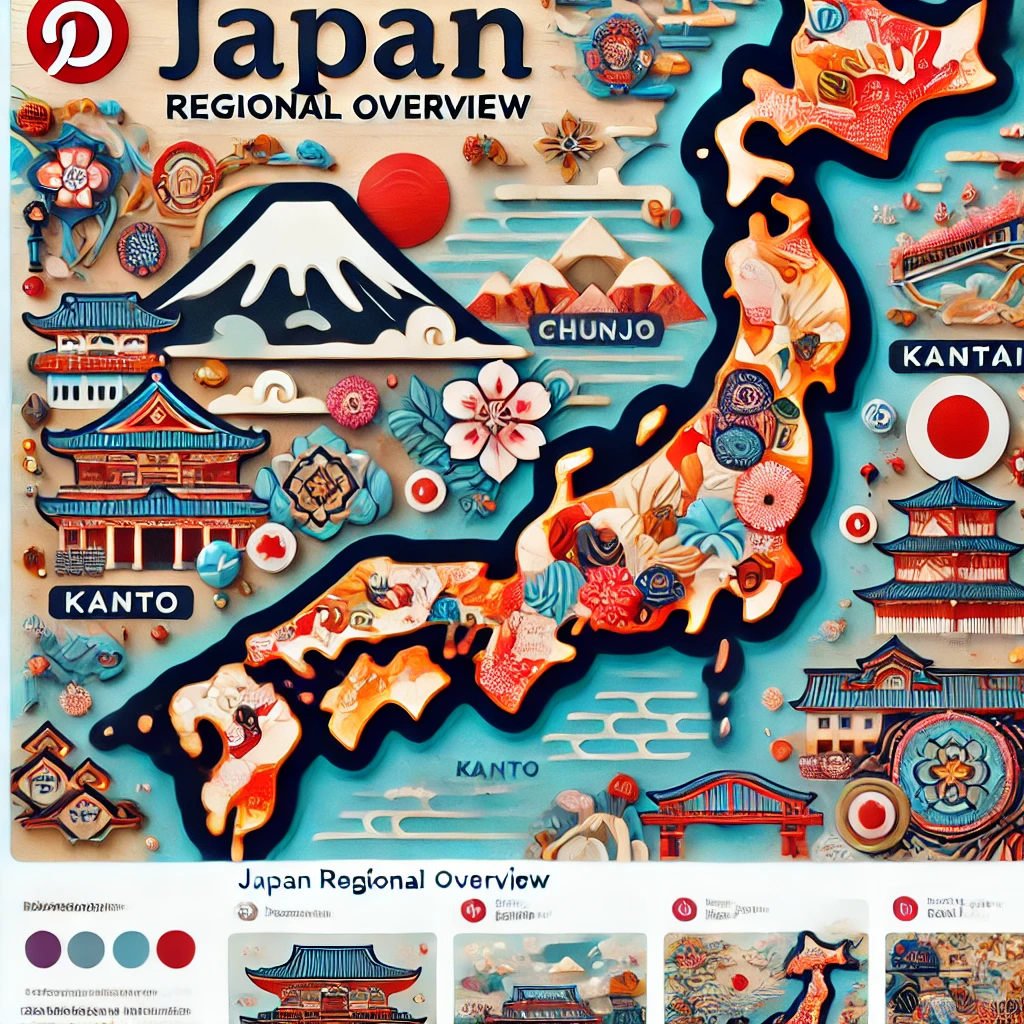
Japan divides into eight geographic regions, and choosing the right one matters more than most guidebooks admit.
I’ve traveled through every major region at least twice. The difference between landing in Tokyo, Kyoto, or Hokkaido on your first visit is not subtle — they feel like separate countries connected by one of the world’s most efficient rail systems.
This guide is the hub for Japan on East Asia Explorer. It covers every region with specific prices, transit times, and the things that actually go wrong — so you can plan accurately, not optimistically.
Japan Region Comparison: Pick Your Base First
Most first-timers default to Tokyo. That’s not wrong, but it’s not always right either.
The framework for choosing: trip length, travel style, and tolerance for crowds.
| Region | Best For | Peak Season | Mid-Range Budget/Day | Minimum Stay |
|---|---|---|---|---|
| Kanto (Tokyo) | First-timers, pop culture, food diversity | Mar–May, Oct–Nov | ¥15,000–25,000 | 3–5 nights |
| Kansai (Kyoto/Osaka) | History, temples, street food | Mar–May, Oct–Nov | ¥12,000–20,000 | 3–5 nights |
| Hokkaido | Nature, powder skiing, cold-sea seafood | Dec–Mar (ski), Jun–Aug (hiking) | ¥10,000–18,000 | 3–4 nights |
| Chugoku (Hiroshima) | History, day trips to Miyajima | Year-round; avoid Aug heat | ¥10,000–16,000 | 1–2 nights |
| Okinawa | Beaches, diving, Ryukyu culture | Apr–Jun (pre-typhoon) | ¥12,000–20,000 | 3–5 nights |
| Tohoku | Authentic rural Japan, onsen, off-peak pricing | Aug (Nebuta/Tanabata festivals) | ¥8,000–14,000 | 3–4 nights |
| Chubu (Japanese Alps) | Mountains, historic post towns, Kanazawa | May–Oct (hiking), Jan–Mar (snow) | ¥10,000–18,000 | 2–3 nights |
| Kyushu | Onsen, Hakata ramen, volcanic scenery | Mar–May, Sep–Nov | ¥10,000–16,000 | 3–4 nights |
| Shikoku | Pilgrimage culture, Iya Valley, uncrowded | Apr–Jun, Sep–Nov | ¥8,000–13,000 | 3–4 nights |
Budget covers accommodation, food, and local transit. Excludes Shinkansen tickets and intercity flights.
Kanto — Tokyo and Everything Around It
Tokyo rewards curiosity. The city runs as seven neighborhoods stacked on top of each other, each with a different purpose.
Shinjuku handles nightlife and department shopping. Shibuya handles youth fashion and the famous Scramble crossing. Akihabara handles electronics and anime culture. Asakusa holds the Senso-ji temple complex and old-Tokyo atmosphere. Harajuku runs on fashion subcultures that don’t exist anywhere else.
The Tokyo Metro and JR Yamanote Line cover almost everywhere you’d want to go. Fares run ¥200–300 per ride. A 24-hour metro pass costs ¥600 and pays for itself quickly if you’re doing more than three rides.
Outside the city: Kamakura (1 hour south by Yokosuka Line, ¥940) has the Kotoku-in Great Buddha and clifftop hiking trails. Nikko (2 hours north by Tobu Express, ¥1,400) has the lavishly decorated Toshogu Shrine complex. Neither needs an overnight stay.
Kansai — Kyoto, Osaka, and Japan’s Cultural Core
If I had to pick one region for a first Japan trip, Kansai wins on balance.
Kyoto has over 2,000 temples and shrines within city limits. The Fushimi Inari torii gate path is free and best before 7am — by 10am it’s shoulder-to-shoulder. Kinkaku-ji (Golden Pavilion) costs ¥500 to enter. Arashiyama bamboo grove is free but genuinely crowded year-round.
Osaka is 15 minutes from Kyoto by Shinkansen. Dotonbori street food is one of the strongest eating experiences in Asia — takoyaki at around ¥600 for 6 pieces, kushikatsu from ¥100 per skewer, and ¥300 conveyor-belt sushi near Namba. The restaurant density in Shinsaibashi alone makes most cities look thin.
Nara is 45 minutes from Kyoto by Kintetsu Line (¥580). Deer roam freely near Todai-ji, which holds one of the world’s largest wooden buildings. It’s a strong half-day trip.
Kobe is 30 minutes from Osaka by Hankyu or JR. A teppanyaki lunch course with genuine Kobe beef (A4 or A5 grade, Hyogo Prefecture origin certificate on display) runs ¥10,000–20,000. The cheaper steak houses selling “wagyu” in Dotonbori are not the same product.
Hokkaido — Nature, Powder, and the Best Seafood in Japan
Hokkaido is Japan’s northernmost main island and its least crowded per square kilometer — 22% of land area, 4% of population.
Sapporo is the regional hub. The Sapporo Snow Festival (February, 7 days) fills Odori Park with ice sculptures and requires hotel bookings 6+ months out. Outside festival week, the city is easy and affordable.
Niseko receives some of the world’s deepest powder snowfall — averaging 15 meters at the summit per season, per Japan Meteorological Agency records. International lift passes at Niseko United (four linked ski areas: Grand Hirafu, Niseko Village, Annupuri, Hanazono) run ¥7,000–9,000/day or ¥54,000 for a 7-day pass. Season runs December through March.
The food argument for Hokkaido is strong regardless of season. Sea urchin (uni), snow crab (zuwaigani), and scallops from the cold Okhotsk Sea are measurably better here than in Tokyo. Hairy crab (kegani) season is May–July. A full kaisendon (seafood rice bowl) at Hakodate Asaichi morning market costs ¥2,500–4,000 and arrives with species you won’t find further south.
Furano in central Hokkaido turns purple in July with lavender fields managed by Farm Tomita — free entry. The Biei Blue Pond (near Asahikawa) gets its turquoise color from aluminum hydroxide leaching from volcanic runoff. Both are within 2–3 hours of Sapporo by JR Furano Line.
Chugoku — Hiroshima, Miyajima, and the Overlooked West
Hiroshima is essential for anyone with an interest in 20th-century history. The Peace Memorial Museum (entry ¥200) is genuinely moving and does not sensationalize.
The Atomic Bomb Dome (Genbaku Dome) sits across the river from the museum — a UNESCO World Heritage Site preserved in its post-bombing state. You can walk the perimeter free of charge at any hour.
Miyajima Island is 30 minutes from Hiroshima by tram and JR ferry (¥180 each way). The floating torii gate of Itsukushima Shrine is one of Japan’s three most scenic views — floating at high tide, accessible on foot at low tide. Deer roam the island and will eat your belongings without warning.
Hiroshima-style okonomiyaki — layered cabbage, noodles, and egg in a savory pancake — differs from the Osaka version. Okonomimura, a building with 25 small shops on floors 2–4, is the honest answer to “where should I eat it.” Budget ¥1,200–1,800 per plate.
“Regions like Tohoku, Chugoku, and Shikoku consistently generate higher traveler satisfaction scores than the primary tourist corridors, despite receiving a fraction of the visitor volume.”
Okinawa — Beaches, Diving, and the Ryukyu Kingdom
Okinawa sits 1,550 km southwest of Tokyo — closer to Taiwan than to the Japanese mainland. It operates on a different cultural frequency.
The main island has standard beach resort infrastructure, but the outer islands are the draw for serious water activities. The Kerama Islands (30 minutes by high-speed ferry from Naha, ¥3,130 each way) have visibility regularly exceeding 30 meters underwater. The Kerama Blue is a measurable color designation, not marketing.
Okinawa’s Ryukyu Kingdom operated independently until 1879, and the traces remain: sanshin lute music, goya champuru (bitter melon stir-fry), and Shuri Castle (rebuilt after WWII bomb damage and a 2019 fire, currently undergoing phased restoration through 2026). Entry to the current accessible sections costs ¥400.
Best timing: April–June, after Japanese winter and before typhoon season (July–September). October also works. Avoid Golden Week (late April–early May) for the same reason you’d avoid it everywhere in Japan.
Accommodation on the outer islands: guesthouses on Ishigaki Island run ¥4,000–8,000/night. Resort hotels on Miyakojima — popular for honeymooners — reach ¥30,000+. The gap is real.
Tohoku — Rural Japan Without the Crowds (or the Prices)
Tohoku is six prefectures of northeastern Honshu that most tourists skip. Their mistake.
Matsushima Bay, near Sendai, is considered one of Japan’s three most beautiful views. Pine-covered islands dot the bay; a 50-minute scenic cruise from Matsushima Kaigan costs ¥1,500. The Zuigan-ji temple complex at the waterfront dates to the 9th century.
Yamadera (Risshaku-ji Temple) in Yamagata involves climbing 1,015 stone steps to a mountain temple complex. Monks chose this cliff face in 860 CE for a reason — the view earns the climb.
Dewa Sanzan — three sacred mountains (Haguro, Gas-san, Yudono) — remains an active pilgrimage site. Yamabushi mountain ascetics conduct fire ceremonies here seasonally.
Budget math for Tohoku vs Kyoto: a mid-range ryokan with dinner and breakfast costs ¥15,000–22,000 per person in Tohoku versus ¥20,000–35,000 in Kyoto for equivalent properties. The discount is consistent and goes directly to spending money.
Chubu — The Japanese Alps and Historic Post Towns
Chubu occupies central Honshu and contains the Japanese Alps — three mountain ranges that look nothing like coastal Japan.
Takayama is the standout city. It’s a preserved Edo-period merchant town with sake breweries (look for the sugidama cedar-ball signs), morning markets (Jinya-mae and Miyagawa markets, held every morning), and easy access to Shirakawa-go. The UNESCO-listed gassho-zukuri farmhouses there have steeply thatched roofs engineered to shed heavy alpine snow.
Kanazawa, on the Sea of Japan coast, is often called “little Kyoto” by JNTO promotional materials — meaning well-preserved but less crowded. Omicho Market (Kanazawa’s main food market) supplies some of Japan’s best winter crab. Kenroku-en garden is one of Japan’s three great classical gardens, with paid entry at ¥320.
Nagano hosted the 1998 Winter Olympics. Jigokudani Monkey Park, near Yudanaka Onsen (2 hours from Nagano by Nagano Electric Railway), has wild Japanese macaques bathing in an outdoor hot spring. Entry ¥800. They appear in every Japan nature documentary because the footage is real and repeatable.
The Kiso Valley post towns (Magome and Tsumago, connected by an 8 km trail through cedar forest) are best reached from Nagoya or Matsumoto. Neither requires a car. The trail takes about 3 hours; buses run at each end.
Kyushu — Volcanoes, Onsen, and Hakata Ramen
Kyushu is compact, easily navigable by Shinkansen, and geologically active in ways that produce exceptional hot spring bathing.
Fukuoka (Hakata) is the entry point and arguably Japan’s most livable city. Hakata ramen — tonkotsu broth, thin straight noodles, chashu pork — originated here in the 1940s. A bowl at a yatai (outdoor food stall) along Nakasu costs ¥700–900. The yatai close seasonally; check ahead.
Beppu, in Oita prefecture, has more hot spring volume than anywhere else in Japan — over 2,800 hot spring sources, per Beppu City Tourism Association data. The “Hells of Beppu” (Jigoku Meguri) are eight volcanic pools in vivid colors: blood-red (Chinoike Jigoku), cyan-blue (Umi Jigoku), grey mud (Oniboshi Bozu). Adult entry ¥400 per hell or ¥2,200 for a combined ticket.
Aso-san is an active volcanic caldera — the largest in the world by floor area — with a visitor center at the crater rim. Access depends on volcanic activity (JMTC Level 1/2/3 alert system) and can close without notice. Check the Japan Meteorological Agency’s volcanic alert page before planning.
Nagasaki carries history as heavy as Hiroshima’s, plus a Dutch trading post legacy that produced Western-style Catholic churches, a distinct local cuisine (champon noodle soup, castella sponge cake), and a different feel from any other Japanese city.
Shikoku — The Pilgrimage Island Most Visitors Skip
Shikoku is Japan’s fourth-largest island and the least visited by international tourists. That’s its advantage.
The island is defined by the 88-Temple Pilgrimage (Shikoku Henro), a 1,200 km circuit of Buddhist temples associated with the monk Kobo Daishi. Full walkers take 30–60 days. Selective visitors join for a section — the temples near Kochi City or Tokushima are accessible by train in a day.
Iya Valley (Tokushima prefecture) is one of Japan’s three hidden villages — steep gorges, vine bridges (kazurabashi) rebuilt every three years from mountain vines, and ryokan perched over river drops. Accommodation is genuinely scarce; book via Jalan or Ikyu.com, which have better rural inventory than international platforms.
Kochi is known for katsuo no tataki (seared bonito) served over an open straw flame — the technique is specific to Kochi and the local bonito are notably different from the product you’d eat in Tokyo. Hirome Market in central Kochi is the honest place to eat it, from around ¥800.
Dogo Onsen in Matsuyama is one of Japan’s oldest hot spring bathhouses, reportedly open for over 1,000 years. The main building is currently undergoing renovation (completion expected 2026–2026) but partial access continues. Basic entry starts at ¥700.
Getting Between Regions: JR Pass Math, IC Cards, and What Goes Wrong
The Japan Rail Pass makes multi-region trips financially sensible. A 7-day ordinary pass costs ¥50,000 (approximately $330 USD) and covers unlimited JR Shinkansen and most limited express trains.
Key Shinkansen travel times:
- Tokyo to Kyoto: 2 hours 15 minutes (Nozomi express; not covered by JR Pass — use Hikari, 2h45m)
- Tokyo to Osaka: 2 hours 30 minutes (Hikari)
- Kyoto to Hiroshima: 1 hour 30 minutes (Hikari)
- Osaka to Fukuoka (Hakata): 2 hours 15 minutes (Sakura)
- Tokyo to Sendai (Tohoku Shinkansen): 1 hour 40 minutes (Hayabusa)
JR Pass break-even: on a Tokyo–Kyoto–Hiroshima–Fukuoka route, point-to-point fares total roughly ¥55,000. The 7-day pass at ¥50,000 covers it. If you’re staying in one region, skip the pass and buy individual tickets — the pass savings disappear below two Shinkansen routes.
Hokkaido and Okinawa require domestic flights. ANA and JAL connect Tokyo Haneda–Sapporo New Chitose in 1.5 hours; tickets booked 60+ days out on Trip.com run ¥8,000–12,000 one-way (vs ¥25,000+ last-minute). Okinawa (Naha) from Haneda takes 2.5 hours; Peach Aviation runs budget routes from ¥4,900 on good days.
Where to Book: Platforms That Actually Work for Japan
For urban hotels in Tokyo, Osaka, and Kyoto: Booking.com Genius Level 2+ unlocks 10–15% discounts on chain hotels (APA, Dormy Inn, Super Hotel). Most business hotels in Japan list identically on Booking.com and Trip.com — check both for peak period inventory.
For ryokan (traditional inns): Japanese platforms have far better rural inventory. Jalan.net and Ikyu.com list hundreds of ryokan that never appear on Booking.com. If you read Japanese, you’ll find options at 20–30% below the English-language markup. If not, search the English-language Relux platform for curated ryokan.
For Okinawa outer islands and Hokkaido nature resorts: book 3+ months out regardless of platform. Properties routinely sell out on Trip.com and Booking.com simultaneously during peak season. Setting a price alert 4–5 months before travel and booking when prices are stable beats waiting for “deals.”
My Recommendation: One Week in Japan
I would base in Kyoto and day-trip outward. Here’s the honest itinerary:
Day 1–2 in Kyoto: Fushimi Inari before 7:30am (the light is better and crowds are manageable). Arashiyama bamboo grove mid-morning. Philosopher’s Path in the afternoon if foliage is up.
Day 3: Osaka. Dotonbori for lunch, Osaka Castle for late afternoon, evening street food in Shinsaibashi. Back to Kyoto by 10pm.
Day 4: Nara for the deer park and Todai-ji (morning is quieter than afternoon). Back to Kyoto for sunset at Kinkaku-ji.
Day 5: Hiroshima and Miyajima day trip. Peace Museum opens at 8am, ferry to Miyajima by noon, floating torii at high tide (check tide tables; the gate floods by afternoon in summer), back to Kyoto by 8pm via Shinkansen from Hiroshima.
Day 6–7: Whatever Kyoto you haven’t seen. Gion district at dusk is different from Gion at noon. Arashiyama Bamboo Path at dawn is a different experience from the crowded mid-morning version. One kaiseki dinner — budget ¥8,000–15,000 for a proper multi-course meal at a licensed kaiseki restaurant.
Frequently Asked Questions
Which Japan region is best for first-time visitors?
Kansai (Kyoto and Osaka combined) gives first-timers cultural depth plus food variety within 15 minutes of each other by Shinkansen. Tokyo works better if your interests lean toward shopping, pop culture, or nightlife over temples and history.
How many regions can I realistically visit in 2 weeks?
Three comfortably. Tokyo (3–4 nights), Kansai including Kyoto/Osaka/Nara (4–5 nights), and one extension — either Hiroshima (day trip from Kansai) or Hokkaido (separate ANA/JAL flight). Don’t add more; you’ll spend half your trip on trains.
Is Okinawa worth the extra flight from mainland Japan?
Yes, if beaches and water activities are the priority. Okinawa is culturally distinct from mainland Japan and not a substitute for seeing temples and cities. Treat it as a separate trip segment. Peach Aviation from Osaka Kansai to Naha often runs ¥4,900–7,000 if booked 6–8 weeks out.
What’s the cheapest Japan region to travel?
Tohoku runs 20–30% cheaper than Kyoto or Tokyo for accommodation consistently. Kyushu (Fukuoka especially) also offers strong value. Okinawa resort areas and Niseko are premium-priced in peak season.
When is the worst time to visit Japan’s popular regions?
Golden Week (late April to early May), Obon (mid-August), and cherry blossom peak (late March to early April) in Kyoto and Tokyo. Crowds are large, prices spike, and accommodation books out on Booking.com months ahead. November foliage is beautiful but very busy — the same problem applies.
Do I need cash in Japan or can I use cards?
Both. Major cities and JR stations accept Visa/Mastercard widely. Rural restaurants, smaller temples, local buses, and many ryokan are cash-only. Withdraw yen from 7-Eleven ATMs, which reliably accept foreign-issued cards and run 24 hours. Budget ¥30,000–50,000 cash per week of travel.
Which region has the best food?
No single answer. Osaka has the highest concentration of strong street food. Hokkaido wins for seafood quality. Kyoto excels for formal kaiseki. Fukuoka is the ramen reference point (tonkotsu originated here). Kochi has the best katsuo. Every region has a legitimate claim.
Is Shikoku accessible without speaking Japanese?
Partially. Matsuyama, Kochi, and Tokushima cities have enough English signage to navigate. Rural temple and valley areas are harder — Google Maps works for navigation but menus and conversations will require a translation app. Shikoku rewards patience over language fluency.
Last updated: June 2026
Related Guides
More on Transportation:
Planning a trip to Japan?
Check out our Japan Travel Hub for more guides, including JR Pass Guide 2026.

Written by East Asia Explorer Editorial Team
Sam Konneh is an AI strategist and digital marketer based in Seoul, South Korea. With years spent living, working, and exploring across Korea, Japan, and China, he shares firsthand insights into East Asia's cultures, hidden gems, and everyday life. A graduate of Inha University and KDI Graduate School, Sam combines data-driven expertise with on-the-ground experience. His journey also includes studying in Malaysia and traveling through Southeast Asia. Through practical tips, local stories, and travel guides, he helps fellow explorers discover both the celebrated highlights and the lesser-known corners of East Asia.