Last Updated: August 31, 2026 | Originally Published: July 28, 2026
Last updated: July 11, 2026
The Bund Shanghai — Quick Answer
- Take Metro Line 2 or Line 10 to East Nanjing Road station, Exit 6 — approximately 5–7 minutes’ walk east to the promenade
- Visit at dawn (6:00–6:45 AM) for near-empty walkways and golden water reflections, or at sunset (6–7:30 PM) when both the colonial facades and the Pudong skyline light up simultaneously
- Huangpu River cruises run approximately ¥100–¥180 per person for 60 minutes on standard government-operated boats; book on Trip.com or at Shiliupu Pier to avoid promenade touts who charge 2–3× more
- Budget 2–3 hours for the promenade walk; add 1 hour for a river cruise
The Bund is the non-negotiable first stop in Shanghai — and probably the single most photographed waterfront in China.
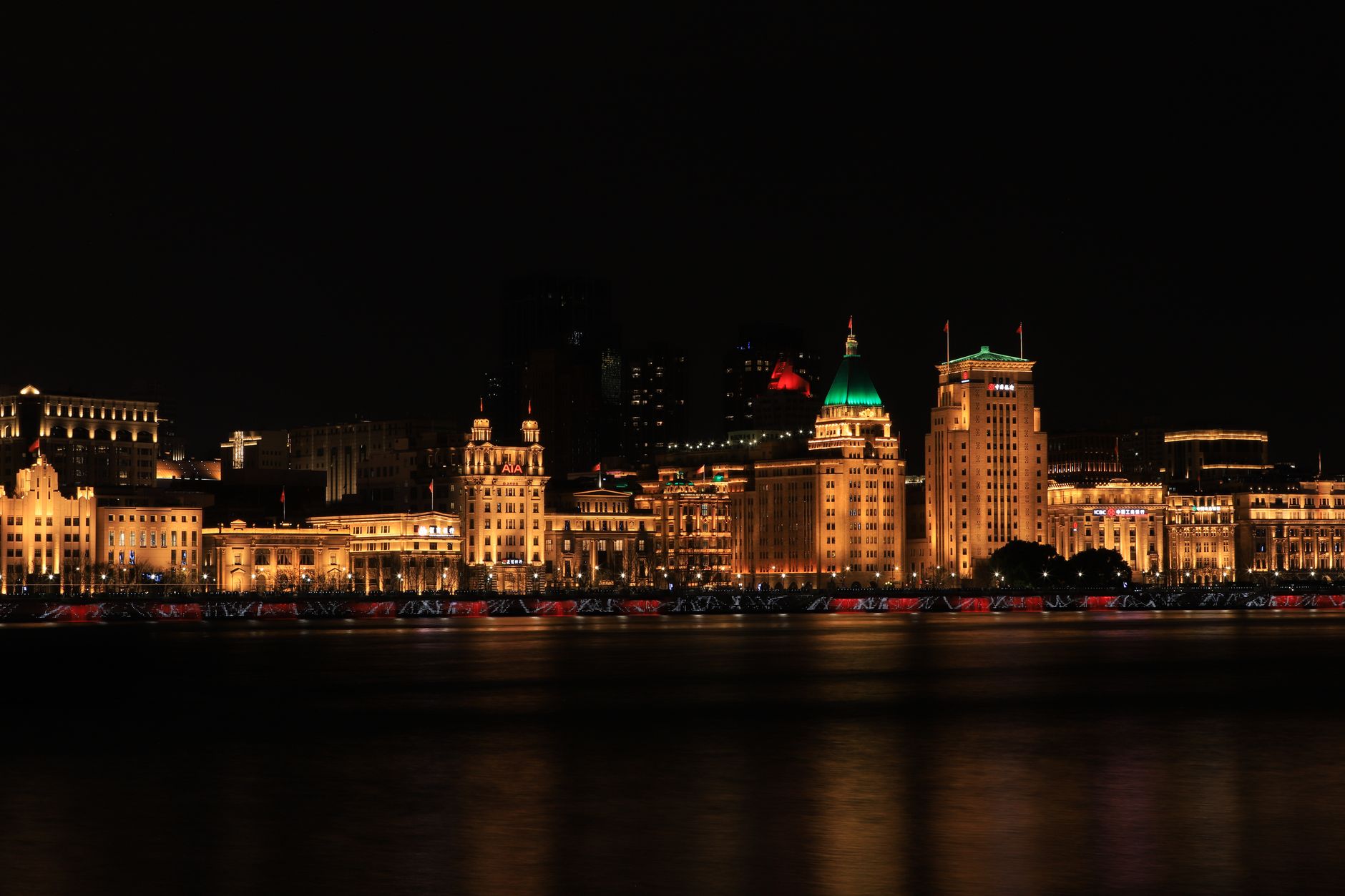
It is a 1.5-kilometre promenade along the west bank of the Huangpu River, lined with 33 colonial-era buildings and facing the glass-and-steel towers of Pudong’s Lujiazui financial district.
Getting the most out of it, though, takes more than just showing up. Timing matters. The right metro exit matters. And knowing which cruise operator to avoid can save you ¥300.
What Is The Bund? Shanghai’s 1.5km Historic Waterfront Explained
The Bund (外滩, Wàitān) runs along Zhongshan East 1st Road in the Huangpu District of Shanghai, stretching roughly from Suzhou Creek in the north to Jinling East Road in the south.
The buildings were constructed between the 1890s and 1930s by British, American, and French trading houses, banks, and hotels. They are some of the finest surviving examples of early 20th-century commercial architecture in East Asia.
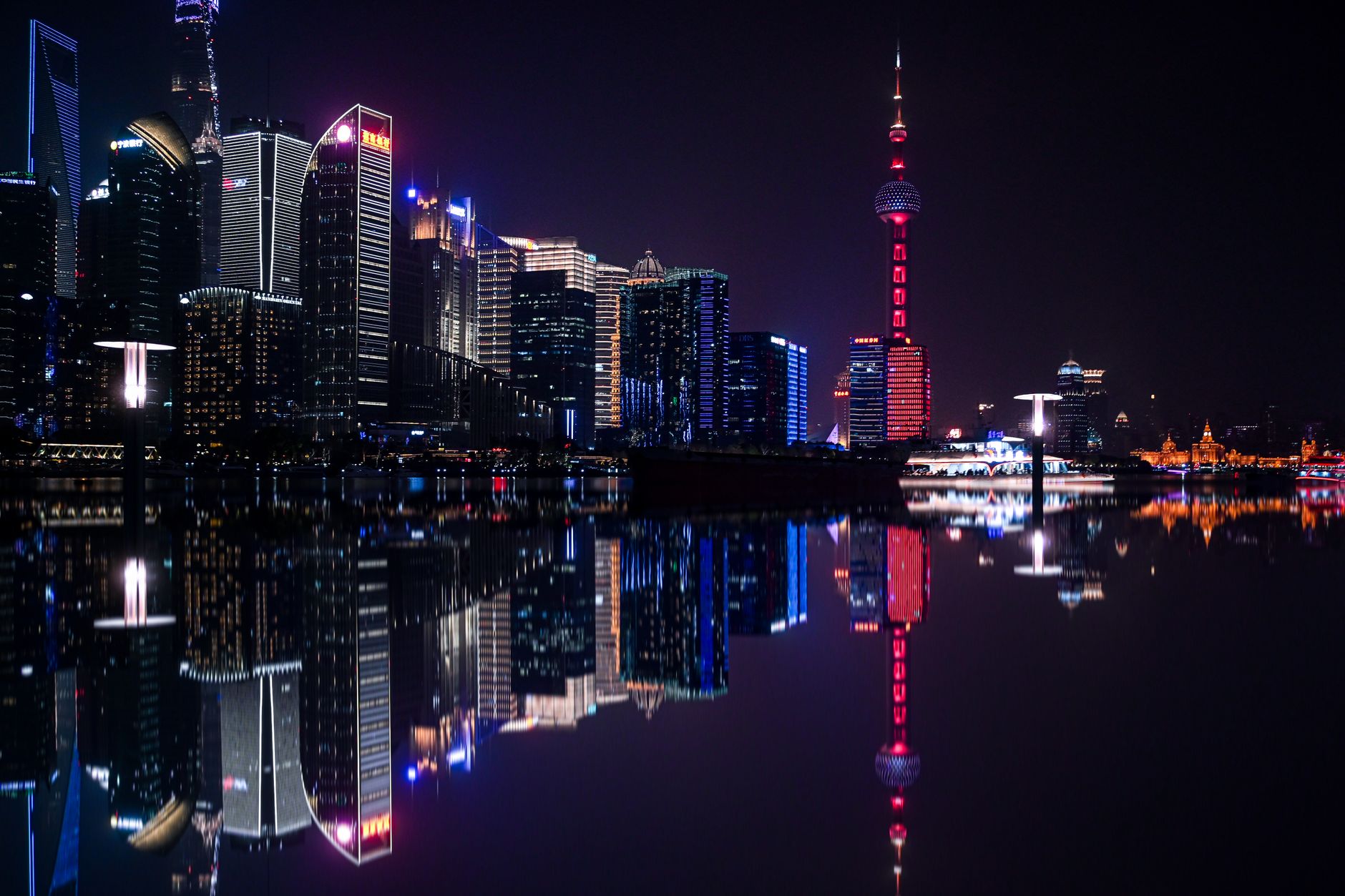
Across the river, Pudong’s skyline — built almost entirely after 1990 — creates a visual contrast that has become one of the defining images of modern China.
How to Get to The Bund: Metro Lines 2 and 10 to East Nanjing Road (Exit 6)
Metro Line 2 and Metro Line 10 both stop at East Nanjing Road station (南京东路站). Take Exit 6 and walk east along Nanjing East Road pedestrian zone for 5–7 minutes.
You arrive at the northern section of the Bund, near Building No. 1. From here the promenade stretches south for 1.5 kilometres — walk it in either direction.
| From | Route | Time | Cost (approx.) |
|---|---|---|---|
| Pudong International Airport (PVG) | Maglev to Longyang Rd → Metro Line 2 to East Nanjing Rd | ~50 min | ¥55 (maglev) + ¥5 (metro) |
| Hongqiao Airport / Railway Station | Metro Line 2 direct to East Nanjing Rd | ~45 min | ¥6–8 |
| People’s Square (人民广场) | Metro Line 2 (1 stop east) to East Nanjing Rd | ~5 min | ¥3 |
| Yu Garden (豫园) | Metro Line 10 to East Nanjing Rd (2 stops north) — or 20-min walk | ~10 min | ¥3 |
| Lujiazui (Pudong side) | Metro Line 2 (1 stop west) or the Bund Sightseeing Tunnel | ~5–8 min | ¥3 (metro) / ¥45 (tunnel) |
By taxi or Didi, ask for 外滩,中山东一路 (“The Bund, Zhongshan East 1st Road”). Traffic on Zhongshan Road during peak hours (7:30–9:30 AM, 5:00–7:30 PM) can add 20–40 minutes from western districts.
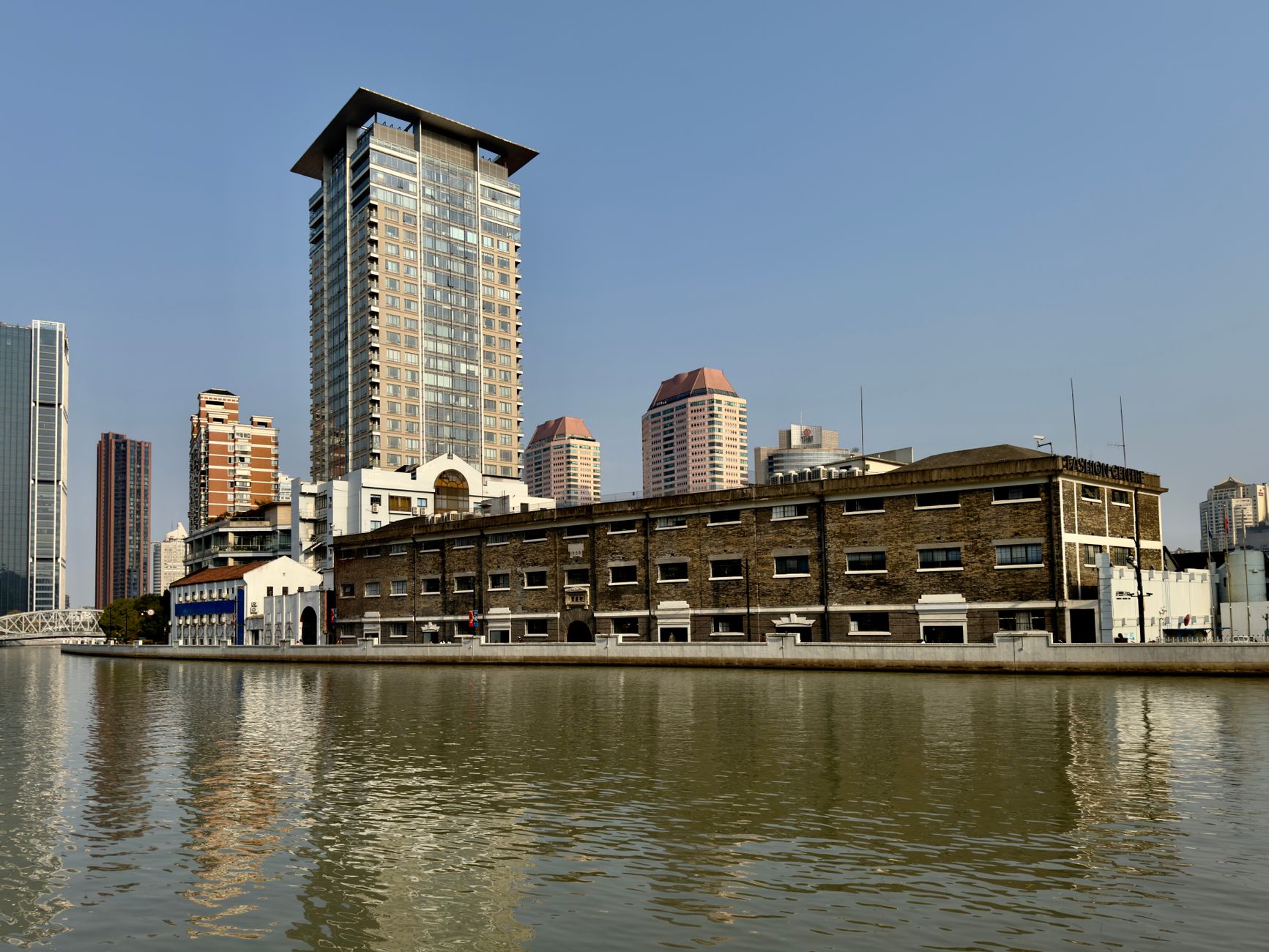
The Colonial Buildings Worth Knowing: HSBC, Customs House, Waldorf Astoria & Fairmont Peace Hotel
The 33 numbered buildings along the Bund each have a documented history. Most remain in commercial use today.
Here are the five you’ll recognise and can often enter:
No. 2 — Waldorf Astoria Shanghai on the Bund (formerly the Shanghai Club, completed 1910). The original Long Bar stretched 33.5 metres — it was once billed as the longest bar in Asia. The hotel lobby and bar are now open to non-guests; worth five minutes inside.
No. 12 — Pudong Development Bank (formerly the HSBC Building, 1923). One of the grandest facades on the row. The original banking hall, with its domed ceiling and mosaic floor, is partially visible from the entrance during banking hours.
No. 13 — Customs House (1927). The building with the prominent clock tower. The bells chime on the hour and are audible from the promenade. This is the most photographed individual building on the Bund.
No. 20 — Fairmont Peace Hotel (opened 1929 as the Cathay Hotel under Victor Sassoon). Once considered the grandest hotel in the Far East. The rooftop bar and terrace give unobstructed Pudong views. The hotel’s jazz band — playing since the 1980s — performs in the ground-floor bar on weeknights from 6:00 PM.
No. 23 — Bank of China Building (1937). Designed by Palmer & Turner with a Chinese-influenced parapet deliberately added to a Western structure. The building was an intentional architectural statement about Chinese financial power on the otherwise European-dominated Bund.
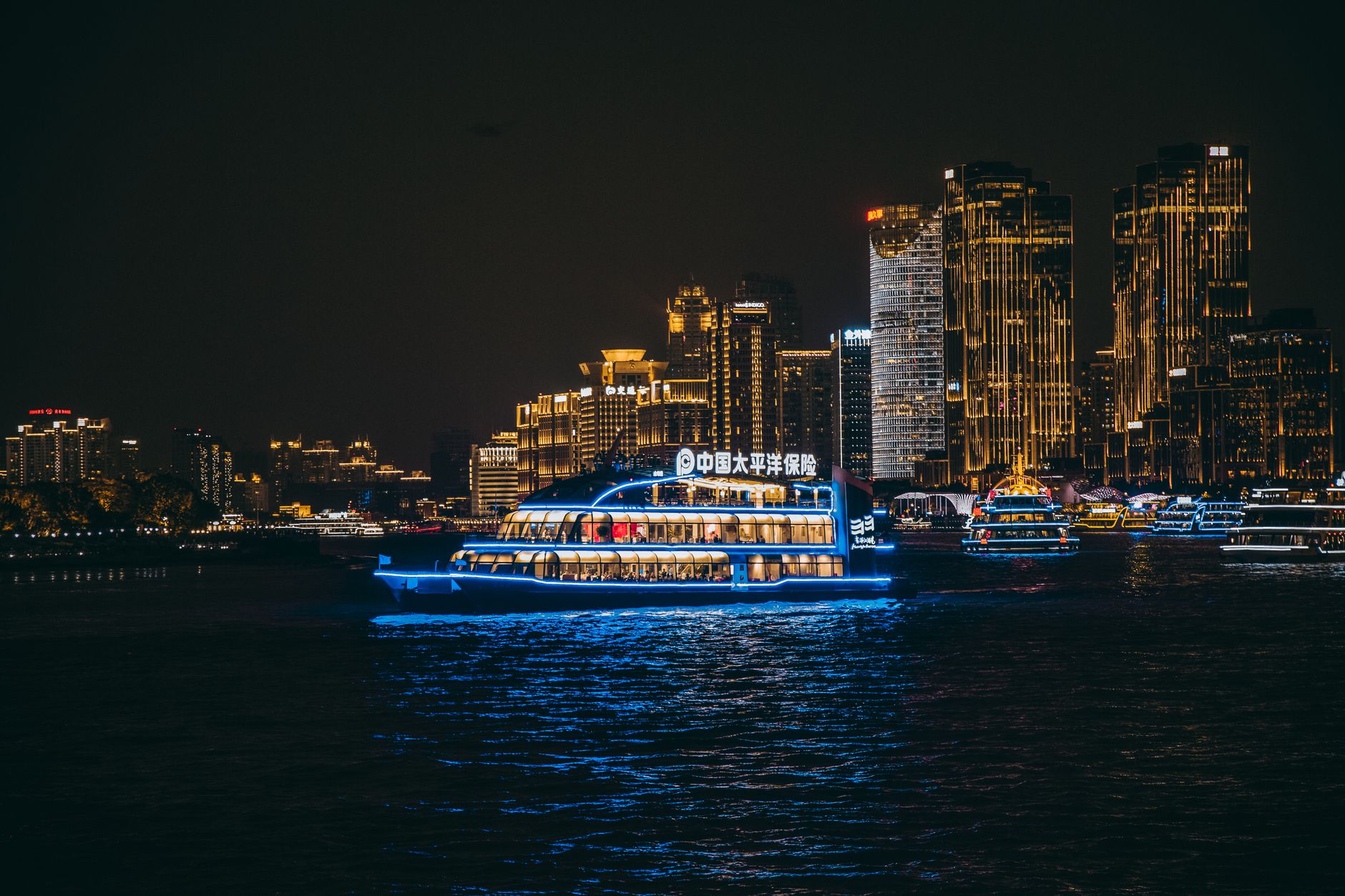
What You’re Looking At: The Pudong Skyline — Oriental Pearl, Shanghai Tower, Jin Mao & SWFC
Standing on the promenade, you face east across the Huangpu River toward Pudong’s Lujiazui financial district.
Four towers dominate the view. Knowing which is which makes the skyline far more legible:
| Building | Height | Floors | Completed | Visual identifier |
|---|---|---|---|---|
| Shanghai Tower | 632m | 128 | 2015 | Twisted spiral glass; tallest in China |
| SWFC (Shanghai World Financial Center) | 492m | 101 | 2008 | Rectangular with trapezoidal aperture near top — “the bottle opener” |
| Jin Mao Tower | 421m | 88 | 1999 | Art Deco pagoda silhouette with stepped tiers |
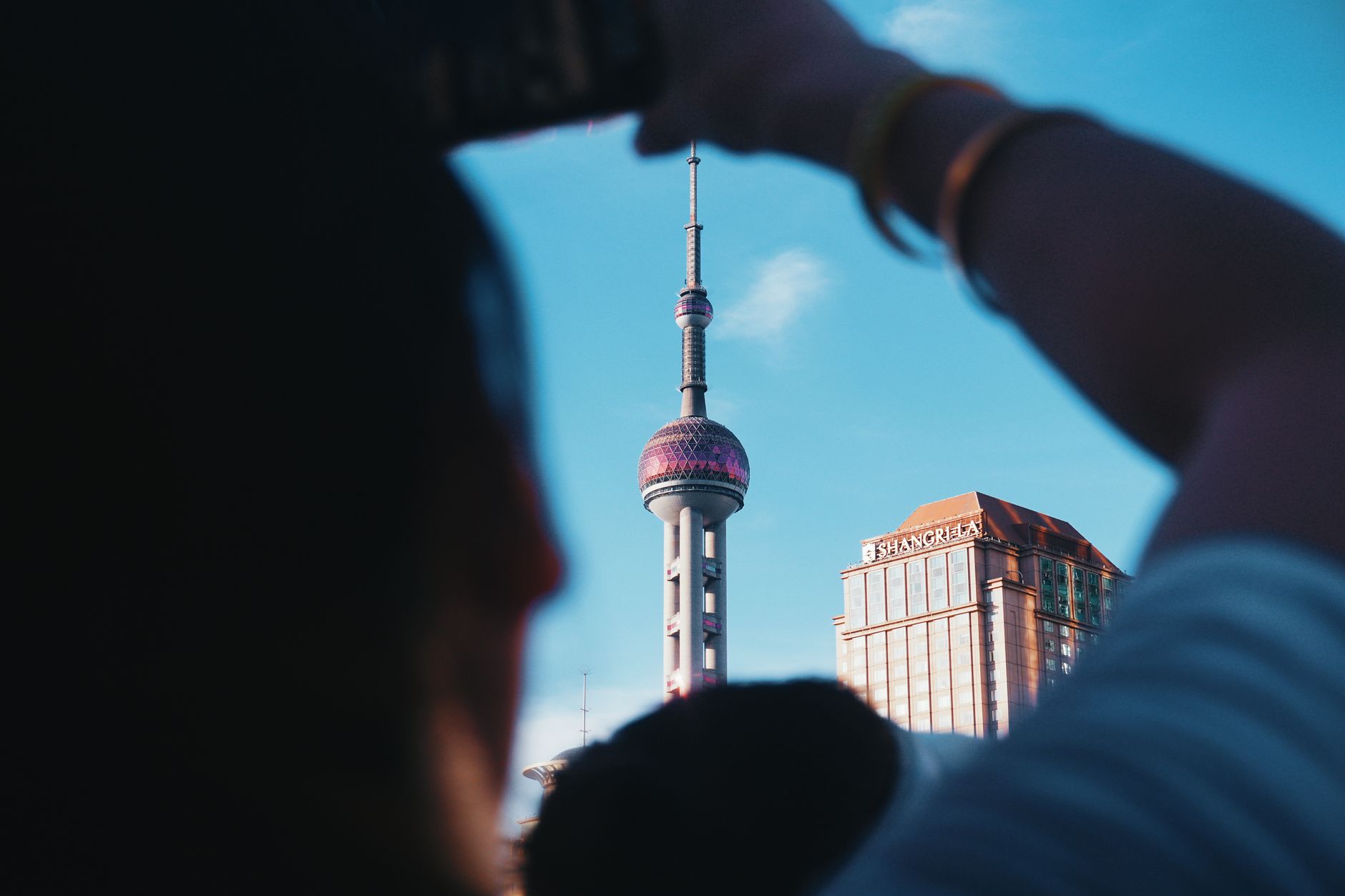
| Oriental Pearl Tower | 468m | 11 observation levels | 1994 | Pink sphere cluster on a central mast — the 1990s icon |
All four towers are visible simultaneously from the central promenade. For the tightest composition, position yourself in the southern third (near Jinling East Road), where the towers cluster in a narrower horizontal angle.
The Pudong riverfront also has its own walkway — the “Super Levee.” Take Metro Line 2 one stop west to Lujiazui to shoot the colonial buildings from the opposite bank, a less-visited angle that is particularly strong at sunrise (you shoot west into the light).
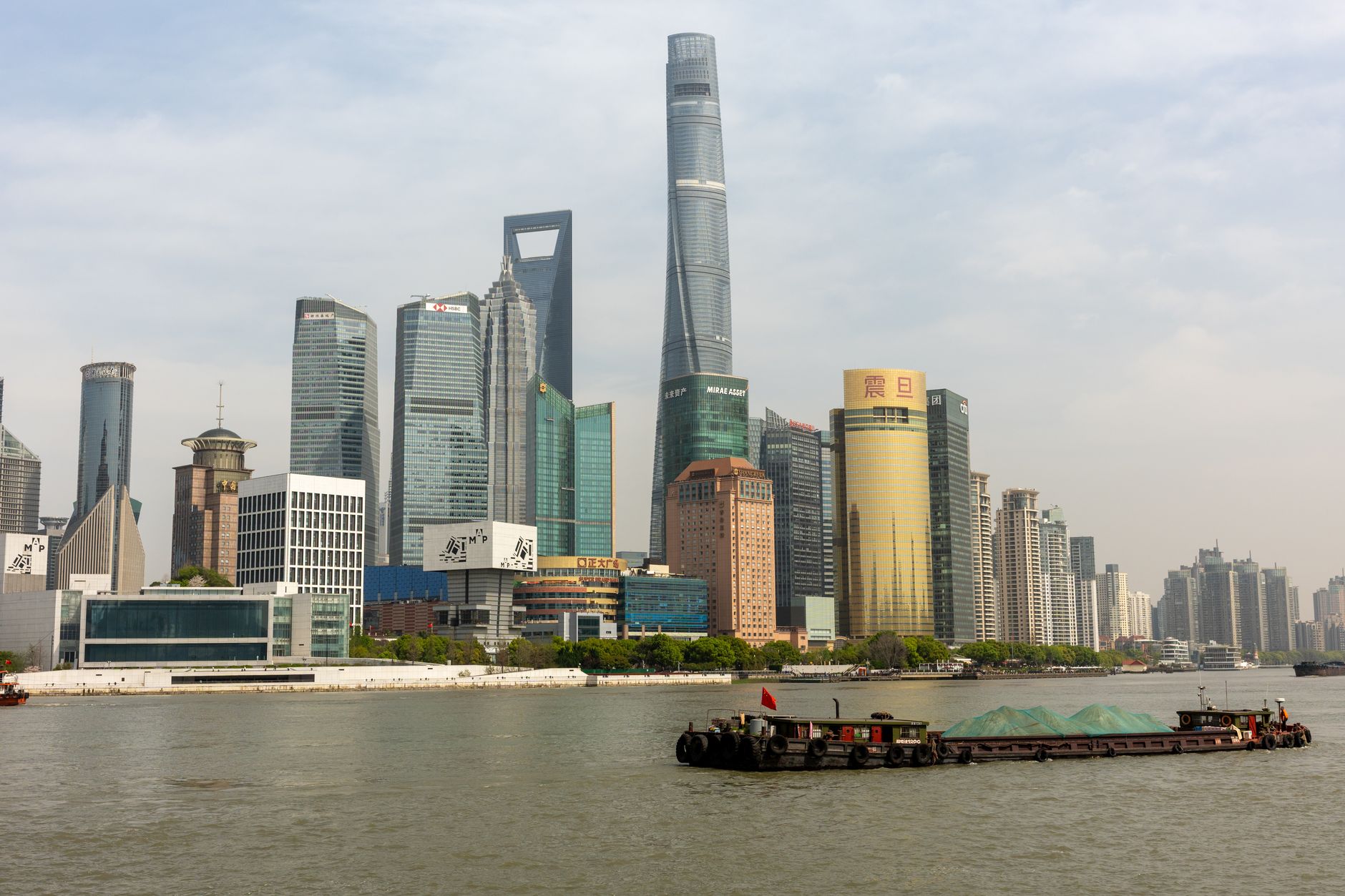
When to Visit The Bund: Dawn 6AM vs Sunset 6PM — What Each Visit Gives You
Timing is the difference between a compelling photograph and an overcrowded disappointment.
Dawn (6:00–6:45 AM): The promenade is nearly empty on weekdays. The Pudong towers reflect in the Huangpu. The sky shifts from deep blue to warm gold in roughly 45 minutes. By 8:30 AM, the first tour groups have arrived and the promenade fills quickly.
Sunset (6:00–7:30 PM in summer; 5:00–6:30 PM in winter): The low sun illuminates the west-facing colonial facades in warm tones. Simultaneously, the Pudong lights begin warming up across the river. This is the only window where both banks are photogenic at once — though the promenade is at its most crowded.
Midday: Harsh overhead light, maximum crowd density, no compositional advantage. Worth skipping for photography, acceptable for orientation.
By season: spring (April–May) and autumn (October–November) deliver the clearest air quality in Shanghai. Summer (June–August) is humid and hazy — the skyline softens significantly. Winter (December–February) is cold but crowds thin, and misty mornings can create atmospheric conditions that are underrated for photography.
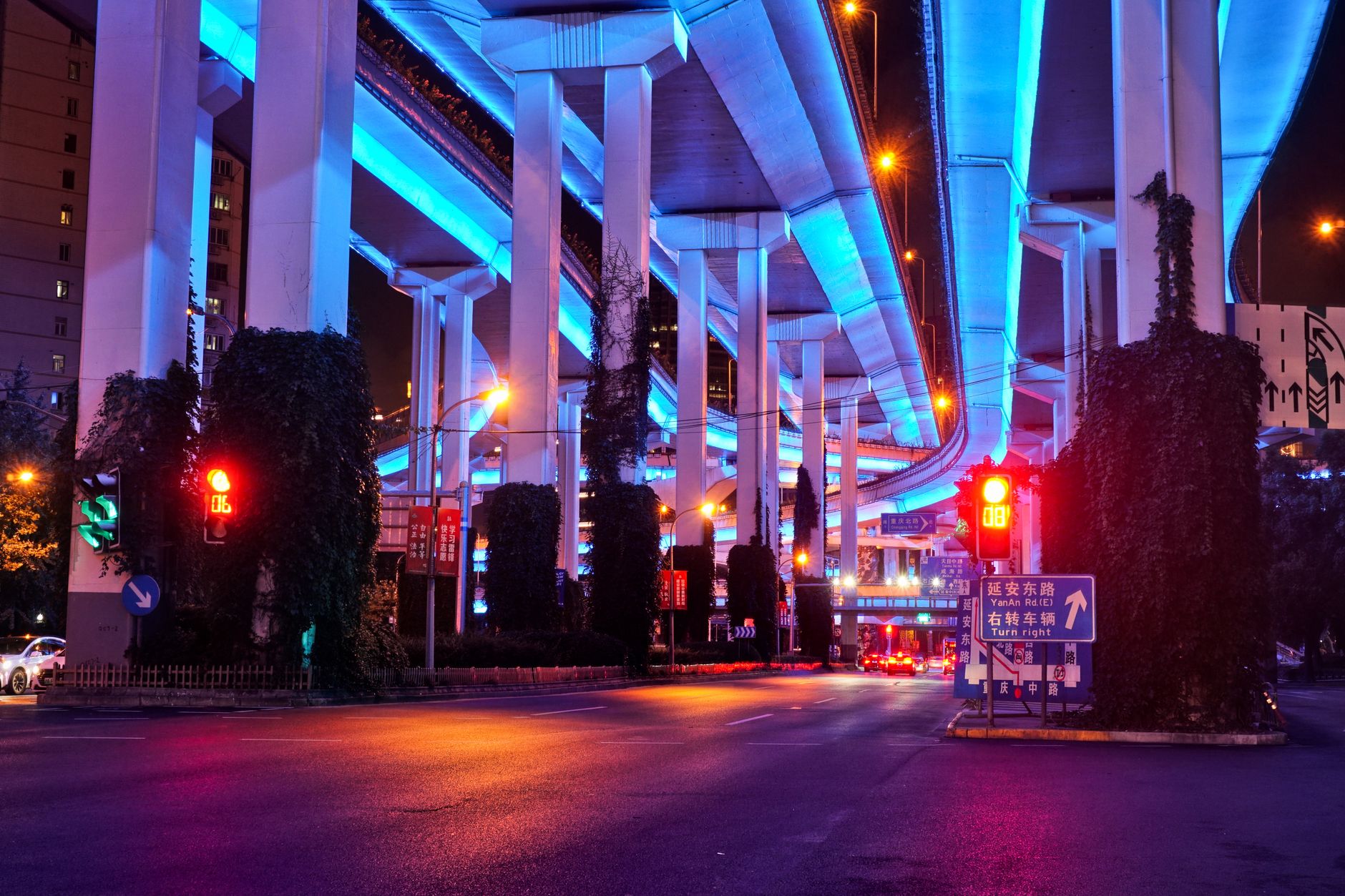
Night at The Bund: When the Lights Come On and When It Gets Packed
The Pudong towers begin illuminating from approximately 7:00 PM nightly, reaching full brightness by 7:30 PM.
On weekends and national holidays (particularly Golden Week, October 1–7, and Spring Festival), extended light shows run on the towers and select colonial facades until 11:00 PM. On regular weeknights, illumination winds down between 10:00–10:30 PM.
The colonial buildings on the Bund side are also lit after dark — more subtly, but effectively. The combined effect is best viewed from a river cruise or from the Pudong side, where both banks appear in the same frame.
According to the Shanghai Municipal Bureau of Culture and Tourism, the Bund area attracts over 100,000 visitors on peak summer evenings. Most of this density concentrates in the central 600 metres of the promenade — roughly between Guangdong Road and Yan’an East Road.
Huangpu River Cruise: Prices, Duration & How to Book Without Getting Overcharged
A river cruise is the one angle the promenade cannot give you: both the Bund and Pudong simultaneously, from the water.
Standard government-operated cruise boats depart from Shiliupu Pier (十六铺码头), located at No. 481 Zhongshan East 2nd Road — approximately 20 minutes’ walk south from the main Bund promenade. Standard 60-minute cruise: approximately ¥100–¥180 per person. Tickets sold at the pier counter or via Trip.com (allows advance booking and avoids the queue).
Premium dinner / sightseeing boats: ¥280–¥600+ per person. Includes buffet or cocktail service. Duration: 90 minutes to 2 hours. Book via Booking.com or official carrier sites. Worth it if you want a seated dinner with the skyline backdrop; not necessary for photography.
Tout-operated boats near the promenade: These vendors approach along the central promenade and charge ¥300–¥500 for 30–40 minute rides. The boats are not government-operated and have variable safety records. Walk past them; the pier is 20 minutes south and the price is 2–3× lower.
Night departures from Shiliupu Pier (after 7:30 PM) offer the full illuminated skyline. These fill quickly on weekends — book on Trip.com a day in advance. The cruise covers the Bund-Pudong stretch and turns around near Yangpu Bridge before returning.
Crowds, Crossing Zhongshan Road & The Pain Points First-Timers Don’t Expect
The Bund has no entry gates, no timed-entry tickets, and no crowd management system on peak days. A few operational friction points catch visitors off guard:
Crossing Zhongshan Road: Zhongshan East 1st Road runs between the colonial buildings and the promenade. Marked crosswalks exist but are spaced 200–400 metres apart. Don’t attempt mid-block crossings — this is one of Shanghai’s busiest roads and traffic does not slow for pedestrians.
Tout density near Shiliupu Pier: The stretch south of the main promenade toward the cruise pier has the highest concentration of river cruise touts in Shanghai. They do not follow visitors past the pier entrance. Keep walking.
Tripod rules: Tripods on the promenade railing are technically prohibited during peak hours (approximately 10:00 AM–9:00 PM) under Shanghai municipal park management rules. At dawn and after 10:00 PM, enforcement is absent. Handheld or gorilla-grip setups are never challenged.
Alipay & WeChat Pay for foreign visitors: The Bund promenade is a public street with no cashless transaction requirement. But all food stalls, tourist shops, and cruise counters operate on mobile payment. Alipay’s International Edition now allows foreign credit card binding (Visa, Mastercard) — set this up before your visit, as the app requires verification that can take 24–48 hours.
What to Do Before or After: Nanjing Road Pedestrian Zone & Yu Garden
The Bund connects directly to two of Shanghai’s other major attractions, both within easy reach on foot or metro:
Nanjing Road Pedestrian Zone (南京路步行街): Start from East Nanjing Road Metro station and walk west. China’s busiest retail street runs 1.5 kilometres west through international brands, department stores, and street food stalls. Free to walk; the neon signage makes it its own spectacle after dark.
Yu Garden and Yuyuan Bazaar (豫园): The classical Ming dynasty garden is the area’s main cultural site. Access: Metro Line 10 from East Nanjing Road station to Yuyuan Garden station (2 stops south, ¥3). Entry to the inner classical garden: approximately ¥40 per person. The surrounding Yuyuan Bazaar — featuring Nanxiang Steamed Bun Restaurant (小笼包 queue at peak weekend hours: 45–60 minutes) — is free to enter.
Alternatively, walk south from the end of the Bund promenade through the Old City area to Yu Garden in 15–20 minutes. The walking route passes older residential lanes (弄堂) that are among the least touristy parts of central Shanghai.
“The Bund is Shanghai’s living museum — a place where visitors experience the full arc of the city’s history from the treaty-port era to the 21st-century skyline in a single 1.5-kilometre walk.” — Shanghai Municipal Bureau of Culture and Tourism
Key Takeaways
- Metro Line 2/10 to East Nanjing Road (Exit 6), 5–7 min walk east — the standard route from anywhere in central Shanghai
- Dawn (6:00–6:45 AM) and sunset (6:00–7:30 PM) are the two optimal windows; both beat midday completely
- Book Huangpu River cruises on Trip.com or at Shiliupu Pier (¥100–¥180/60 min); skip promenade-side touts charging ¥300–¥500
- Five buildings you can actually enter: Waldorf Astoria (No. 2), Pudong Development Bank (No. 12), Customs House (No. 13), Fairmont Peace Hotel (No. 20), Bank of China (No. 23)
- Night visits are spectacular but crowded Fri–Sat after 8 PM; weeknight evenings are the better trade-off
- Combine with Nanjing Road (walk west from metro station) and Yu Garden (Metro Line 10, 2 stops south)
We earn a commission if you book through links on this page, at no extra cost to you. See our affiliate disclosure.
FAQ: The Bund Shanghai
What is The Bund in Shanghai?
The Bund (外滩, Wàitān) is a 1.5-kilometre waterfront promenade in Shanghai’s Huangpu District. It runs along the west bank of the Huangpu River and is lined with 33 historic colonial-era buildings dating from the 1890s to 1930s, facing the modern Pudong skyline to the east.
Is it free to visit The Bund?
Yes. The promenade is a public street — no entry fee, no opening hours, open 24 hours. River cruises (¥100–¥600+), observation decks in Pudong, and the Bund Sightseeing Tunnel (¥45) each have their own fees.
How do I get to The Bund from central Shanghai?
Take Metro Line 2 or Metro Line 10 to East Nanjing Road station (南京东路), then use Exit 6 and walk east 5–7 minutes. From People’s Square, it is one metro stop east on Line 2 (¥3).
What is the best time to visit The Bund?
Dawn (6:00–6:45 AM) for near-empty conditions and golden light on the Huangpu; sunset (6:00–7:30 PM summer, 5:00–6:30 PM winter) for both sides of the river lit simultaneously. Avoid midday on weekends — peak crowds with harsh overhead light.
How much does the Huangpu River cruise cost?
Standard 60-minute government-operated cruises depart from Shiliupu Pier (No. 481 Zhongshan East 2nd Road) for approximately ¥100–¥180 per person. Book via Trip.com to reserve in advance, or buy at the pier counter. Avoid promenade-side touts who charge ¥300–¥500 for shorter or inferior boats.
What are the most famous buildings on The Bund?
The five most visited are: No. 13 Customs House (clock tower); No. 20 Fairmont Peace Hotel (1929 Cathay Hotel); No. 12 Pudong Development Bank (former HSBC, 1923); No. 2 Waldorf Astoria (former Shanghai Club, 1910); and No. 23 Bank of China Building (1937).
Is The Bund safe at night?
Generally yes, with a caveat: the central 600 metres of the promenade after 9:00 PM Friday–Saturday sees high pickpocketing rates. Keep phones and wallets in front pockets or zipped bags. The promenade has police presence and is well-lit; the risk is opportunistic, not violent.
Can I visit the Pudong skyline buildings (Shanghai Tower, Oriental Pearl Tower) the same day?
Yes. Take Metro Line 2 one stop from East Nanjing Road to Lujiazui. The Oriental Pearl Tower observation deck costs ¥189–¥268 depending on level. Shanghai Tower’s observation deck (the world’s second-highest at 546m) costs ¥180. Allow 2–3 hours if you are crossing to Pudong separately.
Photos via Pexels.
More on China Destinations:
Planning a trip to China?
Check out our China Travel Hub for more guides, including China Digital Survival Guide.

Written by Sam Konneh
Sam Konneh is an AI strategist and digital marketer based in Seoul, South Korea. With years spent living, working, and exploring across Korea, Japan, and China, he shares firsthand insights into East Asia's cultures, hidden gems, and everyday life. A graduate of Inha University and KDI Graduate School, Sam combines data-driven expertise with on-the-ground experience. His journey also includes studying in Malaysia and traveling through Southeast Asia. Through practical tips, local stories, and travel guides, he helps fellow explorers discover both the celebrated highlights and the lesser-known corners of East Asia.