Last Updated: February 23, 2026 | Originally Published: February 9, 2025
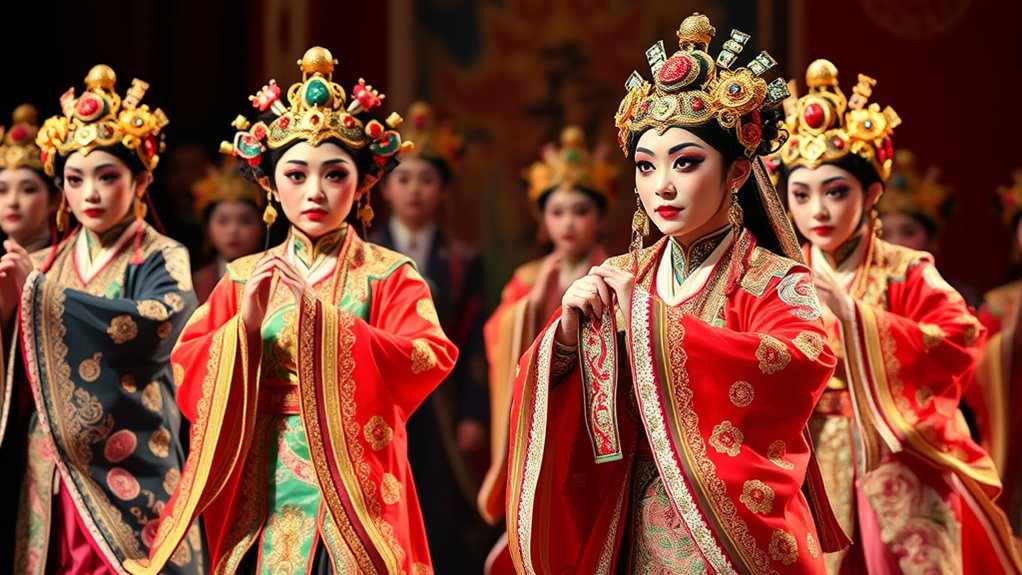
Chinese opera is a national treasure that captivates with its centuries-old artistry. You'll marvel at the striking makeup, elaborate costumes, and stylized movements that convey deep emotion. Performers showcase extraordinary vocal control, from the rich "bel canto" style to the delicate "kunqu" phrasing. Symbolic gestures like hand covering the face portray complex feelings. This vibrant tradition isn't just a cultural relic – it's a living, breathing monument to China's heritage. Discover how Chinese opera intersects with philosophy and spirituality, and how it continues to impact contemporary arts. Keep reading to uncover more about this mesmerizing theatrical experience. (Source: Travel China Guide)
Explorer Insights
- Chinese opera is a vibrant and ancient art form deeply rooted in Chinese cultural heritage, reflecting rich traditions and regional diversity.
- The rigorous training of performers, intricate costuming and makeup, and virtuosic vocal techniques create a mesmerizing and immersive theatrical experience.
- Chinese opera's symbolic gestures and movements elevate storytelling, conveying complex emotions and dramatic tensions, and fostering deeper cultural understanding.
- The preservation and promotion of Chinese opera help to safeguard a vital aspect of China's national identity and artistic legacy.
- Incorporating Chinese opera elements in language education can enhance appreciation for the art form and its cultural significance.
Origins and Historical Roots
Chinese opera traces its origins back thousands of years, rooted in ancient Chinese folk traditions and rituals. Over time, it has evolved into a sophisticated art form, reflecting the rich cultural heritage of the Chinese people. From the intricate masks and vibrant costumes to the mesmerizing musical scores, Chinese opera is a true national treasure that continues to captivate audiences both at home and abroad.
Each regional style, such as Cantonese, Peking, and Sichuan opera, has its own unique characteristics, showcasing the diversity and depth of this art form. The performers, known as "dan" and "sheng," undergo rigorous training to master the intricate vocal techniques, acrobatic movements, and elaborate stage presence required to bring these timeless stories to life. Traditional Chinese wedding ceremonies also highlight the deep sense of cultural heritage and family connection in Chinese society.
Unique Theatrical Conventions
The theatrical conventions of Chinese opera are truly engrossing and distinct. From the striking makeup and elaborate costumes to the intricate choreography and spellbinding musical accompaniment, each element contributes to the rich tapestry of this captivating art form.
The use of stylized movements and gestures, known as "hua dan," is a hallmark of Chinese opera. These graceful, symbolic motions convey a wealth of emotion and meaning, often transcending the spoken word. The four treasures of Chinese calligraphy are an essential toolkit used in the creation of Chinese opera.
The incorporation of acrobatics and martial arts techniques adds an exhilarating physical dimension to the performances, showcasing the incredible skill and athleticism of the artists.
The diverse repertoire of Chinese opera encompasses a vast array of stories, from ancient legends to political dramas, allowing audiences to immerse themselves in a vast spectrum of human experiences and cultural traditions.
These unique theatrical conventions make Chinese opera a truly mesmerizing and immersive experience, offering a window into the heart of Chinese culture.
Intricate Costuming and Makeup
Elaborate costumes and mesmerizing makeup are integral to the visual spectacle of Chinese opera. From the ornate headpieces to the vibrant hues, every aspect of the performers' attire is meticulously crafted to enthrall the audience. Intricate embroidery, delicate accessories, and skillful application of makeup all come together to bring the characters to life on stage.
The makeup, in particular, is an art form in itself. Operators use a range of vibrant pigments to create bold, expressive expressions that convey the emotions of the role. Thick brows, striking eye makeup, and vivid lip colors all contribute to the distinct look that defines each character. These visual elements, coupled with the actors' dynamic movements and enchanting vocals, create a truly immersive theatrical experience.
As you witness a Chinese opera performance, be sure to marvel at the extraordinary level of detail and craftsmanship woven into the costumes and makeup. These elements aren't merely decorative – they're essential to the rich cultural heritage of this spellbinding art form. Seasonal influences reflect nature's beauty, with arrangements symbolizing renewal and endurance.
Virtuosic Vocal Techniques
Alongside the mesmerizing visual elements, Chinese opera showcases virtuosic vocal techniques that enthrall audiences. From the powerful and emotive "Bel Canto" style to the intricate "Kunqu" vocal ornamentation, these performers captivate with their mastery.
The "Bel Canto" technique features a rich, full-bodied sound and expressive vibrato, allowing singers to convey a wide range of emotions.
The "Kunqu" style is renowned for its delicate, lyrical phrasing and intricate embellishments, creating a hauntingly beautiful soundscape.
Operatic stars often undergo years of rigorous training to develop their extraordinary vocal control, allowing them to seamlessly shift between registers and deliver virtuosic performances.
These virtuosic vocal techniques aren't merely a display of skill but an integral part of the cultural significance of Chinese opera. They transport audiences to a domain of timeless artistry, showcasing the deep-rooted traditions and the dedication of these celebrated performers. Additionally, the inclusion of cultural elements in language lessons boosts understanding and appreciation of Chinese.
Symbolic Gesture and Movement
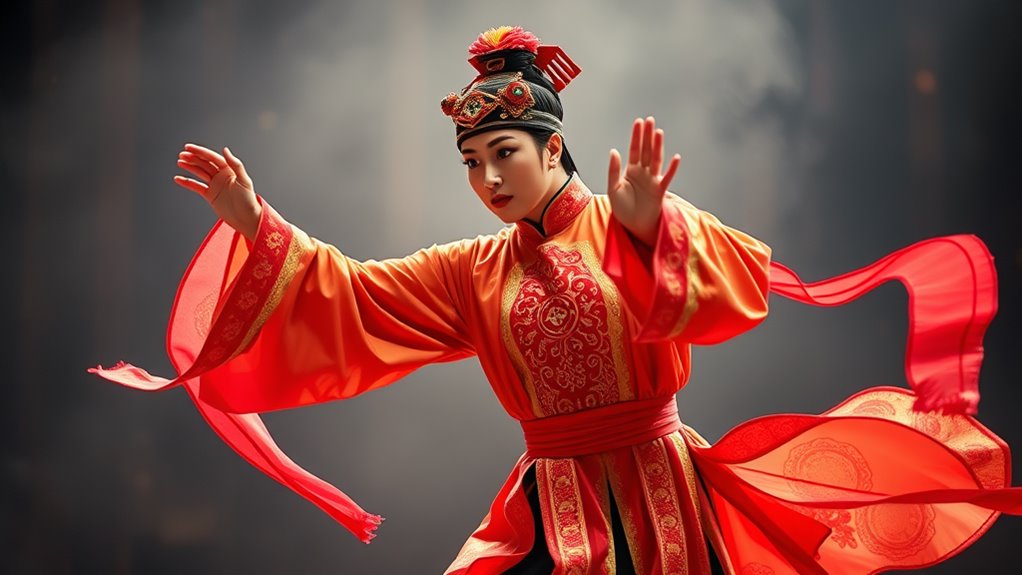
Equally enthralling as the virtuosic vocals are the symbolic gestures and movements that grace the Chinese opera stage. Each deliberate motion holds deep cultural significance, conveying a rich tapestry of emotions and storytelling.
From the elegant sweep of a fan to the thunderous stomp of a warrior's stride, these symbolic gestures are a spellbinding language all their own. Let's explore the meanings behind some of the most iconic movements:
| Gesture | Meaning |
|---|---|
| Hand Covering the Face | Sorrow, shame, or disbelief |
| Hands Clasped in Prayer | Reverence, sincerity, or supplication |
| Fist Shaking | Anger, determination, or defiance |
| Stepping Forward with Arm Outstretched | Boldness, decisiveness, or command |
These symbolic motions elevate the storytelling, allowing performers to convey complex emotions and dramatic tensions with a single, graceful movement. From the stage to the streets, the cultural significance of Chinese opera's symbolic gestures lives on, mesmerizing audiences worldwide. The tea ceremony embodies principles of harmony, respect, purity, and tranquility, fostering connection and mindfulness among participants.
Mythological Narratives and Themes
Beyond the enthralling physicality, Chinese opera's narratives draw from a rich tapestry of mythological themes and legendary tales. These spellbinding stories transport audiences to domains of the divine, where heroes and heroines navigate the complexities of love, honor, and cosmic forces.
Explore the timeless tale of the Monkey King, a mischievous yet heroic figure who embodies the struggle between order and chaos, as he ventures on a perilous journey to the West. The Terracotta Army, discovered as part of the Mausoleum of the First Qin Emperor, also reflects the ancient Chinese beliefs in the afterlife and the importance of protecting the emperor in the next world.
Witness the tragic romance of the Butterfly Lovers, whose ill-fated love defies societal boundaries and transforms them into a pair of fluttering butterflies.
Immerse yourself in the ancient legends of the Eight Immortals, each with their own unique powers and mythical origins, as they overcome challenges and bring balance to the celestial realm.
These mythological narratives not only captivate the audience but also serve as vehicles for the transmission of Chinese cultural values, morals, and beliefs, making Chinese opera a true national treasure.
Regional Styles and Variations
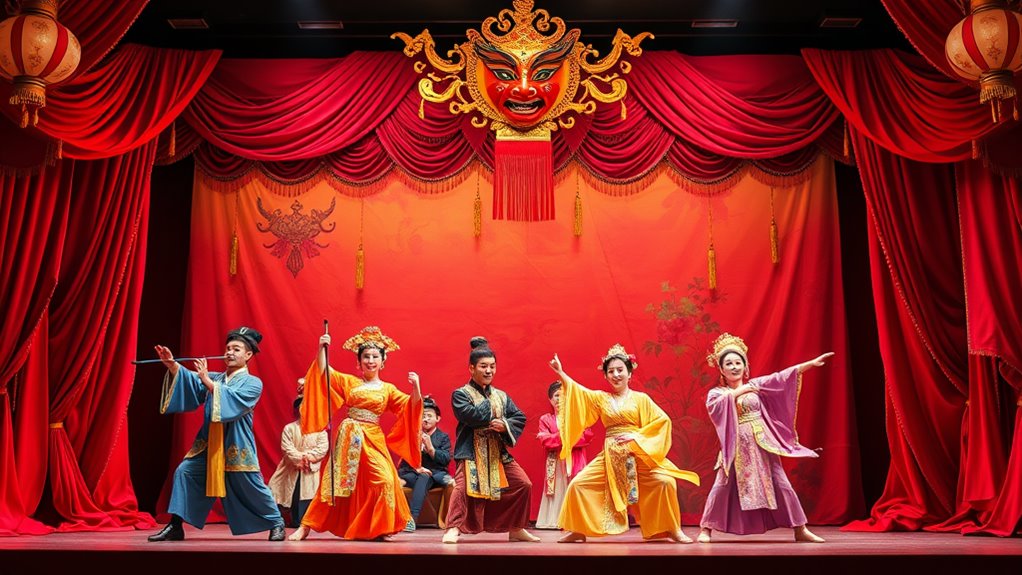
Chinese opera's regional styles and variations reflect the vast cultural diversity of China. From the elegant and refined Peking Opera of the north to the vibrant and dynamic Cantonese Opera of the south, each style has its own unique characteristics and historical roots.
The Sichuan Opera, known for its brilliant colors and daring acrobatics, showcases the rich heritage of western China. Meanwhile, the Kunqu Opera, with its delicate melodies and poetic lyrics, represents the cultural sophistication of the Yangtze River delta region.
As you explore the different regional styles, you'll be captivated by the intricate costumes, elaborate makeup, and mesmerizing performances. The regional variations not only highlight China's cultural tapestry but also offer a glimpse into the country's diverse traditions and customs. The Forbidden City's influence on Chinese opera's development and legacy is extensive, as it served as a hub for the performance and patronage of these artistic traditions.
Whether you attend a lively Cantonese Opera show in Hong Kong or a serene Kunqu Opera performance in Suzhou, you'll be immersed in the timeless artistry of Chinese opera.
Modern Interpretations and Adaptations
While the traditional forms of Chinese opera continue to captivate audiences, modern interpretations and adaptations have emerged, breathing new life into this centuries-old art form. Today, innovative directors and performers are reimagining these classic works, blending ancient traditions with contemporary techniques and themes.
One notable example is the rise of experimental Peking opera productions, which incorporate elements of dance, multimedia, and avant-garde staging. These bold reinterpretations challenge the boundaries of the genre, appealing to younger and more diverse audiences. Additionally, Chinese tea culture has inspired unique fusions of traditional tea ceremonies with modern expressions, further diversifying the art form.
In addition, Chinese opera has been adapted for the screen, with filmmakers crafting visually stunning cinematic versions that introduce the art form to global viewers. These productions often highlight the emotional depth and storytelling prowess inherent in the traditional performances.
Preservation and Transmission of Tradition
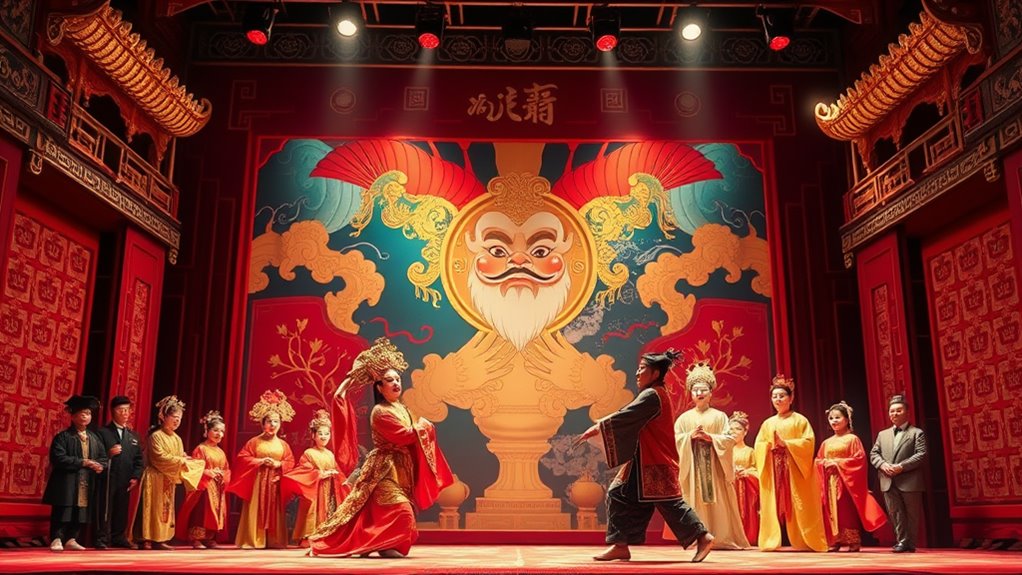
How have efforts to preserve and transmit the traditions of Chinese opera guaranteed its enduring legacy? Through a steadfast commitment to education and cultural preservation, the art form has managed to captivate audiences for centuries. Preservation of regional identity and artistic diversity has further contributed to the continued evolution and popularity of Chinese opera.
| Preservation Strategies | Impact | Outlook |
|---|---|---|
| Apprenticeship Programs | Passing down skills and techniques to new generations | Safeguarding the survival of traditional performance styles |
| Opera Schools & Academies | Thorough training in singing, acting, and instrumental accompaniment | Producing highly skilled performers to carry on the tradition |
| Government Funding & Support | Providing resources for research, restoration, and public performances | Elevating Chinese opera's status as a national treasure |
These multi-faceted initiatives have been instrumental in safeguarding the rich heritage of Chinese opera. By instilling a deep appreciation for its artistry and cultural significance, they empower artists to uphold the time-honored traditions while also exploring innovative interpretations. This delicate balance secures Chinese opera's continued captivation and inspiration of audiences, both at home and on the global stage.
Global Recognition and Appreciation
Alongside the tireless efforts to preserve and transmit its traditions, Chinese opera has also garnered global recognition and appreciation. From being inscribed on the UNESCO Intangible Cultural Heritage list to enthralling international audiences, this art form has transcended borders and captured the hearts of people worldwide.
Chinese opera troupes now regularly tour the globe, dazzling audiences with their elaborate costumes, mesmerizing acrobatics, and emotionally-charged performances. These cultural ambassadors have introduced the rich tapestry of Chinese opera to diverse international communities.
Major opera houses and festivals across the world, from New York to Paris, now feature Chinese opera prominently in their programming, reflecting the growing global fascination with this unique art form. Additionally, the Great Wall has played a significant role in shaping Chinese national identity and cultural heritage.
Scholars and enthusiasts worldwide have also dedicated themselves to studying, documenting, and promoting Chinese opera, ensuring its enduring legacy on the global stage.
Intersection With Chinese Philosophy and Spirituality
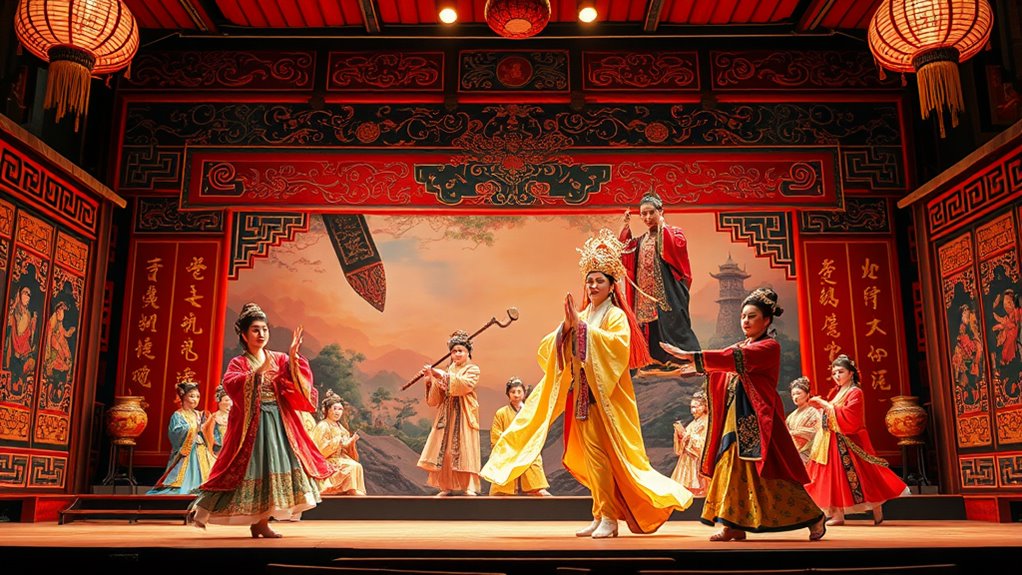
Chinese opera's deep roots extend beyond mere artistic expression, as it intersects profoundly with the philosophical and spiritual underpinnings of Chinese culture. From Confucian ethics to Taoist and Buddhist ideals, the operatic arts have long served as a vessel for conveying and preserving these ancient belief systems.
The intricate movements, symbolic gestures, and emotive storytelling of Chinese opera are imbued with layers of metaphysical meaning. Each character, costume, and prop holds symbolic significance, reflecting the interconnectedness of the human and the divine.
The operatic stage becomes a sacred space where the material and the spiritual domains converge, allowing audiences to witness the manifestation of universal truths through the medium of performance.
Furthermore, the meditative, ritualistic qualities of Chinese opera, such as the use of chanting, breathing techniques, and meditation, align with the contemplative practices of Chinese philosophy and spirituality. This symbiotic relationship between the arts and belief systems has endured for centuries, cementing the cultural significance of Chinese opera as a national treasure.
Impact on Contemporary Arts and Culture
The enduring legacy of Chinese opera continues to shape and inspire contemporary arts and culture across the globe. From the captivating melodies that influence modern music to the intricate choreography that inspires cutting-edge dance performances, the impact of this centuries-old art form is undeniable.
Chinese opera's striking visual aesthetics, with its elaborate costumes and stunning stage designs, have become a source of inspiration for fashion designers, visual artists, and set designers worldwide.
The rich symbolism and storytelling traditions of Chinese opera have also found their way into contemporary literature, theater, and film, as writers and directors draw upon these timeless narratives to create innovative new works.
Furthermore, the discipline and technical mastery required of Chinese opera performers have set a high bar for excellence, inspiring emerging artists across various disciplines to pursue similar levels of artistry and dedication.
Frequently Asked Questions
What Is the Economic Impact of Chinese Opera?
You may be surprised to learn that Chinese opera has a significant economic impact! While it's cherished as a cultural treasure, it also generates revenue through ticket sales, tourism, and even related merchandise.
Chinese opera companies and theaters employ thousands, providing jobs that sustain local economies. Plus, the art form attracts visitors who spend money on hotels, dining, and other experiences. So Chinese opera isn't just a beloved tradition – it's also an important economic driver for the country.
How Does Chinese Opera Influence International Tourism?
Chinese opera is a major draw for international tourists visiting China. Its rich cultural heritage, stunning costumes, and engrossing performances attract visitors from around the world.
You'll be mesmerized by the intricate stories, beautiful melodies, and skilled acrobatics. Catch a show in iconic opera houses and you'll understand why Chinese opera is considered a national treasure that showcases China's vibrant cultural identity. It's an experience that'll leave a lasting impression on your China travels.
What Are the Career Opportunities in Chinese Opera?
If you're drawn to the compelling world of Chinese opera, there are plenty of career opportunities to explore!
You could become a performer, honing your vocal and acting skills to bring these traditional tales to life. Or you might opt for a behind-the-scenes role, like costume design, stage management, or even opera administration.
With dedication and training, you can find your niche in this vibrant and culturally significant art form.
How Accessible Is Chinese Opera to the General Public?
Ah, the world of Chinese opera – a true treasure trove for the curious traveler! While it may seem formidable at first, don't worry, it's more accessible than you might think.
Many major cities in China, Japan, and Korea offer regular performances, and some even provide English translations to help you follow along. So why not take a chance and immerse yourself in this enchanting art form? You might just discover a newfound appreciation for the rich cultural tapestry of the East.
What Are the Challenges in Modernizing Chinese Opera?
Modernizing Chinese opera comes with its fair share of challenges. You've gotta balance preserving the traditional art form while making it more accessible to the modern audience.
Things like incorporating new technology, updating the stories, and reaching younger generations can be tricky. But with creativity and dedication, Chinese opera can evolve to captivate both longtime fans and newcomers alike.
It's all about finding that sweet spot between tradition and innovation.
Conclusion
Did you know that Chinese opera is performed daily to audiences of over 10 million people? This deeply-rooted art form has captivated the hearts of the Chinese people for centuries, and its cultural significance continues to resonate globally. From the intricate costumes to the virtuosic vocal techniques, Chinese opera is truly a national treasure that deserves to be experienced and celebrated by all.
More on China:
Planning a trip to China?
Check out our China Travel Hub for more guides, including China Digital Survival Guide.

Written by East Asia Explorer Team
With years spent living, working, and exploring across Korea, Japan, and China, I share firsthand insights into East Asia's rich cultures, hidden gems, and everyday life. My journey also includes studying in Malaysia and traveling through Southeast Asia, experiences that have deepened my appreciation for the region's diversity. Through practical tips, local stories, and travel guides, I aim to help fellow explorers discover both the celebrated highlights and the lesser-known corners of East Asia.