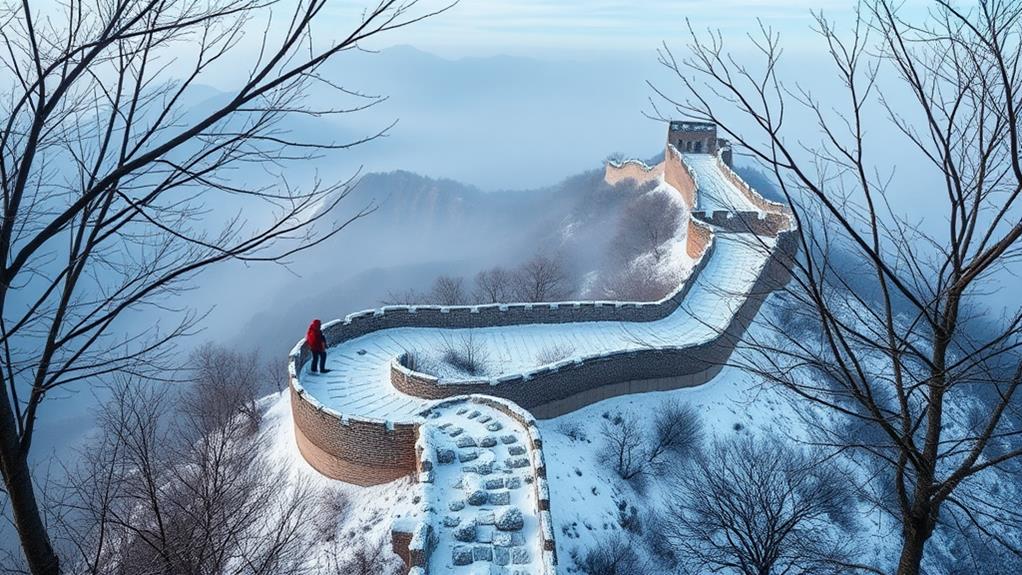
Last Updated: September 8, 2026 | Originally Published: October 10, 2024
- Best section: Mutianyu for scenery and fewer crowds; Badaling for speed — ~20 min via the Badaling Great Wall high-speed rail station
- Temperature: Beijing winter highs run 0-5°C (32-41°F); wind chill on exposed ridgelines drops the felt temperature well below freezing
- Toboggan & cable car: Mutianyu’s cable car runs year-round; its toboggan slide typically closes for winter when ice risk is high
- Entry fee: Mutianyu and Badaling both charge a lower winter-season admission (roughly ¥40) than their peak-season rate (roughly ¥45)
Last updated: September 8, 2026
Every Great Wall guide mentions the crowds. Almost none tell you what actually changes in winter: which lift keeps running, which slide shuts down, and which section you can now reach in 20 minutes instead of a two-hour tour bus ride.
I’ve walked Mutianyu in January with microspikes in my daypack, because the steps past the ninth tower were sheeted in ice. That’s the trade winter makes: fewer crowds, harder walking. This guide covers which section handles that trade-off best.
Table of Contents
Which Great Wall Section Should You Visit in Winter?
The three sections closest to Beijing behave differently once temperatures drop. Here’s how they compare for a winter visit specifically, not the general summer advice most guides repeat.
| Section | Distance from Beijing | Winter crowd level | Cable car in winter | Restoration |
|---|---|---|---|---|
| Badaling | ~1 hr drive, or ~20 min by high-speed rail | Lowest of the three in absolute terms, but still the busiest on any given day | Runs year-round, weather permitting | Fully restored, most level surface |
| Mutianyu | ~1.5-2 hrs by shuttle bus/tour van | Noticeably quieter than Badaling on weekdays | Runs year-round; toboggan often closed for ice risk | Fully restored, forested surroundings |
| Jinshanling | ~2.5-3 hrs by tour van (no direct transit) | Quietest of the three — some mornings feel nearly empty | None | Partially restored; uneven “wild” stretches |
Short on time? Badaling’s rail link makes it the practical choice. Want quieter over faster? Mutianyu is the better winter pick.
Jinshanling is for people who’ve already done the other two. Its unrestored stretches are genuinely more dangerous when icy, so it’s not a first-timer’s winter choice.
How Cold Does It Actually Get on the Wall?
Beijing’s winter daytime highs typically run 0-5°C (32-41°F) from December through February. That’s the city forecast — the wall itself runs colder.
The ridgelines the wall follows are exposed on both sides, with no windbreak for long stretches between watchtowers. Wind chill can push the felt temperature 5-10°C below the ambient reading.
Ice is the bigger issue than raw cold. Meltwater refreezes overnight on stone steps, especially on north-facing stretches that get little direct sun. Microspikes — crampon-style traction devices that slip over hiking boots — aren’t standard tourist gear, but they’re worth packing after a recent snowfall.
What’s the Fastest Way to Reach the Great Wall in Winter?
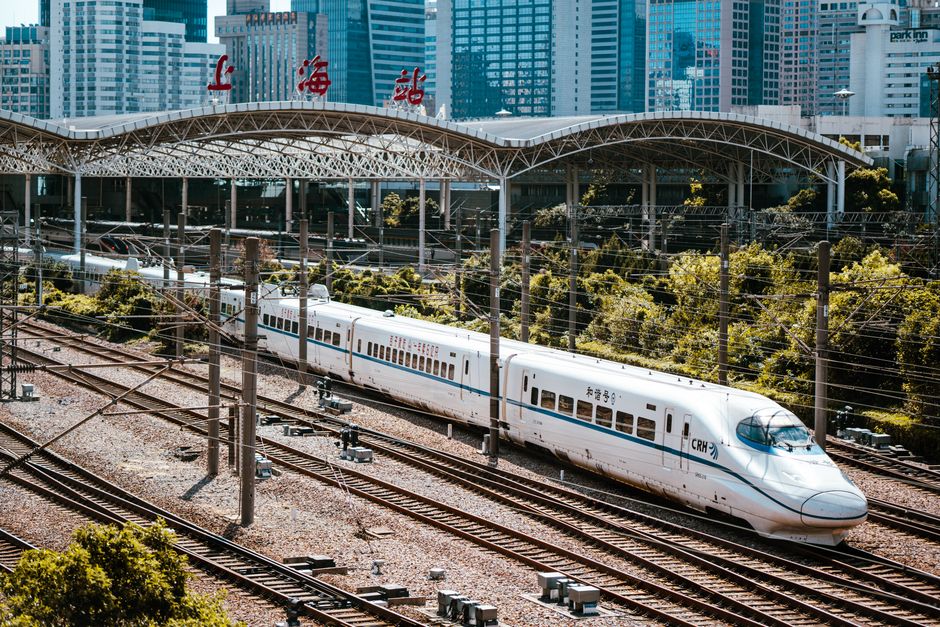
The Beijing-Zhangjiakou high-speed rail line, built for the 2022 Winter Olympics, put a dedicated station — Badaling Great Wall Station — at the base of Badaling. Trains from Beijing North Railway Station make the trip in roughly 20 minutes.
That replaces what used to be an hour-plus drive. Mutianyu and Jinshanling have no rail option; both need a tour bus, private car, or shuttle-plus-taxi combination, and drive time stretches further if roads are icy.
Is the Toboggan or Cable Car Running in Winter?
Mutianyu’s cable car and chairlift typically keep running through winter, weather permitting, since they’re enclosed or seated systems less affected by icy footing.
The toboggan slide down from the wall — one of Mutianyu’s signature attractions in warmer months — is different. It’s a metal luge-style track, and operators commonly close it for winter when the track can ice over. Don’t plan a winter visit around riding it; check current status before you go, and have the cable car as backup.
Badaling’s cable car generally runs year-round too, though both parks can suspend lifts on individual days with high winds or heavy snowfall, regardless of season.
Which Week Should You Avoid? Chinese New Year Crowds
Winter is the Great Wall’s low season overall, with one exception: Chinese New Year. Dates shift yearly with the lunar calendar, but the surrounding week is a domestic travel peak nationwide.
Badaling in particular sees a spike from Beijing families sightseeing locally during the holiday. If your trip lands that week, Jinshanling’s lower visitor volume works in your favor — it’s the section least affected by the surge.
The Great Wall was inscribed as a UNESCO World Heritage Site in 1987, recognized for representing over two thousand years of Chinese defensive military architecture across multiple dynasties.
Take the high-speed rail to Badaling for speed (~20 min), or the shuttle to Mutianyu for fewer crowds. Expect 0-5°C daytime highs with sharper wind chill on exposed ridgelines, icy steps on north-facing stretches, and a closed toboggan at Mutianyu. Avoid Chinese New Year week unless quiet, unrestored Jinshanling is your target.
Frequently Asked Questions
Is the Great Wall open in winter?
Yes. Badaling, Mutianyu, and Jinshanling all stay open through winter, generally with shorter daily hours than the summer schedule. Confirm the current day’s hours before you go.
What should I wear to hike the Great Wall in winter?
Layer with a windproof outer shell — wind chill on exposed sections matters more than ambient temperature. Waterproof, grippy boots matter more than layer count; the stone steps are the main hazard, not the cold air.
Is Badaling or Mutianyu better in winter?
Badaling wins on speed and access, especially with the high-speed rail station. Mutianyu wins on crowd levels and scenery. It depends on whether you’re optimizing for a short trip or a quiet one.
Does the Mutianyu toboggan run in winter?
Often not. The slide is commonly closed for winter due to ice risk on the track. The cable car and chairlift typically keep running. Check the current season’s status before planning around it.
Is it safe to hike the Great Wall in icy conditions?
Stick to Badaling or Mutianyu rather than Jinshanling’s unrestored stretches if there’s been recent snow, and consider microspikes. Staircases without handrails are where most visitors turn back — there’s no shame in not pushing past them.
More on Food & Dining:
Planning a trip to China?
Check out our China Travel Hub for more guides, including China Digital Survival Guide.

Written by East Asia Explorer Editorial Team
Sam Konneh is an AI strategist and digital marketer based in Seoul, South Korea. With years spent living, working, and exploring across Korea, Japan, and China, he shares firsthand insights into East Asia's cultures, hidden gems, and everyday life. A graduate of Inha University and KDI Graduate School, Sam combines data-driven expertise with on-the-ground experience. His journey also includes studying in Malaysia and traveling through Southeast Asia. Through practical tips, local stories, and travel guides, he helps fellow explorers discover both the celebrated highlights and the lesser-known corners of East Asia.