Last Updated: October 6, 2026 | Originally Published: September 3, 2026
Last updated: July 2026
- Show your original passport at checkout — tax is deducted immediately at most stores
- Minimum spend: ¥5,000 (tax-excluded) per store per day — that’s roughly ¥5,500 on the price tag
- Cosmetics and food are consumables: sealed in a special customs bag you cannot open inside Japan
- 2026 update: Japan is phasing in an airport-refund model — some stores now charge full price and refund at departure
Japan’s tax-free shopping system is one of the best perks for foreign tourists. Show your passport, hit the minimum spend, and have the full consumption tax deducted at the register on electronics, clothing, cosmetics, and more.
After shopping at Don Quijote, Yodobashi Camera, and Matsumoto Kiyoshi on the same trip, I’ve worked out exactly how the system works — and what catches first-timers off guard. Here’s the complete picture, including the 2026 rule changes.
What Is Japan’s Tax-Free Shopping System?
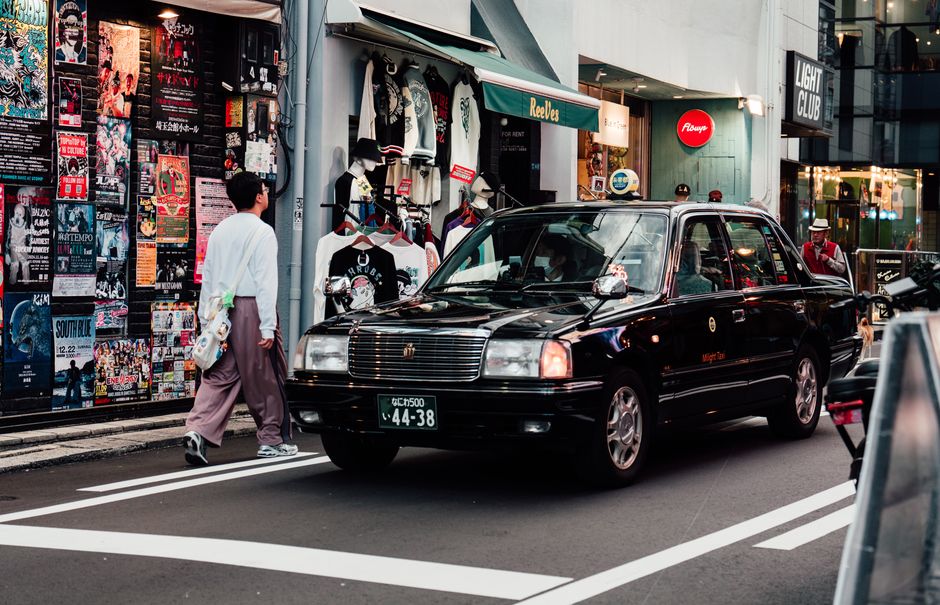
Japan charges a 10% consumption tax (消費税, shōhizei) on most goods. A reduced rate of 8% applies to food and non-alcoholic beverages for takeaway.
Foreign tourists who stay in Japan less than 6 months can purchase goods tax-free at registered stores. The process is simple: show your passport, the store verifies your eligibility, and the tax is either deducted at the register or refunded separately.
According to the Japan National Tourism Organization (JNTO), tens of thousands of stores across Japan are registered for the tax exemption program — from major electronics retailers to small souvenir shops.
The savings are real. On a ¥50,000 electronics purchase, you’d save ¥5,000. On a ¥20,000 cosmetics haul at Matsumoto Kiyoshi, you’d save ¥2,000. Over a 2-week trip, the tax savings can cover a night’s accommodation.
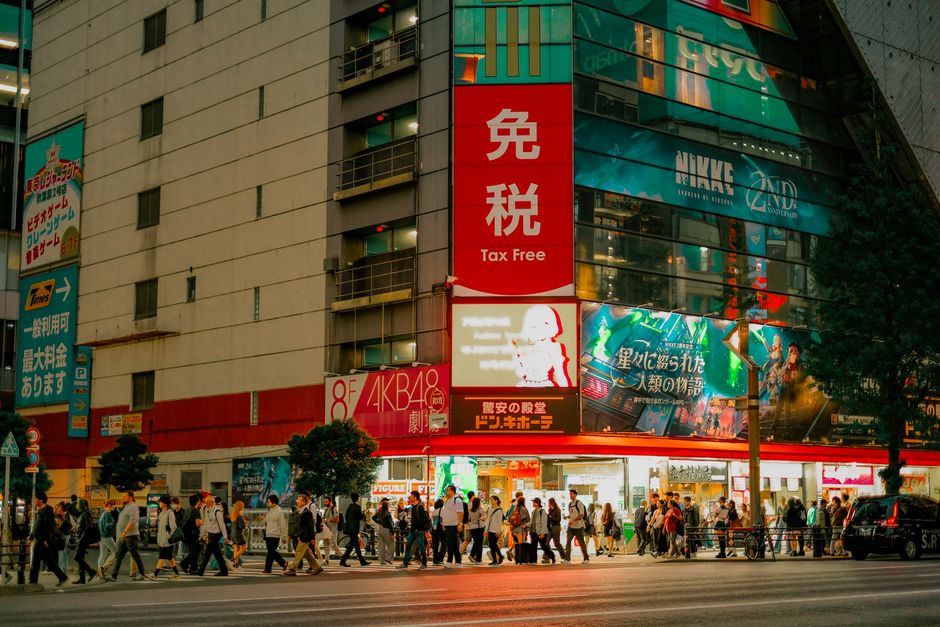
Which Products Qualify? Non-Consumables vs. Consumables
This is where most tourists get confused. Japan divides tax-free goods into two categories with different rules.
Non-consumables include electronics, clothing, watches, jewelry, bags, cameras, and accessories. These have a minimum spend of ¥5,000 (tax-excluded) per store per day. There’s no maximum limit.
Consumables include food, beverages, tobacco, cosmetics, and pharmaceuticals. The same ¥5,000 minimum applies. However, consumables must be sealed in a special plastic bag at the store. You cannot open the bag until you leave Japan’s customs checkpoint at the airport.
The ¥5,000 minimum applies per store per day. If you buy ¥3,000 of cosmetics at Matsumoto Kiyoshi and ¥2,500 at Sundrug, neither qualifies — you cannot combine purchases across different stores to hit the minimum.
Electronics like cameras and laptops are non-consumables, but accessories like memory cards and phone cases are sometimes classified differently. When in doubt, ask the store’s tax-free counter before you pay.
Top Stores for Tax-Free Shopping in Japan
Not all stores offer tax-free the same way. Here’s how the major chains compare:
| Store | Best For | Tax-Free Counter | Wait Time |
|---|---|---|---|
| Don Quijote (Donki) | Everything — cosmetics, snacks, electronics, clothing | Dedicated tourist desk | 15–40 min (evenings) |
| Yodobashi Camera | Electronics, cameras, gaming | Ground floor service | 5–15 min |
| Bic Camera | Electronics, home appliances | At each floor register | 5–10 min |
| Matsumoto Kiyoshi | Cosmetics, skincare, OTC pharmacy | At cashier | 3–8 min |
| Isetan / Takashimaya | Premium fashion, accessories | Dedicated refund counter | 10–25 min |
| Loft / Tokyu Hands | Stationery, lifestyle goods | Ground floor cashier | 5–15 min |
Don Quijote is the most tourist-popular, but the tax-free lines at flagship stores (Shinjuku, Dotonbori) can hit 40 minutes on weekend evenings. Yodobashi Camera and Bic Camera process tourists much faster for electronics.
You must present your original passport — not a photocopy, not your phone screen. Some stores will scan your passport’s information chip. If you left your passport at the hotel, you cannot get the tax-free deduction. Stores cannot retroactively apply it after the sale.
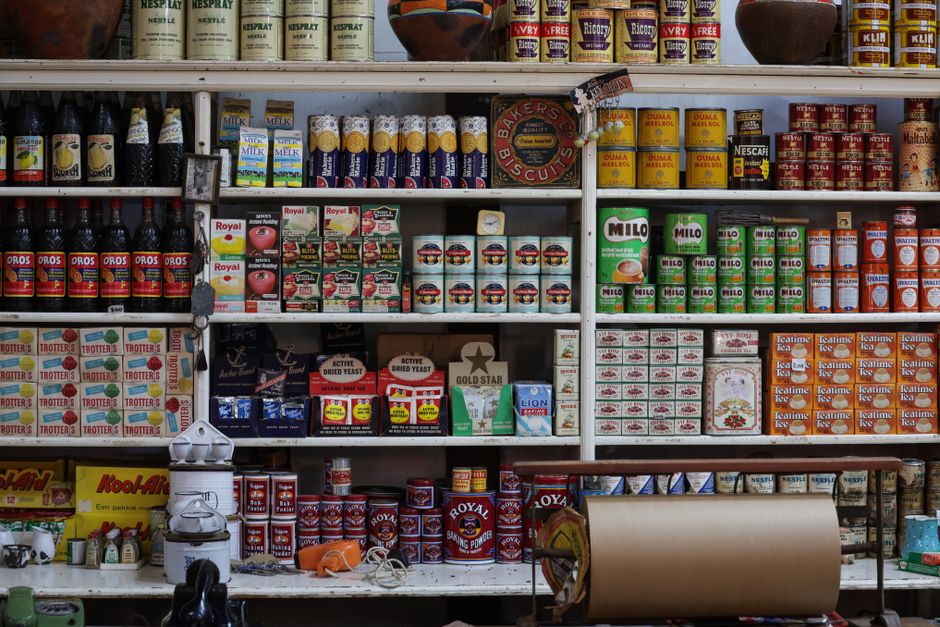
How the 2026 Reform Changes How You Claim Your Refund
Japan’s National Tax Agency (NTA) began rolling out a major overhaul of the tax-free shopping system in 2026–2026. The core change: a shift from tax exemption at point of sale to a refund at airport departure model.
Under the old system (still used by most stores): the tax is deducted right at the cashier when you show your passport. You pay the lower, tax-free price immediately. Consumables are sealed, and the seal is checked at customs when you leave.
Under the new 2026 model (being phased in): you pay the full price (including 10% tax) at the store.
At the airport, before clearing customs, you visit a tax refund kiosk or counter, show your purchases and passport, and receive the tax back — either as cash, credit card credit, or IC card top-up.
The change is designed to stop a major abuse: tourists buying items tax-free, then selling them in Japan instead of taking them home. Under the new model, you can’t claim the refund until you’re physically leaving the country.
As of mid-2026, the rollout is ongoing. Major electronics chains and department stores may already operate under the new model. Check the store’s tax-free signage at the entrance — it will indicate which system applies.
If stores near you use the new refund-at-departure model, the airport tax refund counters can get busy. Allow at least 30–45 minutes extra before your flight, especially at Narita Terminal 1 and Haneda T3 during peak season. Counters are before the customs checkpoint.
Step-by-Step: How to Get Tax-Free at the Checkout
The process under the traditional system (still the majority of stores in 2026):
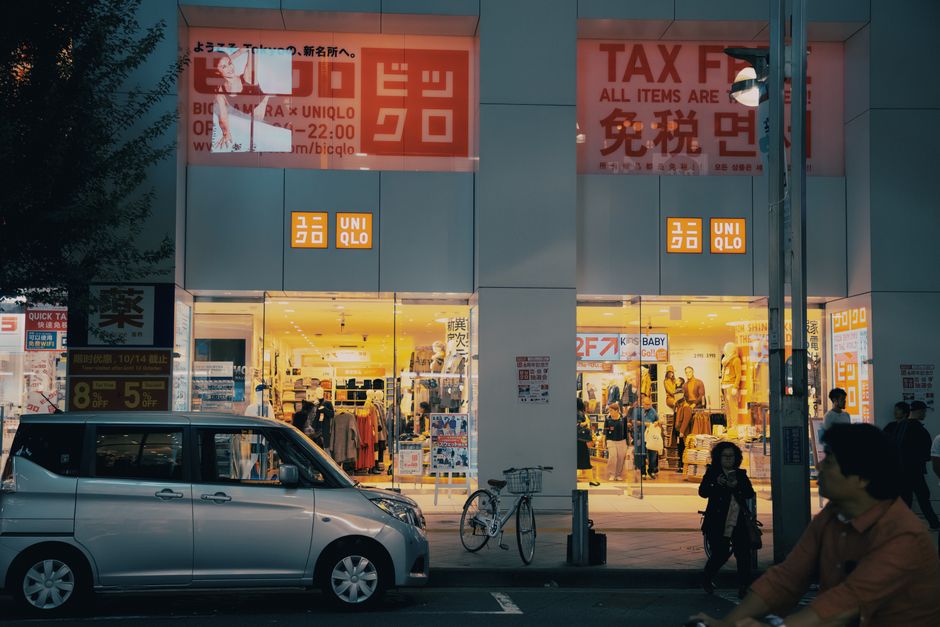
- Look for the tax-free sign — a blue and white “Tax-Free” or “Japan Tax-Free Shop” sign at the entrance.
- Shop and collect your items. Keep them under one transaction if possible.
- At checkout, say “Tax-free please” or show your passport — cashiers will understand.
- The cashier verifies your eligibility: passport stamp shows you entered as a tourist; stays over 6 months don’t qualify.
- Tax is deducted from your total. For consumables, a staff member seals your items in a plastic bag and attaches the export record.
- At the airport: for consumables, a customs officer checks the sealed bag before you pass through customs. Do not open the bag inside Japan.
At some large department stores, the process involves paying tax-inclusive at the floor counter, then visiting a separate tax refund desk on a different floor. Ask a staff member where the “免税カウンター” (men-zei counter) is.
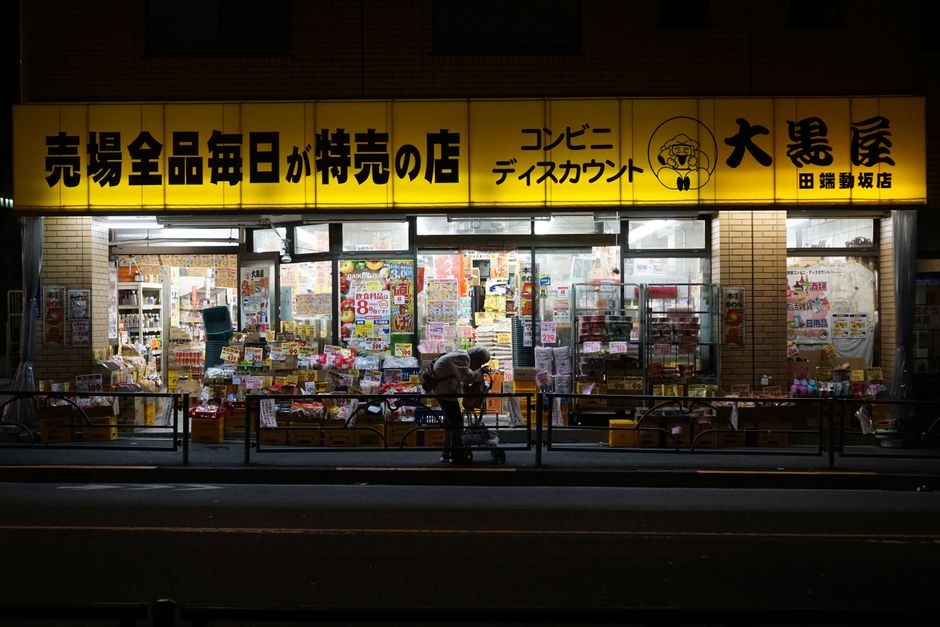
Tips to Maximize Your Tax-Free Savings in Japan
After several trips through this system, here’s what actually makes a difference:
1. Plan big electronics purchases for Japan. A Sony camera body, Nintendo Switch, or Apple product can save ¥5,000–¥20,000 tax-free vs. buying at home. Yodobashi Camera Akihabara has the largest floor space and fastest service.
2. Stack cosmetics in one Matsumoto Kiyoshi run. Matsu Kyo has the widest tourist-friendly cosmetics selection. Buy everything in one visit to hit the ¥5,000 minimum. Check their English-speaking staff signage.
3. Visit Don Quijote on weekday mornings. Lines are shortest before noon. The Shinjuku flagship and Dotonbori branches are always busiest after 6 PM.
4. Consumables bag is non-negotiable. Customs officers at Narita and Haneda do check the sealed bags. If you open the bag inside Japan, you technically owe the tax. Don’t risk a fine for a lip balm.
5. Use IC card refunds at new-system stores. If a store offers refund via Suica or Pasmo top-up instead of cash, take it — the money is immediately usable on Tokyo‘s train network.
6. Ask about the “general” tax-free counter. Many large malls (like Roppongi Hills or LaLaport) have a centralized tax-free counter. You shop at multiple tenant stores within the mall, then process everything at one counter. This solves the one-store-per-¥5,000 limitation.
7. The Japan Rail Pass does not include shopping discounts, but the Japan Rail Pass gets you to Akihabara, Shinjuku, and Osaka‘s Shinsaibashi — all major tax-free shopping hubs — without paying per ride. See our Japan travel hub for city-by-city shopping guides.
Japan’s 10% tax-free system is a genuine saving — but the rules are tightening in 2026. The new airport-refund model means paying upfront at some stores and claiming cash back before departure. Always carry your original passport, spend ¥5,000+ per store, and leave your cosmetics sealed until you clear customs.
FAQ: Japan Tax-Free Shopping
Does the 10% tax-free apply to food and restaurants in Japan?
Restaurant meals are taxed at 10% (10%) for dine-in and 8% for takeaway — but these are not eligible for tax-free refunds. The exemption only applies to goods purchased at registered retail stores, not food service.
Can I combine my purchases from different Don Quijote branches to hit ¥5,000?
No. The ¥5,000 minimum is per store, per location, per day. Purchases from the Shinjuku branch and the Akihabara branch are separate transactions, each needing to clear ¥5,000 independently.
What happens if customs finds my consumables bag open when I leave Japan?
Technically, you would be liable for the consumption tax you didn’t pay. Customs officers at Narita and Haneda do spot-check sealed bags. In practice, accidental openings are rare — but intentionally using items inside Japan and then claiming tax-free is tax evasion.
Is the new 2026 airport-refund system available at all stores?
Not yet. As of mid-2026, the transition is ongoing. Some major chains have moved to the new model while others still use point-of-sale deductions. Check the store entrance for their current tax-free policy sign. The NTA has published a list of stores operating under each model.
I’m a resident with a working visa — can I shop tax-free?
No. The tax exemption is only for temporary visitors on tourist, business, or short-stay visas (under 6 months total stay). If you have a resident card (在留カード) or working/student visa, you are not eligible for tax-free shopping, even if you hold a foreign passport.
More on Japan Destinations:

Written by East Asia Explorer Editorial Team
Sam Konneh is an AI strategist and digital marketer based in Seoul, South Korea. With years spent living, working, and exploring across Korea, Japan, and China, he shares firsthand insights into East Asia's cultures, hidden gems, and everyday life. A graduate of Inha University and KDI Graduate School, Sam combines data-driven expertise with on-the-ground experience. His journey also includes studying in Malaysia and traveling through Southeast Asia. Through practical tips, local stories, and travel guides, he helps fellow explorers discover both the celebrated highlights and the lesser-known corners of East Asia.