Last Updated: September 22, 2026 | Originally Published: September 3, 2026
- Arrive by high-speed rail at Huangshan North Station (Huangshanbei), then a 40–60 minute shuttle bus or taxi to Tangkou, the mountain’s base town.
- Entry ticket runs around ¥190 in peak season (March–November), with a lower winter rate — book on the official Huangshan Scenic Area platform, not a street agent.
- Four cableways get you up and around: Yungu, Yuping, Taiping, and the glass-floor West Sea Grand Canyon sightseeing rail. Each costs roughly ¥80–90 one way.
- Most visitors sleep on the summit (Beihai or Xihai Hotel) to catch sunrise — the last cable car down runs mid-afternoon, well before dusk.
Last updated: August 28, 2026
Huangshan doesn’t photograph as well as it looks in person, which is unusual for a Chinese landmark — most places suffer the opposite problem.
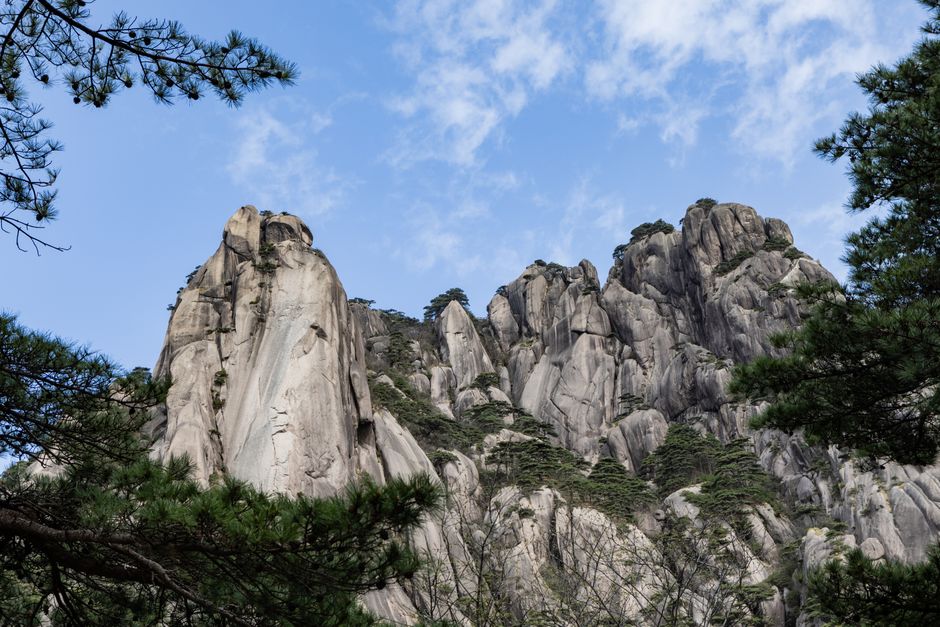
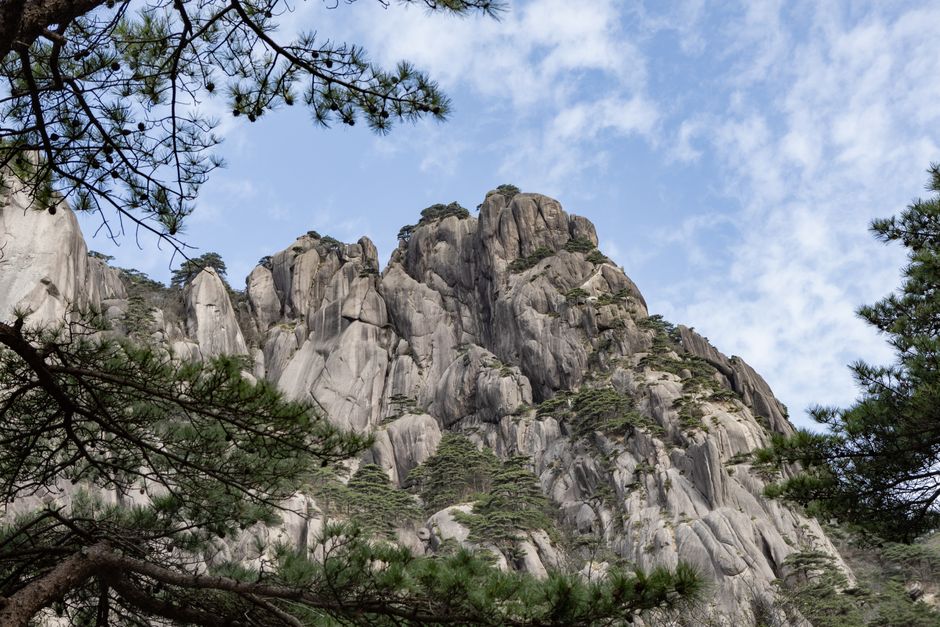
Granite peaks push straight up out of a floor of moving cloud, pine trees grow sideways out of bare rock, and the whole scene rearranges itself every ten minutes as the weather moves through.
The mountain is also more logistically demanding than it looks in the postcard. There are four cableways, two named peaks that take turns being closed, and a summit with no road access — meaning where you sleep decides whether you see sunrise at all.
This guide covers the train station, the ticket price, which cableway to take, and the one detail most first-timers get wrong: assuming they can day-trip the summit and be back in Tangkou by dinner.
How Do You Get to Huangshan?
The gateway is Huangshan North Station (Huangshanbei) — a stop on China’s high-speed rail network, with direct trains from Shanghai (roughly 2.5–3 hours), Hangzhou (around 1.5 hours), and Nanjing.
Huangshan North Station sits well outside the mountain itself, in Huangshan City. From there, a shuttle bus or taxi takes 40–60 minutes to reach Tangkou, the small base town at the mountain’s southern entrance where most hotels, restaurants, and the scenic area’s main gate are located.
Direct long-distance buses also run to Tangkou from Hangzhou and Shanghai bus stations, taking 4–5 hours — slower than the train but useful if you’re already routing through a bus hub rather than a rail one.
Which Cable Car Should You Take Up Huangshan?
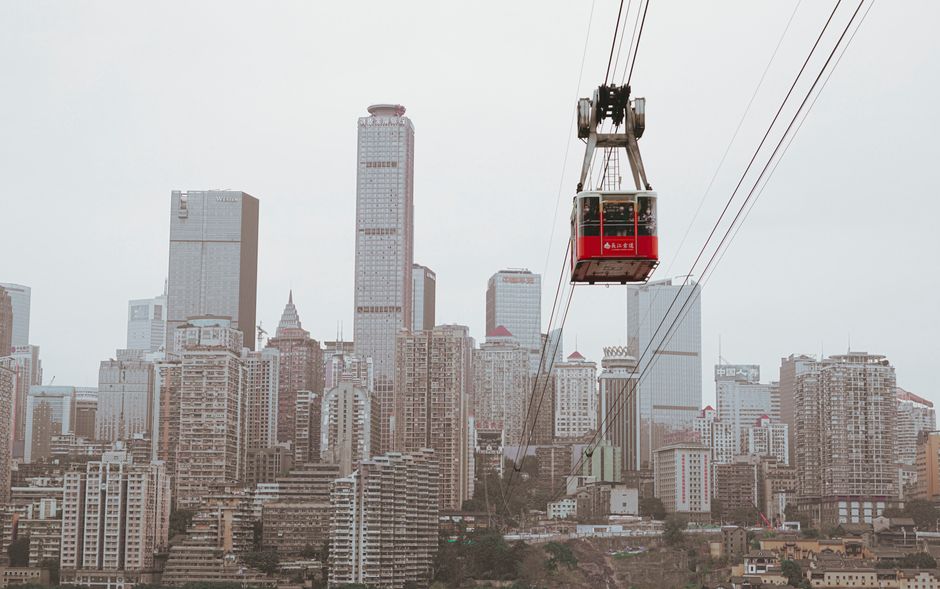
Huangshan has four cableways, and picking the right one changes your whole day.
| Cableway | Side | Connects To | Approx. Fare (one way) |
|---|---|---|---|
| Yungu Cableway | Front (east) | White Goose Ridge, near Beihai (North Sea) area | ~¥80 peak / ~¥65 winter |
| Yuping Cableway | Front (south) | Jade Screen area, near the Welcoming Pine | ~¥90 |
| Taiping Cableway | Back (north) | Songgu, near Xihai (West Sea) area | ~¥85 |
| West Sea Grand Canyon Sightseeing Rail | Summit interior | Glass-floor canyon crossing, not a summit-access route | Separate ticket on-site |
Yungu is the busiest — it’s the most direct route from Tangkou and drops you closest to the Beihai hotel cluster, so lines build fast on weekends and holidays.
Yuping is slower to reach from Tangkou but rewards you with the Welcoming Pine, a centuries-old pine that leans out over the rock face and appears on more Huangshan postcards than any other single feature.
How Much Are Huangshan Tickets, and Do You Need to Book Ahead?
According to local government tourism boards, the scenic area entry ticket runs around ¥190 per person in peak season (roughly March through November), with a reduced rate in winter. Children under 1.2 meters tall enter free. Cableway fares are billed separately from the entry ticket.
Huangshan’s official ticketing system requires ID registration and advance booking, especially during the April–May and September–October travel windows, when domestic tourist volume peaks. Booking a week ahead is the safe margin during those months; a day or two ahead usually suffices outside them.
Should You Hike Up or Take the Cable Car?
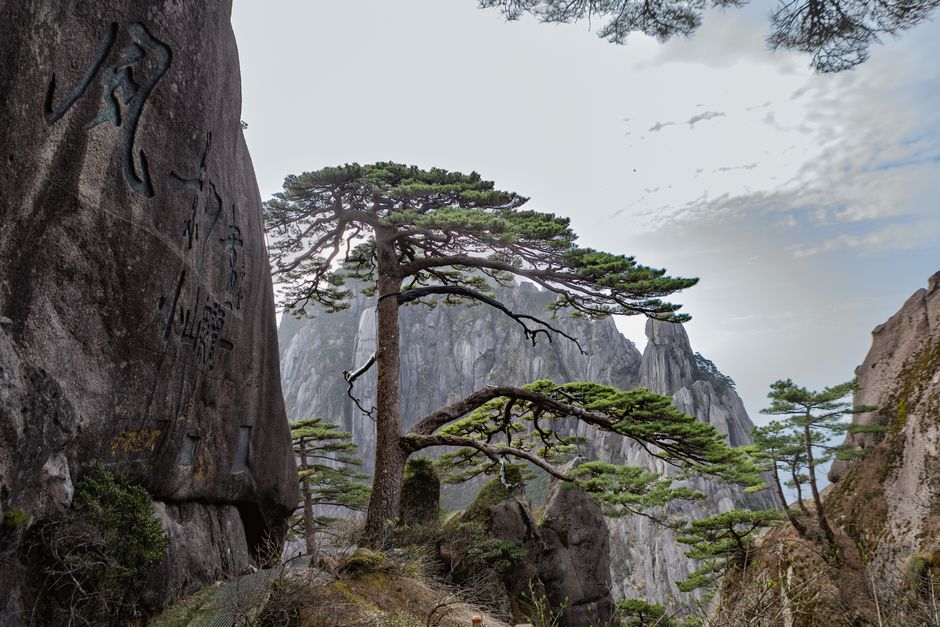
Huangshan has two hiking routes up from Tangkou: the front mountain trail (steeper, more stairs, better views on the way up) and the back mountain trail (longer, gentler grade, quieter). Both are stone-stepped paths the entire way — there’s no dirt trail option.
The front mountain climb from Yungu Temple to the summit ridge takes most hikers 3–4 hours and involves thousands of stone steps, some cut directly into near-vertical rock faces. It’s demanding but doable for a fit hiker with no technical climbing experience.
Most visitors combine the two: hike up one side, ride a cableway down (or the reverse), which keeps the day manageable while still delivering the views that only appear on foot — cable cars move fast and cut straight through some of the most scenic stretches.
Where Do You Stay Overnight on the Summit?
There’s no road to the summit, so every hotel bed up there was carried in by porters or cable car — which explains why summit rooms cost several times what an equivalent room costs in Tangkou.
The two main clusters are Beihai (North Sea), anchored by the Beihai Hotel, and Xihai (West Sea), anchored by the Xihai Hotel. Both put you within a short walk of prime sunrise-viewing points, which is the entire reason to pay the premium.
Camping outside designated areas is not permitted. If summit rooms are full or over budget, staying in Tangkou and taking the first cable car up (typically running from around 6:30 AM) is the fallback, though you’ll miss actual sunrise at the summit viewpoints.
What Is the Sea of Clouds, and When Do You See It?
The “sea of clouds” (yun hai) is the phenomenon Huangshan is most photographed for: a solid-looking layer of cloud sitting below the peaks, so that granite summits appear to float above a white ocean.
It happens most often from late autumn through spring — roughly November to May — and is more likely in the early morning, particularly after rain has passed and humidity is dropping. It isn’t guaranteed on any given day; multi-day stays improve your odds significantly over a single overnight.
One Day or Two? Building a Realistic Huangshan Itinerary
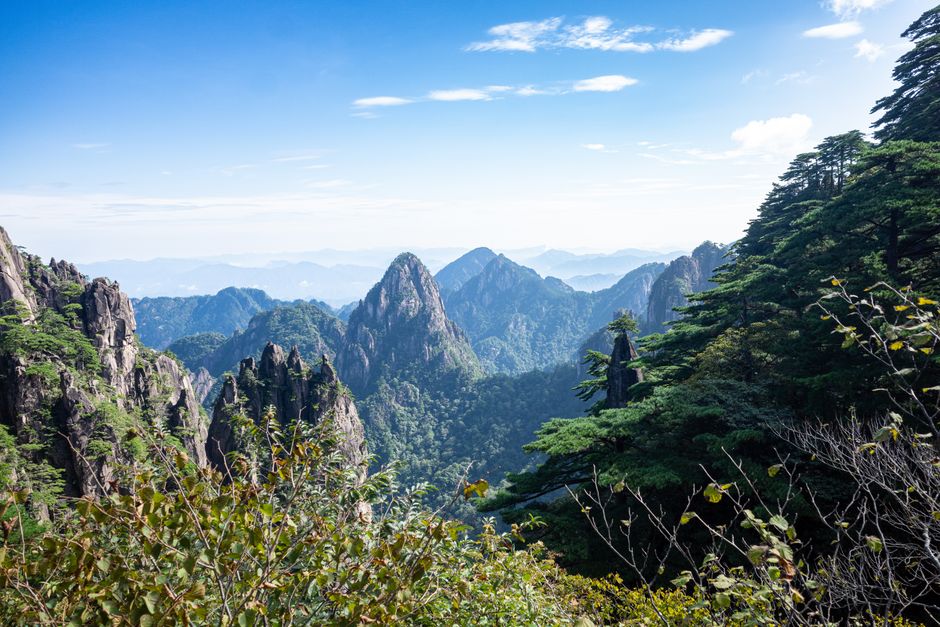
A one-day trip is possible: cable car up early, several hours on the summit ridge trails, cable car down before the last departure (typically mid-afternoon). It works, but it means no sunrise and a rushed pace across a summit area that easily fills a full day on foot.
A two-day, one-night itinerary is the version most guides — and most repeat visitors — actually recommend: cable car or hike up on day one, explore Beihai or Xihai in the afternoon, sunrise on day two, then a slower descent or second cableway down.
It roughly doubles your cost (summit hotel plus two cableway or entry legs) but is the only way to reliably see sunrise and the sea of clouds together.
Take the high-speed train to Huangshan North Station, then a 40–60 minute transfer to Tangkou. Book your entry ticket (~¥190 peak season) and cableway in advance, especially April–May and September–October. Plan two days, one night on the summit (Beihai or Xihai) if you want sunrise and a realistic shot at the sea of clouds — a single day trip means picking scenery over sunrise, not both.
Can You Combine Huangshan with Hongcun and Xidi Ancient Villages?
Yes, and most multi-day Huangshan trips do. Hongcun and Xidi are two UNESCO World Heritage-listed Anhui villages about an hour from Tangkou by local bus or taxi, known for their preserved Ming and Qing dynasty architecture and canal systems.
Hongcun’s lake-front village square was a filming location for Crouching Tiger, Hidden Dragon, which is the detail most visitors recognize it from before they arrive.
A common pattern is: descend from Huangshan on day two, spend the afternoon in Hongcun or Xidi, then continue on to Huangshan North Station for the train out the following morning — turning a two-day mountain trip into a three-day regional loop.
According to the Huangshan Municipal Tourism Bureau, Huangshan Scenic Area and the surrounding Hongcun and Xidi ancient villages together form one of Anhui Province’s core UNESCO-recognized travel circuits, combining natural and cultural heritage sites within a single day’s transit of each other.
Frequently Asked Questions
Is Huangshan hard to climb?
The stone-step trails are steep and long but not technical — no ropes or climbing gear are needed. A reasonably fit hiker can manage the front mountain route in 3–4 hours. Less fit visitors typically ride a cableway up and hike shorter summit-ridge sections on foot.
Do I need to book Huangshan tickets in advance?
Yes, especially April–May and September–October. The official booking system requires ID registration tied to your ticket. Booking a week ahead is the safe margin in peak months; a day or two ahead is usually fine off-peak.
Which cableway is best for first-time visitors?
Yungu Cableway is the most direct from Tangkou and the busiest. Yuping Cableway takes longer to reach but passes the Welcoming Pine, one of Huangshan’s signature sights. Riding up one and down the other is the most common recommendation.
Can I visit Huangshan as a day trip from Shanghai?
Technically yes by high-speed rail (2.5–3 hours each way), but it leaves almost no time on the mountain itself once transfers and cableway queues are counted. An overnight in Tangkou or on the summit is the realistic minimum.
What should I pack for Huangshan?
Layered clothing — summit temperatures run noticeably cooler than Tangkou and drop further at night — plus sturdy shoes for the stone steps, a rain layer, and cash or a mobile payment app for summit food and water, which cost more than in town since everything is carried up.
Is Huangshan worth visiting if the sea of clouds doesn’t appear?
Yes. The granite peak formations, pine trees, and stone-step trails are the main draw regardless of cloud conditions, and the sea of clouds is a bonus rather than the sole reason to go.
Visitors staying two days rather than one see it far more often, since conditions can shift completely between morning and afternoon.
More on China Destinations:
Planning a trip to China?
Check out our China Travel Hub for more guides, including China Digital Survival Guide.

Written by East Asia Explorer Editorial Team
Sam Konneh is an AI strategist and digital marketer based in Seoul, South Korea. With years spent living, working, and exploring across Korea, Japan, and China, he shares firsthand insights into East Asia's cultures, hidden gems, and everyday life. A graduate of Inha University and KDI Graduate School, Sam combines data-driven expertise with on-the-ground experience. His journey also includes studying in Malaysia and traveling through Southeast Asia. Through practical tips, local stories, and travel guides, he helps fellow explorers discover both the celebrated highlights and the lesser-known corners of East Asia.