Published: September 4, 2026
Last updated: July 2026. Dates shown are historical averages used for planning. Annual forecasts are published by the Japan Meteorological Corporation each January.
- Tokyo & Osaka: Full bloom typically late March to early April (March 28 – April 8 average window)
- Kyoto: Peak viewing late March to early April (March 31 – April 8 historical average)
- Sapporo: Blooms 4–5 weeks later — peak late April to early May (April 28 – May 5 average)
- Book early: Accommodation near top hanami spots sells out 5–6 months ahead; use free-cancellation Booking.com rates to hold your room before the January forecast confirms dates
After tracking bloom forecasts across Tokyo, Kyoto, Osaka, and Sapporo over multiple seasons, the single biggest planning mistake I see is treating “cherry blossom season” as one fixed week in late March.
It isn’t. Each city blooms on a different schedule — sometimes 2–3 weeks apart — and full bloom lasts only 5–7 days before petals drop. Miss the window by 4 days and you’re looking at mostly green leaves.
This guide gives you the historical city-by-city bloom windows, the top hanami parks per city, the exact tools to track the real-time forecast, and everything to book before you fly.
Cherry Blossom Bloom Dates by City: Your Planning Table
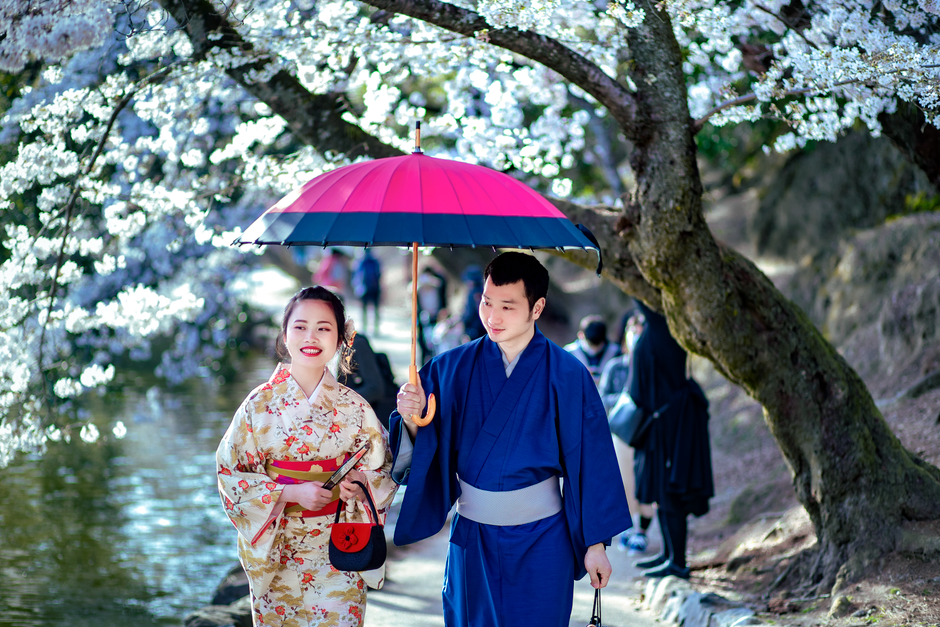
The Japan Meteorological Corporation (JMC) publishes its annual sakura forecast map in late January. Actual peak dates shift ±5–10 days depending on winter temperatures.
Use these historical averages to plan flights and accommodation — confirm exact dates once the January JMC forecast is live.
| City | First Bloom (avg) | Full Bloom (avg) | Peak Viewing Window |
|---|---|---|---|
| Tokyo | Mar 22–26 | Mar 27–31 | Mar 28 – Apr 6 |
| Kyoto | Mar 25–29 | Mar 30 – Apr 3 | Mar 31 – Apr 8 |
| Osaka | Mar 26–30 | Mar 31 – Apr 4 | Apr 1 – Apr 9 |
| Hiroshima | Mar 26–30 | Mar 31 – Apr 5 | Apr 1 – Apr 9 |
| Nagoya | Mar 22–27 | Mar 28 – Apr 2 | Mar 30 – Apr 7 |
| Sapporo | Apr 22–28 | Apr 26 – May 2 | Apr 28 – May 5 |
The Japan Meteorological Corporation releases the sakura forecast map each January. It updates weekly as the season approaches — by mid-March it narrows the bloom window to ±3 days. Cross-reference it against the JNTO cherry blossom page for English-language summaries.
Best Hanami Spots by City: Where Locals Actually Go
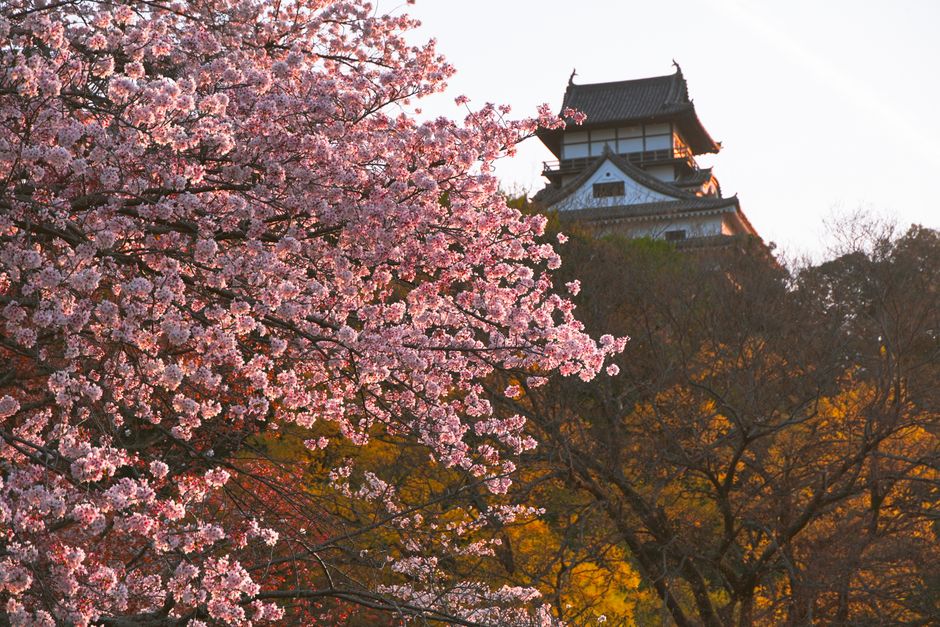
Not all parks are equal. The most-photographed spots fill by 7 AM on peak weekends.
Tokyo
Ueno Park — 1,200 Somei-Yoshino trees line the main promenade. Crowds arrive before 9 AM on weekends. Best on weekday mornings or after 7 PM (illumination runs nightly during peak).
Shinjuku Gyoen — ¥500 entry (free under-16). No alcohol is permitted, which keeps it noticeably calmer than Ueno. The park has 65 cherry tree varieties, extending the viewing window to nearly 3–4 weeks.
Chidorigafuchi — The moat surrounding the Imperial Palace. Rowboat rentals cost ¥800 for 30 minutes. When petals fall during peak, the water surface fills with pink — the most cinematic cherry blossom view in Tokyo.
Kyoto
Maruyama Park — Free admission. The central weeping cherry (shidarezakura) is the most-photographed tree in Gion. Night illumination runs 18:00–21:30 during peak week.
Philosopher’s Path — A 2 km canal walk lined with 450 cherry trees. Start at the Ginkaku-ji end and walk south toward Nanzen-ji. Less crowded than Maruyama in the early morning.
Kiyomizu-dera hill — The Higashiyama walk from Kiyomizuzaka to Sannenzaka offers cherry blossoms framing traditional Kyoto townhouses. Arrive before 8 AM to walk it without shoulder-to-shoulder crowds.
Osaka
Osaka Castle Park — 600 cherry trees encircle the castle moat. The park hosts a night viewing event until 21:00 during peak week. Access via JR Osaka-jo Koen station or Tanimachi 4-chome subway exit.
Sapporo
Maruyama Park (Sapporo) — Sapporo’s main hanami venue. Peak late April to early May means you can see full bloom after the rest of Japan’s season has ended — often with smaller crowds and lower hotel prices than March/April in Tokyo or Kyoto.
Hirosaki Castle (Aomori) — 2,600 cherry trees surround the castle moat, 90 minutes from Sapporo by train. Typically peaks late April. The castle moat fills with fallen petals (hanaikada) — one of the most distinctive sakura scenes in Japan.
If you missed Tokyo’s peak, a Peach Aviation domestic flight from Haneda or Narita to Sapporo New Chitose Airport runs ¥5,000–¥9,000 one-way. Late April bloom dates mean accommodation is 30–40% cheaper than peak March/April southern Japan pricing.
How to Track the Real-Time Forecast
Bloom timing shifts 5–10 days based on winter temperatures. Historical averages alone are not enough to guarantee you hit peak viewing.
Three sources that are accurate enough for final booking decisions:
- Japan Meteorological Corporation (JMC) — The national sakura forecast authority. Publishes the first forecast in January; updates weekly to within ±3 days by mid-March. Used by Japanese media as the primary reference.
- Weather News / Sakura Navi app — Used by over 12 million Japanese users annually. Push notifications alert you when your target city hits full bloom. Available in the App Store (Japanese interface, but the bloom stage icons are self-explanatory).
- Japan National Tourism Organization (JNTO) sakura page — Aggregates JMC and regional forecasts with English-language city-by-city summaries. Best first stop for non-Japanese readers planning from abroad.
Early warm winters push peak bloom 7–10 days ahead of the historical average. Cold late winters push it back equally. A non-refundable hotel booking made in October based on the historical average window has a meaningful chance of landing outside full bloom. Book free-cancellation rates in October to secure availability, then switch to confirmed dates after the January JMC forecast drops.
What to Book and When: The Practical Checklist
Cherry blossom season is Japan’s single most-crowded tourism week. Accommodation near major hanami parks sells out by October for peak late-March to early-April dates.
| What to Book | Ideal Timing | Practical Notes |
|---|---|---|
| Hotel / Ryokan | September–October | Free-cancellation rates via Booking.com — hold early, cancel if dates shift after January forecast |
| International Flights | 4–6 months out | Tokyo, Osaka, Sapporo routes run 40–60% higher during peak week vs. shoulder season |
| Japan Rail Pass | Activate from arrival | 7-day pass (approx. ¥50,000) breaks even with 2 Shinkansen intercity legs during a multi-city trip |
| Shinkansen Reserved Seats | 1 month out (after forecast firms) | Unreserved cars on Tokaido Shinkansen fill completely during peak week; reserved seats guarantee a seat |
| Klook Day Tours | 2–3 weeks out | Cherry blossom boat tours and guided Philosopher’s Path walks sell out; most Klook sakura activities allow free rescheduling 24–48 hrs before |
“Hanami is one of Japan’s most cherished seasonal traditions. We encourage all visitors to participate and to respect shared park spaces, which helps everyone enjoy this unique cultural experience.”
— Japan National Tourism Organization (JNTO), official guidance for international visitors
Hanami Etiquette: What Not to Do
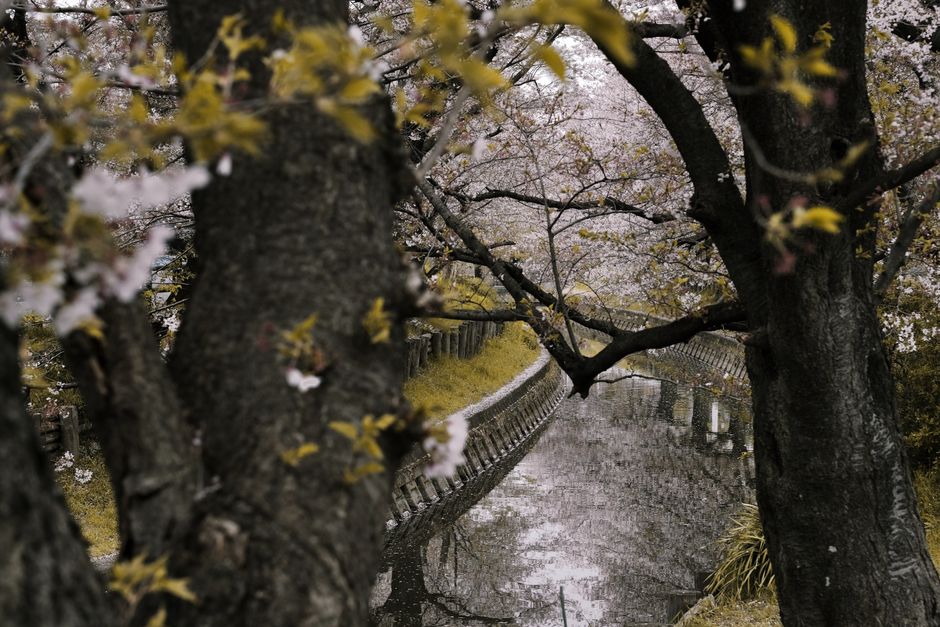
Cherry blossom viewing (hanami) is a national cultural event, not just a photo backdrop. A few rules to know before you go:
- Don’t shake or pull branches — causes premature petal drop and tree damage. It’s illegal in parks like Shinjuku Gyoen.
- Don’t sit in blue-tarp spots — Japanese office workers often arrive at 6–7 AM to claim group picnic spots for evening hanami parties. Unmarked tarp-covered areas = reserved.
- Alcohol rules vary by park — Shinjuku Gyoen prohibits alcohol. Ueno Park and Maruyama Park (both cities) allow it. Check before packing drinks.
- Pack out garbage — Peak-season bins near major parks are often removed to manage volume. Bring a bag for waste; leaving litter is a significant cultural faux pas.
- Photography etiquette — Many popular spots (especially in Kyoto) have photography restrictions near geiko residences. Follow local signage.
- Tokyo and Kyoto peak late March to early April; Sapporo and Hirosaki peak late April to early May
- Book accommodation in September–October using free-cancellation rates; finalize after January JMC forecast
- Shinjuku Gyoen and Sapporo offer the best bloom experience with lower crowd density
- Weather News / Sakura Navi app gives push notifications for your exact target city — more reliable than averages alone
- The Japan Rail Pass is worth calculating carefully for multi-city spring trips: Tokyo–Kyoto alone costs ¥13,850 one-way, and a 7-day pass covers that and more
FAQ: Japan Cherry Blossom Season
What is the best time to see cherry blossoms in Japan?
Late March to early April for most of Japan — Tokyo, Kyoto, Osaka, Hiroshima, and Nagoya all bloom in this window. Sapporo and northern Tohoku peak 4–5 weeks later (late April to early May), giving a second opportunity if you miss the main season.
How long does full bloom last in Japan?
Full bloom (man-kai) lasts 5–7 days before petals begin falling significantly. The total blossom cycle per city — from first bloom to petal-fall — spans about 2 weeks. Nationally, the sakura front moves from southern Kyushu north to Hokkaido over roughly 6 weeks (late March to early May).
Is the Japan Rail Pass worth it during cherry blossom season?
Yes, for multi-city trips. The 7-day JR Pass (approx. ¥50,000) covers Tokyo–Kyoto–Osaka Shinkansen plus local JR trains. Point-to-point Shinkansen: Tokyo–Kyoto ¥13,850 one-way, Kyoto–Osaka ¥1,430. Two round-trips on the Tokaido Shinkansen exceed the pass cost.
Reserved Shinkansen seats are strongly recommended during peak week — unreserved cars fill completely on Hikari and Kodama services.
When should I book a hotel for cherry blossom season?
By October for March/April dates. Properties within walking distance of Ueno Park, Maruyama Park, and Osaka Castle Park sell out by October–November for peak viewing dates. Book free-cancellation rates to hold your room, then adjust timing after the January JMC forecast publishes exact bloom dates.
Can I still see cherry blossoms if I visit in late April?
Yes — head north. Tokyo and Kyoto have largely dropped petals by April 15. Sapporo (Maruyama Park) peaks April 28 – May 5. Hirosaki Castle in Aomori peaks late April and features 2,600 cherry trees around a historic moat — one of the most celebrated late-season hanami venues in Japan.
More on Japan Destinations:
Planning a trip to Japan?
Check out our Japan Travel Hub for more guides, including JR Pass Guide 2026.

Written by East Asia Explorer Editorial Team
Sam Konneh is an AI strategist and digital marketer based in Seoul, South Korea. With years spent living, working, and exploring across Korea, Japan, and China, he shares firsthand insights into East Asia's cultures, hidden gems, and everyday life. A graduate of Inha University and KDI Graduate School, Sam combines data-driven expertise with on-the-ground experience. His journey also includes studying in Malaysia and traveling through Southeast Asia. Through practical tips, local stories, and travel guides, he helps fellow explorers discover both the celebrated highlights and the lesser-known corners of East Asia.