Last Updated: June 28, 2026 | Originally Published: December 13, 2023
- Beginner maedeup classes in Bukchon Hanok Village run ₩25,000–₩45,000 for a 90-minute session.
- Most workshops cluster on Gahoe-ro 11ga-gil — search this alley by name in Naver Map, not Google Maps.
- Book at least 2 days ahead via Klook or directly with the Cultural Center; walk-ins are accepted only on weekdays before 3 PM.
- Classes produce a norigae tassel or a dorae-knot keychain you keep — not just a demonstration.
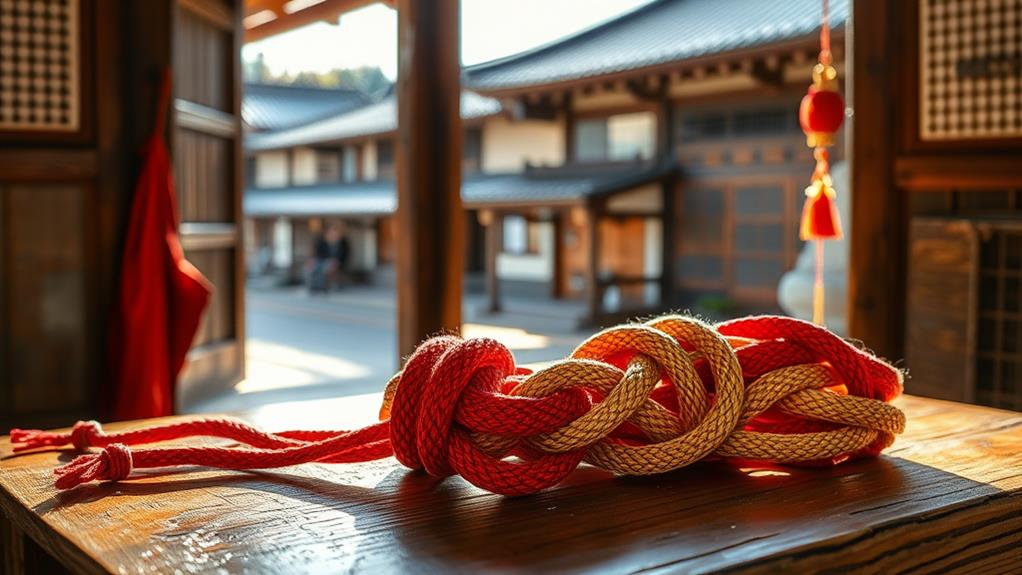
Maedeup — traditional Korean decorative knot-making — has been practiced in Korea for over 1,000 years, from the Three Kingdoms period (57 BC–935 AD) to today. The highest concentration of active maedeup workshops in Seoul sits inside Bukchon Hanok Village, a hillside neighbourhood of tile-roofed hanok between Gyeongbokgung Palace and Changdeokgung Palace in Jongno-gu.
This guide covers exactly where to book, what classes cost in ₩, how to navigate Bukchon’s narrow alleys, and what to expect inside a beginner session — so you walk in prepared rather than confused.
Read our full South Korea Travel Guide 2026 for everything you need to plan your Korea trip.
What Is Maedeup?
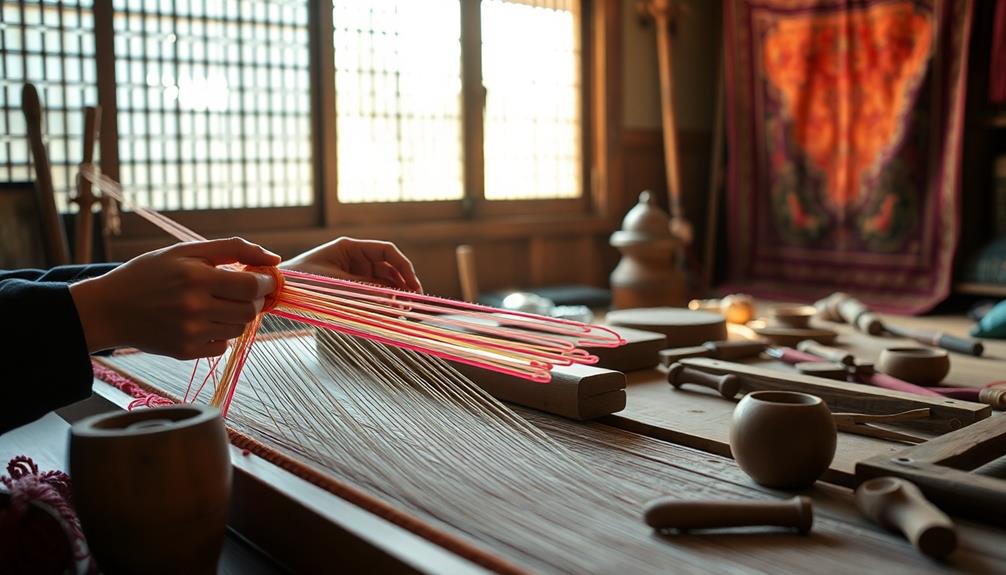
Maedeup (매듭) translates literally as “knot” and refers to the art of knotting silk cords into decorative forms using no tools other than the hands and a flat board with small pegs.
The Korea Cultural Heritage Administration classifies maedeup as an Important Intangible Cultural Heritage — a designation given to living traditions at risk of disappearing. According to the Korea Tourism Organization, fewer than 200 certified masters practice maedeup in South Korea today.
The most common knot forms a traveller encounters are:
- The dorae knot — a round, double-layered knot used in keychains and norigae tassels
- The butterfly knot — symbolising love and marital happiness
- The lotus knot — symbolising purity, often used in Buddhist prayer-bead strings
- The geumgang knot — a diamond shape symbolising strength, seen on palace ceremonial robes
Colours in maedeup are not decorative choices. Red and blue silk cords represent the yin–yang balance in Korean cosmology. Giving someone a red-and-blue norigae tassel is considered a traditional good-luck gift for a new home or marriage.
Workshop Prices and Booking Options

Maedeup classes in Bukchon range from drop-in craft sessions lasting 60 minutes to full-day workshops where you complete a wearable norigae pendant. Prices below are as of 2026 and quoted in KRW; Klook listings add a 5–8% service fee on top.
| Venue / Booking Channel | Duration | Price (₩) | What You Make |
|---|---|---|---|
| Bukchon Cultural Center (직접 예약) | 90 min | ₩25,000 | Dorae keychain or phone charm |
| Private artisan studio, Gahoe-dong (walk-in weekday) | 90 min | ₩30,000–₩35,000 | Norigae tassel |
| Klook group class (2–8 people) | 2 hrs | ₩38,000–₩42,000 | Norigae pendant + mini dorae |
| Private session (advance reservation, 1–2 guests) | 3 hrs | ₩80,000–₩120,000 | Full norigae + your choice of knot form |
The Bukchon Cultural Center is the most budget-friendly option and supplies all materials including dyed silk cords. Private studios charge more but offer instruction in English by default and keep group sizes to four or fewer.
Several “maedeup experience” listings on online travel platforms in Bukchon offer ₩15,000 sessions using synthetic polyester cord rather than silk. You can tell the difference by feel — silk is smooth and slightly warm; polyester squeaks under tension. Genuine maedeup must use silk to achieve the correct tension on knot forms.
How to Navigate to Bukchon Workshops
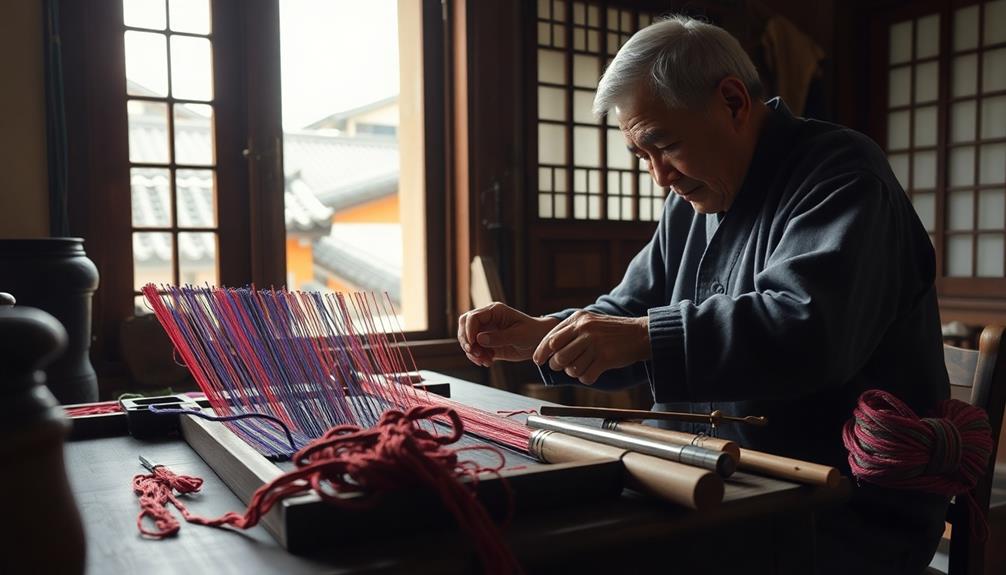
The workshop alley that most travellers are looking for is Gahoe-ro 11ga-gil (가회로11가길) in Gahoe-dong. This is distinct from the main Bukchon Hanok Village viewpoint alley — the two are 300 metres apart and easy to confuse.
Use Naver Map, not Google Maps. Google Maps mislabels several of the small craft studios in Gahoe-dong because street-level update frequency for those alleys is low. Search “가회동 매듭 공방” (Gahoe-dong maedeup workshop) in Naver Map and you’ll get accurate pins for the active studios.
The nearest subway station is Anguk Station (Line 3, Exit 2). Walk northeast on Bukchon-ro for 10 minutes. The Cultural Center is on your left at Bukchon-ro 5ga-gil 2.
Arrive before 10 AM on weekdays. The steeper alley sections in Gahoe-dong attract tour groups from 10:30 AM onward, and workshops that accept walk-ins close their doors once the group capacity (typically 6 seats) fills. After 3 PM on Saturdays, most studios display “마감” (closed/full) signs at the entrance.
What Happens Inside a Beginner Class
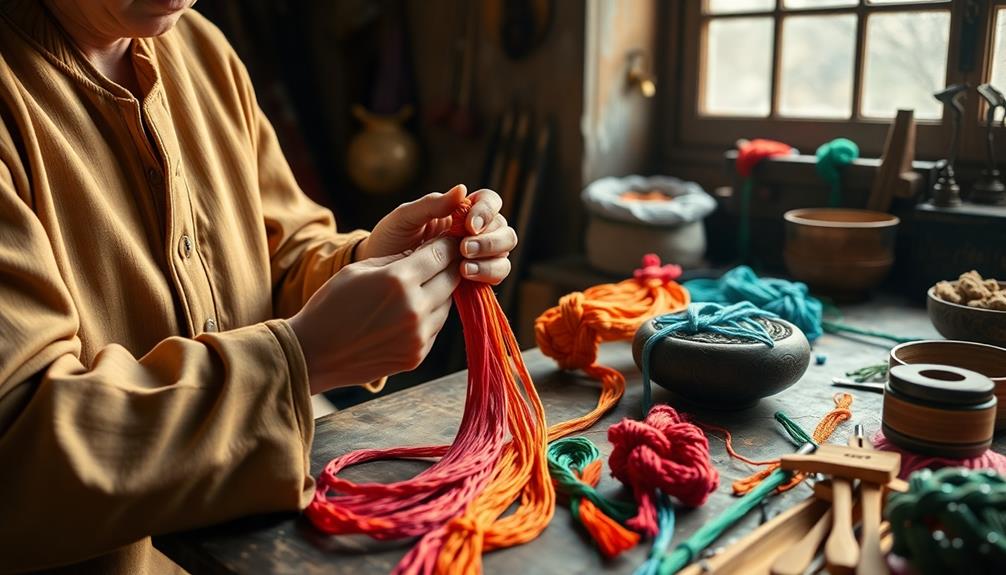
A standard 90-minute beginner class at a Bukchon studio follows a consistent structure. The first 15 minutes covers the history of maedeup — specifically its classification as Intangible Cultural Heritage No. 22 by the Korea Cultural Heritage Administration.
You then choose your cord colour from a rack of pre-dyed silk in 12–16 shades. The instructor demonstrates a dorae knot step by step, pinning the cord to a small foam board in front of you. You replicate each step before moving on.
By the 60-minute mark, most beginners have completed one dorae knot to a standard that holds under light tension. The remaining 30 minutes is used to finish the tassel end and attach your knot to the keychain or phone-charm hardware included in the class fee.
You leave with a completed piece. Classes in Bukchon specifically (as opposed to Insadong or Hongdae craft hubs) are almost always led by instructors who speak enough English to guide you through the practical steps.
Maedeup in Royal Courts and Cultural Heritage
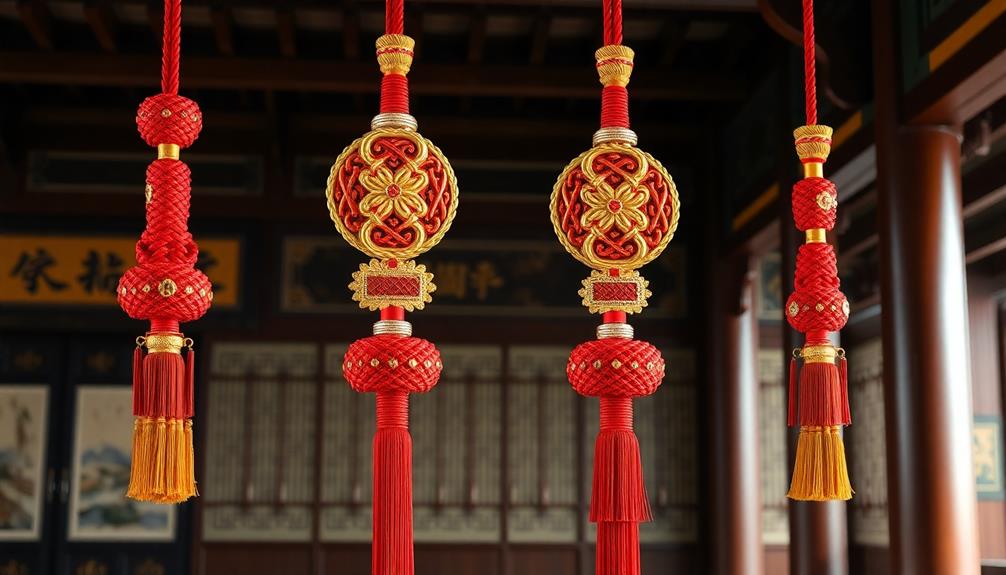
Maedeup reached its most elaborate form in the Joseon dynasty (1392–1897). Court artisans produced norigae tassels — pendants attached to women’s hanbok — that could take 40–60 hours to complete a single piece using gold-and-silk combined cord.
You can see surviving royal examples at the National Folk Museum of Korea, located inside Gyeongbokgung Palace grounds. Admission is free with a Gyeongbokgung ticket (₩3,000 adults). The museum’s permanent collection includes a display of Joseon-era norigae with silk-wrapped jade and amber decorative elements.
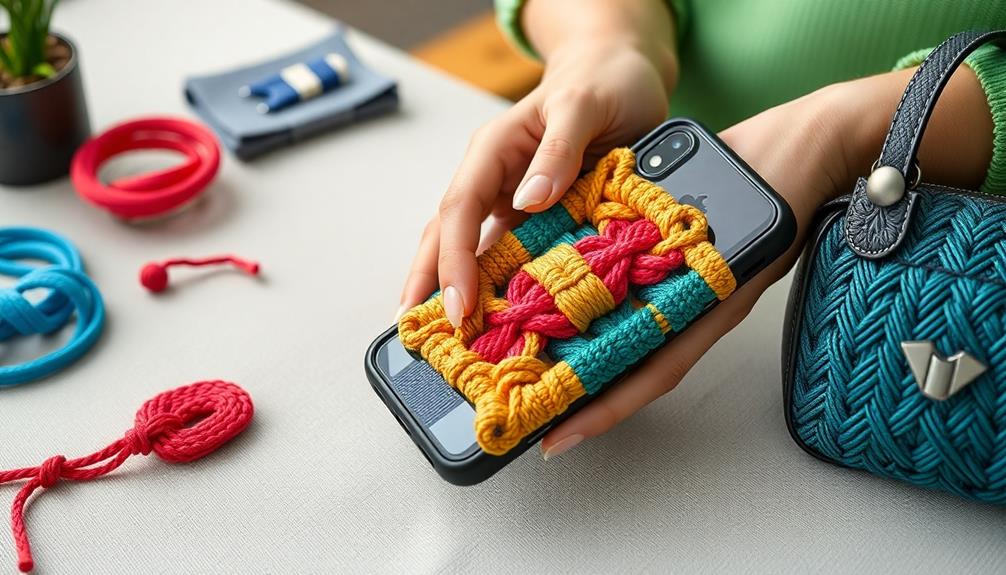
Modern maedeup has expanded beyond tassels. You’ll find it on handbag charms, phone cases, and wedding gifts — practical items that keep the cord-tension technique in active use.
Buying Maedeup in Bukchon vs Insadong
If you’re not taking a class, Bukchon and Insadong are the two neighbourhoods where you’ll find the highest concentration of authentic maedeup for purchase. The key difference:
- Bukchon: pieces are made on-site by the selling artisan; prices run ₩15,000–₩80,000 depending on complexity
- Insadong: mix of artisan pieces and imported craft items; easier to negotiate price, harder to verify origin
Ask the seller directly whether the piece was knotted by hand using natural silk. Authentic pieces have visible cord ends tucked into the body of the knot — machine-produced imitations have heat-sealed or glued ends.
- Budget ₩25,000–₩45,000 for a 90-minute beginner class in Bukchon; private sessions run ₩80,000+.
- Navigate to Gahoe-ro 11ga-gil via Naver Map, not Google Maps — arrive before 10 AM on weekdays.
- Authentic maedeup uses natural silk cord with tucked (not glued) ends; the Korea Cultural Heritage Administration lists maedeup as Intangible Cultural Heritage No. 22.
- Klook group classes at ₩38,000–₩42,000 include English instruction; book at least 2 days in advance.
Frequently Asked Questions
Can I book a maedeup class on the same day I visit Bukchon?
Yes, but only on weekdays before 3 PM. On weekends, all classes in Bukchon fill by mid-morning. Klook listings show real-time availability, and the Bukchon Cultural Center accepts phone bookings in Korean. For English speakers, Klook is the easiest same-week booking option.
How long does a beginner class take, and what do I make?
Most beginner sessions run 60–90 minutes. You’ll complete one finished piece — typically a dorae-knot keychain or a small norigae tassel. Private 3-hour sessions at ₩80,000+ cover two knot forms and allow you to choose your own silk cord colours from the studio’s full range.
Do I need to speak Korean to take a maedeup class in Bukchon?
No. Studios in Bukchon that cater to tourists offer instruction in English as standard. Klook-listed classes guarantee English-language instruction. Studios in residential alleys (not listed on Klook) may have limited English — bring a translation app as a backup.
What is the symbolic meaning of Korean knot colours?
Red and blue represent the yin–yang balance. Yellow and gold are associated with royalty and the five cardinal directions in Korean cosmology. White is used in mourning contexts and is avoided for gifts. Green traditionally represents new growth and is a safe choice for a souvenir gift.
Can I buy maedeup materials to practice at home?
Yes. The Insadong Arts Market and craft shops near Gyeongbokgung Palace sell maedeup starter kits (board, pins, silk cords) for ₩20,000–₩35,000. Several Bukchon studios also sell materials separately if you ask at the end of your class.
Last updated: 2026-06-22. All prices in KRW and accurate as of the publication date. Confirm class availability directly with venues before visiting.
More on Food & Dining:

Written by Sam Konneh
Sam Konneh is an AI strategist and digital marketer based in Seoul, South Korea. With years spent living, working, and exploring across Korea, Japan, and China, he shares firsthand insights into East Asia's cultures, hidden gems, and everyday life. A graduate of Inha University and KDI Graduate School, Sam combines data-driven expertise with on-the-ground experience. His journey also includes studying in Malaysia and traveling through Southeast Asia. Through practical tips, local stories, and travel guides, he helps fellow explorers discover both the celebrated highlights and the lesser-known corners of East Asia.