Last Updated: October 2, 2026 | Originally Published: May 31, 2026
- Top sights: Haeundae and Gwangalli beaches, the hillside Gamcheon Culture Village, Jagalchi Fish Market, Beomeosa Temple, and the seaside Haedong Yonggungsa.
- How long: two days for the highlights; three if you add a temple or a day trip.
- Getting from Seoul: the KTX high-speed train reaches Busan in about two and a half hours.
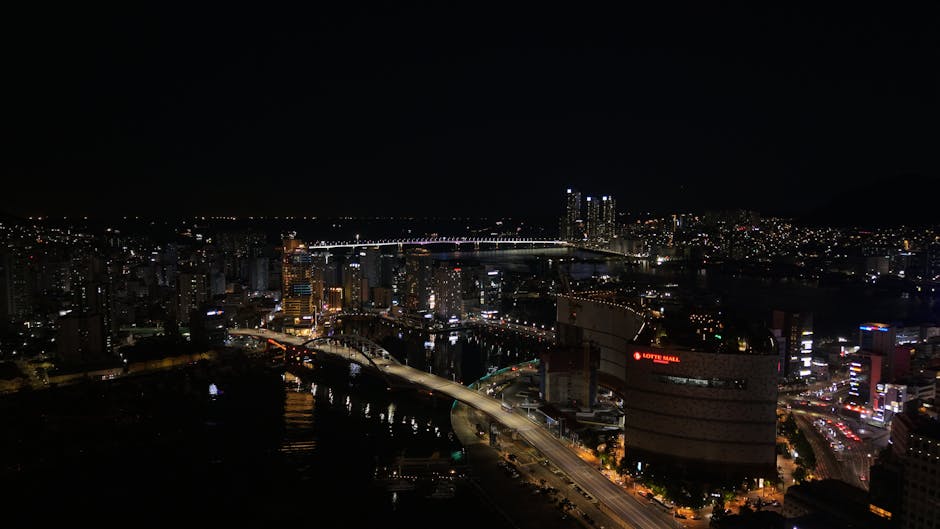
- Most-missed tip: see Gwangalli Beach after dark for the Gwangan Bridge light show, then eat at the night stalls.
Busan Essentials
| Area | Best for | Character |
|---|---|---|
| Haeundae | Beaches, resorts | Sand, high-rises, aquarium, nightlife |
| Seomyeon | Food, shopping, transport | Central subway hub, restaurants, bars |
| Nampo-dong | Markets, sightseeing | Jagalchi, BIFF Square, Gamcheon nearby |
| Gwangalli | Views, cafés | Beach, bridge light show, café strip |
Busan Travel Guide 2026: KTX from Seoul, Haeundae Beach, and What ₩120,000 a Day Actually Buys
Quick Answer
- The KTX from Seoul Station reaches Busan in about 2 hours 15 minutes; a one-way adult fare is ₩59,800, or take the cheaper SRT at roughly ₩52,600.
- Most Western, EU, and East Asian nationals are exempt from the K-ETA through December 31, 2026, but everyone now files a digital e-Arrival Card.
- A comfortable mid-range day runs about ₩120,000 ($88): a guesthouse bed, metro travel, two restaurant meals, and one paid attraction.
- Spring (April–May) and autumn (September–October) give the clearest skies; July and August bring the crowds to Haeundae Beach.
Busan is Korea’s second city and its best argument for leaving Seoul. It packs six metro lines, two famous beaches, the country’s largest fish market, and a hillside art village into a coastline you can cross in an afternoon.
This guide covers the trip end to end: getting there, entry paperwork for 2026, where to sleep, what a real day costs, the experiences worth your time, and a three-day plan that doesn’t waste it.
On my regular sourcing runs through Korea I treat Busan as the reset after Seoul. It moves at a different speed, and most of the best things to do cost a metro fare and an appetite.
How do you get from Seoul to Busan in 2026?
The fastest way is the KTX high-speed train from Seoul Station, which covers the 325 km to Busan Station in about 2 hours 15 minutes on direct services.
A one-way adult ticket costs ₩59,800, and a round trip runs ₩119,600. Children travel for ₩29,900 each way.
There are more than 20 daily departures, roughly from 08:00 until 22:30. Trains leave from Seoul Station, not the express bus terminal, so build in time for the cross-city transfer.
Korea also runs a second high-speed operator, the SRT, departing from Suseo Station in southeast Seoul. A standard SRT seat to Busan is about ₩52,600, around ₩7,000 cheaper than the KTX.
Pro Tip: Buy KTX tickets on the official Korail site or the Korail Talk app up to a month ahead. Korean holidays, especially Seollal and Chuseok, sell the Seoul–Busan route out three to four weeks in advance.
| Option | Time | One-way fare | Best for |
|---|---|---|---|
| KTX (Seoul Station) | ~2h 15m | ₩59,800 | Speed, central departure |
| SRT (Suseo Station) | ~2h 30m | ~₩52,600 | Saving money |
| Express bus | ~4h 20m | ~₩35,000 | Lowest cost |
| Domestic flight | ~1h air + transfers | ₩40,000–90,000 | From Gimpo or Jeju |
Door to door, the train usually beats the plane. Gimhae Airport sits outside the city, and the security and transfer time erases the flight’s hour-long head start.
Do you need a K-ETA to visit Busan in 2026?
Most short-term tourists do not need a K-ETA in 2026. Korea extended its temporary K-ETA exemption through December 31, 2026, covering 67 countries and territories.
That list includes the United States, United Kingdom, Canada, Australia, Japan, and the major EU markets such as France, Germany, Italy, and Spain. These nationals enter visa-free for tourism without filing a K-ETA.
One step is new for everyone: the digital e-Arrival Card. It replaces the old paper card you filled out on the plane, and you complete it online before you land.
Warning: The exemption is “temporary” and tied to the Visit Korea campaign. Confirm your nationality’s status on the official K-ETA portal before you travel, because the policy can change after 2026. Selecting your country in the system triggers a “K-ETA Exempt” pop-up if you are covered.
If you want to skip the e-Arrival Card entirely, you can still apply for a K-ETA voluntarily. An approved K-ETA waives the arrival-card step, which some frequent visitors prefer.
According to the Korea Tourism Organization, the K-ETA exemption was extended to lower the barrier for inbound tourists during the Visit Korea Year initiative, with the goal of growing arrivals to the country’s regional hubs, Busan among them.
How do you get from Gimhae Airport into the city?
The cheapest route from Gimhae International Airport (PUS) is the Busan–Gimhae Light Rail Transit, which links directly into the city’s subway network.
You ride the light rail to Sasang Station, then transfer to Metro Line 2 for Seomyeon, the central district. The full trip takes 40 to 50 minutes and costs only a few thousand won with a transit card.
According to the Korea Tourism Organization, per US State Department travel advisories, renovated airport bus services restarted recently, with adult fares of ₩9,500 on Line 1 and ₩7,500 on Line 2. These help if you have heavy luggage and want a seat the whole way.
A taxi reaches central Busan in about 23 minutes in light traffic, costing roughly ₩18,000 to ₩25,000 for up to four people. Split between a group, it is barely more than the bus.
Pro Tip: Buy a rechargeable Cashbee card at any airport convenience store the moment you land. It works on Busan’s metro, buses, and light rail, and gives transfer discounts that single tickets do not.
Where should you stay — Haeundae, Seomyeon, or Nampo-dong?
We earn a commission if you book through links on this page, at no extra cost to you. See our affiliate disclosure.
The right base depends on what you came for. Busan is long and coastal, so your neighborhood decides how much metro time you log each day.
Haeundae is the beach-resort choice: sand, high-rise sea-view hotels, and the best restaurant strip in the city, though you sit at the eastern end of the metro map.
Seomyeon is the central transport hub where Metro Lines 1 and 2 cross. It is the most convenient base for short trips because almost everywhere is one transfer away, with dense shopping and nightlife.
Nampo-dong suits first-timers chasing classic sights. Jagalchi Market, BIFF Square, and the Gamcheon Culture Village bus all sit within reach, and it feels like old Busan rather than new towers.
| Area | Vibe | Best for |
|---|---|---|
| Haeundae | Beach resort, upscale | Sea views, dining, summer |
| Seomyeon | Central, busy | Transport, short stays, nightlife |
| Nampo-dong | Old town, markets | First-timers, classic sights |
| Gwangalli | Café and bar beachfront | Night views, younger crowd |
What does a day in Busan actually cost?
A comfortable mid-range day in Busan costs around ₩120,000, or about $88 at 2026 exchange rates. That assumes a private guesthouse room, public transport, two restaurant meals, and one paid attraction.
Budget travelers can run the same day for under ₩60,000 by staying in hostel dorms and eating at markets. Couples in beachfront hotels easily push past ₩250,000.
| Expense | Budget | Mid-range |
|---|---|---|
| Bed | ₩22,000 (dorm) | ₩70,000 (guesthouse) |
| Meals (x2) | ₩14,000 | ₩28,000 |
| Metro + bus | ₩4,000 | ₩5,000 |
| Attraction + coffee | ₩12,000 | ₩17,000 |
| Daily total | ~₩52,000 | ~₩120,000 |
What are the best things to do in Busan?
This is where Busan earns repeat visits. The city stacks beaches, working markets, cliffside temples, and hillside art villages along one coast, and you can string several together in a single day.
I’ve grouped the standouts below by type, so you can build a route around what you actually like rather than chasing a generic top-ten list.
Beaches and bridges
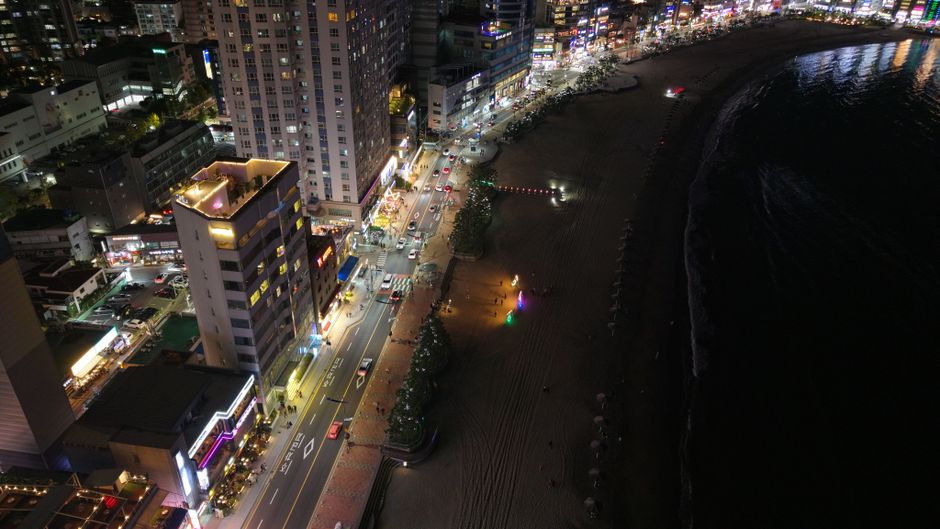
Haeundae Beach is the famous one: a wide arc of sand backed by high-rises and the city’s strongest restaurant row. It is electric in July and August and pleasantly quiet the rest of the year.
Gwangalli Beach sits a short ride east and trades hotels for bars and cafés. The lit Gwangan Bridge across the bay at night, seen from a beachfront table, is the best urban view in the city.
Songdo Beach is the quieter, older resort beach to the west. Its draw is the Songdo Marine Cable Car (Busan Air Cruise), which glides out over open water. As of 2026, an adult round trip runs ₩19,000, or ₩24,000 for the glass-floor Crystal cabin if you trust your knees.
Temples worth the bus ride
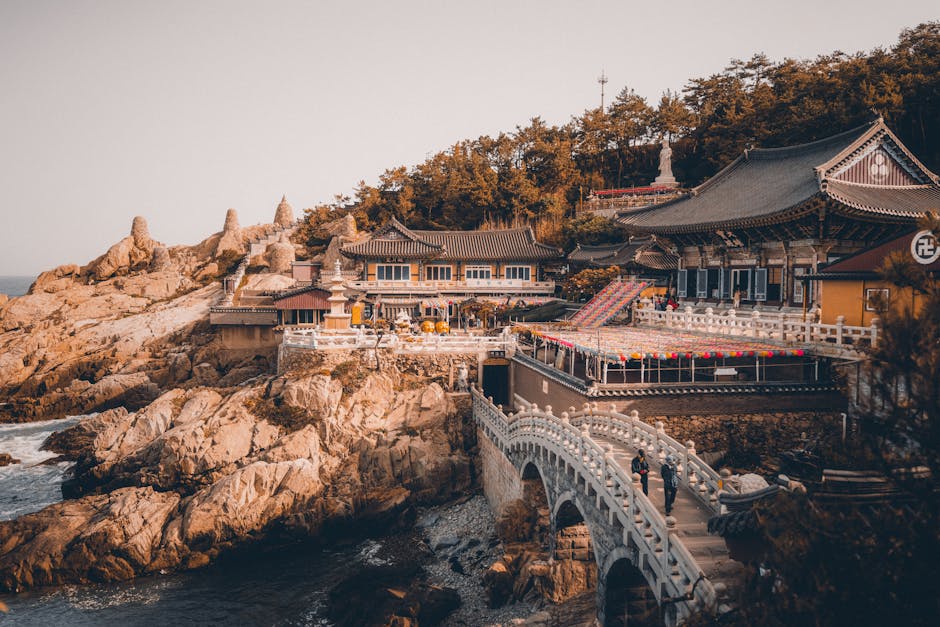
Haedong Yonggungsa is a rare seaside Buddhist temple on the northeastern coast, perched right on the rocks above the surf. Entry is free, and the cliffside setting earns the trek out; arrive early to beat the tour buses.
Beomeosa Temple sits up the slopes of Geumjeongsan, the mountain that backs the city. It is free to enter, far calmer than the coastal temples, and reachable on Metro Line 1 plus a short bus or taxi.
Markets and old-town streets
Jagalchi Market is Korea’s largest seafood market. Pick a fish on the ground floor and vendors slice and serve it upstairs for a small fee, the most local meal you can buy in Busan.
Gukje Market is the sprawling post-war street market next door, a maze of stalls selling everything from fabric to vintage cameras. BIFF Square, a block away, is the street-food strip where ssiat hotteok was invented.
Nampo-dong ties these together. It is old Busan on foot: market alleys, theaters, and the shopping streets below Yongdusan Park, all walkable without touching the metro.
Viewpoints and skywalks
Busan Tower crowns Yongdusan Park above Nampo-dong, the classic city-and-harbor lookout reached by an escalator up from the market streets.
Busan X the Sky is the modern rival: an observation deck near the top of the LCT tower at Haeundae, one of Korea’s tallest. As of 2026, adult admission is roughly ₩27,000–29,000, so go on a clear day to make it count.
Oryukdo Skywalk is the free option, a glass-floored horseshoe jutting over the sea where the coast meets the open water. The nearby Igidae Coastal Walk is a cliff-edge trail with the best raw views of the Gwangan Bridge skyline.
Taejongdae rounds out the list with cliffs, pine forest, and a lighthouse at the city’s southern tip. A small road-train loops the headland if the full walk feels long.
Culture villages and one indoor escape
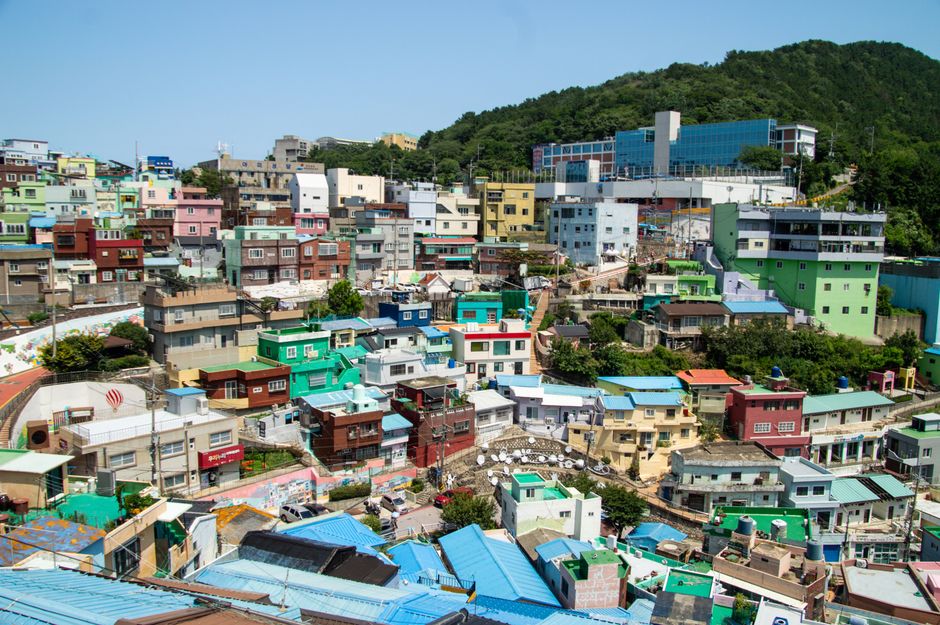
Gamcheon Culture Village is the photogenic one. Built up a steep hillside as a Korean War refugee settlement, it was revived in 2009 by an art project and now carries nicknames like the “Santorini of Korea.”
Entry is free; a ₩2,000 map at the information center sets you on a stamp trail through the murals and gets you two postcards at the end.
Huinnyeoul Culture Village is the lower-key cousin on Yeongdo island, a row of seaside cafés and white-walled houses along a cliff path, with far fewer crowds than Gamcheon.
For a rainy afternoon, Spa Land inside Shinsegae Centum City is a polished jjimjilbang with themed sauna rooms and outdoor foot baths. As of 2026, four hours runs about ₩20,000 on weekdays and ₩23,000 on weekends.
Pro Tip: Gamcheon is a living neighborhood, not a theme park. Stay on marked routes, keep your voice down near homes, and dodge the midday tour-bus crush by arriving before 10:00 or after 16:00.
The trick locals share is to pick one coast per day rather than zig-zagging the metro. Group Songdo and Gamcheon in the west, Haeundae and Oryukdo in the east, and you double how much you actually see.
— Frequent Busan travelers and Korea-based guides
When is the best time to visit Busan?
Spring and autumn are the clear winners. April and May bring mild air and cherry blossoms, while September and October deliver the year’s sharpest skies and warm-but-not-humid days.
Summer is beach season and the loudest time to come. July and August fill Haeundae and Gwangalli, and the heat is sticky, though the sea festivals are a genuine draw.
Late June through July is also the monsoon window, when rain can arrive in heavy bursts. Pack a compact umbrella and keep a flexible indoor backup.
Winter is cold but rarely snowy on the coast. Crowds thin, hotel prices drop, and the seafood is at its best, which makes it a quietly good time for a food-focused trip.
How do you get around Busan?
The metro handles almost everything a visitor needs. Busan runs six lines with English signage linking the airport, both main beaches, the markets, and the KTX station.
Tap on with a Cashbee or T-money card rather than buying single tickets. The stored-value cards are faster at the gates and unlock transfer discounts between metro and bus.
I learned the hard way that a Seoul T-money card works fine here too, so don’t buy a second card if you already have one from up north.
Buses fill the gaps the metro misses, including the climb up to Gamcheon Culture Village from Toseong Station. Route numbers and stops appear in English on the Kakao Map and Naver Map apps.
Warning: Google Maps gives poor walking and transit directions in Korea because of mapping-data restrictions. Download Kakao Map or Naver Map before you arrive, or you will lose time at every transfer.
What should you eat in Busan?
Busan’s food is coastal and distinct from Seoul’s. The signatures are seafood-forward, and you can eat well for very little if you follow the markets.
Dwaeji gukbap, a milky pork-and-rice soup, is the city’s comfort dish and a hangover cure locals swear by. A bowl runs about ₩9,000 and comes with endless side dishes.
Raw fish, or hoe, is the Jagalchi Market specialty. Buy your catch on the ground floor and pay a small fee to have it sliced and served upstairs with sides.
For street food, BIFF Square near Nampo-dong is the spot for ssiat hotteok, a seed-stuffed sweet pancake invented in Busan.
What day trips are worth taking from Busan?
Busan makes an easy base for the southeast. The standout is Gyeongju, the ancient Silla capital, which the KTX reaches from Busan Station in just 28 to 35 minutes for about ₩15,000 each way.
Gyeongju is an open-air museum of royal tombs, the Bulguksa temple, and the Seokguram grotto, both UNESCO World Heritage sites. A single full day covers the highlights if you start early.
Closer to home, Haedong Yonggungsa is a rare seaside Buddhist temple on the northeastern coast. It draws crowds at sunrise and on Buddha’s Birthday, but the cliffside setting earns the bus ride.
What festivals happen in Busan?
The biggest fixture is the Busan International Film Festival, or BIFF, Asia’s leading film event. The 31st edition runs October 6 to 15, 2026, centered on the Busan Cinema Center and the Centum City multiplexes.
BIFF turns the Centum City and Haeundae districts into a screening hub for ten days, and Centum City Station on Metro Line 2 drops you closest to the venues.
Summer brings beach events to Haeundae and Gwangalli, including sand-sculpture festivals and the autumn Busan Fireworks Festival over Gwangalli Bay. If you visit during one, book a room weeks ahead.
What is a good three-day Busan itinerary?
Three days covers the coast, the old town, and the hillside art village without doubling back. Group each day by area so you spend the time on sights, not the metro.
Day 1 — West and old town. Start at Jagalchi Market and Gukje Market, climb to Busan Tower in Yongdusan Park, then take the bus up to Gamcheon Culture Village for the late-afternoon light.
Day 2 — East coast. Begin at Haedong Yonggungsa before the crowds, spend midday on Haeundae Beach with Busan X the Sky for the view, then end with the bridge lights at Gwangalli.
Day 3 — Headlands or a day trip. Walk Oryukdo Skywalk and the Igidae coastal trail, or take the 30-minute KTX to Gyeongju for tombs and temples. Save a quiet hour for Songdo’s cable car if you stayed in town.
Key Takeaway
Take the KTX from Seoul Station for the fastest trip, and confirm your K-ETA exemption and file the e-Arrival Card before you fly.
Base yourself in Seomyeon or Haeundae depending on whether you want convenience or the beach, budget around ₩120,000 a day for mid-range comfort, and come in spring or autumn for the clearest weather.
Frequently asked questions
Is Busan worth visiting if I only have time for Seoul?
Yes, if you can spare two or three days. Busan offers beaches, mountains, and a major fish market that Seoul cannot match, and the KTX makes it a 2-hour 15-minute hop.
How many days do you need in Busan?
Three days is the sweet spot. It covers the coast, the old town, and the hillside art village without backtracking, while two days forces you to skip one.
Do I need a K-ETA for Busan in 2026?
Probably not. Citizens of 67 countries, including the US, UK, Canada, Australia, and the EU, are exempt through December 31, 2026, though everyone files a digital e-Arrival Card.
Is Busan cheaper than Seoul?
Slightly. Accommodation and dining cost a little less than central Seoul, and market food keeps budgets low, though beachfront hotels in Haeundae get pricey in summer.
What is the best way to get around Busan?
The six-line metro with a Cashbee or T-money card. It reaches the airport, both beaches, the markets, and the KTX station, and buses cover the few hilltop spots the metro misses.
When is cherry blossom season in Busan?
Late March into early April. Busan blooms a little earlier than Seoul thanks to its warmer coastal climate, with spots like Dalmaji Hill drawing the crowds.
What are the must-do things in Busan?
If you do only five things: Haeundae or Gwangalli Beach, Gamcheon Culture Village, Jagalchi Market, Haedong Yonggungsa temple, and one viewpoint such as Oryukdo Skywalk or Busan X the Sky. Together they cover beach, art, market, temple, and skyline.
Are Busan’s attractions free?
Many are. The beaches, Gamcheon and Huinnyeoul villages, Gukje Market, Oryukdo Skywalk, and the temples at Yonggungsa and Beomeosa cost nothing to enter. The cable car, observation decks, and Spa Land are the paid extras.
Can I do Busan as a day trip from Seoul?
It is possible but tight. With a 2-hour 15-minute KTX each way, you would have only six or seven hours in the city, enough for one neighborhood rather than the highlights.
Last updated: May 2026
Cycling & Practical Tips for Busan
Riverside cycling at Samnak Eco Park
Busan’s flattest, most scenic ride follows the Nakdong River through Samnak Ecological Park, the largest of the city’s riverside parks. Marshland, wildflower beds and dedicated bike paths run for kilometres along the water.
The on-site rental shop opens 9am to 5pm year-round; bring photo ID and your phone number. This is the Busan endpoint of Korea’s cross-country Nakdonggang Bicycle Path. Reach it from Sasang Station (Metro Line 2, Exit 3), then walk about 15 minutes to the riverside.
Pharmacies & health basics
Pharmacies (약국, yakguk) cluster near subway stations and show a green-cross sign; staff near tourist areas often speak some English. Convenience stores stock basic painkillers and cold medicine after hours.
Korea’s medical care is excellent and widely accessible. Dial 119 for a medical emergency. Arrange travel insurance before you go, since foreign visitors pay upfront for treatment.
Frequently Asked Questions
How many days do you need in Busan?
Two days cover the highlights — the beaches, Gamcheon Culture Village, Jagalchi Fish Market, and a temple. Add a third day for Taejongdae, a day trip, or a slower pace.
How do you get from Seoul to Busan?
The fastest option is the KTX high-speed train from Seoul Station, which reaches Busan in about two and a half hours. Flights exist but rarely save time once you add airport transfers.
When is the best time to visit Busan?
Late spring (May to June) and early autumn (September to October) offer warm, comfortable weather and lighter crowds. July and August are hot and packed with domestic holidaymakers at the beaches.
What is the best way to get around Busan?
Use the Busan subway with a T-money or Cashbee card; the same card works on city buses and in Seoul. The subway reaches the beaches, markets, and KTX station directly.
What is Busan known for?
Busan is Korea’s second city and main port, known for its beaches (Haeundae, Gwangalli), fresh seafood at Jagalchi Market, the colourful Gamcheon Culture Village, and the Busan International Film Festival.
More on Busan:

Written by East Asia Explorer Editorial Team
Sam Konneh is an AI strategist and digital marketer based in Seoul, South Korea. With years spent living, working, and exploring across Korea, Japan, and China, he shares firsthand insights into East Asia's cultures, hidden gems, and everyday life. A graduate of Inha University and KDI Graduate School, Sam combines data-driven expertise with on-the-ground experience. His journey also includes studying in Malaysia and traveling through Southeast Asia. Through practical tips, local stories, and travel guides, he helps fellow explorers discover both the celebrated highlights and the lesser-known corners of East Asia.